
Reviewed · HIKING TOURS IN AREQUIPA
From Arequipa: Sillar Route Trek
Stone tells Arequipa’s story. This four-hour outing takes you from the city to the quarries that produce the pale volcanic stone used in Arequipa’s churches and colonial buildings. I like the mix of working stone quarries and old Wari petroglyphs, and the short walk through Culebrillas Canyon is the most memorable part for me. The volcano and Chilina Valley viewpoint adds a fine photo stop.
The main drawback is that the quarry visit can feel more like a series of photo stops than a full cultural visit. You also pay an extra 18 soles in entrance fees, in cash, and the canyon requires steady walking over uneven ground.
In This Review
- Key points to know before you go
- Why Arequipa’s white stone matters
- Starting at C. Álvarez Thomas 115
- The volcano and Andenerías viewpoint
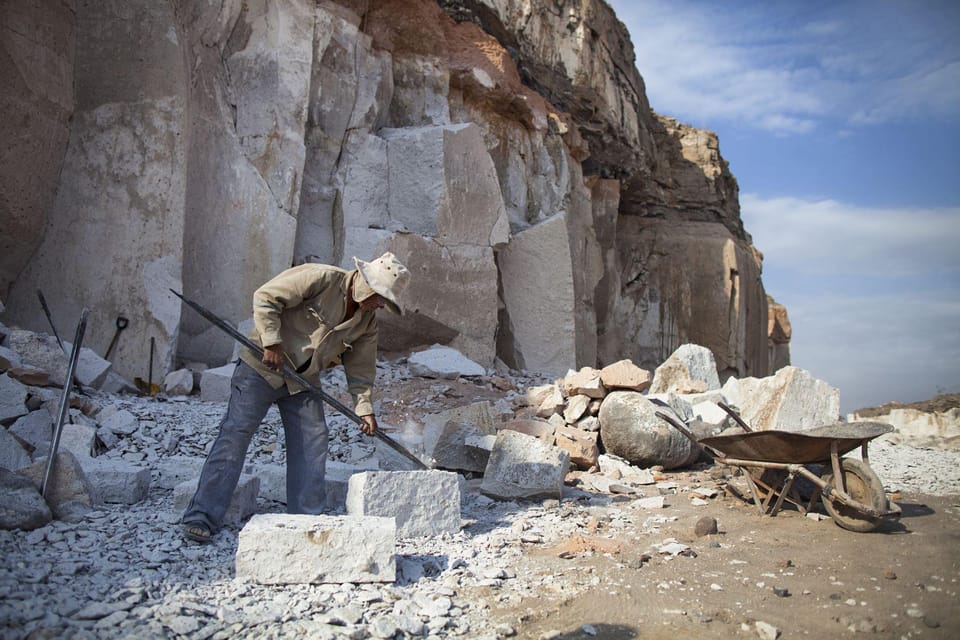
- Añashuayco Quarry and the mega carving
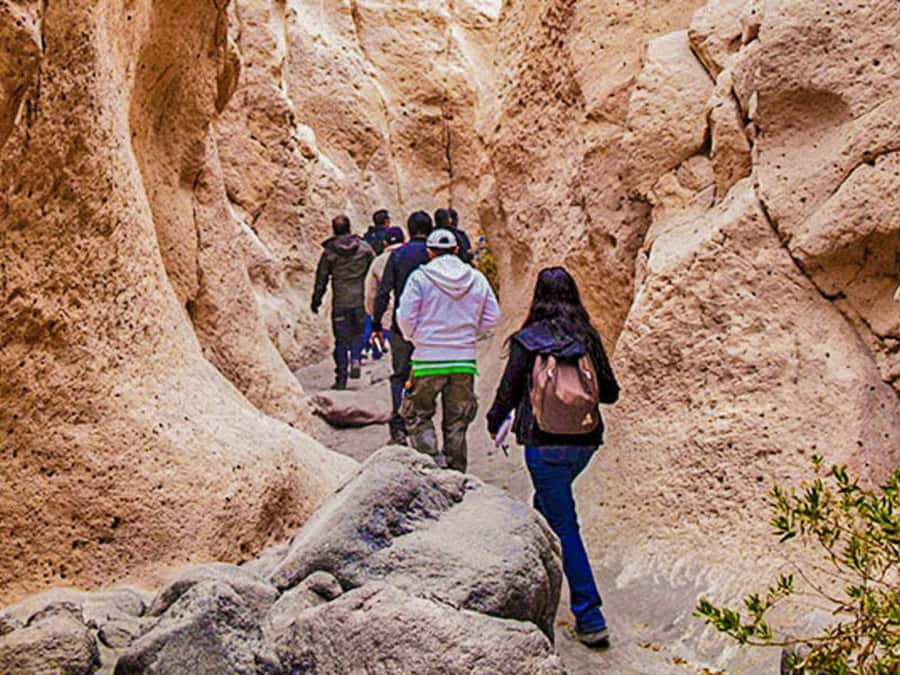
- Culebrillas Canyon and the Wari petroglyphs
- Apachetas and local tradition
- Morning or afternoon departure?
- What the $12 price really covers
- Guides, transport, and language
- What to pack for the four hours
- Who should book the Sillar Route Trek?
- FAQ
- How long does the Sillar Route Trek last?
- Where is the meeting point?
- What is included in the price?
- How much are the entrance fees?
- Is there an afternoon departure?
- How long is the canyon walk?
- What should I wear?
- Can I cancel or pay later?
Key points to know before you go
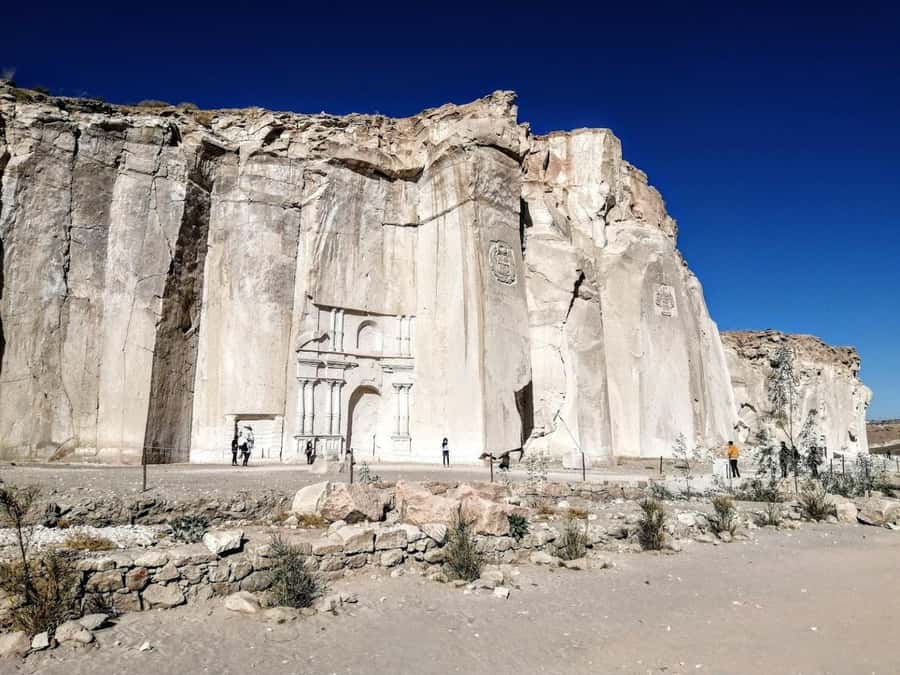
- The stone is still worked today: Añashuayco is an active quarry, where local stonemasons cut the pale volcanic ashlar used across Arequipa.
- Culebrillas Canyon is the scenic highlight: The easy walk lasts about 20 to 25 minutes, with walls reaching roughly 15 to 20 meters.
- The tour is good value at $12: Transportation and a guide are included, while entrance fees cost 18 soles in total.
- Afternoon light can be excellent: The 2:00 PM departure may give you warm sunset color on the quarry walls and canyon rocks.
- Bring practical gear: Wear closed shoes and pack sunscreen, a hat, and insect repellent.
- English and Spanish guiding is available: Guides such as Alexandra, Julia, Mike, Roni, and Jose have been praised for clear explanations and help with English-speaking visitors.
Why Arequipa’s white stone matters
Arequipa is famous for its pale buildings, but the material behind that look is not ordinary limestone. Sillar is a light volcanic stone, technically a type of ignimbrite, formed from material released during volcanic activity. Local builders shaped it into blocks for churches, courtyards, homes, and decorative facades.
That connection gives the tour more weight than a simple trip to a quarry. You are seeing the source of a building material that helped define Arequipa’s appearance. The city’s historic center can look almost uniformly white, but this excursion shows the rough work behind those polished walls.
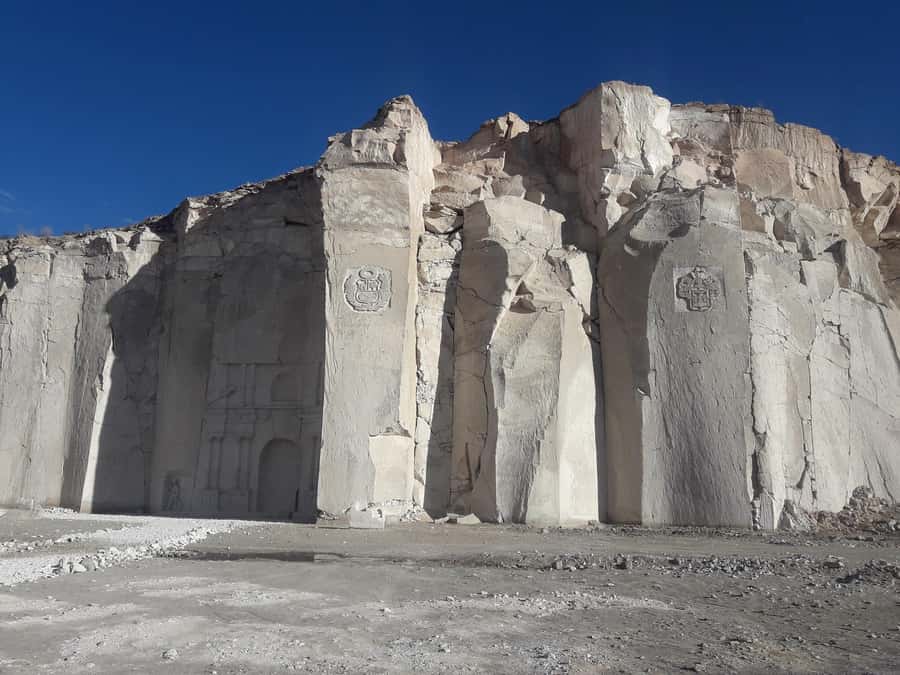
At Añashuayco, the extraction has cut tall walls into the earth. The quarry is not a manicured archaeological site. It is a working place, with broad cliffs, loose stone, dust, and evidence of ongoing labor. That gives you a more direct look at the trade, though it also means the stop may feel plain if you expect a large museum or a long demonstration.
The guide explains where the ashlar comes from, how it is cut, and how it has been used over time. The details can vary by guide. Some guides focus on basic production and local architecture, while others add useful context about Arequipa’s volcanoes, food, and traditions.
More Hiking Tours in Arequipa
- 2 day 1 night trek / Colca Canyon
★ 5.0 · 1,069 reviews - Colca Canyon Trek 3 Day 2 Night
★ 5.0 · 328 reviews - From Arequipa: 2-Day Colca Canyon Trekking Tour
★ 4.8 · 243 reviews
Starting at C. Álvarez Thomas 115
The morning departure is scheduled for about 9:15 AM from the main office at C. Álvarez Thomas 115. Your name should be on the list at the corner office, where the group receives brief instructions before leaving.
The transport ride takes you out of Arequipa toward the quarry area. The full outing lasts about four hours, with a return to central Arequipa around 1:30 PM for the morning shift. The vehicle has been described as clean and comfortable, though one important detail is that it may not have air conditioning. Group size can reach about 25 people, so this is a shared excursion rather than a private tour.
The drive itself is part of the experience. You leave the dense city behind and see the dry volcanic setting around Arequipa. The journey is not especially strenuous, and the quarry area is close enough to make this a sensible half-day plan.
Traffic can affect the return, especially after the afternoon departure. If you have a fixed lunch reservation or a connecting activity, leave some breathing room.
The volcano and Andenerías viewpoint
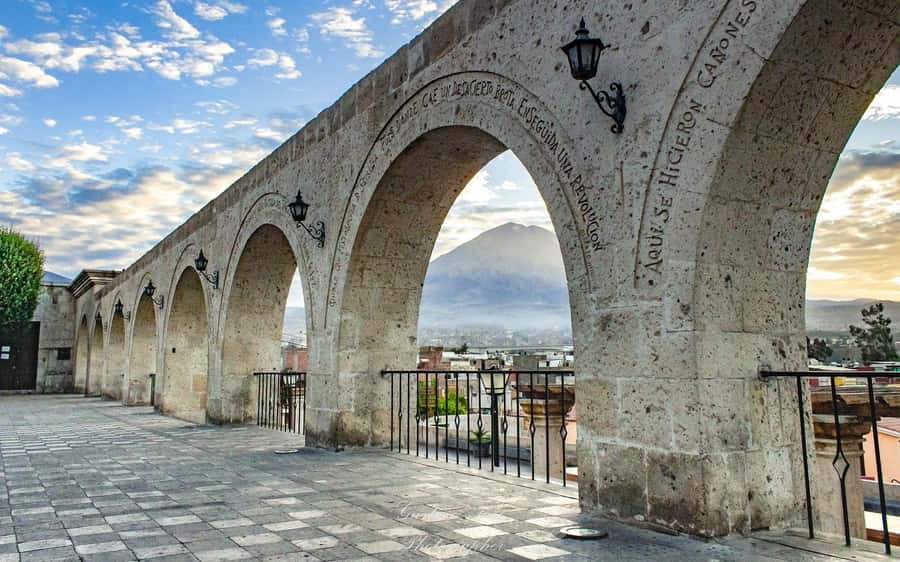
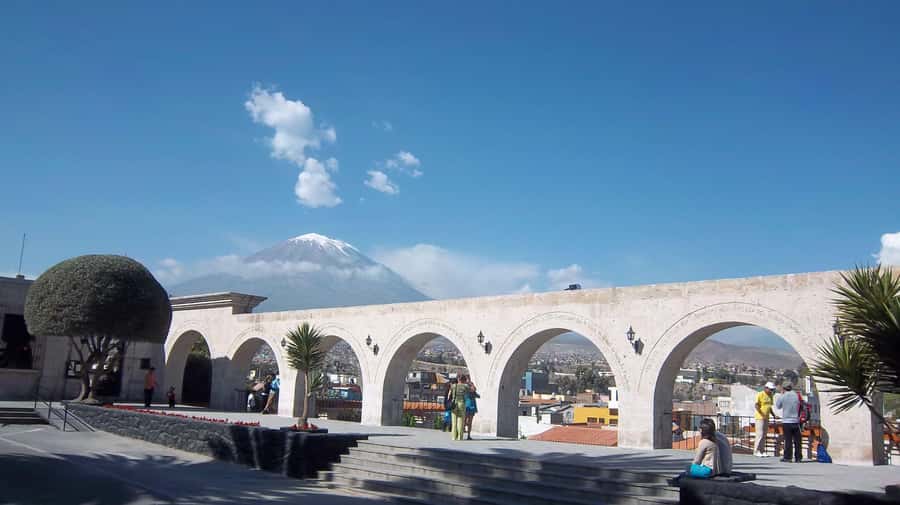
A viewpoint near the beginning or end of the route offers views toward the volcanoes and the Chilina Valley. The exact order can change with the season or the guide’s plan, and some departures use another traditional viewpoint instead.
This is a short stop, usually around 25 minutes, with time for photos and a guide’s explanation. It helps you understand Arequipa’s setting: the city sits in a high, dry region shaped by volcanoes, deep valleys, and old agricultural terraces known as andenerías.
The viewpoint is not the main reason to book the excursion. If you have already visited a similar city viewpoint, it may feel familiar. One practical opinion from the feedback is that this stop could be shortened in favor of more time at the quarry or canyon. Still, it is useful at the start because it gives you a visual frame for the rest of the trip.
Bring sunscreen even on a cool morning. The high-altitude sun can be strong, and shade is limited at the stops.
Añashuayco Quarry and the mega carving
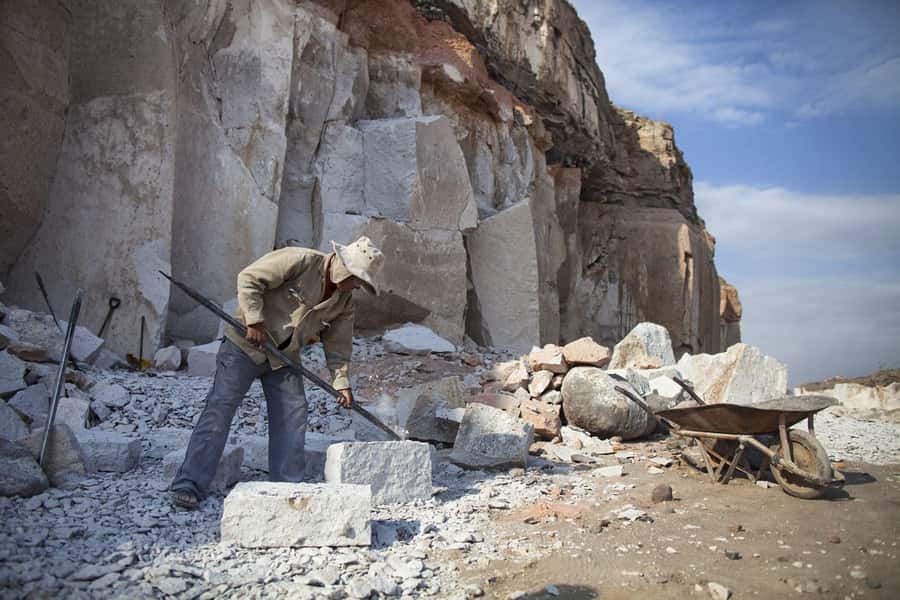
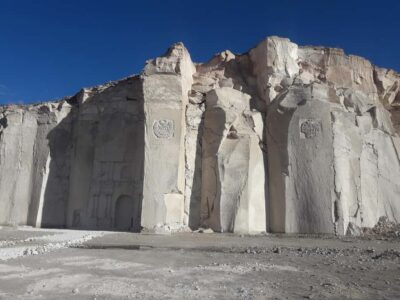
After roughly 45 minutes of driving, you reach the Añashuayco Quarry. Here the stone walls rise in pale, angular layers, shaped by years of cutting and removal. The scale is impressive in a raw way: you are looking at a canyon-like work site created by the extraction of building blocks.
This is the most educational stop. The guide explains the origin of sillar, its production, and its role in Arequipa’s buildings. The quarry remains active, with stonemasons working early in the day. Because the labor continues today, you get a glimpse of a local craft rather than a frozen historical display.
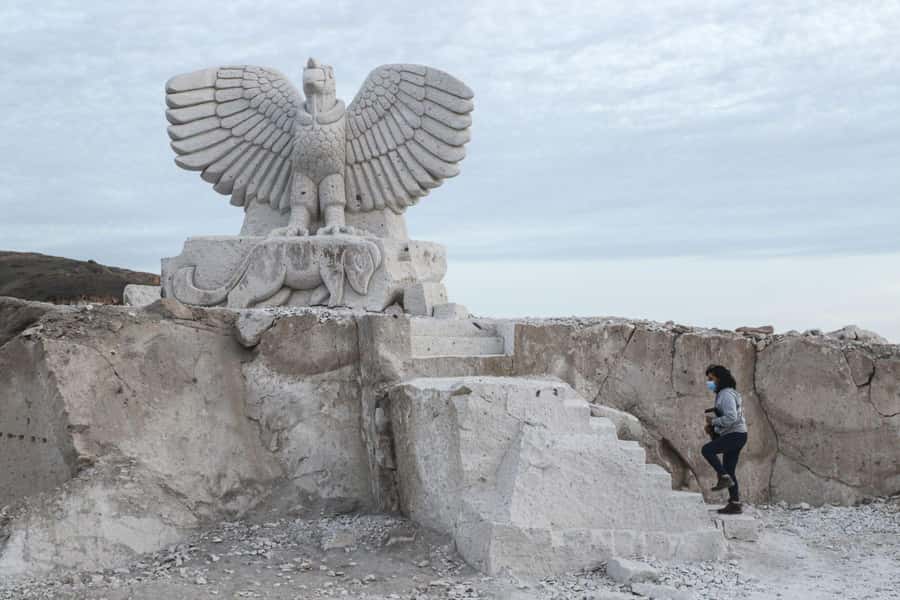
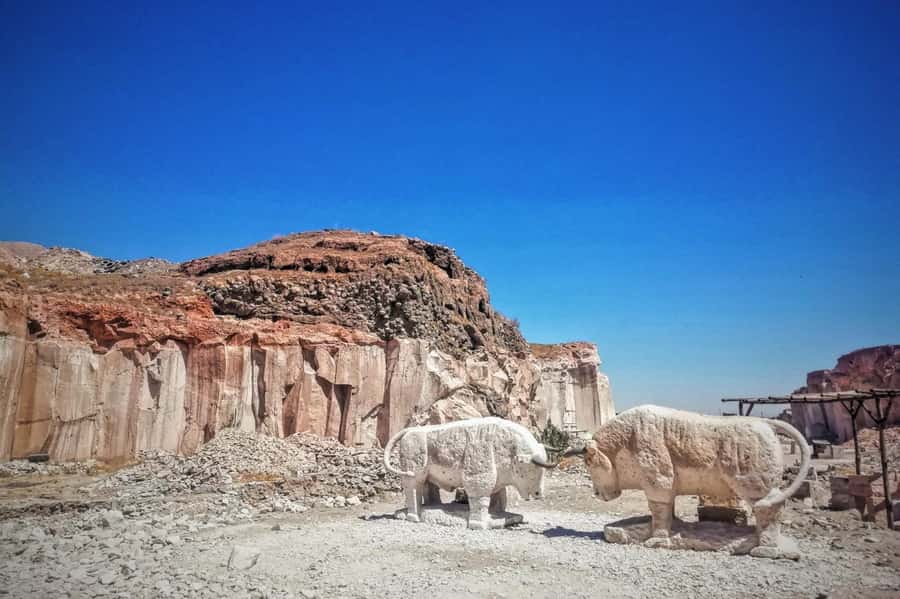
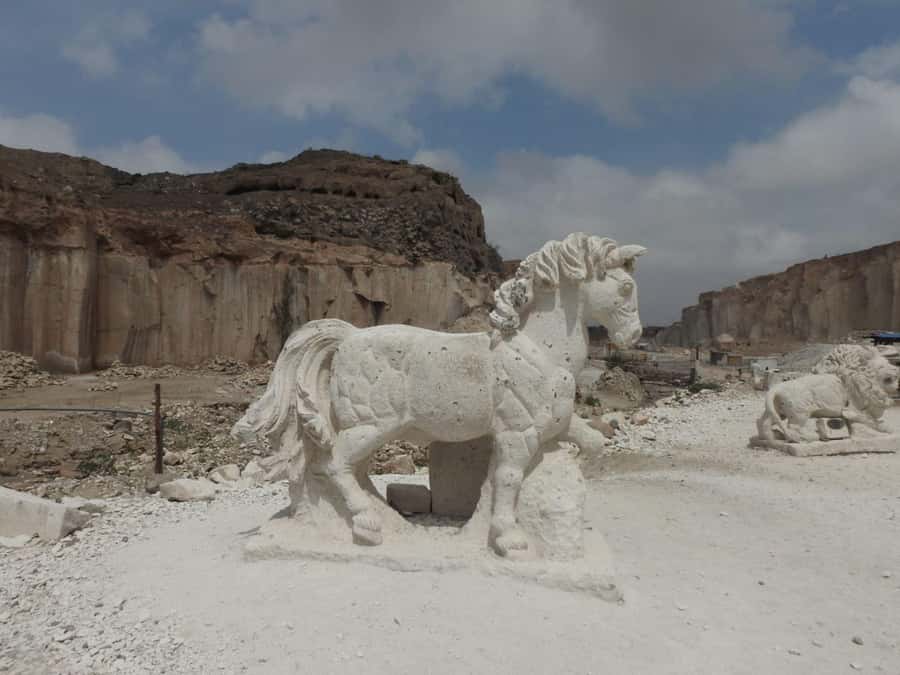
A large carving of the Church of the Company of Jesus is one of the quarry’s main attractions. Local stonemasons created it as a demonstration of what can be done with the material. Other stone figures and modern carvings provide photo opportunities, although the display may not appeal to everyone. Some people will enjoy posing beside the carved animals and religious designs; others may find the stop overly arranged for photographs.
You may also visit a stonemason and hear about the daily work directly. In some cases, you can try cutting a block yourself. This hands-on part is valuable because it turns an abstract explanation into a physical lesson. Sillar may look soft and smooth in a finished church facade, but shaping it takes skill and effort.
Allow enough time here for both the explanation and independent photographs. A common problem is that the group gathers slowly at the carvings, leaving less time to explore the quarry itself. If this stop matters most to you, stay close to the guide and take photos efficiently.
More hiking days from Arequipa:
- Colca Trekking 2days from Arequipa
★ 4.5 · 212 reviews - 2 Day 1 Night Trek / Colca Canyon
★ 4.5 · 92 reviews - 4 hours Tour: Route of Sillar with Trek in Culebrillas
★ 4.2 · 69 reviews - Trekking, Waterfalls and Thermal Baths
★ 4.5 · 47 reviews
Culebrillas Canyon and the Wari petroglyphs
From Añashuayco, the van continues for about 20 to 30 minutes to Quebrada de Culebrillas. This is the part I would protect most carefully in the schedule.
The walk into the canyon takes around 20 to 25 minutes. Water formed the narrow passage, and the walls grow taller as you move inward. At their highest, they reach about 15 to 20 meters, creating a more enclosed and dramatic setting than the open quarry.
The path is short, but it is not a flat city stroll. You need closed shoes and a reasonable ability to walk over uneven ground. One person with walking difficulties found the canyon hard to manage, so do not treat the word trek as meaningless. This is a modest walk, not a serious hike, but the surface can still demand care.
Near the end, you can see petroglyphs attributed to the Wari culture, more than a thousand years old. They add an older layer to the outing. At the quarry, you see a living trade. In the canyon, you see marks left by a culture that existed long before modern Arequipa.
The petroglyphs may be easy to miss without the guide’s help. Listen for the explanation and look closely rather than expecting a large, obvious panel of carvings. The canyon itself is also worth the walk, with pale stone walls, changing shadows, and a quieter feel than the quarry.
This stop can become crowded when several vans arrive together. A thoughtful guide may reverse the route to reach the canyon first and avoid the largest groups. That worked well for one afternoon group led by Roni. You cannot count on the order changing, but it is reasonable to ask the guide whether the timing can help avoid congestion.
Apachetas and local tradition
At the end of the canyon walk, you may see apachetas, small stacks of stones placed one on top of another. They are connected with gratitude toward nature and are also viewed as signs of good luck.
The stacks are simple, but the guide’s explanation gives them meaning. They are not just random piles made for decoration. Treat them respectfully, and avoid knocking them over or adding stones unless the guide explains that it is appropriate.
This short stop also shows how the route combines geology, archaeology, craft, and living belief. That blend is the real strength of the excursion. It does not offer one grand monument. Instead, it gives you several ways to understand the area around Arequipa.
Morning or afternoon departure?
The morning departure begins around 9:15 AM and returns to the city around 1:30 PM. It is the safer choice if you want the rest of the day free for the Santa Catalina Monastery, the historic center, or lunch.
The afternoon shift begins at about 2:00 PM. It can run into sunset light, which may be the better choice for photography. Pale sillar walls can take on warmer color late in the day, and the rocks in the canyon may look especially good in that light.
The tradeoff is traffic. The return to Arequipa may be slower in the afternoon, and you should not schedule a tight evening plan. The afternoon tour can also be less useful if you need an early dinner or have a night bus.
What the $12 price really covers
At $12 per person, this is an inexpensive way to reach several sites outside Arequipa. Transportation and a live guide are included, which matters because the quarry and canyon are not places you can understand fully from a quick look through a vehicle window.
The extra 18 soles in entrance fees are not included. Carry the money in Peruvian soles. There is no cash machine during the outing, and you may not have the chance to withdraw money once the van leaves town. Small bills are useful for purchases, since large notes can be difficult to change.
For the price, I see this as organized transport plus interpretation rather than a premium small-group experience. The value is strongest if you want to see the quarry and Culebrillas Canyon without arranging separate transport. It is less compelling if you dislike group pacing or want long, quiet stretches at each stop.
The overall rating is 4.2 from 461 ratings, which fits the experience well. The guides and punctual transport receive the strongest praise, while the main reservations involve crowding, the modern quarry carvings, and limited time at the most interesting stops.
Guides, transport, and language
The quality of the guide shapes this outing. English and Spanish are offered, and several guides have been praised for switching languages so no one is left out. Alexandra, Julia, Mike, Roni, Jose, and Jose Jose have all been singled out for friendly service, clear English, practical recommendations, or strong local explanations.
The tour may be bilingual, so explanations can take longer than on a Spanish-only outing. That is useful for mixed groups but can reduce free time at a stop. If you do not understand a point, ask directly. Guides have been willing to repeat information in English.
The vehicle is shared and may hold around 25 people. It has been described as safe and clean, but not always air conditioned. You should expect a practical ride, not a luxury coach.
What to pack for the four hours
Keep your day bag simple but useful:
- Closed walking shoes with a secure sole
- Sunscreen and a hat
- Insect repellent
- Water
- 18 soles in cash for entrance fees
- A camera or phone with spare battery power
The insect repellent advice is worth taking seriously. The canyon stop includes walking near areas shaped by water, and several people specifically wished they had been told to bring spray.
You do not need specialist hiking equipment. The walk is short, but sandals and smooth-soled shoes are poor choices on uneven ground. Sun protection matters at every stop because exposed stone reflects the light.
Who should book the Sillar Route Trek?
I would choose this for a first visit to Arequipa when you have half a day available and want more than city architecture. It suits anyone curious about how the city’s pale stone buildings were made, as well as people who enjoy short walks, dry mountain scenery, and archaeological details.
It is also a good fit for budget-conscious visitors. At $12 plus 18 soles, you get transport, a guide, a working quarry, a canyon, petroglyphs, and a viewpoint in one compact outing.
I would hesitate if you have limited mobility, strongly dislike uneven paths, or expect an untouched natural site. The canyon is attractive but can be busy, and the quarry includes modern carvings designed partly for photographs. You may also feel rushed if the group takes too long at the popular photo spots.
Book the morning if you want reliable timing and a free afternoon. Choose the 2:00 PM departure if warm light matters more and you can accept a slower return.
FAQ
How long does the Sillar Route Trek last?
The experience lasts about four hours. The morning departure begins around 9:15 AM and returns to central Arequipa at approximately 1:30 PM.
Where is the meeting point?
The meeting point is the main office at C. Álvarez Thomas 115 in Arequipa. The coordinates are -16.4003911, -71.53703469999999.
What is included in the price?
Transportation and a live tour guide are included. Guiding is available in English and Spanish.
How much are the entrance fees?
Entrance fees are not included and cost 18 soles in total. You should bring this amount in Peruvian cash.
Is there an afternoon departure?
Yes. A 2:00 PM departure is available. This option may provide sunset light at the rocks, but the return journey can be affected by city traffic.
How long is the canyon walk?
The walk through Quebrada de Culebrillas takes approximately 20 to 25 minutes.
What should I wear?
Wear closed shoes suitable for uneven ground. Sunscreen, a hat, and insect repellent are also recommended.
Can I cancel or pay later?
You can cancel up to 24 hours in advance for a full refund. You can also reserve now and pay later, keeping your plans flexible.
Added recently around Arequipa
- gazebos cannon of the coca★ 5.0 · 28 reviews
- Sillar Route★ 5.0 · 4 reviews
- Salinas Lagoon + Mini Volcano DE Lojen★ 5.0 · 9 reviews
- Full Day Tour To The Salt Lake Salinas in Arequipa★ 4.5 · 34 reviews
- 3-Day Colca Canyon trek with Professional Guide★ 5.0 · 40 reviews
- Trekking, Waterfalls and Thermal Baths★ 4.5 · 47 reviews
- Walking Tour Arequipa Including Santa Catalina Monastery★ 4.0 · 8 reviews
- Walking City tour including the Monastery of Santa Catalina★ 5.0 · 6 reviews
Hiking Tours in Arequipa, compared.
4 hours Tour: Route of Sillar with Trek in Culebrillas
Read our review →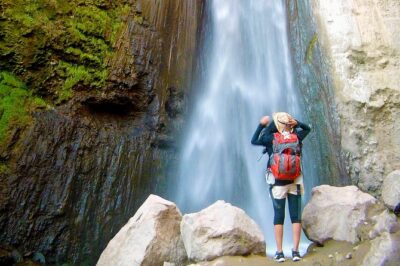
Browse the lists this tour appears in