
Reviewed · COLCA CANYON TOURS
Colca Canyon Trek 3 Day 2 Night
Condors overhead, canyon walls below, and a long climb home. This three-day trek from Arequipa gives you time to experience Colca Canyon at walking pace, with a dramatic descent from Cabanaconde, a night in the San Juan Valley, and a second night at Sangalle Oasis. I especially like the slower three-day schedule, which leaves room for swimming and resting, and the guides, including Carlos, Rafael, William, Eric, Ivan, and Angie, who have been praised for their care and local insight. The main drawback is clear: this is a strenuous high-altitude hike, not a gentle sightseeing trip.
At $125 per person, the tour offers strong value because it includes transport, a guide, six meals, and two nights in canyon accommodations. You still need to budget for the Colca reserve ticket, drinks, snacks, the optional hot springs, and the final lunch. The last day also starts very early and can feel tightly timed after the climb back to Cabanaconde.
In This Review
- Key points to know before booking
- Why the three-day route makes sense
- The 3:30 a.m. start from Arequipa
- Cruz del Condor and the start above the canyon
- Day one: a hot, rocky descent to San Juan Valley
- Day two: three hours toward Sangalle Oasis
- Day three: the pre-dawn climb out
- Hot springs, high viewpoints, and the ride home
- Food, water, and what the $125 price covers
- Guides can make or break the experience
- Who should book this trek?
- Should you book the Colca Canyon Trek?
- FAQ
- How long is the Colca Canyon trek?
- What time does the tour start?
- Is the three-day trek suitable for beginners?
- Is food included?
- Are the hot springs included?
- What is not included in the tour price?
- Can I cancel for a full refund?
Key points to know before booking
- The first descent is tougher than it sounds: Expect loose rock, strong sun, and more than 1,000 meters of descent from Cabanaconde into the canyon.
- The three-day version is the better choice for most people: It breaks up the walking and gives you a proper afternoon at Sangalle Oasis.
- Sangalle is the reward: The pool, garden setting, fruit trees, and warm canyon air make the second afternoon a welcome pause.
- The final morning is demanding: You begin around 5 a.m. and climb for about three hours before breakfast.
- Guides can shape the whole trip: Carlos, Rafael, William, Eric, Ivan, and Angie have received especially warm praise for encouragement and local knowledge.
- Pack for heat, altitude, and basic lodging: Bring sunscreen, a hat, water, snacks, insect repellent, toilet paper, and a headlamp or small flashlight.
Why the three-day route makes sense
Colca Canyon is often sold as a two-day trek, but the shorter option compresses the hardest walking into a very long first day. The three-day route uses the same general canyon route while giving your legs and lungs more time to recover.
That matters because the walk is not simply downhill. Day one combines a long descent with rough footing, heat, and later ups and downs. Day two is easier in rhythm, but still involves several hours on foot. Day three reverses the main challenge with a steep climb out of the canyon before sunrise.
I would choose three days unless you already have strong hiking fitness and are comfortable with high-altitude walking. The extra night also lets you enjoy the canyon rather than treating it as a race between checkpoints.
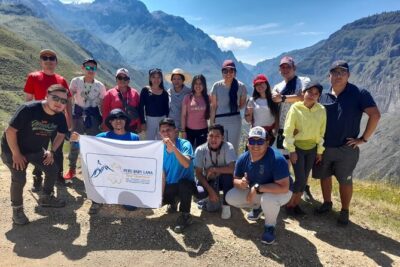
The booking describes this as a private activity for your group. Group size can still affect the pace and meal timing, so confirm how many people will be on your departure. One group included 13 hikers, which is manageable with a good guide but less personal than a very small outing.
More Hiking Tours in Arequipa
- 2 day 1 night trek / Colca Canyon
★ 5.0 · 1,069 reviews - From Arequipa: Sillar Route Trek
★ 4.2 · 461 reviews - From Arequipa: 2-Day Colca Canyon Trekking Tour
★ 4.8 · 243 reviews
The 3:30 a.m. start from Arequipa
The day begins early, with hotel pickup scheduled between 3:00 and 3:45 a.m. The advertised start time is 3:30 a.m. From Arequipa, you ride toward Cabanaconde, with breakfast served along the way.
This is not the time for a slow, relaxed morning. You will spend hours in the vehicle before hiking, and the route passes through high Andean terrain. One account noted that the bus reaches about 4,900 meters, even though the trek itself begins around 3,300 meters. That makes altitude preparation important.
If possible, spend several full days in Arequipa before the trek. The supplied guidance says you should have a moderate physical fitness level, but I would treat that as a minimum. Anyone with back, knee, ankle, breathing, or endurance problems should ask for more details before booking.
Bring a small daypack rather than trying to carry everything you own. Water adds weight quickly, and the hike is tiring enough without a large load.
Cruz del Condor and the start above the canyon
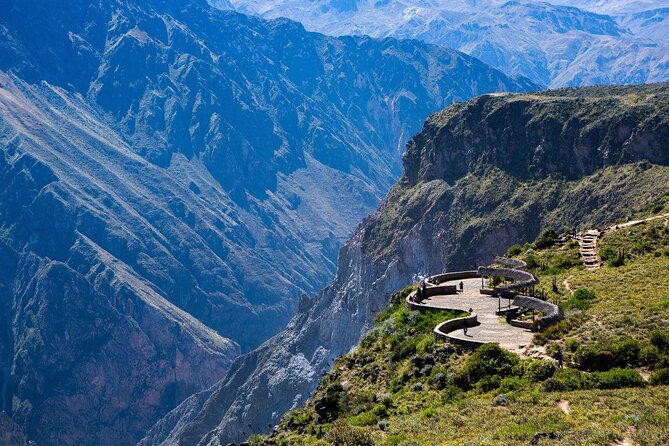
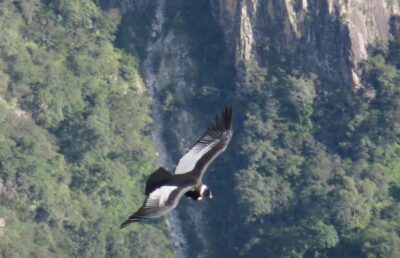
The first major stop is Mirador Cruz del Condor, usually reached during the morning drive. You have about 40 minutes here to watch Andean condors ride the rising air and look into the canyon from above.
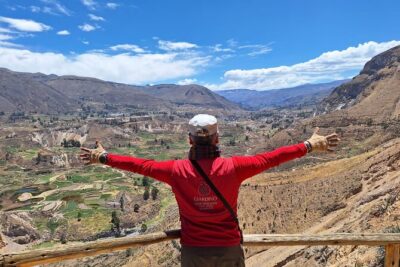
This viewpoint is more than a quick photo stop. It gives you a useful sense of scale before you enter the canyon on foot. From the rim, the gorge appears vast and distant. Later, walking below, you understand its depth through your legs rather than just your camera.
Condor sightings depend on conditions, but the viewpoint is designed for this spectacle. You may also see the canyon from several angles during the drive, which helps put the trek into context.
After the viewpoint, the vehicle continues to Cabanaconde. This is where the walking begins.
Day one: a hot, rocky descent to San Juan Valley
From Cabanaconde, you descend for about three hours toward the San Juan Valley. The route is scenic, but do not mistake downhill for easy.
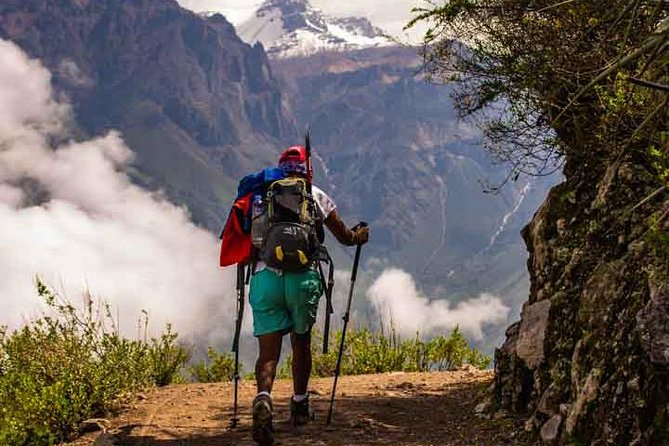
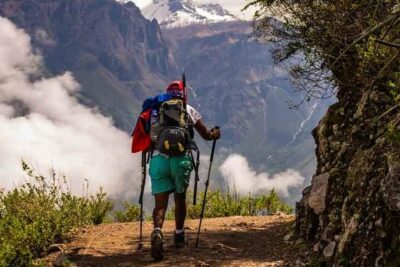
Loose rock and scree can make the descent slippery. Several accounts describe the first day as especially hard because the trail is exposed to strong sun and high ultraviolet light. Your knees may also take a beating as you lose more than 1,000 meters of height.
Wear a broad-brimmed hat, long sleeves, and long trousers if you can tolerate them in the heat. Apply sunscreen often. One useful suggestion was to reapply about every 40 minutes. That may sound excessive until you are walking beneath intense sun with little shade.
Hiking poles are a major help. A bamboo pole can be bought locally for about 5 soles, and it may provide better support than you expect on loose ground. If you already own trekking poles, bring them.
The canyon changes as you descend. The upper section is dry and rocky, while lower areas bring more vegetation, terraces, village life, and river views. That contrast is one of the best reasons to walk rather than simply visit the viewpoints.
Lunch comes at the San Juan Valley accommodation, followed by dinner and your first night. The lodging is basic but has generally been described as clean and suitable for tired hikers. Some rooms may have limited electricity or no light, so pack a small flashlight. Food portions are often generous, and vegetarian and dairy-free meals have been accommodated.
The river can be a welcome place to cool off after the first day. Ask your guide about the safest chance to do this rather than assuming every stretch is suitable.
Other Colca Canyon trips:
- From Arequipa: Colca Canyon Full-Day Guided Tour with Meals
★ 4.5 · 982 reviews - Colca Full Day Tour
★ 4.5 · 429 reviews - 2-Day Tour Colca Canyon in Arequipa with end in Puno
★ 4.6 · 248 reviews - Colca Trekking 2days from Arequipa
★ 4.5 · 212 reviews
Day two: three hours toward Sangalle Oasis
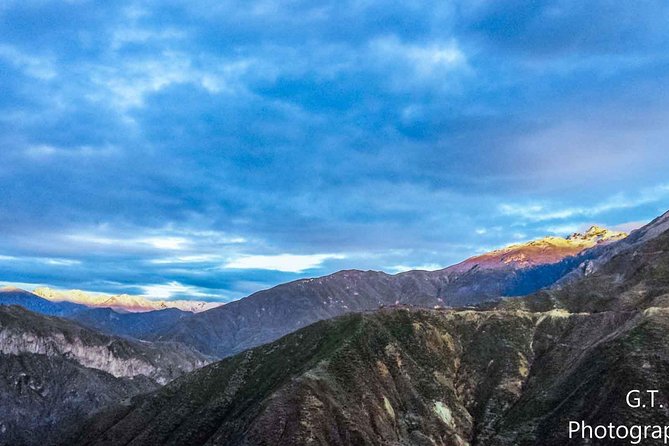
After breakfast, you walk for roughly three hours toward Sangalle Oasis. Compared with day one, this is the more relaxed part of the trek, but the exact effort depends on your group’s pace and the heat.
The route passes through canyon villages and cultivated areas. This is where the trip feels less like a standard scenic hike and more like a journey through a working valley. Donkeys remain an important form of transport in the villages, and local fruit, snacks, and small stores provide occasional chances to buy supplies.
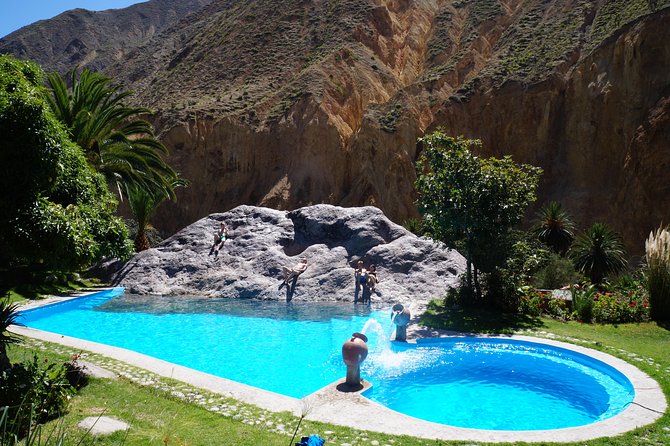
Sangalle is the emotional high point of the trek. Often called an oasis, it has gardens, fruit trees, flowers, and a pool supplied with fresh water. After a hot morning on the trail, swimming and resting here can feel like a proper holiday rather than another hiking checkpoint.
The three-day schedule gives you far more time at Sangalle than the two-day version. You arrive around lunchtime, eat, and have the afternoon to relax before dinner. If you choose two days, much of this pleasure is squeezed by the need to cover more distance.
Accommodation varies by departure. Posada Gloria has been described as simple, pleasant, and well fed, while Las Palmeras offers a particularly welcome pool but more basic rooms and, in some cases, less impressive food. Kolibri Lodge has received praise for its rooms, canyon views, and peaceful setting.
Do not expect hotel comforts. Hot water may not be available, and one account specifically warned about cold showers after a hard hiking day. Still, the setting and the chance to sleep inside the canyon add real value to the trip.
Mosquitos can appear on day two, so insect repellent belongs in your pack. Evening temperatures are cooler, but a sweater and light trousers should be enough according to the practical advice provided.
Day three: the pre-dawn climb out
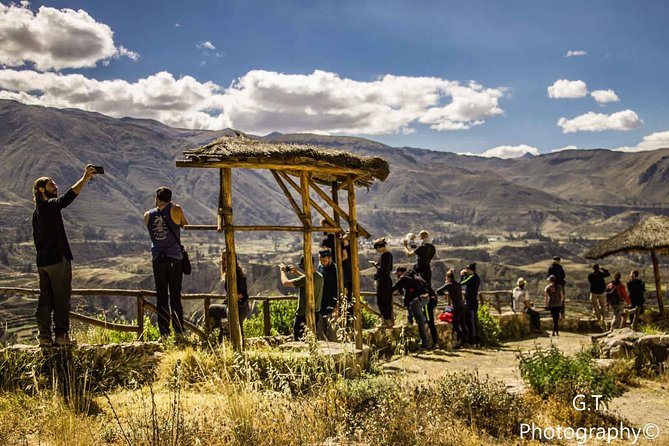
The alarm comes early. Around 5 a.m., you begin the climb back to Cabanaconde, ascending for about three hours.
This is the part that separates a scenic walk from a serious trek. The climb is steep, and breakfast comes only after you reach Cabanaconde. Bring snacks for the ascent because the first proper meal of the day is not served before you start.
Some hikers find the climb more manageable than the descent because the footing feels more secure. That does not make it easy. You gain roughly 1,000 meters, and the early start means you may begin in darkness. A flashlight is sensible, and you should drink before setting out.
Once you reach Cabanaconde, breakfast provides a welcome reset. The bus then begins the return journey to Arequipa, with several stops along the way.
The schedule can feel long. You may be back in Arequipa around 5:30 p.m., or closer to 6:30 p.m. depending on the day and drop-off arrangements. After a dawn climb, a full sightseeing ride is tiring, though it also lets you see parts of the region missed during the first morning drive.
Hot springs, high viewpoints, and the ride home
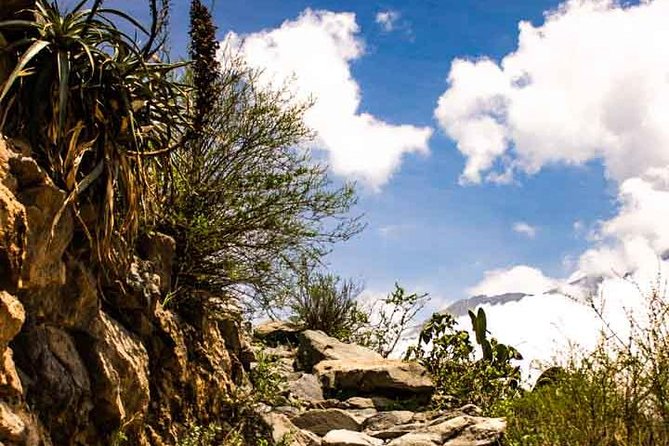
The return route includes Chacapi Hot Springs, viewpoints, Chivay, and stops in the surrounding reserve. The hot springs cost extra, listed at about 15 soles, and participation is optional.
After the climb, soaking in warm water can be soothing. The pools may be busy, and some people prefer the cooler river, but the stop is a pleasant way to ease stiff muscles. If you skip it, you may have waiting time before the group continues, so ask your guide how long the stop will be.
Chivay is the usual place for the final lunch. This meal is not included, and the buffet price has been reported at roughly 35 to 40 soles. Opinions on value vary, but this is the one meal that draws the most criticism. You have limited alternatives because the bus schedule controls the stop.
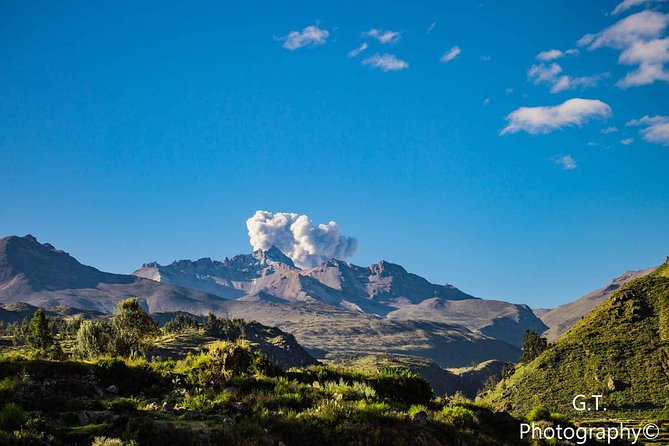
The return ride also offers some of the best roadside scenery of the whole outing. Depending on the route and conditions, you may stop at high Andean viewpoints and see llamas, alpacas, vicuñas, and volcano views. These stops make the long ride more worthwhile, but they do not erase the fact that the day starts before dawn and ends late.
Food, water, and what the $125 price covers
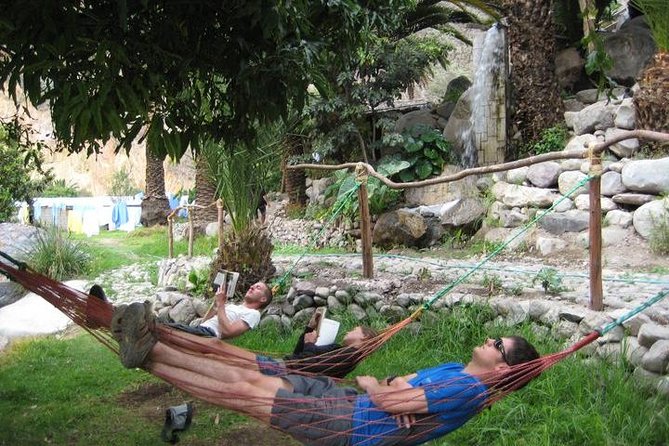
The $125 price is low for a three-day trip with transport, guiding, two nights of accommodation, three breakfasts, two lunches, and two dinners. I consider it good value if you are comfortable with basic lodging and paying for extras along the way.
Included:
- Three breakfasts
- Two lunches
- Two dinners
- Two nights of accommodation
- Guide
- Round-trip transportation
Not included:
- Colca reserve tourist ticket
- Chacapi Hot Springs
- Final lunch
- Water
- Snacks
The meals are generally filling, with several descriptions of large portions. Vegetarian, dairy-free, and gluten-free needs have been handled well in some groups, but you should still state your requirements at booking and remind the guide.
Breakfast on the last day is the awkward meal. It comes after the three-hour climb, not before it. Pack more snacks than you think you need, especially if your group walks at different speeds and meals wait until everyone arrives.
Water is sold along the route, but prices can rise. One practical account found one-liter bottles for about 5 soles in some places. Two one-liter bottles per person may still feel tight in the heat, so ask your operator about refill points and carry purification tablets if you use them.
Toilet paper is another small but important item. Bring your own for the full trip rather than relying on supplies at the accommodations or stops.
Guides can make or break the experience
The strongest part of this tour is often the guide. Carlos has been praised for patience and explanations of plants, animals, local culture, and history. Rafael has received special praise for taking time with each person and making the return journey informative. William, Eric, Ivan, Angie, Christian, and Paul have also been described as friendly, attentive, and encouraging.
A good guide does more than keep the group moving. On this route, you want someone who watches for altitude problems, adjusts the pace when possible, explains the valley, and helps with practical needs. Rafael was particularly praised for checking on people individually, while Christian was noted for encouraging hikers through difficult sections.
Guide quality may vary. One account described a guide as mostly absent, while another raised serious concerns about inappropriate behavior from a named guide. I would ask the operator who is assigned to your group, what language they speak, and how the group will be supported if someone struggles.
The tour is advertised as private, but group size and guide arrangements should be confirmed in writing. That small step can prevent surprises.
Who should book this trek?
You should consider this trip if you enjoy demanding hikes, dramatic scenery, simple canyon lodging, and local village life. It suits people who want more than a viewpoint visit and who like having a guide explain the plants, animals, traditions, and challenges of the valley.
I would not recommend it if you want a soft adventure, dislike steep trails, or need guaranteed hotel comforts. The route has loose rock, strong sun, altitude, early starts, and a long final climb.
The three-day version is especially good for older hikers who are fit but want a slower pace. One older couple completed it successfully and still stressed the need for good fitness and poles. The extra day helps, but it does not turn the route into an easy walk.
Should you book the Colca Canyon Trek?
Yes, if you are prepared for a real hike and choose the three-day version for breathing room. The canyon scenery is remarkable, the condor viewpoint is memorable, and Sangalle Oasis gives the trip a genuine reward after the first day’s hard descent.
I would book it with four conditions: confirm the guide and group size, budget for the reserve ticket and final lunch, carry serious sun and water protection, and arrive in Arequipa with time to adjust to altitude. If you meet those conditions, the $125 cost offers an impressive amount of walking, scenery, transport, meals, and local contact.
FAQ
How long is the Colca Canyon trek?
The experience lasts approximately three days, with two nights in canyon accommodations.
What time does the tour start?
Hotel pickup is scheduled between 3:00 and 3:45 a.m., with an advertised start time of 3:30 a.m.
Is the three-day trek suitable for beginners?
The tour requires a moderate physical fitness level, but the route is strenuous. The hike includes a steep descent, rough terrain, altitude, strong sun, and a three-hour climb out of the canyon.
Is food included?
Three breakfasts, two lunches, and two dinners are included. The final lunch in Chivay is not included.
Are the hot springs included?
No. The Chacapi Hot Springs stop is optional and costs extra.
What is not included in the tour price?
The Colca reserve tourist ticket, hot springs, final lunch, water, and snacks are not included.
Can I cancel for a full refund?
Yes, if you cancel at least 24 hours before the local start time. Cancellations or changes made less than 24 hours in advance are not refunded or accepted. If poor weather or insufficient bookings cancel the trip, you are offered another date or a full refund.
More Evening Experiences in Arequipa
- From Puno to Arequipa: 2 Days/1 Night Colca Canyon Tour
★ 3.6 · 83 reviews - Colca 2 Days and 1 Night
★ 5.0 · 35 reviews - 3 Day 2 Night Trek / Colca Canyon
★ 4.5 · 18 reviews - 2 Days 1 Night trekking Through Colca Canyon, Private room
★ 5.0 · 16 reviews
More Hiking Days from Arequipa
- 2 Day 1 Night Trek / Colca Canyon
★ 4.5 · 92 reviews - 4 hours Tour: Route of Sillar with Trek in Culebrillas
★ 4.2 · 69 reviews - Trekking, Waterfalls and Thermal Baths
★ 4.5 · 47 reviews - 3-Day Colca Canyon trek with Professional Guide
★ 5.0 · 40 reviews
Added recently around Arequipa
- gazebos cannon of the coca★ 5.0 · 28 reviews
- Sillar Route★ 5.0 · 4 reviews
- Salinas Lagoon + Mini Volcano DE Lojen★ 5.0 · 9 reviews
- Full Day Tour To The Salt Lake Salinas in Arequipa★ 4.5 · 34 reviews
- 3-Day Colca Canyon trek with Professional Guide★ 5.0 · 40 reviews
- Trekking, Waterfalls and Thermal Baths★ 4.5 · 47 reviews
- Walking Tour Arequipa Including Santa Catalina Monastery★ 4.0 · 8 reviews
- Walking City tour including the Monastery of Santa Catalina★ 5.0 · 6 reviews
Colca Canyon Tours, compared.
2-Day Tour Colca Canyon in Arequipa with end in Puno
Read our review →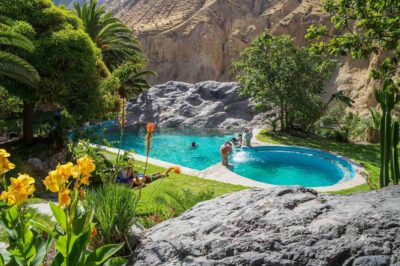
Browse the lists this tour appears in