
Reviewed · SACRED VALLEY TOURS
From Ollantaytambo:Moray, Salt Mines, Chinchero end in Cusco
The best transfers come with a story. This one turns the trip from Ollantaytambo to Cusco into a full day of Inca sites, mountain views, local food, and Andean culture. I especially like the private transportation, which makes the winding roads more comfortable, and the chance to visit places that are awkward to reach on your own. The guides also add real value, with past visitors praising Julio, Marco, Ricardo, Hipo, and others for clear explanations and thoughtful service.
I also like the route’s practical design: you begin near Ollantaytambo and finish at Cusco’s main square or your accommodation, so you do not lose a day returning to the same place. The main consideration is that several entry fees are extra, and the textile stop includes shopping, which may feel uncomfortable if you are not interested in buying anything.
In This Review
- Key details at a glance
- Why this route makes sense from Ollantaytambo
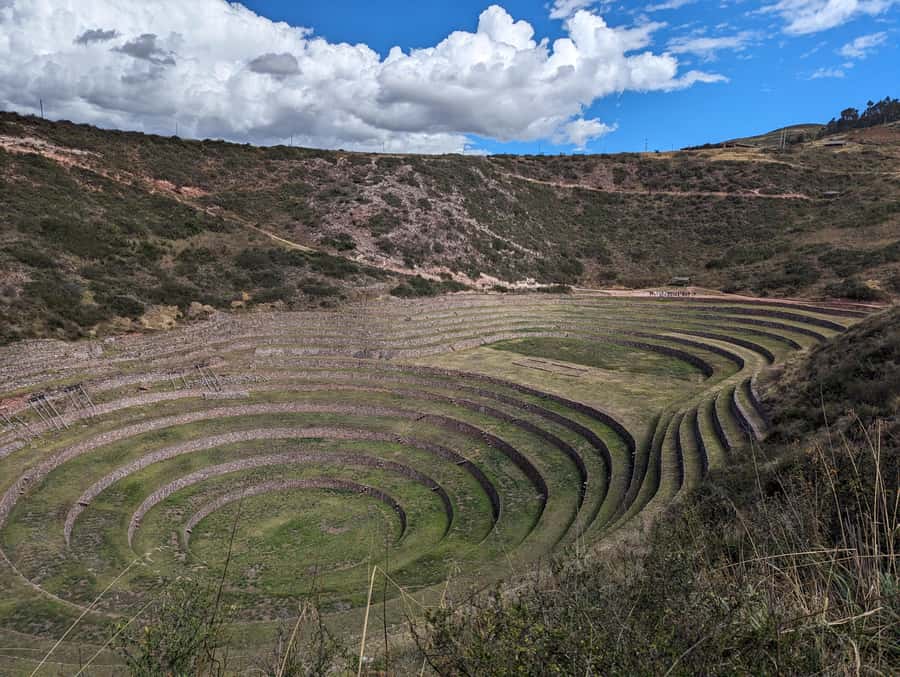
- Moray’s unusual Inca farming terraces
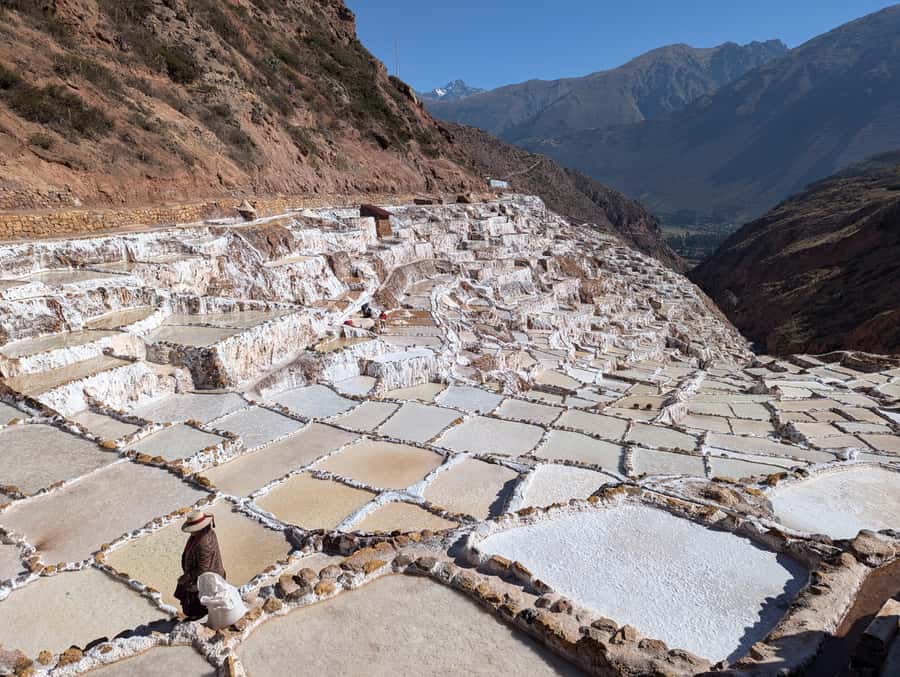
- The Maras Salt Mines and their 4,000 ponds
- Lunch in Maras breaks up the sightseeing
- Chinchero brings the living culture into focus
- What the private vehicle changes
- Entry fees and the real cost of the day
- Timing, crowds, and the pace of the day
- What to bring and what to expect on the road
- Who should book this Ollantaytambo to Cusco tour?
- Should you book it?
- FAQ
- Where does the tour begin?
- Where does the tour finish?
- How long does the experience last?
- Is lunch included?
- Are entrance fees included?
- Is the tour private?
- Which languages are available?
- Can Ollantaytambo’s Inca site be added?
Key details at a glance
- A useful one-way route: Start at your Ollantaytambo hotel or train station and finish in Cusco.
- Moray’s circular terraces: See the Inca agricultural terraces built into a mountain basin.
- Maras Salt Mines: Visit more than 4,000 salt ponds still connected to local salt production.
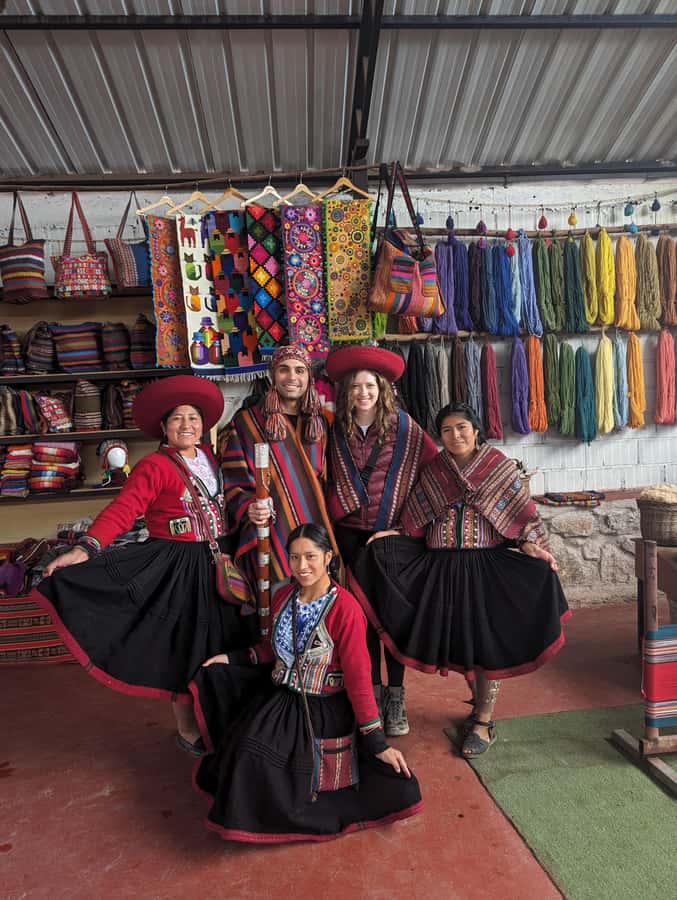
- Chinchero’s textile traditions: Learn how Andean textiles are made using traditional techniques.
- Private group format: Ride with your own group, guide, and driver rather than joining a large bus.
- Lunch included: Stop in Maras town for a meal between the main sightseeing stops.
Why this route makes sense from Ollantaytambo
Many day tours in the Sacred Valley begin and end in Cusco. This one solves a common problem: you may already be staying in Ollantaytambo after visiting Machu Picchu, yet still want to see Moray, the Maras Salt Mines, and Chinchero before reaching Cusco.
That makes the tour more than sightseeing. It functions as a scenic transfer, with about a full day of stops instead of a simple drive. You get picked up at your Ollantaytambo hotel or train station, visit several sites, eat lunch in Maras, and arrive in Cusco at the main square or at your accommodation.
I find this especially useful if you were considering a train or taxi back to Cusco. The tour costs $109 per person and includes transport, a bilingual Spanish and English-speaking guide, lunch, and drop-off. A private car or van also means a more personal ride, and one couple specifically found it easier on motion sickness than a larger bus.
The trade-off is time. This is not a quick transfer. You will spend much of the day on the road, with listed driving sections of about one hour from Ollantaytambo to the first area, then 40 minutes, 20 minutes, 40 minutes, and another hour to Cusco. If you want to reach Cusco early, a direct transfer is simpler.
More Sacred Valley days out:
- From Cusco: Sacred Valley & Maras Salt Mines Tour with Lunch
★ 4.8 · 2,227 reviews - From Cusco: Moray, Maras Salt Mines & Chinchero Weavers Tour
★ 4.8 · 1,925 reviews - 2-Day Tour: Sacred Valley and Machu Picchu by Train
★ 5.0 · 1,127 reviews
Moray’s unusual Inca farming terraces
Moray is one of the most memorable stops because it looks unlike a standard archaeological site. The Inca terraces form broad circular depressions carved into the hillsides. From above, they resemble enormous bowls cut into the earth.
The purpose was agricultural. The Inca built terraces to grow crops in difficult mountain terrain, using carefully shaped slopes and levels to make farming possible. Your guide explains how the terraces fit into Andean farming methods, so the site becomes more than an attractive photo stop.
The scheduled visit lasts about an hour. That gives you time to look across the circular terraces, walk around the viewpoint area, take photos, and listen to the explanation without being hurried. The high mountain setting also gives you wide views of the surrounding Sacred Valley region.
I would pay close attention to the guide here. Moray has limited explanatory signage, so the story makes a real difference. Guides such as Julio and Marco were praised for explaining the history clearly, while Felix added a family-friendly touch by pointing out native plants and showing how Andean people made rope from grass.
The site is outdoors, and you should bring sunscreen, a hat, sunglasses, and water or another drink. Cash is useful for the extra entrance fees and purchases along the route.
The Maras Salt Mines and their 4,000 ponds
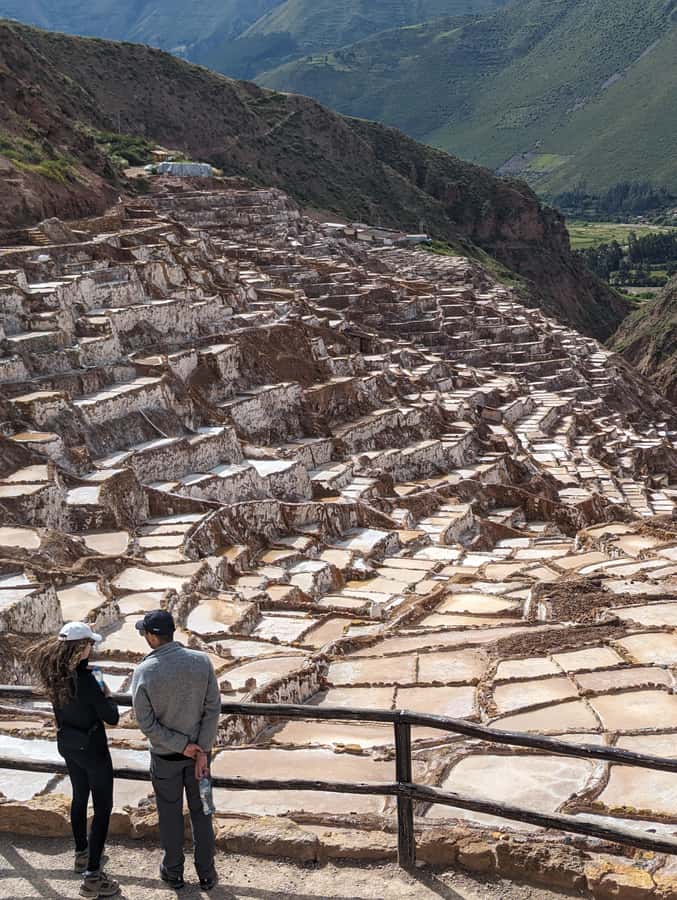
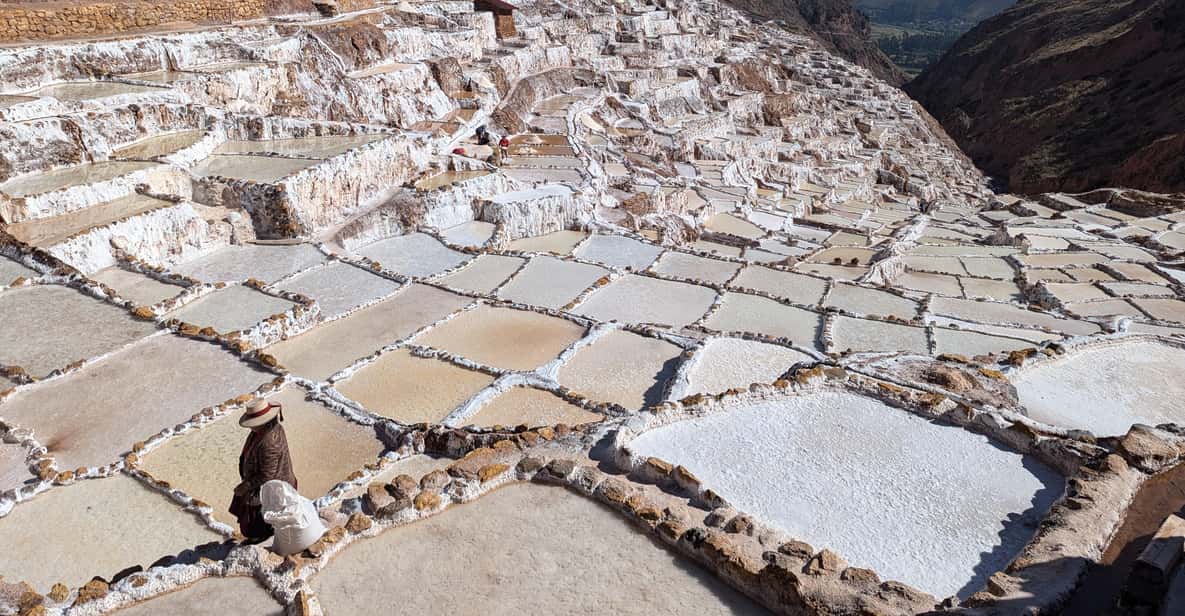
The Maras Salt Mines offer a sharp contrast to Moray. Instead of terraces built for crops, you see thousands of small salt ponds spread across the slope. The supplied details describe more than 4,000 ponds, worked for a long time by local communities and their ancestors.
Salt was important for preserving food, especially in a region where storing supplies was a constant concern. The guide connects the ponds to everyday Andean life, rather than presenting them as a strange natural formation with no context.
The visit is listed as about one hour, including a guided walk and time for photographs. The bright salt pans against the brown mountain slopes create one of the day’s strongest photo opportunities. The arrangement is intricate, and the view changes as you move along the site.
There is a separate entrance fee of 20 soles, payable at the site. This is one of the costs you need to add to the $109 tour price. Bring cash in Peruvian soles, since the activity information specifically advises it and the entry fee is not included.
The route order can vary in how it is described, but the planned day includes both Maras and Moray before lunch. The detailed schedule places Maras first, followed by Moray, then lunch in Maras town. Confirm the exact pickup time and sequence when the operator contacts you.
Lunch in Maras breaks up the sightseeing
After the morning visits, you stop in Maras town for lunch, with about an hour set aside. Lunch is included, which improves the value of the tour, especially when compared with paying for transport and arranging meals separately.
The food received repeated praise, with one visitor calling the lunch place excellent and another describing the meal as delicious. That does not guarantee a particular menu, but it does suggest that lunch is treated as part of the experience rather than a rushed roadside pause.
You should still budget for drinks, since they are not included. The tour information also advises carrying cash. If you have dietary concerns, tell the guide early in the day. One guide, Felipe, arranged special food for a passenger who was not feeling well, a useful sign that the private format can allow some flexibility.
The lunch stop also gives you a chance to sit down before the final cultural visits. The morning involves uneven outdoor sites and time in the sun, so this pause matters.
Also leaving from Sacred Valley, and nothing like the above:
- Cusco: Sacred Valley, Pisac, Ollantaytambo, Salt Mines Moray
★ 4.6 · 1,058 reviews - Cusco:Chinchero,Moray & Salt Mines drop-off in Ollantaytambo
★ 4.8 · 793 reviews - Sacred Valley and Maras Moray Tour with Full Day Buffet Lunch
★ 5.0 · 670 reviews - The Ultimate Full Day Sacred Valley Tour
★ 5.0 · 644 reviews
Chinchero brings the living culture into focus
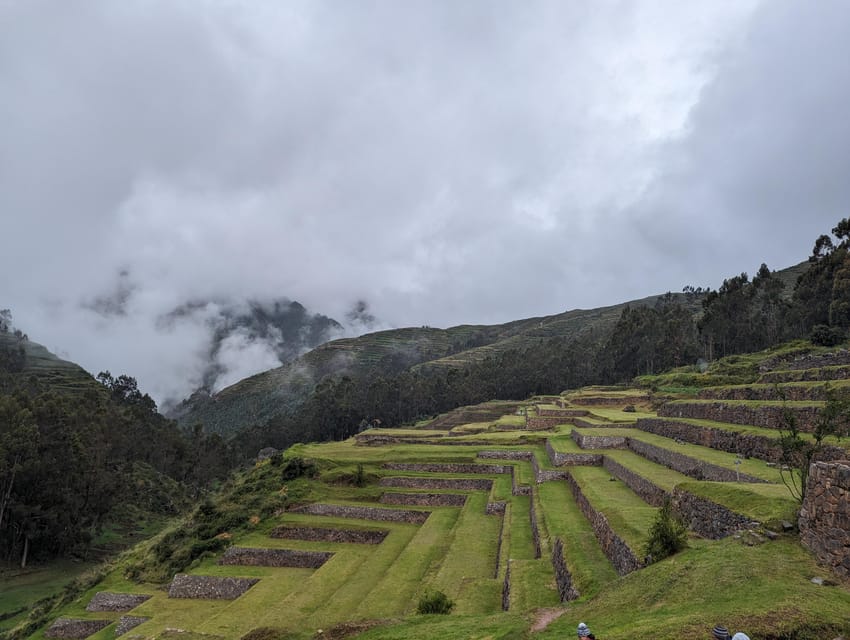
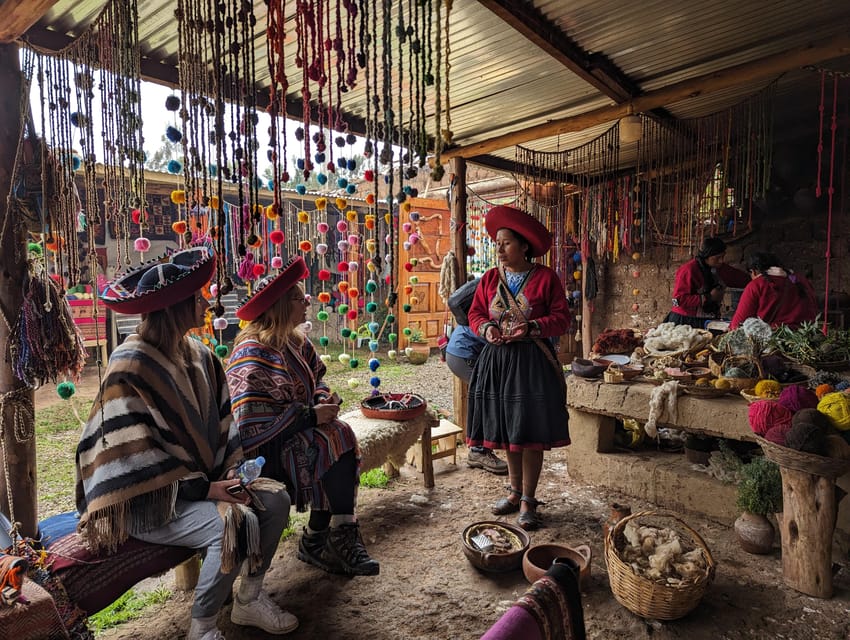
Chinchero adds a human side to the day. The district is described as a small, rustic town where you walk, take photos, and learn about textile weaving. The visit includes a textile center where you can see traditional Andean techniques in practice.
This is a worthwhile counterpoint to the stonework at Moray and the salt ponds at Maras. Archaeological sites show what earlier societies built. The textile visit shows how skills and patterns continue through living communities.
You have about an hour for the guided visit, followed by roughly 40 minutes for another photo and shopping stop. That second stop is the part I would approach with clear expectations. You can see the textiles and learn how they are made, but you may also be invited to purchase items. One past passenger felt the shopping stops were unnecessary and felt awkward about not buying anything.
The best approach is to treat the stop as a cultural demonstration first. You are not required to buy something simply because you looked. If you are interested in Andean textiles, it can be a useful place to compare colors, patterns, and techniques. If shopping is not your thing, ask the guide how much time is planned and keep your expectations modest.
Chinchero is also a good place to ask questions. The activity is conducted in Spanish and English, and the guides have been praised for making the history understandable from the basics. That matters because the town and textile traditions may not have much written explanation for you to read independently.
What the private vehicle changes
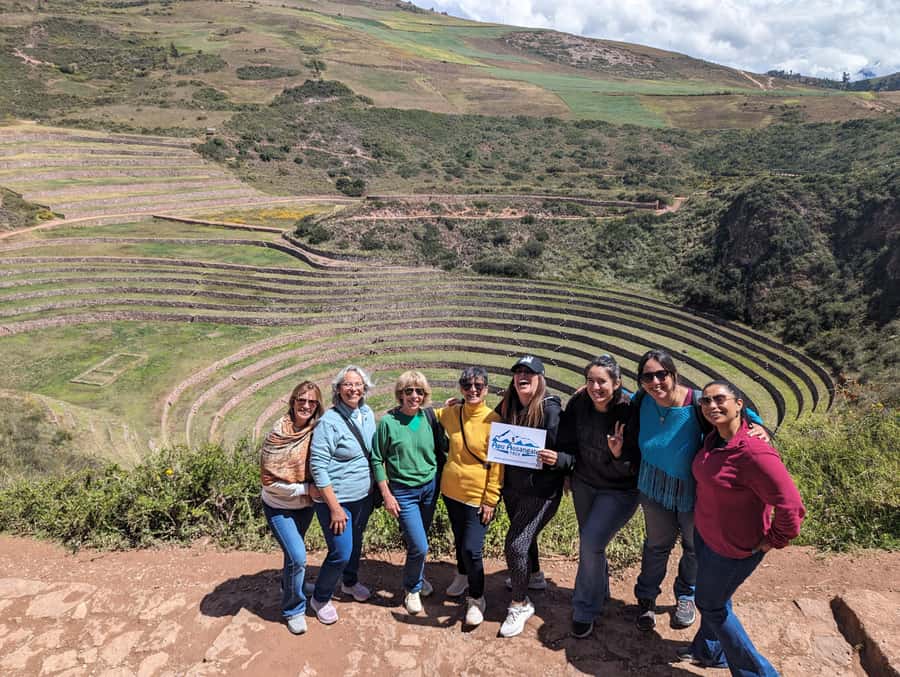
The private group format is one of the strongest reasons to choose this tour. You are picked up directly and travel with your own group, guide, and driver. The vehicle may be a car or van, depending on the booking, but the experience is designed around a private group rather than a large shared coach.
That brings three useful advantages. First, you can ask questions throughout the day. Second, the guide can adjust the pace within reason. Third, the ride is often more comfortable on winding roads than a packed bus.
Several guides received strong praise for being warm, clear, and flexible. Julio was noted for tailoring the day and offering useful suggestions for later time in Cusco. Hipo was praised for avoiding crowds and giving the group more time at the stops. Ricardo was singled out for his knowledge of the area, local people, and history. Drivers including Alfredo, Americo, Fernando, and others were praised for safe, comfortable service.
You should not assume every guide will offer exactly the same additions. Some people were taken to the Ollantaytambo archaeological site even though it was not part of their original plan, but this appears to depend on the day and the arrangement. If you want to add Ollantaytambo’s Inca site, tell the operator when your booking is confirmed.
Entry fees and the real cost of the day
At $109 per person, the price is reasonable for a private one-way trip that includes transport, a bilingual guide, lunch, and Cusco drop-off. It is particularly good value if you already need to get from Ollantaytambo to Cusco and would otherwise pay separately for a transfer, lunch, and visits to several sites.
The extra fees are important. A partial tourist ticket covering Ollantaytambo, Moray, and Chinchero can be purchased at the first site for 70 soles. The Maras Salt Mines require another 20 soles. Drinks are also extra.
That means the advertised price is not the complete cash cost. Add the entrance fees before deciding, especially if you are traveling on a tight budget. The tour still compares favorably with hiring a private vehicle for the same route, but you should not arrive with only the tour payment in hand.
The private format also offers better value for couples, families, and small groups. A solo passenger pays the full per-person rate but still receives the convenience of a guided transfer and organized sightseeing. A family may appreciate the ability to ask for a slower pace, as one guide did with a child by turning the Moray visit into a lesson about plants and rope making.
Timing, crowds, and the pace of the day
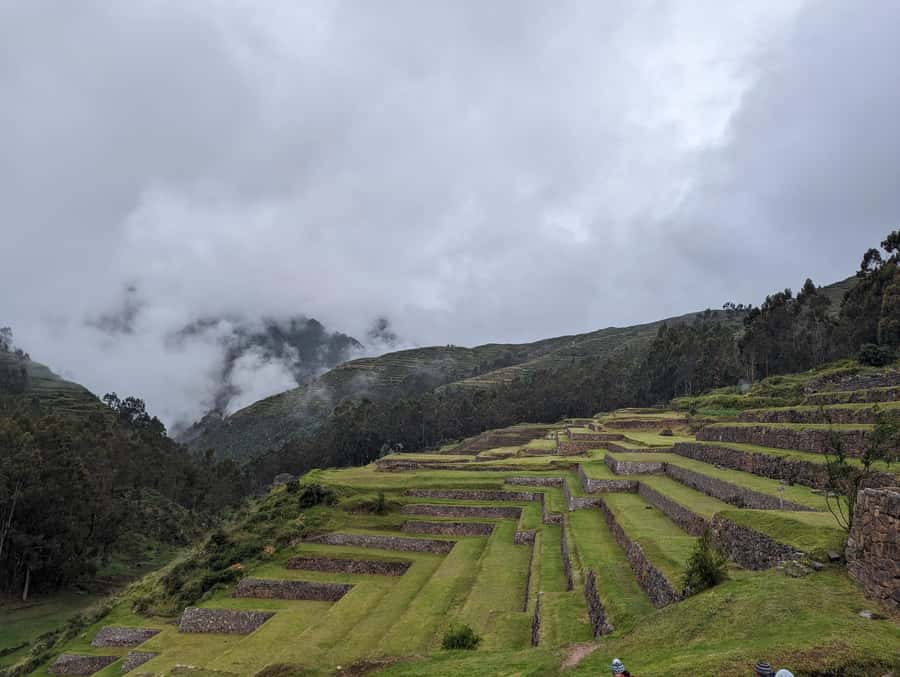
The day is full, but the schedule is not designed as a frantic checklist. The main visits allow around one hour each, lunch takes about an hour, and the textile shopping stop takes around 40 minutes. Past passengers praised the relaxed pace and said they had enough time for photos and questions.
The timing depends on your pickup hour and road conditions. Availability should be checked for the exact starting time. The drive from Ollantaytambo to the first stop takes about an hour, followed by several shorter and longer road sections before the final hour into Cusco.
The guide may also arrange the order to reduce crowds. Hipo was specifically praised for planning the day to create a closer experience at the sites. That is useful at places where a quiet viewpoint can make a big difference.
Still, you should expect a long day with frequent transitions. If you prefer to spend half a day at one archaeological site, this route may feel too broad. If you want a strong overview of several Sacred Valley sights while moving toward Cusco, the structure works well.
What to bring and what to expect on the road
Pack light, but bring the practical items you will use repeatedly:
- Sunglasses and a sun hat
- Sunscreen, preferably biodegradable
- A camera or phone with room for photos
- Cash in Peruvian soles
- A drink, since drinks are not included
The route includes outdoor visits, walking, and photo stops. Wear comfortable shoes and be ready for sun exposure, although shoes are not specifically listed in the supplied information. The tour is not suitable for people over 95 years old, and the activity may not suit anyone who finds a full day of driving and outdoor stops difficult.
Alcohol and drugs are not allowed. The private group setup can make the day more personal, but it does not remove the normal demands of mountain sightseeing: sun, road time, and walking around historical sites.
The operator offers free cancellation up to 24 hours before departure for a full refund. You can also reserve now and pay later, which helps if your Sacred Valley plans are still shifting.
Who should book this Ollantaytambo to Cusco tour?
I would choose this experience if you are staying in Ollantaytambo and need to reach Cusco while still wanting to see Moray, Maras, and Chinchero. It is also a strong choice for couples, families, and small groups who value a private ride and the ability to ask a guide plenty of questions.
It suits you best if you enjoy a mix of archaeology, scenery, food, and local craft. The route gives you a useful picture of Andean life: farming terraces at Moray, salt production at Maras, and weaving traditions in Chinchero.
I would look elsewhere if your priority is arriving in Cusco quickly, avoiding all shopping stops, or spending a long time at one major ruin. You should also budget the 70 soles partial tourist ticket, the 20 soles salt mine fee, and drinks before booking.
Should you book it?
Yes, if you need a transfer from Ollantaytambo to Cusco and want the road between them to count as part of your trip. The combination of private transport, lunch, three distinct cultural stops, and an English-speaking guide gives the day genuine value.
The strongest reason to book is convenience without sacrificing context. You are not simply driven from one town to another. You learn why the terraces mattered, how salt helped preserve food, and how textile skills remain part of Andean culture.
Book with the extra fees in mind, and confirm if Ollantaytambo’s archaeological site is important to you. If you accept the long day and the shopping stop, this is one of the more useful ways to connect the Sacred Valley with Cusco.
FAQ
Where does the tour begin?
Pickup is provided from your hotel or the train station in Ollantaytambo.
Where does the tour finish?
The tour finishes in Cusco, either at the main square or at your accommodation.
How long does the experience last?
It is a full-day experience. The exact starting time depends on availability.
Is lunch included?
Yes. Lunch in Maras is included, but drinks are not included.
Are entrance fees included?
No. The partial tourist ticket for Ollantaytambo, Moray, and Chinchero costs 70 soles and can be purchased at the first site. The Maras Salt Mines entrance costs 20 soles.
Is the tour private?
Yes. The activity is organized for a private group.
Which languages are available?
The live guide service is available in Spanish and English.
Can Ollantaytambo’s Inca site be added?
Yes. You can request the Ollantaytambo Inca site when the booking confirmation is sent.
Added recently around Sacred Valley
- Tour Sacred Valley with Maras and Moray★ 5.0 · 15 reviews
- Full day excursion in the Sacred Valley, Pisac, Ollantaytambo from Cusco City★ 4.5 · 12 reviews
- Full day tour of Sacsayhuaman,Q’enQo, Puka Pukara, and Sacred Valley Tour★ 5.0 · 10 reviews
- Full Day Sacred Valley of the Incas Private Tour★ 5.0 · 10 reviews
- Full Day in the Sacred Valley – The Pantry of Cusco★ 5.0 · 14 reviews
- Full Day Urubamba River Rafting Adventure★ 3.5 · 6 reviews
- Full-Day Tour in the Sacred Valley with Lunch★ 4.5 · 15 reviews
- Full Day Tour Sacred Valley of the Incas (Private)★ 5.0 · 7 reviews
Sacred Valley Tours, compared.
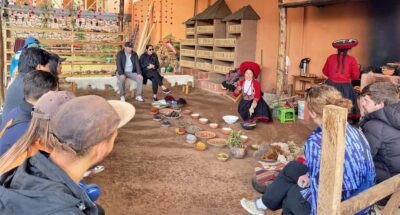
Sacred Valley & Maras Salt Mines Tour with Lunch
Read our review →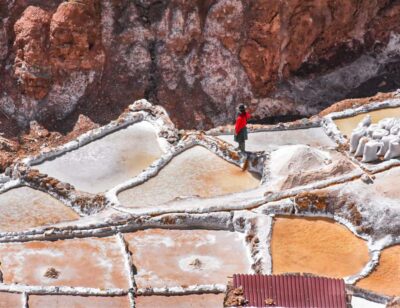
Moray, Maras Salt Mines & Chinchero Weavers Tour
Read our review →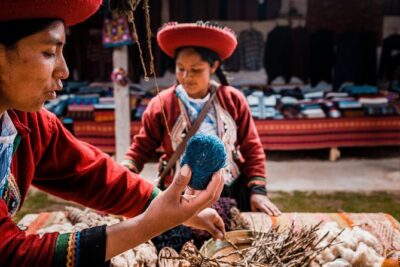
2-Day Tour: Sacred Valley and Machu Picchu by Train
Read our review →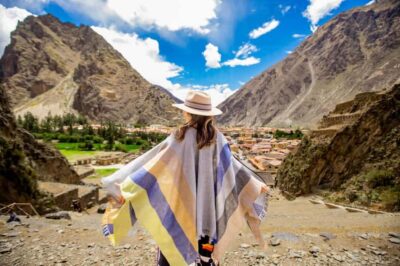
Sacred Valley, Pisac, Ollantaytambo, Salt Mines Moray
Read our review →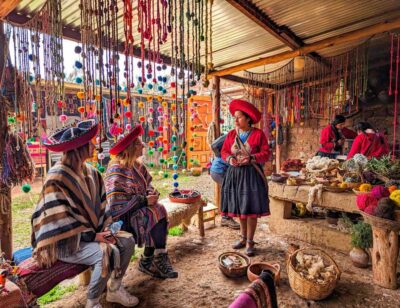
Chinchero,Moray & Salt Mines drop-off in Ollantaytambo
Read our review →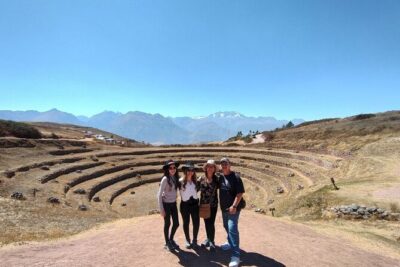
Sacred Valley and Maras Moray Tour with Full Day Buffet Lunch
Read our review →

Browse the lists this tour appears in