
Reviewed · CITY TOURS
Half day – Cusco City Tour – Private Service
Cusco rewards a guided first look. This private five-hour tour brings together the city’s main religious sites and four nearby Inca-era complexes, with hotel pickup and drop-off to keep the day simple. I especially like the private vehicle and the choice of morning or afternoon departure. I also like that local guides such as René Ferdinand, Mariela, Corina, Gennri, Rolly Carrasco, and Edward have been praised for making Cusco’s past feel personal rather than simply reciting dates. The main drawback is cost: at $101.37 per person, the tour is not a bargain for a solo visitor, and admission fees are extra.
The schedule is full but sensible. You move from central Cusco to the hilltop ruins above town, so you see both the city’s Spanish colonial face and its Inca foundations in one outing. Just remember that the four archaeological sites, the cathedral, and Qorikancha all require separate entrance payments.
In This Review
- Key points to know before booking
- Why this half-day tour works well in Cusco
- Cusco Cathedral and the paintings of the Cusqueña School
- Qorikancha, where Inca and Spanish history meet
- Sacsayhuaman and the giant fitted stones
- Q’enqo and the meaning of a ceremonial site
- Puka Pukara and Tambomachay on the high road
- The guides make the biggest difference
- What the $101.37 price really buys you
- Timing, altitude, and practical comfort
- Who should book this Cusco city tour?
- Should you book it?
- FAQ
- How long does the Cusco City Tour last?
- Is the tour private?
- What transportation is provided?
- Does the tour include hotel pickup and drop-off?
- Can I choose a morning or afternoon departure?
- Are entrance fees included?
- Are meals or snacks included?
- Which places does the tour visit?
- Is the tour suitable for most people?
- What is the cancellation policy?
Key points to know before booking
- Six major sights in about five hours: You visit the Cathedral, Qorikancha, Sacsayhuaman, Q’enqo, Puka Pukara, and Tambomachay.
- Private service for your own group: Transportation is provided in a minibus designed for 15 to 25 people, with only your party participating.
- Strong guide-led experience: Guides including René Ferdinand, Mariela, Corina, Gennri, Rolly Carrasco, and Edward have been praised for warmth, local insight, and careful pacing.
- Admission fees are not included: Budget separately for Qorikancha, the Cathedral, and the four archaeological sites.
- Morning or afternoon departures: The half-day format works well beside a longer excursion, train journey, or free afternoon.
- Altitude matters: Cusco sits high, and one guide was praised for adjusting the pace for a visitor dealing with altitude sickness.
Why this half-day tour works well in Cusco
Cusco can feel confusing at first. Colonial churches sit over Inca foundations, narrow streets lead to grand plazas, and the major ruins are scattered on the hills above town. A private minibus solves the biggest practical problem: you do not need to arrange separate taxis or figure out how to link the sites together.
I like the way this tour divides its time between central Cusco and the nearby archaeological sites. The Cathedral and Qorikancha show how Spanish religion was placed over earlier sacred spaces. Sacsayhuaman, Q’enqo, Puka Pukara, and Tambomachay then take you outside the center, where the scale and engineering of the Inca sites become easier to understand.
The five-hour length is another plus. You get a solid introduction without giving up an entire day. I would consider it especially useful on your first day in Cusco, provided you have enough time to adjust to the altitude before starting.
The private format also gives you more control than a large shared excursion. You can ask questions, pause for photographs, and tell the guide if you need a slower pace. That matters at high altitude, where a short walk or a flight of steps can feel harder than expected.
More City Tours in Cusco
- Cusco: Half-Day City Tour with Sacsayhuaman and Q’enco
★ 4.6 · 1,129 reviews - City Tour Cusco Qoricancha Sacsayhuaman y Tambomachay
★ 4.7 · 617 reviews - Cusco City Tour Four Ruins in Half-Day
★ 5.0 · 530 reviews
Cusco Cathedral and the paintings of the Cusqueña School
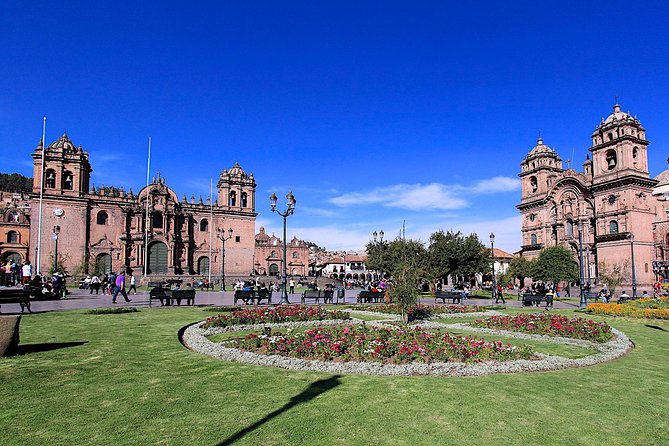
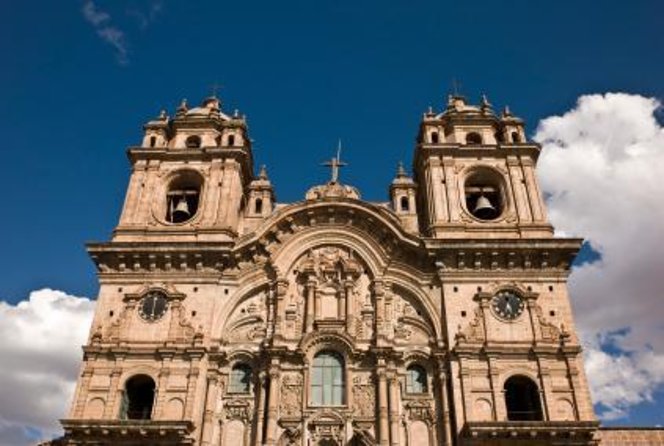
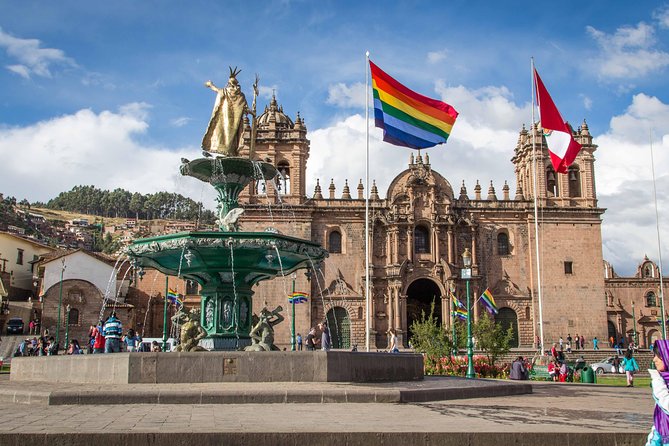
The tour begins at Cusco Cathedral, on the city’s main square. Construction began in 1560, and the building now holds about 300 paintings associated with the Cusqueña School.
That number gives you an idea of why a guide is useful here. You are not simply looking at a large church with ornate decoration. You are seeing a major collection of colonial religious art, created in a period when European Christian imagery was being produced in the Andes.
The guide can help you notice the local character in the paintings and explain how the cathedral fits into Cusco’s changing religious and political story. I would give this stop the full hour if the interior is open and you enjoy art. The visit may feel less rewarding if you are mainly interested in stonework or outdoor ruins.
The admission ticket is not included. Keep that in mind when comparing the tour price with a self-guided visit. Also, because this is an active religious building, access can depend on services or local conditions, so your guide’s timing matters.
Qorikancha, where Inca and Spanish history meet
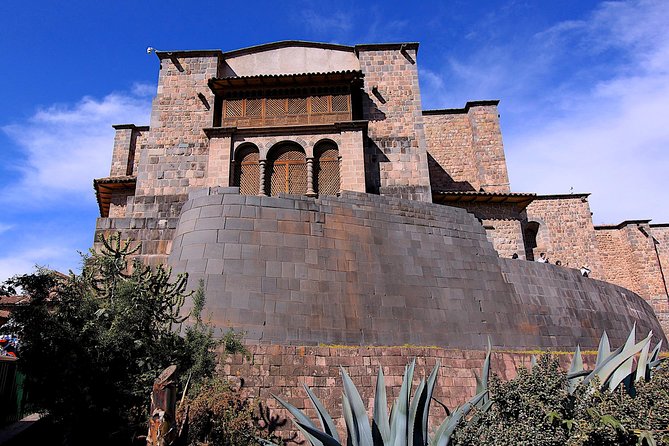
Qorikancha was the ancient Temple of the Sun, and it is one of the most important places in central Cusco for understanding how the city was transformed after the Spanish conquest. The tour allows about an hour here.
The appeal is not just the architecture. Qorikancha helps you see the contrast between Inca construction and the later colonial structure built around it. Your guide can point out the refined stonework and explain why this site held such importance before the Spanish arrival.
I would pay close attention to the physical relationship between the earlier temple and the later religious building. It is one of those places where Cusco’s history is visible in the walls rather than confined to a museum label.
Admission costs extra. Since both Qorikancha and the Cathedral require separate tickets, ask for the current prices before departure. These extra costs do not make the tour poor value, but they should be part of your budget.
Sacsayhuaman and the giant fitted stones
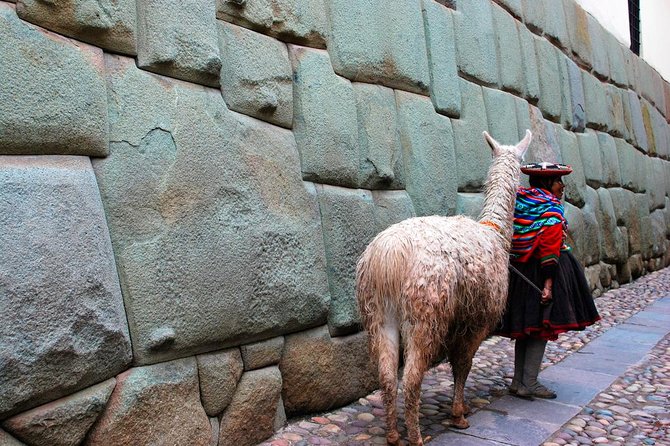
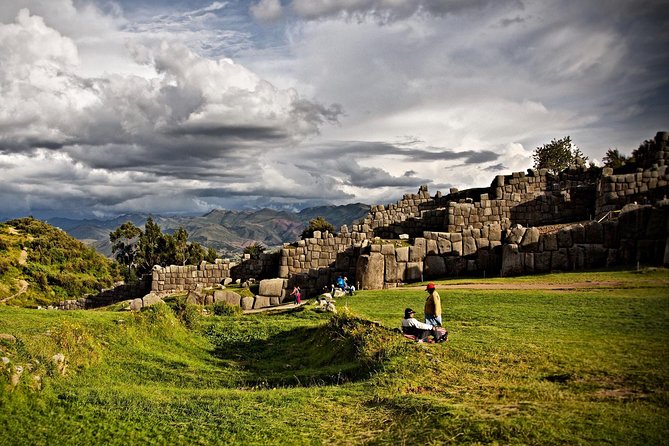
The drive to Sacsayhuaman takes you above the city, where the views back toward Cusco add another reason to bring a camera. The complex is known for huge stones, some weighing as much as 120 tons, fitted together with striking precision.
The planned stop is about 40 minutes, though the itinerary allocates an hour. That gives you some room for walking, photographs, and questions. I would not expect a long, leisurely exploration of every corner. This is a focused introduction to a very large archaeological complex.
Sacsayhuaman is often the moment when the scale of Inca engineering becomes real. Photographs do not fully convey the size of the blocks or the careful joins between them. Your guide can also help you separate what is visible from what is still debated or only partly understood.
The site requires an admission fee, and it is one of four archaeological stops covered by separate entrance arrangements. Wear comfortable shoes and keep water nearby. The tour does not include meals or snacks, so plan to eat before leaving or after returning to Cusco.
A few more Cusco trips worth lining up side by side
- Classic Inca Trail Trek 4D/3N to Machu Picchu (Group Service)
★ 5.0 · 8,653 reviews - Cusco: Rainbow Mountain and Red Valley Day Trip with Meals
★ 4.9 · 4,893 reviews - Machu Picchu: 4-Day Inca Trail Trek with Panoramic Train Ride
★ 5.0 · 4,568 reviews - Salkantay Classic Trek 5 Days from Cusco
★ 5.0 · 4,062 reviews
Q’enqo and the meaning of a ceremonial site
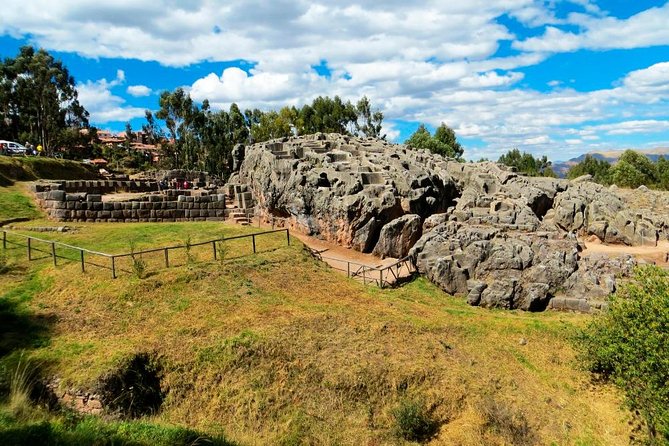
Q’enqo, described as a labyrinth and a religious center connected with worship of the Earth, receives about 30 minutes. It is a shorter stop, but it adds a different kind of experience after the massive walls of Sacsayhuaman.
Here, the interest lies in the ceremonial character of the place and in the way the stone was shaped for ritual use. A good guide can make a brief visit worthwhile by explaining what researchers understand about the site and what remains uncertain.
I would treat Q’enqo as a stop that depends heavily on interpretation. Without a guide, you might walk through quickly and miss its purpose. With a guide who explains the symbolism and setting, the visit can become one of the more thoughtful parts of the afternoon.
The ground may be uneven, and the tour moves on after a limited time. If you like to linger at archaeological sites, the pace may feel brisk.
Puka Pukara and Tambomachay on the high road
Puka Pukara means reddish place and was used as a military control center. The planned visit lasts about 20 minutes, enough for a short explanation and a look across the surrounding area.
This is not the biggest ruin on the route, but its location helps explain the network around Cusco. The site’s position and defensive function make more sense when you see it as part of a route leading toward the capital.
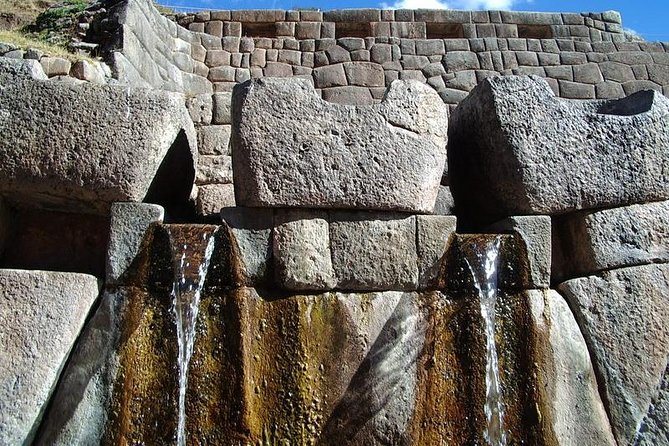
Tambomachay follows, also for about 20 minutes. Known as a Temple of Water, it was connected with the worship of water. The stop provides a useful change of subject after military and defensive architecture.
I like having both sites included because they broaden the story. You see that Inca sites were not all built for the same purpose. Some expressed power, some supported travel and control, and others centered on ritual and natural forces.
These short visits are also where the schedule can feel tight. You will not have much time for a slow walk or extended photography. If one of these smaller sites matters greatly to you, tell the guide early in the tour and ask how much time is possible.
The guides make the biggest difference
The strongest part of this experience is the human element. René Ferdinand has been praised for making visitors feel comfortable while explaining Cusco and Inca history as a local. Mariela has been described as friendly and well informed, with a warm way of sharing the city’s past during a birthday trip.
Corina has helped families connect local culture with historical events. Gennri has been praised for explaining Inca traditions and for taking special care of someone affected by altitude sickness. Rolly Carrasco has been singled out for discussing not only historical events but also the feelings and experiences of people who lived, and still live, in the area.
Edward brings a more technical angle. He has a master’s degree in architecture and Inca engineering, and he has been praised for explaining construction details and answering questions in depth. He also timed one archaeological tour carefully enough for the group to return to its hotel five minutes early before a flight.
You cannot choose a specific guide from the information provided, so these names should not be treated as a promise. Still, they show the level of personal attention this company can provide. When booking, you can request a guide who suits your interests, but confirmation will depend on availability.
Some guide-led outings have also included a stop at a textile workshop or a nearby cooperative where visitors fed llamas and alpacas. Those additions are not part of the six-stop schedule described here, so do not assume they are included. Ask before booking if either experience matters to you.
What the $101.37 price really buys you
At $101.37 per person, the tour makes the most sense for couples, families, or small groups who value convenience and a private guide. You are paying for transportation, hotel pickup and return, and a guide who can connect six very different places into one story.
The price is harder to justify if you are traveling alone or if you are comfortable using local transportation and reading about the sites independently. A private service usually costs more than a shared bus, and the listed price does not include any entrance fees, meals, snacks, or tips.
For a group, the value improves because the cost buys a private experience rather than a seat on a large public excursion. You also avoid spending time negotiating taxis between the city center and the hilltop ruins.
Before you commit, calculate the total cost with the six entrance payments. Ask the provider exactly which archaeological ticket or tickets are needed, because the supplied details only state that four archaeological-site admissions are separate.
Timing, altitude, and practical comfort
The tour lasts about five hours and offers a morning or afternoon start. A morning departure gives you more time afterward for lunch, museums, or a relaxed walk through Cusco. An afternoon departure may fit better if you arrive late in the morning or want a slower start.
Hotel pickup and drop-off are included, although the stated meeting point is in Cusco and the activity ends back at that point. Confirm the pickup address when you book, especially if you are staying outside the central area.
Cusco’s altitude is a serious consideration. One guide received praise for slowing the pace and showing care when a participant was dealing with altitude sickness. That does not remove the need for you to plan sensibly. Give yourself time to rest, carry water, and tell the guide early if you feel unwell.
Most people can participate, and the activity is near public transportation. Still, the route includes archaeological sites with outdoor walking and uneven surfaces. The supplied information does not give detailed accessibility specifications, so ask the provider directly if you have mobility concerns.
Bring sun protection, a camera with spare battery space, and a small amount of water. One enthusiastic visitor specifically wished for plenty of battery life and storage because there are many photographs to take.
Who should book this Cusco city tour?
I would choose this tour if you want a clear introduction to Cusco without managing transport yourself. It suits couples, families, and groups who prefer a private setting and want time to ask questions.
It is also a good fit if you have limited time. In one half-day, you cover the Cathedral, Qorikancha, and four major sites outside the center. That leaves your other days open for Machu Picchu, the Sacred Valley, Palcoyo, museums, or independent time in Cusco.
I would think twice if you prefer slow archaeological visits. Sacsayhuaman deserves more than a quick look, and the 20-minute stops at Puka Pukara and Tambomachay are brief. A self-guided day or a private full-day tour may suit you better if you want to linger.
The tour is also less appealing if you expect all costs to be included. The admission fees add up, and meals and snacks are your responsibility. The private vehicle and personal guide are the main reasons to pay the higher rate.
Should you book it?
Book this Cusco tour if you want efficiency, private transportation, and a guide who can connect colonial art with Inca engineering and local traditions. The strongest praise goes to the guides’ warmth, care, and ability to adjust explanations and walking speed to the group.
Skip it if your priority is the lowest possible price or a slow, detailed study of each ruin. For everyone else, this is a useful first look at Cusco, especially when you have only half a day and want the major sights handled in one well-organized route.
Free cancellation is available up to 24 hours before the start time. If poor weather cancels the outing, you can receive a different date or a full refund.
FAQ
How long does the Cusco City Tour last?
The tour lasts approximately five hours.
Is the tour private?
Yes. Only your group participates in the private activity.
What transportation is provided?
Transportation is provided by a minibus designed for 15 to 25 people.
Does the tour include hotel pickup and drop-off?
Yes. Hotel pickup and drop-off are listed as part of the experience, and the activity ends back at the meeting point in Cusco.
Can I choose a morning or afternoon departure?
Yes. You can choose between a morning or afternoon half-day tour.
Are entrance fees included?
No. Admission to Qorikancha, the main cathedral, and the four archaeological sites is not included.
Are meals or snacks included?
No. Meals and snacks are not included.
Which places does the tour visit?
The route includes Cusco Cathedral, Qorikancha, Sacsayhuaman, Q’enqo, Puka Pukara, and Tambomachay.
Is the tour suitable for most people?
The activity states that most people can participate. Since the archaeological sites involve outdoor walking, ask the provider about specific mobility needs.
What is the cancellation policy?
You can cancel at least 24 hours before the start time for a full refund. Cancellations or changes made less than 24 hours before the start time are not accepted for a refund. If poor weather causes the tour to be canceled, you will be offered another date or a full refund.
Added recently around Cusco
- Super valley or vip valley★ 5.0 · 13 reviews
- the Incas’ Sacred Valley★ 5.0 · 27 reviews
- Sacred Valley of the Incas Day Trip from Cusco★ 5.0 · 6 reviews
- Small-Group Tour: Rainbow Mountains Hiking from Cusco★ 4.0 · 5 reviews
- Excursion to the Sacred Valley of the Incas from Cusco★ 5.0 · 8 reviews
- Maras + Moray & Textile Experience★ 5.0 · 14 reviews
- Tour EN Cuatrimoto POR la Montaña 7 Colors Hike 5 Minutes★ 4.5 · 32 reviews
- rainbow mountain★ 4.0 · 4 reviews
City Tours, compared.
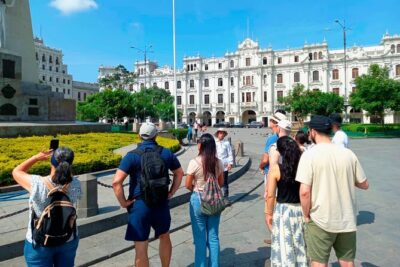
Lima Half-Day City Walking Tour (Small Groups)
Read our review →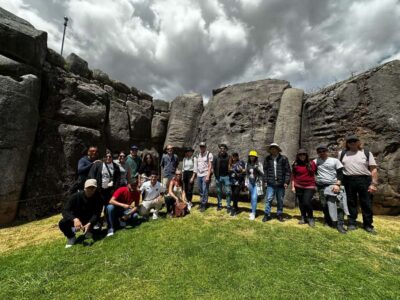
Half-Day City Tour with Sacsayhuaman and Q’enco
Read our review →
City Tour Panoramic Bus Departure From Larcomar
Read our review →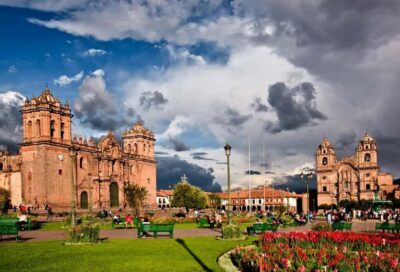
City Tour Cusco Qoricancha Sacsayhuaman y Tambomachay
Read our review →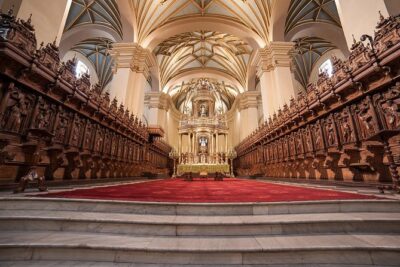
Lima’s Vibrant Heritage: Exploring the City’s Landmarks Half-day
Read our review →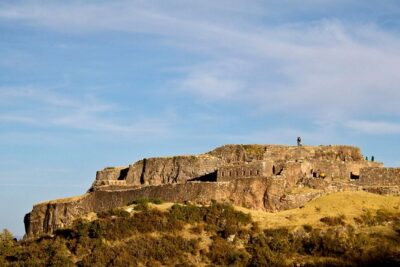
Sightseeing Tour of the City on an Open-Top Bus
Read our review →
Lima City, Central Market & Catacombs Tour (Pick-up & Drop Off)
Read our review →Browse the lists this tour appears in