
Reviewed · HORSES
Horseback Adventure through the Sacred Temples of Cusco
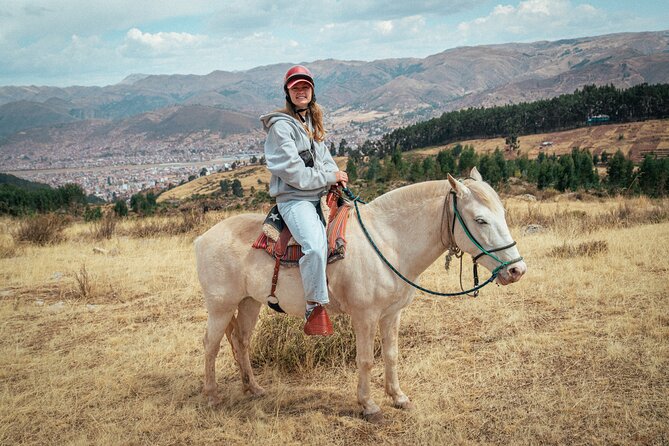
Sacred stones, open trails, and well-cared-for horses make this Cusco outing more than a standard ruin visit. I especially like the personal horse matching and the chance to reach Inkilltambo, the Temple of the Moon, Kusilluchayoc, and Chuspiyoq in one private trip. The main caution is language: an English-speaking guide should be requested clearly, since one guest found that most explanations were given in Spanish.
This 3 to 4-hour ride costs $60 per person and includes round-trip transport from your Cusco accommodation, helmets, bottled water, archaeological-site guides, and a horse-handling guide. I also like the flexible pace, from a calm walk to a jog or gallop, though strong sun, high-altitude exertion, and uneven ground mean you should bring sunscreen, snacks, and sensible expectations.
In This Review
- Key points at a glance
- Why this horseback ride is different from a standard Cusco tour
- Meeting the horses and setting the pace
- Inkilltambo and the old agricultural hillside
- Temple of the Moon and sacred duality
- Kusilluchayoc, the temple with visible animal forms
- Huayllarcocha and the water center at Chuspiyoq
- What the guides add to the ride
- Price, timing, and what the $60 includes
- Comfort, safety, and who should skip it
- Is this the right Cusco excursion for you?
- Should you book the horseback adventure?
- FAQ
- How long does the horseback tour last?
- How much does the tour cost?
- Which archaeological sites does the route visit?
- Is transportation included?
- Where does the tour start?
- Are helmets and water provided?
- Can beginners join the horseback ride?
- Can I walk, jog, or gallop during the route?
- Who should not take this tour?
Key points at a glance
- Four lesser-visited Inca sites: See Inkilltambo, the Temple of the Moon, Kusilluchayoc, and Chuspiyoq in one half-day outing.
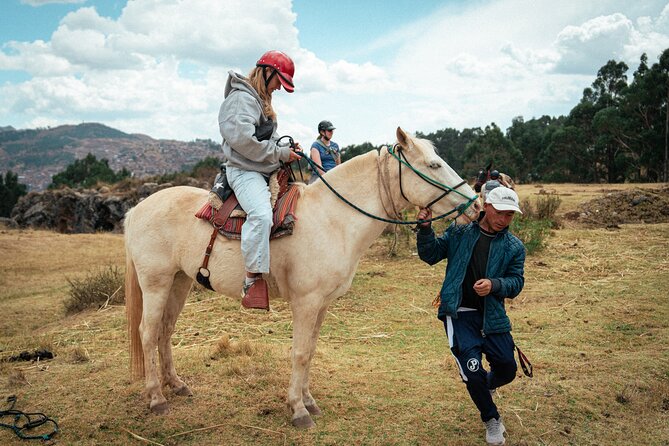
- Horses matched to your ability: Guides assign horses according to riding experience, which helps first-time riders feel secure.
- A private experience: Only your own group takes part, with private transport to and from the meeting point.
- Flexible riding pace: The route can be adjusted to a walk, jog, or gallop according to comfort and ability.
- Careful horse handling: The horses are described as trained, calm, well fed, and not overworked.
- Strong cultural focus: Guides explain Inca agriculture, sacred duality, nature symbols, water rituals, botany, and local religious traditions.
Why this horseback ride is different from a standard Cusco tour
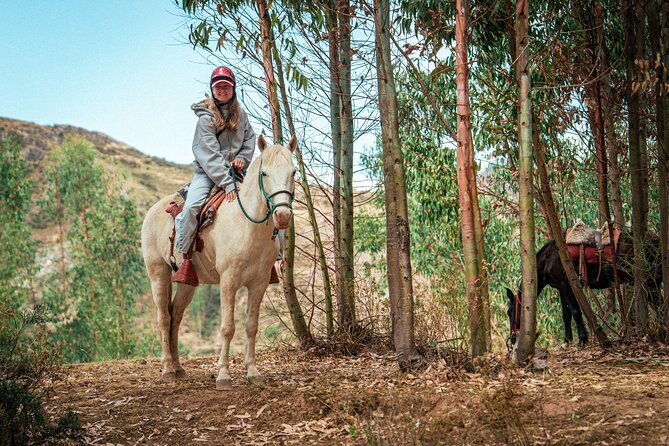
Cusco has no shortage of archaeological excursions, but many follow the same well-worn circuit. This horseback route takes you into the hills and nearby countryside, where the journey between sites is part of the experience.
I like the balance here. You spend roughly half the outing riding and half visiting archaeological places, according to the practical descriptions of the trip. That gives you time in the saddle without turning the morning into a long endurance ride.
The horse is also useful transportation, not just a photo prop. It lets you reach places that would be awkward to visit by car, while giving you a better view of the slopes, stonework, plants, and open country around Cusco.
The tour is private, so your group does not have to match another party’s pace. That matters if one person is a beginner, another is comfortable riding faster, or someone wants more time at a site. The guide can adjust the pace, but you should still understand that flexible does not mean every rider will gallop for long stretches.
The experience has earned a 4.8 rating, with 92 percent of customers recommending it. That is a strong result for a small outdoor activity, especially because the most repeated praise concerns safety, horse care, and personal attention rather than only scenery.
More horseback riding near Cusco:
- Horseback Riding Mystic Tour Temple of the Moon & Chacan Mountain
★ 5.0 · 255 reviews - Horseback Riding Tour to the Devil’s Balcony from Cusco
★ 5.0 · 241 reviews - Horseback Riding & Ancestral Secrets: Moon Temple & Inka Sites
★ 5.0 · 175 reviews
Meeting the horses and setting the pace
The most important part of a horseback tour is not the ruin. It is the horse and the person handling it.
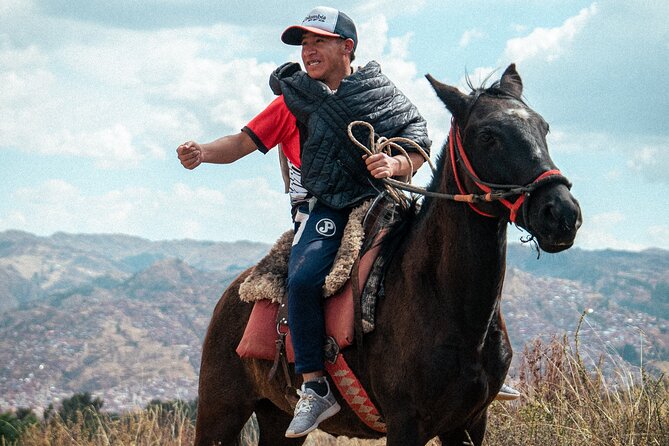
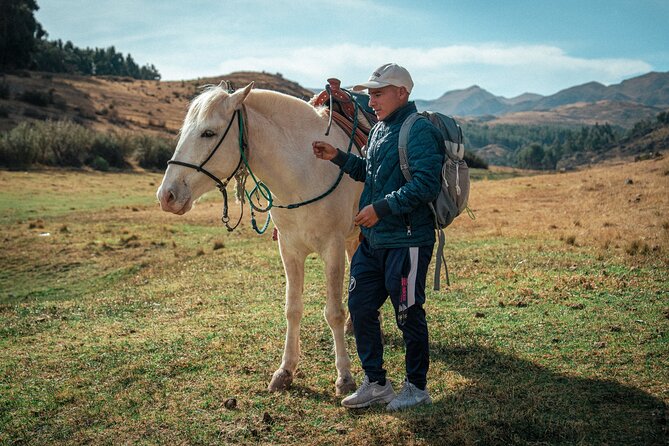
The team, led by Saturnino in several accounts, assigns horses based on each rider’s experience. This is especially helpful if you have never ridden before. First-time riders describe being watched closely and made to feel comfortable, while more experienced riders were able to gallop during suitable sections.
The horses are described as well trained and in good condition. One particularly reassuring detail is that the operator reportedly limits each horse to one tour per day, helping prevent overwork. The guides also pay attention to individual riders during the route, rather than simply leading a line of horses from one site to the next.
You can ask for a slower pace if you are uneasy. The route may also include a jog or gallop when the guide considers it safe and appropriate. Do not assume that a gallop is guaranteed, since it depends on the rider, horse, trail conditions, and the guide’s decision.
Helmets are included for all participants. Wear trousers and closed shoes if possible, and bring sunscreen and water-friendly layers. Bottled water is supplied, but one useful tip is to bring snacks because the tour does not include food.
Inkilltambo and the old agricultural hillside
The first stop is Inkilltambo, an Inca agricultural center where advanced cultivation methods were used. You get about 20 minutes here, with admission included.
This stop gives the route a useful starting point. The Incas were not only builders of temples and royal compounds. They also developed practical ways to grow food in difficult mountain conditions. Inkilltambo helps connect the stonework you see with the farming systems that supported Cusco.
I would pay close attention to how the site fits into the surrounding slopes. From horseback, you are already thinking about terrain, water, and elevation, so the agricultural purpose feels less abstract. The guide can add context about how the Incas worked with the land rather than treating it as a blank surface.
Twenty minutes is enough for an introduction and a short explanation, but not enough for an extended archaeological study. If you want slow photography or a detailed look at every structure, this route may feel brisk. The benefit is that you see three other sites without spending the whole day on one location.
Temple of the Moon and sacred duality
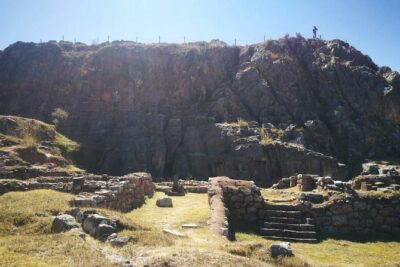
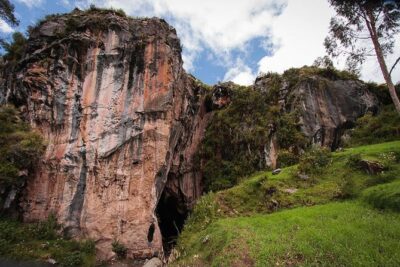
The Temple of the Moon is presented as a mystical place connected to the sacred balance of female and male energy. You spend around 20 minutes exploring and hearing about its role in Andean thought.
This is one of the more atmospheric stops. The site invites interpretation, and the guide’s explanation matters because the stones alone may not communicate the full meaning. The emphasis on duality gives you a window into an Andean worldview in which opposing forces can work together rather than cancel each other out.
Some descriptions connect this stop with Amaru Marka Wasi, a name used for the temple area above Cusco. Since the tour information uses Temple of the Moon as the stop name, confirm the exact route and naming with the provider if that distinction matters to you.
The short visit works well for a trip built around several sites. You get a focused explanation, a chance to look around, and then continue on horseback. It is less suitable if you want a long, quiet period at the site or a formal archaeological lecture.
A few more Cusco trips worth lining up side by side
- Classic Inca Trail Trek 4D/3N to Machu Picchu (Group Service)
★ 5.0 · 8,653 reviews - Cusco: Rainbow Mountain and Red Valley Day Trip with Meals
★ 4.9 · 4,893 reviews - Machu Picchu: 4-Day Inca Trail Trek with Panoramic Train Ride
★ 5.0 · 4,568 reviews - Salkantay Classic Trek 5 Days from Cusco
★ 5.0 · 4,062 reviews
Kusilluchayoc, the temple with visible animal forms
Kusilluchayoc is also called the Temple of the Monkeys. Its carved stones include animal forms such as monkeys, snakes, and toads, linked to natural forces and spiritual ideas in the Andean world.
The monkey is especially notable because it is presented directly in the stone rather than requiring a great deal of imagination. That makes this stop easy to appreciate even if you are new to Inca symbolism. You can see how animals were used to express ideas about nature, energy, and the sacred world.
I like this site because it changes the mood of the route. Inkilltambo is tied to farming, and the Temple of the Moon focuses on spiritual balance. Kusilluchayoc brings the natural world into the stone carvings themselves.
You again have approximately 20 minutes. Stay close enough to hear the guide, since the meaning of the figures is a major part of the visit. The tour is not designed as an independent, unhurried archaeological survey, so your experience will be strongest if you value clear highlights over exhaustive detail.
Huayllarcocha and the water center at Chuspiyoq
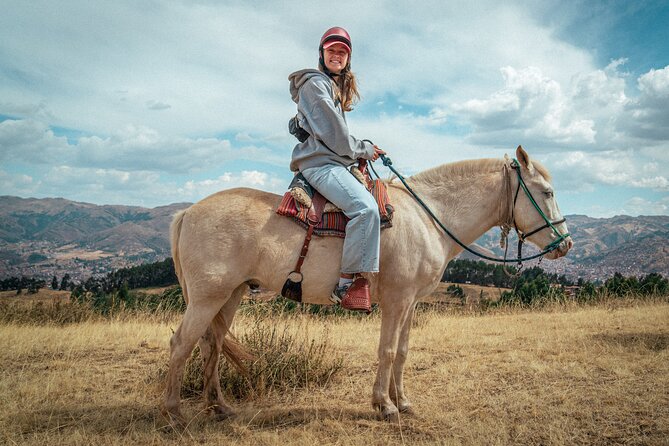
The final stop is listed as Huayllarcocha, with Chuspiyoq described as the archaeological site connected to the visit. This is a little-known Inca place associated with water, purification, and contact with nature.
Water held a sacred role in the Andes, and Chuspiyoq is understood as a ceremonial center where purification rituals may have taken place. The site’s appeal is its quiet setting and its link to the life cycle of water as a source of energy and life.
The description of this stop is more spiritual than architectural. You should not expect a large, monumental complex. Instead, the attraction lies in the setting, the stillness, and the idea of how water shaped both daily life and religious practice.
This stop is another 20-minute visit. It rounds out the route nicely because the four locations cover agriculture, sacred duality, animal symbolism, and water. Together, they give you a broader picture than a single ruin would.
What the guides add to the ride
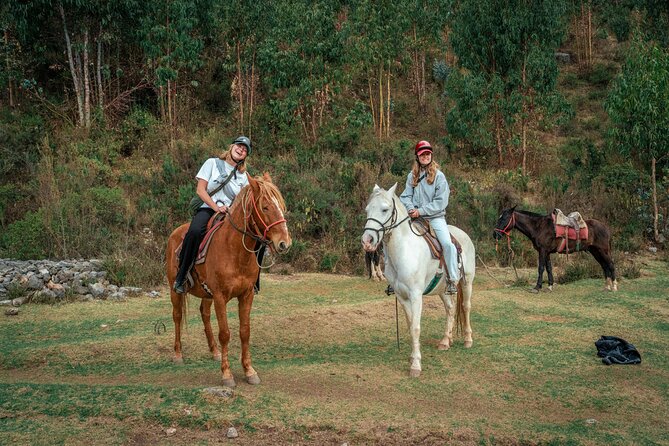
Saturnino receives repeated praise for his friendly manner, care on horseback, and explanations of the land and local religious traditions. Juan Carlos is also mentioned as part of the team, with close attention given to riders during the outing.
The guiding is not limited to dates and names. The descriptions point to explanations about Inca beliefs, plants, the countryside, and the meaning of each site. That combination is valuable because you are seeing small or less familiar archaeological places where a guide can make the difference between a pleasant ride and a meaningful visit.
There is one language issue you should handle before booking. One guest said that most of the explanation was delivered in Spanish, leaving an English-speaking companion unable to follow much of the trip. The provider apologized and stated that English-speaking guides are available and that future tours should balance English and Spanish.
If you need English throughout, make that request when booking and repeat it before departure. Do not rely on a general assumption that every explanation will be bilingual.
Price, timing, and what the $60 includes
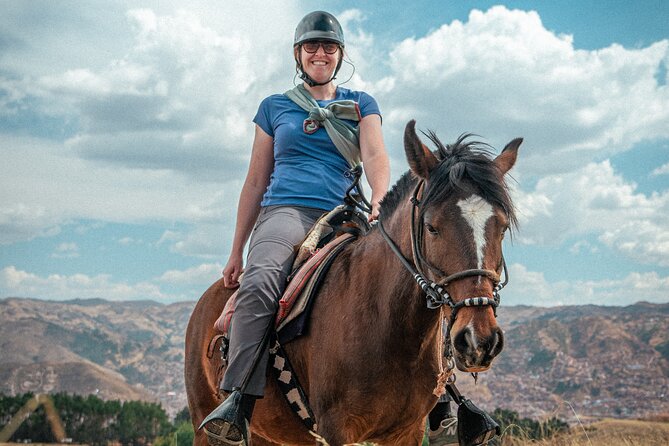
At $60 per person, this is a solid value if you want transport, horses, equipment, guiding, and several sites in one package. Private round-trip transportation from your Cusco accommodation is included, as are helmets, bottled water, trained horses, a horse-handling guide, and a specialized guide at each archaeological site.
The value is strongest for a small group. A private outing normally gives you more control than a large shared excursion, and the route can be adjusted to suit the least confident rider in your party.
The tour starts at Casa De La Gringa San Pedro Retreat Mountain House, Urb Tambillo A7, Cusco 08000, Peru, and ends back at the same meeting point. The supplied information says private transport is provided from your accommodation in Cusco, so confirm the exact pickup arrangement and time after booking.
The route takes approximately 3 to 4 hours. That is long enough to feel like a real outing, but short enough to fit around other Cusco plans. If you are booking soon after arrival, remember that riding and altitude can be tiring even when the clock says half a day.
The tour is booked, on average, 12 days ahead. That does not guarantee that every departure will sell out, but it is a useful warning not to leave a preferred date until the last minute.
Comfort, safety, and who should skip it
Most people can participate, including complete beginners, according to the practical experience described for the tour. The guide offers personalized help, assigns horses according to ability, and adjusts the pace from a walk to a jog or gallop.
That does not make the outing suitable for everyone. It is not recommended for people with heart problems, back problems, or anyone who is pregnant. If you have concerns about riding at altitude or spending several hours outdoors, ask your medical professional before booking.
You should also be honest about your riding ability. A beginner who wants a calm, steady ride should say so. An experienced rider who hopes to gallop should discuss that with the guide, but understand that safety takes priority.
Bring sunscreen and snacks. The sun can be strong around Cusco, and food is not included. Bottled water is provided, but a small personal supply may still be useful if you drink frequently.
Personal craft purchases are not included. Activities not authorized by the guide or done without the responsible team are also excluded, so follow instructions at the sites and on the trail.
Is this the right Cusco excursion for you?
I would choose this tour if you want to combine outdoor time with archaeology and do not want another vehicle-based morning. It suits first-time riders, families with suitable participants, couples, and small private groups who value careful handling over speed.
It is also a good choice if you have already seen Cusco’s major sights and want a quieter route with different themes. The four stops are not presented as giant monuments. Their value comes from the connections among farming, spirituality, animals, water, and the surrounding countryside.
I would hesitate if your main goal is a long, fast horseback ride. Much of the time is spent stopping at sites and listening to explanations, so this is a cultural excursion on horseback, not a pure riding adventure.
I would also confirm the guide language, pickup details, and expected riding pace before paying. You can cancel for a full refund up to 24 hours before the start time, but changes or cancellations made inside that window are not accepted.
Should you book the horseback adventure?
Book it if you want a personal, reasonably priced way to reach four Inca sites near Cusco, especially if your group includes mixed riding abilities. The strongest reasons are the horse matching, close supervision, responsible care of the animals, private transportation, and the blend of riding with cultural interpretation.
Skip it if you have heart or back problems, are pregnant, dislike riding, or need a fully English-language tour without confirming that request first. For everyone else, this looks like a thoughtful half-day outing that gives you a different view of Cusco, one measured hoofbeat at a time.
FAQ
How long does the horseback tour last?
The experience lasts approximately 3 to 4 hours.
How much does the tour cost?
The price is $60 per person.
Which archaeological sites does the route visit?
The route visits Inkilltambo, the Temple of the Moon, Kusilluchayoc, also called the Temple of the Monkeys, and the Huayllarcocha area associated with Chuspiyoq.
Is transportation included?
Yes. Private round-trip transportation from your accommodation in Cusco is included, and the activity ends back at the meeting point.
Where does the tour start?
The listed meeting point is Casa De La Gringa San Pedro Retreat Mountain House, Urb Tambillo A7, Cusco 08000, Peru.
Are helmets and water provided?
Yes. Safety helmets and bottled water are included.
Can beginners join the horseback ride?
Yes. Most people can participate, and the guides assign horses according to riding experience. The pace can also be adjusted to the comfort of the rider.
Can I walk, jog, or gallop during the route?
The pace can be adapted to a walk, jog, or gallop according to the rider’s comfort and the guide’s direction.
Who should not take this tour?
The experience is not recommended for people with heart problems, back problems, or anyone who is pregnant.
Added recently around Cusco
- Super valley or vip valley★ 5.0 · 13 reviews
- the Incas’ Sacred Valley★ 5.0 · 27 reviews
- Sacred Valley of the Incas Day Trip from Cusco★ 5.0 · 6 reviews
- Small-Group Tour: Rainbow Mountains Hiking from Cusco★ 4.0 · 5 reviews
- Excursion to the Sacred Valley of the Incas from Cusco★ 5.0 · 8 reviews
- Maras + Moray & Textile Experience★ 5.0 · 14 reviews
- rainbow mountain★ 4.0 · 4 reviews
- Tour EN Cuatrimoto POR la Montaña 7 Colors Hike 5 Minutes★ 4.5 · 32 reviews
Horses, compared.
Horseback Riding Mystic Tour Temple of the Moon & Chacan Mountain
Read our review →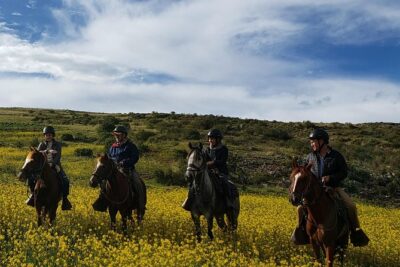
Horseback Riding Tour to the Devil’s Balcony from Cusco
Read our review →
Horseback Riding & Ancestral Secrets: Moon Temple & Inka Sites
Read our review →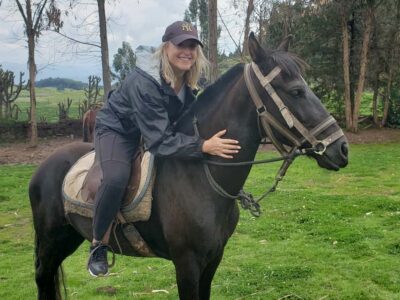
3-Hour Horse Riding Tour to the Temple of the Moon
Read our review →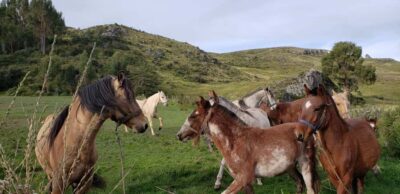
Horse Riding Chacan Mountain And Temple Of The Moon
Read our review →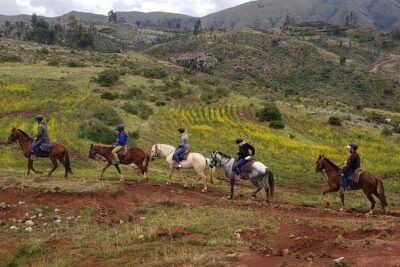
Horseback Tour in cusco to Temple of the Moon & Hidden temples
Read our review →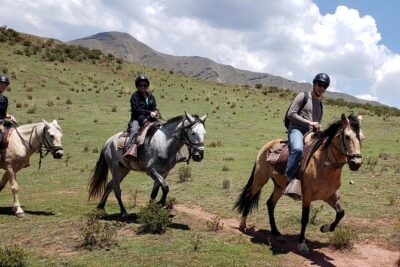
Horseback Riding Plus Tour to Sacsayhuaman, Quenqo, Puka Pucara and Tambomachay
Read our review →Browse the lists this tour appears in