
Reviewed · INCA RUINS & ARCHAEOLOGICAL SITES
Horseback Riding Plus Tour to Sacsayhuaman, Quenqo, Puka Pucara and Tambomachay
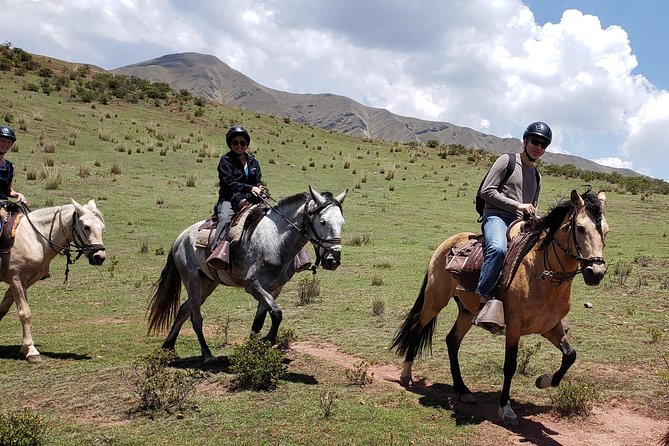
Cusco’s best half-day outings mix ruins and fresh air. This tour does exactly that, pairing visits to Sacsayhuaman, Qenqo, Puka Pukara, and Tambomachay with a short horseback ride through the hills above the old Inca capital. I like the way it combines culture with outdoor time, and I also like the small-group feel, with no more than 15 people and private transport from your hotel.
The riding is gentle enough for beginners, yet experienced riders may get the chance to trot or move a little faster when conditions allow. The main catch is that the horses are used for about an hour, sometimes reported as around 1.5 hours, not for the entire tour. You also pay the government entrance ticket separately, and snacks are listed as included but should be confirmed when you book.
In This Review
- Key points to know before you book
- Why this Cusco horseback tour works well
- Sacsayhuaman: massive stones above Cusco
- Qenqo: a smaller site with a more mysterious feel
- Puka Pukara: an Inca stop with wide-open views
- Tambomachay: water, stone, and ceremony
- The Vieja Estancia Ranch ride
- What your guide adds to the day
- Transport, tickets, and what the $95 covers
- Fitness, age, and riding experience
- Who should book this experience
- My verdict: a strong half-day choice in Cusco
- FAQ
- How long is the horseback riding portion?
- Are the archaeological entrance tickets included?
- Can beginners take this horseback riding tour?
- What is the minimum age?
- Is there a weight limit?
- What happens if the weather is bad?
Key points to know before you book
- Four major Inca sites in one half-day: You visit Sacsayhuaman, Qenqo, Puka Pukara, and Tambomachay, with transport between the sites.
- Horse riding lasts roughly one hour: The ride takes place at Vieja Estancia Ranch and on nearby trails, not inside the archaeological sites.
- Beginners are welcome: Horses are matched to riding experience, and the pace follows the least experienced rider.
- Guides are a major strength: Guides such as Benni, Benny, Jenny, and Hogler have been praised for clear explanations of Inca history and customs.
- Bring sun and rain protection: Cusco weather can shift quickly, so wear long trousers, closed shoes, sunscreen, and a rain jacket if rain is possible.
- Budget for the entrance ticket: The Cusco Touristic Ticket is not included in the $95 price and is paid separately.
Why this Cusco horseback tour works well
At $95 per person, this is not the cheapest way to see the four sites. But you are paying for more than a short ride. The price covers a professional guide, private car transport, saddle, helmet, a muleteer to help care for the horses, and water. It also saves you from arranging separate transport to four sites spread around the hills outside central Cusco.
The tour has earned a perfect 5.0 rating from 40 reviews, with 100 percent recommending it. The strongest praise centers on two things: the guides and the scenery from horseback. That combination matters here. The ruins are important, but the ride gives you a different sense of the high country around Cusco, with open views and a quieter pace than a standard van tour.
The tour lasts about four hours. That makes it easy to fit into a Cusco itinerary before or after another major activity. You should not expect a full riding day, though. Think of this as a history tour with a scenic riding section, not an equestrian expedition with a few ruins added on.
More Ruins & Archaeology Tours in Cusco
- Cusco: Half-Day City Tour with Sacsayhuaman and Q’enco
★ 4.6 · 1,129 reviews - City Tour Cusco Qoricancha Sacsayhuaman y Tambomachay
★ 4.7 · 617 reviews - Cusco City Tour Four Ruins in Half-Day
★ 5.0 · 530 reviews
Sacsayhuaman: massive stones above Cusco
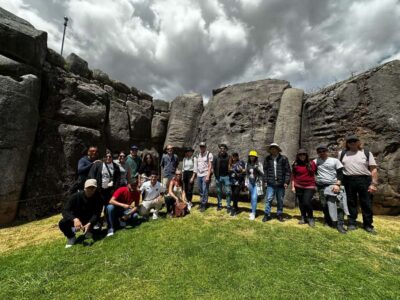
Sacsayhuaman is usually the most dramatic stop. Its enormous fitted stones show the precision of Inca masonry, while the high position gives you broad views over Cusco and the surrounding mountains.
Your guide explains the site’s role, construction, and religious customs connected with the Inca world. This is where a strong guide makes a real difference. The stones are impressive on their own, but you will get more from the visit if someone explains how the walls were designed and why the site mattered.
Expect walking over uneven ground and spending time outdoors at high altitude. The stop is not rushed, but it also does not take up the whole morning. That balance works well if you want context without turning the tour into a long archaeological lecture.
Sacsayhuaman is also one reason the horseback riding cannot happen directly at the ruins. Horses are not taken through the archaeological sites because their hooves can damage the soil and protected ground. The ride and the ruins are separate parts of the day, even though they fit together nicely.
Qenqo: a smaller site with a more mysterious feel
Qenqo is a different kind of Inca site. Instead of huge open walls, you see carved stone and ceremonial spaces that invite questions about ritual use. Your guide discusses the religious side of Inca society, including customs and beliefs connected with the site.
This stop is valuable because it adds variety. Sacsayhuaman gives you scale, while Qenqo brings you closer to the ceremonial and symbolic side of the civilization. You may find the explanations more useful than the layout itself, since parts of Qenqo can be less immediately obvious to the untrained eye.
The site visit is relatively focused. That helps keep the four-hour schedule moving. If you prefer to study every stone at length, this tour may feel brisk. If you want a clear introduction to several sites in one outing, the timing is sensible.
Puka Pukara: an Inca stop with wide-open views
Puka Pukara, often translated as Red Fortress, sits along the old route leading toward Cusco. Its position and remains suggest a place connected with movement, observation, and support for people traveling through the area.
The setting is part of the appeal. You are up in the hills, with open views and a strong sense of the old road network around the Inca capital. The site is less monumental than Sacsayhuaman, but it helps you understand how the surrounding area worked as a connected system.
This is also one of the places where the tour’s private vehicle is useful. You do not have to work out separate taxis or public transport between stops. The driver and guide keep the route organized, leaving you more time to look around.
More ruins and archaeology near Cusco:
- Cusco: City Tour | Half-Day Tour to 4 Archaeological Sites
★ 4.6 · 206 reviews - Cusco City Sightseeing and Sacsayhuaman Archeological Park Tour
★ 4.5 · 101 reviews - Cusco: Historical Guided City Tour with 4 Inca Ruins
★ 4.5 · 99 reviews - Cusco 4-Hour Private Tour Including Sacsayhuaman and Qenqo
★ 5.0 · 77 reviews
Tambomachay: water, stone, and ceremony
Tambomachay is associated with water and ritual. Channels and stone structures show the careful way the Incas directed and displayed spring water, and the setting feels especially calm compared with the large walls of Sacsayhuaman.
Your guide explains the site’s religious meaning and how water fit into Inca customs. This is a good final archaeological stop because it gives the tour a quieter ending after the larger structures earlier in the day.
The exact order can vary, but the listed route includes all four sites. One account describes stopping at two sites first, then riding, and visiting the largest site near the end. You should allow for the possibility that the sequence will change to fit road conditions, site timing, and the group.
The Vieja Estancia Ranch ride
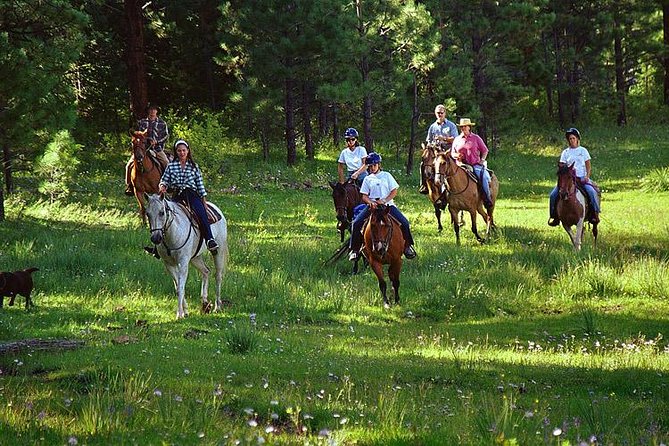
The riding section takes place at Vieja Estancia Ranch, with a guide and muleteer accompanying the group. You are fitted with a saddle and safety helmet, then matched with a horse according to your experience and confidence.
That matching process is important for first-time riders. The activity is designed for people with little or no experience, and the pace follows the least experienced person in the group. Experienced riders may be allowed to open up the pace a little, including trotting, but this is not guaranteed and should not be your main reason for booking.
The ride takes about an hour for most groups, with some descriptions putting it closer to 1.5 hours. You pass through high-country scenery, including areas described as sheep fields, and may see smaller ruins in the national park that are not part of the main site visits. The appeal is less about technical riding and more about the feeling of being above Cusco on a calm, well-behaved horse.
Peruvian horses are often noted for a comfortable gait, which is helpful if you are new to riding. Still, horseback riding is physical. You will sit in the saddle for a sustained period, and uneven trails can be tiring. Long trousers protect your legs better than shorts, while closed shoes with rubber soles or walking shoes give you a steadier foothold.
Do not wear jewelry or valuables. Bring sunscreen even if the sky is cloudy, and pack a rain jacket if the forecast shows a meaningful chance of rain. One useful lesson from the ride reports is that high-altitude sun can catch you off guard on an overcast day.
What your guide adds to the day
The guide can make or break a multi-stop archaeological tour, and this experience has received especially strong praise for its guiding. Benni and Benny are singled out for making difficult questions easy to understand, while Jenny and Hogler are praised for clear explanations of Inca architecture, culture, and history.
That kind of guiding is useful at these sites because they are not self-explanatory. A wall, spring, or carved rock can look like an isolated object until someone explains its purpose and place in Inca society. The best part of the tour is the chance to ask questions as you go, rather than simply taking photographs and moving on.
English-language guiding is available, and one family specifically described the guide as fluent in English. The guide also carries a first aid kit for emergencies. The guide is not authorized to provide medication outside the limits of first aid, so bring any personal medication you may need.
The group limit is 15 people. That is not a private tour for every booking, but it is small enough to keep the riding manageable and make questions easier than they would be on a large coach excursion.
Transport, tickets, and what the $95 covers
Round-trip hotel transport is provided by private car. Pickup from Cusco accommodations is a practical advantage, especially because the ranch and archaeological sites are outside the compact historic center. The area is also near public transportation, but the included car keeps the half-day simple.
The $95 fee includes:
- Professional tour guide
- Private car transport
- Horse, saddle, and safety helmet
- Muleteer support
- Mineral or natural water
- Snacks, according to the tour description
The government entrance ticket is not included. The supplied information gives an approximate separate cost of about $20, while one account cites a 70 soles fee. Prices can change, so you should confirm the current amount and ticket type before departure.
There is also a discrepancy about snacks. They are listed as included, but one booking did not receive them. If food matters to you, ask exactly what is provided and bring a small personal snack as backup. That is especially sensible if you are sensitive to long gaps between meals.
At $95, I see the value in the transport and guide more than in the riding time alone. If you want several archaeological sites, clear interpretation, and a scenic outdoor activity without arranging the pieces yourself, the price is reasonable. If your main goal is hours in the saddle, you will likely find the riding section too short.
Fitness, age, and riding experience
The minimum age is six. Most people can take part, including beginners, but you should be comfortable sitting on a horse and walking around uneven archaeological grounds.
The maximum weight is 200 pounds, or 90 kilograms. This is a firm restriction, so check it before booking rather than assuming the ranch can make an exception.
You should wear:
- Long trousers, preferably jeans
- Closed shoes with rubber soles or walking shoes
- Sunscreen
- A rain jacket if rain is possible
- Personal medication, if needed
Leave jewelry and valuables behind. Helmets and saddles are supplied, and the muleteer helps with the horses throughout the ride.
The tour requires good weather. If poor conditions force cancellation, you are offered another date or a full refund. You can cancel for a full refund up to 24 hours before the start time, but cancellations or changes inside that window are not refunded or accepted.
Who should book this experience
I would recommend it most strongly to families with older children and teens, couples who want a mix of culture and activity, and first-time riders looking for a gentle introduction. It also suits solo visitors who want an organized half-day without joining a very large group.
You should book it if you want:
- Four well-known Inca sites in one outing
- A guide who can explain architecture and religious customs
- Scenic riding rather than advanced horsemanship
- Hotel pickup and transport between sites
- A manageable activity for a mixed-experience group
You may want another option if you want a long trail ride, fast riding, or extended time at each ruin. You should also compare prices if your budget is tight, since the entrance ticket is extra and the ride itself takes only about an hour.
My verdict: a strong half-day choice in Cusco
This tour works because it gives you two different views of the Cusco highlands. At the ruins, you get stonework, ceremony, and Inca history. On horseback, you get open views, fresh air, and a slower look at the countryside around the old capital.
The main limitations are clear: the riding is brief, the ticket costs extra, and the snack arrangement may need confirmation. Even so, the guides, horse care, private transport, and easy pace make this a well-rounded choice.
Book it if you want a cultural tour with a scenic riding break. Skip it if horseback riding is your priority and you expect most of the four hours to be spent on trails.
FAQ
How long is the horseback riding portion?
The riding lasts about one hour for most groups, with some descriptions indicating around 1.5 hours. The full tour lasts approximately four hours.
Are the archaeological entrance tickets included?
No. The Cusco Touristic Ticket is not included and must be paid separately. The exact current price should be confirmed before the tour.
Can beginners take this horseback riding tour?
Yes. The activity is suitable for people with little or no riding experience. Horses are matched to riders, and the pace follows the least experienced person.
What is the minimum age?
The minimum age is six years old.
Is there a weight limit?
Yes. The maximum weight is 200 pounds, or 90 kilograms.
What happens if the weather is bad?
The tour requires good weather. If it is canceled because of poor conditions, you can choose another date or receive a full refund. Cancellation by you is free up to 24 hours before the start time.
More Horseback Riding near Cusco
- Horseback Riding Mystic Tour Temple of the Moon & Chacan Mountain
★ 5.0 · 255 reviews - Horseback Riding Tour to the Devil’s Balcony from Cusco
★ 5.0 · 241 reviews - Horseback Riding & Ancestral Secrets: Moon Temple & Inka Sites
★ 5.0 · 175 reviews - Cusco: 3-Hour Horse Riding Tour to the Temple of the Moon
★ 5.0 · 105 reviews
Added recently around Cusco
- Super valley or vip valley★ 5.0 · 13 reviews
- the Incas’ Sacred Valley★ 5.0 · 27 reviews
- Sacred Valley of the Incas Day Trip from Cusco★ 5.0 · 6 reviews
- Small-Group Tour: Rainbow Mountains Hiking from Cusco★ 4.0 · 5 reviews
- Excursion to the Sacred Valley of the Incas from Cusco★ 5.0 · 8 reviews
- Maras + Moray & Textile Experience★ 5.0 · 14 reviews
- Tour EN Cuatrimoto POR la Montaña 7 Colors Hike 5 Minutes★ 4.5 · 32 reviews
- rainbow mountain★ 4.0 · 4 reviews
Inca Ruins & Archaeological Sites, compared.
Half-Day City Tour with Sacsayhuaman and Q’enco
Read our review →
City Tour Cusco Qoricancha Sacsayhuaman y Tambomachay
Read our review →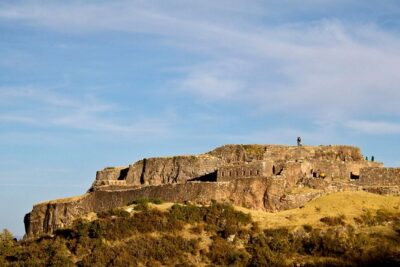
Pachacamac Ruins & Barranco Half-Day Guided Tour
Read our review →
Pre Inca Temple of Pachacamac Half-Day Tour from Lima
Read our review →
Tour to the Archaeological Sanctuary of Pachacamac (small group)
Read our review →
From Pyramids & Bohemian Streets: Lima Miraflores & Barranco Tour
Read our review →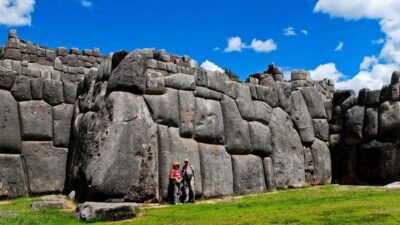
City Tour | Half-Day Tour to 4 Archaeological Sites
Read our review →Browse the lists this tour appears in