
Reviewed · MACHU PICCHU TOURS
Inca Jungle Tour to Machu Picchu 4D – 3N Standard
Adventure comes before the ruins. This four-day route mixes a high-altitude bike descent with jungle hiking, hot springs, ziplining, and Machu Picchu, making the journey as memorable as the destination. I like the local meals and family-run lodging, and the $470 price covers transport, three nights, most meals, the guide, and Machu Picchu entry. The main catch is that this is a demanding trip, not a gentle sightseeing circuit.
I also like the small-group limit of 15 people and the chance to travel with guides such as Alfredo, Eduardo, Walter, Jonathan, Stiven, Steve, or Yang Zhu, depending on the departure. The optional rafting, zipline, hot springs, and Machu Picchu bus can add roughly $94 per person, so you should budget beyond the advertised fare.
In This Review
- The route in a few useful points
- From Cusco to Málaga Pass at 4,350 meters
- A rural evening with coffee and achiote
- Four hours through the Inca Jungle
- Ziplining, bridges, and the walk to Aguas Calientes
- Sunrise and two hours inside Machu Picchu
- What the $470 price really covers
- How hard is the Inca Jungle route?
- Guides and group size
- Who should book this four-day adventure?
- Should you book the Inca Jungle Tour?
- FAQ
- How long is the Inca Jungle Tour to Machu Picchu?
- What time does the tour start?
- Is rafting included in the tour price?
- Is ziplining included?
- Is the bus from Aguas Calientes to Machu Picchu included?
- Is Huayna Picchu included?
The route in a few useful points
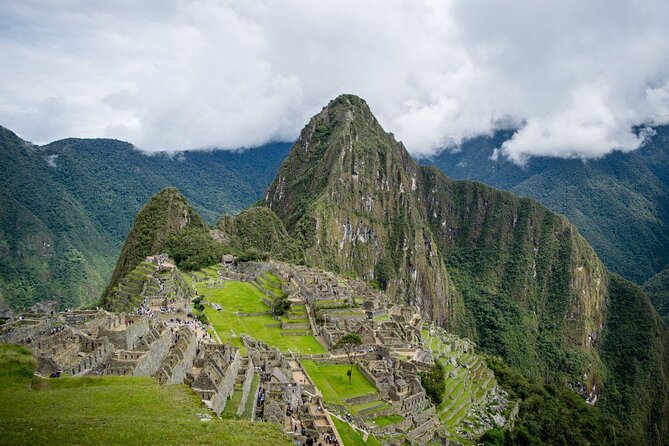
- Four kinds of adventure in one trip: Bike from Málaga Pass, hike through cloud forest, raft the Urubamba River if you choose, and zipline near Aguas Calientes.
- A dramatic altitude change: The route begins at 4,350 meters at Málaga Pass and descends by bicycle to Santa María at about 1,890 meters.
- Local food with a sense of place: One lunch includes native fruits and tubers, while dinner at a rural home comes with coffee and achiote.
- A night with a local family: The first night is in a rural house, followed by two hostel nights with private bathrooms and hot water.
- Early access to Machu Picchu: You walk uphill toward the sanctuary at dawn, then receive about two hours with a bilingual guide.
- Good value, with extras to watch: The $470 fare includes the major services, but rafting, ziplining, hot springs, and the return bus to Machu Picchu cost extra.
From Cusco to Málaga Pass at 4,350 meters
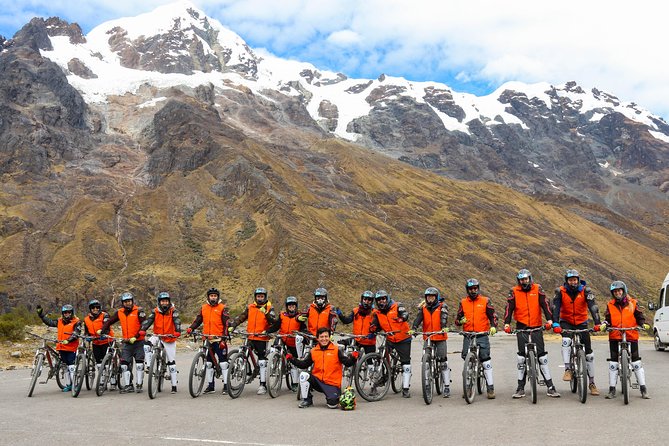
Your day begins around 6:30 a.m. with pickup from your accommodation in Cusco. The route heads toward Ollantaytambo for breakfast, then continues by bus to Málaga Pass, the highest point on the trip.
At 4,350 meters, the pass sits beside snowy Verónica. This is not a casual warm-up. The high altitude can make the first part of the morning feel sharp and tiring, even though the bike ride itself is mostly downhill. Take the early hours slowly, drink water, and do not treat the first descent as a race.
The tour supplies complete biking equipment. That is important here because the road drops through a major change in climate, from cold high mountain air toward warmer forest. The ride ends near Huamanmarca and Santa María, at about 1,890 meters.
The cycling is one of the strongest reasons to choose this route. You get a real sense of the terrain changing under you, rather than simply sitting in a train all the way to Machu Picchu. At the same time, equipment quality may not be identical on every departure. One person had trouble with a sticking brake near the end of the ride, so check your bike before setting off and report any problem immediately.
After the descent, lunch gives you a needed pause. The itinerary then offers rafting on the Urubamba River for an extra $35. The operator describes it as moderate, with enough movement to be fun without being excessively frightening. River conditions can change with weather and season, and one account describes a particularly lively river near the end of the rainy season.
A safety briefing comes before the rafting. If you prefer to keep the day less intense, you can skip this optional activity. If you want the full Inca Jungle experience, rafting adds another distinct part of the journey without taking over the entire trip.
Longer treks from Cusco:
- Salkantay Classic Trek 5 Days from Cusco
★ 5.0 · 4,062 reviews - 4-Day Salkantay Trek with Sky Camp Stay
★ 5.0 · 3,346 reviews - Salkantay Trek 5D/4N with Glass Cabins, Domes and Hobbit House
★ 5.0 · 2,488 reviews
A rural evening with coffee and achiote
After the river activity, you take a short walk to Bella Victoria, a local home where a native family serves dinner. The evening includes coffee and achiote, an ingredient used in local cooking and traditionally valued for its color and flavor.
This part matters because it gives the trip a human center. You are not simply moving between hotels and attractions. You get a look at a family-run setting and hear about products, customs, and daily life connected to the area.
The accommodation is a private room for couples and groups. Standards are simpler than in a conventional hotel, and one account describes a quiet rural hostel without electricity. That may be part of the charm, but you should be ready for basic conditions on the first night.
The remaining two nights are in hostels with private bathrooms and hot water. The difference between the rural house and hostel nights is useful to understand before booking. This is an active route with changing accommodation, not a polished resort package.
Four hours through the Inca Jungle
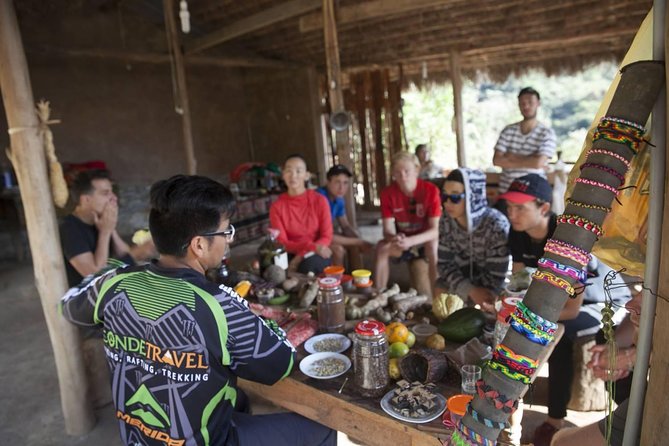
After breakfast on day two, the route follows an Inca path through high forest. The walk lasts about four hours and passes through an area known for orchids, other plants, birds, and wildlife.
The value here is not just exercise. The guide can explain what you are seeing, and several guides have been praised for making the history and natural details easy to follow. Alfredo, Eduardo, Jonathan, Stiven, Steve, Walter, and Yang Zhu are among the guides named in past departures, though your own guide will depend on the date and group.
Expect a real hike. The route can include narrow paths, hills, and uneven ground. One guide, Steve, was especially good at staying with slower walkers and offering support, while Eduardo adjusted breaks to suit the group. That kind of attention is important because the pace can feel different for each person.
Lunch is prepared by a local community and includes native fruits and tubers from the area. This is one of the tour’s best touches. Instead of another standard packed meal, you get food tied directly to the region.
The itinerary then takes you to Cocalmayo Hot Springs. Admission is not included and costs about $10 on site. After several hours on foot, the warm pools provide a welcome chance to rest before the night’s accommodation.
Do not confuse the hot springs with a spa day. You reach them after a strenuous morning, and the walk still forms the main part of the day. Bring a swimsuit and a small towel if you have room, though the supplied information does not specify towel service.
Ziplining, bridges, and the walk to Aguas Calientes
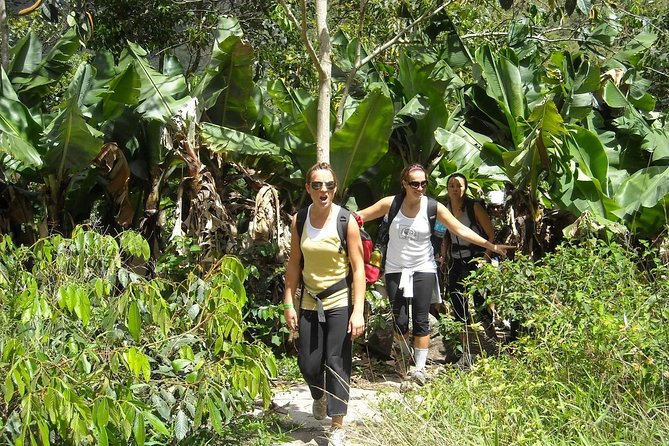
Day three begins with the zipline area near the route. The activity includes several zipline runs, a hanging bridge, and some light climbing. The zipline costs an additional $35.
This is a good choice if you want a concentrated burst of adrenaline rather than another long activity. The course may include different positions, including seated and more adventurous styles such as monkey or superman positions. Safety instructions come first, and guides have been praised for explaining the activity clearly.
If you are uneasy with heights, the zipline is optional. One person who began afraid of heights found the activity enjoyable after receiving support from the guide. Still, you should choose based on your own comfort, not group pressure.
Afterward, a bus takes you to Hidroeléctrica for lunch. From there, you walk for about three hours to Aguas Calientes, the town below Machu Picchu. This section is less about a single landmark and more about the satisfaction of reaching the rail town under your own power.
The walk can feel relaxed compared with the earlier high-altitude descent and four-hour forest route, but it still comes after several active days. Wear shoes with reliable grip, keep water accessible, and save some energy for the next morning.
Your third night is in a hotel in Aguas Calientes. The private room and hot shower are well timed. By this point, most people will appreciate comfort more than style.
Other ways to reach Machu Picchu:
- Classic Inca Trail Trek 4D/3N to Machu Picchu (Group Service)
★ 5.0 · 8,653 reviews - Machu Picchu: 4-Day Inca Trail Trek with Panoramic Train Ride
★ 5.0 · 4,568 reviews - Short Inca Trail to Machu Picchu 2D/1N
★ 5.0 · 3,007 reviews - 2-Day Inca Trail to Machu Picchu with Panoramic Train
★ 5.0 · 1,876 reviews
Sunrise and two hours inside Machu Picchu
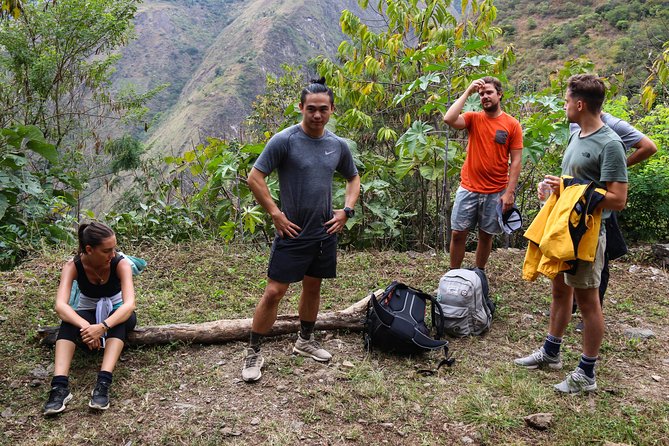
The group rises early on day four and follows an uphill route through high forest toward Machu Picchu. The goal is to reach the sanctuary around sunrise, when the first light can spread across the ruins.
The walk up is part of the experience, but it also adds another physical demand after three active days. A bus from Aguas Calientes to Machu Picchu is available for $24 round trip and is not included. If your legs are tired, paying for the bus may be sensible. If you want to keep the final approach on foot, the uphill route gives you a more active arrival.
The entrance ticket to Machu Picchu is included. A bilingual English and Spanish-speaking guide leads the group for about two hours, covering the sanctuary and its main features. After the guided portion, you have free time to explore independently within the visit rules and time allowed.
The guide makes a real difference here. A strong guide can connect the stonework, terraces, ceremonial areas, and Inca customs in a way that turns a famous view into a meaningful visit. Past guides including Alfredo, Jonathan, and Eduardo were praised for clear explanations and for answering questions throughout the trip.
Huayna Picchu is not included. If you want to add that mountain, the extra entrance costs $70 and should be booked at least four months ahead. This is a separate decision, not a last-minute upgrade.
After Machu Picchu, you return by train from Aguas Calientes to Ollantaytambo, then continue by bus to Cusco. The trip ends at Plaza Regocijo. The combination of train and bus is included, though the final return can make for a long day after the early start.
What the $470 price really covers
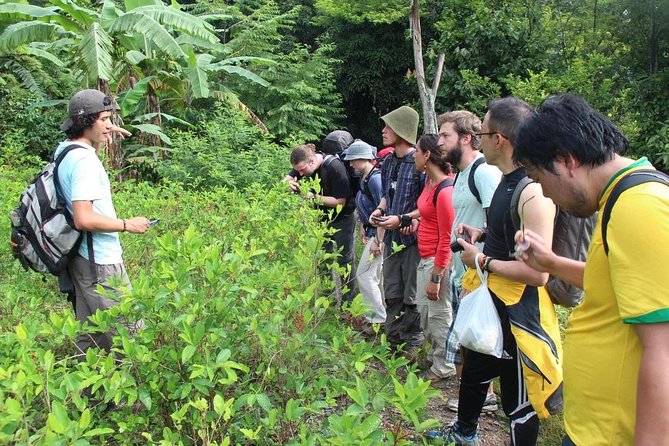
At $470 per person, this tour offers strong value for an active route to Machu Picchu. The price includes private transport from Cusco to Santa María, complete biking equipment, the train to Ollantaytambo, the bus to Cusco, three breakfasts, three lunches, three dinners, entrance fees, Machu Picchu entry, a bilingual guide, and three nights of accommodation.
That is a lot of major cost covered in one fare. Two hostel nights include private bathrooms and hot water, while the rural house provides a more local and basic stay.
You should still calculate the extras before booking:
- Rafting: $35
- Zipline: $35
- Cocalmayo Hot Springs: about $10
- Machu Picchu shuttle bus: $24 round trip
- Huayna Picchu: $70, with advance booking required
- First breakfast, final lunch, and final dinner: about $10 each
If you choose rafting, ziplining, and the Machu Picchu bus, the practical total rises to about $564 before personal spending. Add Huayna Picchu and it reaches about $634. Even then, the package remains competitive for four days of transport, lodging, meals, activities, guiding, and the main Machu Picchu ticket.
The first breakfast, last lunch, and last dinner are your responsibility. Carry some cash for these meals and the optional activities.
How hard is the Inca Jungle route?
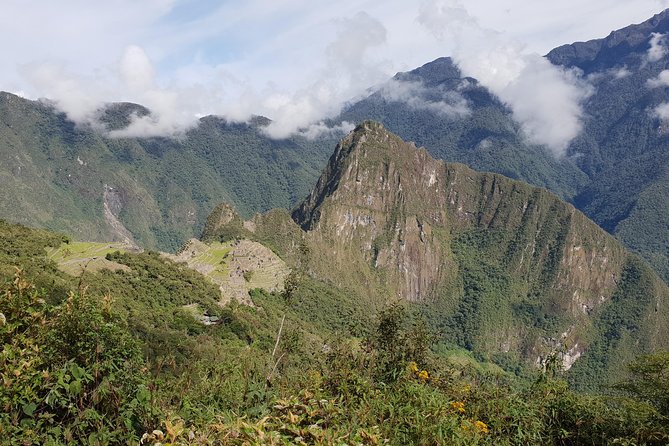
This trip suits you best if you enjoy active holidays and can manage several consecutive days of walking. The most demanding parts are the descent from Málaga Pass, the four-hour forest hike, and the three-hour walk from Hidroeléctrica to Aguas Calientes.
You do not need to be an athlete, but you should not book this as a gentle alternative to the classic train visit. One fit young runner still felt sore after the hikes. Guides may allow extra breaks and support slower walkers, but the group still has a schedule to keep.
The altitude also deserves respect. The highest point comes before the bike descent, and the rest of the route drops into warmer forest. If you have just arrived in Cusco, give yourself time to adjust before the tour if possible. The supplied information does not state a required fitness level, but the daily distances make basic preparation wise.
Pack light. You will change accommodation, take buses and trains, and walk with your day bag. Bring sun protection, rain protection, sturdy shoes, a swimsuit for Cocalmayo, and clothing you can adjust as the temperature changes.
Guides and group size
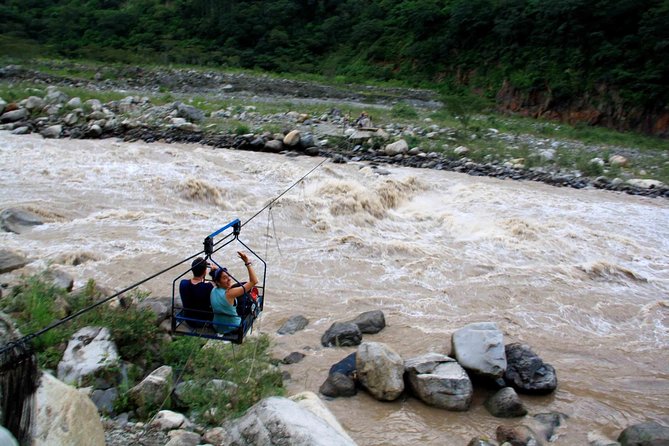
The tour has a maximum of 15 people, which is small enough for a guide to keep track of the group on active sections. It also gives you a fair chance to make friends during the long walks and shared activities.
Guide quality is a major strength of the experience. Alfredo was praised for his broad knowledge of Peru and for changing plans quickly when needed. Eduardo received especially warm praise for safety instructions, cultural explanations, and patience with breaks. Jonathan was described as friendly, well prepared, and attentive to a slower pace.
Guide names are not guaranteed, but these examples show the sort of support you should expect from a good departure. A guide will usually explain the next day’s plan, and one person received a full briefing at the hostel the night before departure. Use that meeting to ask about the bike, optional activities, walking pace, and pickup time.
The tour is recommended by 100 percent of the 17 people reflected in the supplied rating, with an overall score of 4.9. That is a small sample, so I would treat it as encouraging rather than final proof. The repeated praise centers on organization, guide support, food, safety briefings, and the range of activities.
Who should book this four-day adventure?
Choose it if you want more than a quick visit to Machu Picchu. You will bike down from a high mountain pass, eat food prepared by local communities, spend a night in a rural home, walk through forest, soak in hot springs, and reach Aguas Calientes on foot.
It is also a good fit if you value personal guiding. The strongest part of the trip may be the way a good guide explains plants, Inca customs, Peruvian history, and local life between the major activities.
Think twice if you dislike changing rooms, basic accommodation, early starts, or long walks. The optional activities can also push the cost well above $470, and the final morning begins before sunrise.
Cancellation is free with at least 24 hours’ notice. A late cancellation or change is not refunded, and poor weather or failure to meet the minimum group size can lead to a different date or a full refund.
Should you book the Inca Jungle Tour?
I would book this tour if your idea of reaching Machu Picchu includes motion, mud, forest paths, and a little controlled fear on a zipline. The package gives you a varied route, local meals, useful transport, and a guide-led visit to the ruins without the higher cost or stricter style of a classic multi-day trekking route.
I would skip it if you mainly want comfort and long hours at Machu Picchu. For everyone else, the combination of activities and local contact makes the $470 base fare a fair deal. Just budget for the extras, prepare your legs, and inspect that bicycle before Málaga Pass.
FAQ
How long is the Inca Jungle Tour to Machu Picchu?
The tour lasts four days and three nights. It includes biking, hiking, optional rafting, optional ziplining, a walk to Aguas Calientes, and a guided visit to Machu Picchu.
What time does the tour start?
The stated start time is 6:30 a.m. Pickup begins from your accommodation in Cusco. The listed starting point is near Plaza de Armas, at Del Medio 123.
Is rafting included in the tour price?
No. Rafting is optional and costs $35 per person.
Is ziplining included?
No. Ziplining is optional and costs $35 per person. The activity includes several zipline routes, a hanging bridge, and light climbing.
Is the bus from Aguas Calientes to Machu Picchu included?
No. The round-trip bus costs $24 per person. You can also follow the ascending route on foot with the group.
Is Huayna Picchu included?
No. Huayna Picchu costs an additional $70. It should be booked at least four months ahead.
Added recently around Cusco
- Guided tour of the mountain of colors in Cusco★ 5.0 · 11 reviews
- 2-Day Private Short Inca Trail to Machu Picchu★ 5.0 · 15 reviews
- City Tour Cusco – Group★ 5.0 · 4 reviews
- Tour Sacred Valley with Maras and Moray★ 5.0 · 15 reviews
- San Pedro Market Tour with Peruvian Cooking Class★ 5.0 · 31 reviews
- Walking Culinary Experience★ 5.0 · 41 reviews
- City Tour in Cusco★ 4.5 · 10 reviews
- One Day Tour to Humantay Lagoon★ 5.0 · 8 reviews
Machu Picchu Tours, compared.
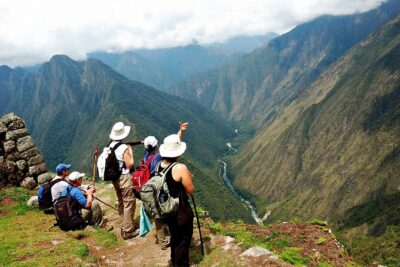
Classic Inca Trail Trek 4D/3N to Machu Picchu (Group Service)
Read our review →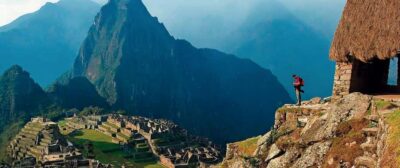
Machu Picchu: 4-Day Inca Trail Trek with Panoramic Train Ride
Read our review →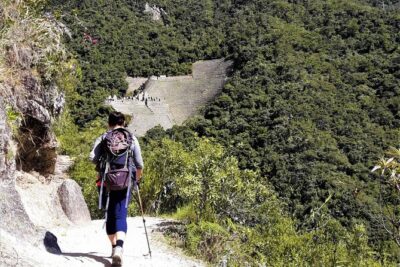
2-Day Inca Trail to Machu Picchu with Panoramic Train
Read our review →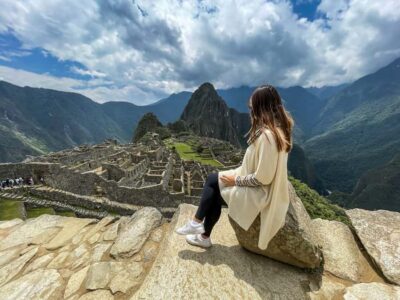
2-Day Tour: Sacred Valley and Machu Picchu by Train
Read our review →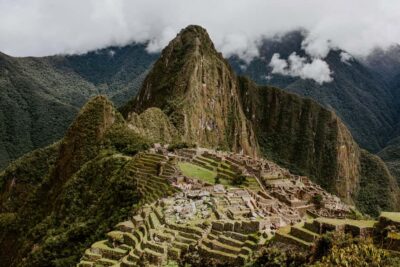
Machu Picchu: Full-Day Tour from Cusco with Optional Lunch
Read our review →Browse the lists this tour appears in