
Reviewed · MACHU PICCHU TOURS
Inca Jungle Trail to Machu Picchu in 4 Days
The mountains give way to jungle fast. The Inca Jungle Trail to Machu Picchu packs biking, hiking, Inca paths, hot springs, and a guided visit into four busy days. You start near Cusco, descend from high-altitude Abra Malaga, and finish at Machu Picchu after reaching Aguas Calientes on foot.
I like the variety: this is not four days of walking the same trail. I also like the included meals, Machu Picchu entry, bike equipment, and Cocalmayo hot springs, which help make the $485 price useful. The main concern is comfort, especially at the first lodge in Santa Maria, which has been described as dirty and affected by mold.
The route suits you if you want an active alternative to the classic train approach. Expect basic lodging, changing weather, a long final hike, and a return train that you must arrange and pay for separately. Guides such as Jhon, Lizandro, David, and Franchesco have been praised for being friendly and helpful, though English ability and group communication can vary.
In This Review
- Key points before booking
- Why the Inca Jungle Trail is different
- Day 1: Abra Malaga to Santa Maria by bike
- Day 2: Coffee, coca, and hot springs near Santa Teresa
- Day 3: Santa Teresa to Aguas Calientes on foot
- Day 4: Machu Picchu with a three-hour guide
- Lodging, food, and comfort
- Guide service and private-group value
- Is $485 a fair price?
- Who should book this four-day route?
- Should you book the Inca Jungle Trail?
- FAQ
- How long is the Inca Jungle Trail to Machu Picchu?
- How much does the tour cost?
- What languages are available for the guide?
- Is the group private?
- Is pickup included?
- How far is the bike ride?
- Where does the bike ride begin?
- Are the Machu Picchu entrance fees included?
- Is the return train included?
- Are meals included?
- Are the hot springs included?
- What must I bring?
- Can pregnant women take this tour?
- Can I cancel the booking?
Key points before booking
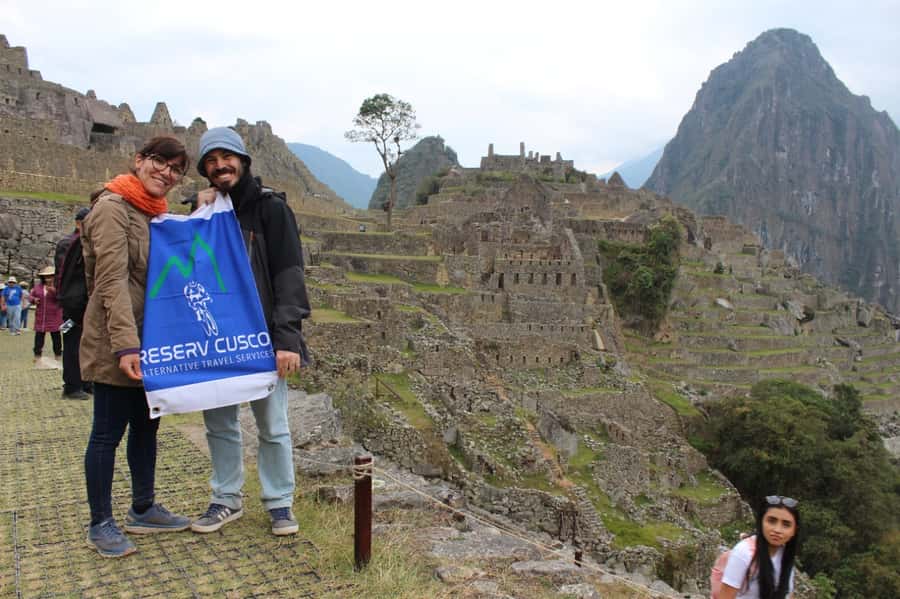
- 40-kilometer downhill bike ride: You descend from Abra Malaga at about 4,350 meters to Santa Maria at roughly 1,430 meters.
- Four types of adventure in one trip: The route combines cycling, jungle walking, hot springs, and a guided Machu Picchu visit.
- The first lodge is the weak link: Accommodation after Santa Maria is generally better, but the first night may feel very basic.
- Cocalmayo hot springs are included: This is a welcome break after the second day of walking.
- The train back is extra: Machu Picchu entry is covered, but your return train ticket and final lunch are not.
- A private group gives you more flexibility: The advertised group type is private, with English, Spanish, and French guide options.
Why the Inca Jungle Trail is different
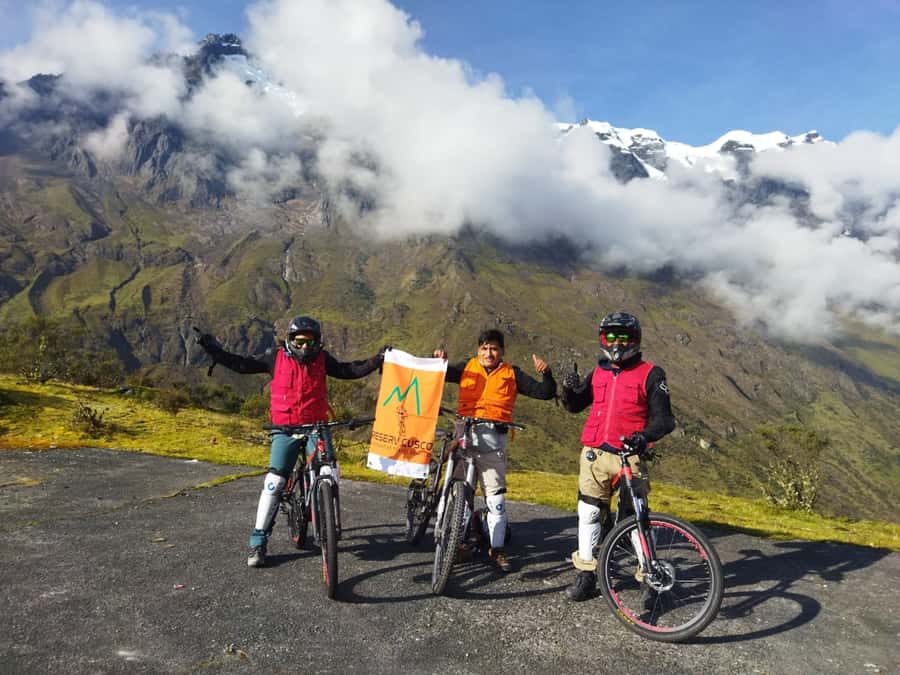
The Inca Jungle Trail is built around contrast. You leave Cusco in cool, high mountain air, cross the Abra Malaga pass, and then ride downhill into warmer country where coffee, coca, fruit, birds, and dense vegetation replace bare high-altitude slopes.
That change happens on wheels, not just from a bus window. The cycling section covers about 40 kilometers and lasts around three hours, depending on conditions and the guide’s judgment. It is the tour’s big opening move, and it gives you a strong sense of how sharply Peru’s climate zones change.
This is also a cultural route, though the physical adventure takes center stage. You visit Wamanmarka ruins, walk sections of original Inca trails, see Inti Watana, cross hanging bridges, and use a small cable crossing called an oroya over the Vilcanota River.
At $485 per person, the package is not simply paying for a hike. It includes transport on the first day, bike equipment, three nights of lodging, three breakfasts, three lunches, three dinners, a guide, Machu Picchu entry, and the Cocalmayo hot springs. The value is strongest if you use all those inclusions and want a ready-made route rather than arranging each piece yourself.
Longer treks from Cusco:
- Salkantay Classic Trek 5 Days from Cusco
★ 5.0 · 4,062 reviews - 4-Day Salkantay Trek with Sky Camp Stay
★ 5.0 · 3,346 reviews - Salkantay Trek 5D/4N with Glass Cabins, Domes and Hobbit House
★ 5.0 · 2,488 reviews
Day 1: Abra Malaga to Santa Maria by bike
Pickup takes place around 7:45 or 8:00 in the morning from the reservation office, with hotel-lobby pickup also listed. Be ready about 10 minutes early. The drive passes toward Chinchero and Ollantaytambo before climbing to Abra Malaga, at about 4,350 meters above sea level.
The high point is worth treating seriously. The air can be cold, and fog may affect the cycling plan. The guide decides whether conditions are suitable before you leave the vehicle with your bike. Bring your jacket and hat for this section. The downhill wind can feel surprisingly cold, even though you are heading toward a warmer jungle zone.
The ride drops through several plant zones. At first, the slopes are dry and exposed. Lower down, the vegetation changes into temperate growth and then thicker forest. This is one reason the biking works so well here: you see the transition rather than simply hearing about it.
You stop at Wamanmarka, an Inca ruin, and have lunch along the way. The exact rhythm depends on the road, weather, and guide, but the ride is described as lasting about three hours before arrival in Santa Maria.
Santa Maria sits at about 1,430 meters, far warmer and more humid than Cusco. The lodge is basic. I would not book this trip expecting polished accommodation on the first night. A past stay was described as dirty and moldy, while other nights were considered much better. Pack a small towel, personal toiletries, and clothing that can handle damp conditions.
Dinner is included. The food receives strong praise overall, with generous daily portions and three meals provided each day. That matters on a route where you are cycling, sweating, and walking for several hours.
Day 2: Coffee, coca, and hot springs near Santa Teresa
The second day shifts from cycling to walking. Breakfast features local fruit such as bananas, oranges, and papaya, often served as juice. It is a practical start for a warm, active day, though you may want to carry extra water if you need more than the tour provides.
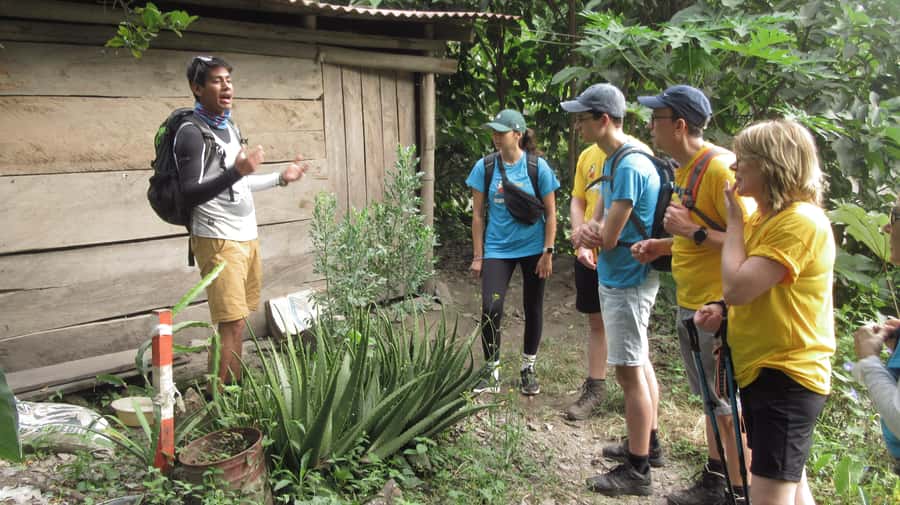
The trail passes through thick vegetation and working agricultural areas. Coffee cultivation and harvesting are part of the route, as is coca, the sacred plant of the Inca. These details give the walk a local connection that a faster transport-based trip would miss.
You also walk sections of original Inca paths. The appeal here is not only the stonework. It is the feeling of moving through a route that links mountain settlements and the forested valley, with the trail itself providing the connection between past and present.
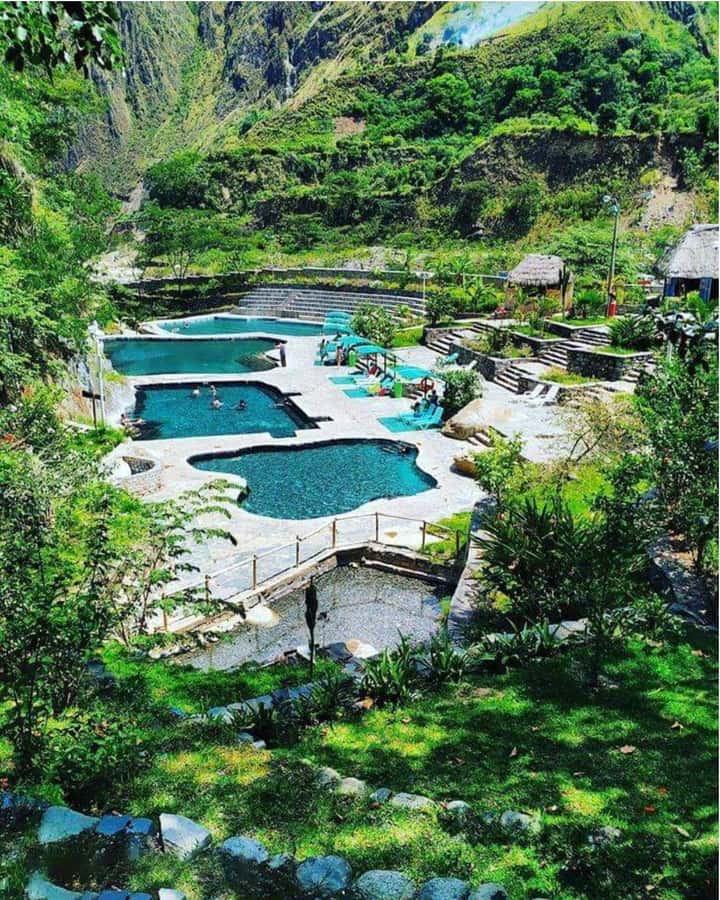
The day ends around Santa Teresa, where lunch is served and you have time to rest. The included Cocalmayo hot springs are one of the best practical features in the package. After a sweaty walk, warm medicinal pools offer a chance to relax before dinner and the next day’s final approach.
The schedule provided for this day is not perfectly clear about dinner timing, although the package includes three dinners. I would confirm the exact meal and lodging arrangements before departure, especially if you have dietary needs or prefer a firm daily schedule.
Santa Teresa is also where optional activities may appear. Extra activities are not included, and one past booking paid separately for a zip line while other agencies apparently included it. Do not assume any add-on is part of the $485 price. Ask what is offered, what it costs, and whether it changes your walking schedule.
Day 3: Santa Teresa to Aguas Calientes on foot
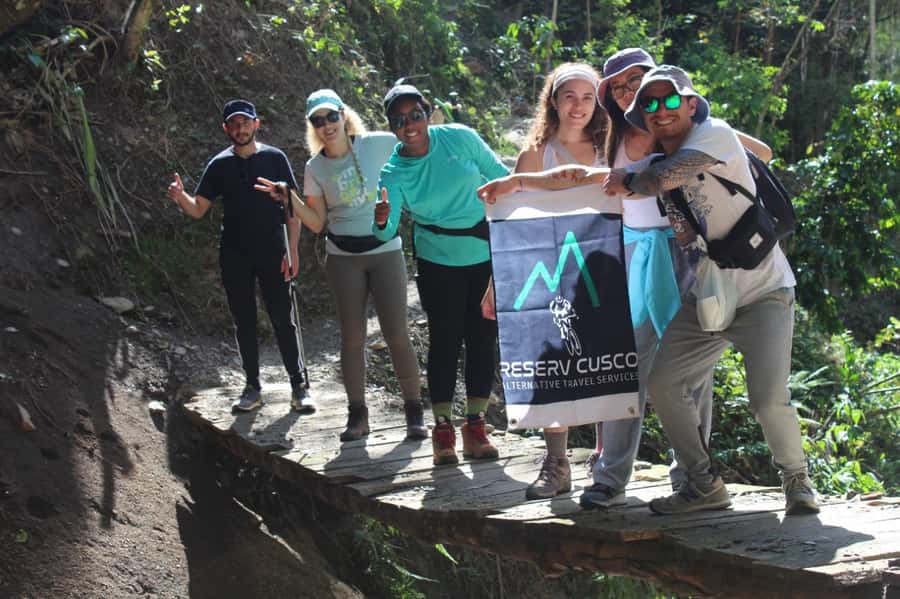
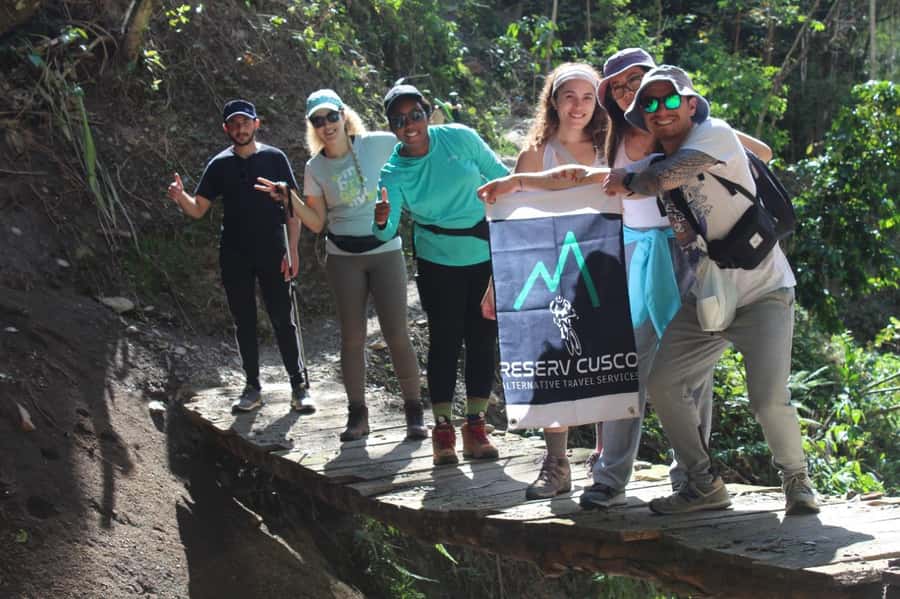
The third day is the route’s most varied walking section. You head toward hanging bridges and cross the Vilcanota River using an oroya, a small suspended crossing that relies on your own nerve more than on machinery.
This is the sort of activity that gives the Inca Jungle Trail its name and personality. You are not simply following a marked walking route. You are moving through forest, crossing water, and handling small moments of adventure along the way.
The forest supports butterflies, parrots, birds, and insects. The route is described as full of plant life, so keep your attention outward rather than treating the day as a race to Aguas Calientes. Your guide can point out what you might otherwise miss, though communication may depend on the individual guide and the size of your private group.
The visit to Inti Watana, described as a solar clock, adds another archaeological stop. It is a useful reminder that this is more than a nature walk. The Inca road sections and stone sites give the journey a cultural thread before the main Machu Picchu visit.
Lunch includes avocado and typical soups. The food is repeatedly praised as tasty and filling, which is important because this day can be demanding. The walk eventually brings you into Aguas Calientes, the town below Machu Picchu.
You have dinner there and receive instructions for the following morning. This briefing matters. Your guide should explain the timing, meeting point, entrance process, and how the Machu Picchu visit will work. Ask directly if you have added a mountain ticket or another circuit, since one past booking became confusing when a mountain visit separated a participant from the main group and guide.
Aguas Calientes is the final overnight stop before Machu Picchu. It is not included in the tour as a grand resort experience. Think of it as a practical base for the early visit, with the major reward waiting the next day.
Other ways to reach Machu Picchu:
- Classic Inca Trail Trek 4D/3N to Machu Picchu (Group Service)
★ 5.0 · 8,653 reviews - Machu Picchu: 4-Day Inca Trail Trek with Panoramic Train Ride
★ 5.0 · 4,568 reviews - Short Inca Trail to Machu Picchu 2D/1N
★ 5.0 · 3,007 reviews - 2-Day Inca Trail to Machu Picchu with Panoramic Train
★ 5.0 · 1,876 reviews
Day 4: Machu Picchu with a three-hour guide
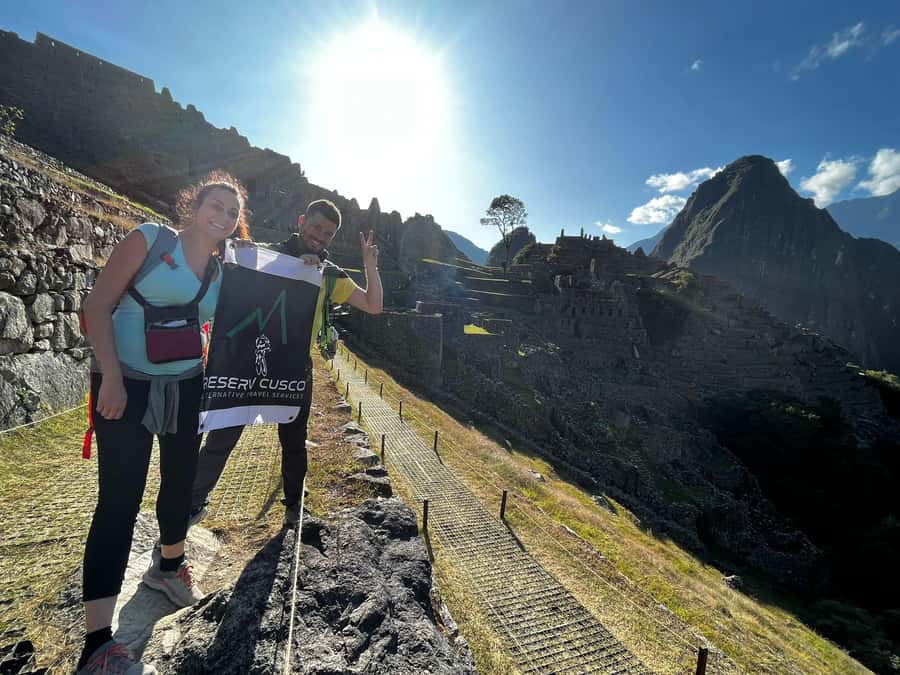
The last day is devoted to Machu Picchu. Entrance is included, along with a private guide for about three hours. The guide can turn a hurried walk among the stone terraces into a more understandable visit by explaining what you are seeing and how the site fits into the wider Inca world.
Guide quality is an important part of the experience. Lizandro has been praised for strong English and clear explanations, while Jhon and David have been described as friendly and helpful. Franchesco was also warmly regarded, though his English was not perfect. These examples suggest that kindness and effort are common strengths, but you should not expect identical language skills on every departure.
Pay attention when you confirm your Machu Picchu ticket. A request to visit a mountain may mean a separate route or schedule rather than simply adding a short viewpoint to the standard visit. Ask whether you will remain with your group, which guide will accompany you, and how much extra time the mountain requires.
After the visit, you return by train. The ticket is not included, so you must buy it separately, with PeruRail listed as an option. The final lunch is also excluded. Budget for both, and check train times carefully against the length of your Machu Picchu visit.
The tour description says the train returns to Cusco, but the practical details of the onward journey are not fully spelled out. Confirm the exact train, departure point, and final transport arrangement before you leave Aguas Calientes.
Lodging, food, and comfort
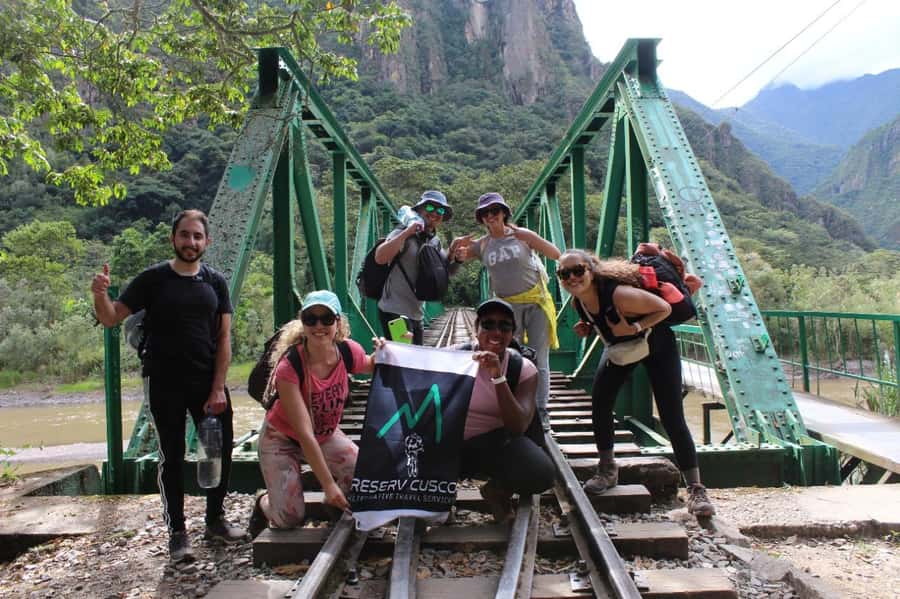
This is an active trip with basic accommodation. Three nights in lodges are included, but comfort is not consistent. The first Santa Maria lodging is the clearest weakness, while the remaining accommodation has been described as good or pleasant.
I would choose this tour for the route, meals, and activities rather than for hotel quality. If a clean, comfortable room is essential every night, ask for the names and conditions of each lodge before paying.
Food is one of the stronger parts of the package. You receive breakfast, lunch, and dinner for the first three days, and the portions are described as sufficient. Local fruit, avocado, soups, and regional produce feature in the meals. The final lunch is not included, so plan for that separately.
Pack light but intelligently. You need your passport, and you should carry warm layers for Abra Malaga, lighter clothing for the humid valley, rain protection, sturdy walking shoes, sun protection, and a way to protect electronics from moisture. Alcohol and drugs are prohibited, as are pets and baby carriages.
Pregnant women should not book this activity. The combination of high altitude, cycling, long walks, river crossings, and changing conditions makes it a poor fit for pregnancy.
Guide service and private-group value
A private group can make a real difference on this route. You have more room to ask questions, adjust your pace, and discuss stops with the guide than you might in a large mixed group. The available languages are English, Spanish, and French.
That said, private group does not guarantee perfect communication. One guide was praised for being friendly and helpful but was also said to need better communication with the group. Another guide spoke less than perfect English but made up for it with warmth and effort.
I would ask three questions before departure:
- Who is guiding the cycling and jungle sections?
- Who is guiding Machu Picchu?
- What happens if the mountain ticket or an optional activity changes the group schedule?
The experience has an overall rating of 4.3 from nine ratings, which points to a generally positive trip with real differences in accommodation, communication, and extra charges. The strongest praise centers on the guides, food, organization, and the route itself.
Is $485 a fair price?
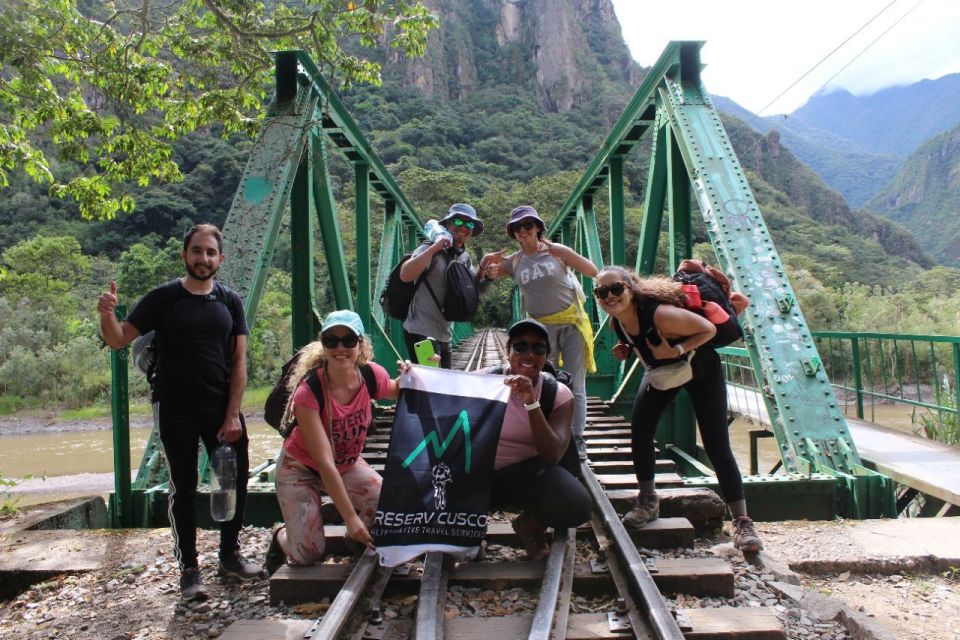
The price is fair if you want convenience and a full four-day package. You get transport on the opening day, bike equipment, a guide, archaeological stops, hot springs, three nights of lodging, nine included meals, and Machu Picchu entry.
The value drops if you compare only the headline price and forget the extras. Your return train, final lunch, and optional activities cost more. A zip line may be charged separately, and a mountain visit can involve a different ticket or schedule.
The package also asks you to accept basic lodging. I would consider $485 reasonable for the number of included services, but I would not call it a luxury deal. It is an active, practical route with a few rough edges.
Who should book this four-day route?
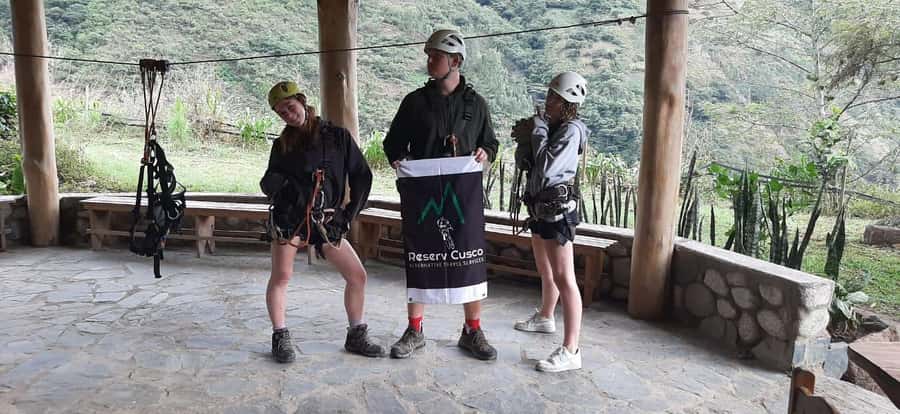
I would recommend it to you if you want more than the standard train ride and enjoy changing scenery, physical activity, and simple accommodation. It is particularly suitable if you like the idea of cycling downhill, walking through coffee-growing areas, crossing adventure bridges, soaking in hot springs, and reaching Machu Picchu by a longer route.
You should think twice if you want a quiet schedule, polished hotels, or a short and easy approach to Machu Picchu. The first lodge may disappoint you, the cycling weather can be cold, and the third-day walk requires stamina.
This is also not the best choice if you need fully consistent English explanations or very precise communication. Ask about the guide assigned to your departure, and confirm the Machu Picchu circuit before you go.
Should you book the Inca Jungle Trail?
Book it if the route matters as much as the destination. The bike descent from Abra Malaga, the coffee and coca-growing areas, the Inca paths, Cocalmayo hot springs, and river crossings give you a fuller experience than simply taking a train to Aguas Calientes.
Skip it if you want comfort, simple logistics, or the shortest possible Machu Picchu visit. Before booking, confirm the first lodge, return train, final lunch, optional activity fees, and any extra mountain ticket. With those details clear, this is a lively and good-value way to reach Machu Picchu.
FAQ
How long is the Inca Jungle Trail to Machu Picchu?
The experience lasts four days.
How much does the tour cost?
The listed price is $485 per person.
What languages are available for the guide?
Guides are available in English, Spanish, and French.
Is the group private?
Yes. The group type is listed as private.
Is pickup included?
Yes. Pickup is included, and you should wait in your hotel lobby 10 minutes before the scheduled pickup time.
How far is the bike ride?
The downhill bike ride covers about 40 kilometers.
Where does the bike ride begin?
The cycling begins near Abra Malaga, at about 4,350 meters above sea level, subject to the guide’s decision if fog affects conditions.
Are the Machu Picchu entrance fees included?
Yes. Entrance to Machu Picchu is included.
Is the return train included?
No. The train from Machu Picchu to Cusco is not included and must be purchased separately.
Are meals included?
Breakfast, lunch, and dinner are included for the first three days. The final lunch is not included.
Are the hot springs included?
Yes. Entry to the Cocalmayo hot springs is included.
What must I bring?
You must bring your passport. Warm clothing, walking shoes, and clothing suited to wet or humid conditions are also sensible choices for the route.
Can pregnant women take this tour?
No. The activity is not suitable for pregnant women.
Can I cancel the booking?
You can cancel up to 24 hours in advance for a full refund. You can also reserve now and pay later.
Added recently around Cusco
- Guided tour of the mountain of colors in Cusco★ 5.0 · 11 reviews
- 2-Day Private Short Inca Trail to Machu Picchu★ 5.0 · 15 reviews
- City Tour Cusco – Group★ 5.0 · 4 reviews
- Tour Sacred Valley with Maras and Moray★ 5.0 · 15 reviews
- San Pedro Market Tour with Peruvian Cooking Class★ 5.0 · 31 reviews
- Walking Culinary Experience★ 5.0 · 41 reviews
- City Tour in Cusco★ 4.5 · 10 reviews
- One Day Tour to Humantay Lagoon★ 5.0 · 8 reviews
Machu Picchu Tours, compared.
Classic Inca Trail Trek 4D/3N to Machu Picchu (Group Service)
Read our review →
Machu Picchu: 4-Day Inca Trail Trek with Panoramic Train Ride
Read our review →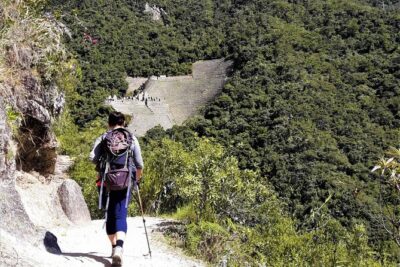
2-Day Inca Trail to Machu Picchu with Panoramic Train
Read our review →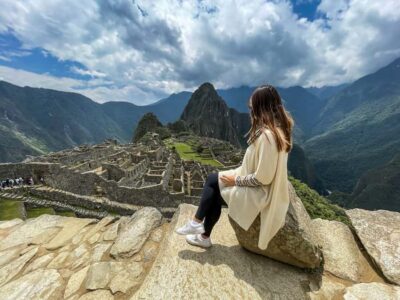
2-Day Tour: Sacred Valley and Machu Picchu by Train
Read our review →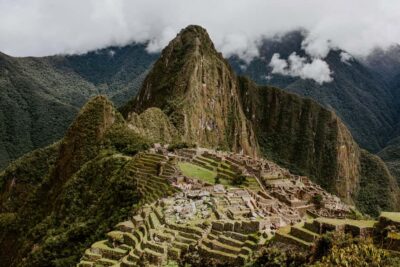
Machu Picchu: Full-Day Tour from Cusco with Optional Lunch
Read our review →Browse the lists this tour appears in