
Reviewed · LAKE TITICACA TOURS
Uyuni Express 3 days from Puno Copacabana and Isla del Sol
Salt flats, island ruins, and long Andean bus rides make this a big trip in a small package. The Uyuni Express links Puno, Copacabana, Isla del Sol, and the Salar de Uyuni for $380 per person, with transport and guided sightseeing arranged across three demanding days. I especially like the clever route through Bolivia and the small group limit of 10 people. The main drawback is the pace: you spend much of the trip on buses, including an overnight journey, so this suits you only if you can trade comfort for coverage.
I also like the support built into the schedule. Staff meet you at bus stations, guides accompany you through the border crossings and transfers, and the return ends with a transfer to your Puno hotel. Cold weather, limited rest, and a packed timetable are the price of seeing so much in such a short time.
In This Review
- Key points to know before booking
- Why this route is unusually useful
- Day 1: From Puno to Copacabana across the border
- Copacabana’s cathedral and lakeside streets
- Isla del Sol: Inca steps, sacred sites, and open water
- Day 2: The Salar de Uyuni by 4×4
- The Train Cemetery: Rust against white salt
- Colchani, salt craft, and the Eyes of Salt
- Lunch in the salt flat and the climb at Incahuasi
- Day 3: Returning through La Paz and Copacabana
- What $380 buys you
- Who should choose this express trip
- Practical details that make the trip easier
- Should you book the Uyuni Express?
- FAQ
- How long is the Uyuni Express tour?
- Where does the tour begin?
- How much does the tour cost?
- Does the tour visit Copacabana?
- Is Isla del Sol included?
- How do you travel from Uyuni back to Puno?
- Is the group size limited?
- Can I cancel for a full refund?
Key points to know before booking

- A full Andean route: Start in Puno, cross into Bolivia, visit Copacabana and Isla del Sol, then reach Uyuni before returning through La Paz.
- Two very different highlights: Isla del Sol brings Inca sites and Lake Titicaca views, while the Salar offers white salt, giant cacti, and mirror effects during the rainy season.
- Long-distance comfort matters: The trip uses 160-degree bed buses and semi-bed buses, but the schedule still includes a night ride and early arrivals.
- A small group of up to 10: This should make station transfers and guide support easier than on a large coach tour.
- Photographs are a major reward: The Train Cemetery, Dakar Monument, Incahuasi Island, sunset reflections, and Titicaca scenery give you plenty to frame.
- Strong reported satisfaction: The experience has a 5 out of 5 rating from 16 reviews, with 100 percent recommending it.
Why this route is unusually useful
Many Bolivia itineraries force you to choose between Lake Titicaca and Uyuni. This one connects both. You begin in Puno, cross at Kasani, spend time in Copacabana and Isla del Sol, continue to La Paz, and then take a night bus to Uyuni.
That route is valuable if you have limited time or if your wider trip already includes southern Peru. You do not need to arrange separate buses, border transfers, island transport, and a salt-flat excursion yourself. The company handles the handoffs, which is especially helpful when you are tired and carrying luggage.
Still, you should understand the trade. This is an express trip, not a slow regional journey. Day one begins at 6:30 a.m. in Puno, continues through a border crossing and a boat trip, and ends with a 9:30 p.m. departure toward Uyuni. Day two brings the main salt-flat excursion, followed by another night bus. Day three returns you to Puno by late afternoon.
I would choose this trip for efficient sightseeing, not for long meals, relaxed mornings, or extended time in village markets.
More of Lake Titicaca by boat:
- From Puno: Uros, Amantaní & Taquile Islands 2-Day Tour
★ 4.5 · 452 reviews - Tour to Uros and Taquile Islands in a Fast Boat
★ 5.0 · 419 reviews - From Puno: Floating Islands of the Uros Half-Day Tour
★ 4.4 · 394 reviews
Day 1: From Puno to Copacabana across the border
Pickup begins at your Puno hotel at 6:30 a.m. You are taken to the bus station and board a bus with seats that recline to roughly 160 degrees. That is more useful than a standard upright seat, since the route later includes overnight travel, though it is not the same as a proper bed.
The first ride to Copacabana takes about three hours. The border crossing is at Kasani, and the timing includes the move from Peru into Bolivia. Keep your passport and any required documents easy to reach. The supplied details do not specify visa rules, so you should check your own nationality requirements before departure.
You arrive in Copacabana around 11:30 a.m. Bolivian time. Notice the time change, because the schedule is written using local Bolivian time after the crossing. A guide meets you there and leads a short town visit.
Copacabana’s cathedral and lakeside streets
Copacabana is a small pilgrimage town on the southern shore of Lake Titicaca. The main stop is the Cathedral of the Virgin of Copacabana, known for blessings and its importance to local Catholic devotion. The visit also includes local markets and representative streets.
You have about two hours here, including lunch. That is enough for an introduction, but not enough for a leisurely exploration of every side street. I would use the time to look closely at the town’s religious character and buy only what you can carry comfortably. The next part of the day depends on being back in place for the boat.
The town visit gives the trip a human scale before the salt flats begin. Copacabana is not just a transport stop. It is a place where Andean traditions, pilgrimage, commerce, and the lake meet in a compact setting.
Isla del Sol: Inca steps, sacred sites, and open water
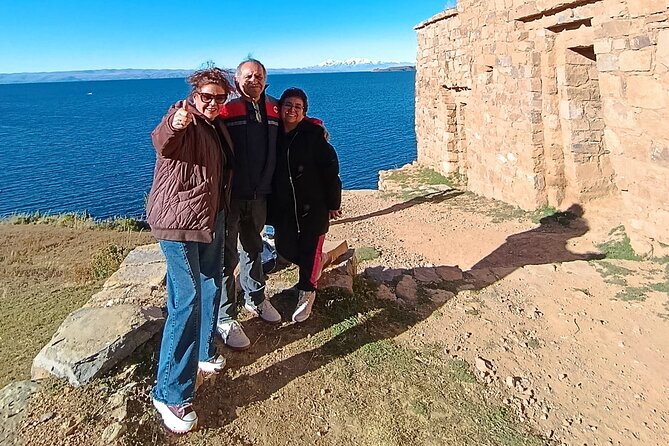
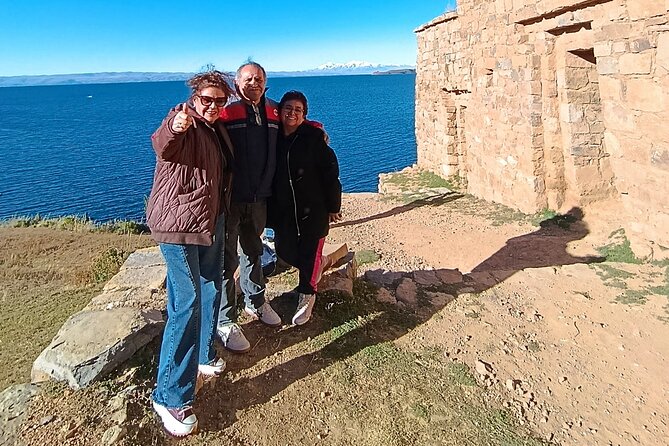
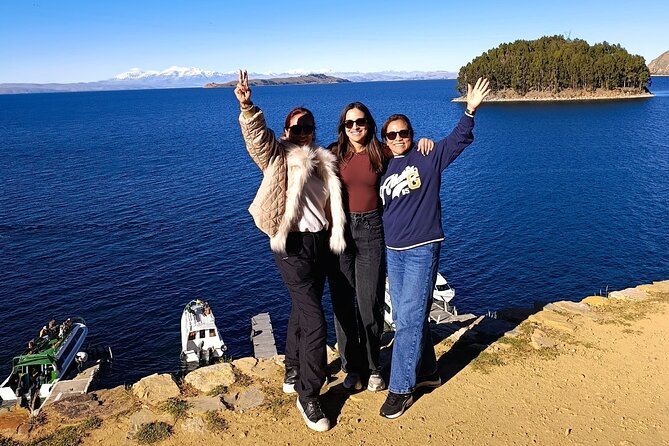
At 1 p.m., you board a boat across Lake Titicaca to Isla del Sol. The crossing itself is part of the attraction. The lake opens around you, and the shift from town streets to open water creates a useful pause in a tightly packed itinerary.
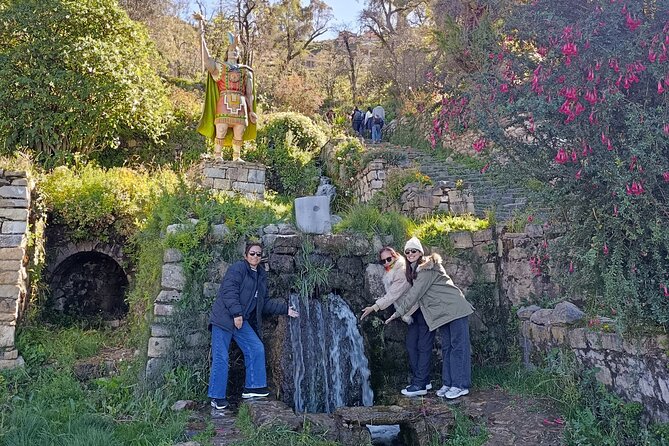
The island visit includes the Fountain of Youth, the Steps of the Inca, and the Temple of the Sun. The route also follows the island’s edge for broad views across the lake. One especially appealing section is the walk up the steps at Yumani, where the highland setting and water views come together.
You should expect walking and uneven ground. The supplied schedule gives this section about five hours, including the boat movement and return to Copacabana. It is the part of day one that demands the most from your legs, especially after the early start.
The island is valuable because it adds culture and archaeology to a trip that could otherwise become a series of transport connections and photo stops. You see sacred sites, old stonework, and living local traditions rather than only natural scenery. The drawback is time. You get a strong introduction, not a full island stay.
After returning to Copacabana, you continue toward La Paz and then reach the bus station for the 9:30 p.m. departure to Uyuni. The guide remains available during the journey, which matters because this is the point when many people are tired and the schedule becomes less intuitive.
A few more Puno trips worth lining up side by side
- From Cusco: Vinicunca Rainbow Mountain ATV Tour with Meals
★ 4.6 · 1,060 reviews - Uros and Taquile Islands on New and Comfortable SpeedBoat
★ 4.5 · 254 reviews - Lake Titicaca (Day Trip) Uros & Taquile Islands
★ 4.5 · 245 reviews - Lake Titicaca 2-Day Tour to Uros, Amantani and Taquile
★ 4.4 · 199 reviews
Day 2: The Salar de Uyuni by 4×4
You arrive in Uyuni early in the morning. Staff meet you at the bus station and take you to the local agency, where you can rest with your luggage and receive an introduction before the 10 a.m. 4×4 departure.
That waiting period is a small but important feature. After an overnight bus, you need a place to sit, reorganize, and recover before heading onto the salt. It does not turn the night into a restful one, but it makes the morning more manageable.
The Salar de Uyuni is the main reason most people choose this route. It is a huge white salt plain with a scale that can make distance and direction feel strange. The 4×4 vehicle is the practical way to cover the key stops, and the small group cap should help keep the day orderly.
The Train Cemetery: Rust against white salt
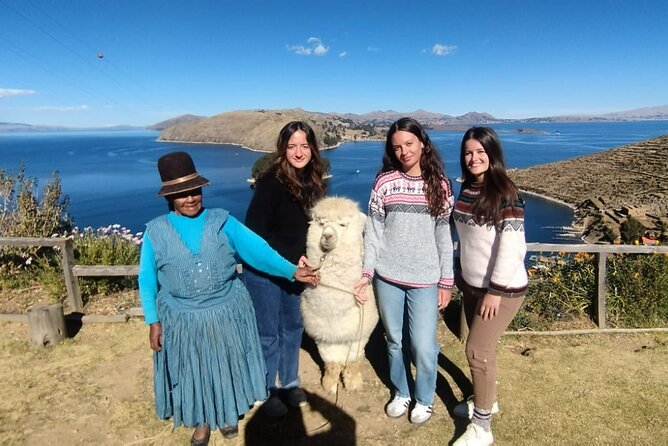
The Train Cemetery is an unusual opening to the salt-flat excursion. Old locomotives and carriages sit in the open near Uyuni, their rusted metal sharply contrasting with the pale salt and wide sky.
You can walk around the old railway equipment and take photographs from different angles. The setting has a rough, abandoned quality that gives the day a historical layer. It also makes clear that Uyuni is not only a natural attraction. Rail transport once played an important role in the region, and these engines are reminders of that earlier period.
The stop lasts about an hour. That is enough for photographs and a look around without allowing the rusted machinery to take over the day.
Colchani, salt craft, and the Eyes of Salt
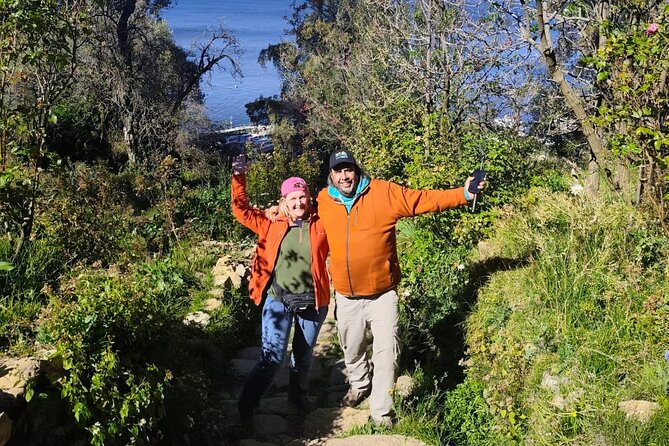
The next section takes you to Colchani, a salt town where you learn about salt extraction and drying. This is a worthwhile stop because it connects the giant plain to local work. The salt is not just scenery under your feet. It is also a material that supports regional livelihoods.
From there, the route continues to the Eyes of Salt, where clear water bubbles up through the white surface. These formations offer a close look at the active forces beneath the plain and create a fine contrast with the flat, almost empty surroundings.
The Dakar Monument follows. This large symbol pays tribute to the rally that crossed the Salar and has become one of the most recognizable photo points in the area. It is a modern feature in an ancient-looking setting, so you may find it either amusing or a little staged. Either way, it gives you a sense of how Uyuni has become tied to international adventure tourism.
Lunch in the salt flat and the climb at Incahuasi
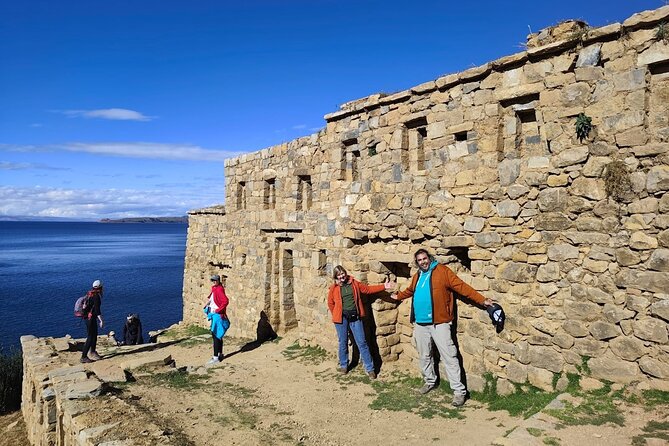
At noon, you receive a country-style buffet lunch in the salt plain. Eating in such a wide, white setting is part of the memory, though you should keep your expectations practical. This is a remote excursion, and the meal is described as suitable for the area rather than elaborate.
In the afternoon, you head to Incahuasi Island. This rocky outcrop rises from the salt and is covered with giant cacti. From the island, you get wide views across the Salar, with the rough volcanic rock and tall plants providing a strong contrast to the smooth white surface.
The climb gives you the best sense of scale. From ground level, the salt can seem almost abstract. From Incahuasi, the plain stretches in every direction, and the 360-degree view explains why the Salar is so popular with photographers.
You finish with sunset. When the sun drops, the salt takes on golden and pink tones. During the rainy season, a thin layer of water can turn the surface into a natural mirror, reflecting the sky. That effect is weather-dependent, so do not assume you will get it on every departure. The dry salt patterns and huge horizon are impressive in their own right.
After the sunset, you return to Uyuni and board the night bus to La Paz. This is the second major endurance test. The day has included a 4×4 ride, walking, a climb, and many hours outdoors, followed by another overnight transfer.
Day 3: Returning through La Paz and Copacabana
After arriving at La Paz station, you board a modern semi-bed bus to Copacabana. The seats recline, and the windows offer views of the Andean mountains around sunrise.
This section is not a guided sightseeing tour in the same way as the island or salt-flat day. Its value is practical: it moves you back toward Peru while giving you another look at the highland scenery. Since the trip has already included two demanding nights, the reclining seats are welcome.
In Copacabana, you have about an hour of free time by the lake. The guide can suggest a local coffee or a good spot along the seawall. One hour is short, but it lets you stretch, take a few final photographs, and reconnect with the town before the last border crossing.
At 1:30 p.m., you board the semi-bed bus back to Puno. You cross the border again and arrive in central Puno around 4:30 p.m. Staff then transfer you directly to your hotel.
That final hotel transfer is more useful than it may sound. After three days of changing buses, boats, and vehicles, you do not have to find a taxi or navigate Puno with your bags. The trip ends with a clear handoff.
What $380 buys you
At $380 per person, this is not the cheapest way to see Uyuni. The value comes from the number of major sights covered in three days and the coordination between countries.
You receive hotel pickup in Puno, station transfers, bus transport, the Copacabana visit, the Isla del Sol boat outing, the guided Uyuni 4×4 day, lunch on the Salar, support during transfers, and the return transfer to your Puno hotel. The small group limit of 10 also gives the package more personal attention than a large coach arrangement.
The cost is harder to justify if you want long stays in Copacabana, several nights in Uyuni, or more time on Isla del Sol. You are paying for a tightly connected route and reduced planning work. I see it as a fair convenience price for someone with a short schedule, but less attractive for someone who can travel independently and spend more nights in Bolivia.
The buses are an important part of the value calculation. The 160-degree bed bus and semi-bed buses offer better support than ordinary seats, but you should not expect uninterrupted sleep. Pack a warm layer, keep water close, and treat the night rides as a necessary part of the route.
Who should choose this express trip
I would recommend it most to you if:
- You have only three days available.
- You want both Lake Titicaca and the Salar de Uyuni.
- You prefer having station transfers and border movements organized.
- You enjoy photography, dramatic scenery, and outdoor sightseeing.
- You are comfortable with overnight buses and a demanding schedule.
- You want a small group rather than a large busload.
I would think twice if you need regular hotel sleep, dislike long rides, or want to explore each destination slowly. The salt flats and Isla del Sol deserve more time than this schedule allows, even though the route gives you a strong first look at both.
The high altitude and cold should also be taken seriously. One account of the trip specifically described the weather as cold, while praising the scenery, safety, timing, and organization. Bring warm clothing and shoes suitable for walking, since the day includes the island steps, salt-flat stops, and the Incahuasi climb.
Practical details that make the trip easier
The start time is 6:30 a.m. in Puno, and confirmation is provided when you book. Most people can take part, and the group is capped at 10. The tour is near public transportation, but the included hotel and station transfers reduce the need to arrange those connections yourself.
The service has received a 5 out of 5 rating from 16 reviews, with 100 percent recommending it. The most consistent praise centers on punctual transport, friendly support, professional guiding, safety, and clear organization. That matters here because a small delay can affect a border crossing, boat departure, or overnight bus.
Free cancellation is available up to 24 hours before the start time for a full refund. Cancellations or changes made less than 24 hours before departure are not accepted for a refund, and the cut-off follows local time.
Should you book the Uyuni Express?
Book it if you want a high-impact route with very little planning. In three days, you see Copacabana’s cathedral, the waters and Inca sites of Isla del Sol, the Train Cemetery, Colchani, the Eyes of Salt, Dakar Monument, Incahuasi Island, and the Salar at sunset.
Do not book it expecting a restful holiday. The overnight buses and rapid pace are real costs, not minor footnotes. But if you can sleep on the road and value expert coordination, this is an efficient and well-supported way to connect Puno with Bolivia’s two great highland attractions.
FAQ
How long is the Uyuni Express tour?
The tour lasts approximately three days.
Where does the tour begin?
It begins with pickup from your hotel in Puno at 6:30 a.m.
How much does the tour cost?
The price is $380 per person.
Does the tour visit Copacabana?
Yes. The route includes a guided visit to Copacabana, including the Cathedral of the Virgin of Copacabana, local markets, and representative streets.
Is Isla del Sol included?
Yes. The tour includes a boat trip from Copacabana to Isla del Sol, with visits to the Fountain of Youth, the Steps of the Inca, the Temple of the Sun, and the island’s shoreline viewpoints.
How do you travel from Uyuni back to Puno?
After the Salar de Uyuni excursion, you take a night bus to La Paz, then a semi-bed bus to Copacabana, and finally another semi-bed bus to Puno.
Is the group size limited?
Yes. The maximum group size is 10 people.
Can I cancel for a full refund?
Yes, if you cancel at least 24 hours before the experience begins. Cancellations or changes made less than 24 hours before the start time are not eligible for a refund.
Added recently around Puno
- Walking City tour Puno★ 4.5 · 12 reviews
- Uros Sunset Kayak Private Tour★ 5.0 · 5 reviews
- Uros Reed Floating Islands & Taquile Island Titicaca Puno Full Day★ 4.0 · 38 reviews
- Two-Day Tour to Uros with Amantani and Taquile from Puno★ 5.0 · 44 reviews
- Uros Amantani Taquile Full Day tour★ 5.0 · 7 reviews
- Uros Floating Islands★ 3.0 · 13 reviews
- Tour island Uros, Amantani and Taquile 02days/01 night lake titicaca★ 5.0 · 5 reviews
- Full Day Tour to Uros and Amantani Islands★ 5.0 · 4 reviews
Lake Titicaca Tours, compared.
Tour to Uros and Taquile Islands in a Fast Boat
Read our review →
Uros and Taquile Islands on New and Comfortable SpeedBoat
Read our review →
Lake Titicaca (Day Trip) Uros & Taquile Islands
Read our review →
Lake Titicaca 2-Day Tour to Uros, Amantani and Taquile
Read our review →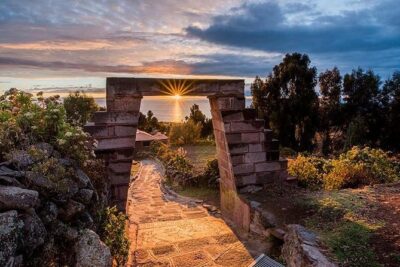
Full-Day Tour of Lake Titicaca and Uros & Taquile
Read our review →Browse the lists this tour appears in