
Reviewed · HISTORICAL TOURS
Lima Private Tour | Stories & History through Streets & Monuments
Old Lima rewards curious walkers. This private three-hour tour links grand plazas, colonial churches, pre-Inca memory, and Lima’s food culture in a compact route through the historic center. I like the private format, which lets you ask questions freely, and I like the guide’s candid approach to Peru’s social and political past. The main consideration is pace: six stops, the Franciscan catacombs, and plenty of storytelling make three hours feel full.
Guides Bruce and Amaru have both been praised for warm personalities, strong English, useful local advice, and a willingness to discuss Lima beyond its polished monuments. You get pickup transportation and a churro, but not transportation after the tour. If you want a carefully packaged sightseeing loop with no surprises, the open discussion of darker subjects may not suit you.
In This Review
- Key points to know before booking
- What this Lima private tour is really offering
- Starting at Plaza San Martin at 8:30 am
- Walking Jiron de La Union, Lima’s famous central street
- A quick look inside Iglesia y Convento La Merced
- Spending the most time in Plaza de Armas
- Meeting Taulichusco, the last Ishma ruler
- Connecting a telegraph office to Peruvian food
- The Franciscan Monastery and catacombs
- How the guides shape the morning
- What the $89 price includes
- Who should book this experience
- Booking, cancellation, and timing advice
- FAQ
- How much does the Lima Private Tour cost?
- How long does the tour last?
- Where does the tour begin?
- Where does the tour end?
- Is transportation included?
- What is included in the tour?
- Should you book the Lima Private Tour?
Key points to know before booking
- A genuinely private outing: Only your group participates, so the guide can adjust the conversation and answer your questions.
- The Franciscan Monastery and catacombs are included: This is the most structured indoor visit and a major reason the $89 price can make sense.
- The route begins at Plaza San Martin: Meet at Jr. Camaná 779 at 8:30 am, then finish at Lima’s Main Square.
- You get more than colonial architecture: The Taulichusco monument brings Lima’s pre-Inca past into the walk, while the former telegraph building adds a food-history stop.
- Food is part of the welcome: Bottled water and a Peruvian churro are included, with the churro singled out as a local favorite.
- Expect frank conversation: The guides are praised for discussing Lima’s social realities, politics, nightlife, and less comfortable stories.
What this Lima private tour is really offering
This is a history walk with a personal guide rather than a simple monument checklist. The route stays in Lima’s historic center, where ornate churches, formal squares, old streets, and reminders of earlier cultures sit close together.
That compact setting works well in a three-hour tour. You do not spend much time moving between districts, and the route ends at Plaza Mayor, where you can continue exploring on your own. The walk also has a useful balance: large civic spaces, a famous pedestrian street, a church, a monastery, a pre-Inca monument, and a museum building tied to Peruvian cuisine.
I would choose this tour early in a Lima stay. It can help you understand the city before you order from a menu, plan a night out, or visit another district. Bruce and Amaru are both described as personable and easy to talk with. Their strongest quality seems to be the ability to connect official history with daily life in Peru.
The word private matters here. Your group is the only group on the activity, so you can pause over a question, ask for more detail about a monument, or move along when you have had enough. That is more useful than it may sound, especially in a historic center where some people want architecture and others want politics, food, or local customs.
More Historical Tours in Lima
- Discover Lima: Love Park, Historic Center, and its Catacombs.
★ 5.0 · 696 reviews - Street Food, Market & Old Eateries Tour in Lima’s Historic Center
★ 5.0 · 656 reviews - Lima’s Vibrant Heritage: Exploring the City’s Landmarks Half-day
★ 4.5 · 581 reviews
Starting at Plaza San Martin at 8:30 am
The meeting point is Jr. Camaná 779, with the tour beginning at Plaza San Martin at 8:30 am. The square is described as the easiest and safest meeting point, and it gives the guide a clear place to find your group without revealing the route in advance.
You spend about 20 minutes here. That is enough time for an introduction, orientation, and an explanation of why this square matters to Lima. It is also a practical first stop because you can settle into the guide’s style before the denser historic center begins.
The early start is worth noting. Lima’s historic center can become more demanding as the day progresses, so a morning visit gives you a better chance to enjoy the walk without rushing. If you are staying outside the center, build in time to reach the meeting point. Pickup transportation is included, but the supplied details still identify Jr. Camaná 779 as the start, so confirm exactly how pickup works when you book.
Walking Jiron de La Union, Lima’s famous central street
After the first square, the route moves along Jiron de La Union for about 15 minutes. This is presented as Lima’s most iconic street and was once associated with the city’s Spanish-descended aristocracy.
The short stop is less about inspecting one building and more about reading the street as a record of changing Lima. The guide can explain how the city’s social center shifted and how a once elite address became a public urban passage. That sort of context is where a private guide earns their keep. Without it, you may simply see shops, facades, and pedestrians.
Do not expect a long architectural survey here. Fifteen minutes is a quick introduction. I see that as a strength if you want variety, but a weakness if Jiron de La Union is a major priority. The walk gives you a useful sense of the street’s status, then moves on before the route becomes repetitive.
A quick look inside Iglesia y Convento La Merced
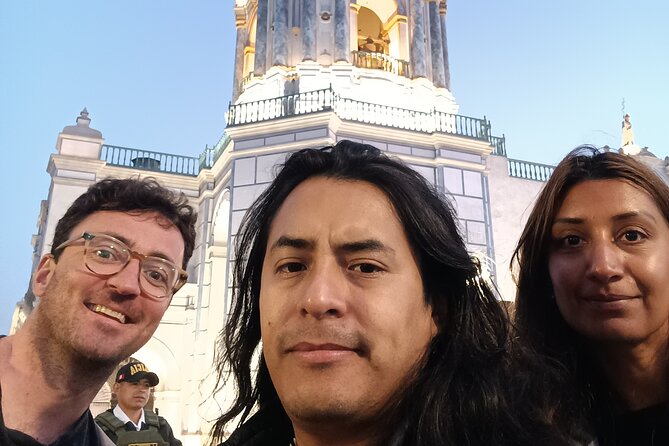
The stop at Iglesia y Convento La Merced lasts about 10 minutes. It is described as a must-do quick visit, so plan for a brief look rather than a long church tour.
That short timing makes this stop best for details and atmosphere. The building adds a religious layer to the route and prepares you for the longer visit to the Franciscan Monastery and catacombs. You will likely get the most from it by listening closely to the guide’s explanation rather than trying to examine every feature.
Ten minutes also means the church may feel compressed. If you are especially interested in colonial religious art, ask the guide whether there is room to linger. The tour is designed to cover several sites, not to give every church a full treatment.
More history to walk through in Lima:
- A Journey Through Time: Lima’s Historic Center & Catacombs Tour
★ 5.0 · 293 reviews - Lima: Historic Center Street Food, Market, and Eateries Tour
★ 4.9 · 216 reviews - Top Attractions in Lima: Historic Center, Love Park & Catacombs
★ 5.0 · 175 reviews - Food History + Local Markets Tour & Fruit Tasting
★ 5.0 · 138 reviews
Spending the most time in Plaza de Armas
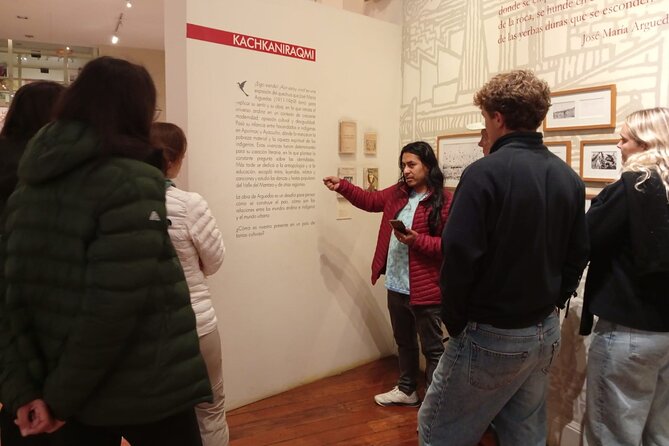
Plaza de Armas, also called Plaza Mayor, receives about 40 minutes and is the heart of the experience. For many people, this is the most important stop, and the longer time reflects that.
Here, the guide can connect Lima’s political, religious, and civic stories in one place. The square is not merely a photo stop. It is where the city’s official identity is presented through buildings, public space, ceremony, and layers of power. A good explanation helps you see why Lima’s center was built and organized as it was.
This is also where Bruce or Amaru’s style should work particularly well. The strongest feedback about these guides focuses on their ability to explain history and culture while keeping the mood relaxed. They do not appear to treat the past as a list of dates. Instead, they connect major events to Peruvian life, social divisions, and the way Lima works today.
The 40-minute block is generous compared with the other outdoor stops, but it can still pass quickly. Bring questions. Ask about the people represented in the square, the groups left out of official stories, and how the center relates to modern Lima. The tour is specifically suited to people who want those conversations.
Your official ending point is also Plaza Mayor. That is convenient if you want to continue sightseeing, visit nearby attractions independently, or stop for food in the historic center. Since drop-off transportation is not included, you are responsible for arranging your onward journey.
Meeting Taulichusco, the last Ishma ruler
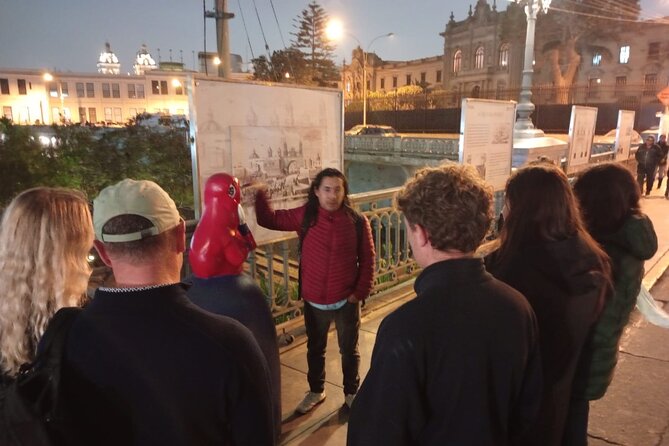
The Taulichusco monument receives only about five minutes, yet it adds an important change of scale. This stone recalls Taulichusco, described as the last pre-Inca ruler of the Ishma culture.
That detail prevents the tour from presenting Lima as a city that began with Spanish colonial buildings. The monument points to an older history and gives you a reminder that the colonial center sits on land shaped by cultures that came before the Inca and Spanish periods.
Five minutes is enough for an introduction, but not a full study. Think of it as a vital historical marker rather than a major attraction. I like its place in the route because it makes the story broader without turning the morning into an archaeology tour.
Connecting a telegraph office to Peruvian food
La Casa de la Gastronomia Peruana is another five-minute stop. The building once served as a mailing and telegraph office and later became a museum devoted to Peruvian gastronomy.
This is a clever transition. Lima is often praised for its food, but cuisine does not exist separately from commerce, communication, migration, and urban life. A building that changed from telegraph use to a gastronomy museum gives the guide a chance to connect those subjects.
The short visit will not satisfy anyone looking for a full food museum tour. Still, it adds variety and gives you a better frame for the food stops and restaurant advice that may follow. The guides have been praised for helping people understand Peruvian dishes and menus, so this stop should feel connected to the wider conversation rather than tacked on.
The Franciscan Monastery and catacombs
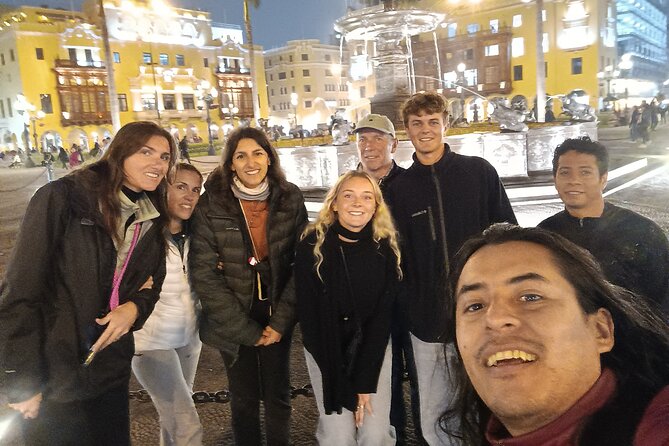
The included entrance and guiding inside the Franciscan Monastery and catacombs is one of the tour’s biggest practical advantages. The public route lists Iglesia y Convento La Merced as a 10-minute stop, but the inclusions specifically promise entry and guiding inside the Franciscan complex. When booking, confirm how much of the three-hour schedule is reserved for the monastery and catacombs.
The catacombs are described as surprising, and the basilica as full of detail. That makes this the most memorable indoor portion of the tour for many people. It also gives the morning more substance than a walk that stays entirely outdoors.
Expect the tone to change here. Churches and catacombs call for respect, and the subject matter may be unsettling. If you prefer only cheerful sightseeing, this part may feel heavy. If you want Lima presented honestly, it is likely to be a strong fit.
The guide’s role matters inside the monastery. Without context, ornate religious spaces can blur together. With a clear explanation, you can better understand what you are seeing and why the site matters. The catacombs also give the tour a darker edge, which fits the guides’ reported habit of discussing subjects that large, polished tours often avoid.
How the guides shape the morning
The clearest strength of this experience is the guide-led conversation. Bruce is described as relaxed, friendly, passionate, and strong in English. Amaru is described as attentive, personable, and helpful, with an eye for taking photographs when requested.
You may be assigned one or the other, so do not assume a fixed guide unless the operator confirms it. Both names are linked with tours that go beyond the usual tourist areas and address Lima’s less comfortable social and political subjects.
That approach can make the tour feel more like time with a well-informed local than a formal lecture. It also means the experience depends partly on your own interest. Ask questions and take part. A quiet group will still receive explanations, but an engaged group is more likely to get the best value from a private format.
The guide style is not only about facts. It includes local tips, food suggestions, information about nightlife, and observations about Peruvian life. People who have taken more than one activity with Bruce or Amaru have found enough variety to book additional outings, including food, nightlife, and Barranco tours. That does not mean you need another tour, but it suggests this company can be useful beyond one morning walk.
What the $89 price includes
At $89 per person, this is not the cheapest way to see Lima’s center. You are paying for a private guide, pickup transportation, entry and indoor guiding at the Franciscan Monastery and catacombs, bottled water, and a Peruvian churro.
The price makes the most sense for couples, families, or small groups that value control over the route and conversation. A private tour can be better value than a low-cost group walk if you want to ask many questions or have limited time in Lima.
The churro is a small inclusion, but a nice one. It adds a taste of the city without turning the tour into a full food outing. If food is your main interest, book a separate food tour instead. Bruce has also led a street food experience featuring local spots, menu guidance, and pisco, but this historic-center tour is primarily about places and stories.
Transportation needs a careful reading. Pickup is included, while drop-off is not. The meeting point is Jr. Camaná 779, and the tour ends at Plaza Mayor, so plan your next move from the Main Square.
Who should book this experience
I would recommend it to first-time visitors who want a fast, human introduction to Lima’s historic center. It also suits solo visitors, couples, and private groups that prefer conversation over a large scheduled outing.
You will get the most from it if you enjoy:
- History linked to present-day life
- Honest discussion of social and political issues
- Colonial churches and catacombs
- Short stops with varied subject matter
- Local food tips and city advice
- A guide who can adjust the conversation
It is less suitable if you want a slow photography tour, a detailed art-history lecture, or a silent walk through monuments. The itinerary covers a lot in three hours, so the outdoor stops are brief. People who are not open to candid discussion may also find the tone uncomfortable.
The route is near public transportation, and most people can participate. The supplied details do not promise a fully step-free route, so ask the operator if mobility is a concern.
Booking, cancellation, and timing advice
Confirmation is provided at booking. The start time is 8:30 am, and the activity lasts about three hours.
Free cancellation is available if you cancel at least 24 hours before the local start time. Cancellations inside that 24-hour window are not refunded, and changes made during that period are not accepted.
Because the route includes several short stops and an indoor visit, arrive ready to walk and listen. Wear comfortable shoes, carry only what you need, and keep your morning schedule reasonably open. The tour ends at Lima Main Square, not at your accommodation.
FAQ
How much does the Lima Private Tour cost?
The listed price is $89 per person.
How long does the tour last?
The tour lasts approximately three hours.
Where does the tour begin?
The stated meeting point is Jr. Camaná 779, Lima 15001, Peru, with the activity beginning at Plaza San Martin at 8:30 am.
Where does the tour end?
The tour ends at Plaza Mayor, also called Lima Main Square, in Lima’s historic center.
Is transportation included?
Transportation for pickup is included. Transportation after the tour is not included.
What is included in the tour?
The package includes a professional guide, pickup transportation, entrance and guiding inside the Franciscan Monastery and catacombs, bottled water, and a Peruvian churro.
Should you book the Lima Private Tour?
Book it if you want Lima explained by a local guide who can connect monuments with food, politics, culture, and everyday life. The private setup, Franciscan Monastery and catacombs visit, and guides such as Bruce and Amaru give the tour more personality than a standard photo loop.
Think twice if you want long visits at each site or prefer a polished, carefully limited version of Lima’s past. The route moves quickly, and the conversation may touch on difficult subjects.
For most first visits, I see this as a strong three-hour orientation at a fair private-tour price. Start early, confirm the pickup and Franciscan visit details, and leave room after Plaza Mayor to continue exploring on your own.
Added recently around Lima
- Yoga Classes in Miraflores, Lima★ 4.5 · 20 reviews
- Magic Water Circuit Tour★ 4.0 · 5 reviews
- Private Walking Tour Lima Heritage Downtown Half Day★ 4.5 · 12 reviews
- Wonders of Peru & Huaraz 16-Day Tour★ 5.0 · 8 reviews
- Water Magic Circuit Lima Night Tour by Panoramic Bus★ 4.5 · 11 reviews
- Visit to the Larco Museum in Lima★ 5.0 · 5 reviews
- Guided Tours in Colonial and Modern Lima★ 5.0 · 54 reviews
- Bizarre Foods Tour for Adventurous Foodies★ 5.0 · 9 reviews
Historical Tours, compared.
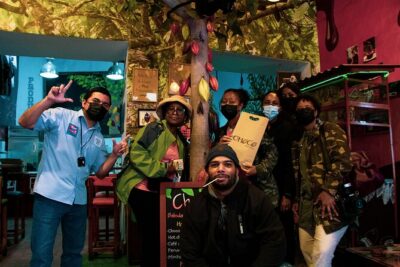
Discover Lima: Love Park, Historic Center, and its Catacombs.
Read our review →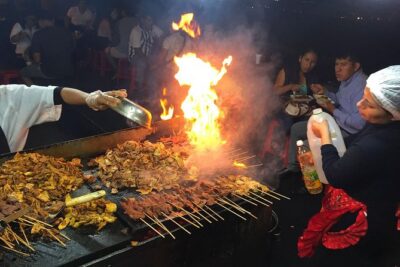
Street Food, Market & Old Eateries Tour in Lima’s Historic Center
Read our review →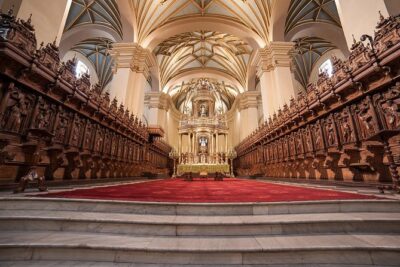
Lima’s Vibrant Heritage: Exploring the City’s Landmarks Half-day
Read our review →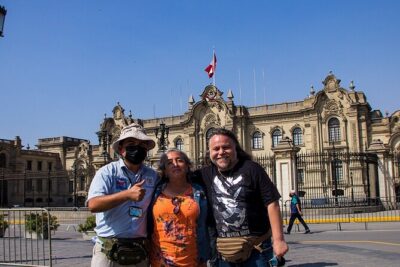
A Journey Through Time: Lima’s Historic Center & Catacombs Tour
Read our review →
Historic Center Street Food, Market, and Eateries Tour
Read our review →
Historic Walking Tour with Pisco Sour and Local Music
Read our review →
Walking tour in the Historic Center of Arequipa
Read our review →
Top Attractions in Lima: Historic Center, Love Park & Catacombs
Read our review →Browse the lists this tour appears in