
Reviewed · PISCO TOURS & TASTINGS
Cusco: Historic Walking Tour with Pisco Sour and Local Music
Cusco reveals itself one street at a time. This $14 walking tour links the main square, Inca stonework, San Blas, a luthier workshop, and the San Cristobal viewpoint in about two to three hours. I like the way it mixes famous sights with small cultural details, especially the stop with a local instrument maker and the pisco sour tasting.
I also like the small-group limit of 10 people, which should make it easier to hear the guide and ask questions. The main caution is consistency: some departures have finished early or lacked the promised drink and llama keychain, and at least one group was larger than advertised.
The route is not flat. You will climb toward San Blas and San Cristobal, often on cobbled streets, so good shoes and a steady pace matter. Guides such as Nilo, Alcie, Ernesto, Eric, Kevin, and Pauld have earned strong praise for clear explanations and a friendly manner, but the experience can vary by departure.
In This Review
- Key Points to Know Before You Go
- Starting at Plaza de Armas
- Hatun Rumiyoc and the Craft of Inca Stonework
- Plaza Nazarenas and a Quieter Corner
- San Blas, Cobblestones, and a Working Luthier
- Siete Borreguitos Street and a Short Photo Stop
- San Cristobal Viewpoint and the Pisco Sour
- What You Get for $14
- Timing, Group Size, and Pace
- Guide Quality Makes the Difference
- What to Bring and How to Prepare
- Should You Book This Cusco Walking Tour?
- FAQ
- How much does the Cusco historic walking tour cost?
- How long does the walking tour last?
- Where does the tour start?
- Where does the tour finish?
- Is a pisco sour included?
- What places are visited?
- How large is the group?
- Can I cancel for a refund?
Key Points to Know Before You Go
- The route covers six central Cusco stops: Plaza de Armas, Hatun Rumiyoc, Plaza Nazarenas, San Blas, Siete Borreguitos, and San Cristobal.
- The San Blas visit includes a luthier stop: You learn how local instruments connect to Cusco’s music traditions.
- A pisco sour or non-alcoholic drink is included: Confirm this at the start, since one reported departure did not provide it.
- Expect uphill walking: The climb from the center toward San Blas and San Cristobal is the main physical demand.
- The tour costs $14 per person: That is a low price for a guided orientation, but tips may be requested and should be handled clearly.
- You return to the starting point: Meet at the Inca statue by Plaza Mayor and finish in the same area.
Starting at Plaza de Armas
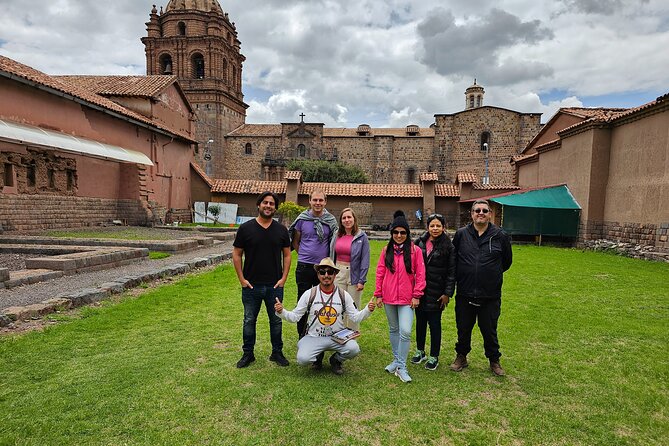
The tour begins at the Inca statue at Plaza Mayor de Cusco, the broad central square that anchors the old city. This is a useful place to begin because many first-time visitors need help reading Cusco’s layers: Inca foundations, Spanish colonial buildings, churches, arcades, and modern city life all meet here.
You spend about 15 minutes in the square. That is enough for an introduction, though not enough for a full architectural lecture. A good guide should explain why the plaza matters and point out the major buildings without keeping you standing in one place too long.
I would book this for your first full day in Cusco if possible. The orientation helps you recognize the central streets later, and it gives you a basic sense of direction before you start visiting museums, markets, or major archaeological sites.
The meeting point is central, but the exact wording says Inca statue, Plaza Mayor de Cusco. Look for that statue rather than simply waiting somewhere in the square. A clear meeting point matters here because the plaza can be busy and has several obvious landmarks.
More Historical Tours in Cusco
- Cusco: Historical Guided City Tour with 4 Inca Ruins
★ 4.5 · 99 reviews - Cusco Highlights Walking Tour: History, Culture, Traditions
★ 4.9 · 72 reviews - Cusco: Historic Walking Tour with Pisco Sour and Music Show
★ 4.6 · 65 reviews
Hatun Rumiyoc and the Craft of Inca Stonework
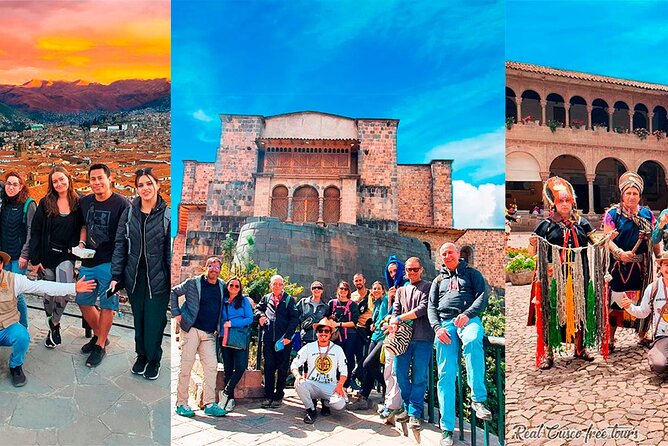
From the square, the walk continues to Calle Hatun Rumiyoc, one of Cusco’s most important old streets. The route is known for its carefully fitted Inca stone walls, including the famous twelve-angled stone.
You spend about 25 minutes here, making it one of the longer stops in the historic center. This is where a guide adds real value. You can look at a wall on your own, but a good explanation helps you notice the precision of the joints, the scale of the stones, and the way later buildings were placed above older Inca construction.
The street itself is narrow and paved with stone. You may need to pause at the side while other people pass, so do not expect a quiet, private monument visit. The reward is close-up detail rather than a grand viewpoint.
The best guides make this stop more than a photo break. Alcie and Ernesto received especially warm praise for explaining Cusco’s past with energy and care, while Kevin was also singled out for clear guidance and helpful photographs. Names and staffing can change, but the larger point is simple: the guide’s skill matters most at places like Hatun Rumiyoc, where a wall needs context.
Plaza Nazarenas and a Quieter Corner
Plaza Nazarenas comes next, with roughly 15 minutes set aside. This square feels more restrained than the main plaza and gives the route a pause between the heavy stonework of the center and the climb into San Blas.
Your guide should explain the square’s place in Cusco’s religious and colonial story. The stop is short, so treat it as an introduction rather than a full visit to every building around the plaza. If you want detailed church interiors or museum time, you will need to return on your own.
This is one reason I see the tour as an orientation rather than a complete sightseeing program. You get the shape of the old city and a useful first look at key streets. You do not get long, unhurried visits inside major attractions.
San Blas, Cobblestones, and a Working Luthier
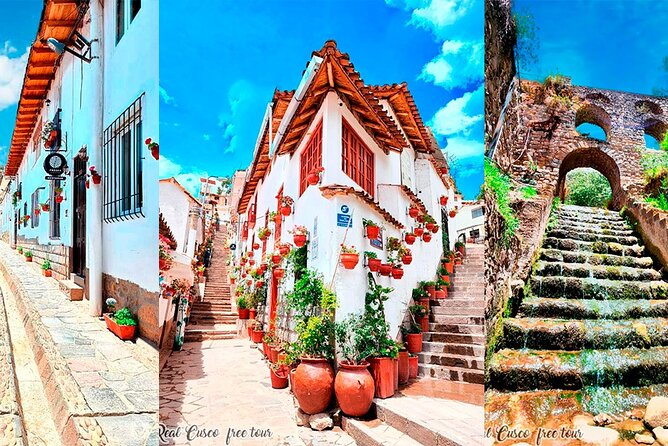
San Blas is the cultural heart of the walk. Its steep cobbled streets, adobe homes, and artisan character give you a different feel from the formal center. The route spends about 40 minutes here, the longest scheduled stop.
The most distinctive part is the visit to a luthier. A luthier makes and repairs stringed instruments, and this stop connects the physical city to the sound of Cusco. You learn about local music and see how craft supports musical traditions. It is a small experience, but it gives the tour more character than a standard checklist of churches and plazas.
The visit also helps explain why San Blas is worth walking through slowly. The neighborhood is not only a place for photographs. Its sloping lanes and handmade objects reflect the continuing role of craft in Cusco’s daily life.
You should be ready for the physical side of San Blas. The streets rise, the paving can be uneven, and there are uphill sections before the route reaches San Cristobal. Most people can take part, according to the activity information, but the tour is a poor match if you need a flat route or dislike walking on stone streets.
Several highly rated guides were praised for keeping a comfortable pace. That matters here. A rushed climb can make the neighborhood feel like work, while a measured pace lets you look around and listen.
More Pisco Tastings in Cusco
- Local Market and Peruvian Cooking Class with Pisco Sour in Cusco
★ 5.0 · 384 reviews - Group Cooking Class in Cusco with Pisco Tasting
★ 5.0 · 335 reviews - Bilingual Cooking Class with Pisco Cocktail in Cusco
★ 5.0 · 92 reviews - Cusco by Night: Planetarium Cusco, Dinner, and Pisco Sour
★ 5.0 · 75 reviews
Siete Borreguitos Street and a Short Photo Stop
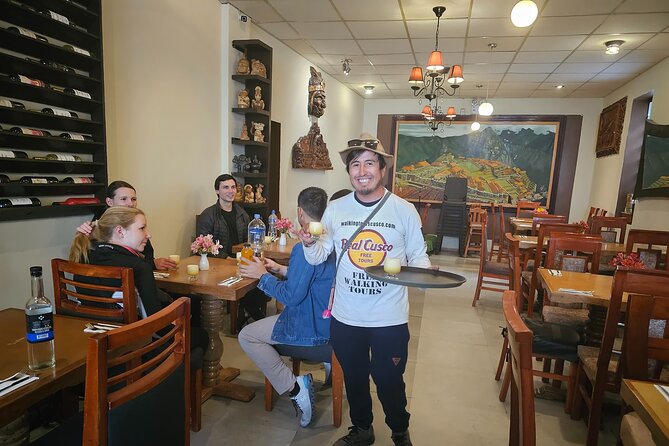
The route continues to Siete Borreguitos, also called 7 Borreguitos Street, for about 15 minutes. This atmospheric lane is known for old pathways, traditional buildings, and artisan touches.
It is a short stop, so expect a look and an explanation rather than a long activity. The street works well as a bridge between San Blas and the final viewpoint. You see another slice of Cusco’s older residential character without spending the entire afternoon on one lane.
Bring a phone or camera, but keep it put away long enough to hear the guide. The value here comes from knowing what you are looking at and how the street fits into the surrounding neighborhood. Without that context, it could pass as simply a picturesque alley.
San Cristobal Viewpoint and the Pisco Sour
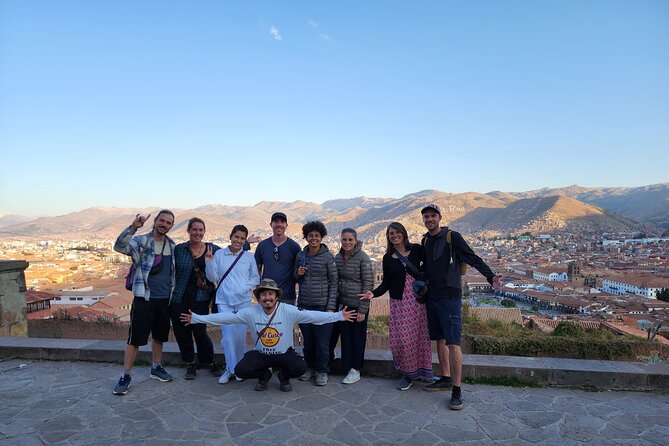
The final major stop is San Cristobal Plaza and viewpoint. After the uphill route, the broad view across Cusco is the payoff. From here, the city spreads below you with its red-tiled roofs, church towers, dense central streets, and surrounding hills.
About 30 minutes is scheduled for this part of the walk. That gives you time for photographs, a final explanation, and the included pisco sour tasting on the way to the viewpoint. A non-alcoholic option is available, so you do not need to drink alcohol to take part.
The drink is a pleasant finish because it turns the viewpoint into a social stop rather than another lecture. Pisco sour is Peru’s best-known cocktail, made with pisco and usually balanced with citrus and foam. The exact serving setup is not specified, so I would think of it as a tasting, not a full bar visit.
There is one important caution. One departure ended without the pisco sour, and another person reported that the advertised llama keychain was missing as well. The included items are clearly stated as part of the experience, but delivery has not been perfectly consistent. Confirm the drink and souvenir with the guide early, not after the walk is over.
The climb is also worth taking seriously. The route does not provide transport back down, and the activity ends at the original meeting point after the viewpoint. Wear shoes with a firm sole, carry water, and avoid starting the tour hungry or dehydrated.
What You Get for $14
At $14 per person, this is inexpensive for a guided introduction to central Cusco. You receive a professional guide, a planned route through several historic areas, a pisco sour or non-alcoholic alternative, and a small llama keychain when supplied.
The value is strongest if you are new to Cusco. You get your bearings, learn which streets deserve a second visit, and see San Blas without having to plan every turn. The tour also saves you from treating each stop as an isolated photo opportunity.
Still, the price does not guarantee a polished paid excursion in the usual sense. The name Real Cusco Free Walking Tours suggests a tip-based model, and one departure reportedly involved a request for a guide tip even though the booking itself had a set price. You should ask at the beginning how tipping works and what is included in your departure.
That is not a reason to reject the tour, but it is a reason to set expectations. If you want a private guide, guaranteed long visits, or a tightly controlled schedule, this is not the right product. If you want a low-cost walk with local context, the price is attractive.
Timing, Group Size, and Pace
The advertised length is about two to three hours. Many departures have lasted around two hours, while at least one finished 90 minutes earlier than expected. That difference matters if you have arranged lunch, a museum booking, or a train connection afterward.
The maximum group size is 10 people. Small groups are useful on narrow streets, especially at Hatun Rumiyoc and in San Blas. You can usually hear the guide more easily and ask a quick question without stopping the whole group.
One departure was reported as closer to 20 people. Since group size can affect the feel of a walking tour, check the number at the meeting point if this is important to you. A larger group may make it harder to stand near the guide, take photographs, or keep the advertised pace.
The tour suits solo visitors, couples, and families who can manage an uphill walk. It also works well for a last day in Cusco if you want a gentle review of the city, though an early departure is better if you want to use the orientation for the rest of your stay.
Guide Quality Makes the Difference
The strongest part of this experience is the human guide. Pauld was praised for giving a generous amount of time and ending the walk with a good pisco sour. Nilo was noted for a friendly manner and a steady pace, while Eric was praised for combining information with an enjoyable two-hour route.
Alcie received particularly warm feedback for passion and a friendly approach. Ernesto was described as professional and helpful for getting first-time visitors settled in Cusco. Kevin was appreciated for clear explanations and taking good photographs.
That range of names also points to a practical truth: this is not a single guide’s tour. Your experience depends on who leads your departure. Most of the available feedback is strongly positive, with a 4.8 rating and 95 percent recommendation rate, but the complaints are specific enough to take seriously.
I would ask three simple questions before setting off:
- Will the tour last closer to two hours or three?
- Is the pisco sour or non-alcoholic drink being provided today?
- How does tipping work for the guide?
Clear answers at the start can prevent the main frustrations reported about the experience.
What to Bring and How to Prepare
Bring comfortable walking shoes, a light layer, water, and sun protection. Bottled water is not included, and the route includes cobbled streets plus an uphill climb.
Keep some room in your schedule. The tour can take two to three hours, and the pace may vary with group size and guide. Do not attach it too closely to a time-sensitive booking.
If you do not drink alcohol, choose the non-alcoholic option. You can still take part in the closing tasting without making the pisco sour the center of your visit.
The complimentary llama keychain is a fun extra, especially for children, but I would treat it as a bonus rather than the reason to book. The real value is the route, the explanations, the music connection, and the viewpoint.
Should You Book This Cusco Walking Tour?
I would book it if you want an affordable first look at Cusco, enjoy walking, and value local details over long museum visits. The luthier stop gives it a distinct edge, and the route covers several places you might otherwise pass without understanding.
Book with caution if you need a firm three-hour schedule, a guaranteed group of 10 or fewer, or absolute certainty about the pisco sour and souvenir. Ask about those details when you arrive, and be ready for the possibility that the walk is closer to two hours.
For most first-time visitors who can handle the hills, this is a good-value introduction. Schedule it early in your stay, wear proper shoes, and consider the $14 fee together with any expected tip. That approach lets you enjoy the city without expecting a luxury tour.
FAQ
How much does the Cusco historic walking tour cost?
The tour costs $14 per person.
How long does the walking tour last?
The stated duration is approximately two to three hours. Some departures may finish closer to two hours.
Where does the tour start?
It starts at the Inca statue by Plaza Mayor de Cusco, at Plaza Mayor de Cusco 08002, Peru.
Where does the tour finish?
The activity ends back at the meeting point.
Is a pisco sour included?
Yes. A pisco sour or a non-alcoholic option is included. One reported departure did not provide the drink, so it is sensible to confirm this at the start.
What places are visited?
The route includes Plaza de Armas, Calle Hatun Rumiyoc, Plaza de las Nazarenas, San Blas, Siete Borreguitos, and San Cristobal Plaza and viewpoint.
How large is the group?
The activity states a maximum of 10 participants. One departure was reported as larger, so ask about the group size when you arrive.
Can I cancel for a refund?
You can cancel at least 24 hours before the start time for a full refund. Cancellations or changes made within 24 hours are not refunded or accepted.
More Pisco Tasting in Cusco
- Pisco Sour Secrets: Hands-On Mixology in Historic Cusco
★ 4.5 · 50 reviews - Pisco Sour Workshop in Cusco | Learn, Create, and Toast |
★ 3.9 · 29 reviews - City Tour Cusco with Pisco Sour classes (Half day)
★ 4.5 · 20 reviews - Cusco: Planetarium and Night Tour with Dinner and Pisco Sour
★ 4.9 · 9 reviews
More Walking Tours in Cusco
- Cusco: Walking Tour with an Experienced Local Guides
★ 4.8 · 636 reviews - Curious Monkey Cusco- Eat the Streets, Walking Food Tour
★ 5.0 · 160 reviews - Cusco Food Walking Tour & Central Market
★ 5.0 · 48 reviews - Cusco: Historic Walking Tour & Scenic Views with local drink
★ 5.0 · 45 reviews
Added recently around Cusco
- Guided tour of the mountain of colors in Cusco★ 5.0 · 11 reviews
- 2-Day Private Short Inca Trail to Machu Picchu★ 5.0 · 15 reviews
- City Tour Cusco – Group★ 5.0 · 4 reviews
- Tour Sacred Valley with Maras and Moray★ 5.0 · 15 reviews
- San Pedro Market Tour with Peruvian Cooking Class★ 5.0 · 31 reviews
- Walking Culinary Experience★ 5.0 · 41 reviews
- City Tour in Cusco★ 4.5 · 10 reviews
- One Day Tour to Humantay Lagoon★ 5.0 · 8 reviews
Pisco Tours & Tastings, compared.
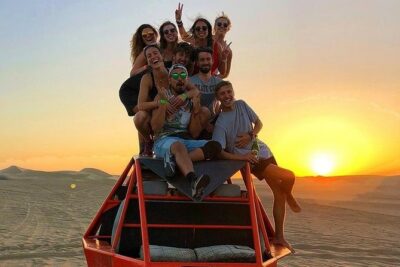
3 Day Tour From Lima: Paracas, Huacachina Oasis & Pisco Vineyard
Read our review →
2 Day Tour from Lima: Paracas, Huacachina, and Pisco Vineyard
Read our review →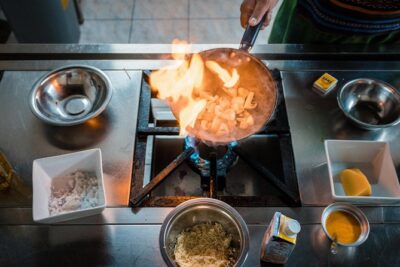
Local Market and Peruvian Cooking Class with Pisco Sour in Cusco
Read our review →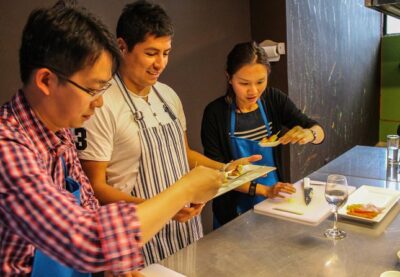
Group Cooking Class in Cusco with Pisco Tasting
Read our review →
Authentic 4-dish Peruvian Food Cooking Class in Lima + Pisco Sour
Read our review →
Cook an Authentic Ceviche And Peruvian Pisco Sour!
Read our review →
Bilingual Cooking Class with Pisco Cocktail in Cusco
Read our review →Browse the lists this tour appears in