
Reviewed · CITY TOURS
Open Bus Cusco City Tour
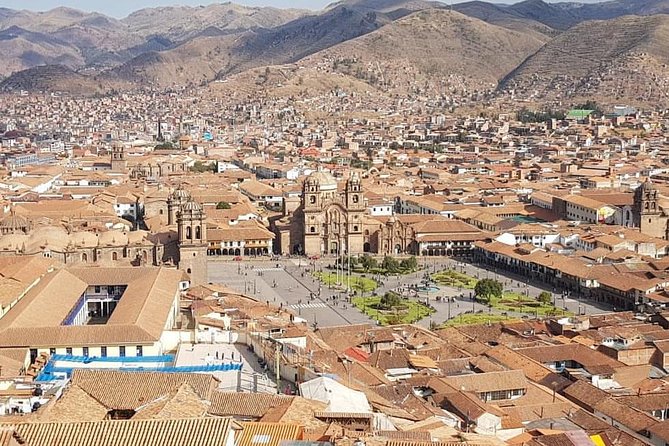
Cusco looks best from above. This three-hour open-top bus ride gives you a quick view of the city, the hills, nearby Inca sites, and the white Christ statue for $14.09. I especially like the wide views from the upper deck and the chance to see places beyond the compact center without a long day of walking. The strongest guides, including Paulo and Victor, add useful local color in both Spanish and English.
The main caution is organization. Late departures and uneven English commentary appear often enough to matter, and the upper deck can turn cold fast when clouds roll in. You may also encounter shopping stops or a traditional ceremony, which some people find meaningful and others find uncomfortable.
In This Review
- Five things to know before boarding
- Why this bus tour works well in Cusco
- Starting at Plaza de Armas and Sta. Catalina Angosta 120
- Seeing Cusco from the upper deck
- Passing Inca sites beyond the center
- The Cristo Blanco viewpoint
- The cultural ceremony and shopping stops
- Guides, languages, and sound quality
- Timing, comfort, and group size
- Who will get the most from this ride
- Is $14.09 good value?
- Should you book the Cusco Open Bus City Tour?
- FAQ
- How long does the Open Bus Cusco City Tour last?
- How much does the tour cost?
- Where does the tour start?
- Where does the tour end?
- Is the tour conducted in English?
- Do you enter the archaeological sites?
- What should you wear?
- Can I cancel the tour for a refund?
Five things to know before boarding
- The bus covers more than the historic center: You pass through Paccha, see the Great Mural of Cusco, drive by Inca sites, and reach the hills above town.
- Christ of the Pacific, also called Cristo Blanco, is the best photo stop: You get about 10 minutes to walk around and look over Cusco.
- Most archaeological sites are viewed from the bus: This is a sightseeing loop, not a ticketed site tour with extended visits.
- The upper deck is exposed to Cusco weather: Rain gear is available, but bring warm clothing for the high viewpoint and later departures.
- Bilingual service can vary: Some guides speak strong English, while other departures have offered little or no English explanation.
- Allow extra time: Several accounts describe delays of 40 minutes to more than an hour, so do not schedule a tight appointment afterward.
Why this bus tour works well in Cusco
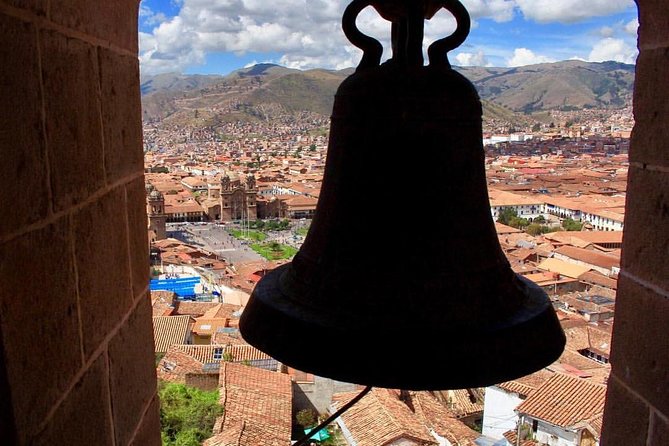
Cusco rewards walking, but its steep streets and high altitude can make a full day on foot a poor first plan. This bus tour gives you a broad look at the city while you conserve energy. That makes it useful soon after arriving, after a demanding Machu Picchu visit, or on a day when altitude sickness leaves you wanting a gentle activity.
The route lasts about three hours and carries a maximum of 24 people. That is small enough to feel manageable when the bus is full, though some departures have felt crowded, especially when rain forces everyone below deck.
At $14.09, the price is fair for transport, a guide, and a quick look at several parts of Cusco. You are paying for orientation and views, not for entry to archaeological sites or a detailed walking tour. The value is strongest if you want to see the city from the road and reach the Cristo Blanco viewpoint without arranging a private vehicle.
I would not book it as your only cultural tour in Cusco. The commentary may be excellent, but it may also be hard to hear over traffic, music, or street noise. Think of this as a broad introduction with a few cultural extras rather than a carefully paced history lesson.
More City Tours in Cusco
- Cusco: Half-Day City Tour with Sacsayhuaman and Q’enco
★ 4.6 · 1,129 reviews - City Tour Cusco Qoricancha Sacsayhuaman y Tambomachay
★ 4.7 · 617 reviews - Cusco City Tour Four Ruins in Half-Day
★ 5.0 · 530 reviews
Starting at Plaza de Armas and Sta. Catalina Angosta 120
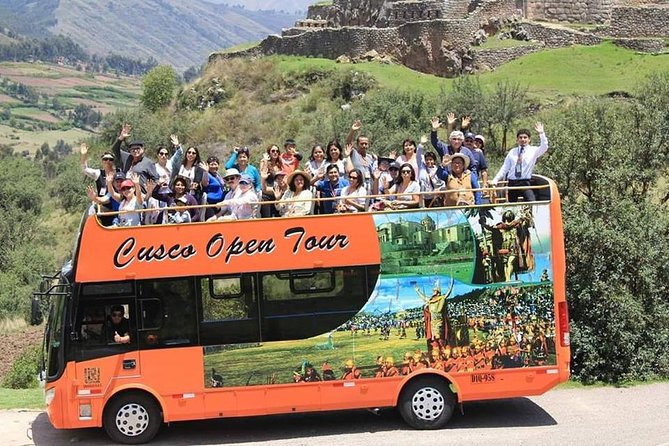
The listed meeting point is Sta. Catalina Angosta 120, two blocks from Cusco’s Main Square. The first formal stop is Plaza de Armas, where the guide gives a short introduction to Cusco’s culture and past. Admission is free, and the planned stop lasts about 10 minutes.
The meeting process deserves attention. Some people have found the pickup unclear and were walked from the square to the bus, with one account describing a walk of roughly half a mile. The practical move is simple: arrive at the stated meeting point early, stay there, and look for staff directing you to the orange bus. The operator says its buses are orange, which helps separate the service from other open buses in town.
Do not assume that the bus will leave exactly at the advertised time. Delays of 40 minutes to more than an hour have been reported. The company has apologized for past maintenance delays and says it added another bus, but you should still keep the afternoon flexible.
Plaza de Armas is a sensible starting point because it places the ride in context. This is the heart of modern Cusco, but the city’s story reaches far beyond the square. The tour quickly shifts from colonial streets to hills, murals, shrines, and Inca remains.
Seeing Cusco from the upper deck
The upper deck is the main reason to choose this experience. From above, you get a different sense of Cusco’s scale. The city spreads up the surrounding slopes, and the route lets you watch ordinary local life rather than only the polished streets near the square.
The bus passes an iconic Cusco landmark where the guide explains how local people have preserved old customs and traditions. The exact timing of the commentary may depend on traffic, so keep your eyes open rather than waiting for an announcement. Audio can be difficult to hear on some departures, and one account described commentary arriving before the bus reached the landmark being discussed.
The open roof is also the tour’s weak point. Rain can begin without much warning, and the bus provides rain gear. That helps, but it does not solve the cold. One departure moved everyone inside when the temperature dropped, while another afternoon ride became uncomfortable on the top deck. Cusco’s high elevation makes the temperature change quickly, so bring a warm layer even if the afternoon begins bright.
Music volume has also bothered some people on the upper level. If you want to hear the guide, sit where you can listen clearly and be ready to move downstairs if needed. The lower interior is less scenic, but it is the better choice during rain or cold.
Passing Inca sites beyond the center
The route heads beyond the main square and into the higher parts of Cusco. You pass through Paccha, an important area of the city, and continue toward places associated with the Inca past.
This is where expectations matter most. You will see archaeological locations from the road, but you generally do not get off the bus to explore them. One account specifically praised the tour as a way to see outside sights without walking, while also noting that the archaeological sites were viewed rather than visited.
That arrangement is useful if you want an overview. You can spot the remains, hear an explanation, and understand how the old sites fit into the hills around Cusco. It is not enough if you want close views, photographs from the site itself, or time to study stonework.
The route also passes the Great Mural of Cusco, a large painting showing parts of Inca history and the Spanish conquest. It is a quick roadside sight, but it gives the ride a visual link between the city’s pre-Columbian past and colonial transformation.
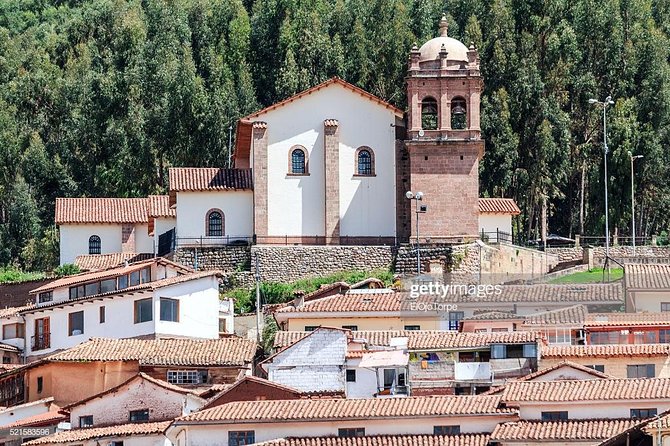
The guide then explains the importance of a sacred Inca temple whose foundation was retained when the Spanish built a church above it. This is one of the most useful historical ideas on the route. Cusco is full of buildings where Spanish churches occupy or incorporate earlier Inca structures, and the bus commentary can help you notice that pattern elsewhere in town.
Still, the quality of this explanation depends heavily on the person leading your departure. Some guides have offered lively history in English and Spanish. Others have spoken very little English, and one account described a tour conducted entirely in Spanish. If you do not understand Spanish, confirm the language before you commit to the ride.
A few more Cusco trips worth lining up side by side
- Classic Inca Trail Trek 4D/3N to Machu Picchu (Group Service)
★ 5.0 · 8,653 reviews - Cusco: Rainbow Mountain and Red Valley Day Trip with Meals
★ 4.9 · 4,893 reviews - Machu Picchu: 4-Day Inca Trail Trek with Panoramic Train Ride
★ 5.0 · 4,568 reviews - Salkantay Classic Trek 5 Days from Cusco
★ 5.0 · 4,062 reviews
The Cristo Blanco viewpoint
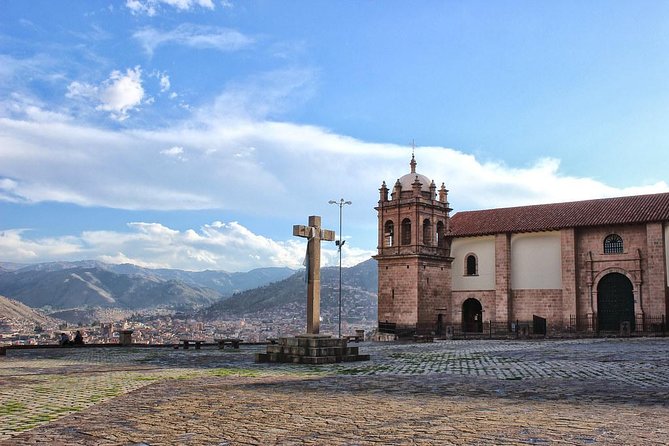
The visit to the Statue of Christ is the clearest stop on the route. The bus climbs to the white Christ statue above Cusco, where you get about 10 minutes to walk, take photos, and look across the city.
This is a short stop, but it earns its place. From here, Cusco’s bowl-like setting becomes easier to understand. The red roofs, steep streets, and surrounding slopes spread out below you, giving you the kind of city view that is hard to find from the narrow lanes downtown.
The stop is also a good test of the tour’s pace. Ten minutes is enough for a few photos and a quick look, but not enough for a slow visit. Stay aware of the departure time. If you have trouble with steep paths or altitude, take the stop gently and do not feel pressured to cover every viewpoint.
The route into the hills is one reason some people rate the tour highly. It gives you a larger view of Cusco than a short center-only bus loop. It also lets you see the city on a low-energy day, which can be valuable after a strenuous trip to Machu Picchu.
The cultural ceremony and shopping stops
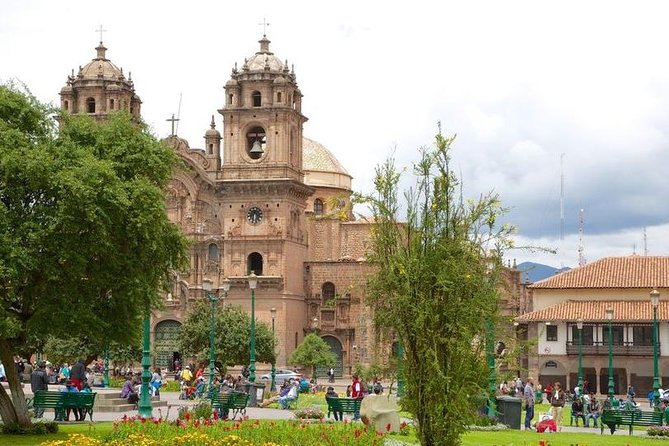
A traditional ceremony appears in many accounts of this experience. People describe a Peruvian ritual involving coca leaves and a blessing from a traditional practitioner. Some found it moving and spiritual. Others felt uncomfortable because the ritual was presented unexpectedly or because they did not understand that participation was optional.
The operator says the ceremony represents living local culture and that you are free to participate. That distinction matters. You should be able to watch without joining, and you should ask questions if the activity is unclear.
The same part of the route may include alpacas or llamas, textiles, and a shop selling handmade goods. Buying something is optional, but you may feel pressure to purchase. Some people enjoy meeting the animals and supporting local sellers. Others dislike being taken to shops or feel that prices are high for the quality.
I would approach this section with an open but careful mind. Treat the ceremony as a cultural demonstration, not a required part of the ticket. Keep control of your money, ask about prices before buying, and remember that the ride’s main value is the city view and route, not the shopping.
Guides, languages, and sound quality
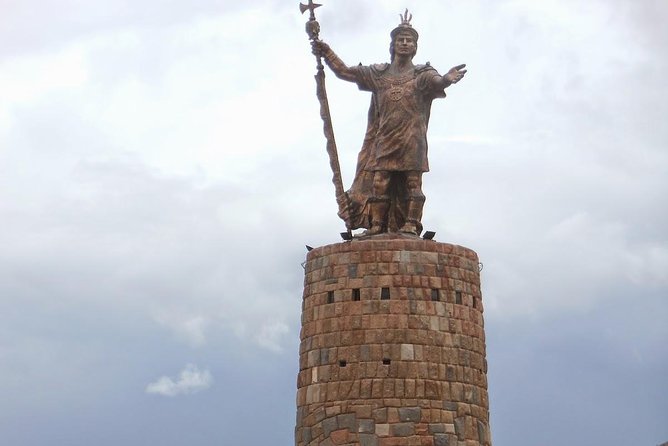
The experience is advertised with a bilingual guide, and the best departures live up to that promise. Paulo has been praised for moving between three languages, while Victor has been singled out for translating history clearly into English. Strong guides make a real difference because the route itself moves quickly.
You may hear stories about local customs, Inca sites, Spanish conquest, and the meaning of the ceremony. A good guide turns a passing wall or temple base into something you can recognize later when walking around Cusco.
But English service is not guaranteed to be equally strong every time. Some departures have provided only limited English, and one account described a complete communication failure. The commentary may also be hard to hear because of traffic, diesel fumes, music, or the open bus itself.
If the historical explanation is important to you, ask at the meeting point whether the guide will provide live English commentary. Do not confuse a bilingual booking description with a promise that every guide will speak fluent English. This is the single biggest quality variable in the experience.
Timing, comfort, and group size
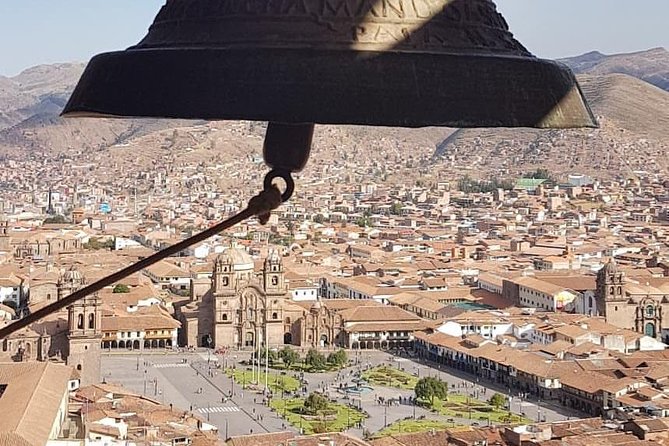
Three hours is the planned duration, but the actual day can run longer. A late start can cut into the return journey, and some people have arrived back more than an hour after the intended finish. Do not pair this ride with a timed museum visit, airport transfer, cooking class, or train connection.
The bus finishes at C. Saphy 661, about two blocks from the Main Square. That is a convenient central ending, but the route may not finish at the exact advertised time.
A maximum of 24 people keeps the group smaller than a large coach tour. Even so, the upper deck can feel packed when everyone wants a view or when rain pushes the group indoors. The bus is near public transport, and service animals are allowed. Most people can take part, although the ride includes a short walk to the bus on some departures and a stop at a high viewpoint.
Dress for conditions, not the forecast at street level. Warm clothing is the most useful item to pack. Rain protection helps, but it will not replace a fleece or jacket when the bus reaches the hills.
Who will get the most from this ride
I would recommend the Cusco Open Bus City Tour to you if:
- You want a fast first look at Cusco.
- You are still adjusting to the altitude.
- You have already spent a tiring day at Machu Picchu.
- You prefer seeing sights from a vehicle rather than walking steep streets.
- You want the Cristo Blanco viewpoint and a broad city panorama.
- You are comfortable with a casual tour that may include shopping or a cultural ceremony.
- You can keep your schedule open if the bus runs late.
I would choose another format if you want long visits inside archaeological sites, precise timing, quiet commentary, or a fully reliable English guide. A walking tour around the historic center will give you more detail about specific buildings, while a private guide can better match your interests and pace.
Is $14.09 good value?
At $14.09, this is an inexpensive way to cover a lot of ground. Transport alone can make the fare worthwhile if you want to reach the hillside viewpoint without arranging a taxi. Add the views, a guide, and the chance to see the city beyond the center, and the price is reasonable.
The value drops if you expect a polished, tightly timed sightseeing product. Delays can cost you part of the day, and the cultural stop may feel like a sales opportunity rather than a pure visit. The tour also does not replace entry tickets or a proper visit to the archaeological sites.
I would call it good value for orientation, scenery, and convenience. I would not call it the best value for detailed history or a predictable schedule.
Should you book the Cusco Open Bus City Tour?
Book it if you want a low-effort overview of Cusco, especially during your first days at altitude or after a demanding excursion. Choose an earlier departure if possible, bring warm clothing, and leave plenty of space before your next commitment.
Before boarding, confirm that your departure includes live English commentary. Keep your expectations clear: you will see several archaeological locations from the road, stop at Cristo Blanco, and may encounter a traditional ceremony and shopping stop. If those terms suit you, $14.09 buys a fun and useful look at Cusco.
If you need exact timing or substantial time at each site, skip this bus and book a slower guided visit. For everyone else, it can be a worthwhile first pass through the city, provided you are ready for Cusco’s weather, traffic, and occasional Cusco time.
FAQ
How long does the Open Bus Cusco City Tour last?
The planned duration is approximately three hours. Delays have occurred, so you should allow extra time and avoid scheduling another fixed activity immediately afterward.
How much does the tour cost?
The listed price is $14.09 per person. Meals, drinks, private expenses, and optional gratuities are not included.
Where does the tour start?
The listed starting point is Sta. Catalina Angosta 120 in Cusco, Peru. This location is two blocks from the Cusco Main Square.
Where does the tour end?
The tour ends at C. Saphy 661, about two blocks from Cusco’s Main Square.
Is the tour conducted in English?
The service includes a bilingual guide, but English ability can vary by departure. Some guides, including Victor and Paulo, have provided English translation, while other departures have offered limited or no English commentary.
Do you enter the archaeological sites?
The route passes archaeological sites and provides explanations from the bus. You generally do not get off to explore those sites, and admission tickets to them are not included.
What should you wear?
Bring warm clothing because the upper deck can become cold, especially near the higher viewpoint and during later departures. Rain gear is available on the bus, but the weather can change quickly.
Can I cancel the tour for a refund?
You can cancel up to 24 hours before the experience begins for a full refund. Cancellations or changes made less than 24 hours before the start time are not accepted for a refund.
Added recently around Cusco
- 2-Day Private Short Inca Trail to Machu Picchu★ 5.0 · 15 reviews
- Guided tour of the mountain of colors in Cusco★ 5.0 · 11 reviews
- City Tour Cusco – Group★ 5.0 · 4 reviews
- Tour Sacred Valley with Maras and Moray★ 5.0 · 15 reviews
- San Pedro Market Tour with Peruvian Cooking Class★ 5.0 · 31 reviews
- Walking Culinary Experience★ 5.0 · 41 reviews
- City Tour in Cusco★ 4.5 · 10 reviews
- One Day Tour to Humantay Lagoon★ 5.0 · 8 reviews
City Tours, compared.
Lima Half-Day City Walking Tour (Small Groups)
Read our review →
Half-Day City Tour with Sacsayhuaman and Q’enco
Read our review →
City Tour Panoramic Bus Departure From Larcomar
Read our review →
City Tour Cusco Qoricancha Sacsayhuaman y Tambomachay
Read our review →
Lima’s Vibrant Heritage: Exploring the City’s Landmarks Half-day
Read our review →
Sightseeing Tour of the City on an Open-Top Bus
Read our review →
Lima City, Central Market & Catacombs Tour (Pick-up & Drop Off)
Read our review →Browse the lists this tour appears in