Reviewed · CUSCO TOURS
Planetarium Cusco: Learn About Inca Astronomy
The stars tell a different Cusco story. This small evening outing combines Inca astronomy, local culture, and a southern-sky presentation in a way that feels more personal than a standard museum visit. I like the easy pickup from Regocijo Square, and I like that the guides connect the stars to Peruvian traditions instead of treating astronomy as a pile of technical facts. The main catch is simple: clouds or city lights can limit telescope viewing.
The experience lasts about two hours and costs $45 per person. That price makes sense if you value the included guide, transport from the center, and the cultural explanation. It feels less worthwhile if your main goal is powerful stargazing, since the planetarium sits near Cusco’s lights and the outdoor portion depends on clear weather.
In This Review
- Key points to know before you book
- Why Inca astronomy gives this outing a clear purpose
- Meeting at Regocijo Square at 5:30 p.m.
- The 6 p.m. introduction to the Inca sky
- The 6:30 p.m. southern-sky dome show
- Telescope viewing at about 7 p.m.
- What the $45 price actually covers
- Who will enjoy this evening most
- Timing, transport, and small practical details
- The main strengths and limitations
- Should you book Planetarium Cusco?
- FAQ
- Where does the Planetarium Cusco experience begin?
- What time should I meet the group?
- Where does the experience end?
- How long does the activity last?
- Is transportation included?
- Is the telescope viewing guaranteed?
- Is the experience offered in English?
- What happens if poor weather cancels the activity?
Key points to know before you book
- Pickup is right in central Cusco: Meet at the middle of Plaza Regocijo at 5:30 p.m., then return to the same spot.
- The focus is Inca astronomy: You learn how local culture relates to the night sky, not just the names of stars.
- The dome presentation shows the southern sky: This is useful even when clouds prevent outdoor viewing.
- Telescopes are weather-dependent: City lights and cloud cover can reduce what you see.
- The group is capped at 20 people: That keeps this from feeling like a large bus tour.
- Blankets may be provided: A practical touch for a cool Cusco evening.
Why Inca astronomy gives this outing a clear purpose
Cusco is full of churches, stone walls, and colonial streets. It is easy to focus only on what sits at eye level. This experience asks you to look up and consider how the night sky shaped local ideas and stories.
The first indoor session introduces the Inca relationship with the stars. That cultural angle is the strongest reason to choose this outing. You are not simply learning constellations in a dark room. You are hearing about the way the sky fit into local traditions and beliefs.
I like that the experience puts astronomy and culture together. A guide can explain a constellation, then place it within a larger local story. That makes the subject easier to remember and gives the evening a clear connection to Cusco.
The presentation is offered in English, and a local guide leads the program. The staff are serious about astronomy and also share their cultural background. That combination gives the visit more substance than a simple tourist attraction with a prerecorded show.
Still, the planetarium is fairly new, and the program may feel like a work in progress. The indoor presentation can be somewhat disjointed. If you prefer a polished show with a tight script and dramatic production, keep your expectations modest.
A few more Cusco trips worth lining up side by side
- Classic Inca Trail Trek 4D/3N to Machu Picchu (Group Service)
★ 5.0 · 8,653 reviews - Cusco: Rainbow Mountain and Red Valley Day Trip with Meals
★ 4.9 · 4,893 reviews - Machu Picchu: 4-Day Inca Trail Trek with Panoramic Train Ride
★ 5.0 · 4,568 reviews
Meeting at Regocijo Square at 5:30 p.m.
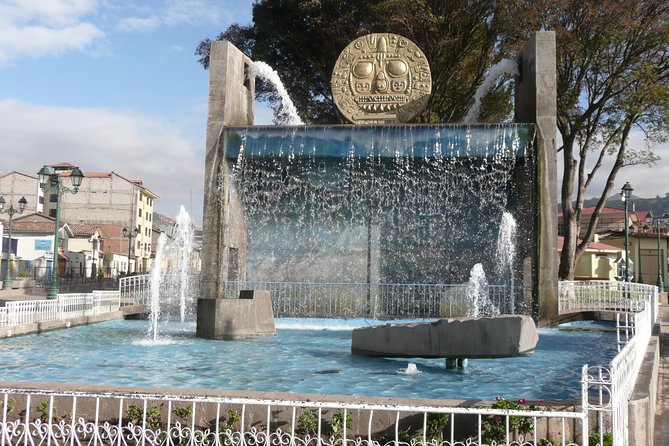
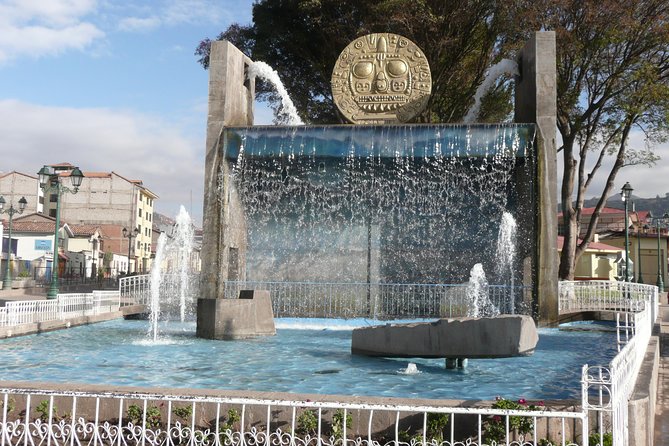
The outing begins at 5:30 p.m. at Regocijo Square, specifically at the middle of the plaza. This is a useful meeting point in central Cusco, but you need to arrive with enough time to find the exact pickup location.
The included transport takes you from the square to the planetarium and back. Hotel pickup is not included, so you will need to make your own way to Regocijo Square. That is not a major burden if you are staying in central Cusco, but it matters if your lodging is farther away.
Pickup is scheduled between 5:30 and 5:40 p.m. The planetarium is reached at about 5:55 p.m., leaving a short transfer before the program starts. Since the group can include up to 20 people, arriving early helps avoid confusion at the square.
The meeting arrangement is one of the tour’s practical strengths. You do not have to search for a distant attraction or arrange a separate taxi to the planetarium. Just remember that the convenience begins at the plaza, not at your hotel.
The 6 p.m. introduction to the Inca sky
At about 6 p.m., the program begins in the interpretation rooms. This section lays the groundwork for the rest of the evening.
Expect an introduction to Inca astronomy and the stories linked to the night sky. The supplied details do not promise a particular list of constellations or a set lecture length, so the exact content may vary. That is useful to keep in mind if you want a formal astronomy class.
The real value here is context. You get a chance to understand why the stars mattered within local culture before seeing them projected overhead or through a telescope. I find that order helpful. The science becomes easier to follow when you first understand the human meaning attached to the sky.
The guide’s role is important. A skilled local guide can explain the subject in clear English while adding cultural detail that a generic planetarium show might miss. The staff are described as serious astronomers, but the experience also has a personal connection to local heritage.
One early visit found the presentation a little disjointed. That does not make it useless, but it does suggest that the experience is still developing. Think of it as a small, earnest planetarium rather than a major science center.
The 6:30 p.m. southern-sky dome show
At around 6:30 p.m., you move into the dome for a virtual projection of the southern sky and its constellations. For many people, this will be the most dependable part of the evening.
Cusco’s actual sky can be hidden by clouds. The dome gives you a planned look at the stars even when outdoor conditions fail. It also helps you identify what to look for later through the telescopes.
The focus on the southern sky matters. You are learning about the part of the heavens visible from Peru, not simply watching a general show designed for any city in the world. That makes the presentation better suited to your time in the Andes.
I also like the change of pace. The interpretation room provides cultural background, while the dome gives you a visual guide. Together, those sections offer more than either one alone.
The program may not have the polish of a large commercial planetarium. The early presentation has been described as somewhat uneven, so you may notice pauses or transitions that could be smoother. For me, that is a fair trade if the guide’s explanations are clear and the cultural content is useful.
Also leaving from Cusco, and nothing like the above:
- Salkantay Classic Trek 5 Days from Cusco
★ 5.0 · 4,062 reviews - 4-Day Salkantay Trek with Sky Camp Stay
★ 5.0 · 3,346 reviews - Short Inca Trail to Machu Picchu 2D/1N
★ 5.0 · 3,007 reviews - Excursion to Rainbow Mountain Full Day Optional Red Valley
★ 5.0 · 2,996 reviews
Telescope viewing at about 7 p.m.
Around 7 p.m., the group goes outside for stargazing with telescopes. This is the part most likely to change from one evening to the next.
Clear weather is required. If the sky is cloudy, you may not see anything through the telescopes. One past visit had cloud cover that prevented outdoor viewing, even though the indoor material remained worthwhile.
City lights are another limitation. The planetarium is close enough to Cusco’s urban glow that telescope viewing may not match what you would get at a remote observatory. You might see interesting objects, but you should not book this expecting a full professional observatory session.
That limitation is worth stating plainly because it affects the value of the $45 price. The telescope portion is a bonus, not a guarantee. The indoor presentation and guide are the reliable parts of the experience.
The staff may provide blankets, which is a thoughtful touch during a cool evening. The tour details do not promise blankets every time, so do not rely on them as your only warm layer. Still, the gesture fits the setting and shows some attention to comfort.
If you care most about stargazing, check the weather before you go and accept that conditions can change quickly. If clouds cancel the experience entirely, the provider offers another date or a full refund. That protection applies when the activity itself is canceled because of poor weather, not when you simply decide not to attend.
What the $45 price actually covers
The $45 fee includes admission, a local guide, and transport from Regocijo Square to the planetarium and back. Meals and drinks are not included, though the evening is short enough that this should be easy to manage before or after the outing.
I see the price as reasonable for visitors who want a guided cultural activity with a transport connection. You are paying for more than a dome projection. The guide adds local interpretation, and the pickup removes the need to work out the route to the site.
The value is weaker for someone focused only on telescope time. Cloud cover and city lights can limit the outdoor portion, and the planetarium is still developing its presentation. In that case, you are paying mainly for the guide and the indoor program.
The group limit of 20 helps. This is not described as a private experience, but the maximum is small enough to keep the program relatively intimate. A smaller group can make it easier to hear the guide and ask a question.
The activity is also easy to fit into a Cusco schedule. It starts in the early evening and ends back at the meeting point at about 7:40 p.m. You do not lose a full day of sightseeing, and you can plan dinner afterward.
Who will enjoy this evening most
I would recommend this experience to anyone curious about the connection between astronomy and Andean culture. It suits you especially well if you enjoy guided interpretation more than a purely technical star show.
Families can also consider it. Children must be accompanied by an adult, and most people can participate. The two-hour length is manageable, though the exact attention span of younger children will depend on their interest in stars and stories.
This is a good choice for:
- People staying near central Cusco
- Visitors who want an evening activity after daytime sightseeing
- Anyone interested in Inca culture and the southern sky
- Families with children who can stay engaged for two hours
- People who appreciate a small group and a local guide
You may want to skip it if you need guaranteed telescope viewing, a highly polished production, or a completely private experience. The outdoor viewing is conditional, and the indoor presentation may still have rough edges.
Timing, transport, and small practical details
Plan to reach Regocijo Square before 5:30 p.m. The meeting point is in the middle of the plaza, and the tour ends at the same location. Since hotel transport is not included, allow time to walk or arrange your own ride to the square.
The activity is offered in English. Confirmation is sent at the time of booking, and the experience is available by mobile ticket. Those details keep the evening simple, but you still need to watch the time because the pickup window is narrow.
The outing lasts approximately two hours. The schedule gives you a clear rhythm:
- 5:30 to 5:40 p.m.: Pickup at Regocijo Square
- About 5:55 p.m.: Arrival at the planetarium
- 6 p.m.: Introduction in the interpretation rooms
- 6:30 p.m.: Southern-sky dome presentation
- 7 p.m.: Telescope viewing, weather permitting
- About 7:40 p.m.: Return to Cusco
The experience requires a minimum number of participants. If the provider cancels because that minimum is not reached, you can choose another date or experience, or receive a full refund.
The booking is otherwise non-refundable and cannot be changed for any reason. Take that rule seriously before paying, especially since the average booking time is about 27 days ahead. Reserve early if your schedule is fixed, but do not book casually if your plans may change.
The main strengths and limitations
The best part of this experience is its cultural focus. You learn about the Inca relationship with the sky from local staff who combine astronomy with heritage. That gives the visit a sense of place.
The central pickup is another strong point. You can join the outing without arranging a separate trip to the planetarium, then return to the same square afterward.
The telescope session is appealing but less certain. Weather can erase it, and Cusco’s lights can reduce what you see. The dome show helps protect the evening from being a total loss, but it cannot replace clear outdoor skies.
The planetarium’s young age is also part of the picture. The program may improve over time, but today you should expect an intimate, developing experience rather than a finished, high-budget production.
Should you book Planetarium Cusco?
Book it if you want a short, thoughtful evening that links the stars with Inca culture. The $45 price is fair when you count the guide, admission, central pickup, and return transport. I especially like it for people who have already spent the day visiting Cusco’s major sites and want a different way to understand the region.
Do not book it solely for guaranteed telescope viewing. Clouds and city lights can interfere, and the indoor presentation may feel uneven. Go with flexible expectations, bring a warm layer, arrive early at Regocijo Square, and treat the telescopes as an extra rather than the main promise.
For the right audience, this is time well spent: small-scale, local, and more meaningful than a generic star show.
FAQ
Where does the Planetarium Cusco experience begin?
It begins at Plaza Regocijo, at the middle of the square, in Cusco, Peru.
What time should I meet the group?
Pickup is scheduled from 5:30 to 5:40 p.m. The stated start time is 5:30 p.m.
Where does the experience end?
It ends back at the meeting point at Regocijo Square.
How long does the activity last?
The experience lasts approximately two hours, with the return to the city scheduled for about 7:40 p.m.
Is transportation included?
Pickup and drop-off from Regocijo Square are included. Transportation from and to your hotel is not included.
Is the telescope viewing guaranteed?
No. Telescope viewing depends on weather conditions, and city lights may also affect what you can see.
Is the experience offered in English?
Yes. The activity is offered in English.
What happens if poor weather cancels the activity?
You will be offered a different date or a full refund if the provider cancels the experience because of poor weather.
Added recently around Cusco
- Visit Pisac from Cusco: Private Transport★ 4.6 · 9 reviews
- Trek to Choquequirao 4 days★ 3.8 · 4 reviews
- Trek to Humantay Lake from Cusco★ 4.9 · 8 reviews
- Super valley or vip valley★ 5.0 · 13 reviews
- the Incas’ Sacred Valley★ 5.0 · 27 reviews
- Sacred Valley of the Incas Day Trip from Cusco★ 5.0 · 6 reviews
- Excursion to the Sacred Valley of the Incas from Cusco★ 5.0 · 8 reviews
- Maras + Moray & Textile Experience★ 5.0 · 14 reviews
Cusco Tours, compared.
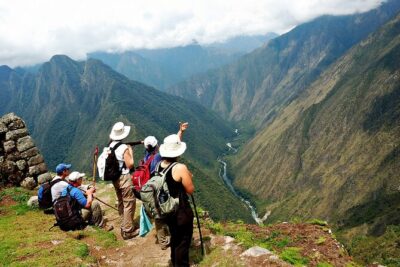
Classic Inca Trail Trek 4D/3N to Machu Picchu (Group Service)
Read our review →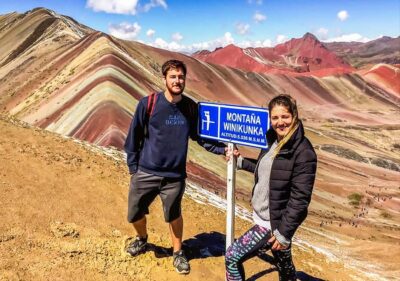
Rainbow Mountain and Red Valley Day Trip with Meals
Read our review →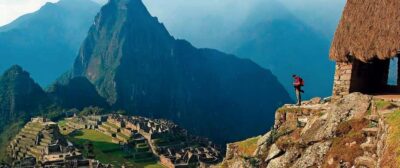
Machu Picchu: 4-Day Inca Trail Trek with Panoramic Train Ride
Read our review →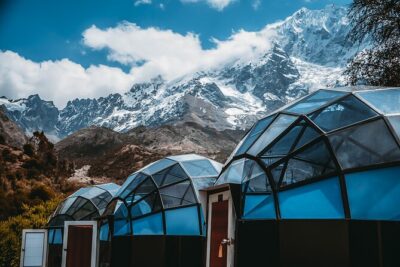


Excursion to Rainbow Mountain Full Day Optional Red Valley
Read our review →