
Reviewed · CITY TOURS
Private: Cusco City Tour With Koricancha
Start with stones that still puzzle engineers. This five-hour private Cusco tour links Qorikancha, Sacsayhuaman, Q’enqo, Pucapucara, and Tambomachay with hotel pickup and private transport. I like the freedom of choosing a morning or afternoon departure, and I like having a guide for the sites rather than simply being dropped at a ruin. The main caution is that entrance fees cost extra, and one booking had a serious pickup communication problem.
The tour costs $85 per person, which is fair if you value a private vehicle and personal guide. Alberto and Alfredo receive particular praise for making the archaeology interesting and helping with photos. I would confirm the pickup details before the day of departure, especially after one customer reported waiting without a response.
In This Review
- Key points at a glance
- Why this private Cusco circuit works well
- Qorikancha: where Inca religion meets colonial Cusco
- Sacsayhuaman and the problem of moving stone
- Q’enqo, a compact ceremonial site
- Pucapucara, a roadside post with a practical purpose
- Tambomachay and the importance of water
- The alpaca farm gives the afternoon a lighter ending
- What $85 buys you
- The guide can make or break the day
- Morning or afternoon: which departure should you choose?
- Who should book this tour?
- Practical details before you reserve
- Should you book it?
- FAQ
- How long does the Cusco city tour last?
- What time does the tour start?
- Is hotel pickup included?
- Is this a private tour?
- What sites are included?
- Are entrance fees included?
- Is the alpaca farm visit included?
- What is the cancellation policy?
Key points at a glance
- Qorikancha begins the story: See the Inca temple complex devoted to the sun, moon, stars, lightning, rainbow, and water.
- Private transport keeps the circuit simple: Your own party travels between central Cusco and the four hilltop or suburban sites.
- Sacsayhuaman gets the most time: Allow a full hour for the huge fitted stones and broad views above Cusco.
- The morning and afternoon departures help: Pickup is scheduled for 8:00 am or 1:30 pm, so you can fit the tour around other plans.
- The alpaca farm adds a lighter finish: After Tambomachay, you stop for photos with llamas and alpacas before returning to the city.
- Budget for entrance tickets: The tourist ticket is PEN70 per person, and Qorikancha costs another PEN20.
Why this private Cusco circuit works well
Cusco is easier to understand when you see its major Inca sites in one connected outing. The city center gives you Qorikancha, while the four outer stops show how the Inca used stone, water, religion, defense, and roadside facilities around the imperial capital.
I like the private format here. You are not tied to the pace of a large group, and your guide can focus on your party. That matters at places such as Sacsayhuaman, where a quick explanation of the stonework adds much more than a few photographs.
The tour lasts about five hours. That is long enough to reach the main sites without turning the day into an all-day archaeological marathon. The vehicle also saves you from arranging separate taxis between Cusco and the ruins.
Pickup and drop-off at your Cusco accommodation are included. The morning tour begins at 8:00 am, while the afternoon option begins at 1:30 pm. The afternoon departure is useful if you want a slower morning, though the morning schedule gives you more time afterward for independent sightseeing.
More City Tours in Cusco
- Cusco: Half-Day City Tour with Sacsayhuaman and Q’enco
★ 4.6 · 1,129 reviews - City Tour Cusco Qoricancha Sacsayhuaman y Tambomachay
★ 4.7 · 617 reviews - Cusco City Tour Four Ruins in Half-Day
★ 5.0 · 530 reviews
Qorikancha: where Inca religion meets colonial Cusco
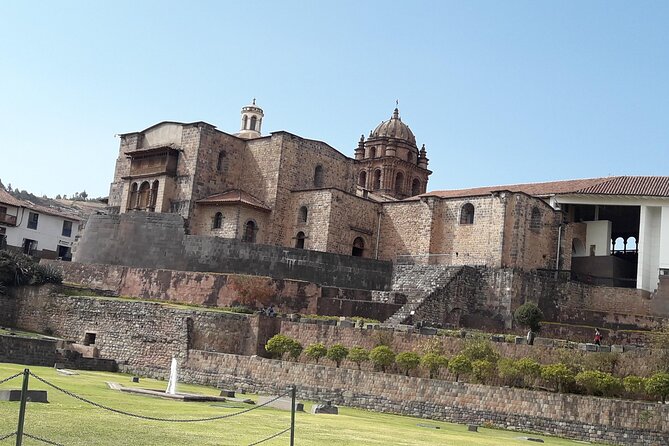
The first stop is Qorikancha, also written Koricancha. It sits in central Cusco and once served as one of the Inca world’s most important religious centers.
The complex includes temples devoted to the sun, moon, stars, lightning, rainbow, and water. Those subjects show how the Inca connected religion with the natural world. Your guide can help separate the different layers of the site, which is especially useful in Cusco, where Inca foundations and later colonial construction often share the same space.
The visit lasts about 45 minutes. That is enough for an introduction, but not so long that the whole tour gets bogged down at the first stop. If you enjoy architecture, this is likely to be one of the most important parts of the outing.
Admission is not included. The separate Qorikancha ticket costs PEN20 per person. Keep that charge in mind when comparing the tour price with other private options.
Sacsayhuaman and the problem of moving stone
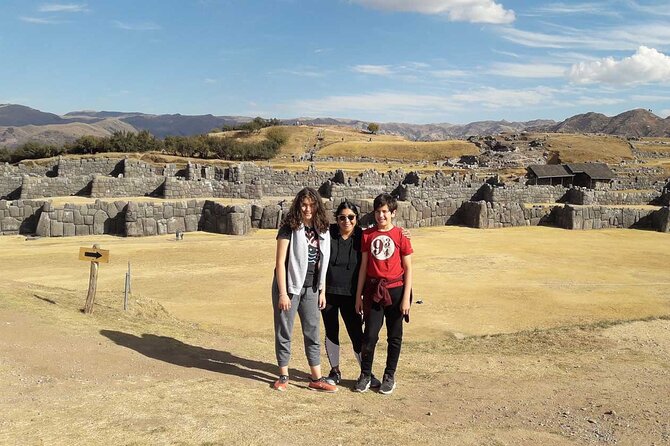
From the city, the tour continues to Sacsayhuaman, the largest and most dramatic stop on the route. The site sits northwest of Cusco and is known for enormous stones fitted together with remarkable precision.
You get about an hour here, the longest single visit of the day. That is sensible. Sacsayhuaman needs time because the scale is hard to grasp from one quick viewpoint. Look closely at the joins between the stones, then step back and consider the size of the walls as a whole.
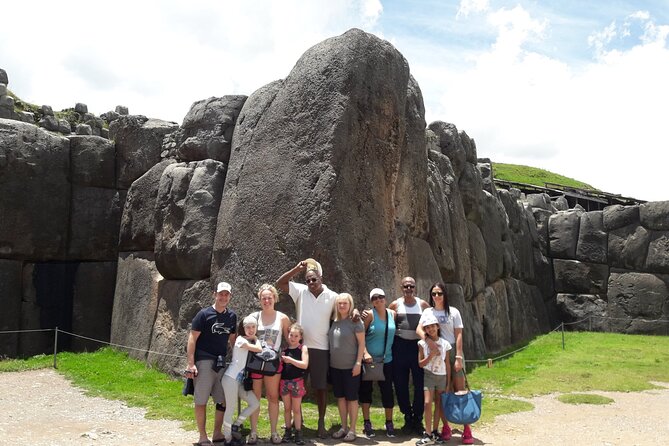
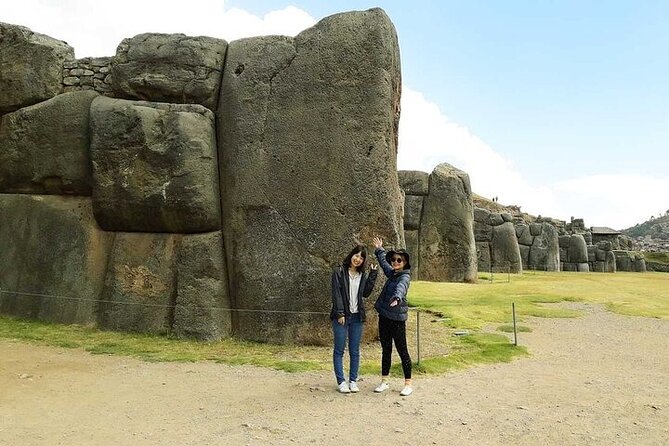
The largest stone is said to weigh about 120 tons. The traditional account connects construction with Pachacutec, the ninth Inca ruler, and describes a project that took roughly 50 years and involved about 20,000 workers. Your guide can put those claims into context and explain why the site mattered to the Inca state.
Sacsayhuaman is listed with free admission on this tour, but the general tourist ticket costs PEN70 per person and is not included. The distinction matters, so ask the operator how the ticket applies to your exact travel date and stops before you go.
Q’enqo, a compact ceremonial site
Q’enqo receives about 30 minutes. It is smaller than Sacsayhuaman, but its purpose gives the tour a different angle.
The site was dedicated to Pachamama, or Mother Earth. A carved cavern was used in ceremonies, and the description of the site connects it with the mummification of ancestors. This is a place where your guide’s explanation matters more than the size of the ruins. Without context, you may see a carved rock and a narrow chamber. With context, the site becomes part of the Inca relationship with land, ancestors, and ritual.
Admission is not included. Since the overall tourist ticket costs PEN70 per person, plan for that extra expense rather than assuming every stop is included in the $85 price.
The 30-minute visit is short but reasonable. Q’enqo works best as a focused stop between the larger sites, not as a place where you need half a morning.
A few more Cusco trips worth lining up side by side
- Classic Inca Trail Trek 4D/3N to Machu Picchu (Group Service)
★ 5.0 · 8,653 reviews - Cusco: Rainbow Mountain and Red Valley Day Trip with Meals
★ 4.9 · 4,893 reviews - Machu Picchu: 4-Day Inca Trail Trek with Panoramic Train Ride
★ 5.0 · 4,568 reviews - Salkantay Classic Trek 5 Days from Cusco
★ 5.0 · 4,062 reviews
Pucapucara, a roadside post with a practical purpose
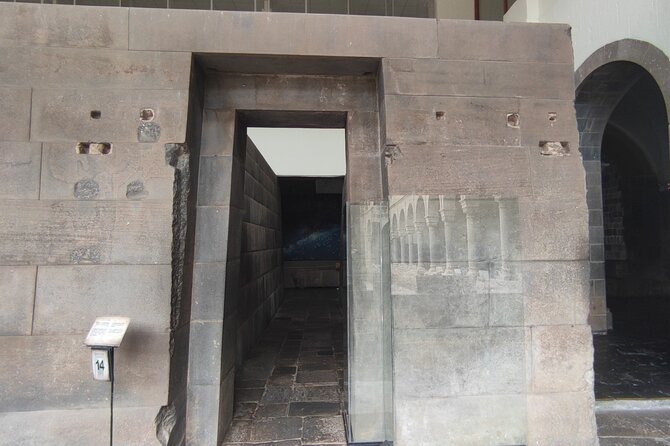
Pucapucara is often described through its practical role. It served as a tambo, or resting place, for people moving through the region. It also helped control movement between the Sacred Valley and Cusco.
You spend about 30 minutes here. That gives you time to see the stone remains and understand how the Inca network depended on more than temples and palaces. Roads, rest points, and control stations helped connect the empire.
I appreciate this stop because it broadens the picture. The tour is not only about grand religious monuments. It also shows the systems that supported travel and administration.
Admission is listed as free for this stop. As with the other outer sites, your guide provides the explanation that turns a brief visit into a useful piece of the larger story.
Tambomachay and the importance of water
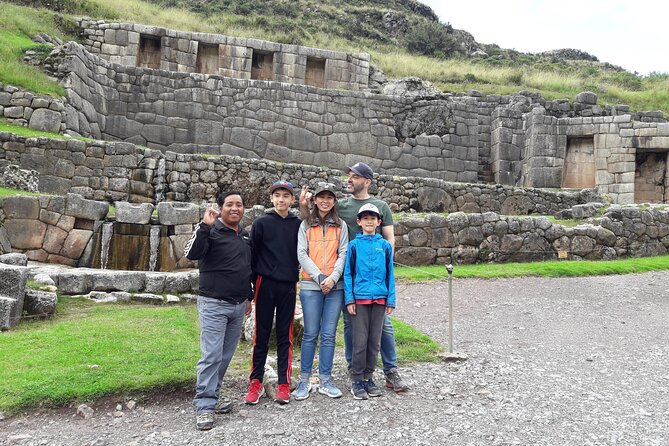
Tambomachay is the final Inca site. The visit lasts about 45 minutes and focuses on water, ceremony, and purification.
The site contains ceremonial fountains associated with the worship of water. People coming from the Sacred Valley to Cusco also used the fountains for purification baths. The setting makes this a fitting final ruin: after seeing massive walls and ritual chambers, you finish with a quieter site built around flowing water.
Admission is not included, so the PEN70 tourist ticket remains an important part of your budget. The tour description also lists the alpaca farm visit as included, creating a pleasant change of pace after the archaeological stops.
The alpaca farm gives the afternoon a lighter ending
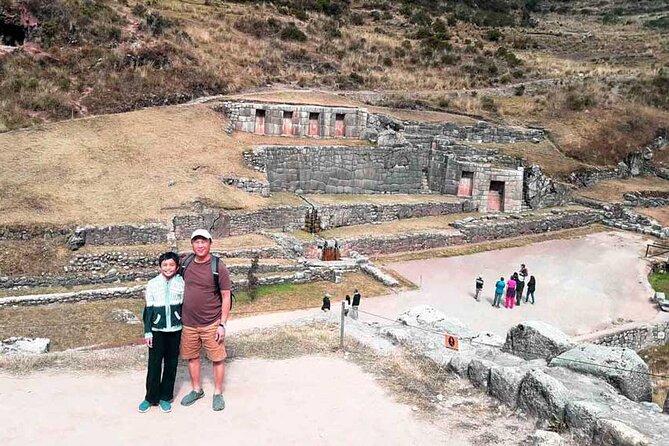
After Tambomachay, the vehicle stops at an alpaca farm on the way back to Cusco. The purpose is simple: photos with llamas and alpacas.
This part will appeal most if you want a relaxed, friendly finish rather than five straight hours of ruins and explanations. It also gives you a chance to take the kind of pictures that are difficult to arrange during a formal site visit.
The alpaca farm visit is included. The information does not specify how long you stay or whether any additional purchase is expected, so you may want to ask your operator if those details matter to you.
What $85 buys you
At $85 per person, this is not the cheapest way to see Cusco’s ruins. You are paying for a private experience, hotel pickup and drop-off, private tourist transportation, a professional guide, and the alpaca farm visit.
The price makes more sense for two or more people sharing the private outing. A minimum of two people is required, and only your party participates. If you are traveling with family or friends, the cost buys convenience and a more personal pace.
You still need to add PEN70 per person for the tourist ticket and PEN20 per person for Qorikancha. Those charges bring the real cost above the advertised price, but the structure is easy to understand once you include them in your planning.
I would choose this tour over a standard group trip if you want hotel pickup and a guide who can spend time answering your questions. I would choose a cheaper shared option if your main goal is simply transportation to the ruins.
The guide can make or break the day
The strongest praise centers on the guides. Alberto is described as warm, well informed, and able to make the cultural material interesting. He also took photos for the party, a small service that can be genuinely useful when you are traveling as a couple or family.
Alfredo receives similar praise for his explanations, energy, and care with photographs. Those comments suggest that the guiding can be a real strength, though you should remember that a private tour’s quality depends on the individual guide assigned that day.
The provider is Oldstone Adventures. One customer had a poor experience after booking the day before departure, reporting no response to messages and no pickup at the hotel. The provider apologized and explained that an email system problem delayed the messages.
That explanation does not erase the practical lesson: confirm the pickup time and meeting details before the tour date. If you do not receive a response, contact the provider again through the booking platform. This is especially important if your time in Cusco is limited.
Morning or afternoon: which departure should you choose?
The morning departure is scheduled for 8:00 am. Choose it if you want to finish earlier and keep the rest of the day open. It also gives you more flexibility if you want to visit another central Cusco attraction afterward.
The afternoon departure is scheduled for 1:30 pm. Choose it if you prefer a slower start or already have plans in the morning. Since the tour lasts about five hours, the afternoon option will take up much of the rest of your day.
The information does not promise different stops or different prices for the two departures. The route is designed to be the same, so your choice mainly comes down to how you want to arrange your day.
Who should book this tour?
I would recommend this experience to you if you want the main Inca sites around Cusco in one private outing. It suits first-time visitors who want a clear introduction, couples who prefer their own vehicle, and families who may need a more flexible pace.
It also works well if you want both archaeology and a simple photo stop with alpacas. The mix keeps the tour from feeling too serious from beginning to end.
You may want something else if you prefer long, unhurried visits at every site. The schedule covers five stops in about five hours, so the 30-minute visits at Q’enqo and Pucapucara are introductions rather than extended studies.
You should also reconsider it if you do not want to pay entrance fees separately. The advertised $85 price does not include the PEN70 tourist ticket or PEN20 Qorikancha admission.
Practical details before you reserve
The experience requires at least two people. Confirmation is provided when you book, and the tour is described as suitable for most people. It is also near public transportation, though hotel pickup and drop-off are included.
The cancellation terms are straightforward. You can receive a full refund if you cancel at least 24 hours before the local start time. Cancellations or changes made inside that 24-hour window are not accepted for a refund. If the minimum number is not reached and the operator cancels, you are offered another date or experience, or a full refund.
Because the tour is private, your group is the only group participating. That is the central value here: private transportation, a dedicated guide, and a route that connects the city with the surrounding ruins without making you arrange each ride yourself.
Should you book it?
Yes, if you want a convenient private introduction to Cusco’s major Inca sites and like the idea of finishing with llamas and alpacas. The strongest reasons to book are the private vehicle, hotel pickup, five-stop route, and the chance to have a guide such as Alberto or Alfredo explain the sites and help with photographs.
Book with two checks in mind. Add PEN90 per person for the listed entrance fees, and confirm your pickup details before departure. If you can accept those extra costs and the fairly brisk schedule, this is a well-priced way to get your bearings around Cusco without surrendering the day to a large group.
FAQ
How long does the Cusco city tour last?
The tour lasts approximately five hours.
What time does the tour start?
The morning tour starts at 8:00 am. An afternoon departure is also offered at 1:30 pm.
Is hotel pickup included?
Yes. Pickup and drop-off at your Cusco accommodation are included.
Is this a private tour?
Yes. Only your party participates in the activity.
What sites are included?
The route includes Qorikancha, Sacsayhuaman, Q’enqo, Pucapucara, and Tambomachay, followed by an alpaca farm visit.
Are entrance fees included?
No. The tourist ticket costs PEN70 per person, and the Qorikancha ticket costs PEN20 per person.
Is the alpaca farm visit included?
Yes. The alpaca farm visit is included in the tour.
What is the cancellation policy?
You can cancel for a full refund up to 24 hours before the local start time. Changes or cancellations made less than 24 hours before departure are not accepted for a refund.
Added recently around Cusco
- Guided tour of the mountain of colors in Cusco★ 5.0 · 11 reviews
- 2-Day Private Short Inca Trail to Machu Picchu★ 5.0 · 15 reviews
- City Tour Cusco – Group★ 5.0 · 4 reviews
- Tour Sacred Valley with Maras and Moray★ 5.0 · 15 reviews
- San Pedro Market Tour with Peruvian Cooking Class★ 5.0 · 31 reviews
- Walking Culinary Experience★ 5.0 · 41 reviews
- City Tour in Cusco★ 4.5 · 10 reviews
- One Day Tour to Humantay Lagoon★ 5.0 · 8 reviews
City Tours, compared.
Lima Half-Day City Walking Tour (Small Groups)
Read our review →
Half-Day City Tour with Sacsayhuaman and Q’enco
Read our review →
City Tour Panoramic Bus Departure From Larcomar
Read our review →
City Tour Cusco Qoricancha Sacsayhuaman y Tambomachay
Read our review →
Lima’s Vibrant Heritage: Exploring the City’s Landmarks Half-day
Read our review →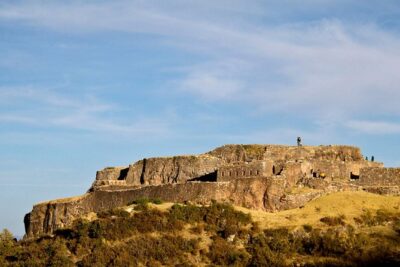
Sightseeing Tour of the City on an Open-Top Bus
Read our review →
Lima City, Central Market & Catacombs Tour (Pick-up & Drop Off)
Read our review →Browse the lists this tour appears in