
Reviewed · MACHU PICCHU TOURS
Salkantay Treking to Machupicchu Operational Services
High passes meet jungle trails here. I like the mix of Humantay Lake, Salkantay Pass, Llactapata, and Machu Picchu, along with the small-group limit of 15 people. I also like that the $315 price covers a guide, four breakfasts, four lunches, four dinners, three camping nights, and a basic hostel in Aguas Calientes.
The main catch is that Machu Picchu admission, the return train, and the return bus are not included. Communication also deserves care: one booking led to confusion because the passenger was not told about the operator’s pre-departure meeting and had to borrow cash and supplies from other people in the group.
In This Review
- Key points before you book
- What the $315 price really covers
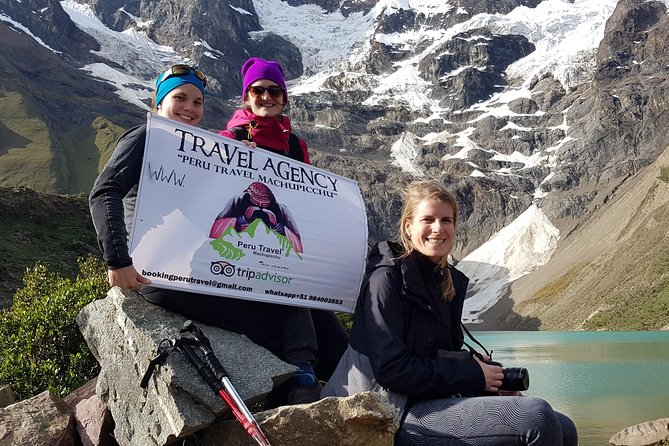
- Day 1: Humantay Lake and the first night at Soraypampa
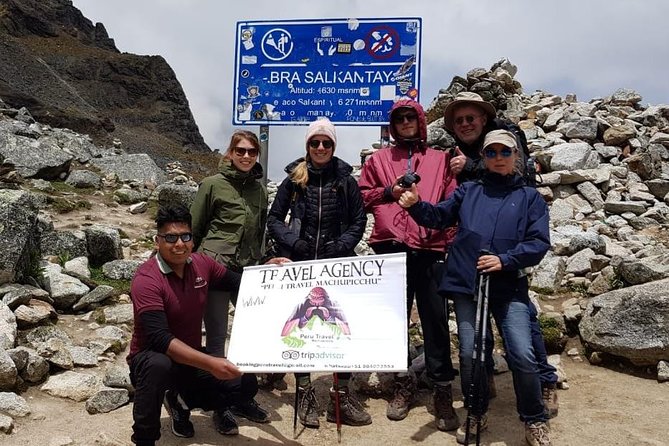
- Day 2: The 4,600-meter Salkantay Pass
- Day 3: A shorter hike and optional Cocalmayo hot springs
- Day 4: Llactapata, Hidroelectrica, and the walk to Aguas Calientes
- Day 5: Machu Picchu, with the main arrangements left to you
- The group size and guide support
- Camping, food, and what to carry
- Is the trek good value?
- Who should book this Salkantay route?
- Should you book it?
- FAQ
- How long is the Salkantay Trek to Machu Picchu?
- What is included in the price?
- Is the Machu Picchu entrance ticket included?
- Are the train and bus back to Cusco included?
- How much does Humantay Lake cost?
- Is the Cocalmayo hot springs visit included?
- What fitness level is required?
Key points before you book
- Humantay Lake comes on the first day, after a very early pickup and a short breakfast stop in Mollepata.
- Salkantay Pass reaches 4,600 meters, making the second day the hardest and highest part of the trek.
- Cocalmayo hot springs cost 40 soles extra, including transport and entry.
- The horse carries 5 kilograms only for part of the trek, then returns to Mollepata on Day 4.
- You arrange Machu Picchu entry yourself, and high-season availability may require an extra night in Aguas Calientes.
- A 14:30 bus leaves Hidroelectrica for Cusco, but the road is not recommended during rainy weather because of possible landslides.
What the $315 price really covers
At $315 per person, this is a reasonably priced multi-day trek, but it is not an all-in Machu Picchu package. The price pays for the basic structure of the hike: transport from Cusco to Mollepata, a Spanish and English-speaking guide, meals, camping for the first three nights, and one night in a basic hostel in Aguas Calientes.
You receive four breakfasts, four lunches, and four dinners. That matters on a route where food logistics would otherwise be awkward. You also have a horse carrying up to 5 kilograms of your belongings during the early part of the trek, which reduces the load during the high-altitude days.
Several costs remain outside the headline price:
- Machu Picchu entrance: PEN 162 per person
- Humantay Lake entrance: PEN 20 per person
- Cocalmayo hot springs: PEN 40, including round-trip bus transport and entry
- Sleeping bag
- Trekking poles
- Train back to Cusco
- Bus back to Cusco
The largest unknown is your return from Aguas Calientes. You must arrange the train and any onward bus yourself after you know your Machu Picchu entry time. I would budget for these separately before booking, rather than treating $315 as the final cost.
Longer treks from Cusco:
- Salkantay Classic Trek 5 Days from Cusco
★ 5.0 · 4,062 reviews - 4-Day Salkantay Trek with Sky Camp Stay
★ 5.0 · 3,346 reviews - Salkantay Trek 5D/4N with Glass Cabins, Domes and Hobbit House
★ 5.0 · 2,488 reviews
Day 1: Humantay Lake and the first night at Soraypampa
The day begins early, with pickup from your hostel, hotel, or Airbnb between 4:00 and 4:30 in the morning. The bus goes first to Mollepata, where you can stop for breakfast at an extra cost of 15 soles. After another 40 minutes by bus, you reach Marcosapa at about 3,700 meters.
From there, you hike to Soraypampa at roughly 3,900 meters. This is the first camping area, where lunch and dinner are provided. The elevation is already serious, so do not treat this as a gentle warm-up simply because the walking distance is shorter than later days.
After lunch, you visit Humantay Lake. The walk takes about three hours round trip, and entry costs 20 soles. The route gives you an immediate taste of the altitude and the rough footing that defines the trek.
The guide stays with the group, and a horse carries 5 kilograms of your belongings. Confirm exactly how your luggage will be labeled and transferred before leaving Cusco. A small bag for the day should still contain water, rain protection, warm layers, snacks, and anything you need during the hike.
The early pickup is practical, but it makes Day 1 a long day in real terms. You are leaving before dawn, riding a bus, hiking uphill, eating lunch, and then walking to Humantay Lake. If you have not adjusted to Cusco’s altitude, this first day may feel harder than the schedule suggests.
Day 2: The 4,600-meter Salkantay Pass
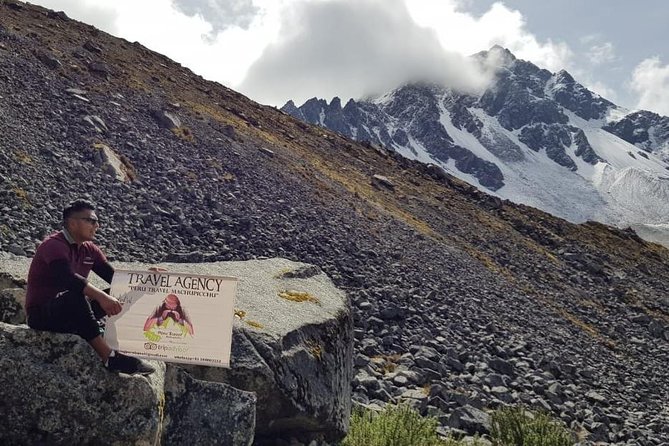
Day 2 starts at 5:00 in the morning. You walk for about nine hours in total, first climbing toward Salkantay Pass at 4,600 meters. This is the physical center of the trek and the day that should guide your booking decision.
The route then drops toward Colpapampa, at about 2,700 meters, where you camp. That descent brings a welcome change in air and temperature. It also places more strain on knees and ankles, especially after the climb to the pass.
The guide remains with the group, and the horse continues carrying up to 5 kilograms. Even so, you should be ready to carry a daypack for nine hours. The tour requires a moderate fitness level and is not recommended for people with respiratory problems.
I would take the altitude seriously. The itinerary does not promise an acclimatization day, and the second day reaches 4,600 meters. If you have just arrived in Cusco, this is a demanding way to begin a holiday. You should plan your wider Peru trip with altitude in mind, even though the operator only formally lists moderate fitness as a requirement.
Day 3: A shorter hike and optional Cocalmayo hot springs
Another 5:00 wake-up gets you moving on Day 3. The hike takes about five hours, and you reach the Lucmabamba camping area around noon. That leaves the afternoon free, which is a useful break after the long pass day.
The optional Cocalmayo visit costs 40 soles. This includes the bus round trip and entry to the hot springs. The stated visit takes about two hours, after which you return to Lucmabamba for dinner and sleep.
This is the most flexible day of the route. You can use the free afternoon to rest, or pay extra for the hot springs. I like that the optional activity is clearly priced, rather than quietly added to the trip cost.
Still, the hot springs are not part of the $315 package. Bring enough cash in Peruvian soles for this and the other admission charges. One traveler booked through a third party later had to borrow cash and important items from people in the group because the pre-trip information was incomplete, so I would not rely on vague instructions.
Other ways to reach Machu Picchu:
- Classic Inca Trail Trek 4D/3N to Machu Picchu (Group Service)
★ 5.0 · 8,653 reviews - Machu Picchu: 4-Day Inca Trail Trek with Panoramic Train Ride
★ 5.0 · 4,568 reviews - Short Inca Trail to Machu Picchu 2D/1N
★ 5.0 · 3,007 reviews - 2-Day Inca Trail to Machu Picchu with Panoramic Train
★ 5.0 · 1,876 reviews
Day 4: Llactapata, Hidroelectrica, and the walk to Aguas Calientes
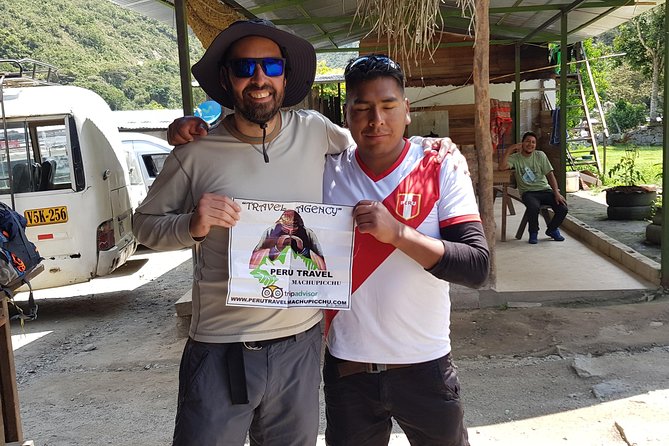
Day 4 begins at 5:00 with breakfast, followed by roughly four hours of hiking to Llactapata. The viewpoint gives you a distant view of Machu Picchu, which changes the mood of the trip. Until this point, the trek is mainly about mountain country and remote camps. Here, the final destination comes into sight.
After Llactapata, you continue to Hidroelectrica for lunch. This is an important luggage checkpoint. The horse returns to Mollepata, so you must carry your belongings from this point onward unless you pay 20 soles to send them to Hidroelectrica by bus.
The guide can help with that transfer, and there is free storage at the restaurant in Hidroelectrica. This is especially useful if you plan to return to Cusco by bus rather than train. The daily bus leaves Hidroelectrica at 14:30, so you can leave larger bags in storage instead of carrying everything to Aguas Calientes and back.
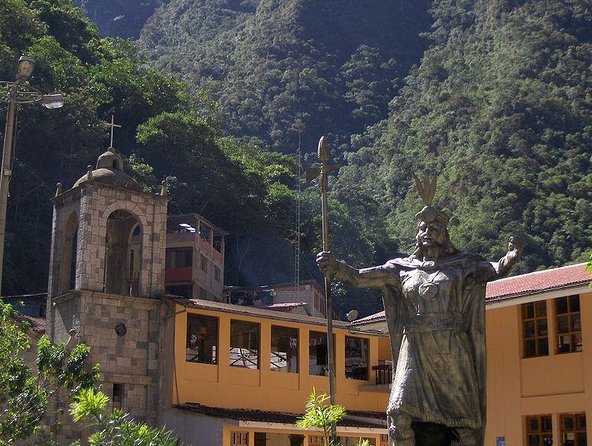
After lunch, the group walks about two and a half hours to Aguas Calientes, also called Machu Picchu Pueblo. The route is long enough to feel tiring after the morning hike, but the evening brings a basic hostel, hot water, Wi-Fi, and the final dinner included in the tour.
This is the night when you need to confirm your Machu Picchu plans. The supplied itinerary says the Day 5 visit is not guided and does not include the entry ticket, bus, or return train. Keep your ticket details, circuit, entry time, and return transport plans together. You do not want to discover a missing reservation while standing in Aguas Calientes.
Day 5: Machu Picchu, with the main arrangements left to you
The final day is self-guided. You visit the Historic Sanctuary of Machu Picchu on your own because the tour does not include admission or a guide inside the site.
The operator explains that entry can be difficult to secure and that the available circuit and time may not be known until you ask at the Ministry of Culture office in Aguas Calientes. In high season, you might need to wait an extra night for an available ticket.
This arrangement gives you flexibility, but it also shifts a major part of the trip onto your shoulders. You must secure the Machu Picchu ticket, then arrange the bus up to the site and the train back. The train office in Aguas Calientes can sell tickets, and online booking is also possible.
The return route needs careful timing. If you plan to use the bus to Cusco from Hidroelectrica, it leaves at 14:30 each day. The itinerary specifically warns against using that road during the rainy season because rain can cause landslides.
For many people, the train will be the simpler return choice, but the tour price does not cover it. Your choice depends on budget, weather, ticket availability, and how much coordination you want to handle after four days of hiking.
The group size and guide support
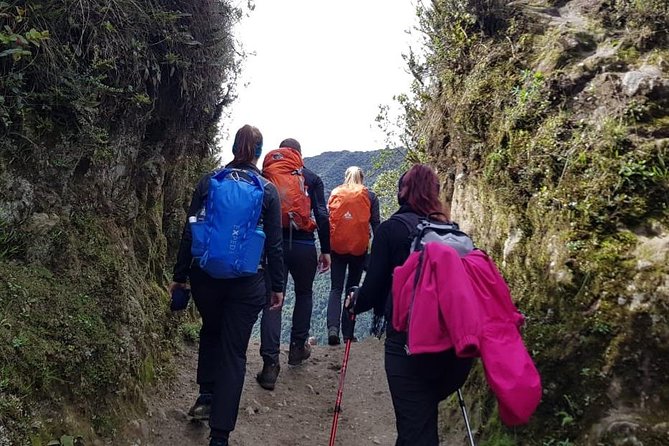
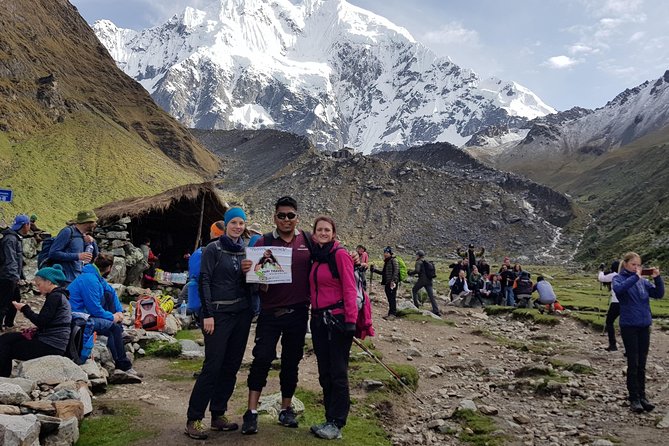
The maximum group size is 15 people. That is small enough for the guide to keep track of the group and provide a more personal experience than a large coach-style excursion.
A guide is present throughout the first four hiking days and speaks Spanish and English. This matters on the high pass, during luggage transfers, and when the group needs to understand changes in timing or transport.
The arrangement is not fully guided on Day 5. You should see the guide’s support as ending before the Machu Picchu visit itself. Ask clear questions in advance about where to collect luggage, where to meet after the site visit, and which transport you have booked.
There is one important operator concern. A passenger who booked through Linda Tours reported that the trek itself was operated by another company, identified as KB, and that direct KB customers received a pre-departure meeting that the Linda Tours customer did not. The same passenger described missing or incorrect information and a stressful bus return.
That does not mean the trek operation is poor. The same account specifically described KB as good. It does mean you should confirm the actual operating company, meeting time, packing list, cash needs, and return plan before departure. A written message with those details is worth requesting.
Camping, food, and what to carry
The first three nights are camping nights, followed by one basic hostel night in Aguas Calientes. The hostel includes hot water and Wi-Fi, but the accommodation is described as basic. You should expect function rather than comfort.
Meals include four breakfasts, four lunches, and four dinners. The itinerary does not provide menus or dietary details, so ask the operator directly if you have food restrictions. Mollepata breakfast is an extra 15 soles, not part of the included meals.
A sleeping bag and trekking poles are not included. You can bring your own or arrange them separately, but do not assume they will be supplied. You also need cash for Humantay Lake, Cocalmayo, breakfast in Mollepata, the possible 20-sole luggage transfer, and transport after the trek.
Pack in two parts:
- A small daypack for water, rain gear, layers, snacks, and personal items
- A separate bag of up to 5 kilograms for the horse to carry during the first part
On Day 4, plan to carry your belongings yourself from Hidroelectrica unless you pay for the transfer. That detail is easy to miss and can change how comfortable the final hiking days feel.
Is the trek good value?
I think it offers good value for the hiking portion. You get five days of transport, food, a guide, camping, a hostel, and a horse for part of your luggage at a price well below many fully arranged Machu Picchu packages.
The value drops if you expect the price to cover the entire journey to and from Machu Picchu. The entrance fee alone is PEN 162, and the train, bus, optional sights, sleeping bag, and poles all add to the final bill.
The itinerary also requires more planning than the low price might suggest. You are not simply following a guide from Cusco to Cusco. You must handle the most important reservation, Machu Picchu entry, and arrange your return transport.
The published score is 4.8 from 23 ratings, with 96 percent recommending the experience. That is encouraging, but I would give equal weight to the communication warning. The best way to protect the value of your booking is to confirm every loose end before you leave Cusco.
Who should book this Salkantay route?
You should consider it if you want a physically demanding route with several major sights packed into five days. Humantay Lake, Salkantay Pass, Cocalmayo, Llactapata, and Machu Picchu provide plenty of variety.
It suits people who are comfortable with early starts, basic camping, long hiking days, high altitude, and changing transport arrangements. A small group can also appeal if you prefer a quieter trip than a large organized departure.
I would hesitate if you have respiratory problems, dislike carrying your own luggage, or want every ticket and transfer handled by one company. I would also avoid relying on the 14:30 Hidroelectrica bus during rainy weather.
Book only after confirming the operating company and the pre-departure briefing. Ask for the packing list, the exact cash requirements, and clear instructions for Machu Picchu tickets and the return journey.
Should you book it?
Book this trek if the hiking is your main goal and you are happy to manage the final Machu Picchu details yourself. The route offers strong scenery, meaningful viewpoints, a manageable group size, and useful inclusions for $315.
Do not book it expecting a complete door-to-door package. The tour ends with several important decisions still in your hands, and the communication problem reported through Linda Tours is a serious reason to confirm details in writing. For an organized trek with a low base price, it can be a good choice, but only for a prepared and reasonably fit hiker.
FAQ
How long is the Salkantay Trek to Machu Picchu?
The experience lasts approximately five days.
What is included in the price?
The price includes one-way bus transport from Cusco to Mollepata, a Spanish and English-speaking guide, a horse carrying up to 5 kilograms of belongings, three camping nights, one basic hostel night in Aguas Calientes, four breakfasts, four lunches, and four dinners.
Is the Machu Picchu entrance ticket included?
No. The entrance ticket costs PEN 162 per person and must be arranged separately.
Are the train and bus back to Cusco included?
No. You arrange the return train and bus yourself. A bus from Hidroelectrica to Cusco leaves daily at 14:30.
How much does Humantay Lake cost?
The Humantay Lake entrance fee is PEN 20 per person and is not included.
Is the Cocalmayo hot springs visit included?
No. The optional visit costs 40 soles, including the round-trip bus and entry ticket.
What fitness level is required?
A moderate level of physical fitness is required. The tour is not recommended for people with respiratory problems, and Day 2 includes about nine hours of walking to and from the 4,600-meter Salkantay Pass.
Added recently around Cusco
- Super valley or vip valley★ 5.0 · 13 reviews
- the Incas’ Sacred Valley★ 5.0 · 27 reviews
- Sacred Valley of the Incas Day Trip from Cusco★ 5.0 · 6 reviews
- Small-Group Tour: Rainbow Mountains Hiking from Cusco★ 4.0 · 5 reviews
- Excursion to the Sacred Valley of the Incas from Cusco★ 5.0 · 8 reviews
- Maras + Moray & Textile Experience★ 5.0 · 14 reviews
- Tour EN Cuatrimoto POR la Montaña 7 Colors Hike 5 Minutes★ 4.5 · 32 reviews
- rainbow mountain★ 4.0 · 4 reviews
Machu Picchu Tours, compared.
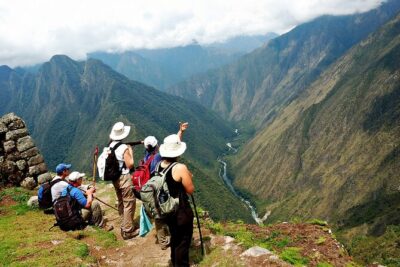
Classic Inca Trail Trek 4D/3N to Machu Picchu (Group Service)
Read our review →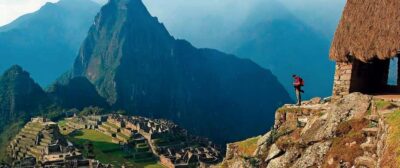
Machu Picchu: 4-Day Inca Trail Trek with Panoramic Train Ride
Read our review →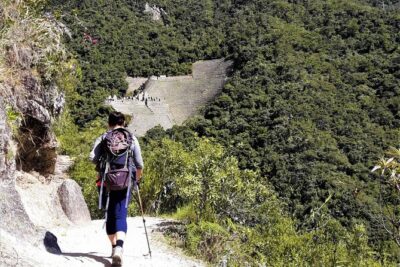
2-Day Inca Trail to Machu Picchu with Panoramic Train
Read our review →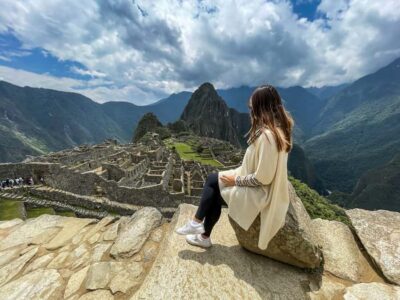
2-Day Tour: Sacred Valley and Machu Picchu by Train
Read our review →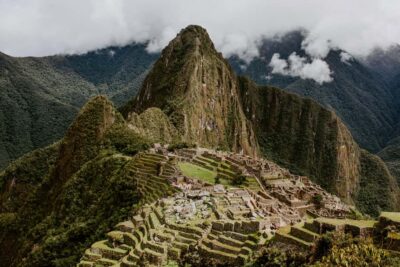
Machu Picchu: Full-Day Tour from Cusco with Optional Lunch
Read our review →Browse the lists this tour appears in