Reviewed · CUSCO TOURS
Shamanic Andean Ceremonies: Cleansing & Gratitude at Moon Temple
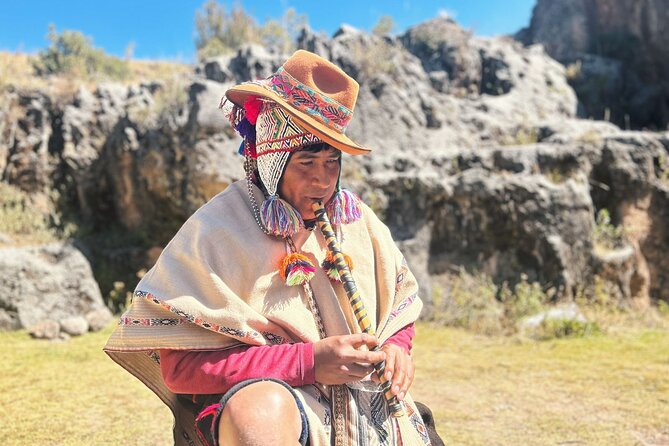
Ancient rituals meet a quiet hillside outside Cusco. This four-hour private outing takes you from the city to the Moon Temple, then on foot to Pachamama Temple for a coca leaf reading, cleansing, flourishing ceremony, and offering to Mother Earth. I like the intimate format and the chance to take part in living Andean traditions rather than simply look at old stones. I also like that a guide translates between English, Spanish, and Quechua.
The main consideration is that this is a spiritual ceremony, not a standard sightseeing stop. You will walk about 15 minutes to the temple, and the meaning of the rituals may feel personal or unfamiliar. At $125 per person, the value depends on your interest in cultural connection and guided participation, not on how many attractions you can check off.
In This Review
- Key things to know before you book
- Why this Cusco ceremony feels different
- Reaching the Moon Temple from Cusco
- The coca leaf reading sets the direction
- Cleansing and a fresh start
- Receiving blessings through the flourishing ceremony
- Giving thanks in the final Pachamama offering
- What the private format adds
- Is $125 a fair price?
- Who should choose this experience?
- Should you book the Moon Temple ceremony?
- FAQ
- Where does the ceremony take place?
- How long does the experience last?
- What ceremonies are included?
- Is transportation included?
- Is this a private activity?
- What languages are supported?
- Are food and drinks included?
- Can I cancel for a full refund?
Key things to know before you book
- The Moon Temple is only the starting point: The ceremony takes place at Pachamama Temple after a short 15-minute walk.
- A Q’eros shaman leads the rituals: The ceremonies come from traditions associated with the Q’eros community, described as the last Inca nation in the Andes of Peru.
- The coca leaf reading comes first: It provides the spiritual direction for the cleansing ceremony that follows.
- This is a private experience: Only your group participates, giving the ceremony a quieter and more personal setting.
- Your guide translates three languages: English, Spanish, and Quechua are included in the guiding and interpretation.
- The experience is highly praised: It has a 4.9 rating from 15 reviews, with 100 percent recommending it.
Why this Cusco ceremony feels different
Cusco offers no shortage of ruins, markets, and day trips. This experience takes a different route. Instead of focusing on architecture or scenery, it asks you to spend several hours with Andean ritual, symbolism, and gratitude.
The setting matters. You leave central Cusco by private vehicle and head toward the Moon Temple, an area connected with ancient Inca religious practice. From there, you walk to Pachamama Temple, where the main ceremonies take place. The walk is short, but it creates a useful break between ordinary sightseeing and the more focused part of the morning.
I like that the experience does not treat the ceremony as a quick photo stop. The four parts follow a clear order, and each one has a purpose. First comes reflection through the coca leaves. Then comes cleansing. After that, the shaman performs a flourishing ceremony to receive goodness from Pachamama. The final offering gives something back to the Earth.
That sequence helps you understand what is happening. You are not simply watching a performance with colorful objects and unfamiliar words. You are being guided through a set of ideas: recognize what weighs on you, release it, accept blessings, and express gratitude.
Still, you should arrive with the right expectations. This is not presented as a museum demonstration or an academic lecture. It is a spiritual activity led by an Andean Q’eros shaman. If you prefer your cultural visits to remain strictly observational, the direct participation may feel outside your comfort zone.
A few more Cusco trips worth lining up side by side
- Classic Inca Trail Trek 4D/3N to Machu Picchu (Group Service)
★ 5.0 · 8,653 reviews - Cusco: Rainbow Mountain and Red Valley Day Trip with Meals
★ 4.9 · 4,893 reviews - Machu Picchu: 4-Day Inca Trail Trek with Panoramic Train Ride
★ 5.0 · 4,568 reviews
Reaching the Moon Temple from Cusco
Private transportation is included, which makes the morning easier. You do not need to arrange a taxi or work out a route to the outskirts of Cusco on your own. The exact pickup point is not supplied here, so you should confirm that detail when you book.
The Moon Temple is called the first stop, but it is better understood as the arrival point for the ceremony. The main ritual work happens at Pachamama Temple, reached by a walk of about 15 minutes.
That walk is modest, but it is still worth planning for sensible footwear. The information provided does not give the path’s surface, slope, or elevation details, so you should not assume it is fully paved or flat. Most people can participate, and service animals are allowed, but anyone with walking concerns should ask the operator for a more exact description before paying.
The setting outside the city can also help the experience. Cusco’s center is full of traffic, shopkeepers, tour groups, and busy streets. A short ride and walk place you in a calmer setting where the ceremony can receive your full attention.
The coca leaf reading sets the direction
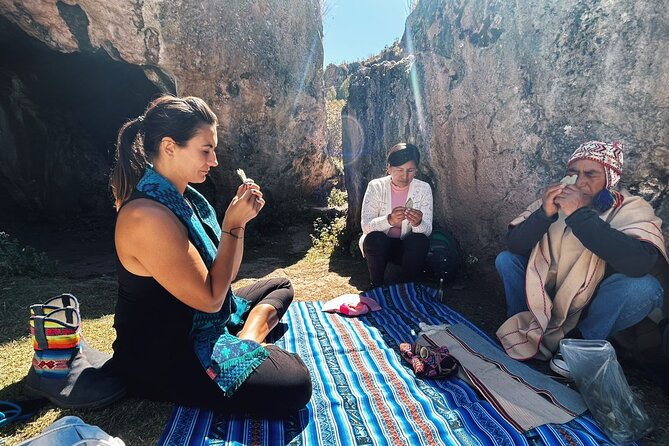
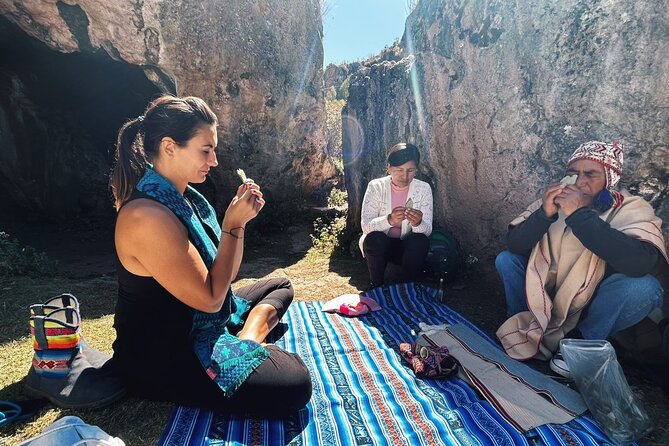
The first ritual is a coca leaf reading. In Andean culture, coca has a place far beyond the legal stimulant associations many people bring from home. Here, the leaves are used in a ceremonial reading intended to offer insight into weaknesses and provide guidance.
You should think of this part as an opening conversation with the ritual. It sets the emotional direction for what follows. The reading is not presented as entertainment or fortune telling in a casual sense. It is used to identify what needs attention before the cleansing begins.
The supplied details do not explain exactly how the reading is conducted or how long it lasts. That is worth asking about if you want a more structured explanation. The guide and translator are there to help you understand the process, including Quechua elements that might otherwise pass you by.
I like the order of this ceremony because it gives the cleansing a reason. Instead of beginning with a general ritual and leaving you to guess at its purpose, the reading first points toward the areas that need release. This can make the next step feel more personal.
At the same time, the reading may not offer the kind of specific answers you would receive from a practical adviser. Its value is symbolic and spiritual. Go in ready to listen, not expecting a guaranteed prediction or a fixed solution.
Cleansing and a fresh start
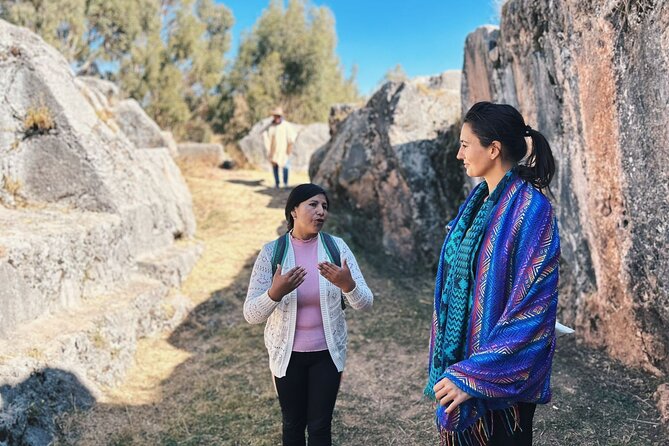
The second stage is the cleansing ceremony. It draws on the reading and is intended to remove negative energies and mark a new beginning.
That language can mean different things to different people. You may see the ceremony as a spiritual reset, a moment of meditation, or a chance to set a clear intention. The operator does not provide a full list of materials or describe each gesture, so you should ask your guide to explain what is being used and what you are expected to do.
The included materials mean you do not need to shop for ceremonial items before leaving Cusco. That is a small but useful detail. It keeps the morning organized and prevents the activity from becoming a scavenger hunt for supplies.
This part may be especially meaningful if you are beginning a longer journey through Peru. One published response describes the ceremony as a way to begin an individual path through Inca lands. That idea fits the format well. You are not merely arriving at a famous site. You are creating a personal marker at the start of your time in the Andes.
Keep your expectations grounded. A ceremony cannot replace professional medical or mental health care, and the experience should not be treated as a cure. Its strength is in reflection, symbolism, and the chance to pause.
Also leaving from Cusco, and nothing like the above:
- Salkantay Classic Trek 5 Days from Cusco
★ 5.0 · 4,062 reviews - 4-Day Salkantay Trek with Sky Camp Stay
★ 5.0 · 3,346 reviews - Short Inca Trail to Machu Picchu 2D/1N
★ 5.0 · 3,007 reviews - Excursion to Rainbow Mountain Full Day Optional Red Valley
★ 5.0 · 2,996 reviews
Receiving blessings through the flourishing ceremony
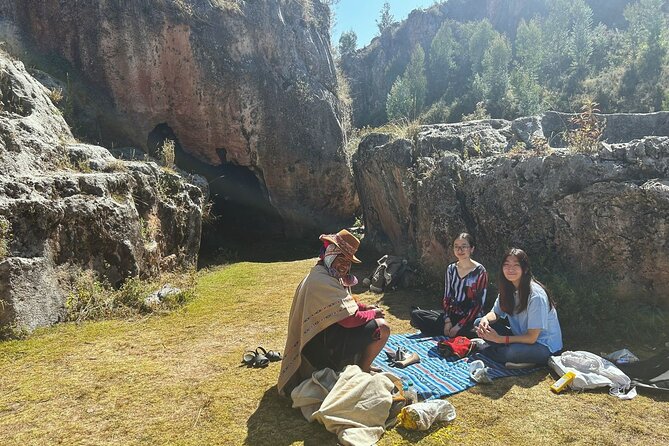
After cleansing, the Q’eros shaman performs a flourishing ceremony. Its purpose is to receive blessings and goodness from Pachamama, or Mother Earth.
The word flourishing suggests growth, well-being, and a wish for good things to take root. In practical terms, this gives the ceremony a positive turn. You have considered difficulties and released unwanted energy. Now the focus changes to receiving support and abundance.
The Q’eros connection is important here. The experience describes these ceremonies as techniques passed down by Maestros from the Q’eros community, identified as the last Inca nation in the Andes of Peru. That gives the ritual a specific cultural setting rather than presenting it as a generic wellness activity.
You should still listen carefully to how the guide explains the tradition. Statements about Inca continuity and Q’eros heritage deserve respect and context. The English, Spanish, and Quechua interpretation is one of the strongest practical features of the morning because it gives you a better chance of understanding the ceremony’s terms and purpose.
A private group also helps at this point. You are not performing a personal ritual in front of a large crowd. Only your own party takes part, which can make it easier to ask questions and respond honestly to the process.
Giving thanks in the final Pachamama offering
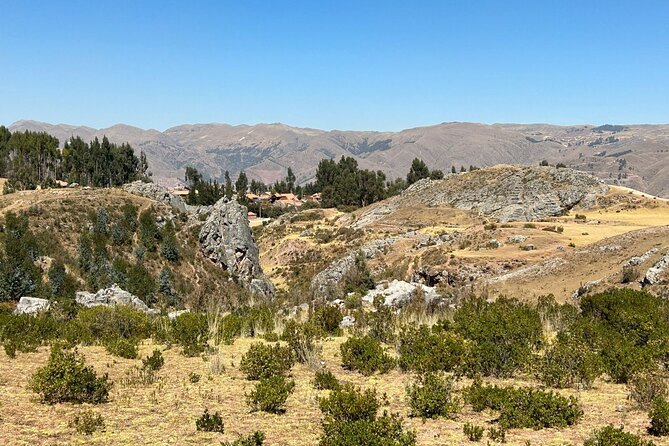
The last ceremony is an offering to Mother Earth. It is described as a gesture of gratitude and balance, based on the idea that people should give back to the Earth as well as receive from it.
This ending is one of the clearest strengths of the experience. The morning does not finish with a request for blessings alone. It closes with thanks. That gives the sequence a satisfying shape: insight, cleansing, receiving, and giving.
The details of the offering are not specified, so you should ask what materials are used and whether your group will prepare or place anything. The operator provides the materials, and the shaman performs the ceremony, but the exact level of participation is not stated.
For you, the value may be less about understanding every object than about recognizing the principle behind the act. Pachamama is not treated as a backdrop. The Earth is addressed as a source of life and as something deserving respect.
That idea can stay with you after the ceremony, even if you do not share every spiritual belief involved. It is a simple reminder that gratitude is not only private. It can also be expressed through how you relate to land, food, and daily life.
What the private format adds
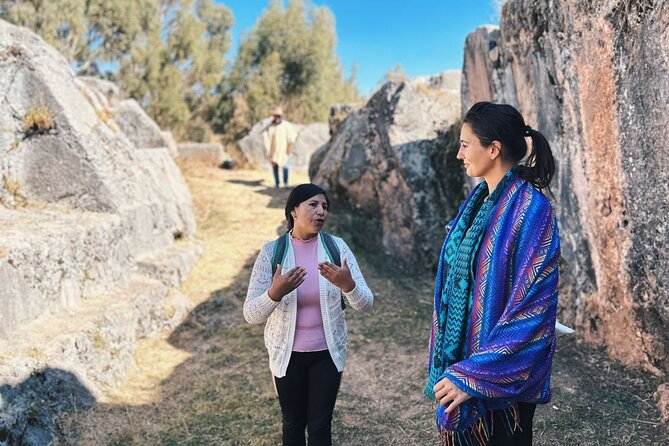
This is a private activity, so only your group participates. That changes the tone in useful ways.
You can ask the guide to pause and explain a Quechua phrase. You can discuss the purpose of the coca leaf reading without worrying about a large group waiting. You can also keep the experience more personal if the ceremony brings up serious or emotional thoughts.
The private format does not guarantee that the shaman will tailor every moment to each person. The information does not specify the maximum group size, and the ritual structure appears to remain the same. Still, private transportation and private participation are meaningful inclusions for a ceremony where quiet attention matters.
The guides are described as professional, and the language support covers English, Spanish, and Quechua. Booking responses are signed by Ruty and Laura from Nature Trips Peru, though the provided information does not state that either person will personally lead your outing. If knowing your guide’s name matters, ask when you reserve.
Is $125 a fair price?
The cost is $125 per person. That is not a bargain-priced Cusco activity, especially when meals and beverages are not included. You should budget for your own food and drinks outside the four-hour experience.
The price makes more sense when you look at what is included: private transportation, ceremony materials, a Q’eros shaman, and a professional guide with translation in three languages. You are paying for a specialized cultural experience rather than a simple transfer to a viewpoint.
I would not choose this tour based on quantity. It does not include several attractions, lunch, or a full day of sightseeing. Its value comes from privacy, interpretation, and access to a ceremony that would be difficult to arrange independently and responsibly.
The strong rating of 4.9 from 15 reviews, along with a 100 percent recommendation rate, supports the idea that the experience works well for people seeking a meaningful ritual. The praise focuses on the guides and the ceremony itself. One five-star response calls it the highlight of a Peru trip and recommends it strongly. Another, written in Spanish, describes it as transformational and as a first step in a personal journey.
Those comments point to the right buyer. If you want a spiritual and cultural encounter, $125 can be reasonable. If you are mainly looking for ruins, scenic overlooks, or a packed sightseeing schedule, you will probably find better value elsewhere.
Who should choose this experience?
I would recommend it most strongly to you if you have an open mind about Andean spirituality and want time for reflection during a Cusco visit. It also suits people who prefer private activities over large groups and who value interpretation instead of simply being shown a site.
It may appeal to couples, families, or small friend groups who want to share a ceremony together. Most people can participate, and service animals are allowed. The walk to Pachamama Temple is only about 15 minutes, though anyone needing detailed mobility information should confirm the path before booking.
You should be comfortable with the possibility that the ceremony feels serious, symbolic, or emotionally direct. This is not a novelty ritual designed only for photographs. The use of coca leaves, cleansing, blessings, and an offering to Pachamama requires respectful participation.
You should also remember that the experience does not include meals or drinks. Since the total duration is about four hours, plan your food around the morning schedule. The stated operating hours are Monday through Sunday from 8:00 AM to 1:00 PM for the listed availability period, from November 9, 2023, through January 21, 2027.
Should you book the Moon Temple ceremony?
Book it if you want a private, carefully guided introduction to Andean ceremonial practice and you are willing to take part with respect. The Q’eros shaman, three-language interpretation, and four-part structure give the morning more substance than a quick cultural demonstration.
Skip it if your main goal is a conventional Cusco tour filled with ruins, facts, and photographs. The ceremony is personal and spiritual, and its rewards depend on your willingness to listen and reflect.
The cancellation terms are friendly: you can receive a full refund if you cancel at least 24 hours before the start time. Changes or cancellations made later are not accepted for a refund. With its strong rating, private format, and focus on gratitude rather than spectacle, this is a good choice for the right kind of morning, one that asks you to slow down and pay attention.
FAQ
Where does the ceremony take place?
The experience begins at Cusco Moon Temple. From there, you take a short walk of about 15 minutes to Pachamama Temple, where the ceremonies take place.
How long does the experience last?
The activity lasts approximately four hours.
What ceremonies are included?
The experience includes a coca leaf reading, a cleansing ceremony, a flourishing ceremony performed by the Q’eros shaman, and an offering to Mother Earth.
Is transportation included?
Yes. Private transportation is included.
Is this a private activity?
Yes. Only your group participates in the activity.
What languages are supported?
The professional guide and translator provide support in English, Spanish, and Quechua.
Are food and drinks included?
No. Meals and beverages are not included.
Can I cancel for a full refund?
Yes. You must cancel at least 24 hours before the experience start time to receive a full refund. Cancellations or changes made less than 24 hours before the start time are not accepted for a refund.
Added recently around Cusco
- Visit Pisac from Cusco: Private Transport★ 4.6 · 9 reviews
- Trek to Choquequirao 4 days★ 3.8 · 4 reviews
- Trek to Humantay Lake from Cusco★ 4.9 · 8 reviews
- Super valley or vip valley★ 5.0 · 13 reviews
- the Incas’ Sacred Valley★ 5.0 · 27 reviews
- Sacred Valley of the Incas Day Trip from Cusco★ 5.0 · 6 reviews
- Maras + Moray & Textile Experience★ 5.0 · 14 reviews
- Small-Group Tour: Rainbow Mountains Hiking from Cusco★ 4.0 · 5 reviews
Cusco Tours, compared.
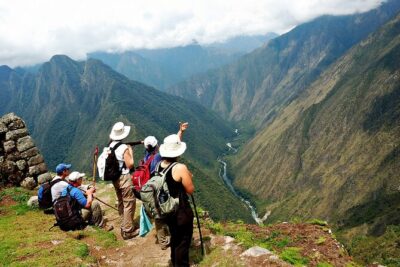
Classic Inca Trail Trek 4D/3N to Machu Picchu (Group Service)
Read our review →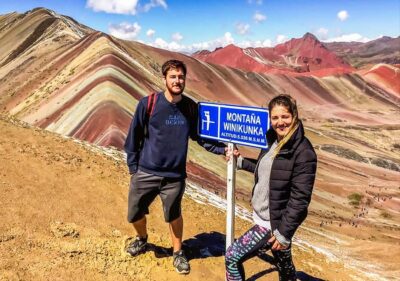
Rainbow Mountain and Red Valley Day Trip with Meals
Read our review →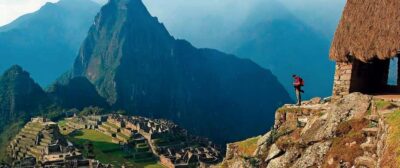
Machu Picchu: 4-Day Inca Trail Trek with Panoramic Train Ride
Read our review →
Excursion to Rainbow Mountain Full Day Optional Red Valley
Read our review →