
Reviewed · INCA TRAIL TOURS
Short Inca Trail 2 days
Machu Picchu is only part of the story. This two-day route lets you walk the Inca Trail, see Wiñaywayna and enter through Intipunku before returning for a longer guided visit to the citadel. I especially like the mix of hiking and rail travel, plus the personal attention reported from guides such as Jaime, Manuel, Nilfton, and Jorge. The main drawback is the early start and the fairly demanding uphill walk on day one, so you need moderate fitness.
I also like that this is a private tour, meaning your group can usually move at its own pace rather than follow a large crowd. The overnight stay in Aguas Calientes makes the visit less rushed than a single-day trip. At $640 per person, it is not cheap, but the price covers major transport, meals, guiding, and the hotel night, which can make it reasonable for visitors who want the classic route without several nights camping.
In This Review
- Key points to know before booking
- Why this short route works so well
- From Cusco to Km 104 before sunrise
- Chachabamba, the first Inca stop
- Wiñaywayna, the heart of the hike
- Intipunku and your first view of Machu Picchu
- Aguas Calientes gives you a useful reset
- Machu Picchu with three hours to look properly
- Guides and private service make the difference
- Is $640 good value?
- Who should book this Short Inca Trail?
- Final call: a strong choice for a short Peru visit
- FAQ
- How long is the Short Inca Trail tour?
- Where does the hike begin?
- What archaeological sites are visited on day one?
- Is Machu Picchu visited on both days?
- Is the tour private?
- Are meals included?
- Are walking poles included?
- What fitness level is required?
Key points to know before booking
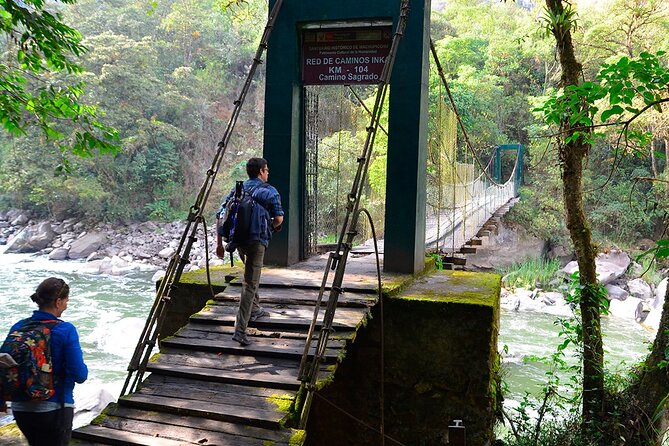
- Km 104 is the real starting point: You reach the trailhead by tourist train after an early transfer from Cusco and time at Ollantaytambo.
- Wiñaywayna is the day-one prize: The trail climbs to this important Inca site at about 2,650 meters, where you stop for your box lunch.
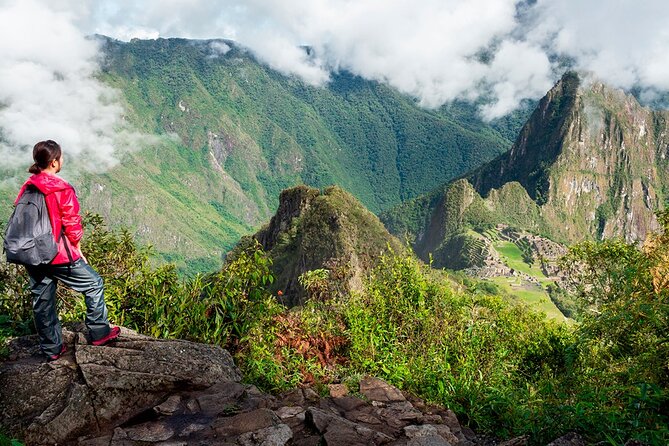
- Intipunku gives you the first Machu Picchu view: The Sun Gate offers a memorable arrival before you visit the ruins properly.
- You sleep in Aguas Calientes: A hotel night replaces camping and gives you a chance to rest before the main citadel visit.
- The tour is private: Only your group takes part, with a guide assigned to lead the walk and explain the sites.
- The package is fairly full: Dinner, breakfast, lunch, transfers, first aid equipment, oxygen, and dietary options are included, but lunch on day two and walking poles cost extra.
Why this short route works so well
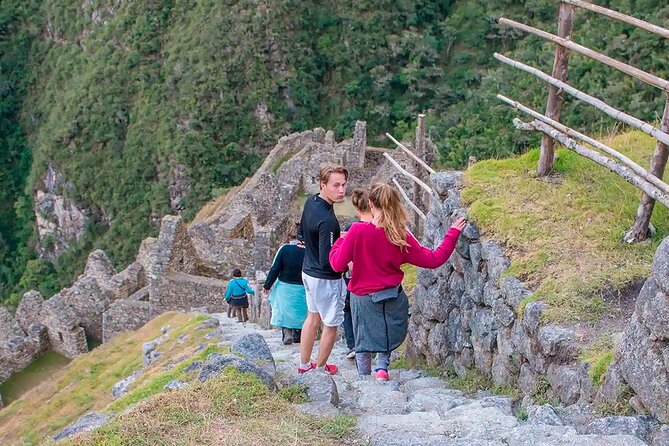
The Short Inca Trail is a good middle ground. You get a genuine section of the historic path, but you do not spend several days camping or carrying a full trekking kit. The route is still active and rewarding, with stone paths, archaeological sites, forested slopes, and changing views toward Machu Picchu.
I would choose this trip if you want the feeling of arriving at Machu Picchu on foot but have only two days available. The experience begins in Cusco, crosses the Sacred Valley area by road and rail, climbs through Chachabamba and Wiñaywayna, and reaches Intipunku before ending at a hotel in Aguas Calientes.
The pace matters. Day one lasts about seven hours, including the walk, sightseeing, and transfers. Much of the effort comes from the ascent toward Wiñaywayna and Intipunku. One guide, Nilfton, is praised for allowing proper breaks and time for photographs, a useful detail on a route where rushing would spoil much of the experience.
This is not a casual stroll. The operator asks for a moderate level of fitness, and one detailed account describes the path as medium to high difficulty. You do not need to be an expert trekker, but you should be comfortable walking uphill for several hours on uneven ground.
Other Inca Trail departures:
- Classic Inca Trail Trek 4D/3N to Machu Picchu (Group Service)
★ 5.0 · 8,653 reviews - Machu Picchu: 4-Day Inca Trail Trek with Panoramic Train Ride
★ 5.0 · 4,568 reviews - Short Inca Trail to Machu Picchu 2D/1N
★ 5.0 · 3,007 reviews
From Cusco to Km 104 before sunrise
Your day begins very early in Cusco, with the stated operating window beginning at 4:30 a.m. The road transfer takes you toward Ollantaytambo, where you have free time to eat breakfast at the station before boarding a tourist train.
This first part is practical rather than leisurely. You will be awake before most of Cusco, and the early departure is necessary to connect with the train and make the most of the walking day. If you want breakfast at Ollantaytambo, plan to use that station stop rather than expect a slow morning at your hotel.
The train takes you to Km 104, the trail access point for this Short Inca Trail. It is an efficient way to reach the route, but it also means your hiking day begins after several hours of preparation and transport. Keep your daypack organized so you can move from train to trail without fuss.
Transportation between the itinerary points is included. The trip also provides a first aid kit and oxygen cylinder, sensible safety support for a high-altitude region. These items do not replace pacing yourself, drinking water, or following the guide’s advice, but they are reassuring to have available.
Chachabamba, the first Inca stop
The first archaeological visit is Chachabamba, a smaller Inca site at roughly 2,170 to 2,250 meters above sea level. The stop lasts about 20 minutes, so this is an introduction rather than a long exploration.
Chachabamba is described as a place of worship connected with Inca deities, agriculture, and fertility. Its modest scale makes it easy to overlook when Machu Picchu is the headline, but that is part of its value. The site helps you understand that the road to Machu Picchu was lined with ceremonial and control points, not simply built as a hiking route.
I like the way Chachabamba gives the day a clear beginning. You leave the train behind, see your first Inca stonework, and then start the real climb. The short stop also keeps the schedule moving, which matters because you still have Wiñaywayna and Intipunku ahead.
Expect the trail to become more physically demanding after this point. The elevation gain is not extreme by Andean standards, but the route requires steady effort. Your guide’s pacing will matter here. Manuel is praised for walking at a comfortable pace, while Jaime is credited with explaining plants, animals, and Inca culture along the route.
Wiñaywayna, the heart of the hike
Wiñaywayna means Forever Young in Quechua. At around 2,650 meters, it is the most substantial archaeological stop on day one and the planned rest point.
The site is built into the mountain and gives you a strong sense of how the Incas worked with steep terrain. You will have about an hour here, including time to rest and eat your included box lunch. That pause is important. Wiñaywayna arrives after the main climb from Chachabamba, so it is a place to slow down, take photographs, and regain energy.
This is also where a good guide adds real value. You can look at terraces and stone structures on your own, but a clear explanation helps connect the site to the wider route. The guides associated with this tour have been praised for combining cultural information with observations about local plants and animals. That makes the walk feel less like a transfer between famous ruins.
Do not treat lunch as a quick snack. The itinerary gives you time at Wiñaywayna, and you will appreciate using it properly. Eat what you need, refill your water, and check your clothing before continuing. The next section still leads uphill toward Intipunku.
A few more Cusco trips worth lining up side by side
- Cusco: Rainbow Mountain and Red Valley Day Trip with Meals
★ 4.9 · 4,893 reviews - Salkantay Classic Trek 5 Days from Cusco
★ 5.0 · 4,062 reviews - 4-Day Salkantay Trek with Sky Camp Stay
★ 5.0 · 3,346 reviews - Excursion to Rainbow Mountain Full Day Optional Red Valley
★ 5.0 · 2,996 reviews
Intipunku and your first view of Machu Picchu
From Wiñaywayna, the path continues to Intipunku, the Sun Gate, at approximately 2,745 meters. The stop lasts about 20 minutes, but the view makes it one of the most important moments of the trip.
This is the traditional gateway used by people reaching Machu Picchu along the Inca Trail. From the high point, you can see the citadel below at about 2,430 meters, surrounded by steep Andean slopes. The view is not the same as the famous postcard angle from inside the ruins. It feels more like an arrival, with Machu Picchu appearing as the reward for the uphill walk.
The short stop may feel too brief if weather or crowds slow you down, but the schedule has to keep the group moving toward Aguas Calientes. Take photographs, then pay attention to the descent and the guide’s instructions.
After Intipunku, you walk down toward the control point and board a tourist bus to Aguas Calientes. This is a helpful change of pace after seven hours on the route. At Aguas Calientes, you go to the selected hotel, have dinner, and rest for the next morning.
Aguas Calientes gives you a useful reset
The overnight stay is one of the strongest practical features of this two-day plan. Instead of finishing the trail and immediately trying to see the entire citadel, you sleep in Aguas Calientes and return to Machu Picchu the following morning.
Dinner and breakfast are included. The food program can also accommodate vegetarian requests and other dietary restrictions when requested. Lunch on day one is provided as a box lunch at Wiñaywayna. Lunch on day two is not included, so you should budget for your own meal in Aguas Calientes.
The hotel is described as selected and comfortable, though the supplied information does not name the property or specify its facilities. Think of it mainly as a place to rest, not as a major feature of the holiday.
The overnight stop also helps separate the physical hike from the historical visit. You can finish the trail tired, sleep, and return to Machu Picchu ready to focus on the ruins rather than simply trying to stay upright.
Machu Picchu with three hours to look properly
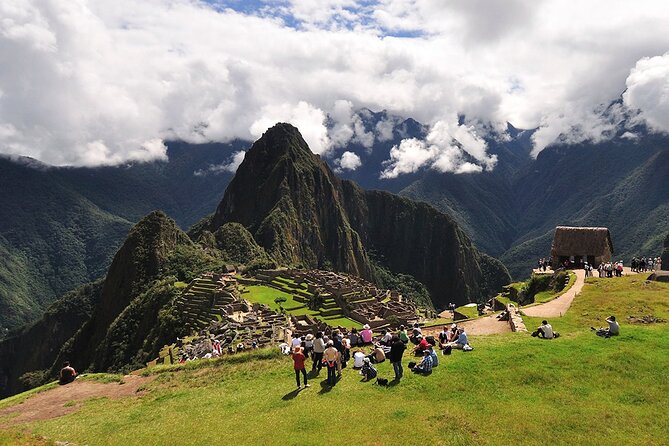
On day two, you go to the bus station and take the bus up to Machu Picchu. The visit begins with an ascent to the upper section and the Watchman’s House, the point used for the classic photograph.
From there, the guided circuit includes the Main Square, the sundial, the Royal Quarters, the Intihuatana, the Temple of the Three Windows, and the Condor area. The standard visit is described as about two hours, but this tour extends the time to roughly three hours.
That extra hour matters. Machu Picchu has enough detail to reward a slower pace, and a rushed visit can become a blur of stone walls and camera stops. A guide can also give structure to the circuit, helping you understand what you are looking at rather than simply moving from one famous point to the next.
Juan is praised for being attentive while explaining the culture of the Tahuantinsuyo, the Inca state. Other guides, including Jaime and Jorge, are described as patient and careful with their groups. The exact guide cannot be guaranteed from the supplied information, but the repeated emphasis on patience and personal attention is encouraging.
You return to Aguas Calientes by the same route for lunch at your own expense. The schedule calls for returning to the train station around 2:00 p.m. You then take the train back to Ollantaytambo, where a tourist bus waits for the final return to Cusco.
This makes day two longer than the three-hour citadel visit suggests. The archaeological visit is about three hours, but rail, bus, meal, and station connections fill much of the day. Keep that in mind if you are planning an evening activity in Cusco.
Guides and private service make the difference
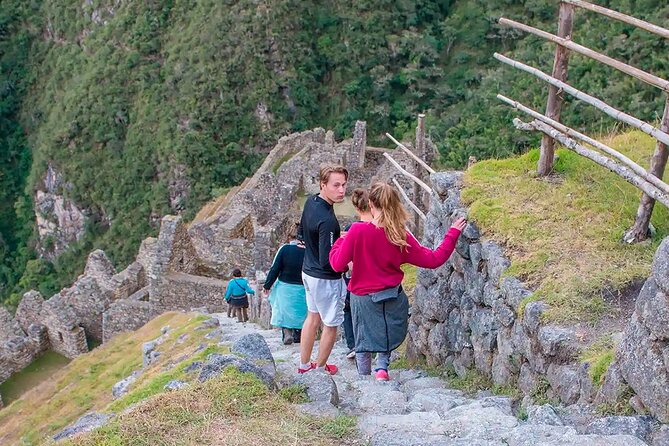
The private format is a major advantage. Only your group participates, so the walk can be adjusted around your pace and the amount of time you need for photographs or explanations.
The strongest praise is directed at the staff’s attention before, during, and after the trail. Mileny is described as helping with schedules, transfers, hotels, tickets, food suggestions, and advice on reducing problems with altitude. Steven is also praised for answering questions, coordinating daily activities, and helping arrange a Cusco hotel even after the main service ended.
Those extra planning touches matter if this two-day hike is part of a longer Peru trip. You can ask for help with the surrounding schedule instead of handling every transfer alone. Still, you should confirm exactly what is included in your booking. The information describes hotel pickup and transportation between itinerary points, but it does not spell out every possible airport transfer or extra hotel arrangement.
The guide names connected with the trail include Jaime, Manuel, Nilfton, Juan, and Jorge. Their reported strengths are useful to look for: proper breaks, patience, cultural explanations, nature information, and walking at the group’s pace.
Is $640 good value?
At $640 per person, this is a premium two-day experience. The value depends on how much organization you want and how much you would otherwise need to arrange yourself.
The price includes the train connections described in the itinerary, the tourist bus to Aguas Calientes and Machu Picchu, transportation between itinerary points, guiding, one hotel night, dinner, breakfast, and the day-one lunch. It also includes dietary options when requested, plus a first aid kit and oxygen cylinder.
You still pay for lunch on day two. Walking poles are not included, but you can add a pair for $15. If you prefer trekking poles, arrange them early rather than waiting until the trailhead.
For me, the price is easiest to justify if you value a private guide and coordinated transfers. The tour removes much of the stress from matching early road transport, the train, the trail, the bus, the hotel, and the return journey. If you are an experienced independent planner, you may judge the price more harshly. If you want support in Cusco and along the route, the organization has clear value.
The tour has a five-star rating based on 14 reviews, with 100 percent recommending it. That is a small sample, so I would not treat it as proof that every departure will be perfect. Still, the repeated praise for personal service and guide quality is more useful than a vague rating alone.
Who should book this Short Inca Trail?
I would recommend it to you if:
- You want to hike part of the Inca Trail but do not want a multi-day camping trip.
- You have two days for Machu Picchu and prefer an active arrival.
- You want a private group and a guide who can adjust the pace.
- You value help with trains, buses, hotels, and the wider Cusco schedule.
- You are comfortable with an early start and a demanding seven-hour day.
- You want both Intipunku and a longer guided visit inside Machu Picchu.
I would think twice if you dislike early departures, uphill walking, or tightly connected transport schedules. The route is not a relaxed sightseeing day, and the return to Cusco on day two can take much of the afternoon and evening.
Book at least a few weeks ahead if possible. This experience is booked about 20 days in advance on average, which suggests that leaving it until the last moment may be unwise. Free cancellation is available if you cancel at least 24 hours before the start time. Changes or cancellations inside that window are not accepted for a refund.
Final call: a strong choice for a short Peru visit
I would book this tour if I wanted a real walking approach to Machu Picchu without giving up a hotel bed. Chachabamba, Wiñaywayna, and Intipunku make day one far more meaningful than a simple train ride, while the three-hour citadel visit on day two gives you time to see the main sites without an instant rush.
The cost is high, but the private format, meals, hotel, trains, buses, safety equipment, and staff support make it easier to defend. Choose it for careful organization and a personal guide, not because it is the cheapest way to reach Machu Picchu.
FAQ
How long is the Short Inca Trail tour?
The tour lasts approximately two days. Day one includes about seven hours of hiking and sightseeing, while the guided Machu Picchu visit on day two lasts about three hours, not counting transportation and meals.
Where does the hike begin?
The hike begins at Km 104. You first travel from Cusco toward Ollantaytambo, have free time for breakfast at the station, and then take a tourist train to Km 104.
What archaeological sites are visited on day one?
You visit Chachabamba, Wiñaywayna, and Intipunku, also called the Sun Gate. Intipunku provides a view of Machu Picchu from above.
Is Machu Picchu visited on both days?
You see Machu Picchu from Intipunku on day one. On day two, you enter the citadel for a guided visit of approximately three hours.
Is the tour private?
Yes. Only your group participates in this private activity.
Are meals included?
Dinner, breakfast, and lunch on day one are included. Lunch on day two is at your own expense.
Are walking poles included?
No. A pair of walking poles can be added for $15.
What fitness level is required?
A moderate level of physical fitness is recommended. The first day includes a demanding uphill walk and lasts about seven hours.
Added recently around Cusco
- Super valley or vip valley★ 5.0 · 13 reviews
- the Incas’ Sacred Valley★ 5.0 · 27 reviews
- Sacred Valley of the Incas Day Trip from Cusco★ 5.0 · 6 reviews
- Small-Group Tour: Rainbow Mountains Hiking from Cusco★ 4.0 · 5 reviews
- Excursion to the Sacred Valley of the Incas from Cusco★ 5.0 · 8 reviews
- Maras + Moray & Textile Experience★ 5.0 · 14 reviews
- Tour EN Cuatrimoto POR la Montaña 7 Colors Hike 5 Minutes★ 4.5 · 32 reviews
- rainbow mountain★ 4.0 · 4 reviews
Inca Trail Tours, compared.
Classic Inca Trail Trek 4D/3N to Machu Picchu (Group Service)
Read our review →
Machu Picchu: 4-Day Inca Trail Trek with Panoramic Train Ride
Read our review →
2-Day Inca Trail to Machu Picchu with Panoramic Train
Read our review →Inca Trail 4-Day 3-Night Trek to Machu Picchu with Expert Guides
Read our review →4-Day Inca Trail to Machu Picchu with Accommodation
Read our review →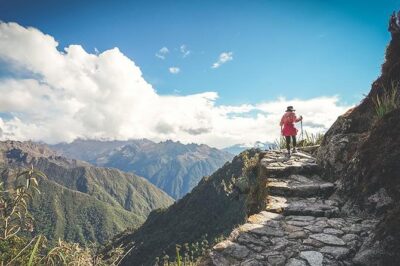
4-Day Trek to Machu Picchu Through the Inca Trail
Read our review →
4 Day – Inca Trail to Machu Picchu – Group Service
Read our review →Browse the lists this tour appears in