
Reviewed · MACHU PICCHU TOURS
Small Group 5 Days Salkantay and Machu Picchu by Llactapata Tour
The Andes make you earn Machu Picchu. This five-day trek links the high Salkantay Pass, turquoise Humantay Lake, rural coffee farms, the Inca site of Llactapata, and Machu Picchu in one demanding but rewarding route. I especially like the small maximum group of nine, which gives the guide room to adjust the pace, and the way the trip moves from icy mountain air to warm forest and coffee country. The main caution is clear: the first two days are hard, with steep climbs, thin air, and long hiking hours.
You will also get unusually strong support for a $593 trip. Meals, camping equipment, mules for up to 7 kilograms of personal gear, a private room in Aguas Calientes, Machu Picchu admission, trains, and transport back to Cusco are included. The cost is good for what is covered, but you should budget for a few extras and arrive with a solid fitness base.
In This Review
- Key points before you book
- What the $593 price really covers
- Day one: Cusco to Soraypampa and Humantay Lake
- Day two: Salkantay Pass at 4,600 meters
- Day three: Forest trails, farms, and Lucmabamba coffee
- Day four: Llactapata and the walk to Aguas Calientes
- Day five: First light at Machu Picchu
- Fitness, altitude, and practical preparation
- Who will enjoy this trek most?
- Should you book the Salkantay and Llactapata route?
- FAQ
- How long is the Salkantay and Machu Picchu experience?
- What time does the tour start?
- How large is the group?
- What is the highest point on the trek?
- Is Humantay Lake included?
- Are meals included?
- Is accommodation included?
- Is transport back to Cusco included?
Key points before you book
- Salkantay Pass reaches 4,600 meters: The high point comes on day two, so altitude preparation matters more than speed.
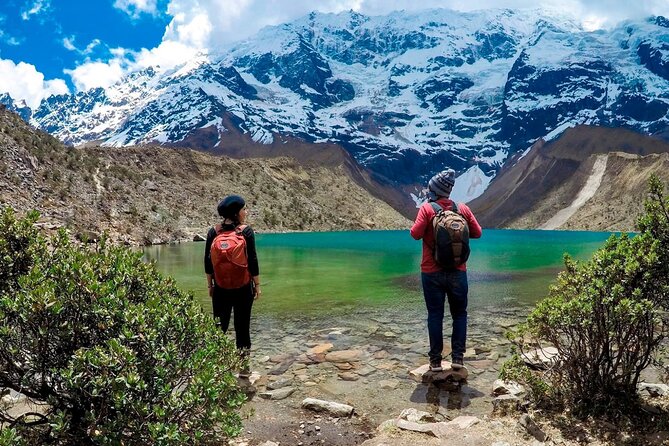
- Humantay Lake is an optional day-one hike: You can add this turquoise mountain lake after reaching Soraypampa, but it comes after an already active morning.
- The scenery changes every day: Snow peaks give way to cloud forest, coffee and cacao farms, then the Vilcanota Canyon near Llactapata.
- Llactapata offers a different view of Machu Picchu: The site gives you a high perspective toward Machu Picchu Mountain before you reach the citadel itself.
- The group is capped at nine people: That is useful on narrow trails and makes it easier to ask questions or set a manageable pace.
- Bring money for extras: The first-day breakfast, final-day lunch, Machu Picchu bus, and sleeping bag are not included.
What the $593 price really covers
At $593 per person, this is not a bare-bones walk with a tent and a guide. The package includes private transport from Cusco to Challacancha, a bilingual professional guide, a cook and horseman support team, camping gear, meals on the trail, tea and snacks each day, and a horse for emergencies.
Your personal equipment can go by mule, up to 7 kilograms. That is a major help on a route with a high pass and long descents. You still need to carry a daypack, but you are not expected to haul your full trekking bag over the mountains.
The package includes three breakfasts, three lunches, and three dinners. Vegetarian meals are available. You also get a dining tent with tables and chairs, which gives the group a dry place to eat and gather at camp.
The final night is not in a tent. You receive a private room with a private bathroom in Aguas Calientes, plus breakfast. That small comfort matters after four days of mountain walking, especially before an early visit to Machu Picchu.
Several costs sit outside the headline price. Breakfast on the first morning and lunch on the final day in Aguas Calientes are listed at $30 each. The bus from Machu Picchu to Aguas Calientes costs $12, and a sleeping bag is $5 per day. Ask the company to explain exactly which meals and transfers you need to pay for, since the day-five transport details can otherwise feel confusing.
Also ask about tipping before departure. The cooks and porters work hard, and clear guidance helps prevent awkwardness at the end. A pre-trip briefing takes place at 7 pm in the office one or two days before departure, which is the right time to settle questions about bags, meals, weather, and tips.
Longer treks from Cusco:
- Salkantay Classic Trek 5 Days from Cusco
★ 5.0 · 4,062 reviews - 4-Day Salkantay Trek with Sky Camp Stay
★ 5.0 · 3,346 reviews - Salkantay Trek 5D/4N with Glass Cabins, Domes and Hobbit House
★ 5.0 · 2,488 reviews
Day one: Cusco to Soraypampa and Humantay Lake
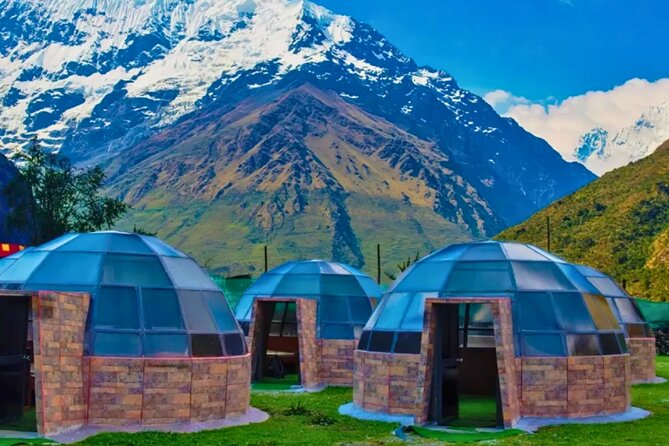
The day begins at 4 am from Plaza de Armas in Cusco. That early departure gets you out toward Mollepata and Challacancha before the mountain day fully begins. The drive passes through Mollepata at about 3,000 meters, where you can stretch your legs and look over the countryside.
At Challacancha, around 3,400 meters, you meet the horsemen and the rest of the group. This is the true start of the trek. The opening walk follows a broad mountain valley with views toward Humantay, at 5,217 meters, and Salkantay, at 6,264 meters.
The first hiking section takes about three hours. The air is crisp, the peaks are dramatic, and the route gives you an early sense of the scale of the Andes. It is not a gentle sightseeing stroll, though. You have already spent part of the morning in a vehicle, and altitude can make a moderate climb feel much harder.
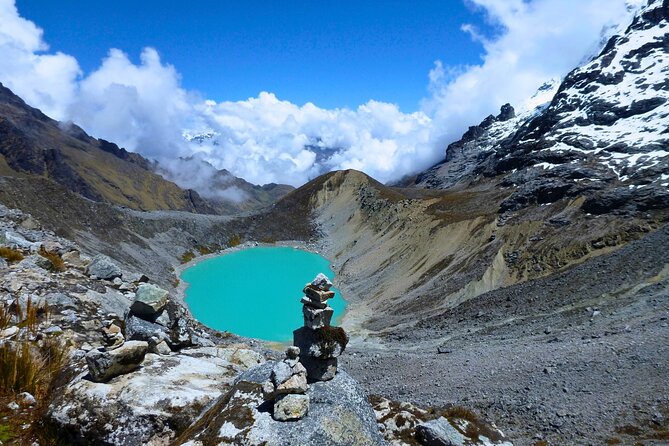
Camp is at Soraypampa, about 3,700 meters. From here, you have the option to hike to Humantay Lake in the afternoon. The lake is the day’s most famous visual reward, with bright blue-green water set among steep mountain slopes.
Treat this optional hike seriously. It adds another climb after the morning walk, and the elevation is high. If you are feeling strong, it gives you a memorable first day. If you are struggling with altitude, resting at camp is the wiser choice. You do not need to prove anything to a mountain.
Day two: Salkantay Pass at 4,600 meters
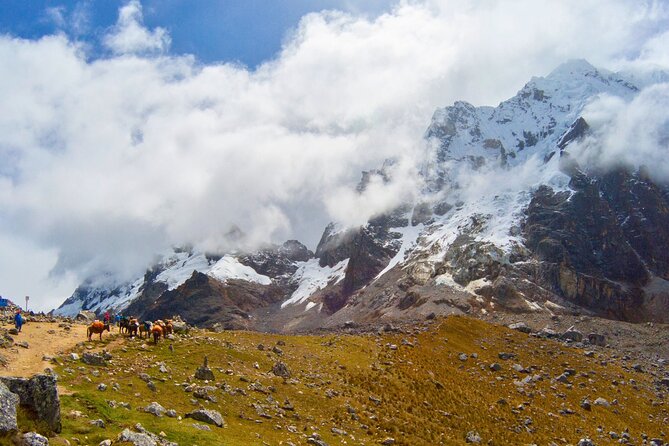
Day two is the physical test. After breakfast at Soraypampa, you climb toward Salkantay Pass, reaching about 4,600 meters. The ascent takes roughly four hours, and the views toward the snow-covered Salkantay peak grow wider as you rise.
At the pass, you get time to catch your breath and take in the high mountain surroundings. This is the point where the trek feels most remote and exposed. Cold weather, wind, and altitude can all affect your pace, so layered clothing and steady walking are more useful than rushing ahead.
The route then drops toward Collpapampa at about 3,000 meters. The change is striking. The cold upper zone gradually gives way to a warmer, wetter forest environment, with more plant life and signs of a different climate.
The descent takes about three hours, followed by another portion of the day around camp. Collpapampa is surrounded by tropical forest and has a warmer feel than Soraypampa. Mosquitoes are present, so insect repellent and long, light clothing are practical additions to your pack.
This is the day most likely to shape your opinion of the trip. One experienced guide can help a group move at different speeds, and guides such as Jainor, Carlos, Henry, Dario, Rolando, and Ronaldo have been singled out for patience, humor, history explanations, and care with mixed fitness levels. The group size helps, but you should still expect a serious mountain day.
Day three: Forest trails, farms, and Lucmabamba coffee
Day three changes the mood. The route descends through forest, where you can see orchids, bromeliads, and other plants suited to the warm, wet conditions. After the stark mountain passes, this section feels more intimate and tied to daily life.
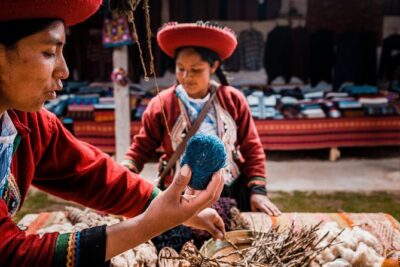
You then pass coffee, cacao, and fruit plantations. This is one of the most worthwhile parts of the route because you are not only looking at scenery. You are seeing how local families use the land and support their communities.
The route continues through Wiñaypoco at about 2,650 meters and Granadilla at about 2,100 meters before reaching Lucmabamba at around 2,000 meters. The final campsite is at Lucmabamba Lodge.
Here, a local rural family shows you how coffee is grown, harvested, dried, roasted, and prepared. That hands-on look gives the afternoon a clear sense of place. You begin with a mountain trek and end by learning what goes into the cup served at breakfast in many parts of Peru.
The food is another strong point. The cooks have earned praise for making generous, varied meals from limited camp supplies. Alejandro, in particular, has been remembered for creative cooking and for making a birthday cake for a member of one group. José, a horseman, also helped with camp work and served coca tea at wake-up time.
Do not expect a hotel-style bathroom at every camp. One complaint concerned the toilet arrangements on day three. Conditions are basic, and the company’s camping setup is useful rather than luxurious. The dining tent, chairs, hot drinks, and cooked meals make the experience easier, but you are still sleeping outdoors in rural Peru.
Other ways to reach Machu Picchu:
- Classic Inca Trail Trek 4D/3N to Machu Picchu (Group Service)
★ 5.0 · 8,653 reviews - Machu Picchu: 4-Day Inca Trail Trek with Panoramic Train Ride
★ 5.0 · 4,568 reviews - Short Inca Trail to Machu Picchu 2D/1N
★ 5.0 · 3,007 reviews - 2-Day Inca Trail to Machu Picchu with Panoramic Train
★ 5.0 · 1,876 reviews
Day four: Llactapata and the walk to Aguas Calientes
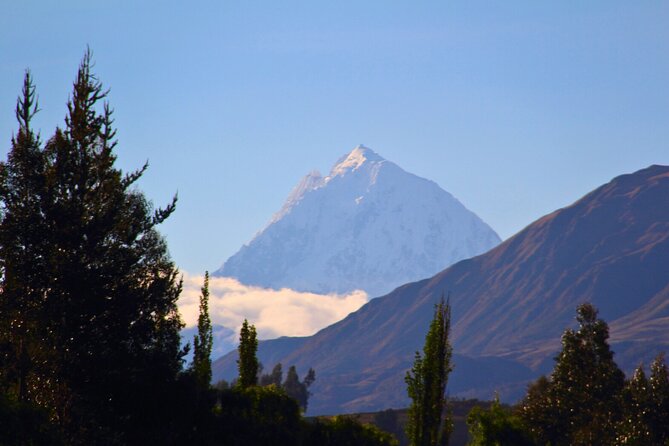
After breakfast, you climb from Lucmabamba along an old Inca trail toward Llactapata, at about 2,650 meters. The trail passes through forest and varied terrain before reaching the archaeological site.
Llactapata has terraces and old structures connected to the wider Inca road system. It is smaller and quieter than Machu Picchu, which is part of its appeal. Your guide explains the site and the surrounding plants and animals, giving the ruins a setting rather than treating them as a quick photo stop.
The best reward is the view. From Llactapata, you can look toward Machu Picchu Mountain and across the Vilcanota Canyon. Seeing Machu Picchu from a distance before visiting the citadel gives the final day more meaning. You are not simply arriving at a famous ruin after a bus ride. You have approached it through mountain passes, forest paths, and farming villages.
From Llactapata, the route descends to the Hydroelectric Station at about 1,950 meters. The walk takes about three hours, with a planned break there. Equipment and larger bags are transported from Lucmabamba to the Hydroelectric Station, so confirm how and when you will receive your belongings.
From the station, you continue on foot toward Machu Picchu town, also called Aguas Calientes. The town is the practical base for the citadel, with restaurants, markets, and hotels. It is not the quietest place on the route, but after several nights at camp, a private room and bathroom feel well timed.
You have the evening to eat, rest, and prepare for an early start. Keep your schedule simple. The next morning begins at 5:30 am.
Day five: First light at Machu Picchu
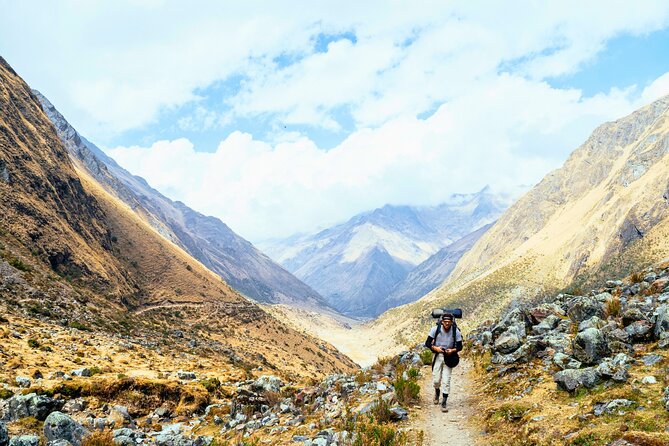
After breakfast, you leave your hotel at 5:30 am and take a tourist bus up to Machu Picchu, arriving around 6 am. The bus costs $12 and is not included, so have that money ready.
The early timing is valuable. The citadel looks different in the first light, and arriving early gives your visit a calm beginning before the day becomes busier. Your guide leads a roughly three-hour visit through the UNESCO World Heritage site, explaining Inca building methods, cultural traditions, and the purpose of the major structures.
This guided visit is one of the reasons to choose the organized trek rather than arranging every piece yourself. After four days on foot, you will want context, not just a viewpoint and a set of photographs. Guides such as Jainor and Rolando have received especially warm praise for clear English, patient answers, and strong explanations of Inca culture.
After the visit, you return to Aguas Calientes for lunch at your own cost. The listed price for that final lunch is $30, so check whether that means a set meal or a suggested allowance before you go.
The afternoon train runs from Machu Picchu to Ollantaytambo. From there, a vehicle takes you back to Cusco’s historic center and the original meeting point. The transport chain is long, but it is arranged for you, which removes much of the stress from getting back after the trek.
Fitness, altitude, and practical preparation
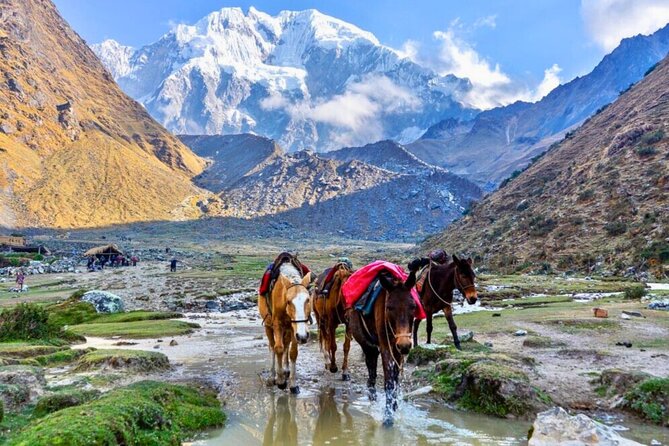
You need strong physical fitness for this experience. The first two days contain the hardest effort, and one description of the trek called the opening section extremely intense before the later days became more manageable.
The highest point is 4,600 meters on the Salkantay Pass. That is high enough for altitude symptoms to affect people who are otherwise fit. The route includes an emergency horse between Marcoccasa and Chaullay, plus a first aid kit and oxygen bottle, but those are safety measures, not a substitute for preparation.
Pack layers for cold high-country mornings and warmer forest conditions. Bring insect repellent for Collpapampa, a daypack, sturdy hiking footwear, sun protection, and enough personal items to stay within the 7-kilogram mule allowance.
The trip includes tea and snack time every day, as well as three meals per meal category on the trail. Vegetarian food is available. Ask about dietary needs at the briefing rather than waiting until the first camp.
Internet may be limited or absent for several days. That can feel inconvenient, but it also makes the route more focused. You have mountains, farms, camp meals, and conversation instead of constant phone checking.
Who will enjoy this trek most?
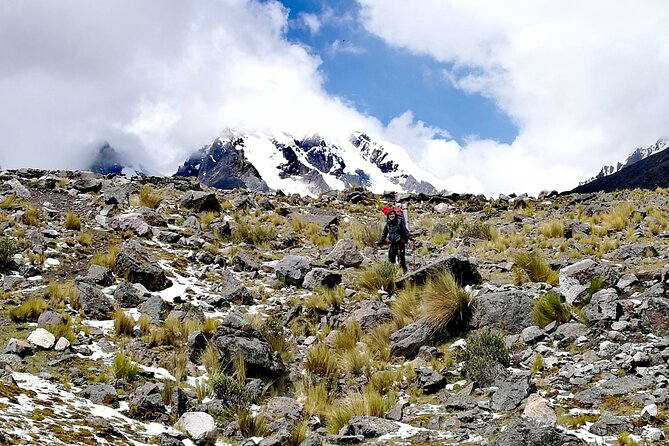
I would choose this route if you want Machu Picchu to be the end of a real journey, not an isolated day trip. It suits people who enjoy changing scenery, simple camps, local farm experiences, and a small group with plenty of time for questions.
It is a good fit for first-time high-altitude hikers who understand that the pace must be patient. The guides have handled groups ranging from 21 to 67 years old, but age is less important than honest fitness and sensible preparation.
You may prefer another option if you want a relaxed holiday, private luxury, short walks, or a predictable hotel bed each night. The toilet situation is basic, mosquitoes appear in the warmer zones, and the first two days can be punishing.
The experience receives a 4.9 rating from 88 evaluations, with 99 percent recommending it. The repeated praise centers on small groups, caring guides, excellent cooking, and strong cultural explanations. Those are meaningful strengths because they affect every day, not just one scenic viewpoint.
Should you book the Salkantay and Llactapata route?
Book it if you want a demanding but well-supported path to Machu Picchu, with the bonus of Humantay Lake, Salkantay Pass, coffee country, and Llactapata. The $593 price offers solid value once you count the meals, gear, porters, lodging, admissions, train, and return transport.
Before paying, confirm the extra costs, tipping expectations, bag arrangements, and sleeping-bag rental. Choose this trek for the route and the people who guide it, not because it is easy. If you can handle the altitude and early starts, this is a powerful way to reach Machu Picchu.
FAQ
How long is the Salkantay and Machu Picchu experience?
The experience lasts approximately five days, beginning in Cusco and ending back at the Cusco meeting point.
What time does the tour start?
The start time is 4 am from Plaza de Armas in Cusco, at Del Medio 123.
How large is the group?
The maximum group size is nine people.
What is the highest point on the trek?
The route reaches Salkantay Pass at approximately 4,600 meters, or 15,092 feet.
Is Humantay Lake included?
The afternoon hike to Humantay Lake on day one is described as optional. It takes about three hours.
Are meals included?
Three breakfasts, three lunches, and three dinners are included, along with tea and snacks each day. Breakfast on the first day and lunch on the final day in Aguas Calientes are not included.
Is accommodation included?
Camping is included during the trek. In Aguas Calientes, you receive a private room with a private bathroom and breakfast.
Is transport back to Cusco included?
A tourist train from Machu Picchu to Ollantaytambo and a vehicle to Cusco’s historic center are included. The bus from Machu Picchu to Aguas Calientes costs $12.
Added recently around Cusco
- Guided tour of the mountain of colors in Cusco★ 5.0 · 11 reviews
- 2-Day Private Short Inca Trail to Machu Picchu★ 5.0 · 15 reviews
- Tour Sacred Valley with Maras and Moray★ 5.0 · 15 reviews
- San Pedro Market Tour with Peruvian Cooking Class★ 5.0 · 31 reviews
- City Tour Cusco – Group★ 5.0 · 4 reviews
- Walking Culinary Experience★ 5.0 · 41 reviews
- City Tour in Cusco★ 4.5 · 10 reviews
- One Day Tour to Humantay Lagoon★ 5.0 · 8 reviews
Machu Picchu Tours, compared.
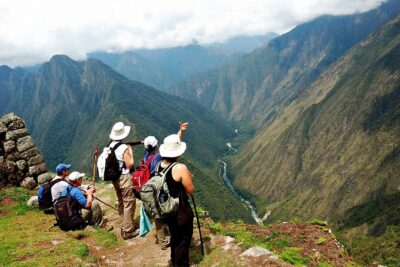
Classic Inca Trail Trek 4D/3N to Machu Picchu (Group Service)
Read our review →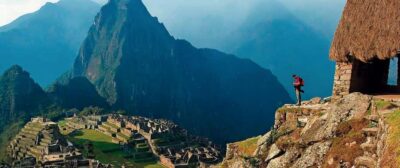
Machu Picchu: 4-Day Inca Trail Trek with Panoramic Train Ride
Read our review →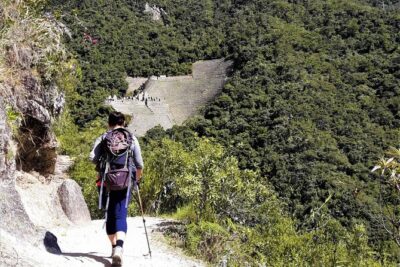
2-Day Inca Trail to Machu Picchu with Panoramic Train
Read our review →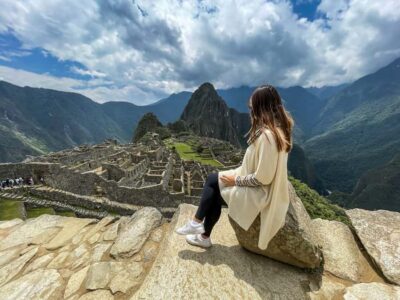
2-Day Tour: Sacred Valley and Machu Picchu by Train
Read our review →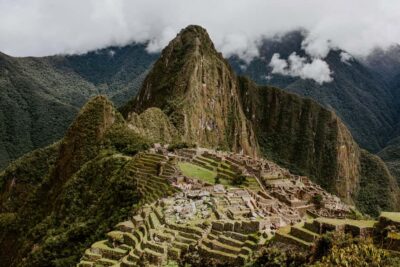
Machu Picchu: Full-Day Tour from Cusco with Optional Lunch
Read our review →Browse the lists this tour appears in