
Reviewed · ROCK CLIMBING & VIA FERRATA
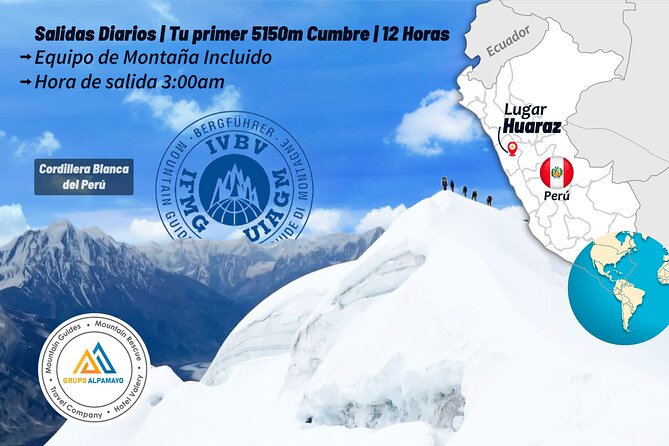
Tour Climbing Nevado Mateo | Your First 5,150 m Summit | 12 Hours
This is where a hike becomes mountaineering. The Nevado Mateo climb gives you a rare one-day chance to reach 5,150 meters, walk on a glacier, and look across the high peaks of Huascarán National Park. I like the efficient route and the fact that technical gear, transport, and a certified guide are included.
I also like the strong guide support. Guides such as Richard, Lucho, Fredy, and Eric are praised for patience, clear instruction, and calm help on awkward sections. The main drawback is simple: this is physically demanding at altitude, even though it is marketed as a suitable first summit. You need acclimatization, stamina, and a real interest in a challenging mountain day.
In This Review
- Key points before you book
- What you are really signing up for at 5,150 meters
- The 3:30 AM departure from Huaraz
- Entering Huascarán National Park through Carhuaz and Shilla
- The one-hour moraine walk to the glacier
- Crampons, ropes, and the final hour to the top
- Reaching the summit and facing the Cordillera Blanca
- The descent is still work
- What the $140 price includes
- Who should book this climb
- Practical preparation for the summit day
- The final call: should you book Nevado Mateo?
- FAQ
- Where does the Nevado Mateo climb begin?
- How long does the experience last?
- How high is Nevado Mateo?
- Is the Huascarán National Park entrance fee included?
- What climbing equipment is provided?
- Are meals included?
- Do I need to bring any personal equipment?
- Can beginners join the climb?
- What is the cancellation policy?
Key points before you book
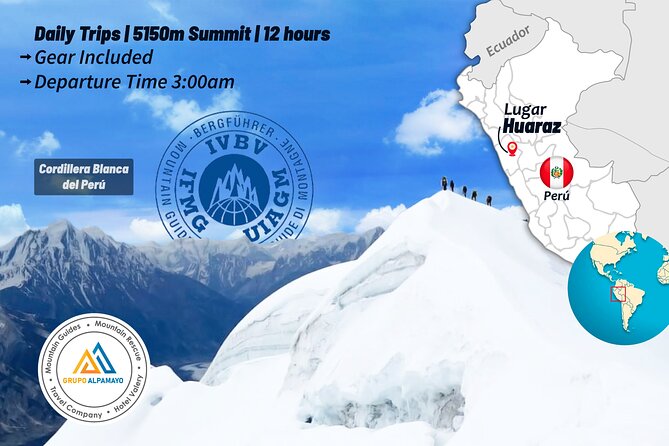
- 5,150-meter summit: Nevado Mateo can be a first high-altitude summit, but it is not a casual sightseeing walk.
- Very early start: Hotel pickup is at 3:30 AM, followed by about 2.5 hours on the road.
- Glacier equipment included: Boots, crampons, harness, ice axe, and helmet are provided.
- Short technical ascent: After about an hour on the moraine, the glacier section and summit climb take roughly another hour.
- Extra costs matter: Huascarán National Park entry costs 30 soles per person, and meals are not included.
- Best for prepared hikers: Most people can take part, but physical strength at 5,150 meters is essential.
What you are really signing up for at 5,150 meters
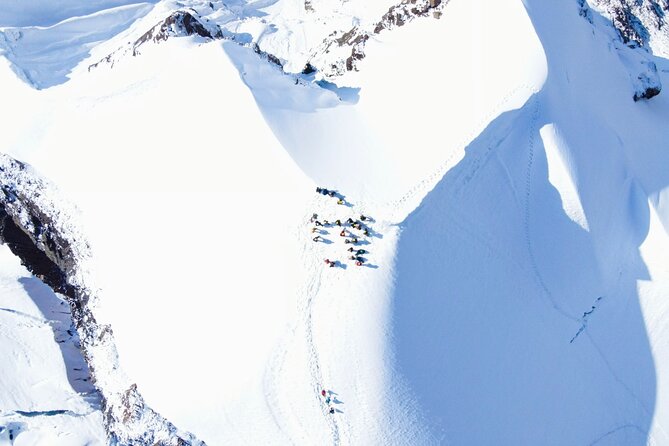
Nevado Mateo is often presented as a first summit. That description is useful, but it can also mislead you. First summit does not mean easy summit. You still need to handle a steep approach, thin air, snow and ice, and a long day that begins before sunrise.
The experience lasts about 11 to 12 hours from pickup to return. The actual climbing time is much shorter than the total day, but the combination of an early departure, a mountain drive, a moraine walk, and the altitude makes this a serious outing.
I like this format for visitors who want more than a viewpoint or a scenic lake. You do not need to commit to a multi-day expedition, yet you get a taste of rope travel, crampon use, and glacier movement. The tradeoff is that you have little room for poor preparation.
The activity has a maximum group size of 30 people. That is not a tiny private party, so the pace and amount of individual attention may vary. Still, the experience includes continuous assistance and a certified mountain guide who speaks English and Spanish.
A current rating of 5 out of 5 from 40 reviews reflects a strong record. The praise centers on guide care, equipment, encouragement, and the feeling of reaching a real summit rather than simply completing a high-altitude walk.
More climbing around Huaraz:
- Climbing Mateo – Your first 5 thousand
★ 5.0 · 52 reviews - Rock climbing in Arequipa and the Andes of Peru
★ 5.0 · 262 reviews - Rock Climbing full day
★ 5.0 · 47 reviews
The 3:30 AM departure from Huaraz
The day begins before dawn with hotel pickup in Huaraz. This is not a gentle start, so organize your clothing and equipment the night before. You will also need to sort out breakfast on your own, since no meals are included.
The drive north takes about 2.5 hours. The route passes through Carhuaz and Shilla before entering Huascarán National Park. The early road journey has its own appeal, with stars and sunrise appearing along the way, but do not expect much sleep if you are sensitive to movement or anxious about the climb ahead.
Your vehicle continues to Punto Olimpia, the starting point for the mountain approach. The park entrance fee is separate and costs 30 soles per person. Bring the money in advance so this small charge does not become an irritating delay at the start of a demanding day.
Shared tourist transport keeps the price at $140 per person. That is good value if you need both transport and technical equipment, though the shared setup means you should not expect a private timetable or a completely custom pace.
Entering Huascarán National Park through Carhuaz and Shilla
The drive gives you a gradual change from Huaraz to the high mountain setting. Carhuaz and Shilla provide useful route markers before the group enters Huascarán National Park, where the road reaches the Punto Olimpia parking area.
This part matters because the climb is not just a standalone snow excursion. You are entering a protected high-altitude area with views tied to the wider Cordillera Blanca region. From the mountain, the scenery includes the remains of Contrahiervas Mountain and the Cancora Lagoons.
The park admission is not part of the tour price. Nor are breakfast, lunch, dinner, personal medicines, or optional tips. The published equipment list also excludes a headlamp, snow goggles, suitable clothing, and personal items. Those omissions are reasonable, but they make preparation your responsibility.
You should pay close attention to the clothing requirement. The equipment supplied is technical climbing gear, not a complete cold-weather wardrobe. Boots, crampons, a harness, an ice axe, and a helmet help you move safely, but they do not replace warm layers, eye protection, or clothing suited to snow and wind.
The one-hour moraine walk to the glacier
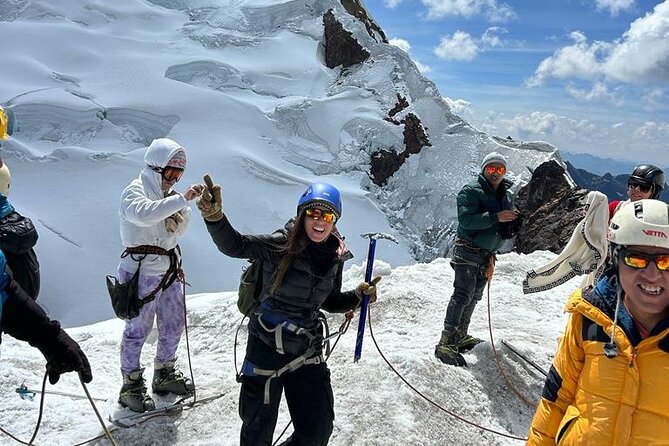
At about 6:00 AM, you leave the vehicle and begin walking across the glacier moraine. This section takes roughly one hour. Moraine terrain is a useful reminder that the climb begins before you clip into a rope or put on crampons.
The route is described as steep in places, and the surface can feel awkward underfoot. It is also the stage where your body begins to show how well you have adjusted to the altitude. If you are already struggling here, the snow and ice section will feel much harder.
This walk is not wasted time. It lets the guide assess the group, explain the route, and help you settle into a steady rhythm. One of the most useful comments from the experience is that guides show the correct path through tricky sections and sometimes rope or pull a participant over a short difficult part.
That kind of help is valuable, but you should not see it as a substitute for fitness. A guide can steady you, offer encouragement, and demonstrate foot placement. A guide cannot remove the effects of 5,150 meters.
A few more Huaraz trips worth lining up side by side
- From Huaraz: Hike to the Lagoon 69
★ 4.4 · 121 reviews - From Huaraz: Tour to the Pastoruri Glacier and Puya Raimondi
★ 4.3 · 68 reviews - Snowy Mateo – Cordillera Blanca Expedition
★ 5.0 · 26 reviews - From Huaraz: Tour to Llanganuco Lakes (Chinancocha Lake)
★ 3.6 · 19 reviews
Crampons, ropes, and the final hour to the top
At the glacier base, you stop to put on crampons, harnesses, and the rest of the technical equipment. You then rope up with the guide and begin the ascent toward the summit. The glacier and summit section takes about one hour according to the planned timing.
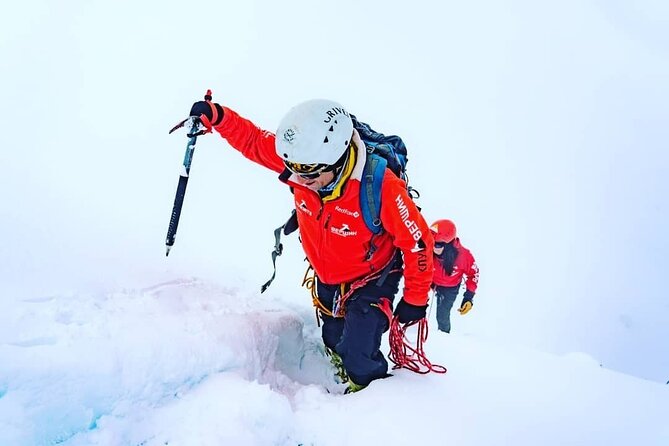
For a first mountaineering experience, this is the part that makes Nevado Mateo special. You are not simply walking on a marked trail. You are learning how to place your feet in crampons, manage an ice axe, and move as part of a roped group.
The technical skills are described as basic, but basic does not mean optional. You need to listen closely when the guide explains how to step and where to place your feet. Fredy is specifically praised for teaching an inexperienced climber how to walk correctly on the ice and for explaining where and how to step.
The steep portions can feel slippery or exposed, especially if you are nervous. The guide team’s role is central here. Richard is praised for staying close to a nervous participant, tethering her to himself, holding her hand, and building her confidence until she completed the climb. That is exactly the kind of calm support you want when fear begins to compete with your physical effort.
You should still be honest about your comfort level. The tour is a good introduction to glacier travel, but it is not a place to hide serious fear of heights, poor balance, or an inability to follow instructions.
Reaching the summit and facing the Cordillera Blanca
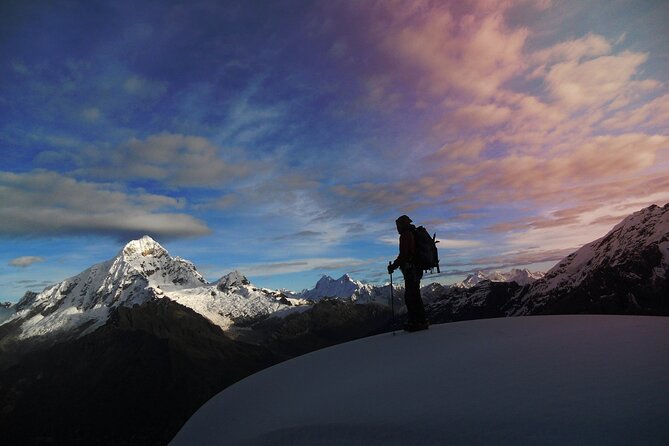
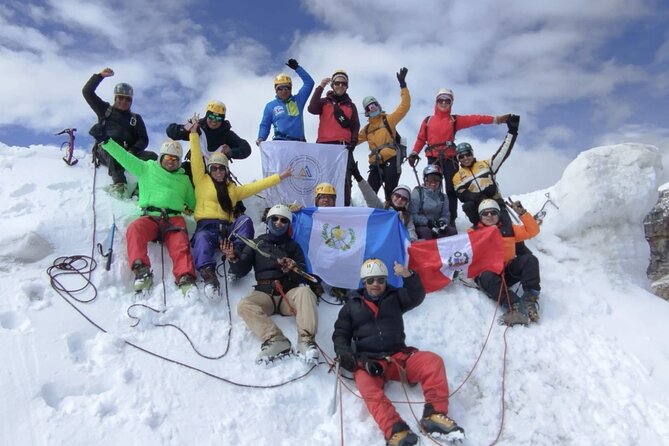
At the top of Nevado Mateo, you have time to rest and take in the view. The summit sits at about 5,150 meters, giving you the physical satisfaction of reaching a genuine high point and the visual reward of Peru’s high mountain country.
The view includes the remains of Contrahiervas Mountain and the Cancora Lagoons. You also look toward some of Peru’s highest peaks. One climber described the feeling of sitting on a glacier at 5,150 meters with the great mountains in front as impossible to put into words.
That helps explain the appeal of this trip. Laguna 69 and Laguna Parón may offer more instantly recognizable photographs, but Nevado Mateo gives you a different reward. The achievement is part of the scenery. You are not just looking at the mountains. You have climbed onto one.
Weather will shape the day. Clear blue skies can reveal enormous views, while cloud or poor conditions may reduce what you see. The climb should be judged by the mountain experience, not only by the quality of the summit photograph.
Take your rest seriously. The summit is not the moment to rush through pictures and start down without eating, drinking, and listening to the guide. The descent follows the same route, so you will need energy and care after the excitement of reaching the top.
The descent is still work
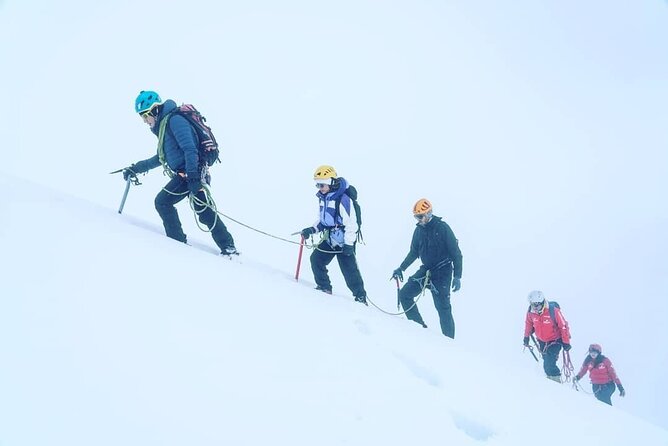
The return uses the same route, first across the snow and glacier section and then over the moraine to the vehicle. Descending can feel easier because you are losing altitude, but tired legs and changing concentration create their own problems.
The rope remains important on tricky sections. Guides have used it to show the safest line and assist people over short slippery parts. You should keep your attention on foot placement rather than treating the descent as an automatic walk back.
The guide support receives the most consistent praise. Lucho is described as accompanying climbers step by step, offering motivation when strength fades, and helping them continue through doubt. Eric and the Alpamayo team are also praised for their positive atmosphere and prepared guides.
The tour includes a basic first aid kit, but the operator recommends bringing your own as well. You should also bring any personal medication you may need. Those are small preparations with a big practical benefit when you are far from town.
Once back at Punto Olimpia, the group packs the equipment and returns to Huaraz. Arrival is planned for about 2:30 PM, though mountain timing can vary. The stated duration is approximately 11 to 12 hours, so keep your evening flexible.
What the $140 price includes
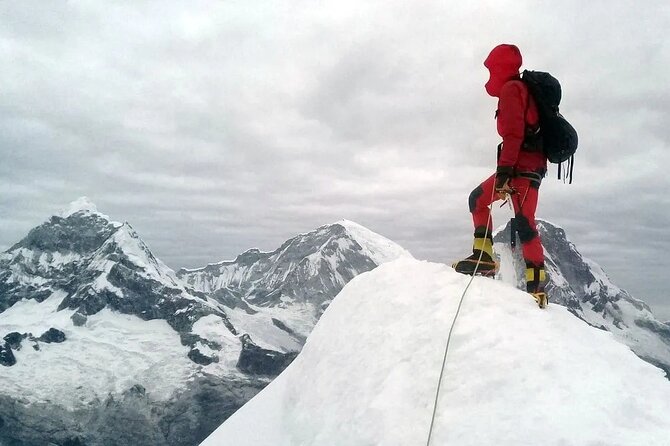
At $140 per person, the cost is fair for the package provided. You receive shared transport, a certified English and Spanish-speaking mountain guide, personal technical equipment, a basic first aid kit, and ongoing assistance.
The gear list is the main value point. Buying or renting boots, crampons, a harness, an ice axe, and a helmet separately could make a first summit much more expensive and complicated. You also avoid arranging a private mountain transfer from Huaraz.
The price does not cover the 30-sol park fee. Meals, headlamp, snow goggles, warm clothing, medication, personal expenses, and tips are also extra. The tour is therefore affordable only if you already have, or can arrange, the personal clothing and accessories required for a high-altitude snow climb.
I would not choose this experience based on price alone. The guide quality matters more. The available feedback gives special weight to patient instruction and personal encouragement, which can make the difference between a frightening day and a successful one.
Who should book this climb
This suits you if you want a one-day mountaineering challenge and have already spent enough time in Huaraz to adjust to the altitude. It is also a good match if you want a first experience with crampons and a rope under professional supervision.
You should be comfortable with a steep hike and prepared to work hard at altitude. The phrase suitable for most people should not be read as suitable for everyone. The experience specifically requires physical strength at 5,100 meters and above.
It may suit a group of friends particularly well. One account describes a mixed-experience group having a good time together, with the guides maintaining a kind and patient atmosphere. That said, the maximum group size is 30, so a large party can feel less personal than a private climb.
You should think twice if you want a relaxed scenic day, dislike pre-dawn departures, or have not allowed time to acclimatize. You should also be ready to provide your own cold-weather clothing and meals.
Practical preparation for the summit day
Use the evening before to prepare everything. Confirm your pickup, arrange food, set aside the park fee, and check that you have the required personal equipment.
The operator provides the main climbing kit, but you still need:
- Warm and appropriate clothing
- Snow goggles
- A headlamp
- Personal medications
- Food and water for the day
- Extra money for the park fee and a guide tip if desired
The tour recommends bringing your own first aid kit even though a basic one is supplied. That is sensible, especially if you use specific medication or have personal needs that a shared kit may not cover.
Do not underestimate the early start. A 3:30 AM pickup followed by a 2.5-hour drive and a climb to 5,150 meters demands a calm, organized morning. The more decisions you make the night before, the more attention you can give to the mountain.
Free cancellation is available if you cancel at least 24 hours before the start time. Cancellations or changes made less than 24 hours before departure are not accepted for a refund.
The final call: should you book Nevado Mateo?
Book it if you want a real first summit, not just a high viewpoint. At $140, the included equipment, transport, and guide support make this a practical way to try glacier climbing from Huaraz without arranging every part yourself.
Do not book it because the title sounds easy. The day is long, the altitude is serious, and the technical section demands strength and attention. If you are acclimatized, properly dressed, and ready for a hard challenge, Nevado Mateo offers a memorable mix of achievement, mountain views, and patient instruction.
FAQ
Where does the Nevado Mateo climb begin?
The tour includes hotel pickup in Huaraz at 3:30 AM. The group drives through Carhuaz and Shilla, enters Huascarán National Park, and parks at Punto Olimpia.
How long does the experience last?
The full experience lasts approximately 11 to 12 hours. The planned return to Huaraz is about 2:30 PM.
How high is Nevado Mateo?
The summit is approximately 5,150 meters above sea level.
Is the Huascarán National Park entrance fee included?
No. The entrance fee costs 30 soles per person and is paid separately.
What climbing equipment is provided?
The tour provides boots, crampons, a harness, an ice axe, and a helmet. Shared tourist transport and a certified mountain guide are also included.
Are meals included?
No. Breakfast, lunch, and dinner are not included. Personal expenses are also separate.
Do I need to bring any personal equipment?
Yes. You need appropriate clothing, snow goggles, a headlamp, and personal medications. The operator also recommends bringing your own basic first aid kit.
Can beginners join the climb?
The experience is presented as suitable for a first high-altitude summit, and most people can participate. However, it requires physical strength at approximately 5,100 meters and includes a glacier ascent with crampons and ropes.
What is the cancellation policy?
You can cancel at least 24 hours before the start time for a full refund. Cancellations or changes made less than 24 hours before the start time are not accepted for a refund.
Added recently around Huaraz
- Snowy Mateo – Cordillera Blanca Expedition★ 5.0 · 26 reviews
- The Best of Huayhuash Mini Trek – Siula Grande Mountain (5D /4 N)★ 5.0 · 6 reviews
- Cordillera Huayhuash Classic Trek – 8 Days & 7 Nights★ 5.0 · 5 reviews
- Pastoruri Glacier Day Trip★ 4.0 · 4 reviews
- Parón Lake – Cordillera Blanca – Private Service★ 5.0 · 8 reviews
- 20Day-Santa Cruz Trek Peak Alpamayo 5957 m and Chopicalqui 6354 m★ 5.0 · 4 reviews
- Full day hike in Lagoon 69 with Transportation★ 4.0 · 4 reviews
- Climbing Mateo – Your first 5 thousand★ 5.0 · 52 reviews
Rock Climbing & Via Ferrata, compared.
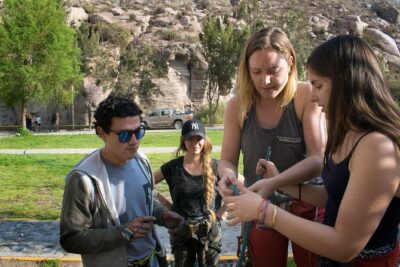
Rock climbing in Arequipa and the Andes of Peru
Read our review →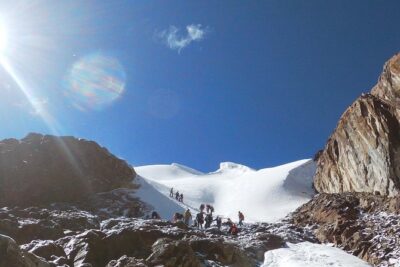
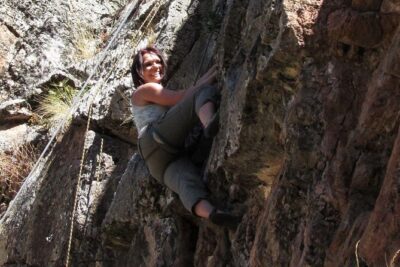
Via Ferrata & Zip Line at the Sacred Valley with lunch
Read our review →
Browse the lists this tour appears in