
Reviewed · CITY TOURS
Tour of the most important points in the city of Cusco.
Cusco’s best introduction starts above the city. This half-day outing links the Temple of Qoricancha, Sacsayhuaman, Qenqo, Puka Pukara, and Tambomachay in one practical circuit. I like the clear route and the small-group format, which should make the guide’s explanations easier to follow. I also like that the tour works as a gentle first step before a demanding outing such as Rainbow Mountain. The main drawback is that entrance fees are extra, and the packed schedule leaves limited time at each site.
At $25 per person, this is a good-value way to get your bearings in Cusco without arranging taxis between widely separated sights. The bilingual guide is especially useful here, since the stonework and water channels make far more sense with context. Just bring cash, rain gear, and sturdy shoes, and confirm your pickup time by WhatsApp before the day begins.
In This Review
- Key points to know before you book
- Why this Cusco tour works as an acclimatization day
- Morning pickup or the 1:00 pm meeting point
- Qoricancha, Cusco’s richest starting point
- Sacsayhuaman and the scale of Inca stonework
- Qenqo, a ritual site carved into limestone
- Puka Pukara, the red fortress on the route
- Tambomachay and the Inca baths
- What the $25 price really covers
- Group size, guiding, and the quality of explanation
- What to pack for the five-hour outing
- Who should book this Cusco city highlights tour?
- Should you book this tour?
- FAQ
- Where does the Cusco highlights tour take place?
- How long does the tour last?
- What sites are included?
- What time does the morning tour begin?
- Where does the afternoon tour meet?
- Is hotel pickup included?
- Are entrance fees included?
- Is a guide included?
- What should I bring?
Key points to know before you book
- Five major sights in one circuit: See Qoricancha, Sacsayhuaman, Qenqo, Puka Pukara, and Tambomachay during a single half-day outing.
- A useful first-day plan: The pace and sightseeing focus make this a sensible introduction before higher, harder excursions such as Rainbow Mountain.
- Small groups: The operator handles small groups for greater comfort and easier contact with the guide.
- Two departure options: Morning pickup is around 8:30 am, while the afternoon option meets at Qoricancha at 1:00 pm.
- Extra entrance fees: Qoricancha costs S/ 20, and the Cusco Tourist Ticket is separate from the tour price.
- Strong guide feedback: The most praised feature is the clear historical information, with one verified rating calling the guide’s knowledge of the area especially impressive.
Why this Cusco tour works as an acclimatization day
Cusco sits high, and your first day here does not need to be a heroic test of endurance. This outing gives you several hours of sightseeing without asking you to complete a long trek. You will still walk around archaeological sites, climb some uneven ground, and spend time outdoors, but the activity is broken into short visits.
I like this approach for a first or second day in the city. You get an early look at Inca architecture, colonial-era Cusco, military sites, ritual spaces, and Inca water engineering. That mix helps you understand the region before you visit more remote places.
The tour is also useful if your schedule is tight. Instead of negotiating separate taxis to five sites, you use one vehicle and one guide. The route moves out from central Cusco and returns to the city at the end, so you can spend the rest of your day near the Plaza de Armas.
Do not treat the outing as a rest day. The altitude can still make a five-hour program tiring, especially if you have just arrived from a lower elevation. Walk slowly, drink water, and avoid planning a demanding evening afterward.
More City Tours in Cusco
- Cusco: Half-Day City Tour with Sacsayhuaman and Q’enco
★ 4.6 · 1,129 reviews - City Tour Cusco Qoricancha Sacsayhuaman y Tambomachay
★ 4.7 · 617 reviews - Cusco City Tour Four Ruins in Half-Day
★ 5.0 · 530 reviews
Morning pickup or the 1:00 pm meeting point
If your hotel is near Cusco’s historic center, pickup begins at about 8:30 am for the morning shift. If your accommodation is outside the pickup area, a meeting point is arranged. The afternoon shift meets at Qoricancha at 1:00 pm.
You will receive your exact pickup time through WhatsApp one or two days before departure. Keep your phone active and check your messages. The morning option gives you more time afterward, while the afternoon departure may suit you if you need a slower start or want to spend the morning in central Cusco.
The stated duration is 270 minutes, or four and a half hours. The itinerary also describes the outing as lasting about five hours, so I would allow a little flexibility. Traffic, hotel pickups, and time at the sites can affect the return time.
Transportation is included both ways. That matters because the outer archaeological sites are not all within a comfortable walking route from the Plaza de Armas. The vehicle keeps the day simple, though you should expect short walks and time on uneven surfaces once you arrive.
Qoricancha, Cusco’s richest starting point
The first major stop is Qoricancha, also called the Temple of the Sun. This is an excellent place to begin because it shows how important religion and astronomy were to the Inca capital.
The tour includes about an hour of guided explanation here. That is the longest stated visit in the itinerary, and it is welcome. Qoricancha rewards careful listening, since its importance is not always obvious from a quick look at the walls.
The entrance to Qoricancha is not included. The listed price is S/ 20, payable separately. The Cusco Tourist Ticket is also not included, and you should ask the operator which ticket applies to the other archaeological sites before departure. The tour information identifies Cosituc as the organization responsible for issuing the various attraction and museum tickets.
This extra cost changes the value calculation. The tour itself is inexpensive at $25, but you should not mistake that price for an all-inclusive admission package. Bring cash for entrance fees and any personal purchases.
Qoricancha can also be a busy place. A guide who explains what you are looking at makes the visit far more useful than a quick walk through on your own. The strongest praise for this experience centers on historical explanations, and that is exactly where the guide adds value.
Sacsayhuaman and the scale of Inca stonework
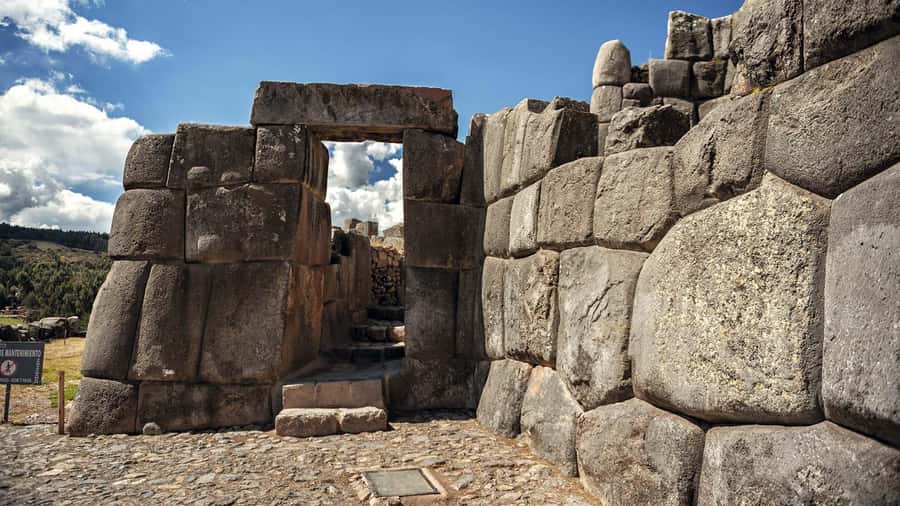
From Qoricancha, the circuit continues to Sacsayhuaman, one of the most imposing sites above Cusco. It is described as an example of Inca military architecture, and its position gives the visit a strong sense of scale.
This is the stop where you are most likely to appreciate the size of the stones and the planning behind the site. The walls are not simply decorative. They show how the Inca used massive blocks in a defensive setting above the city.
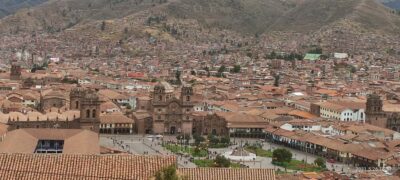
The broad setting also helps explain Cusco’s layout. From high points around the city, you can connect the ceremonial center below with the defensive and administrative sites around it. Your guide’s historical commentary should help you see the wider pattern rather than treating Sacsayhuaman as an isolated ruin.
Wear hiking shoes or another pair with firm soles. The provided guidance specifically recommends hiking shoes, and that is sensible for archaeological ground. Rain can also change the footing, so pack rain gear even if the morning begins clear.
A short guided visit cannot explain every theory or construction detail. If Sacsayhuaman is your main interest, you may want a longer visit on another day. On this circuit, its value is the dramatic introduction to Inca building skill and military planning.
A few more Cusco trips worth lining up side by side
- Classic Inca Trail Trek 4D/3N to Machu Picchu (Group Service)
★ 5.0 · 8,653 reviews - Cusco: Rainbow Mountain and Red Valley Day Trip with Meals
★ 4.9 · 4,893 reviews - Machu Picchu: 4-Day Inca Trail Trek with Panoramic Train Ride
★ 5.0 · 4,568 reviews - Salkantay Classic Trek 5 Days from Cusco
★ 5.0 · 4,062 reviews
Qenqo, a ritual site carved into limestone
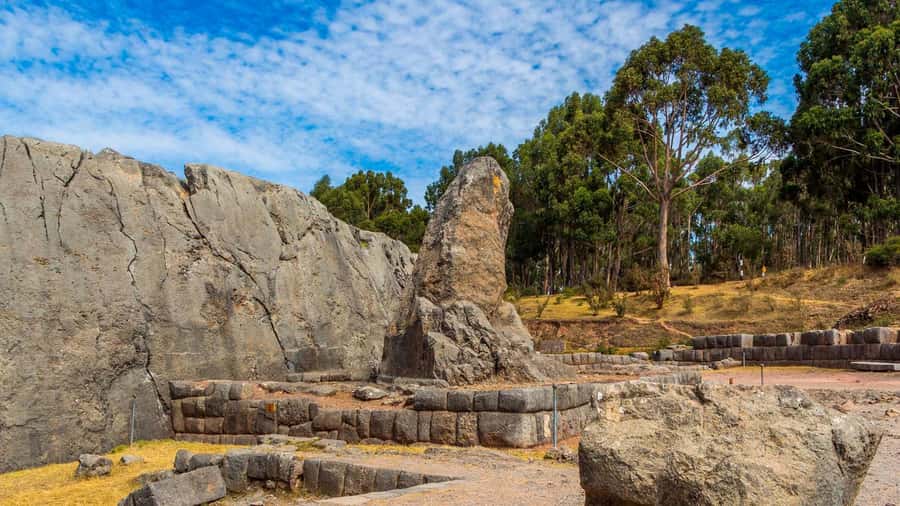
Qenqo offers a different kind of experience. Instead of the open, defensive scale of Sacsayhuaman, this archaeological center is a ritual site built around a distinctive limestone outcrop.
That change is important. The route does not show you five versions of the same ruin. It moves from a temple to a military complex, then to a ritual center. A good guide can connect those functions and explain how they fit into the religious and political life of the Inca capital.
Qenqo may appeal most to you if you enjoy sites that require interpretation. The stone itself is the focus, and the meaning of carved surfaces and ceremonial spaces is not always immediately clear. This is another reason to stay close to the bilingual guide.
The schedule does not give a separate length of stay for Qenqo. Expect a shorter stop than the hour at Qoricancha, since the tour must also reach Puka Pukara and Tambomachay. If you want quiet time for photographs, be ready to use the available minutes well.
Bring a camera, but keep it practical. The tour includes several outdoor sites, and changing light or rain may affect photographs. A small camera or phone is easier to manage than bulky equipment during a group outing.
Puka Pukara, the red fortress on the route
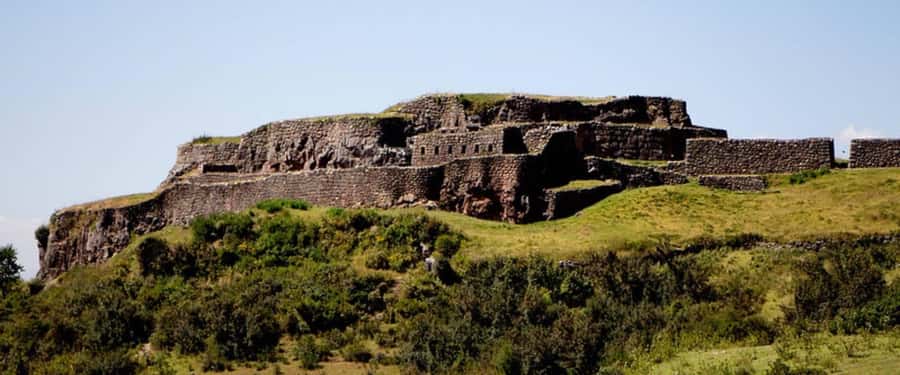
Puka Pukara is known as the red fortress, a name linked to the reddish color of the site. Its military character gives the circuit another useful contrast with Qenqo.
The stop helps you see how the Inca organized movement around Cusco. The tour description highlights both the color and the military construction, so the guide will likely focus on the site’s defensive role and its place within the wider circuit.
Puka Pukara is not presented as a long standalone visit. Think of it as a compact but worthwhile stop that adds another piece to the region’s planning. The color of the stone also gives you a visual change after the pale limestone at Qenqo and the giant masonry at Sacsayhuaman.
Weather preparation matters here. You are visiting open archaeological areas, not enclosed museums. Biodegradable sunscreen, rain gear, and a camera belong in your day bag. Cusco weather can shift, and the tour’s own packing advice sensibly includes both sun protection and wet-weather clothing.
Tambomachay and the Inca baths
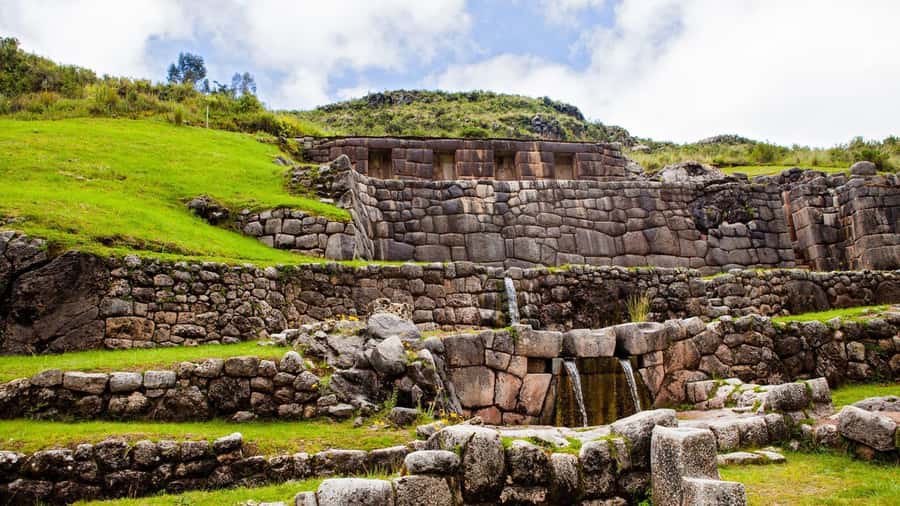
The final archaeological stop is Tambomachay, known for its main waterfall and its association with the Inca baths. Water is the star here, and the site provides a calmer ending after the heavy stonework of Sacsayhuaman and Puka Pukara.
The water channels show another side of Inca engineering. Instead of focusing on walls or fortifications, Tambomachay points to the careful control and presentation of water. The site’s name and description make it a natural place for the guide to explain the role of bathing, ritual, and water management.
Do not expect a large complex or a long walking program. Tambomachay is a focused stop, and its appeal comes from the setting and the water features. If you enjoy seeing how practical engineering could also carry ceremonial meaning, you will likely value this final visit.
After Tambomachay, the vehicle returns you to Cusco. The route’s order creates a logical progression from central temple to outer sites and then back to the city. You finish with a broad first picture of Cusco rather than spending the entire day in one district.
What the $25 price really covers
At $25 per person, the tour offers solid value for transportation, a bilingual guide, hotel pickup near the historic center, and return transport. The small-group approach is another benefit, since a smaller party usually makes it easier to hear the guide and ask questions.
The price does not cover meals, breakfast, lunch, water, snacks, or entrance fees. Qoricancha is listed at S/ 20, and the Cusco Tourist Ticket is also separate. That means you should calculate the full cost before booking, especially if you are watching your budget closely.
Still, the value is easy to understand. Five sites require time, transport, and planning. You could arrange taxis yourself, but you would then need to manage the route, ticket questions, and historical background on your own. The tour bundles the practical work into one booking.
The experience is best for you if you want an efficient orientation rather than a private, slow-paced archaeological study. The fixed route and half-day format keep costs down, but they also limit how long you can linger at each stop.
Group size, guiding, and the quality of explanation
The provider states that it handles small groups for passenger comfort. No exact maximum group size is provided, so I would not assume a private tour. Even so, the small-group plan is encouraging for a route with several guided stops.
The most praised feature is the guide’s historical explanation. One verified rating gave full marks and singled out the guide’s impressive knowledge of the area and the places visited. Another gave four out of five and described the experience as informative about history. The overall rating is 4.8 from four reviews.
That praise points to the tour’s real strength. The sites are famous, but fame alone does not explain why a temple, fortress, ritual center, or water complex matters. You are paying partly for the route and transport, but also for someone to connect the stones to Cusco’s past.
English and Spanish guiding are available. If you need English, select or confirm that language when booking. The tour is not designed as a self-guided visit, so stay with the group and use the guide’s explanations to make sense of each site.
What to pack for the five-hour outing
The packing list is short, but each item has a purpose:
- Passport or ID card
- Camera
- Hiking shoes
- Biodegradable sunscreen
- Rain gear
- Cash
Bring water and a snack even though they are not included. The tour specifically excludes water, snacks, and meals, and the schedule covers several hours. You should not count on finding food at exactly the right moment.
Avoid alcohol and drugs, which are not allowed. Baby carriages are also not allowed, so families should plan accordingly. The operator does not provide further accessibility details, so ask before booking if you need specific mobility support.
A light day bag is the sensible choice. You need room for rain gear and sunscreen, but you do not want a heavy pack while walking over archaeological ground.
Who should book this Cusco city highlights tour?
I would recommend it to first-time visitors who want a clear introduction to Cusco’s main archaeological sites. It also suits anyone with limited time, anyone who prefers organized transport, and anyone planning a more strenuous trip after a day or two of acclimatization.
It is a good match if historical explanation matters to you. The guide feedback points strongly in that direction, and the itinerary includes enough variety to keep the half-day interesting.
I would hesitate if you want long, unhurried visits at every site. Five major stops in roughly four and a half to five hours means the schedule is efficient rather than leisurely. I would also hesitate if you want all admissions, food, and drinks included in the advertised price.
For a smooth booking, avoid making a last-minute reservation without checking availability by email first. Cancellation is free up to 24 hours before departure, and the reserve-now, pay-later option can help if your plans are still changing.
Should you book this tour?
Book it if you want a low-cost, well-organized introduction to Cusco, especially before Rainbow Mountain or another demanding outing. The combination of small groups, bilingual guiding, return transport, and five important sites gives you a lot for $25.
Skip it if you prefer to set your own pace or already know Cusco’s major ruins well. Also budget for the Qoricancha admission and Cusco Tourist Ticket, and bring your own water and snacks. For most first visits, though, this is a sensible way to see the city’s Inca highlights while giving your body time to adjust to the altitude.
FAQ
Where does the Cusco highlights tour take place?
The tour takes place in the Cusco Region of Peru, beginning in or near the historic center of Cusco and visiting several archaeological sites around the city.
How long does the tour last?
The stated duration is 270 minutes, or four and a half hours. The itinerary also describes the outing as lasting approximately five hours, so allow some flexibility.
What sites are included?
The route includes Qoricancha, Sacsayhuaman, Qenqo, Puka Pukara, and Tambomachay.
What time does the morning tour begin?
Morning hotel pickup begins at approximately 8:30 am for hotels near the historic center.
Where does the afternoon tour meet?
The afternoon option has a meeting point at Qoricancha at 1:00 pm.
Is hotel pickup included?
Pickup is included if your hotel is near Cusco’s historic center. If it is outside the pickup area, the operator arranges a meeting point.
Are entrance fees included?
No. Qoricancha has a listed entrance fee of S/ 20, and the Cusco Tourist Ticket is also separate.
Is a guide included?
Yes. A live bilingual guide is included, with English and Spanish available.
What should I bring?
Bring your passport or ID card, camera, hiking shoes, biodegradable sunscreen, rain gear, and cash. Water and snacks are not included, so you should bring or buy your own.
Added recently around Cusco
- Guided tour of the mountain of colors in Cusco★ 5.0 · 11 reviews
- 2-Day Private Short Inca Trail to Machu Picchu★ 5.0 · 15 reviews
- City Tour Cusco – Group★ 5.0 · 4 reviews
- Tour Sacred Valley with Maras and Moray★ 5.0 · 15 reviews
- San Pedro Market Tour with Peruvian Cooking Class★ 5.0 · 31 reviews
- Walking Culinary Experience★ 5.0 · 41 reviews
- City Tour in Cusco★ 4.5 · 10 reviews
- One Day Tour to Humantay Lagoon★ 5.0 · 8 reviews
City Tours, compared.
Lima Half-Day City Walking Tour (Small Groups)
Read our review →
Half-Day City Tour with Sacsayhuaman and Q’enco
Read our review →
City Tour Panoramic Bus Departure From Larcomar
Read our review →
City Tour Cusco Qoricancha Sacsayhuaman y Tambomachay
Read our review →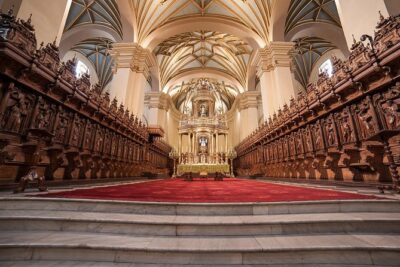
Lima’s Vibrant Heritage: Exploring the City’s Landmarks Half-day
Read our review →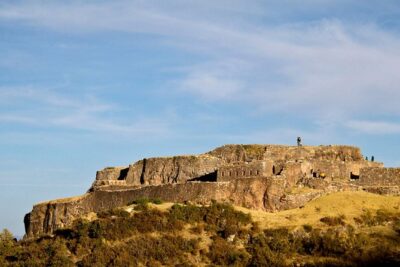
Sightseeing Tour of the City on an Open-Top Bus
Read our review →
Lima City, Central Market & Catacombs Tour (Pick-up & Drop Off)
Read our review →Browse the lists this tour appears in