
Reviewed · COLCA CANYON TOURS
Turist Bus Colca Canyon (Chivay) To Puno
The Andes turn a transfer into a half-day outing. I like the four scenic stops and the chance to travel with a bilingual guide instead of simply staring out a bus window. I also like the useful arrival service, with possible hotel drop-off in Puno’s Historic Center. The main drawback is that the promised water, snacks, and Wi-Fi may not always be available, so bring your own supplies.
This $41.03 ride takes about six and a half hours, leaving Chivay at roughly 1:15 p.m. and reaching Puno around 7:00 to 7:30 p.m. You get an air-conditioned bus, onboard toilet, phone chargers, and stops at high Andean viewpoints, but construction or road delays can stretch the trip to about seven and a half hours.
In This Review
- Key points to know before booking
- Why this Chivay to Puno transfer is worth considering
- Meeting in Chivay and leaving after lunch
- Abra Patapampa and the volcano views
- Tocrapampa and the camelids of the high plains
- Patahuasi in Aguada Blanca National Reserve
- Lagunillas and the route’s best photo stop
- What the bus provides, and what to bring yourself
- Timing, road delays, and group size
- Price and overall value at $41.03
- Who should book this Andean sightseeing bus
- Should you book it?
- FAQ
- Where does the tour begin?
- What time should I arrive in Chivay?
- How long does the trip from Chivay to Puno take?
- What time does the bus reach Puno?
- How many sightseeing stops are included?
- Is a guide included?
- Is Wi-Fi available on the bus?
- Are food and drinks included?
- Is there a bathroom on the bus?
- Can the bus take me to my hotel in Puno?
Key points to know before booking
- Abra Patapampa reaches a high Andean viewpoint: You can see several volcanoes, the Chila range, and the source area of the Amazon River.
- Tocrapampa brings wildlife close to the road: Llamas and alpacas graze here, with a chance of spotting wild vicuñas.
- Patahuasi combines a rest stop with local flavor: Expect hot herbal drinks, bathrooms, crafts, and more camelids.
- Lagunillas is the best photo stop: Small lakes reflect the sky, and Andean flamingos may appear depending on the season.
- The ride replaces a plain bus transfer: A Spanish-English guide explains the sights while you cross the high Andes.
- The schedule ends late in Puno: A hotel transfer may be possible in the Historic Center, but you should confirm the exact drop-off arrangement.
Why this Chivay to Puno transfer is worth considering
The road between Chivay and Puno is more than a connection between two popular Peruvian destinations. It crosses open high-altitude country, volcanic peaks, grazing camelids, and cold mountain wetlands. A standard bus gets you there, but this service breaks up the ride with four sightseeing stops.
That matters because six and a half hours on a bus can feel long. Here, you get short walks, photographs, wildlife watching, and explanations from a professional bilingual guide. The stops are not long enough for a major hike, but they provide regular movement and give the route a clear shape.
I especially like this option for anyone visiting Colca Canyon before continuing to Lake Titicaca. You avoid arranging a separate sightseeing day, and you do not lose a full day to a simple transfer. At $41.03 per person, the price is reasonable if the bus runs close to schedule and the included comforts work as described.
Still, you should set realistic expectations. This is a transport excursion, not a small-group expedition. The maximum group size is 40 people, and the stops are brief. You will see several memorable places, but you will not have time for long walks, quiet wildlife observation, or detailed exploration.
Other Colca Canyon trips:
- 2-Day Tour Colca Canyon in Arequipa with end in Puno
★ 4.6 · 248 reviews - From Arequipa: 1-Day Guided Tour to Colca Canyon with Meals
★ 4.1 · 144 reviews - From Puno to Arequipa: 2 Days/1 Night Colca Canyon Tour
★ 3.6 · 83 reviews
Meeting in Chivay and leaving after lunch
The meeting point is the operator’s office beside the church on Chivay’s main plaza. The pickup window runs from 12:30 to 1:10 p.m., with departure planned for about 1:15 p.m.
That location is practical. Chivay’s main plaza is easy to identify, and the church provides a clear landmark. I would arrive early rather than cutting it close. The stated window gives the staff time to organize boarding, and the bus is scheduled to leave soon after 1:00 p.m.
The afternoon departure also works well with the route. You can spend the morning in Chivay or finish a Colca Canyon activity before transferring to Puno. The tradeoff is a late arrival. Reaching Puno between 7:00 and 7:30 p.m. means you should keep your evening plans light.
A useful touch is the possible hotel drop-off in Puno’s Historic Center. This is not presented as a universal door-to-door service for every address, so confirm your hotel’s location before counting on it. If your accommodation is outside the central area, you may need another arrangement after arrival.
Abra Patapampa and the volcano views
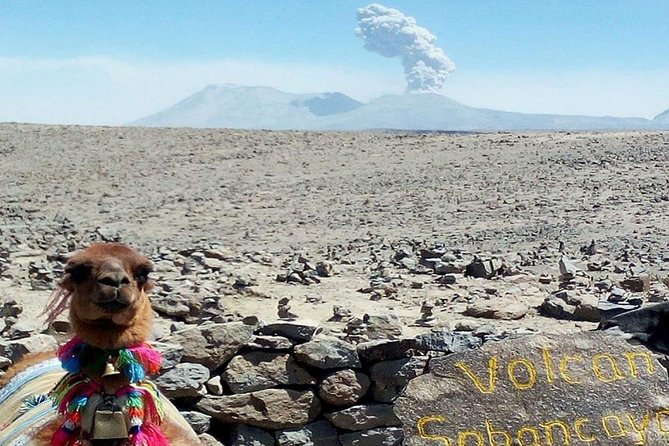
The first major stop is Abra Patapampa, also called the Mirador de los Andes. The stop lasts about eight minutes, so this is a quick viewpoint visit rather than a walk.
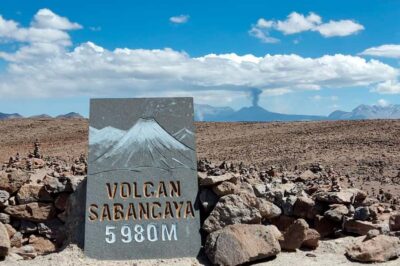
The view reaches toward Ampato, Sabancaya, Hualca Hualca, and Mismi, along with the Chila mountain range. Mismi is noted as the source area of the Amazon River, giving this stop an unusual geographic connection. You are not just looking at distant peaks. You are standing in a place tied to one of the world’s great river systems.
You can also see apachetas, small stone towers traditionally left by travelers as offerings to local gods. These simple piles add a human detail to an otherwise wide, stark setting.
The short stop has advantages and limits. Eight minutes is enough for a few photos and a quick explanation, but not enough to wander. Keep your camera ready, listen for the guide’s instructions, and do not expect a leisurely visit.
High elevation is another practical concern. The route reaches very high Andean terrain, and the stop may feel cold or windy. The tour provides air conditioning or heating on the bus, but you should still carry a warm layer. The provided information does not state the exact elevation in meters, so I would not plan around a precise altitude figure.
Tocrapampa and the camelids of the high plains
Tocrapampa is described as a technical stop, with a chance to see South American camelids grazing in their natural setting. Llamas and alpacas are the most likely animals, while vicuñas may appear if conditions are favorable.
Vicuñas are especially interesting. Their fiber is among the finest and most expensive used in the textile industry, and they are wild animals rather than domesticated pack animals. Seeing one at a distance is part of the appeal. You may also spot them only briefly, so binoculars could be useful if you have room for them.
This stop adds something that a viewpoint cannot. Instead of only looking at mountains, you get a sense of how animals live in this cold, open environment. The guide can help identify the different camelids, which is useful because llamas, alpacas, and vicuñas can look similar at first glance.
The exact stop duration is not specified. That means you should treat it as a flexible roadside pause rather than a guaranteed wildlife encounter. Do not expect animals to gather on cue. The value lies in the possibility of seeing them in their own setting.
A few more Chivay trips worth lining up side by side
- Tour Fullday Colca Canyon with Breakfast and Typical Lunch
★ 4.3 · 35 reviews - From Arequipa Trek : 2-Days of Hiking in the Colca Canyon
★ 4.5 · 35 reviews - From Arequipa: Fullday Tour Colca Canyon + Transfer To Puno
★ 4.4 · 17 reviews - From Arequipa: One Day Trip to Colca Canyon Ending in Puno
★ 4.0 · 14 reviews
Patahuasi in Aguada Blanca National Reserve
Patahuasi, also known as Pampa Cañahuas, is the most practical stop on the route. Located in the Aguada Blanca National Reserve behind Chachani Volcano, it combines mountain scenery, wildlife, refreshments, bathrooms, and shopping.
You may see vicuñas, llamas, and alpacas here, with a smaller chance of spotting foxes or guanacos in the distance. The reserve setting makes this more than a simple service station, although you should still think of it as a short stop with several functions.
The planned visit lasts about 15 minutes. That gives you time to use the facilities, stretch your legs, and look around. You can also buy crafts and souvenirs, which may be convenient if you did not shop in Chivay.
Hot drinks made with local herbs such as chachacoma and muña are available for tasting. These drinks are particularly welcome in the cold highlands. They also give you a small taste of local Andean plant traditions without requiring a separate cultural activity.
The stop is not included as a full meal break. The tour information refers to hot herbal drinks, not lunch or a substantial snack. I would eat before departure and bring something filling for the bus. Water is also worth carrying, especially because one detailed account reported that bottled water and snacks were not offered as expected.
Lagunillas and the route’s best photo stop
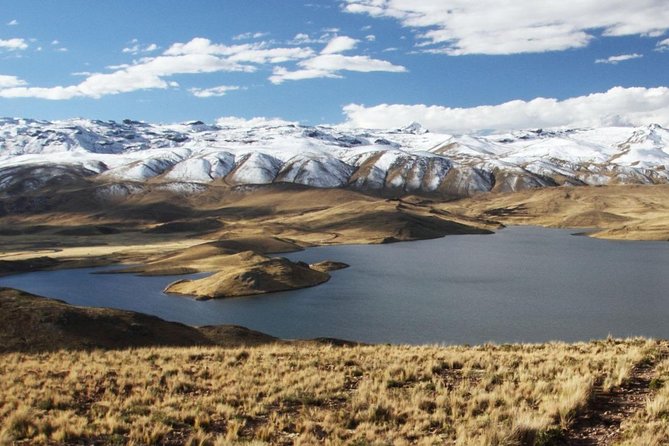
Lagunillas offers a different view from the volcano lookout and camelid stops. Here, small lakes spread across the high plains, reflecting the sky like mirrors. The stop lasts about 15 minutes.
Depending on the season, Andean flamingos and other birds may be present. Their appearance is not guaranteed, but the lakes remain attractive even without them. The open setting gives you broad photographs, and the changing light can make the water look very different from one moment to the next.
I would save phone battery for this stop. The combination of water, mountains, and birds gives you some of the strongest photo opportunities on the route. The short visit also means you should stay aware of the guide and departure time.
Lagunillas is best viewed as a scenic pause, not a birding excursion. Seasonal conditions affect what you see, and 15 minutes is too brief for serious wildlife watching. Still, it breaks up the drive at exactly the right point and gives the journey a calm finish before Puno.
What the bus provides, and what to bring yourself
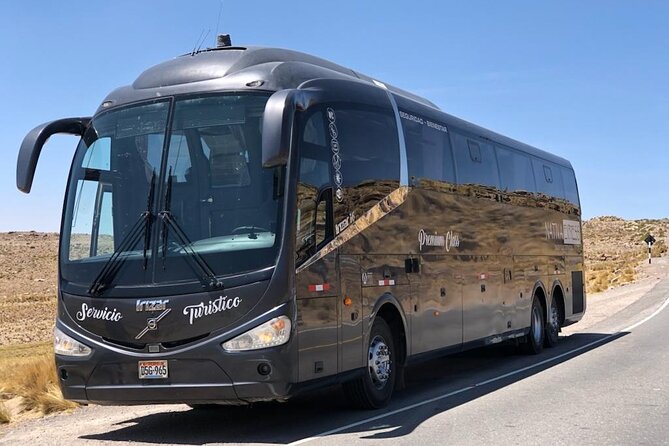
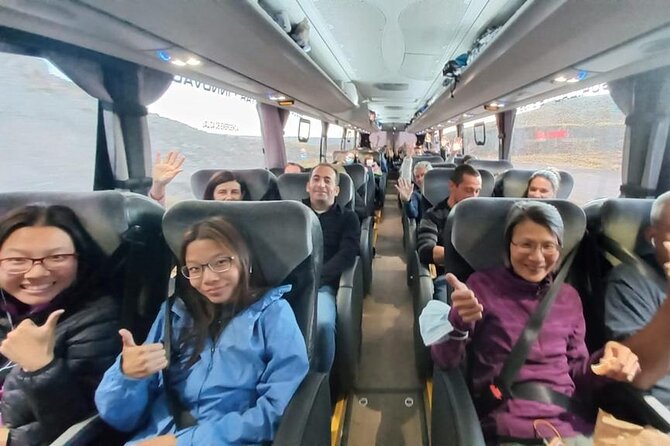
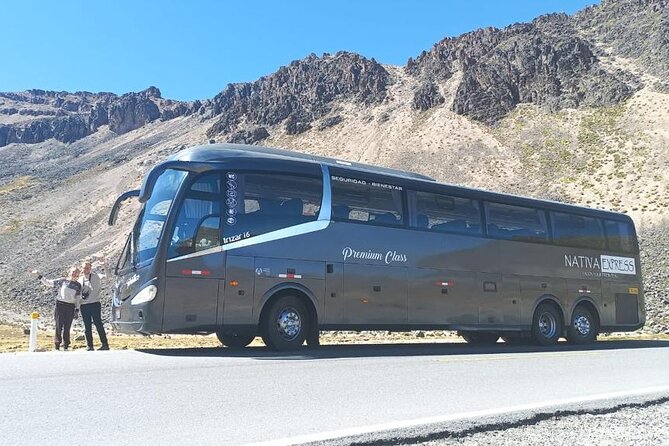
The bus is described as air-conditioned, with heating available, Wi-Fi, reading lights, phone and device chargers, and a chemical toilet depending on the vehicle assigned. These features make a difference on a long mountain transfer.
The onboard bathroom is useful because the sightseeing stops are short. It should not replace the facilities at Patahuasi, but it gives you another option during the drive. Individual reading lights and chargers are also practical if you plan to read or keep your phone ready for photographs.
The service includes attention from a professional Spanish-English guide. This is one of the strongest reasons to choose this ride over a basic public bus. You get context for the volcanoes, apachetas, wildlife, reserve, and lakes rather than passing them without explanation.
There is one important caution. The package describes complimentary snacks, bottled water, coffee, and Wi-Fi, but a detailed account said none of those were offered during the ride. Because of that mismatch, I would bring:
- A full bottle of water
- A sandwich or other substantial snack
- Cash for drinks or purchases at Patahuasi
- A warm layer
- A charged phone or camera
- Headphones or reading material in case Wi-Fi is unavailable
The bus may still provide these features, but you should not depend on them for food, hydration, or work. If you need reliable internet to meet a deadline, this is a risky place to plan your workday.
Timing, road delays, and group size
The planned duration is about six hours and 30 minutes. Departure is around 1:15 p.m., and arrival is expected between 7:00 and 7:30 p.m. The schedule allows for the four stops, but road conditions can change the result.
Construction traffic has previously extended the journey to roughly seven and a half hours. That delay was not caused by the tour staff, but it still affects your evening. I would avoid booking a tight dinner reservation, train connection, or late activity in Puno.
The maximum group size is 40 people. That is a fairly large coach group, so the guide’s explanations may be delivered to everyone at once and the stops may feel organized rather than personal. The benefit is a generally affordable price for a long transfer with sightseeing built in.
One strong point is the guide’s willingness to help with onward arrangements and accommodation questions. Practical assistance matters at the end of a long day, especially if you are deciding where to stay or how to continue your trip from Puno.
Price and overall value at $41.03
At $41.03, this is not the cheapest way to move between Chivay and Puno, but it offers more than a point-to-point bus ticket. You are paying for transportation, four stops, a bilingual guide, onboard facilities, and possible central hotel drop-off.
I see the best value if you were already planning to make this transfer. The stops turn necessary travel time into a sightseeing route, and you avoid paying separately for transport to the viewpoints. The cost also makes sense for visitors who prefer a structured day and do not want to arrange taxis or several independent connections.
The value drops if your main goal is speed or dependable Wi-Fi. A construction delay can lengthen the ride, and the reported shortage of promised refreshments makes it wise to carry your own supplies. If you need a private guide, a small group, or long stops, this is not the right product.
The 4.8 rating from 83 reviews and a 95 percent recommendation rate point to a strong overall experience. I would read those figures alongside the practical warning about missing inclusions. The guide and comfortable bus receive clear praise, while the service details need a little caution.
Who should book this Andean sightseeing bus
I would recommend this experience to you if you:
- Need to travel from Chivay to Puno in the same afternoon
- Want scenery and short stops without arranging a private vehicle
- Like having a bilingual guide explain what you are seeing
- Appreciate an onboard toilet, chargers, and climate control
- Are happy with a group size of up to 40 people
- Can tolerate a late arrival and possible road delays
I would think twice if you need a guaranteed work connection, dislike long bus rides, or want plenty of time at each stop. Families and older visitors may appreciate the short walks and available facilities, while photographers may wish the stops lasted longer.
The experience also suits people who have just finished a Colca Canyon visit and want their transfer to Puno to feel like part of the trip. It is less suitable for anyone who wants a quiet private ride with complete control over the schedule.
Should you book it?
Yes, if you want a practical Chivay to Puno transfer with real sightseeing value. The volcano viewpoint, camelid stops, Aguada Blanca Reserve, and Lagunillas make the route far more interesting than a direct bus ride.
Book it with two conditions in mind: bring your own food and water, and keep your evening in Puno flexible. If those small cautions work for your plans, $41.03 is a fair price for a comfortable, guided journey across some of Peru’s most striking high country.
FAQ
Where does the tour begin?
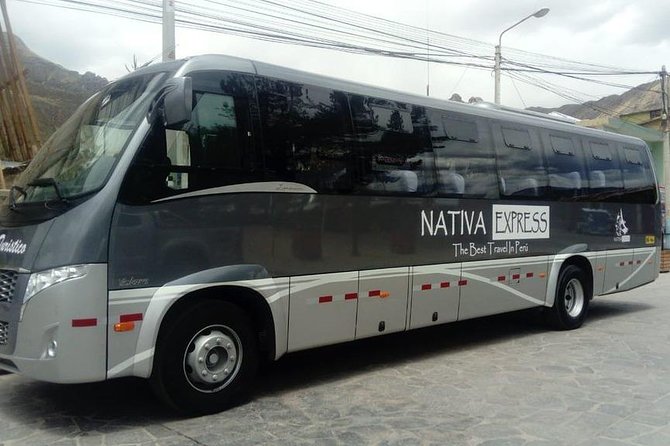
It begins at the Nativa Express office beside the church on the main plaza of Chivay.
What time should I arrive in Chivay?
The meeting window is from 12:30 to 1:10 p.m. The bus is scheduled to leave at about 1:15 p.m.
How long does the trip from Chivay to Puno take?
The planned duration is approximately six hours and 30 minutes. Road construction can make the journey longer, with one reported trip taking about seven and a half hours.
What time does the bus reach Puno?
Arrival is expected around 7:00 to 7:30 p.m.
How many sightseeing stops are included?
The route includes four stops: Abra Patapampa, Tocrapampa, Patahuasi, and Laguna Lagunillas.
Is a guide included?
Yes. A professional bilingual guide provides service in Spanish and English.
Is Wi-Fi available on the bus?
Free Wi-Fi is listed as an included feature, but it was not available during one detailed trip. Bring a backup plan if you need internet access.
Are food and drinks included?
The service describes bottled water, snacks, and coffee, while Patahuasi offers hot herbal drinks. Because these items may not always be provided onboard, bringing your own water and food is recommended.
Is there a bathroom on the bus?
A chemical toilet is available depending on the type of vehicle assigned. Patahuasi also has bathroom facilities.
Can the bus take me to my hotel in Puno?
If your hotel is in Puno’s Historic Center, hotel drop-off may be possible. The tour information does not confirm door-to-door service for every address.
Added recently around Chivay
- Tour Fullday Colca Canyon with Breakfast and Typical Lunch★ 4.3 · 35 reviews
- Offer Price: Colca Canyon One Day in Arequipa with Breakfast★ 4.5 · 4 reviews
- Full Day Trip to Colca Canyon from Arequipa ending in Puno★ 4.5 · 4 reviews
- Full day excursion to Colca Canyon★ 4.2 · 6 reviews
- From Puno: 2-Day Tour to Colca Canyon ending in Arequipa★ 4.1 · 4 reviews
- From Arequipa Trek : 2-Days of Hiking in the Colca Canyon★ 4.5 · 35 reviews
- From Arequipa: Tour Colca Canyon 2 Days with End in Puno★ 4.2 · 12 reviews
- FROM CABANACONDE: VISIT TO THE CRUZ DEL CONDOR VIEWPOINT, DURATION 2 HOURS★ 5.0 · 5 reviews
Colca Canyon Tours, compared.
2-Day Tour Colca Canyon in Arequipa with end in Puno
Read our review →
Browse the lists this tour appears in