
Reviewed · COLCA CANYON TOURS
From Arequipa Trek : 2-Days of Hiking in the Colca Canyon
The canyon earns every step you take. This two-day trek from Arequipa combines the Cruz del Cóndor viewpoint, Andean farming terraces, and a demanding descent into Colca Canyon, followed by a night at Sangalle Oasis. You also get a hot-spring stop and transport back to Arequipa, making this a busy but memorable way to see the region.
I like the small-group format, limited to 18 people, and the chance to eat lunch at a local family home in San Juan de Chuccho. I also like the reward at the bottom: palm trees, pools, and a warm evening at Sangalle Oasis. The catch is serious, though. This is not a gentle sightseeing trip. The paths are steep, uneven, exposed in places, and hot, while the climb out begins before sunrise.
In This Review
- Key points to know before booking
- The $21 price needs a closer look
- Leaving Arequipa at 3 a.m.
- Condors at 3,600 meters
- The seven-hour descent into Colca Canyon
- Lunch with a family in San Juan de Chuccho
- Sangalle Oasis and a very basic night
- The pre-dawn climb to Cabanaconde
- Breakfast, terraces, hot springs, and the road home
- Guides, pacing, and group care
- What to pack for the canyon
- Who should book this trek?
- Should you book the Colca Canyon two-day trek?
- FAQ
- How long is the Colca Canyon trek?
- What time does pickup begin in Arequipa?
- What time does the tour finish?
- Is Cruz del Cóndor included?
- How much extra money do I need to bring?
- Is the hot spring included?
- What languages does the guide speak?
- How large is the group?
- What should I bring?
Key points to know before booking
- The first day is a long downhill trek: You walk about 15 kilometers in roughly seven hours, descending from around 3,200 meters to 1,900 meters.
- The second morning is the real test: The climb from Sangalle to Cabanaconde takes about three to four hours and begins in darkness.
- Cruz del Cóndor comes before the hike: You spend about 40 to 50 minutes watching for Andean condors at 3,600 meters.
- The advertised price is not the final cost: The booking price is $21, followed by a required $90 or 320 soles in cash for food, lodging, and the entrance ticket.
- The overnight stay is basic: Facilities at Sangalle may include no private bathroom, no shower, and no power outlets in the room.
- Pack for heat and darkness: Water, snacks, a headlamp, toilet paper, sunscreen, and sturdy trekking shoes matter more than a large suitcase.
The $21 price needs a closer look
At $21 per person, the tour first looks remarkably cheap for two days of transport, a guide, meals, an overnight stay, and several major sights. But you must also bring $90 or 320 soles in cash at the start. That payment covers food, lodging, and the Colca entrance ticket.
Your practical tour cost is therefore about $111 before the optional hot-spring entrance, listed at $5 or 15 soles. That is still a reasonable price for the amount of driving, guiding, meals, and sightseeing involved, but the extra cash payment should be part of your budget from the beginning.
The value is strongest if you want one organized trip from Arequipa. Transport handles the long route between Arequipa, Chivay, Cabanaconde, the canyon, and Sangalle. You also avoid arranging separate transport, meals, and a guide for a trek that is not simple to organize on your own.
The tradeoff is that a very low headline price can make the trip seem easier and cheaper than it really is. Read the full cost carefully, and carry the required cash in soles or dollars as instructed.
More Hiking Tours in Arequipa
- Arequipa: 2-day Colca Canyon Trekking, Ending in Puno
★ 4.8 · 8 reviews - 2 day 1 night trek / Colca Canyon
★ 5.0 · 1,069 reviews - From Arequipa: Sillar Route Trek
★ 4.2 · 461 reviews
Leaving Arequipa at 3 a.m.
Pickup begins at 3 a.m. from your hotel in Arequipa. That early start allows you to reach the canyon viewpoints and the trail before the strongest heat, but it also means you begin the trip tired. Try to sleep early the night before and keep your daypack organized.
The drive to Chivay takes about three and a half hours. Breakfast there lasts around 50 minutes, giving you a useful chance to eat, use the facilities, and prepare for the day. Do not treat breakfast as your only food for the trek. You are advised to carry snacks, and this becomes especially important on the second day.
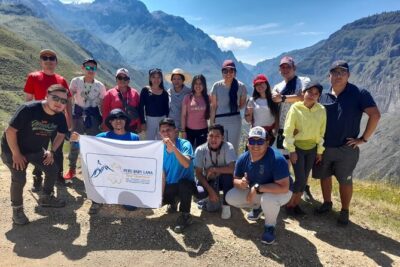
The group travels in a tourist van, with an English and Spanish-speaking guide. A group of up to 18 people is small enough to feel manageable, though it is not a private trek. Different fitness levels can affect the pace, so you should be ready for some waiting and should not assume the guide will always walk beside you.
Condors at 3,600 meters
The stop at Mirador Cruz del Cóndor is one of the strongest parts of the day. At about 3,600 meters above sea level, you have roughly 40 to 50 minutes to look across the canyon and watch for Andean condors riding the rising air.
This visit comes before the hard walk, which is smart from a sightseeing point of view. You get one of Colca’s signature sights while still relatively fresh, and the viewpoint helps you understand the scale of the canyon before you enter it.
Condor sightings depend on conditions, but the stop is designed for viewing, photographs, and a short guided visit. Bring a camera, but do not spend the whole time looking through a screen. The main appeal is seeing the birds glide across a vast wall of rock with no effort at all, just before you begin working hard for every meter.
After the viewpoint, the van continues to the trailhead area near San Miguel, at about 3,200 meters. You have a short break to arrange your backpack before walking.
The seven-hour descent into Colca Canyon
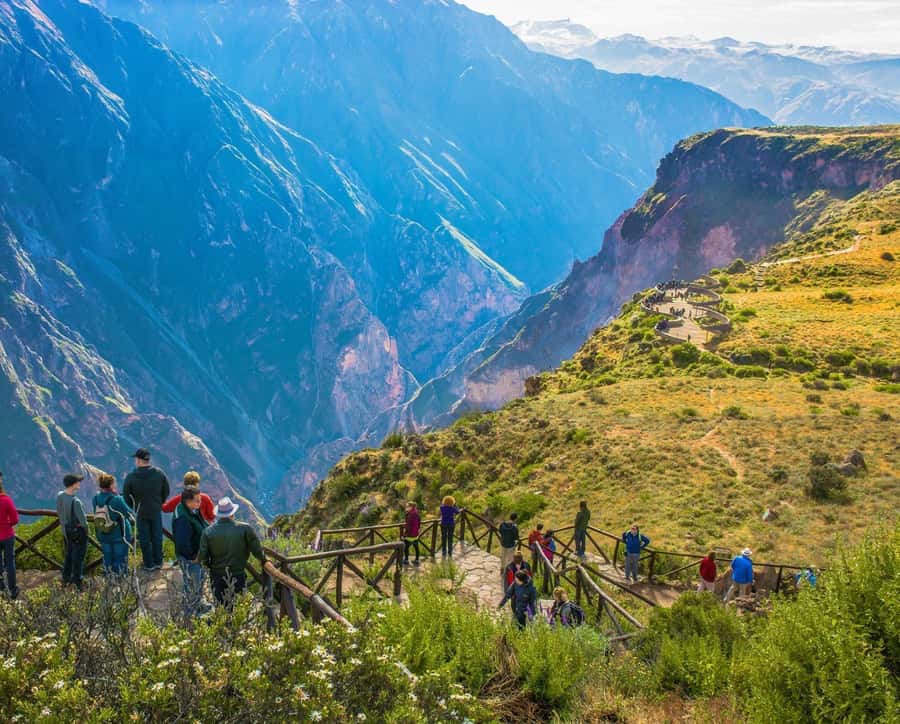
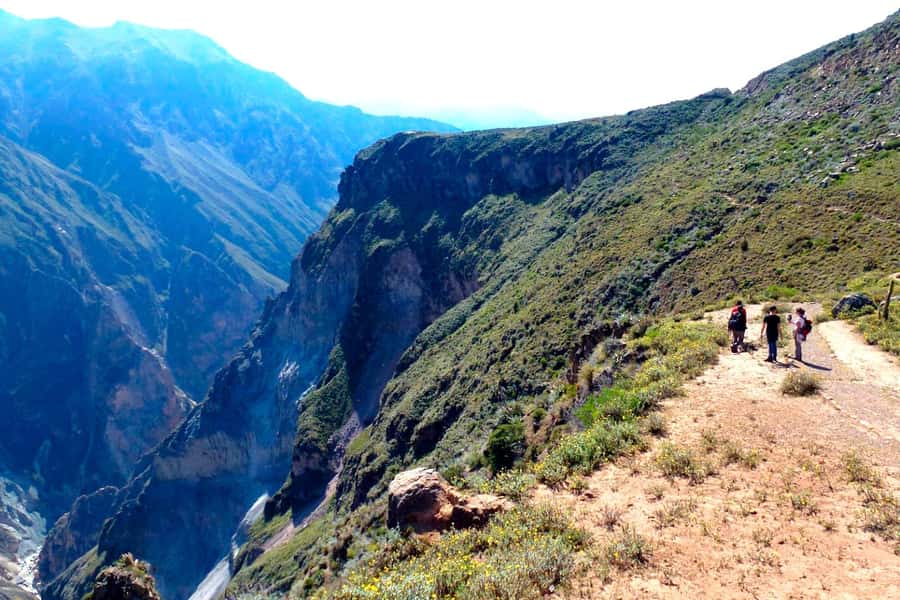
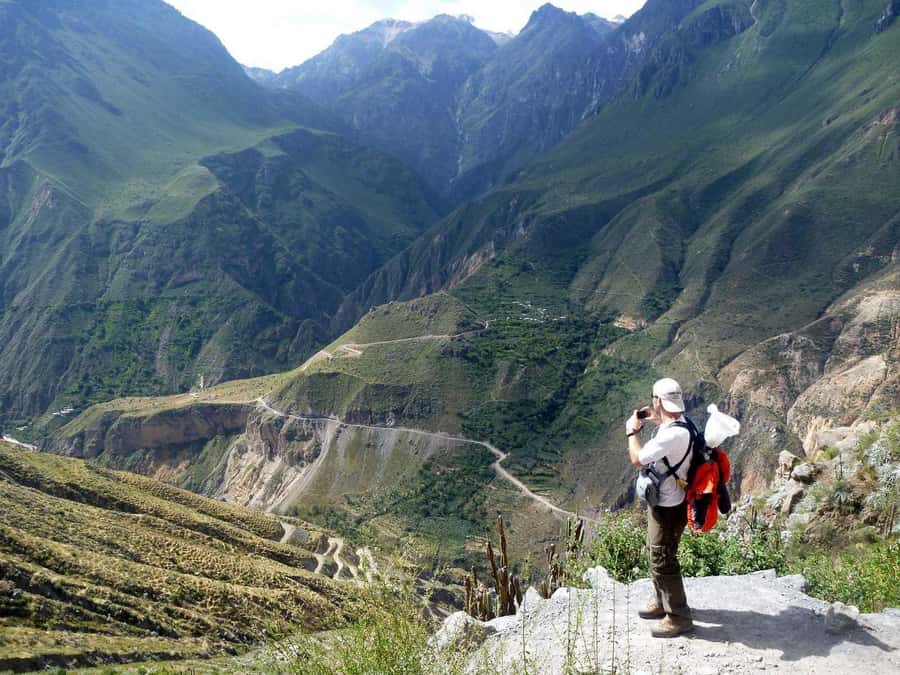
The first day covers about 15 kilometers and takes around seven hours, including the lunch stop. The route begins with a three-hour descent toward the community of San Juan de Chuccho. The path is steep and uneven, and some sections are close to exposed drop-offs.
That last point deserves plain wording: this is not a flat trail with occasional steps. The downhill route can be hard on your knees, and loose or poor-quality shoes can make it worse. One person described the trail as more exposed and steeper than expected, while another noted that poor footwear made the challenge harder. Wear proper trekking shoes with a secure grip.
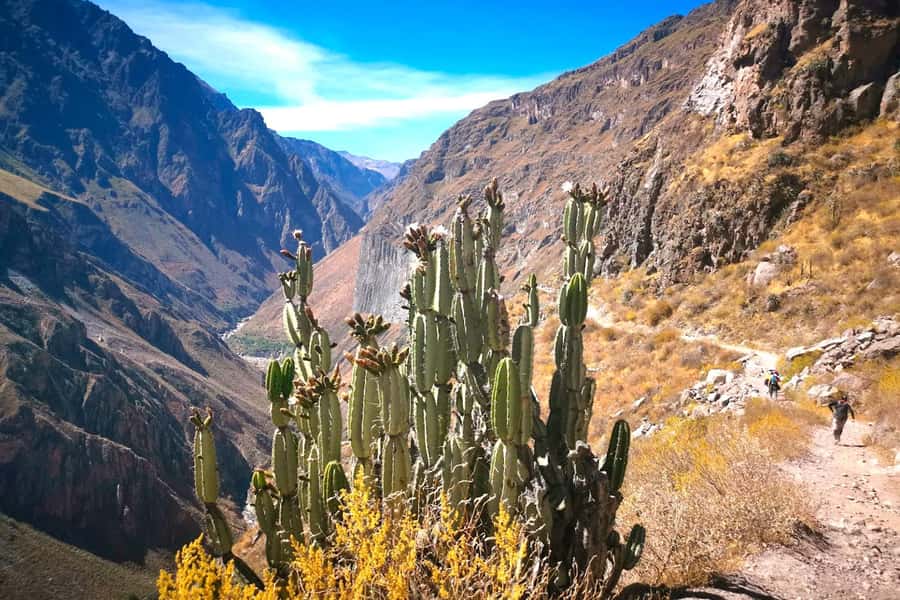
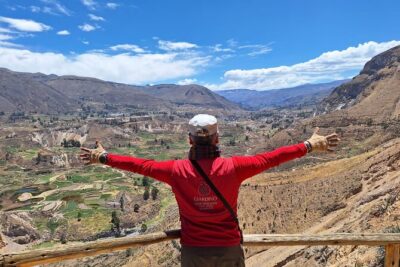
The changing altitude brings a noticeable shift in temperature and vegetation. You start high, then move downward through the canyon, seeing flora, wildlife, and agricultural areas from a much closer angle than you can from the road. The Colca terraces were built and maintained by the Collaguas, and the cultivated slopes show how communities have worked this difficult terrain for generations.
The canyon is often described as the second deepest in the world. The exact ranking can vary by how canyons are measured, but the important point for you is clear: the vertical scale is immense. From the rim, it is dramatic. Inside the canyon, it feels physical. You see the height above you and the long climb still waiting for the next morning.
Other Colca Canyon trips:
- 2-Day Tour Colca Canyon in Arequipa with end in Puno
★ 4.6 · 248 reviews - From Arequipa: 1-Day Guided Tour to Colca Canyon with Meals
★ 4.1 · 144 reviews - From Puno to Arequipa: 2 Days/1 Night Colca Canyon Tour
★ 3.6 · 83 reviews - Turist Bus Colca Canyon (Chivay) To Puno
★ 5.0 · 83 reviews
Lunch with a family in San Juan de Chuccho
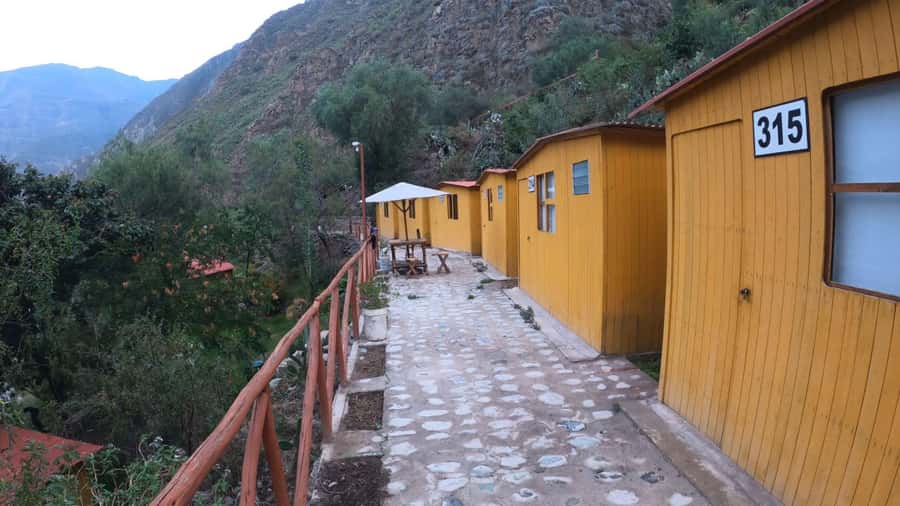
After about three hours, you cross a bridge and reach San Juan de Chuccho, around 2,230 meters above sea level. Lunch is served at the home of a local family and lasts about 50 minutes.
This is one of the more appealing details of the trip because it breaks up the schedule with a personal, community-based stop rather than another roadside restaurant. You can rest, eat, and regain energy before the next section.
The timing also tells you something about the day. You are only halfway through the walking distance after lunch, and the second three-hour stretch takes you onward to Sangalle. Save some food and water for that afternoon. The heat can be strong, and the route still includes plenty of uphill and downhill walking.
Sangalle Oasis and a very basic night
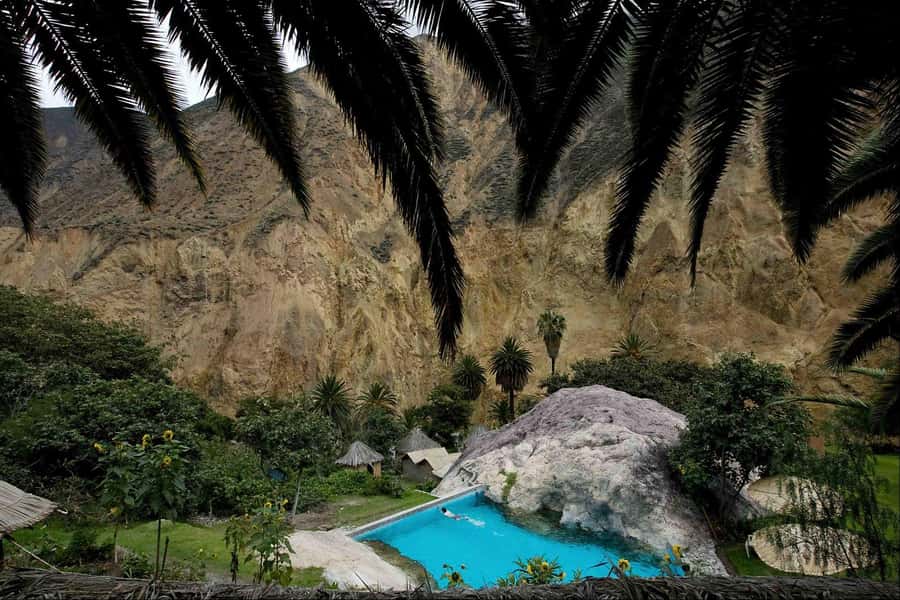
The final walking section takes about three hours and ends at Sangalle, around 1,900 meters above sea level. The Oasis is a striking change from the upper canyon, with palms, pools, and a warmer feel. After the long descent, the swimming pool is not just a pleasant extra. It is a welcome way to cool down and loosen tired legs.
You have time to rest and look around before dinner. The overnight stay lasts about 10 hours, but the accommodation is basic. One detailed account described rooms without a toilet, bathroom, or electrical outlets. You should expect simple lodging rather than hotel comfort.
Pack a headlamp because the next climb starts in the dark, and bring toilet paper. Keep your phone, camera, and power bank protected, since you may not have a convenient place to charge. A small daypack is better than carrying a full travel bag down and up the canyon.
Sangalle is the emotional high point for many people because it feels like a reward earned by walking. Still, it is important to understand the setting. You are staying at the bottom of a remote canyon, not in a polished resort. The pool and scenery are attractive, but the rooms and facilities may disappoint anyone expecting private conveniences.
The pre-dawn climb to Cabanaconde
Day two begins very early, usually in darkness, for the climb back to the rim. The walk to the highest part of the canyon takes about three to four hours and covers roughly seven kilometers before you continue toward Cabanaconde at about 3,300 meters.
This is the hardest section for most people. You are climbing continuously after a full day of hiking, and the heat can build quickly once the sun appears. A headlamp is essential for the starting section. Carry water and snacks because breakfast comes after the major climb, not before it.
The sunrise adds beauty to a difficult morning. As you gain height, the first light spreads across the canyon and reveals how far you have come. You have time at the top to rest and look back at the route. That moment can feel satisfying, but you should not mistake the end of the main climb for the end of the day. You still walk onward to Cabanaconde and have several hours of transport and sightseeing ahead.
A mule may be available as an option for part of the ascent, but the supplied tour details do not promise this service. Do not book the trek assuming you can automatically ride out. If you have doubts about your ability to complete the climb, ask the operator about current options before departure.
Breakfast, terraces, hot springs, and the road home
Breakfast takes place in Cabanaconde after the climb. This is when you can finally sit down for a proper meal, though you may want to rely on your own snacks before reaching town.
From Cabanaconde, the van takes you toward additional Colca viewpoints, including Antahuilque. These stops focus on the canyon and its agricultural terraces. They are valuable because they let you see the patterns of cultivation from above after experiencing the canyon on foot.
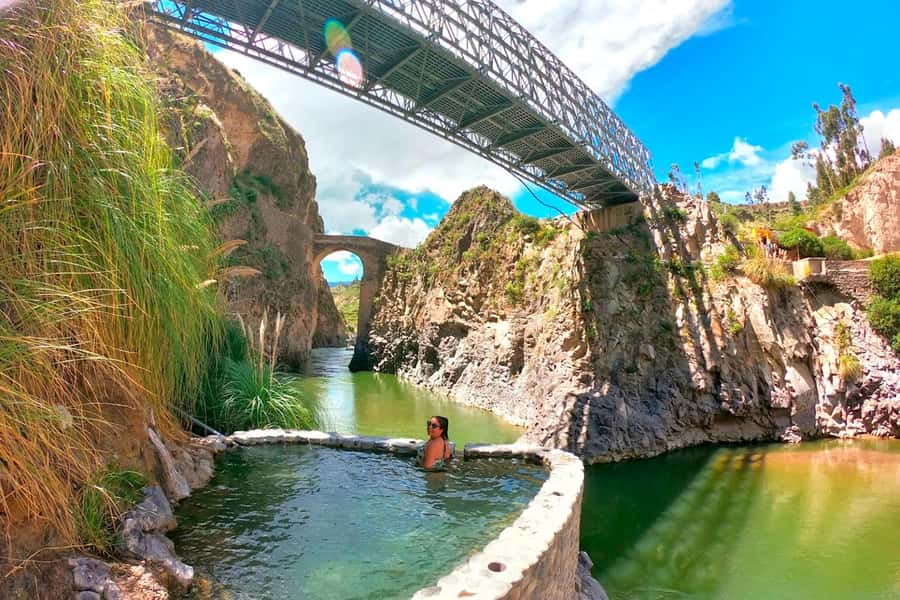
The hot springs provide the day’s easiest hour. Entrance is optional and costs $5 or 15 soles. After two days of steep walking, a soak can be worth the small extra charge, especially if you want a quiet break before the long ride back.
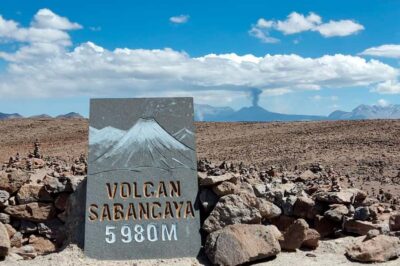
Lunch in Chivay lasts about an hour. The return route then includes a stop at a volcano viewpoint at about 4,190 meters, followed by another traditional village stop. The van eventually reaches central Arequipa around 5:30 p.m., at Av. La Marina.
This is a full second day, not simply a short transfer after breakfast. You will have walked in the morning, visited viewpoints, soaked in hot springs, eaten lunch, and spent several more hours on the road. Plan a quiet evening in Arequipa.
Guides, pacing, and group care
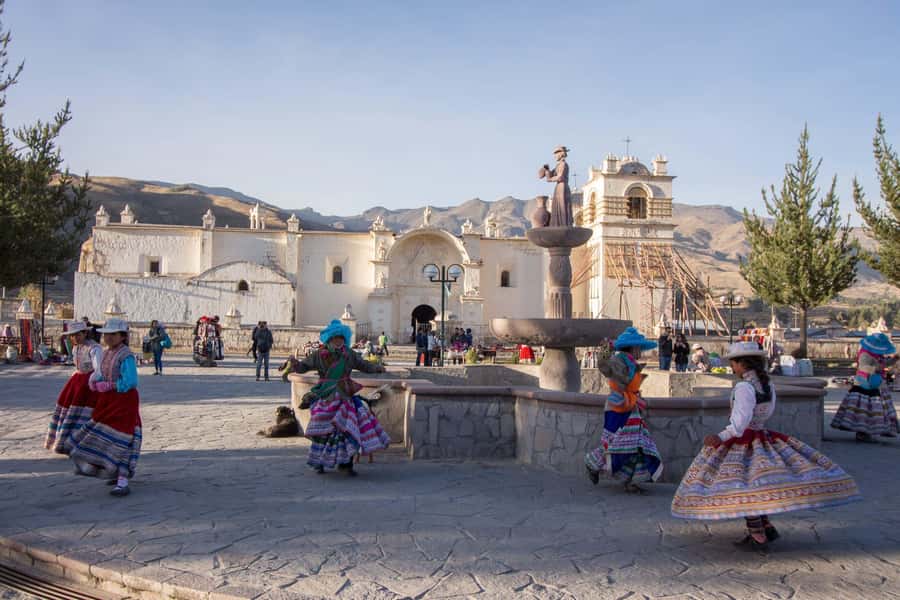
The tour includes a professional guide in English and Spanish, and guide quality can shape this trip more than almost anything else. One guide named Fernando received criticism for waiting two hours into the early drive before introducing himself and for handling a bathroom request poorly. Another account praised the guide and described the overall organization as good.
The practical lesson is not to expect a uniform guiding style. At the start, confirm the route, meeting points, safety instructions, bathroom stops, and what happens if someone falls behind. Stay close enough to the group to hear directions, and carry your own basic supplies rather than assuming someone else has them.
One account described a group member falling while the guide was ahead. Other people had supplies and helped. That is a reminder to bring a small personal kit with water, snacks, sunscreen, and any basic items you may need.
The guide’s role should include managing different walking speeds. This trek attracts people with varied fitness levels, and the route can punish anyone who underestimates it. If you are a beginner, tell the guide clearly about your experience and physical condition before the hike begins.
What to pack for the canyon
Your packing list should focus on the trail, not the van ride. Bring:
- Sturdy, comfortable trekking shoes
- A hat and sunscreen
- Plenty of water
- High-energy snacks
- A headlamp for the pre-dawn climb
- Toilet paper
- Warm and light clothing for changing conditions
- A camera
- A small backpack for the overnight section
The canyon can be hot at lower elevations and cooler at the rim. Weather may change, so flexible layers are more useful than one heavy jacket. Keep your load light. Every unnecessary item becomes part of the descent and the climb back up.
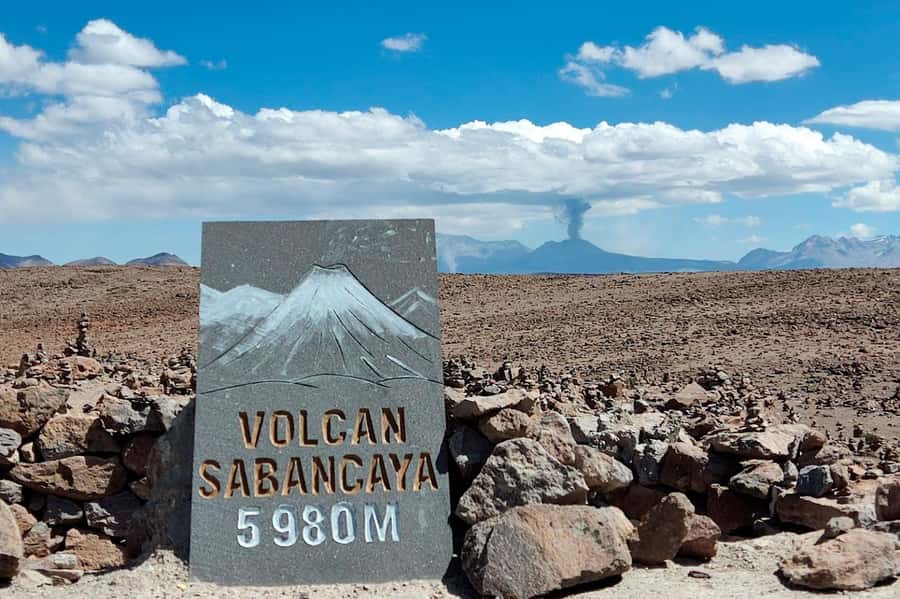
Altitude acclimatization is recommended. Arequipa itself is high, and the route reaches viewpoints above 3,600 and 4,190 meters. You should not treat the lower altitude at Sangalle as proof that the whole trip will feel easy.
Who should book this trek?
This trip suits you if you enjoy long hikes, accept basic accommodation, and want to experience Colca Canyon from both the rim and the bottom. It is also a good fit if you value an organized package with transport, a bilingual guide, meals, lodging, viewpoints, and hot springs included in one plan.
You should think twice if you have a low fitness level, back problems, vertigo, or mobility limitations. The operator specifically excludes people with those concerns, and the steep, uneven route makes that warning important.
Beginners can complete the trek only if they prepare honestly and understand the effort involved. Several people found the scenery extraordinary but the walking much harder than expected. Good shoes, training for sustained climbs, and realistic pacing will make a major difference.
Should you book the Colca Canyon two-day trek?
Book it if you want the full physical experience of Colca Canyon and accept that the adventure is demanding, not polished. The condors, terraces, family lunch, Sangalle pool, sunrise climb, and hot springs create a strong two-day package for the true cost of about $111 plus the optional hot spring.
Skip it if you mainly want scenic viewpoints with little exertion. You will spend seven hours hiking on day one and another three to four hours climbing before breakfast on day two. The basic overnight facilities and variable guiding style also require patience.
For prepared hikers, this is a memorable and fairly priced route through one of Peru’s great natural sights. For casual walkers, the canyon may be just as impressive from the viewpoints, without the aching legs and pre-dawn climb.
FAQ
How long is the Colca Canyon trek?
The activity lasts two days. Day one includes about 15 kilometers of hiking over roughly seven hours, while day two includes about seven kilometers and three to four hours of hiking.
What time does pickup begin in Arequipa?
Pickup begins at 3 a.m. from your accommodation in Arequipa.
What time does the tour finish?
The tour ends around 5:30 p.m. on day two in central Arequipa, at Av. La Marina.
Is Cruz del Cóndor included?
Yes. The route includes a visit of about 40 to 50 minutes at Mirador Cruz del Cóndor, located around 3,600 meters above sea level.
How much extra money do I need to bring?
You must pay $90 or 320 soles in cash at the start for food, lodging, and the entrance ticket. Hot-spring entry is optional and costs $5 or 15 soles.
Is the hot spring included?
The hot spring visit is part of the route, but entrance is optional and costs $5 or 15 soles.
What languages does the guide speak?
The tour offers live guiding in English and Spanish.
How large is the group?
The tour is described as a small-group experience with a maximum of 18 participants.
What should I bring?
Bring comfortable trekking shoes, a hat, camera, snacks, sunscreen, and water. A headlamp and toilet paper are also strongly advisable for the basic overnight stay and the pre-dawn climb.
More Hiking Days from Chivay
- Classic Inca Trail Trek 4D/3N to Machu Picchu (Group Service)
★ 5.0 · 8,653 reviews - Machu Picchu: 4-Day Inca Trail Trek with Panoramic Train Ride
★ 5.0 · 4,568 reviews - Salkantay Classic Trek 5 Days from Cusco
★ 5.0 · 4,062 reviews - 4-Day Salkantay Trek with Sky Camp Stay
★ 5.0 · 3,346 reviews
Added recently around Chivay
- Tour Fullday Colca Canyon with Breakfast and Typical Lunch★ 4.3 · 35 reviews
- Offer Price: Colca Canyon One Day in Arequipa with Breakfast★ 4.5 · 4 reviews
- Full Day Trip to Colca Canyon from Arequipa ending in Puno★ 4.5 · 4 reviews
- Full day excursion to Colca Canyon★ 4.2 · 6 reviews
- From Puno: 2-Day Tour to Colca Canyon ending in Arequipa★ 4.1 · 4 reviews
- From Arequipa: Tour Colca Canyon 2 Days with End in Puno★ 4.2 · 12 reviews
- FROM CABANACONDE: VISIT TO THE CRUZ DEL CONDOR VIEWPOINT, DURATION 2 HOURS★ 5.0 · 5 reviews
- From Arequipa: One Day Trip to Colca Canyon Ending in Puno★ 4.0 · 14 reviews
Colca Canyon Tours, compared.
2-Day Tour Colca Canyon in Arequipa with end in Puno
Read our review →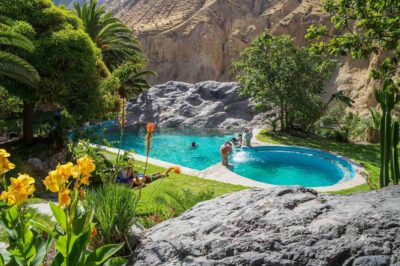
Browse the lists this tour appears in