
Reviewed · MACHU PICCHU TOURS
2 Day Sacred Valley and Machu Picchu Tour
Machu Picchu is only part of the story. This two-day tour connects the famous citadel with the Sacred Valley’s working villages, salt wells, terraces, and Inca stonework, giving you a useful sense of how the region fits together. I especially like the private guide arrangement and the smart route from Cusco through Ollantaytambo to Aguas Calientes.
I also like that the tour includes private transport, train tickets, the Machu Picchu fee, site admissions, breakfast, and a hotel. Guides David and Ronald received especially warm praise for their patience, clear explanations, food advice, and careful planning. The main drawback is the pace: leaving Cusco at 7:00 am, visiting several sites, catching a train, and touring Machu Picchu the next morning makes for a long two days.
In This Review
- Key points at a glance
- Why this route works in only two days
- Chinchero, where colonial walls meet living craft
- Maras and its 3,000 salt wells
- Moray’s circular terraces and unanswered questions
- Ollantaytambo, the day’s strongest Inca site
- The train to Aguas Calientes
- Machu Picchu before the crowds build
- Aguas Calientes after the citadel
- What $620 includes, and what it does not
- The guide can shape the whole trip
- Who should book this two-day plan?
- Booking timing and cancellation rules
- My verdict on the Andean Path Travel experience
- FAQ
- Where does the tour begin?
- How long does the tour last?
- Is this a private tour?
- Which places are visited on the first day?
- Where do I sleep on the first night?
- Is breakfast included?
- Is lunch included?
- How long is the guided visit at Machu Picchu?
- What happens if bad weather cancels the tour?
Key points at a glance
- A full Sacred Valley day: Chinchero, Maras, Moray, and Ollantaytambo are packed into the first day.
- A private experience: Only your own group takes part, with a private guide and private transport.
- An overnight in Aguas Calientes: You sleep near Machu Picchu instead of making the full journey from Cusco in one day.
- Strong guide service: David and Ronald are praised for history, Quechua culture, organization, humor, and family-friendly patience.
- A fixed $620 price: The cost covers major transport, admission fees, breakfast, a hotel, and guiding, but not your final-day lunch.
- A demanding schedule: Early starts, mountain roads, site walking, train connections, and the high altitude around Cusco require energy.
Why this route works in only two days
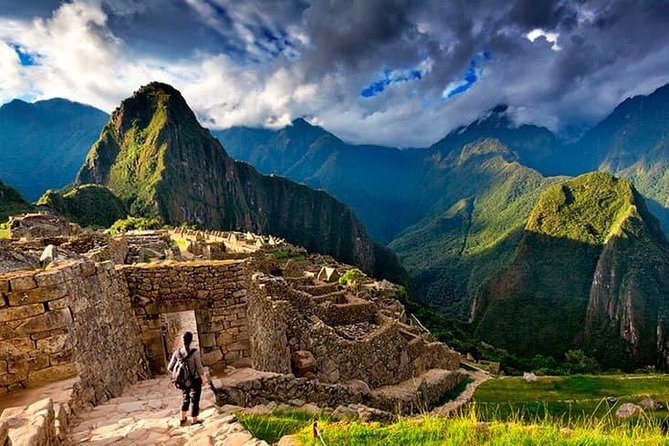
At first glance, two days may seem too short for both the Sacred Valley and Machu Picchu. The route works because it uses Ollantaytambo as the bridge between them. You see several important valley sites on day one, then take the train from Ollantaytambo to Aguas Calientes, the town below Machu Picchu.
That avoids returning to Cusco after the Sacred Valley. You wake up close to the citadel and take the morning bus for the roughly 30-minute ride to the entrance. After your visit, you return to Aguas Calientes, catch the evening train back to Ollantaytambo, and continue by road to Cusco, arriving around 7:00 pm.
This is efficient, but it is not leisurely. You will want to pack light, keep your essentials close, and be ready to move on when the schedule says so. The reward is seeing a great deal without arranging separate transport, admission tickets, hotels, and trains yourself.
More Machu Picchu Tours in Sacred Valley
- 2-Day Tour: Sacred Valley and Machu Picchu by Train
★ 5.0 · 1,127 reviews - Sacred Valley & Machu Picchu 2D1N
★ 5.0 · 617 reviews - 6 Days Exploring Cusco, Sacred Valley & Machu Picchu
★ 5.0 · 470 reviews
Chinchero, where colonial walls meet living craft
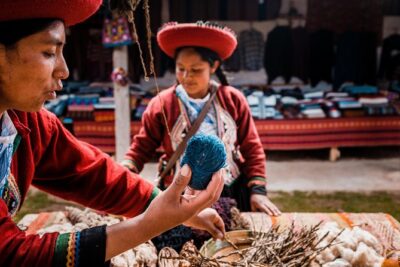
The first stop is Chinchero, a small town known for multicolored textiles. The visit includes an explanation of traditional weaving and dyeing methods, so this is more useful than a quick stop at a souvenir stall. You get a look at the skill behind the finished cloth and at the continuing role of textile work in the region.
Chinchero’s main square adds another layer. Colonial buildings were constructed over ancient Inca ruins, a common pattern in Peru that makes the town feel like several periods occupy the same space. You have about an hour here, enough for an introduction rather than a slow, independent exploration.
I would pay attention to the guide’s explanation of the textile process and ask questions if you are interested in local culture. The first morning moves quickly, so you may not have much time to browse or shop. Still, Chinchero gives the day a human beginning before the route turns toward major archaeological sites.
Maras and its 3,000 salt wells
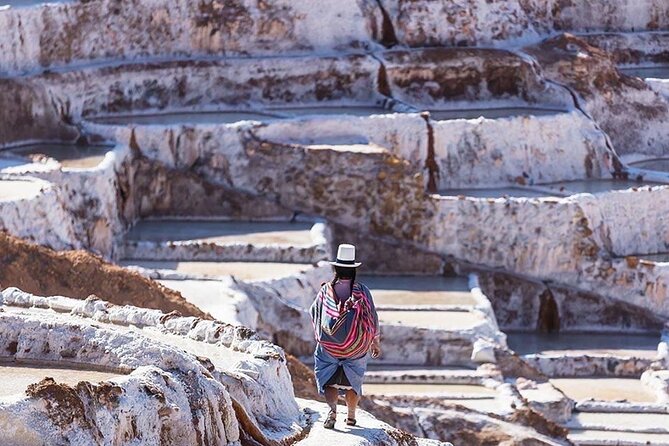
The Salt Mines of Maras are one of the more unusual stops. Around 3,000 small wells run down the slopes near Qaqawiñay mountain, producing the region’s famous pink salt. The color comes from minerals in the soil, not from added coloring, and local people have used the salt source since Inca times.
The site is visually striking because the wells form a patchwork of shallow pools and channels. You have about an hour to see the salt pans and hear the local legend of Ayar Cachi, whose tears are said to have created the salt.
The practical point is that Maras is not just an ancient monument. It remains connected to local production and community life. That makes it feel different from a site where you only look at ruins and leave.
The visit can be brief, and the tour description does not specify how much time is available for buying salt products. If you want a slow photographic session, this schedule may feel tight. Your guide’s timing matters here, and the private format gives your group a better chance to ask for a little extra attention when possible.
Moray’s circular terraces and unanswered questions
Moray is a series of circular agricultural terraces near Maras. The terraces descend in broad rings, creating one of the most memorable forms in the Sacred Valley. Experts believe the Incas used the site to test plants from different regions, while some historians connect it with astronomy and weather prediction.
That uncertainty is part of the appeal. You can look at the carefully shaped terraces and understand that they were designed for a purpose, even though scholars do not agree on every detail. A good guide should explain the leading ideas without presenting speculation as settled fact.
You have roughly an hour at Moray. The visit is mainly about seeing the site, hearing its theories, and taking in the scale of the terraces. Since this tour includes both Moray and Maras on the same morning or early afternoon, you get two very different examples of how people worked with the natural setting: one for salt, one for agriculture.
Other ways to reach Machu Picchu:
- Classic Inca Trail Trek 4D/3N to Machu Picchu (Group Service)
★ 5.0 · 8,653 reviews - Machu Picchu: 4-Day Inca Trail Trek with Panoramic Train Ride
★ 5.0 · 4,568 reviews - Short Inca Trail to Machu Picchu 2D/1N
★ 5.0 · 3,007 reviews - 2-Day Inca Trail to Machu Picchu with Panoramic Train
★ 5.0 · 1,876 reviews
Ollantaytambo, the day’s strongest Inca site
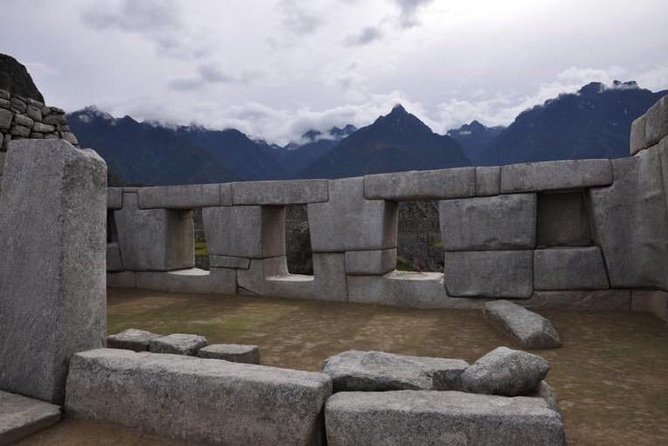
After lunch, the tour continues to Ollantaytambo. This is more than a quick photo stop. The Inca fortress includes massive stone buildings, some reaching about four meters high, along with large agricultural platforms visible from the town.
Ollantaytambo is especially important on this route because it is both an archaeological site and the point where you board the train to Aguas Calientes. You explore the site until the afternoon, then continue directly to the station.
Allow yourself to notice the relationship between the ruins and the modern town. The platforms rise around the site, while the town below gives you a sense of how the old settlement still shapes the place. The large stones also make the engineering easy to appreciate without needing a long lecture.
The one-hour estimate is short for a site of this size. You will see the key areas, but you will not have unlimited time to wander. If Ollantaytambo interests you most, tell your guide early. The exact balance of time can matter, especially if your group includes children or anyone who walks slowly.
The train to Aguas Calientes
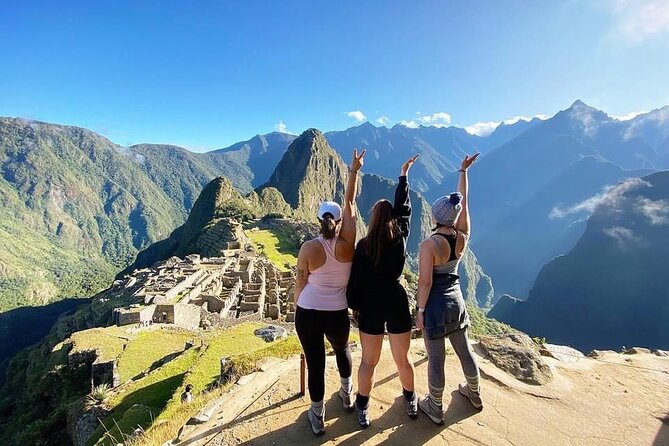
From Ollantaytambo, you take the train to Aguas Calientes, where the hotel is included. The town serves as your base for the night, allowing you to reach Machu Picchu early the next morning.
Aguas Calientes is also where the tour’s pace eases slightly. After arriving, you have time to relax and prepare for the next day. That pause is valuable after a full day of sites, road travel, and the train.
The hotel category and exact property are not specified, so you should confirm those details before booking if accommodation standards matter to you. The plan does include a hotel, but the information provided does not identify the room type, amenities, or location.
Machu Picchu before the crowds build
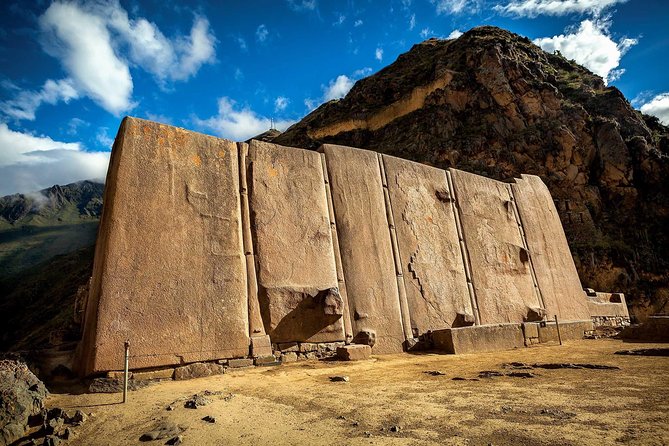
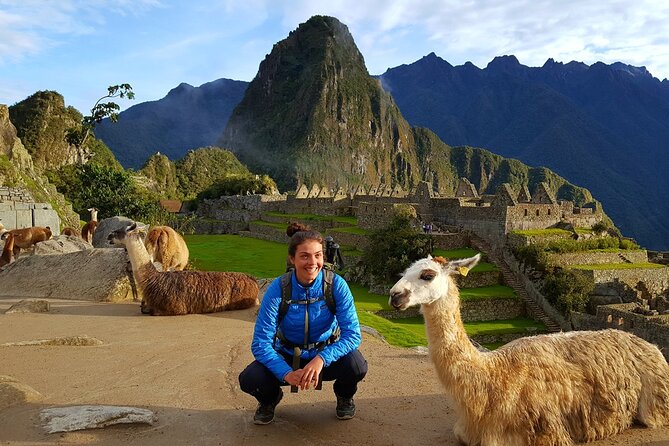
Day two begins early with the bus to Machu Picchu. The ride takes about 30 minutes, and the tour staff assists you at the security checkpoints before the guided visit begins.
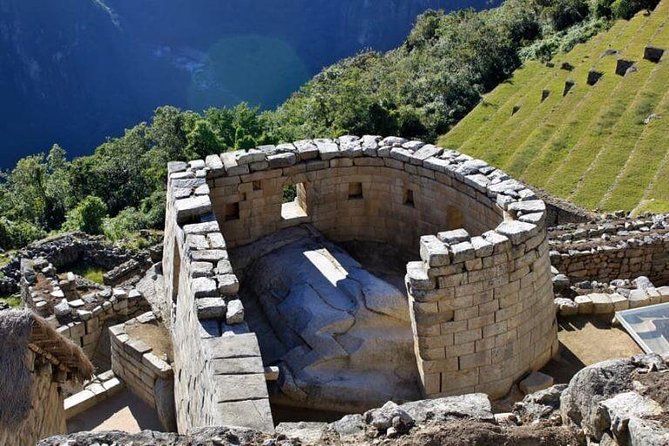
The guided tour lasts about three hours. You learn about the citadel’s 15th-century construction, its later abandonment after the Spanish conquest, and its rediscovery in 1911 during an expedition led by Hiram Bingham. The stone buildings offer a clear lesson in Inca construction, and the setting near the Andes and Amazon basin adds to the drama.
After the guided portion, you have free time to explore on your own. That combination is one of the tour’s best features. You get structure first, so you understand what you are seeing, then time to look again at the places that interest you most.
Machu Picchu is not a casual stroll. The site includes stone paths, stairs, and security controls, and the schedule begins early. One family described a much more strenuous hike involving the Sun Gate, Monkey Steps, and many stairs, but that was a separate hiking experience rather than the standard visit described here. Do not assume this two-day plan includes that hike. Confirm the exact Machu Picchu circuit and any optional route before you go.
The guides receive the strongest praise for making this part meaningful. David is described as attentive and strong on historical and cultural explanations. Ronald is praised for organization, humor, and clear food advice. Those qualities matter at Machu Picchu, where a guide can help you see more than a collection of impressive stones.
Aguas Calientes after the citadel
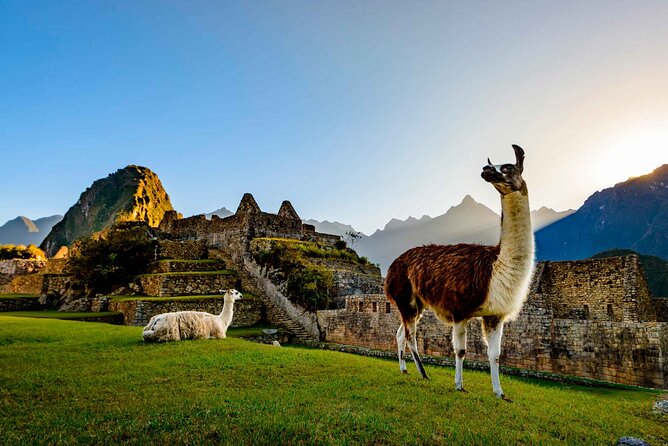
After returning by bus, you have about two hours in Aguas Calientes. You can eat at one of the town’s restaurants, try local dishes at the market, or visit the hot springs that give the town its name.
Lunch on this day is not included, so budget for it separately. The tour includes breakfast, but the provided details do not specify the breakfast menu or timing. Your guide can help you choose a place to eat, and food recommendations were a repeated strength in the guide feedback.
The two-hour stop is enough for a meal and a little town time, but not for a long, unhurried spa visit plus extensive shopping. Keep an eye on the departure time. The evening train to Ollantaytambo is followed by a private drive back to Cusco, so missing the train would create a serious problem.
What $620 includes, and what it does not
The price is $620 per person. That is not a bargain-basement tour, but the value becomes clearer when you add up what is handled for you:
- Private guide
- Private transport
- Train tickets
- Machu Picchu fee
- Admission to each listed Inca site
- Breakfast
- Hotel in Aguas Calientes
You are paying for a tightly arranged private trip rather than simply buying entry to Machu Picchu. The transport connections are the biggest practical benefit. Road transfers, train tickets, admission fees, and the overnight stay all need to work in the right order, and the company handles that structure.
The missing costs are also easy to identify. Your last-day lunch is not included, and the details do not list other meals, drinks, personal purchases, or optional expenses. I would ask for a written breakdown of the hotel and meals before paying, particularly if you are comparing this with a longer package.
For families, the private format may justify the higher price. One guide, David, was praised for patience with children of different ages, and several accounts describe careful attention to individual ability. A private group can also ask questions freely instead of following a large crowd.
The guide can shape the whole trip
The strongest part of this experience is the human service. David is repeatedly described as organized, kind, attentive, and good at explaining Peruvian and Quechua culture. Ronald is praised for his humor, practical food suggestions, and careful handling of the schedule. Sandro is described as friendly, empathetic, and well informed about the places visited.
The company also receives praise for quick communication, airport assistance in one case, clean vehicles, and professional drivers. Airport pickup is not listed as part of this specific two-day tour, so do not assume it is included here. The useful takeaway is that coordination appears to be a major strength, from the first briefing through the return drive.
There is also mention of community support, including help for children. That is encouraging, but I would still ask the company how its community work operates if responsible tourism is important to you. A clear answer is more useful than a broad promise.
Who should book this two-day plan?
This tour suits you if you want to see the Sacred Valley and Machu Picchu but do not want to arrange trains, hotels, guides, and site fees on your own. It is also a good fit for a family or small private group that values flexibility and personal attention.
You should be comfortable with early mornings and a full schedule. The first day begins at 7:00 am in Cusco and includes four major sightseeing stops before the train. The second day adds an early bus, three hours at Machu Picchu, a town stop, a train, and a road journey back to Cusco.
The plan may not suit you if you want long walks at each site, extended market time, or a quiet Sacred Valley stay. It also may not be ideal if you need a slower pace for health reasons. The additional information says most people can participate, but it does not provide detailed accessibility information.
Because the tour begins in Cusco, altitude can affect your energy. The supplied information does not give medical guidance, so you should make your own plans for altitude and discuss concerns with a medical professional.
Booking timing and cancellation rules
This experience is booked about 19 days ahead on average. That gives you a useful planning target, though availability can change.
You can receive a full refund if you cancel at least six full days before the start time. Cancellation two to six full days ahead brings a 50 percent refund, while cancellation less than two full days ahead brings no refund. Changes follow the same time limits, and the cut-off uses local time.
The tour requires good weather. If poor weather causes cancellation, you are offered another date or a full refund. Since trains and Machu Picchu entry involve fixed arrangements, avoid waiting until the last moment to make changes.
My verdict on the Andean Path Travel experience
I would book this tour if my priority were efficient access with strong personal guiding. The route gives you a useful range of Sacred Valley sights, an overnight near Machu Picchu, a three-hour guided visit, and private transport back to Cusco.
I would not choose it for a slow, spacious holiday. The schedule is ambitious, the first day is long, and the return to Cusco on day two comes late. But for two days, the plan covers a lot, and the praised guides appear to add real value through history, cultural context, food advice, patience, and organization.
At $620 per person, it makes the most sense for families, couples, and small groups who want the logistics handled and are willing to pay for privacy. Confirm the hotel details, Machu Picchu circuit, train schedule, and any optional activities before booking. If those details suit you, this is a well-structured way to connect the Sacred Valley with Peru’s most famous Inca site.
FAQ
Where does the tour begin?
The tour begins with hotel pickup in Cusco at 7:00 am.
How long does the tour last?
The tour lasts approximately two days.
Is this a private tour?
Yes. Only your group participates, and the tour includes a private guide and private transport.
Which places are visited on the first day?
The first day includes Chinchero, the Salt Mines of Maras, Moray, Ollantaytambo, and Aguas Calientes.
Where do I sleep on the first night?
You stay at a hotel in Aguas Calientes. The hotel is included, but the specific property is not identified in the provided details.
Is breakfast included?
Yes, breakfast is included.
Is lunch included?
The last-day lunch is not included. The tour information does not state that other lunches are included.
How long is the guided visit at Machu Picchu?
The guided Machu Picchu visit lasts about three hours, followed by free time to explore on your own.
What happens if bad weather cancels the tour?
If poor weather causes cancellation, you will be offered a different date or a full refund.
More Sacred Valley Days Out
- From Cusco: Moray, Maras Salt Mines & Chinchero Weavers Tour
★ 4.8 · 1,925 reviews - Cusco: Sacred Valley, Pisac, Ollantaytambo, Salt Mines Moray
★ 4.6 · 1,058 reviews - Cusco:Chinchero,Moray & Salt Mines drop-off in Ollantaytambo
★ 4.8 · 793 reviews - Sacred Valley and Maras Moray Tour with Full Day Buffet Lunch
★ 5.0 · 670 reviews
Added recently around Cusco
- Super valley or vip valley★ 5.0 · 13 reviews
- the Incas’ Sacred Valley★ 5.0 · 27 reviews
- Sacred Valley of the Incas Day Trip from Cusco★ 5.0 · 6 reviews
- Small-Group Tour: Rainbow Mountains Hiking from Cusco★ 4.0 · 5 reviews
- Excursion to the Sacred Valley of the Incas from Cusco★ 5.0 · 8 reviews
- Maras + Moray & Textile Experience★ 5.0 · 14 reviews
- Tour EN Cuatrimoto POR la Montaña 7 Colors Hike 5 Minutes★ 4.5 · 32 reviews
- rainbow mountain★ 4.0 · 4 reviews
Machu Picchu Tours, compared.
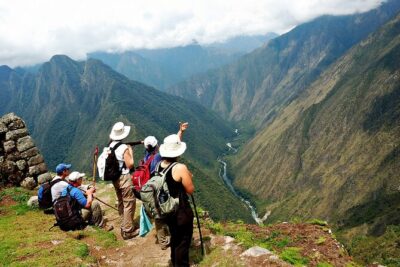
Classic Inca Trail Trek 4D/3N to Machu Picchu (Group Service)
Read our review →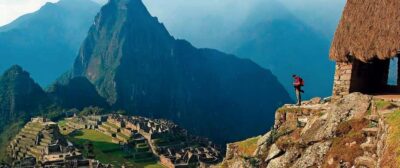
Machu Picchu: 4-Day Inca Trail Trek with Panoramic Train Ride
Read our review →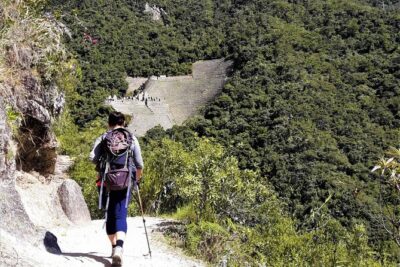
2-Day Inca Trail to Machu Picchu with Panoramic Train
Read our review →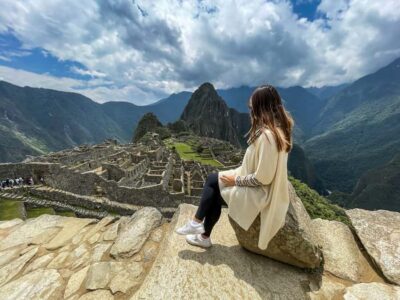
2-Day Tour: Sacred Valley and Machu Picchu by Train
Read our review →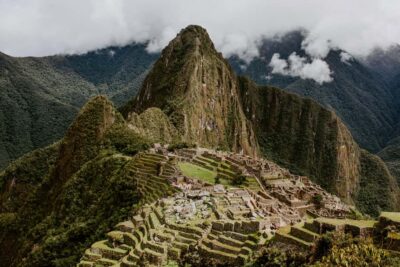
Machu Picchu: Full-Day Tour from Cusco with Optional Lunch
Read our review →Browse the lists this tour appears in