
Reviewed · COLCA CANYON TOURS
3 Day 2 Night Trek / Colca Canyon
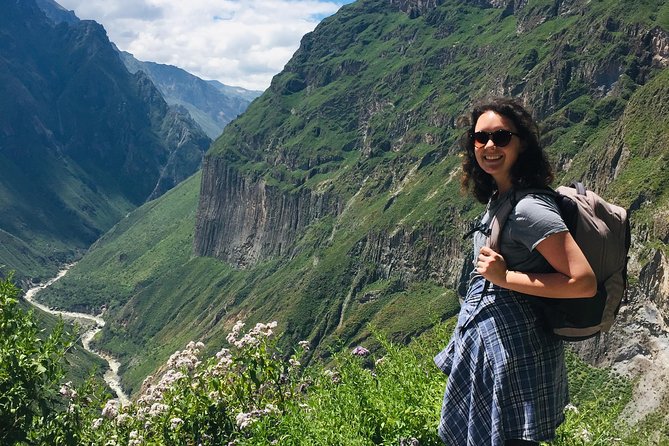
Colca Canyon rewards a slower pace. This three-day trek gives you time to watch Andean condors at Condor’s Cross, walk through small canyon villages, and rest at Sangalle Oasis instead of racing through the route in two days. I especially like the included meals and the chance to soak in Chacapi hot springs after the hardest hiking.
The main concern is the physical demand. You descend from about 3,300 meters to the canyon floor, then climb back toward Cabanaconde before sunrise on the final morning. The guide quality also matters greatly: one group praised James, Paul, and Omar for being kind and helpful, while another had a deeply unpleasant experience with rushed pacing and poor handling of altitude sickness.
In This Review
- Key points to know before booking
- What you are paying for at $154
- The 3:00 am departure from Arequipa
- Condor’s Cross and the canyon rim
- Day one: the long switchback descent
- Day two: honey, village life, and Sangalle
- Day three: the pre-sunrise climb to Cabanaconde
- Chacapi hot springs near Chivay
- Pampa Cañahuas and the camelids of Peru
- Guide quality and group size
- Who should book this three-day version?
- Should you book the Colca Canyon trek?
- FAQ
- How early does the tour leave Arequipa?
- How long is the hiking each day?
- What is the hardest part of the trek?
- Are the hot springs included in the price?
- What additional fees should I budget for?
- What is the maximum group size?
Key points to know before booking
- The first day is mostly downhill: Expect roughly three and a half hours of steep switchbacks from the canyon rim to San Juan de Chuccho.
- Sangalle is your best rest stop: The Oasis has simple lodges, vegetation, a nearby river, and free time to relax after the second day’s walking.
- The final climb starts around 5:00 am: Reaching Cabanaconde takes about three hours, making this the toughest part for many people.
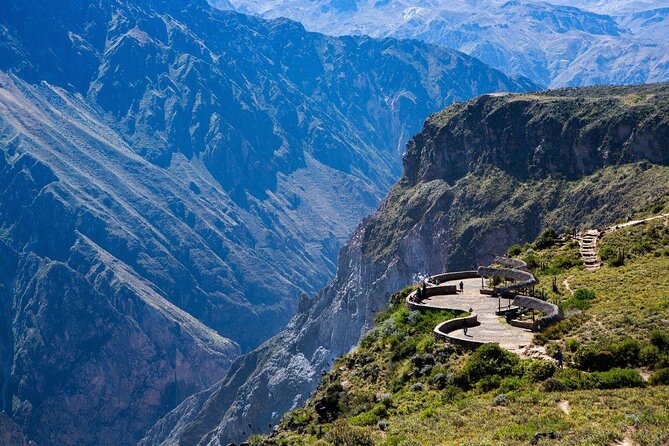
- Condor viewing is built into the route: You get about 40 minutes at Condor’s Cross, one of the area’s best places to watch Andean condors.
- Several costs are extra: Budget for the PEN70 Colca Canyon entrance, PEN15 hot springs entry, and about PEN30 for the final Chivay buffet lunch.
- The group is capped at 12 people: That is small enough for a more personal outing, but the actual guide experience can still vary.
What you are paying for at $154
At $154 per person, this trek is priced as a practical package rather than a luxury escape. Transport from Arequipa, a guide, two nights of accommodation, and most meals are included. That saves you the trouble of arranging separate transfers and village lodging along a demanding route.
The food received strong praise overall. Meals are described as good, with vegetarian options available. You should not expect restaurant dining or a wide menu in the canyon, but warm meals after several hours on foot are a real benefit.
The stated inclusions list three breakfasts, three lunches, and two dinners. At the same time, the final buffet lunch in Chivay is listed as an extra cost of PEN30. Confirm exactly which lunch is covered before departure, since the wording is not perfectly clear.
Your extra budget should include at least PEN115 for the listed entrance charges and final lunch, assuming you choose the hot springs and the buffet. Drinks, including drinking water, are not included. Carry enough Peruvian soles for water and small purchases, but avoid carrying more weight than you need on the trail.
The Colca Canyon entrance fee is PEN70 per person. The Chacapi hot springs cost PEN15. Those charges are not large compared with the total tour price, but the cash requirement matters because there are no easy city-style services once you are far below the rim.
More Hiking Tours in Arequipa
- 2 day 1 night trek / Colca Canyon
★ 5.0 · 1,069 reviews - From Arequipa: Sillar Route Trek
★ 4.2 · 461 reviews - Colca Canyon Trek 3 Day 2 Night
★ 5.0 · 328 reviews
The 3:00 am departure from Arequipa
The day begins very early, with pickup around 3:00 am and departure at approximately 3:30 am. The long ride first takes you toward Chivay, where breakfast is served before continuing to Condor’s Cross.
This early start is not just a scheduling quirk. It allows the tour to reach the canyon viewpoint in the morning and fit the long descent into the first day. You will give up sleep, so I would avoid booking this immediately after a late arrival in Arequipa.
The minibus ride can be comfortable enough for sleeping, according to one account, but another account describes the vehicles as cramped. The group limit is 12, which helps, though the amount of personal space will depend on the vehicle used and how much luggage everyone brings.
Pack your day bag before boarding. At roadside stops, you may have little time to sort through luggage, and the transport may leave the main bags inaccessible. Keep medication, water, sun protection, and warm layers with you.
Condor’s Cross and the canyon rim
Condor’s Cross is the first major reward. From this viewpoint, you look into the enormous Colca Canyon and may see Andean condors riding the rising air currents below and across the canyon walls.
The scheduled stop lasts about 40 minutes. That is enough for photos and bird watching, but not an open-ended visit. Stay alert for the departure time and return to the vehicle early, especially if you need the restroom or have trouble walking uphill at high altitude.
The viewpoint sits at a much higher elevation than the canyon floor. If you are newly arrived in Peru, you may feel the altitude here before the trek even starts. Take symptoms seriously, move at your own pace, and tell the guide clearly if you feel unwell.
One serious account describes a group being left behind briefly after returning late to the bus. It also reports that altitude sickness medication was left on the vehicle. I cannot verify the incident beyond that account, but it offers a useful warning: keep essential medication in your own small bag, not in stored luggage, and do not assume the vehicle will wait if you miss the stated meeting time.
Day one: the long switchback descent
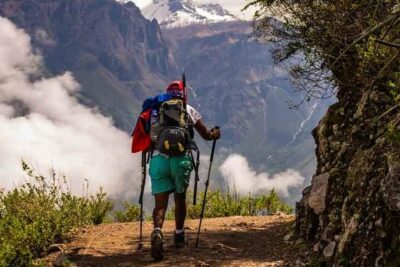
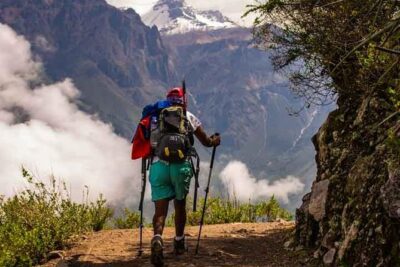
After Condor’s Cross, the bus continues for about 20 minutes before the hike begins. You descend from roughly 3,300 meters to about 2,100 meters, with around three and a half hours of downhill walking before reaching San Juan de Chuccho.
This is not a gentle stroll. The trail is made up largely of repeated switchbacks, and the constant downhill motion can punish your knees and thighs even though descending often feels easier at first. Trekking poles would be useful, although the tour details do not say whether they are provided.
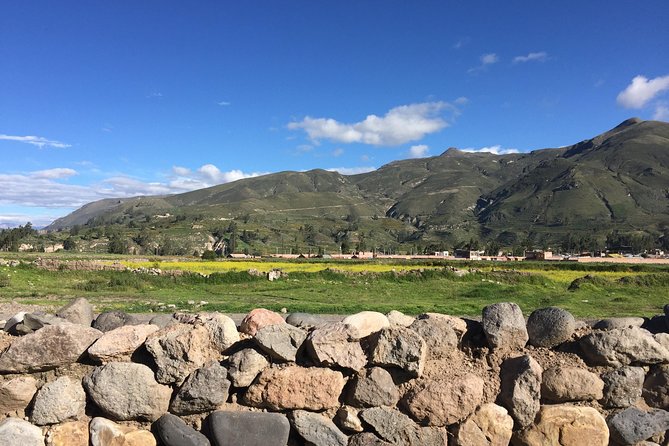
San Juan de Chuccho is one of the most appealing overnight stops. It has a warmer, more tropical climate than the rim, with plenty of vegetation. You eat lunch and dinner there and sleep in simple local accommodation.
The change in climate and scenery is part of the pleasure. You move from a high, open canyon rim into a greener world surrounded by steep walls. The basic lodging is best viewed as a clean place to sleep, not a hotel substitute. One account called the accommodation adequate, while another found the second night fairly nice.
The walking pace is an important issue. Several accounts describe the three-day route as more relaxed than the two-day version, with about four hours of hiking each morning and time for short walks or rest. That seems to be the intended rhythm, but the experience can change if your guide pushes the group to move quickly.
Other Colca Canyon trips:
- From Arequipa: Colca Canyon Full-Day Guided Tour with Meals
★ 4.5 · 982 reviews - Colca Full Day Tour
★ 4.5 · 429 reviews - 2-Day Tour Colca Canyon in Arequipa with end in Puno
★ 4.6 · 248 reviews - From Arequipa: 2-Day Colca Canyon Trekking Tour
★ 4.8 · 243 reviews
Day two: honey, village life, and Sangalle
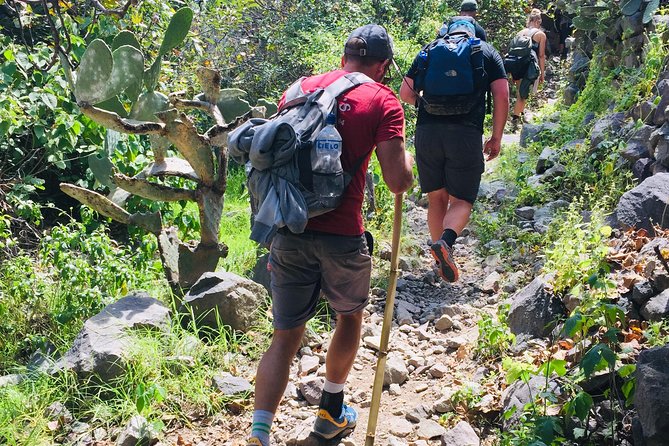
After breakfast at 8:00 am, you continue toward Cosñirhua. This small settlement is known for locally produced honey, and the route includes a chance to learn about production and taste it.
You may also see archaeological remains connected with pre-Inca cultures in the area. The attraction here is not a grand museum or a formal archaeological site. It is the way village life, farming, old paths, and traces of earlier societies appear together along the walk.
The route continues to Malata, known for its old Spanish church design. These village stops help break up the walking and give your guide a chance to explain the region. The quality of that explanation depends on the person leading your group. Paul, Omar, and James were singled out for helpful guiding in different accounts, with Omar praised for his information and kindness.
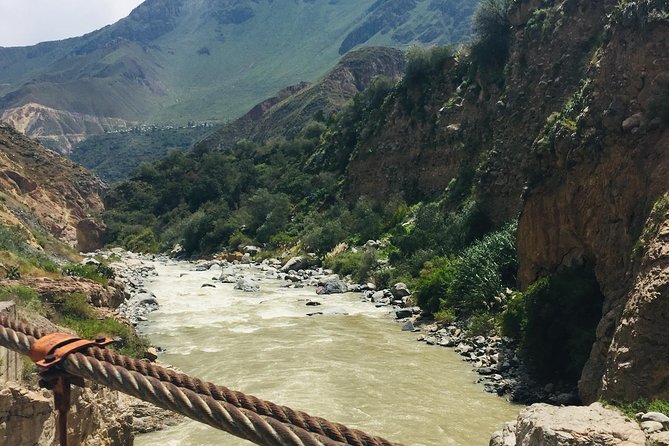
From Malata, the trail descends toward Sangalle, at roughly 1,900 meters. The Oasis is located in the lowest part of the canyon and has small lodges surrounded by greenery near the river.
Sangalle is the main reason to choose three days instead of two. After reaching the Oasis, you have time to rest, swim, or simply sit among the trees and look up at the huge canyon walls. That breathing room turns the route from a hard transit hike into a fuller visit.
Do not assume day two is flat. One account specifically warns that there is a substantial uphill section early in the day and a larger descent later. The total walking may be manageable for a reasonably fit person, but the trail still demands steady legs.
Dinner is served around 7:30 pm, followed by a very early wake-up for the final climb. That timing does not leave much room for a long night, so bring a headlamp if you have one and organize your clothes and day pack before dinner.
Day three: the pre-sunrise climb to Cabanaconde
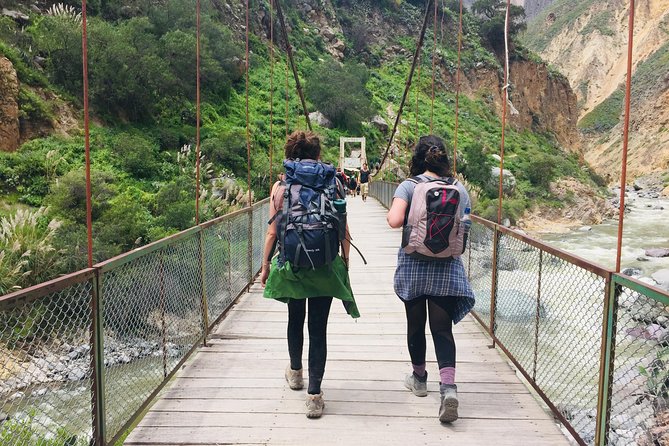
The final morning begins at about 5:00 am. You climb from Sangalle to Cabanaconde, a journey of roughly three hours.
This is the hardest physical section for many people. The path rises almost continuously, and the steep switchbacks offer little change of movement. A fit older couple, aged 67 and 62, completed the ascent without problems, but that should not be taken as a promise that the climb will feel easy for everyone.
After reaching Cabanaconde, you have breakfast and board transport toward Chivay. The order matters: you do the climb first, then eat. If you are slow, ill, or struggling with the altitude, ask the guide before the trek what the plan is for reaching breakfast and transport.
A concerning account describes a guide responding poorly to questions about slower hikers and altitude sickness. Altitude symptoms are not a matter of willpower. Headache, nausea, dizziness, and unusual weakness should be treated seriously, and you should discuss any existing medical concerns with a qualified health professional before booking.
The tour information says hikers should have a moderate fitness level. I would interpret that conservatively. You need to handle several hours of steep downhill walking, a long climb out of the canyon, high-altitude transport, and limited sleep.
Chacapi hot springs near Chivay
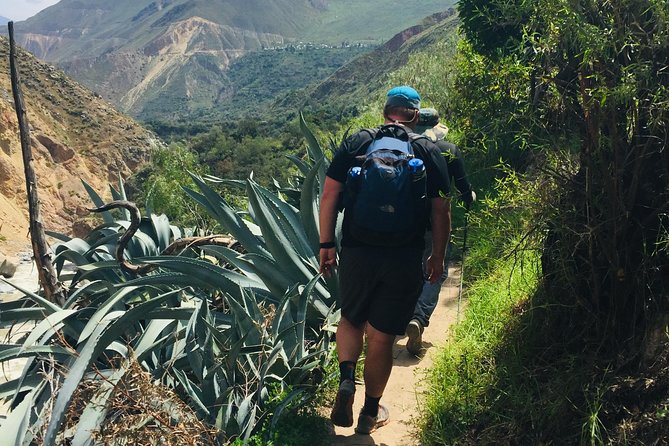
Around noon, the group reaches Chivay and heads to Chacapi hot springs. The entrance costs PEN15 and is optional.
The pools have temperatures ranging from about 30°C to 60°C. After the canyon trek, the warm water can be a welcome way to loosen tired muscles, though the hottest pools may not suit everyone. Bring swimwear and a small towel if possible, but keep your carrying load light.
This stop is a good value because it adds a simple local pleasure without requiring another excursion. It also gives you a pause before the final road journey back to Arequipa.
Lunch in Chivay costs about PEN30 and is described as a buffet. The arrangement may feel compulsory because the group is taken to the designated dining stop, and alternative food choices may be limited. If you have a vegan diet, clarify the available food in advance. One account found that the vegan choice amounted largely to fries and melon, while vegetarian meals elsewhere were handled well.
Pampa Cañahuas and the camelids of Peru
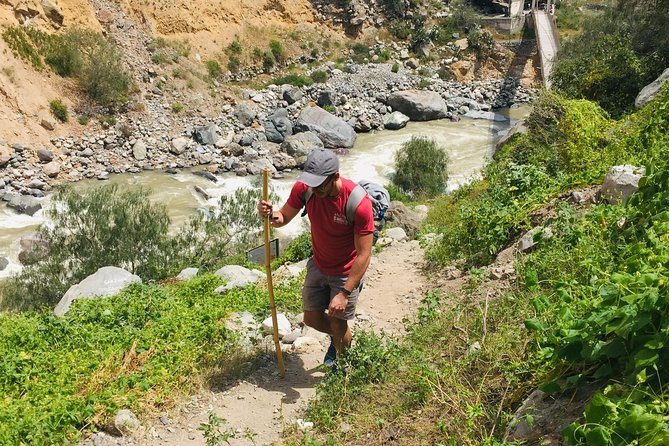
The return route drops from about 4,830 meters to 2,325 meters and passes through Salinas y Aguada Blanca National Reserve.
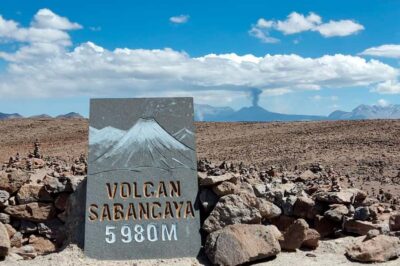
At Pampa Cañahuas, you may see volcanoes and four South American camelids: llamas, alpacas, vicuñas, and guanacos. The formal stop lasts about 15 minutes, but the animals and volcano views can appear along the road for more than an hour.
This is a fitting final chapter. The canyon trek focuses on steep walls, villages, and condors, while the reserve opens back into high Andean country. Keep your camera ready, but do not expect a long guided visit at the roadside stop.
The group returns to Arequipa at around 5:30 pm. That makes this a full final day, not a short transfer. If you have an evening flight or a fixed appointment, leave plenty of margin.
Guide quality and group size
A maximum of 12 people is a sensible group size for a route where everyone needs to stay together. It should allow the guide to answer questions and notice when someone is falling behind.
The guide reports are mixed. James was praised as very competent, while Paul was described as helpful and reliable. Omar was appreciated for his explanations and kindness. These positive experiences included good group spirit, local information, and extra activities at San Juan and Sangalle.
But one account describes repeated pressure to hurry, misleading information about water stops, and a dismissive attitude toward altitude sickness. That is not a minor complaint on a remote mountain route. Before setting off, confirm the expected pace, water availability, emergency plan, and what happens if someone cannot complete a section.
Drinking water is not included. This is easy to overlook because meals are included. Carry enough at the start of each walking section, and keep cash available to buy more along the route if it is offered.
Who should book this three-day version?
I would choose this trip if you want to experience Colca Canyon on foot but do not want the compressed schedule of a two-day itinerary. The extra night gives you more time in San Juan and Sangalle, and the afternoon at the Oasis is the tour’s most restful feature.
It suits fit walkers who can manage steep trails and who are comfortable with basic lodging, early mornings, simple meals, and limited services. It also suits people who care about villages, local food, condors, and scenery more than polished facilities.
I would think twice if you have just arrived at high altitude, have a medical condition affected by exertion, or dislike steep switchbacks. The tour is not a casual sightseeing trip. The downhill and uphill sections are separate, sustained efforts.
The trip is non-refundable, and changes are not allowed after booking. Poor weather may lead to a different date or a full refund, but you should still check your personal schedule carefully before paying.
Should you book the Colca Canyon trek?
Yes, if you are reasonably fit, prepare for altitude, carry your own water and medication, and value a slower canyon route over comfort. The condors, village walks, warm-water stop, and Sangalle rest period make this a rewarding three-day plan at a fair package price.
I would not book it blindly. Ask about the current guide, pacing policy, water stops, emergency procedures, and the exact meal inclusions before confirming. If the operator can answer those questions clearly, this is a strong choice for an active visit to one of Peru’s great natural sights. If you need patient support or close medical awareness, choose a company that makes those standards explicit.
FAQ
How early does the tour leave Arequipa?
Pickup begins around 3:00 am, with departure at approximately 3:30 am on the first day.
How long is the hiking each day?
The first day includes about three and a half hours of downhill hiking. The route is generally described as around four hours of walking each morning, though the exact timing depends on the group and trail conditions.
What is the hardest part of the trek?
The climb from Sangalle to Cabanaconde on day three is usually the most demanding section. It begins around 5:00 am and takes approximately three hours.
Are the hot springs included in the price?
No. Entry to Chacapi hot springs costs PEN15 per person and is optional.
What additional fees should I budget for?
The Colca Canyon entrance costs PEN70 per person. The hot springs cost PEN15, and the final buffet lunch in Chivay costs about PEN30. Drinking water is also not included.
What is the maximum group size?
The tour accepts a maximum of 12 people.
More Evening Experiences in Arequipa
- From Puno to Arequipa: 2 Days/1 Night Colca Canyon Tour
★ 3.6 · 83 reviews - Colca 2 Days and 1 Night
★ 5.0 · 35 reviews - 2 Days 1 Night trekking Through Colca Canyon, Private room
★ 5.0 · 16 reviews - Explore the Colca Canyon From Arequipa 2 Days and 1 Night
★ 5.0 · 16 reviews
More Hiking Days from Arequipa
- Colca Trekking 2days from Arequipa
★ 4.5 · 212 reviews - 2 Day 1 Night Trek / Colca Canyon
★ 4.5 · 92 reviews - 4 hours Tour: Route of Sillar with Trek in Culebrillas
★ 4.2 · 69 reviews - Trekking, Waterfalls and Thermal Baths
★ 4.5 · 47 reviews
Added recently around Arequipa
- gazebos cannon of the coca★ 5.0 · 28 reviews
- Sillar Route★ 5.0 · 4 reviews
- Salinas Lagoon + Mini Volcano DE Lojen★ 5.0 · 9 reviews
- Full Day Tour To The Salt Lake Salinas in Arequipa★ 4.5 · 34 reviews
- 3-Day Colca Canyon trek with Professional Guide★ 5.0 · 40 reviews
- Trekking, Waterfalls and Thermal Baths★ 4.5 · 47 reviews
- Walking Tour Arequipa Including Santa Catalina Monastery★ 4.0 · 8 reviews
- Walking City tour including the Monastery of Santa Catalina★ 5.0 · 6 reviews
Colca Canyon Tours, compared.
2-Day Tour Colca Canyon in Arequipa with end in Puno
Read our review →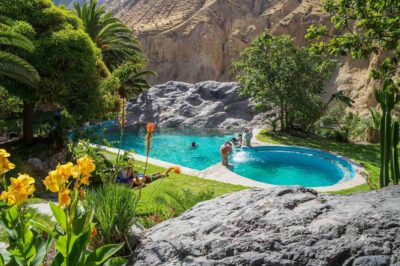
Browse the lists this tour appears in