
Reviewed · PISCO TOURS & TASTINGS
3-hour Wine and Pisco tour / Tacama and El Catador
Old grapes, strong spirits, easy afternoon. This three-hour outing pairs Tacama, one of South America’s oldest vineyards, with El Catador, a small family winery near Ica. I like the contrast between the two stops: Tacama offers a polished vineyard setting and about ten wine and pisco samples, while El Catador shows older, hands-on production methods. The main drawback is that the second stop may feel more like a shop and restaurant visit than a full winery tour.
I also like that private transportation and pickup from Huacachina or central Ica are included, which makes the day simple after a busy stretch of sightseeing. At $44 per person, the price is fair if you value the tastings and transport, though lunch costs extra and the experience may disappoint you if you expect a detailed vineyard visit at both stops.
In This Review
- Key points to know before booking
- Why a wine tour makes sense in Ica
- Starting at Tacama, Peru’s old vineyard
- What makes El Catador different
- Comparing wine and Peruvian pisco
- Lunch, the dance show, and the real cost
- Timing and how to plan your day
- What I like most about the experience
- Who should book this tour
- Final verdict: book it for Tacama and the comparison
- FAQ
- How long does the wine and pisco tour last?
- What time does the tour start?
- Where is pickup available?
- Is pickup available outside Huacachina and central Ica?
- What is included in the price?
- Is lunch included?
- What drinks will I taste?
- What is special about El Catador?
- Is the tour offered in English?
- How many people can join the tour?
- Can I cancel for a full refund?
- What happens if bad weather cancels the tour?
Key points to know before booking
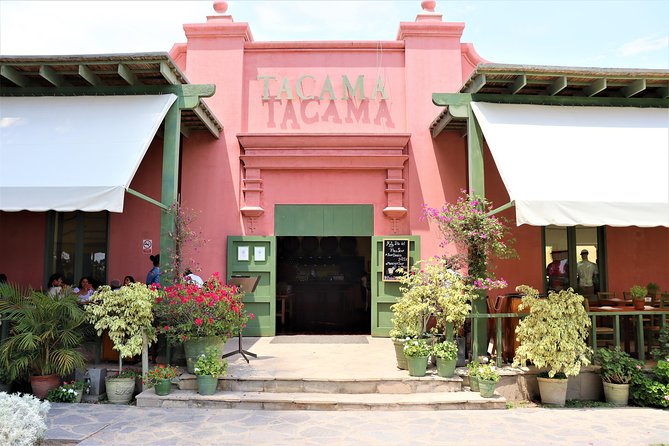
- Tacama is the star stop: You visit one of South America’s oldest vineyards, sample several wines and piscos, and learn how both drinks are made.
- El Catador uses old methods: The family winery still explains production through clay jars called botijas and techniques linked to descendants of Spanish conquerors.
- You get about ten samples: The tasting includes a mix of Peruvian wine and pisco, the country’s grape brandy.
- Lunch is optional and separate: Tacama has a restaurant inside the vineyard, but your meal is not included in the $44 price.
- Pickup is limited by location: Pickup is included from Huacachina and central Ica. A location 30 minutes or more away can cost extra.
- The tour is small: The maximum group size is 12 people, giving the visit a more manageable feel than a large coach outing.
Why a wine tour makes sense in Ica
Ica is best known for desert scenery, Huacachina’s dunes, and high-energy activities. That makes a vineyard visit a useful change of pace. You can spend the morning on the move and then settle into an afternoon built around tasting, conversation, and local production.
Peru’s wine culture is less familiar to many international visitors than the country’s food, coffee, or pisco. This tour gives you a clear introduction without asking you to plan several winery visits on your own. You taste different products, hear how grapes become wine and pisco, and compare a major historic vineyard with a small family-run operation.
The format is also practical. You do not need to worry about driving after sampling alcoholic drinks, and pickup is arranged for people staying in Huacachina or central Ica. The start time is 11:45 a.m., so the tour works well as a late-morning departure that carries into the afternoon.
Still, you should set your expectations carefully. This is not presented as a technical course in wine. The experience is built around a guided introduction and tastings, with the setting and local traditions doing much of the work.
More Pisco Tastings in Ica
- Wine, Pisco and Dune Buggy Experience
★ 5.0 · 166 reviews - Winery and Pisco Distillery tour
★ 5.0 · 82 reviews - ICA: Pisco and Wine Route with tasting in 03 Wineries
★ 4.3 · 80 reviews
Starting at Tacama, Peru’s old vineyard
The first stop takes about two hours, making Tacama the main part of the experience. It is described as the oldest vineyard in South America, a distinction that gives the visit more weight than a simple tasting-room stop.
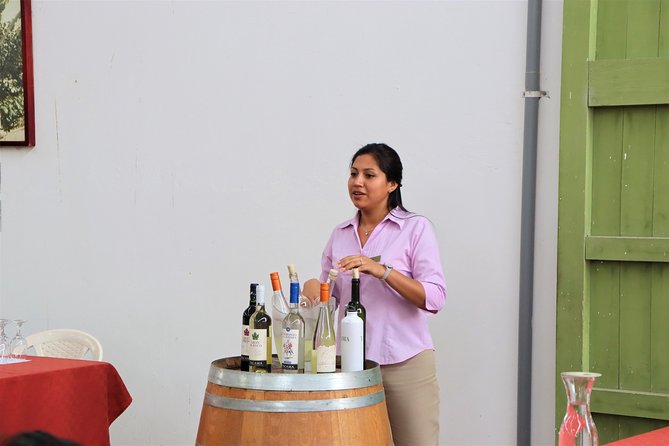
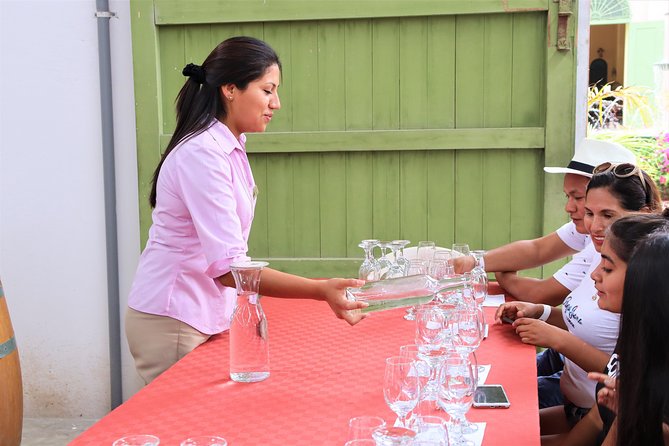
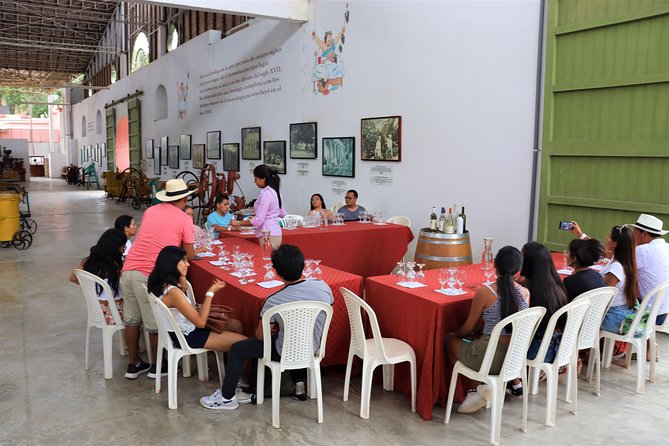
You learn about the full production process for wine and pisco with a guide, then sample different varieties of both. The inclusion of pisco matters because it lets you compare two drinks made from grapes but treated in different ways. Wine is fermented and enjoyed as a table drink, while pisco is a distilled grape spirit with a higher alcohol level.
The tasting includes around ten samples in total. That is enough variety to help you notice differences between products, but you should pace yourself. Small samples can add up, especially when pisco is part of the lineup.
I like the way this stop combines explanation with place. A vineyard is not just a room with bottles on shelves. The setting helps connect the drink to grape growing, production, and the local economy. The information provided does not specify every grape variety or the exact tasting menu, so you should expect the selection to depend on the day.
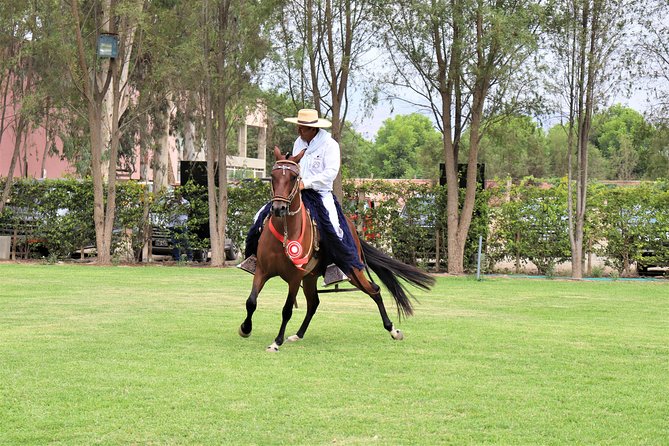
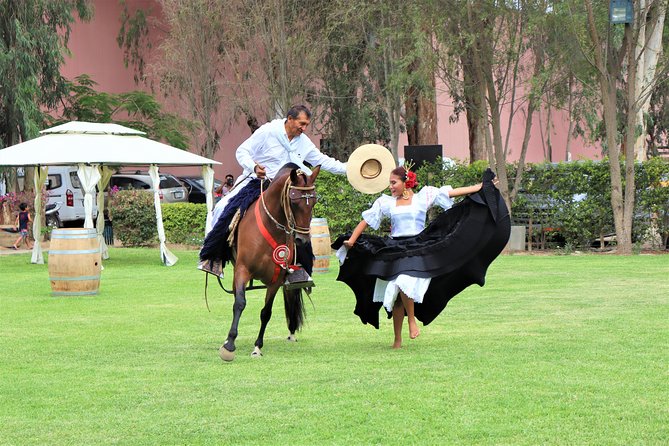
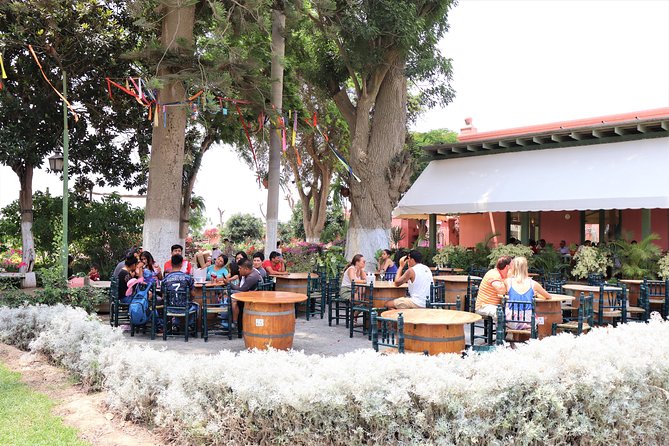
Tacama also has a restaurant inside the vineyard. If you want to turn the visit into a longer lunch stop, you can order a meal there, but lunch is not included in the tour price. One particularly appealing option is the chance to pair lunch with a marinera and caballo de paso show, a traditional Peruvian dance and horse presentation. That extra program received strong praise for making the Tacama visit feel like a complete afternoon outing.
Because the tour allows about two hours at Tacama, there should be time for more than a rushed tasting. Even so, the exact balance between the guided visit, samples, lunch, and show may depend on your schedule and what you choose to add.
What makes El Catador different
The second stop lasts about one hour and shifts the focus from a historic vineyard complex to a small family-run business. El Catador produces pisco and traditional red wine using methods associated with descendants of Spanish conquerors.
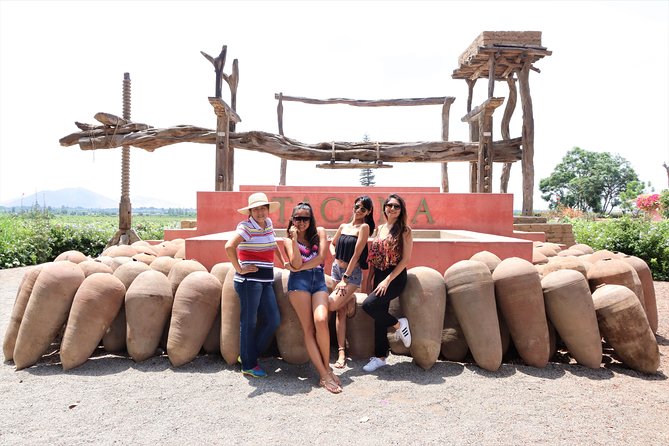
The most distinctive detail here is the use of clay jars called botijas. During the March harvest season, these containers hold crushed grape juice as it ferments. That detail gives you a physical link to older winemaking practices, rather than only hearing a general story about tradition.
Your guide explains how the family makes pisco and wine using methods that have remained similar for about a century. This is valuable because pisco production is not just a modern commercial process. The tools, containers, and family knowledge help show how local producers have passed the work from one generation to the next.
But this is also the part of the tour that needs the clearest warning. You may expect a traditional winery visit and instead find that much of the stop takes place around a store or restaurant selling the products. For some people, that commercial setting will feel disappointing, especially after the more scenic and polished Tacama visit.
I would treat El Catador as a short demonstration and tasting stop, not as an expansive vineyard tour. If you enjoy seeing older equipment, learning about family production, and sampling local drinks, it can add useful contrast. If you want rows of vines, extensive cellars, or a long technical explanation, the stop may feel thin.
That difference between the two venues is not necessarily a flaw. Tacama gives you scale and setting. El Catador gives you a more personal production story. The value depends on how much you care about traditional methods compared with atmosphere.
Comparing wine and Peruvian pisco
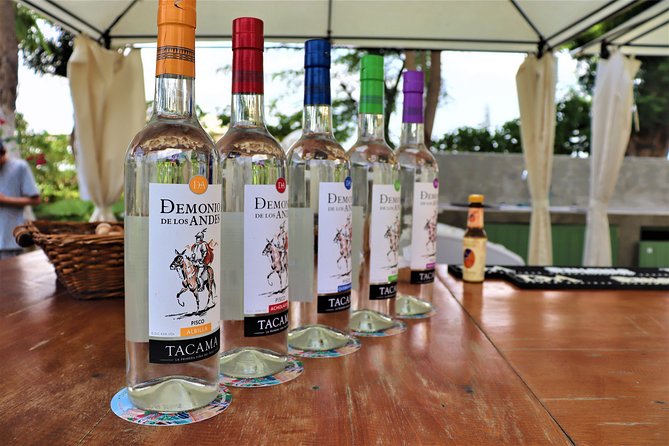
Pisco is Peruvian grape brandy, and it is central to this experience. The tour does not limit you to wine, so you can compare several forms of local production during one outing.
For a first-time visitor, the tasting is a practical way to learn what makes pisco different from ordinary wine. You can ask the guide about the production process at Tacama and then hear how El Catador carries out its own traditional methods.
The tour includes alcoholic beverages and approximately ten samples. Since the exact breakdown is not provided, do not assume that you will receive ten full glasses or ten completely different grape varieties. Think of it as a broad tasting, with both wine and pisco represented.
I recommend treating the tasting as a learning session rather than a race through samples. Pay attention to how the products differ in aroma, sweetness, strength, and finish. You do not need advanced wine knowledge to enjoy this. Curiosity is enough.
The experience may suit you especially well if you are already interested in wine, spirits, or food traditions. It also works for a casual drinker who wants something beyond the usual sightseeing route. The guide’s explanation is an important part of the value, since the samples mean more when you know how they were produced.
More pisco tasting in Huacachina:
- 3 Day Tour From Lima: Paracas, Huacachina Oasis & Pisco Vineyard
★ 5.0 · 607 reviews - 2 Day Tour from Lima: Paracas, Huacachina, and Pisco Vineyard
★ 5.0 · 402 reviews - Local Market and Peruvian Cooking Class with Pisco Sour in Cusco
★ 5.0 · 384 reviews - Group Cooking Class in Cusco with Pisco Tasting
★ 5.0 · 335 reviews
Lunch, the dance show, and the real cost
The listed price is $44 per person. That includes private transportation, all entrance fees and taxes, and the alcoholic tastings. For a three-hour outing with two stops, that is a reasonable price if your pickup location is covered and you plan to sample both wine and pisco.
The price does not include lunch. This is easy to overlook because Tacama has a restaurant inside the vineyard and the meal can become a highlight of the afternoon. If you want to eat there, budget separately.
The marinera and caballo de paso show can also make Tacama more memorable. The information provided does not state whether that entertainment is included in the tour price, so ask before booking or before ordering lunch. Do not assume that every part of the vineyard program comes with the $44 fee.
Private transportation adds useful value. You avoid arranging taxis between Huacachina, Ica, Tacama, and El Catador, and you can enjoy the tastings without needing to drive. Pickup is offered from Huacachina and central Ica. If your accommodation is at least 30 minutes away, an additional pickup charge may apply.
With a maximum of 12 people, the group should be smaller than a standard large bus excursion. That can make it easier to hear the guide and ask questions, although the word private in the transportation description does not necessarily mean you will have a fully private tour for only your own party. Confirm that detail if it matters to you.
Timing and how to plan your day
The scheduled start is 11:45 a.m., and the total visit lasts about three hours. That timing makes the experience a good fit after a morning in Huacachina or Ica.
You should allow extra time beyond the stated three hours for pickup and return transportation. The tour description gives the duration of the stops, but not a precise arrival time back at your accommodation. If you have an evening bus, flight, or fixed dinner reservation, ask the operator for a realistic return estimate.
The tour requires good weather. If poor conditions cause a cancellation, you are offered a different date or a full refund. You can also cancel for a full refund if you do so at least 24 hours before the start time. Changes or cancellations made within 24 hours are not accepted for a refund.
The tour is offered in English, and confirmation is received when you book. Service animals are allowed, and most people can participate. Those details make the experience fairly accessible for a broad range of visitors, though the supplied information does not describe the walking surfaces or physical demands at either winery.
Since the tour is often booked about 25 days in advance, I would not leave it until the last minute if your schedule is fixed. That advance booking pattern suggests that popular dates can fill, especially during busy periods.
What I like most about the experience
The strongest feature is the pairing of two very different places. Tacama offers an established vineyard, a full explanation of wine and pisco production, a broad tasting, and the option of lunch with a traditional show. El Catador provides a smaller family setting and a look at older techniques.
I also like the pace. Three hours is long enough to give the subject attention but short enough to fit around a larger Peru itinerary. After desert tours and fast-moving sightseeing, a seated tasting can feel like a welcome reset.
The Tacama portion deserves the most emphasis. The vineyard setting, lunch option, and marinera with caballo de paso show create the clearest sense of occasion. If you book this experience mainly for one memorable stop, Tacama is likely to deliver it.
The most important limitation is the uneven quality between the two visits. El Catador may function more as a sales-oriented stop than you expect. That does not erase its value, but it means you should book this tour for the combination, not because you want two equally substantial winery tours.
Who should book this tour
I would recommend it to you if you want:
- A relaxed afternoon between more active excursions
- An introduction to Peruvian wine and pisco
- A guided tasting with about ten samples
- Pickup from Huacachina or central Ica
- A visit to both a historic vineyard and a family-run producer
- The option to add lunch and a traditional horse and dance show at Tacama
I would be more cautious if your main goal is detailed wine education. The available information does not promise extensive instruction on grape varieties, fermentation temperatures, aging, or regional wine styles.
I would also think twice if you dislike sales-oriented stops. El Catador may feel too commercial if you expect a quiet working winery with broad access to production areas. Tacama appears to carry most of the scenic and cultural weight.
Final verdict: book it for Tacama and the comparison
I think this is a worthwhile half-day addition to a Huacachina or Ica itinerary, especially at $44 when transport, tastings, fees, and taxes are included. The best reason to book is the contrast between Tacama’s established vineyard setting and El Catador’s traditional family methods.
Go in expecting a tasting-focused outing, not a demanding wine seminar. Plan to pay extra for lunch, ask about the marinera and caballo de paso show, and confirm the pickup cost if you are staying outside central Ica or Huacachina.
If Tacama’s vineyard, pisco tasting, and optional lunch appeal to you, book it. If you want a detailed visit to two working wineries, choose another experience or ask the operator exactly how much production access El Catador provides.
FAQ
How long does the wine and pisco tour last?
The tour lasts about three hours in total. Tacama takes approximately two hours, and El Catador takes about one hour.
What time does the tour start?
The scheduled start time is 11:45 a.m.
Where is pickup available?
Pickup is available from accommodations in Huacachina or central Ica.
Is pickup available outside Huacachina and central Ica?
Yes, pickup may be available if you are staying at least 30 minutes away, but an extra charge may apply.
What is included in the price?
The $44 price includes private transportation, alcoholic beverages, approximately ten wine and pisco samples, admission fees, and taxes.
Is lunch included?
No. Lunch is not included, although Tacama has a restaurant inside the vineyard where you can order a meal.
What drinks will I taste?
You will sample different types of wine and pisco. Pisco is a Peruvian grape brandy.
What is special about El Catador?
El Catador is a small family-run business that makes pisco and traditional red wine using older methods. The visit can include an explanation of clay jars called botijas, which are used during the March harvest season for fermenting crushed grape juice.
Is the tour offered in English?
Yes. The experience is offered in English.
How many people can join the tour?
The maximum group size is 12 people.
Can I cancel for a full refund?
Yes, if you cancel at least 24 hours before the scheduled start time. Cancellations made less than 24 hours before the start are not refunded.
What happens if bad weather cancels the tour?
If poor weather causes a cancellation, you will be offered a different date or a full refund.
More Wine Tours in Huacachina
- Lima: Paracas & Huacachina Oasis Day Trip with Wine & Dunes
★ 4.7 · 266 reviews - Lima: Huacachina, Winery, & Nazca Lines from Pisco Airport
★ 4.7 · 31 reviews - Pisco and wine route, Huacachina, Buggies, Sandboard and sunset
★ 5.0 · 26 reviews - Lima: Local Wine Tour
★ 4.5 · 25 reviews
Added recently around Huacachina
- ICA: UTV & Sandboard Private in Huacachina★ 5.0 · 31 reviews
- Private UTV ride through the Huacachina desert★ 5.0 · 16 reviews
- The real Sandboard and Sandski Experience at the sunset★ 5.0 · 15 reviews
- Sandboarding and Sand Ski in Huacachina★ 5.0 · 15 reviews
- Private Dune Buggy Tour with Sandboard or Ski / 2 hours★ 4.5 · 9 reviews
- Flight to the Nazca Lines with transfer from Ica★ 5.0 · 18 reviews
- Real Experience Sandboard Ski Professional Huacachina★ 5.0 · 20 reviews
- Huacachina Sand Buggy and Sand Boarding Experience★ 3.0 · 11 reviews
Pisco Tours & Tastings, compared.

3 Day Tour From Lima: Paracas, Huacachina Oasis & Pisco Vineyard
Read our review →
2 Day Tour from Lima: Paracas, Huacachina, and Pisco Vineyard
Read our review →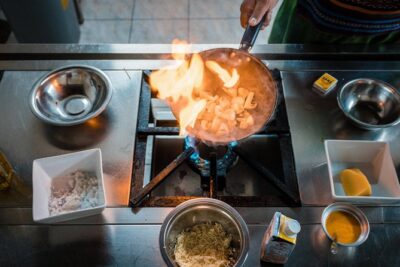
Local Market and Peruvian Cooking Class with Pisco Sour in Cusco
Read our review →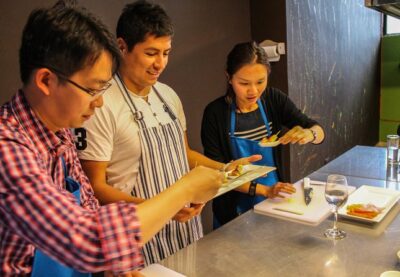
Group Cooking Class in Cusco with Pisco Tasting
Read our review →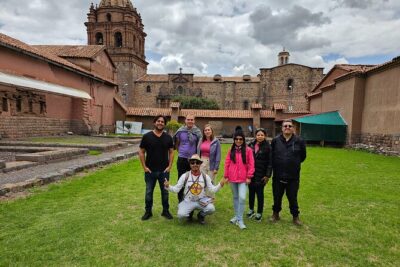
Historic Walking Tour with Pisco Sour and Local Music
Read our review →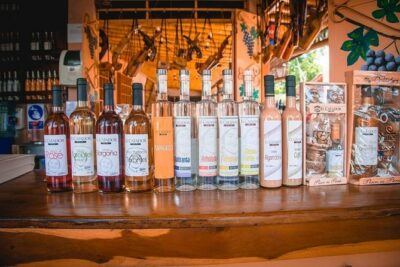
Authentic 4-dish Peruvian Food Cooking Class in Lima + Pisco Sour
Read our review →
Cook an Authentic Ceviche And Peruvian Pisco Sour!
Read our review →Browse the lists this tour appears in