
Reviewed · PISCO TOURS & TASTINGS
Authentic 4-dish Peruvian Food Cooking Class in Lima + Pisco Sour
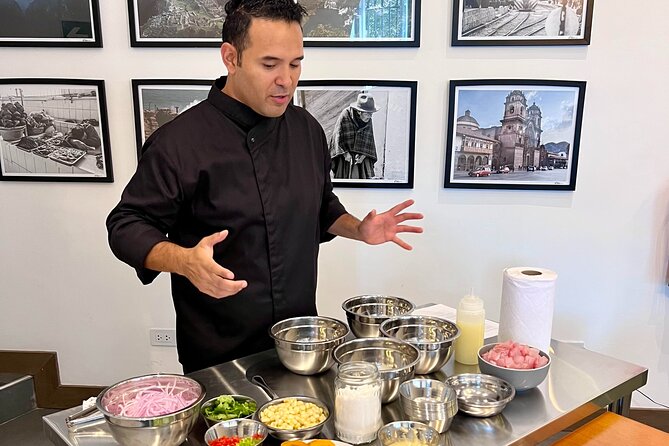
Come hungry, leave with recipes. This 2.5-hour Lima cooking class pairs a generous Peruvian meal with a Pisco Sour lesson, fruit tasting, and stories about the food. I like the small group of no more than 10 people, which gives Chef Rafael room to guide each person, and I like the central Miraflores setting at WasiPai Boutique Hotel. The main consideration is that this is partly a demonstration: much of the chopping and preparation is done ahead of time, so you may watch more than you cook.
Chef Rafael is the other big draw. He explains dishes in clear English and Spanish, adjusts the recipes to suit your taste, and ties each plate to Peruvian culture. At $75 per person, the class is not the cheapest meal in Lima, but the price includes a full four-part food experience, a cocktail, instruction, and enough food to make dinner unnecessary.
In This Review
- Key points at a glance
- Why this class works so well in Lima
- Meeting Chef Rafael at WasiPai Boutique Hotel
- Starting with a Pisco Sour
- Ceviche: fresh, sharp, and worth watching closely
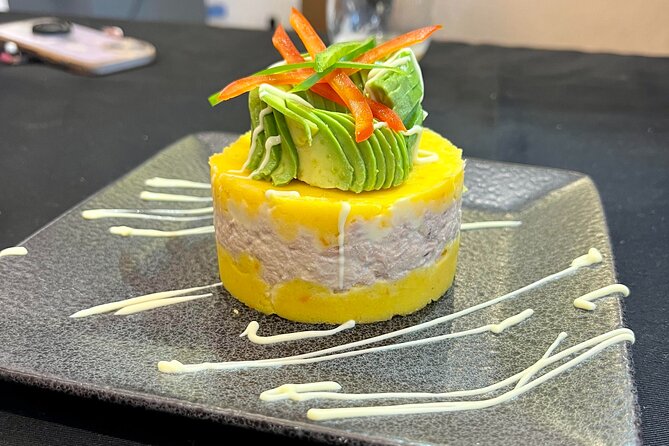
- Causa: a classic Peruvian potato dish
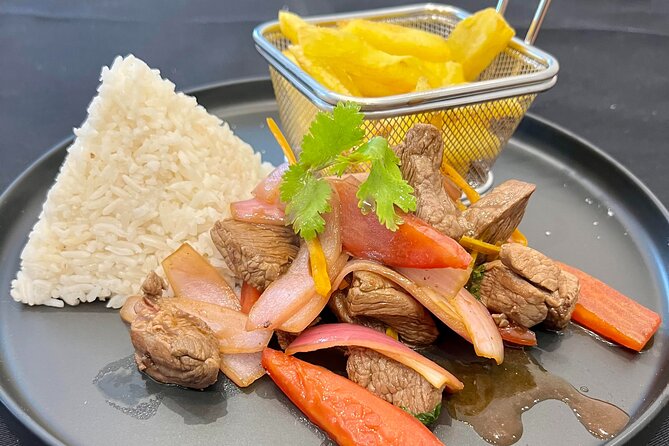
- Lomo Saltado brings the heat
- Fruit, dessert, and a little espresso
- How hands-on is the cooking?
- Is $75 a good value?
- Who should book this Lima cooking class?
- Timing, location, and booking advice
- Should you book it?
- FAQ
- Where does the Peruvian cooking class meet?
- Where does the activity end?
- How long does the cooking class last?
- What dishes are prepared?
- Is the Pisco Sour included?
- Is this class suitable for beginners?
- How many people can join the class?
- Can people under 18 drink alcohol during the class?
- Can I cancel for a full refund?
Key points at a glance
- Three Peruvian classics in one sitting: Learn the basics of ceviche, causa, and lomo saltado, then finish with dessert and fruit.
- A proper Pisco Sour lesson: The class begins with Peru’s famous cocktail, so you learn the drink before the meal starts.
- Chef Rafael leads the session: He is praised for clear explanations, patience, strong English, and a warm teaching style.
- Fresh ingredients arrive the day of class: Seafood, produce, spices, and other ingredients are prepared for easy handling.
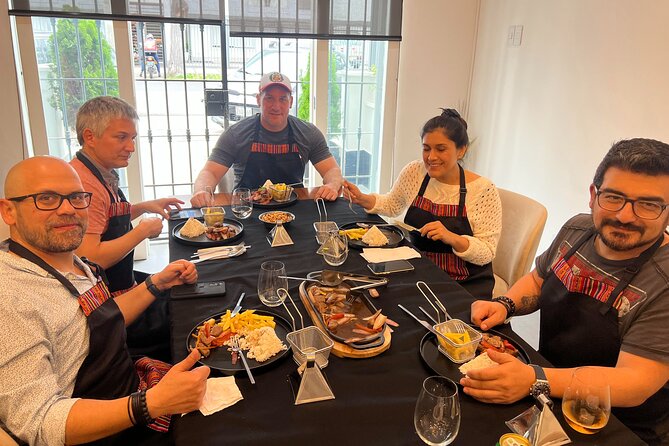
- A generous meal, not a tasting plate: Large portions mean you should arrive hungry and may have food left over.
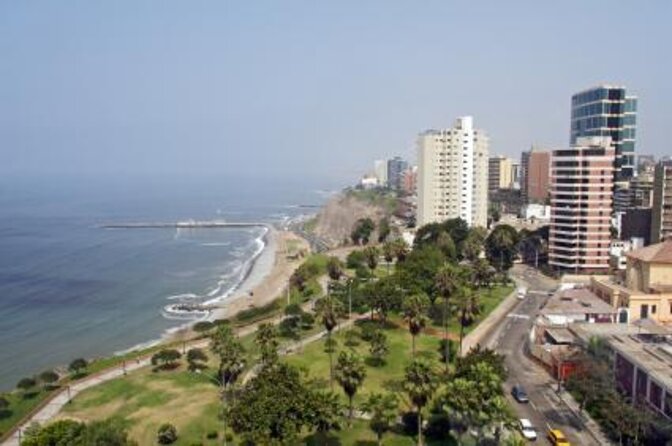
- Miraflores is an easy base: The meeting point is near public transportation in a safe, walkable part of Lima.
Why this class works so well in Lima
Lima is one of South America’s great food cities, but eating at a restaurant only tells you part of the story. A cooking class lets you see how familiar dishes are built, how Peru’s ingredients work together, and why a meal can carry so much cultural meaning.
I like this experience because it does not treat Peruvian cuisine as a set of isolated recipes. Chef Rafael explains the background of the dishes, local produce, unusual fruits, vegetables, and spices. That context gives you something useful to take home beyond a full stomach.
The class is also designed for beginners. You do not need knife skills, restaurant experience, or a long list of ingredients waiting in your kitchen. The instructions are meant to be easy to follow, and you can adjust salt, spice, and other flavors to your liking.
That makes this a good choice early in your Lima stay. You can learn what you are eating before visiting restaurants, then recognize ingredients and dishes later. It also works nicely near the end of a trip, when you can use the class to bring home a few techniques and food memories.
More Cooking Classes in Lima
- #1 Reviewed Lima Cooking Class
★ 5.0 · 995 reviews - Peruvian Cooking Class, Local Market Tour & Exotic Fruit Tasting
★ 5.0 · 744 reviews - 4 Course Peruvian Cooking Class
★ 5.0 · 122 reviews
Meeting Chef Rafael at WasiPai Boutique Hotel
The class begins at WasiPai Boutique Hotel, at Avenida de la Aviación 175 in Miraflores. The activity ends at the same meeting point, which keeps the logistics simple. You do not need to wonder where a final restaurant or separate kitchen is located.
Miraflores is a practical neighborhood for this kind of activity. The meeting point is described as being in a safe, walkable area and near public transportation. That matters in Lima, where a central meeting point can save you both time and taxi planning.
The group size is capped at 10 people. That is small enough for questions and personal guidance without making the class feel like a private lesson. Couples, solo participants, and families with adult children can all fit comfortably into the format.
Chef Rafael receives the strongest praise. He is described as friendly, patient, passionate about food, and easy to understand. He can teach in English and Spanish, which is helpful if your group includes people who prefer either language. His role is more than reading instructions. He explains techniques, answers questions about substitute recipes, and shares personal connections to the dishes.
Starting with a Pisco Sour
The session begins with Peru’s signature cocktail, the Pisco Sour. This is a smart opening because it gives the class a social start before everyone turns to the food.
You learn how to prepare the drink, not simply receive one from a bartender. The experience includes one cocktail, and the class also covers useful tips for making a good Pisco Sour at home. Participants especially value this part because it connects a familiar Peruvian drink with a practical recipe you can repeat.
The alcohol rule is clear: only people age 18 and above may have wine or other alcoholic beverages. If someone in your group is under 18, confirm the arrangement before booking, since the included cocktail is an alcoholic drink.
The Pisco Sour also sets the tone for the rest of the class. You are not rushing through a list of recipes. You are moving from drink to preparation, with time to ask questions and enjoy each course.
Ceviche: fresh, sharp, and worth watching closely
Ceviche is one of the class’s main attractions. It is also the dish where timing and balance matter most, so Chef Rafael’s guidance is useful.
You learn how the ingredients come together and how to adjust the flavors for your own taste. The emphasis is on fresh, local ingredients received on the day of the class. That freshness matters especially for a seafood dish served without traditional cooking over heat.
The class gives you more than a plate of ceviche. You get an explanation of the dish’s place in Peruvian food culture, along with advice on seasoning and preparation. One of the most practical lessons is learning how small changes in salt, spice, or acidity can alter the final result.
Many people consider the ceviche a favorite part of the meal. You should still arrive ready for a substantial portion, since this is not a tiny sample served between demonstrations. If you usually avoid raw seafood, this is the point to check the menu and ask questions before booking.
The preparation is partly organized in advance. That helps the class stay within two and a half hours, but it also means you may not handle every step from beginning to end. If you want a fully hands-on kitchen session, this limitation is worth noting.
More Food Tours in Lima
- Lima Ultimate Peruvian Food Tour
★ 5.0 · 1,845 reviews - Lima: Ultimate Peruvian Food Tour
★ 4.9 · 700 reviews - Street Food, Market & Old Eateries Tour in Lima’s Historic Center
★ 5.0 · 656 reviews - Lima Gourmet Food Tour: Evening Experience
★ 5.0 · 525 reviews
Causa: a classic Peruvian potato dish
Causa gives the class a different texture and flavor from ceviche. It is built around potatoes and presentation, and the experience allows you to prepare your own plate with guidance from the chef.
This course shows how Peruvian food can be both home-style and carefully presented. Chef Rafael offers ideas for arranging the dish, and the cooking format gives you some freedom to adapt ingredients to your taste. That is useful for beginners because you can focus on the method instead of worrying about producing a perfect restaurant plate.
The lesson also helps explain why Peruvian cuisine cannot be reduced to one flavor profile. Ceviche brings bright, fresh seafood notes. Causa offers a softer, more filling counterpoint. Together, the dishes make the meal feel like a proper introduction rather than a single specialty lesson.
You may do some stirring, assembling, and finishing rather than every stage of cooking. I see that as a benefit for people who want guidance without kitchen pressure. More serious home cooks may wish for more chopping and stove work, but beginners will likely appreciate the relaxed pace.
Lomo Saltado brings the heat
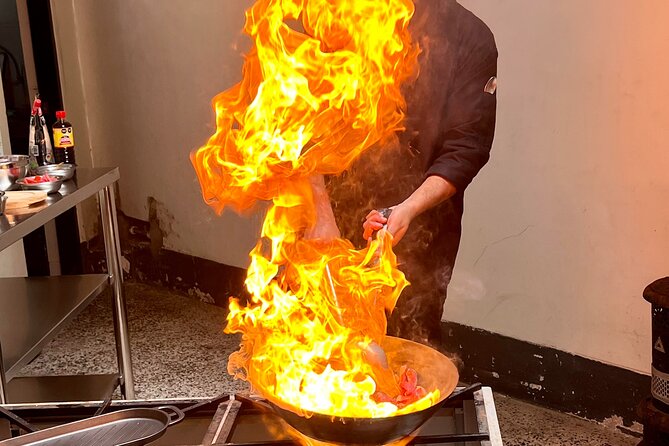
Lomo saltado is the hearty course. It combines Peruvian ingredients with cooking techniques shaped by Chinese influence, making it a useful example of how cultures have shaped Lima’s food.
Chef Rafael explains the dish’s background as he teaches the recipe. You also learn the practical side: how to build the plate and how the ingredients work together. The class gives you room to alter seasoning, so you are not locked into one level of salt or spice.
This is often the dish that convinces people the class is worth the cost. It is filling, familiar enough for many first-time visitors to enjoy, and simple enough to try again at home. The class focuses on a restaurant-quality result without making the process seem out of reach.
The portion size is generous. Plan your day around a serious meal rather than a snack, especially if you attend later in the afternoon or evening. Extra food may remain, and that is one reason not to eat a large meal immediately before class.
Fruit, dessert, and a little espresso
The class includes a tasting of local fruits, vegetables, and spices, followed by dessert and espresso. This part gives you a useful look at ingredients you may have seen in Lima’s markets but not recognized.
The fruit tasting is a small feature with real value. Peru has produce that many visitors will not know by name or flavor, and a chef can explain how it is used. You get a chance to taste these items in a calm setting rather than trying to identify them while walking through a crowded market.
Dessert is described as a surprise in some sessions, so the exact sweet may vary. The information does not promise one fixed dessert recipe, and you should not book this class expecting a specific final dish. You can expect a local dessert tasting and espresso to close the meal.
This final course also helps pace the experience. After the sharper ceviche and filling lomo saltado, a sweet ending makes the class feel like a complete meal rather than a series of cooking exercises.
How hands-on is the cooking?
This is the most important question to ask before booking. The class is interactive, but it is not a full professional kitchen workshop where every participant starts each recipe from raw ingredients.
Ingredients are set up in advance to keep the class moving and maximize eating and teaching time. You can prepare your plate, follow the chef’s techniques, stir or assemble parts of the dishes, and make adjustments to seasoning. At other moments, you may watch Chef Rafael handle a step.
I think this format suits most visitors. You get clear instruction, less waiting, and more time to hear about Peruvian food. It is especially good if you are a beginner, traveling with family, or more interested in eating and understanding the cuisine than practicing every knife cut.
If your priority is intensive cooking practice, ask yourself how much physical kitchen work you want. This experience leans toward a guided food lesson with hands-on sections, rather than a technical culinary course.
Is $75 a good value?
At $75 per person, the class costs more than ordering one Peruvian dish at a neighborhood restaurant. The comparison is not quite fair, though, because the fee includes much more than lunch or dinner.
You receive:
- A 2.5-hour chef-led class
- A Pisco Sour lesson and one cocktail
- Ceviche, causa, and lomo saltado
- Dessert and local fruit tasting
- Espresso
- Fresh ingredients
- Cultural and culinary explanations
- A small group capped at 10 people
The generous portions are a major part of the value. This is not a light tasting menu. Several people find the meal large enough that food remains after the session, so you should treat the class as one of your main meals in Lima.
The value is strongest if you want three things at once: a meal, an activity, and recipes you can use later. If you only want to eat cheaply, a local restaurant will cost less. If you want a personal chef lesson with extensive individual cooking time, this may not provide enough hands-on work for the price.
For most first-time visitors, the combination is solid. You spend one afternoon learning the country’s best-known dishes, tasting local ingredients, and meeting a chef who can explain the food in accessible terms.
Who should book this Lima cooking class?
I would recommend it to first-time visitors who want a practical introduction to Peruvian cuisine. It is also a good fit for solo participants, couples, and families with adult children who enjoy sharing a meal and learning together.
Beginners should feel comfortable. Chef Rafael is patient, explains techniques clearly, and allows you to change flavors to suit your preferences. You do not need to arrive with cooking experience.
Food-focused visitors will appreciate the range. In one session, you cover a cold seafood dish, a potato-based plate, a hot stir-fried entrée, a cocktail, fruit, and dessert. That is a useful snapshot of Lima’s food culture.
You may want to choose another activity if you dislike seafood, avoid alcohol, or want a class where you personally perform every cooking step. You should also confirm the alcohol arrangements for anyone under 18, since alcoholic beverages are limited to adults age 18 and above.
Timing, location, and booking advice
Allow about two and a half hours from start to finish. Since the class ends where it begins, it is easy to plan around other activities in Miraflores.
The experience is often booked about 22 days ahead, so do not leave it until the final day of your Lima visit if your schedule is tight. Booking early matters most for small groups and for visitors who want a particular date.
Free cancellation is available up to 24 hours before the start time for a full refund. Changes or cancellations made less than 24 hours before the start time are not accepted for a refund, and the cut-off follows Lima’s local time.
Service animals are allowed, and the meeting point is near public transportation. Confirmation is provided at booking, which gives you the basic details needed to plan your arrival.
Should you book it?
Book this class if you want to eat well and understand what you are eating. Chef Rafael’s teaching, the fresh ingredients, clear cultural background, and generous portions make this a strong introduction to Lima’s cuisine.
Go in expecting a guided cooking experience, not a two-hour session of constant chopping and frying. That distinction is the only real drawback, but it is also why the class works so well for beginners.
For $75, you get a full meal, a cocktail lesson, dessert, fruit tasting, and practical recipes in a small Miraflores setting. If ceviche, causa, lomo saltado, and Pisco Sours are on your Lima wish list, this is an easy activity to justify.
FAQ
Where does the Peruvian cooking class meet?
The class meets at WasiPai Boutique Hotel, Av. de la Aviación 175, Miraflores 15074, Peru.
Where does the activity end?
The class ends back at the meeting point at WasiPai Boutique Hotel.
How long does the cooking class last?
The experience lasts approximately 2 hours and 30 minutes.
What dishes are prepared?
The class covers ceviche, lomo saltado, and causa, along with a local dessert and fruit tasting. It also includes preparation of a Pisco Sour.
Is the Pisco Sour included?
Yes. The experience begins with a lesson on making Peru’s traditional Pisco Sour, and one cocktail is included.
Is this class suitable for beginners?
Yes. The class is designed for cooks of all levels, and Chef Rafael provides clear, guided instruction.
How many people can join the class?
The group has a maximum of 10 participants.
Can people under 18 drink alcohol during the class?
No. Only people age 18 and above are allowed to drink wine or other alcoholic beverages.
Can I cancel for a full refund?
Yes, if you cancel at least 24 hours before the experience start time. Cancellations or changes made less than 24 hours before the start time are not accepted for a refund.
More Pisco Tasting in Lima
- Miraflores: Amazing Peruvian Cooking Class Ceviche Seafood and Pisco Sour
★ 4.9 · 57 reviews - City Tour With Demonstration & Tasting of Pisco Sour
★ 4.6 · 21 reviews - Lima: Lights, Pisco, and Fun Night Tour and Pisco Tasting
★ 4.5 · 9 reviews - Local Market and Peruvian Cooking Class with Pisco Sour in Cusco
★ 5.0 · 384 reviews
More Pisco Tastings in Lima
- 3 Day Tour From Lima: Paracas, Huacachina Oasis & Pisco Vineyard
★ 5.0 · 607 reviews - 2 Day Tour from Lima: Paracas, Huacachina, and Pisco Vineyard
★ 5.0 · 402 reviews - Cook an Authentic Ceviche And Peruvian Pisco Sour!
★ 5.0 · 107 reviews - Larco Museum, Pisco Old Tavern and Magic Water Circuit Evening Tour
★ 4.5 · 66 reviews
Added recently around Lima
- Tour to the sanctuary of Pachacamac★ 4.8 · 8 reviews
- Tour to the magical water circuit with dinner and dance show★ 5.0 · 4 reviews
- Tour of Lima with a visit to the catacombs of San Francisco.★ 4.2 · 24 reviews
- Tour Huaca Pucllana: Pyramids and Pre-Columbian Antiquity★ 4.3 · 12 reviews
- Lima: Palomino Islands Speedboat Tour & Swim with Sea Lions★ 4.8 · 33 reviews
- Surfing experience in Lima★ 5.0 · 6 reviews
- Sandbording in Lima★ 5.0 · 12 reviews
- Pro Sanboarding or skiing in Huacachina from Lima – Day trip★ 4.6 · 8 reviews
Pisco Tours & Tastings, compared.

3 Day Tour From Lima: Paracas, Huacachina Oasis & Pisco Vineyard
Read our review →
2 Day Tour from Lima: Paracas, Huacachina, and Pisco Vineyard
Read our review →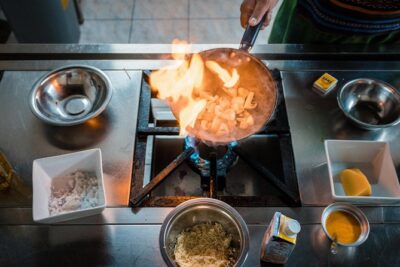
Local Market and Peruvian Cooking Class with Pisco Sour in Cusco
Read our review →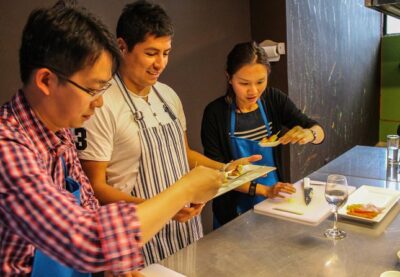
Group Cooking Class in Cusco with Pisco Tasting
Read our review →
Historic Walking Tour with Pisco Sour and Local Music
Read our review →
Cook an Authentic Ceviche And Peruvian Pisco Sour!
Read our review →
Bilingual Cooking Class with Pisco Cocktail in Cusco
Read our review →Browse the lists this tour appears in