
Reviewed · MACHU PICCHU TOURS
4 Day Classic Inca Trail to Machu Picchu by 360° Train
The Inca Trail earns its reputation the hard way. This four-day route combines ancient ruins, mountain passes, tented camps, and a final arrival at Machu Picchu through the Sun Gate. I especially like the small maximum group of nine, which should make pacing and guide attention easier, and the fact that meals, tents, trail permits, and Machu Picchu tickets are included. The main caution is organization: two serious complaints describe late communication and disputed guide conduct, so you should confirm every detail before departure.
You will cover long days of hiking, with about nine hours listed for each day. Dead Woman’s Pass reaches 4,215 meters, and the route includes steep Inca steps, so this is a demanding trek rather than a gentle sightseeing trip. The $820 price can be fair for a licensed four-day Inca Trail package, but tips, health insurance, and possibly a sleeping bag are not included.
In This Review
- Key points before you book
- What the $820 price really covers
- Day 1: KM-82, Llactapata, and Ayapata
- Day 2: Dead Woman’s Pass at 4,215 meters
- Day 3: Phuyupatamarca, Inti Pata, and Wiñay Wayna
- Day 4: Sun Gate and the first view of Machu Picchu
- Camping, meals, and what you carry
- Small groups and uneven communication
- Who should book this four-day route?
- Should you book the 4 Day Classic Inca Trail?
- FAQ
- How long is the Classic Inca Trail tour?
- Where does the trek begin?
- What documents do I need at the trail checkpoint?
- How high is Dead Woman’s Pass?
- Are meals included?
- Are the Inca Trail and Machu Picchu tickets included?
- Is health insurance included?
- Are tips included in the price?
- What happens if the tour is canceled because of weather?
Key points before you book
- Dead Woman’s Pass is the physical test: Day 2 includes the highest point at 4,215 meters, followed by steep stone steps.
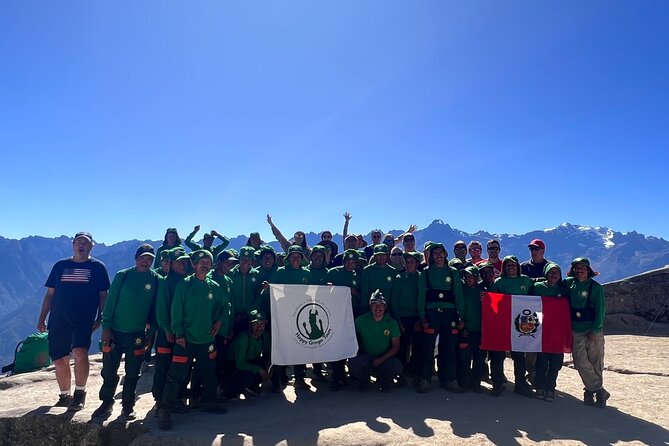
- A small group helps on a demanding route: The maximum is nine people, a useful size for meals, pacing, and questions.
- Meals are built into the trek: You receive three breakfasts, three dinners, and four lunches, including organic meals prepared along the trail.
- You sleep in private tents: The package says you have a private tent at each campsite, though sleeping bag arrangements need careful confirmation.
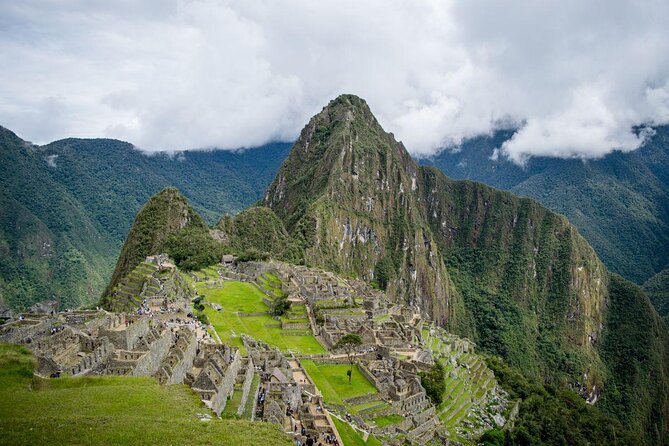
- Machu Picchu is entered through the Sun Gate: The final morning begins early and includes your first major view of the citadel from above.
- The tour ends by train and bus: You return by train to Ollantaytambo, then continue by bus to Cusco.
What the $820 price really covers
At $820 per person, this is not a simple guided walk. The price includes the Inca Trail permit, Machu Picchu admission, three breakfasts, three dinners, and four lunches. It also includes camping arrangements and the organized return by train and bus.
That package matters because access to the Classic Inca Trail is controlled. You are not simply showing up at KM-82 and buying a walk-in ticket. Your passport must match the permit at the checkpoint, so your booking name and passport details need to be correct.
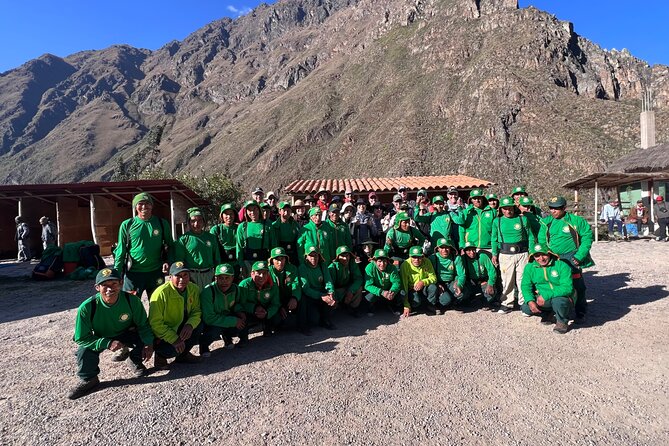
The price looks stronger when you consider the food and support team. The itinerary describes porters carrying tents, food, water, and gas, while cooks prepare fresh meals at lunch and camp. You still need to carry your own personal items, and the supplied complaints show why you should ask exactly what happens with sleeping bags and linen.
One complaint says a rented sleeping bag and liner had to be carried by the hiker unless an extra porter was hired for 150 Peruvian soles, listed as about $40. The operator disputed the account and said clients carry sleeping bags when they do not hire an extra porter. Since the package does not clearly list a sleeping bag, ask about the rental price, weight, liner, and porter option in writing.
Tips are not included. You should budget separately for the guide, cooks, and porters, although no fixed amount is provided here. Health insurance is also your responsibility.
Other Inca Trail departures:
- Classic Inca Trail Trek 4D/3N to Machu Picchu (Group Service)
★ 5.0 · 8,653 reviews - Machu Picchu: 4-Day Inca Trail Trek with Panoramic Train Ride
★ 5.0 · 4,568 reviews - Short Inca Trail to Machu Picchu 2D/1N
★ 5.0 · 3,007 reviews
Day 1: KM-82, Llactapata, and Ayapata
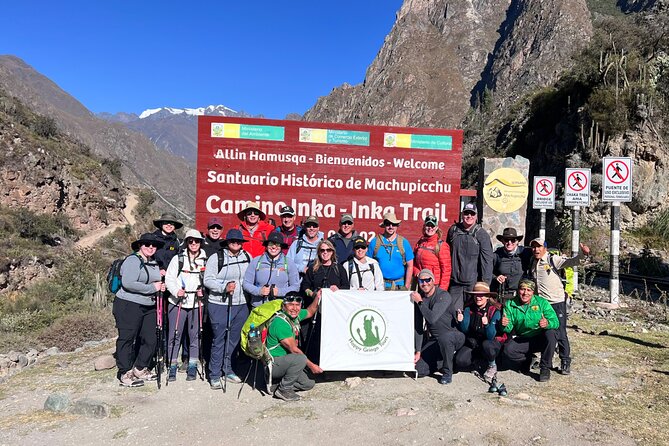
The day begins early, with pickup listed for 4:00 am. From your hotel, you travel toward Piscacucho train station and the KM-82 trailhead, where the formal start of the Classic Inca Trail takes place.
At the checkpoint, you show your passport. The name must match the permit, so do not treat this as a minor formality. A mismatch could create a serious problem before you have taken your first steps.
The opening section is relatively flat. That is welcome because you have a long day ahead, and it gives you time to settle into your boots, pack, and pace. You reach Llactapata, an Inca site that provides an early cultural stop before the harder climbing begins.
After several more hours, the porters meet you at the first lunch site. The food is described as organic and fresh, which is a real advantage on a strenuous route. A hot, proper meal can make the difference between dragging yourself uphill and recovering enough to keep moving.
The first major climb comes after lunch. You continue for several hours, with breaks, until Ayapata base camp. The day is listed at roughly nine hours, so you should expect fatigue by the time the tent is ready.
Ayapata is not a quick roadside camp. It is the reward for completing the first full day on foot. A private tent gives you more personal space than a shared shelter, but private does not mean luxurious. You are still camping at altitude after a long climb, and your sleeping bag is an important part of your comfort.
Day 2: Dead Woman’s Pass at 4,215 meters
Day 2 is the hardest section of the trek. After breakfast, you climb for about five hours toward Dead Woman’s Pass, known locally as Warmiwañusca. At 4,215 meters, it is the highest point of the route and the moment that tests your fitness and adjustment to altitude.
The climb is steady and demanding. You should not judge your progress by the strongest person in the group. A slow, regular pace with planned breaks is more useful than a fast start followed by a long struggle.
At the pass, the achievement is physical and visual. You have worked up through a high mountain route, and the reward is the knowledge that the hardest ascent is behind you. The descent is not easy, though. Two hours of downhill travel on steep Inca steps can punish your knees and thighs.
Lunch follows the descent. Once you have eaten, the day still is not finished. You climb for about two hours and descend for another two, stopping at Runkurakay and Sayacmarca along the way.
Runkurakay is an impressive Inca site built into the mountain route. Sayacmarca, reached by steep stone paths, adds another memorable ruin to a day already full of exertion. These stops help explain why the Classic Inca Trail is more than a mountain hike. The trail was engineered, occupied, and linked by a chain of places that still shape the journey.
You spend the night at Chaquicocha. The itinerary again gives the day a nine-hour estimate, not counting the time you spend looking around the sites and resting at camp. This is the day when good preparation matters most. Strong fitness is specifically required, and you should take that seriously.
Day 3: Phuyupatamarca, Inti Pata, and Wiñay Wayna
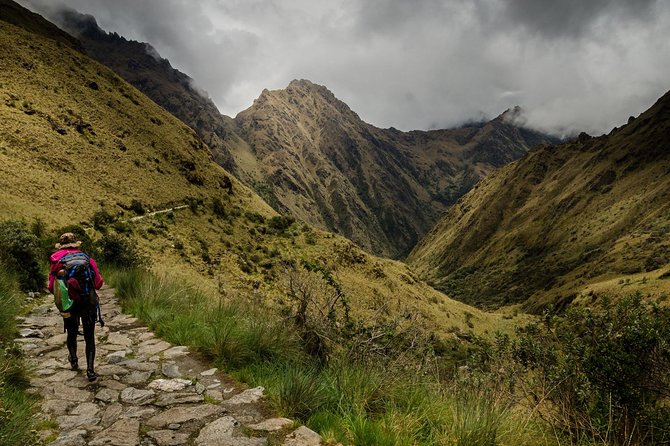
Day 3 is still long, but it shifts the balance from sustained punishment toward ruins, plants, wildlife, and views. After breakfast, you hike for about two hours to Phuyupatamarca, the City in the Clouds.
This area is described as one of the best places for flora, fauna, and mountain scenery. The name fits the setting, with the trail moving through high terrain and changing views. You will want time here, not just a quick photograph before marching onward.
The route continues to Inti Pata, or Sun Above the Terraces. The terraces show how the Incas shaped steep ground for farming and settlement. They also give you another chance to connect the engineering of the trail with the surrounding terrain.
Lunch comes before Wiñay Wayna, one of the most important sites on the route. Its name means Forever Young, and the terraces, stairways, and buildings make it a powerful stop near the end of the trek. This is one of the places where the route feels especially worthwhile. You are not saving all the cultural interest for Machu Picchu. The trail itself has a full sequence of Inca sites.
After visiting Wiñay Wayna, you return to camp for dinner. The schedule says you say goodbye to the porters here, which gives the evening an emotional finish. These workers carry the equipment that makes the camping and meals possible, so tips should not be an afterthought.
The day is listed at about nine hours. That estimate includes hiking and sightseeing, so your actual day will depend on the group’s pace and the time spent at the ruins.
Other ways to reach Machu Picchu:
- 2-Day Inca Trail to Machu Picchu with Panoramic Train
★ 5.0 · 1,876 reviews - From Cusco: Full-Day Group Tour of Machu Picchu
★ 4.7 · 1,767 reviews - Machu Picchu Day Trip from Cusco
★ 4.5 · 1,644 reviews - 2-Day Tour: Sacred Valley and Machu Picchu by Train
★ 5.0 · 1,127 reviews
Day 4: Sun Gate and the first view of Machu Picchu
The final morning starts early. Your team wakes you and you head to the checkpoint to enter Machu Picchu when the site opens.
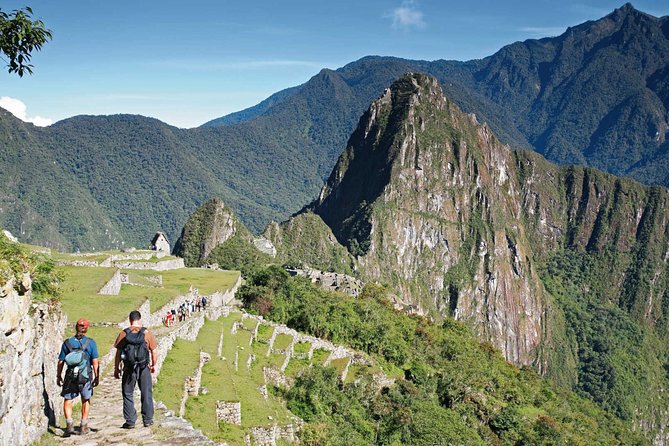
The route first takes you toward the Sun Gate, or Intipunku. This is a fitting arrival because the first view of Machu Picchu comes from above, rather than from the standard bus approach. After three days of walking, the sight has extra weight. You have reached the citadel by the old trail, step by step.
You then visit the main temples and important areas of Machu Picchu. The exact circuit and timing are not specified, so ask before departure how much guided time is planned inside the site and which circuit your ticket uses.
In the afternoon, you take the train to Ollantaytambo and then continue by bus to Cusco. The train is a practical finish after several days on foot. It also gives you a comfortable change of pace, moving from stone steps and tents to a seated ride through the Sacred Valley.
The published details contain one small point worth clarifying. A line refers to a last dinner at Wiñay Wayna, even though the Day 4 schedule has you at Machu Picchu and returning by train. That may be a wording error, but you should confirm the final meal plan and the exact end point before you go.
Camping, meals, and what you carry
The tour promises a private tent at each site. That is a meaningful comfort on a four-day trek. You can have a little personal space at the end of a demanding day instead of sharing every sleeping area.
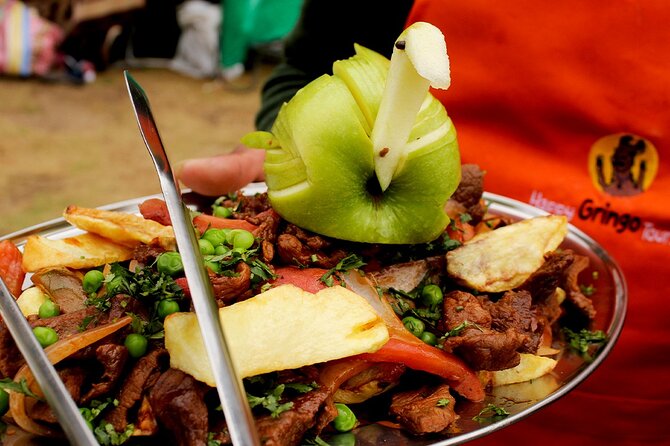
The food plan is generous by trekking standards: four lunches, three breakfasts, and three dinners. The first lunch is specifically described as organic and fresh, and meals are prepared by the support team. You should still carry any personal snacks or dietary items you require, since special dietary arrangements are not stated.
The main equipment question is the sleeping bag. One unhappy account says the operator required the hiker to carry a rented bag and liner or pay for an extra porter. The company rejected that version and said the sleeping bag is carried by the client unless an extra porter is booked.
That disagreement is practical, not academic. A two-kilogram sleeping bag feels different on a nine-hour hiking day. Get a written answer about what is included, how much the bag weighs, and what the porter fee covers.
Small groups and uneven communication
A maximum of nine people is one of the tour’s strongest features. On a route with steep climbs and varied fitness levels, a smaller group can make it easier to pause, ask questions, and keep the guide aware of how everyone is doing.
The public rating is 4.9 from 62 reviews, and 97 percent of customers recommend the experience. Those numbers suggest that many people have been pleased with the trek, its guides, and its support crew. The positive side of the feedback especially credits the guide and team, even in one highly critical account that still called the trek itself fine.
But you should not ignore the two serious one-star complaints. One describes poor communication and a start date changed only about a day and a half before departure. The operator says a backup date had been accepted and disputes the account.
Another complaint alleges no hotel pickup, unclear plans, a sleeping bag issue, and inappropriate behavior by a guide. The operator disputes those claims and gives a different account of the pickup, alcohol, and personal interaction. Because the accounts conflict, I cannot treat either version as established fact. I can give you sound advice: confirm pickup, start date, guide contact, equipment, and daily schedule before arriving in Cusco.
Communication matters more here than on a standard city tour. The Inca Trail has controlled permits, fixed camps, early starts, and limited room for last-minute changes. Ask for your permit details and complete meeting instructions well before the trek.
Who should book this four-day route?
This trip suits you if you want the full Classic Inca Trail rather than a short walk to Machu Picchu. You need strong physical fitness and the ability to handle long days, steep uphill sections, high altitude, and stone descents.
It is a good match for hikers who value a small group, organized meals, private tents, and a support crew. It also suits anyone who wants the ruins along the trail, including Llactapata, Runkurakay, Sayacmarca, Phuyupatamarca, Inti Pata, and Wiñay Wayna.
I would not choose it for a casual holiday or for anyone expecting easy access to showers, soft beds, or flexible timing. The route is demanding, the start is very early, and the nonrefundable terms make planning important.
The experience cannot be changed or refunded after cancellation. If poor weather cancels the trip, you are offered another date or a full refund. If the minimum group size is not met, you are offered another date or experience, or a full refund. Those protections are useful, but ordinary personal cancellations are not covered.
Should you book the 4 Day Classic Inca Trail?
I would consider booking this trek if the Classic Inca Trail is your main goal and you are comfortable with the physical challenge. The included permits, Machu Picchu admission, meals, camping, and return transport give the $820 price reasonable value, while the maximum group of nine is a welcome advantage.
I would book only after getting several details confirmed in writing. Ask about the exact pickup, the confirmed start date, sleeping bag and liner arrangements, extra porter costs, guide contact, Machu Picchu circuit, and final return schedule.
The route itself offers what you came for: high passes, old stonework, cloud-level ruins, and a memorable approach through the Sun Gate. The operator’s communication record appears less consistent than the mountain route, so careful preparation is the difference between a confident departure and a stressful one.
FAQ
How long is the Classic Inca Trail tour?
The tour lasts approximately four days. Each day is listed as taking about nine hours, including hiking, breaks, meals, and visits to sites.
Where does the trek begin?
The trek begins at KM-82 near Piscacucho train station. You are picked up from your hotel and driven to the trailhead.
What documents do I need at the trail checkpoint?
You need your passport, and the name must match the Inca Trail permit.
How high is Dead Woman’s Pass?
Dead Woman’s Pass reaches 4,215 meters, or 13,779 feet. It is the highest point of the trek and is reached on Day 2.
Are meals included?
Yes. The package includes three breakfasts, three dinners, and four lunches.
Are the Inca Trail and Machu Picchu tickets included?
Yes. Both the Inca Trail ticket and Machu Picchu ticket are included.
Is health insurance included?
No. Health insurance is not included, so you need to arrange it separately.
Are tips included in the price?
No. Tips for the guide, cook, and porters are not included.
What happens if the tour is canceled because of weather?
You are offered a different date or a full refund if poor weather causes the cancellation.
More Train Experiences in Cusco
- Machu Picchu Full Day from Cusco by Panoramic Train
★ 5.0 · 857 reviews - Machu Picchu Full Day Tour from Cusco with Train & Entrance
★ 5.0 · 508 reviews - The Voyager Machu Picchu Train by Inca Rail
★ 4.0 · 374 reviews - Lares Trek to Machu Picchu 4 days with Panoramic Train
★ 5.0 · 298 reviews
Added recently around Cusco
- Guided tour of the mountain of colors in Cusco★ 5.0 · 11 reviews
- 2-Day Private Short Inca Trail to Machu Picchu★ 5.0 · 15 reviews
- City Tour Cusco – Group★ 5.0 · 4 reviews
- Tour Sacred Valley with Maras and Moray★ 5.0 · 15 reviews
- San Pedro Market Tour with Peruvian Cooking Class★ 5.0 · 31 reviews
- Walking Culinary Experience★ 5.0 · 41 reviews
- City Tour in Cusco★ 4.5 · 10 reviews
- Rainbow Mountain Small-Group Full-Day Hike from Cusco with Meals★ 4.5 · 15 reviews
Machu Picchu Tours, compared.
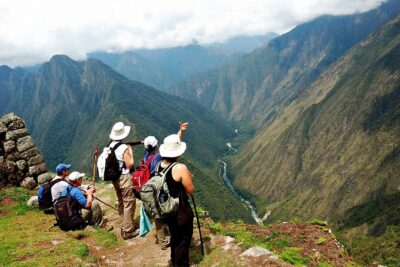
Classic Inca Trail Trek 4D/3N to Machu Picchu (Group Service)
Read our review →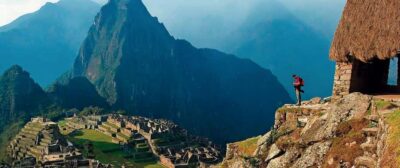
Machu Picchu: 4-Day Inca Trail Trek with Panoramic Train Ride
Read our review →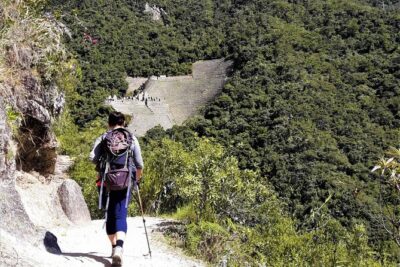
2-Day Inca Trail to Machu Picchu with Panoramic Train
Read our review →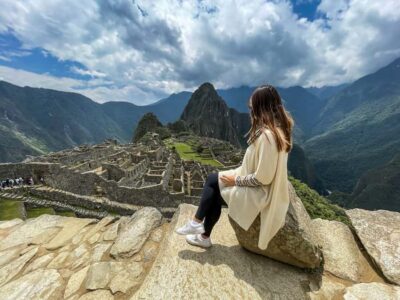
2-Day Tour: Sacred Valley and Machu Picchu by Train
Read our review →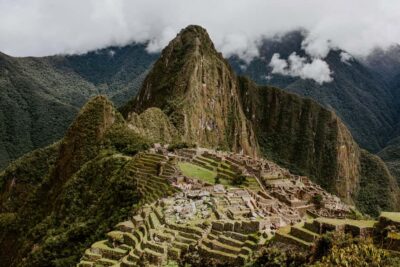
Machu Picchu: Full-Day Tour from Cusco with Optional Lunch
Read our review →Browse the lists this tour appears in