
Reviewed · MACHU PICCHU TOURS
Lares Trek to Machu Picchu 4 days with Panoramic Train
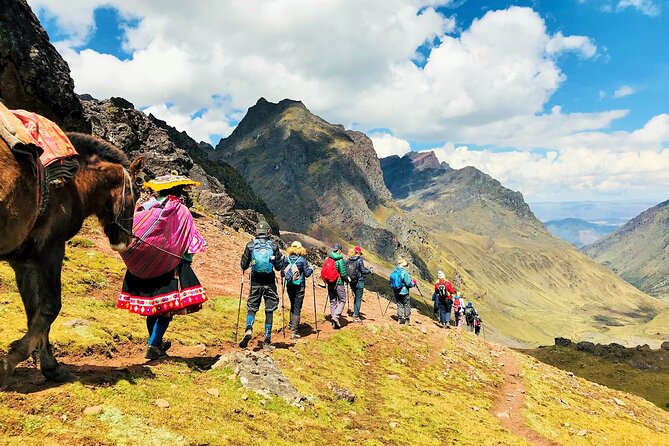
The mountains take center stage here. This four-day Lares Trek combines high Andean scenery and living Quechua culture with a visit to Machu Picchu, then sends you back aboard the Vistadome train. I like the quieter route, the excellent camp meals, and the chance to meet local families rather than simply race from one famous site to the next. The tradeoff is serious altitude, including a 4,750-meter pass, plus a 4:30 a.m. start and cold nights outdoors.
The small group, capped at 16 people, should give you better access to your guide. Guides such as Filio and David have earned praise for their humor, local knowledge, photography, and care with the group. Still, this is not a gentle sightseeing holiday. You need a moderate level of fitness, warm clothing, and a sensible approach to high-altitude walking.
In This Review
- Key points before you book
- Why the Lares route feels different
- Day 1: Calca, Ancashmarca, and the hot springs at Lares
- Day 2: The hard climb to 4,750-meter Condor Pass
- Day 3: From highland fields to the Sacred Valley
- Day 4: Sunrise at Machu Picchu and the Vistadome return
- Food, camp support, and the small-group advantage
- Is the $698 price good value?
- Who should choose this trek?
- Should you book the Lares Trek to Machu Picchu?
- FAQ
- How long is the Lares Trek to Machu Picchu?
- What time does the tour begin?
- How high does the trek go?
- Is Machu Picchu entry included?
- Is food included, and are vegetarian meals available?
- What is not included in the camping equipment?
Key points before you book
- Condor Pass reaches 4,750 meters: This is the physical high point of the trip, with a long climb and a steep-feeling altitude challenge.
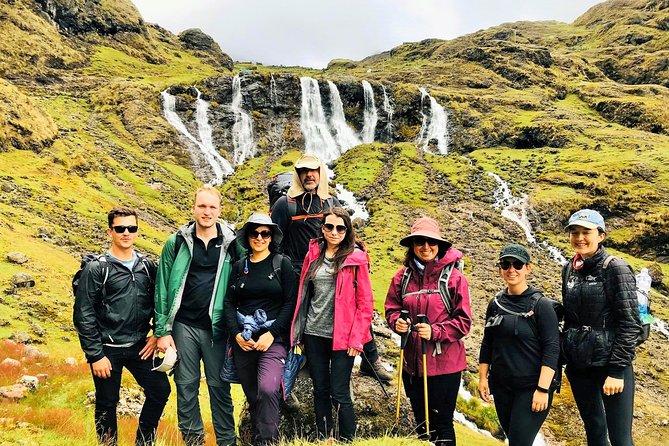
- The route avoids the busiest classic trails: You walk through the Lares Valley, past lakes, alpacas, waterfalls, and rural communities.
- Two nights are spent in mountain camps: Tents, meals, horses, and muleteers are arranged, but nights can be very cold.
- Food is a major strength: Cooks such as Ramon, Beto, Feliz, Salvador, and Julio have prepared generous Peruvian meals for past groups.
- Machu Picchu comes with a sunrise arrival: Your ticket, guide, bus, and a 2 to 3 hour guided visit are included.
- The Vistadome train adds comfort at the end: You return through the Sacred Valley before a private transfer to Cusco.
Why the Lares route feels different
The Inca Trail has the famous name, and the Salkantay route has its own dramatic appeal. The Lares Trek offers something less polished and less crowded: a closer look at highland life.
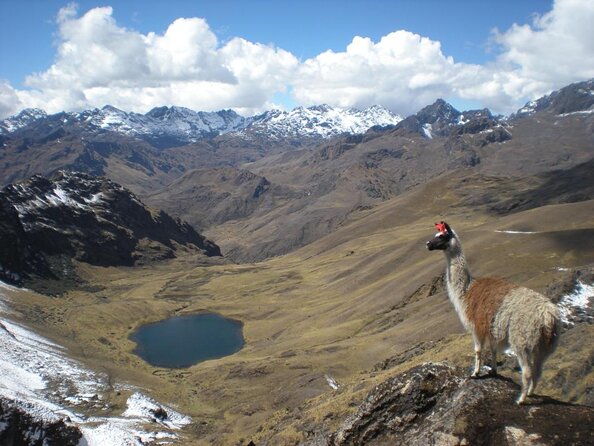
Your first day moves through Calca, Ancashmarca, Lares, Kiswarani, and the Blue Lagoon campsite. Along the way, you see market stalls, old terraces, natural dyes, weaving, grazing animals, waterfalls, and mountain lakes. The trip is not just a long walk with Machu Picchu attached at the end. The route gives you time with the people and places around the Sacred Valley.
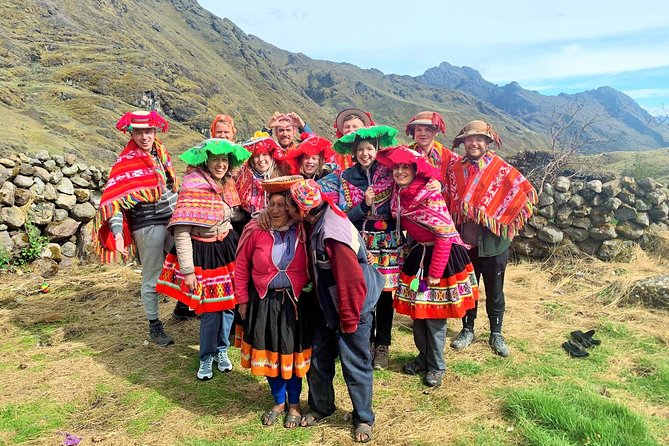
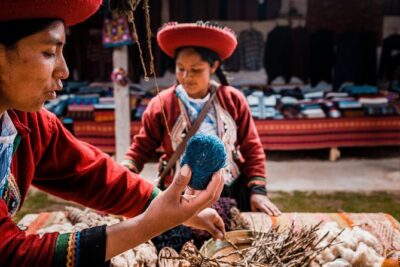
I especially like the weaving cooperative visit. Women demonstrate natural dyeing and traditional backstrap weaving, techniques passed down through generations. This is the sort of stop that gives meaning to the colorful textiles you see in markets. You are not simply buying a souvenir. You are seeing how the work is made.
The trip also includes time with local communities. At Canchacancha, you can visit homes and the community school, practice a few Quechua words, play soccer with children, or sit quietly as the sun goes down. Donations of notebooks, pens, or toys are welcome. One family trip also included the purchase of food and toys for a local family, which gives you a practical way to support the people you meet.
More Hiking Tours in Cusco
- Classic Inca Trail Trek 4D/3N to Machu Picchu (Group Service)
★ 5.0 · 8,653 reviews - Machu Picchu: 4-Day Inca Trail Trek with Panoramic Train Ride
★ 5.0 · 4,568 reviews - Salkantay Classic Trek 5 Days from Cusco
★ 5.0 · 4,062 reviews
Day 1: Calca, Ancashmarca, and the hot springs at Lares
Day 1 begins early, with pickup at 4:30 a.m. from Cusco or the Sacred Valley near Pisac. That is a useful option if you are staying outside the city, but it also means you should prepare your clothes and day bag the night before.
The first main stop is Calca, where you have about an hour to explore the local market. You can expect fresh produce, textiles, and Andean specialties. It is a good opening scene because it shows everyday commerce before the route climbs into quieter country.
Next comes Ancashmarca, an old Inca site with terraces and storehouses. These buildings once helped control trade routes through the valley. It is not presented as a grand headline attraction, and that is part of its appeal. You can take in the site without the scale and crowds found at Machu Picchu.
The drive continues to a high plateau where you may see Puyas de Raimondi, giant plants that flower only once in a century. This is a rare detail in the program and one worth watching for. The plant itself is a reminder that the high Andes can be strange and patient places.
At Lares, you relax in thermal baths among the mountains and enjoy breakfast. The hot springs are a welcome pause before the walking begins in earnest. Admission to the Lares hot springs is included.
Afterward, the weaving cooperative offers a cultural visit rather than another mountain viewpoint. You learn about natural dyes and backstrap weaving, with the work explained through local practice. If you want to understand the textiles you see elsewhere in Peru, this is one of the more useful stops.
The route then reaches Kiswarani, where a freshly prepared meal comes before the hike. You walk through quiet valleys with llamas and alpacas grazing nearby, then continue toward the Kiswarani waterfall. The waterfall is tucked into the mountains and gives the afternoon a clear visual goal.
The first camp is at Blue Lagoon, about 3,900 meters above sea level. A tent, tea, and dinner are ready after the walk. You sleep under the stars, but do not mistake the cozy setup for warm conditions. A past guest specifically warned that even experienced cold-weather visitors found the nights chilly. Bring genuinely warm layers, not just a light fleece.
Day 2: The hard climb to 4,750-meter Condor Pass
Day 2 is the demanding one. A warm drink is brought to your tent, followed by breakfast and the climb through valleys filled with turquoise lakes, alpacas, and Andean geese called Wallatas.
The route rises to Condor Pass at 4,750 meters. That number matters. At this height, the difficulty comes not only from the slope but also from thin air. You should expect a steady uphill effort rather than a quick photo stop. The schedule allows about four hours for this section, though the exact pace will depend on the group.
At the summit, your guide leads a traditional offering to the Apus, the sacred mountain spirits. This gives the pass a cultural meaning beyond its spectacular views. You also celebrate with coca tea before descending for about two hours to Acopata, where lunch is served.
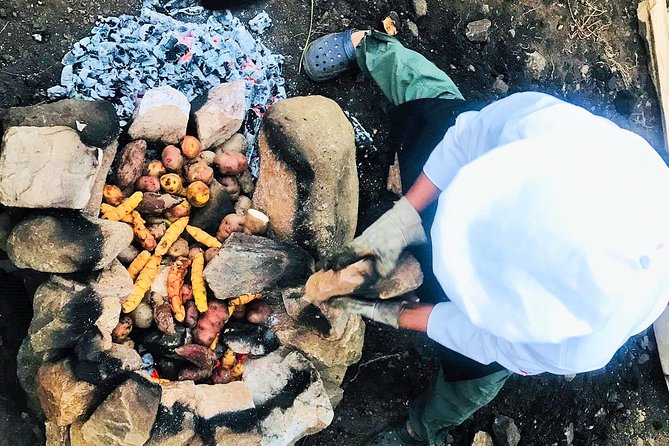
The food deserves real credit here. The cooks carry or arrange the supplies with help from horses and experienced muleteers, and meals are included throughout the trek. Several guides and cooks have been praised by name, including Filio, Ramon, Jaime, Torivio, David, Beto, Feliz, Salvador, and Julio. The repeated praise is not just for having enough food. It is for creative, generous meals served in difficult high-altitude conditions.
After lunch, you continue downhill through Andean valleys to Canchacancha at about 3,750 meters. Camp is set near local homes. You can spend the evening meeting villagers, playing soccer, trying Quechua words, or resting.
This is an important point in the trip. The community visit is not a staged performance described as a quick photo opportunity. The schedule leaves several hours for contact and conversation. That can make the trek feel more personal, though you should still approach the village respectfully and follow your guide’s lead.
Day 3: From highland fields to the Sacred Valley
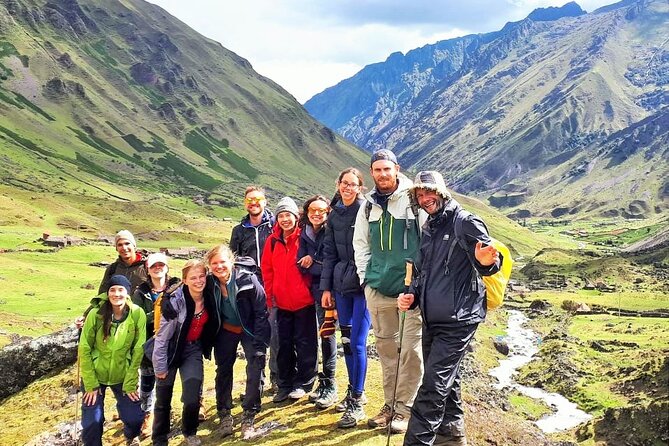
The third morning begins with breakfast and broad mountain views. You have time to visit local homes and the community school before beginning the long descent.
This day helps you understand how altitude shapes agriculture. The route passes from highland potato and bean fields toward corn and avocado crops in the Sacred Valley. You watch the terrain change as you lose height, which makes the four-hour descent more than a test of your knees. It becomes a lesson in how nearby valleys can support very different crops.
At Huaran, around 2,700 meters, you stop for a picnic lunch and say goodbye to the muleteers and chef. The farewell matters because these workers make the camping system possible. They carry food and equipment by horse, allowing you to walk with a personal duffel of up to 7 kilograms instead of hauling every piece of camp gear yourself.
Private transport then takes you to the Salineras of Maras. Thousands of salt pools have been harvested here since Inca times. The pools are a strong contrast to the trek: orderly, geometric, and shaped by a long tradition of using mountain water to produce salt.
The next stop is Ollantaytambo, often called the Last Living Inca Town. Ancient stone streets, original water canals, and present-day residents share the same compact town. You have time to explore before dinner at a restaurant.
Ollantaytambo is also the transport hinge of the trip. In the evening, you board the train to Aguas Calientes. The train follows the Urubamba Valley, and you check into a cozy three-star hotel on arrival. After two nights in tents, a hotel room and a proper bed should feel like a small luxury.
Longer treks from Cusco:
- 4-Day Salkantay Trek with Sky Camp Stay
★ 5.0 · 3,346 reviews - Salkantay Trek 5D/4N with Glass Cabins, Domes and Hobbit House
★ 5.0 · 2,488 reviews - 5-Day Premium Salkantay Trek
★ 5.0 · 788 reviews - Lares Valley Trek with Hot Spring 4-Day, 3-Night
★ 5.0 · 656 reviews
Day 4: Sunrise at Machu Picchu and the Vistadome return
You begin with breakfast at the hotel, then take the bus up to Machu Picchu. The goal is an early arrival, when morning mist may lift from the citadel. Weather controls the exact mood, but the timing gives you a better chance of seeing the site before the day feels fully underway.
The Machu Picchu visit includes classic viewpoints and a guided walk lasting about two to three hours. Your guide explains the temples, terraces, ceremonial spaces, engineering, and daily life of the Inca period. The guided visit is useful because the stones alone do not explain how the site worked.
Machu Picchu entry, the round-trip bus, and the main guided visit are included. Huayna Picchu and Montaña Machu Picchu are optional and cost extra. You need to arrange those tickets ahead of time, so do not assume you can decide at the gate.
After the citadel, you return to Aguas Calientes for free time and lunch at your own pace. The afternoon train is the Vistadome service to Ollantaytambo, followed by a private transfer to Cusco.
The panoramic train is a smart finish. It gives you wider views of the valley and a comfortable ride after several days on foot. You arrive in Cusco in the evening, carrying a mixture of mountain memories, community encounters, and the expected thrill of Machu Picchu.
Food, camp support, and the small-group advantage
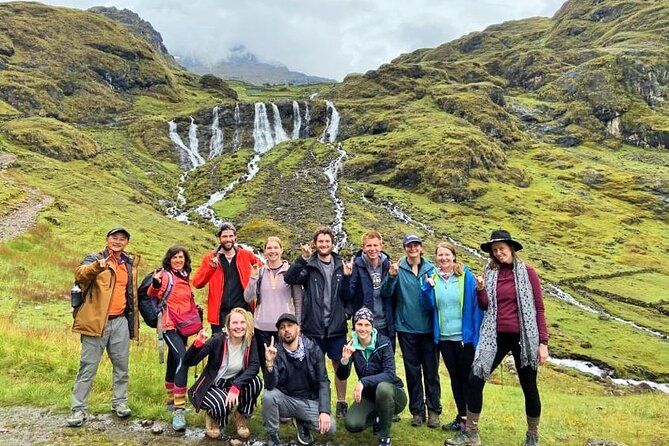
The practical design of this trek is one of its strongest points. Your guide carries responsibility for the route and group, while horses and muleteers transport food and equipment. You receive a personal duffel with a maximum weight of 7 kilograms, which keeps your own backpack more manageable.
Two nights are spent camping, and one night is in the three-star hotel at Aguas Calientes. Tents are prepared for you, and tea is available at camp. A sleeping bag, mattress, and trekking poles are optional extras, so check what you need before departure.
Meals include four breakfasts, three lunches, and three dinners. Vegetarian food is available if you request it when booking, and you should give the company any other dietary requirements in advance. The food is one of the most highly praised parts of the experience, with several specific cooks receiving warm credit for filling and inventive Peruvian dishes.
The group size can reach 16 people. That is small enough to allow personal attention, but it is not a private trek. Your pace may be shaped by the entire group, especially on the climb to Condor Pass. The guide names that appear repeatedly in the trip feedback include Filio, David, Neil, Nilton, and Tairo. Filio is especially praised for his humor, excellent English, photography, and passion for Inca culture. David is remembered for teaching the kintu offering and explaining how to play the pututu.
Is the $698 price good value?
At $698 per person, the price covers much more than a basic walking route. Included are hotel pickup and drop-off, the guide, Machu Picchu entry, Maras Salt Mines entry, Lares hot springs entry, two nights of camping, one hotel night, food, horses, muleteers, the Machu Picchu bus, and the Vistadome return train.
That package makes the price look reasonable, especially because transport and meals can add up quickly in the Sacred Valley. You also avoid arranging separate tickets and transfers between the trek, Aguas Calientes, Ollantaytambo, and Cusco.
The main extra costs are optional sleeping equipment, a mattress, trekking poles, and entry tickets for Huayna Picchu or Montaña Machu Picchu. The biggest value here is not luxury. It is coordination. You pay for a route that links remote walking, local visits, Machu Picchu, and the train without forcing you to solve every connection yourself.
The experience is booked an average of 43 days ahead, which suggests you should not leave planning until the last week. You need to provide your passport name, number, expiry date, and country at booking, and you must carry a valid passport on the trip.
Who should choose this trek?
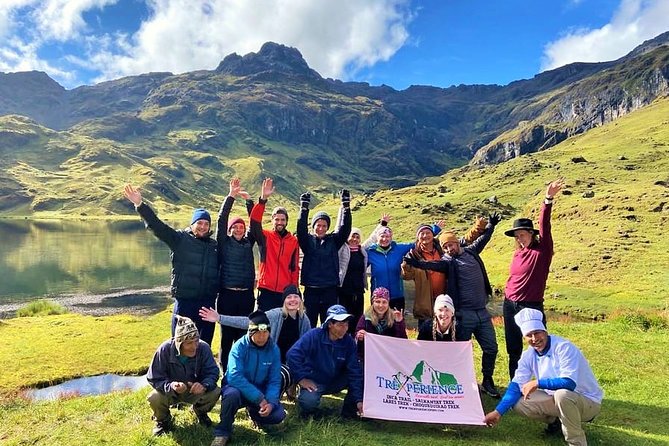
I would choose this route if you want Machu Picchu but also want the journey to feel like a mountain trip. It suits you if you enjoy rural communities, long walks, simple camps, and high-altitude scenery more than polished sightseeing.
It is a strong choice for families with older children, active adults, and small groups of friends. Children must be accompanied by an adult. The moderate fitness requirement should be taken seriously because the pass is high and the second day is strenuous.
I would hesitate if you dislike cold camping, early starts, steep climbs, or uncertain mountain weather. This is also not the best fit if you want a relaxed visit with lots of hotel time. The trek requires effort before the reward at Machu Picchu.
The cancellation policy is strict: the booking is non-refundable and cannot be changed for personal reasons. If poor weather or an unmet minimum group size forces cancellation, you are offered another date or experience, or a full refund. That makes travel insurance worth considering, though the supplied terms do not specify insurance coverage.
Should you book the Lares Trek to Machu Picchu?
Book it if you want the quieter route and value the people who make the journey possible. The mix of Lares hot springs, weaving, remote valleys, community visits, Condor Pass, Machu Picchu, and the Vistadome train gives you a fuller four-day experience than simply arriving at the ruins by rail.
Prepare properly. Bring warm night clothing, confirm your dietary needs, check whether you need a sleeping bag or poles, and be honest about your fitness. If you can accept the altitude and the cold, this is a well-rounded way to reach Machu Picchu, with excellent food and guides who can add real cultural depth along the way.
FAQ
How long is the Lares Trek to Machu Picchu?
The experience lasts approximately four days. It includes two nights in mountain camps, one night in a three-star hotel in Aguas Calientes, the Lares route, Machu Picchu, and the Vistadome train back toward Cusco.
What time does the tour begin?
Pickup begins at 4:30 a.m. from Cusco or the Sacred Valley near Pisac.
How high does the trek go?
The highest point is Condor Pass at 4,750 meters. The first campsite is at about 3,900 meters, and Canchacancha is at about 3,750 meters.
Is Machu Picchu entry included?
Yes. Machu Picchu entry, the bus to and from the citadel, and a guided visit lasting about two to three hours are included. Huayna Picchu and Montaña Machu Picchu tickets are optional extras and must be booked ahead.
Is food included, and are vegetarian meals available?
Yes. The package includes four breakfasts, three lunches, and three dinners. Vegetarian meals are available if requested when booking, and you should provide details of any dietary requirements in advance.
What is not included in the camping equipment?
A mattress, sleeping bag, and trekking poles are optional extras. You can request guidance from the provider about these items. A personal duffel is included, with a maximum weight of 7 kilograms.
More Hiking Days from Cusco
- Rainbow Mountain Full Day Trek
★ 5.0 · 1,469 reviews - Rainbow Mountain Day Trip from Cusco: Vinicunca Hiking Tour
★ 4.5 · 737 reviews - Inca Trail 4-Day 3-Night Trek to Machu Picchu with Expert Guides
★ 5.0 · 733 reviews - Humantay Lake Full Day Trek from Cusco with Lunch
★ 5.0 · 726 reviews
Other Ways to Reach Machu Picchu
- Short Inca Trail to Machu Picchu 2D/1N
★ 5.0 · 3,007 reviews - 2-Day Inca Trail to Machu Picchu with Panoramic Train
★ 5.0 · 1,876 reviews - From Cusco: Full-Day Group Tour of Machu Picchu
★ 4.7 · 1,767 reviews - Machu Picchu Day Trip from Cusco
★ 4.5 · 1,644 reviews
Added recently around Cusco
- Guided tour of the mountain of colors in Cusco★ 5.0 · 11 reviews
- 2-Day Private Short Inca Trail to Machu Picchu★ 5.0 · 15 reviews
- City Tour Cusco – Group★ 5.0 · 4 reviews
- Tour Sacred Valley with Maras and Moray★ 5.0 · 15 reviews
- San Pedro Market Tour with Peruvian Cooking Class★ 5.0 · 31 reviews
- Walking Culinary Experience★ 5.0 · 41 reviews
- City Tour in Cusco★ 4.5 · 10 reviews
- Sightseeing Bus Tour from Cusco to Puno with Buffet Lunch★ 4.5 · 22 reviews
Machu Picchu Tours, compared.
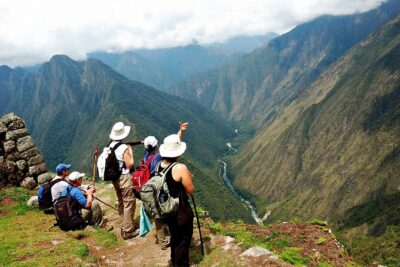
Classic Inca Trail Trek 4D/3N to Machu Picchu (Group Service)
Read our review →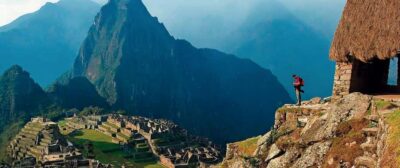
Machu Picchu: 4-Day Inca Trail Trek with Panoramic Train Ride
Read our review →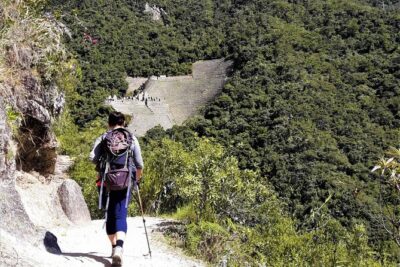
2-Day Inca Trail to Machu Picchu with Panoramic Train
Read our review →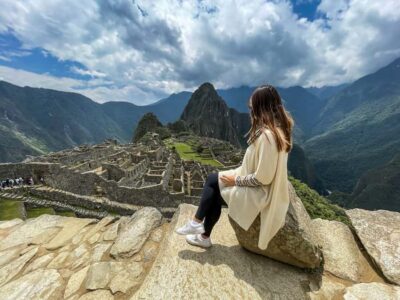
2-Day Tour: Sacred Valley and Machu Picchu by Train
Read our review →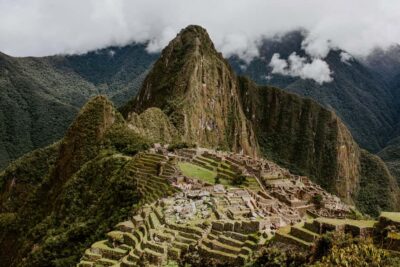
Machu Picchu: Full-Day Tour from Cusco with Optional Lunch
Read our review →Browse the lists this tour appears in