
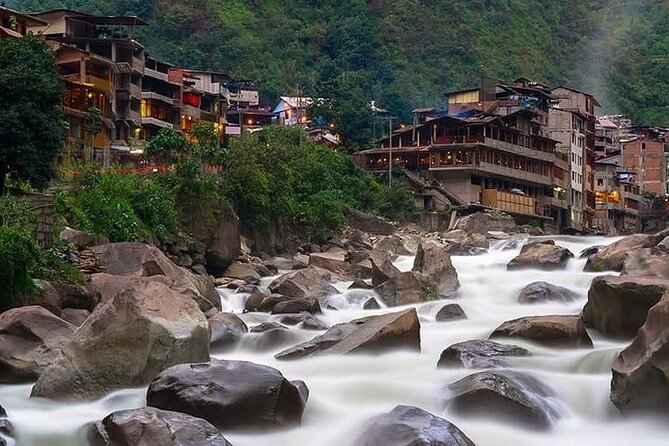
Reviewed · MACHU PICCHU TOURS
4-Day Ultimate Guided Inca Trail Trek to Machu Picchu
The hard work earns the sunrise. This four-day route pairs the quieter Lares trek with the Royal Inca Trail, ending at Machu Picchu with a guide, cook, porters, meals, permits, and transport included. I like the high-altitude mountain scenery on the way to Ipsy Qocha, and I like that the trip gives you time in local villages rather than rushing straight to the ruins. The main drawback is the physical demand: steep climbs, cold nights, limited electricity, and nearly 2,000 meters of uphill walking make this a serious trek, not a casual sightseeing tour.
At $943 per person, the price is reasonable if you use the complete service and value having permits, a cook, camping support, and a bilingual guide arranged in advance. Still, you need to read the service level carefully. The basic option leaves you carrying your own gear, sleeping bag, and mat, and permit shortages can lead to route changes that are difficult to reverse.
In This Review
- Key points to know before booking
- What this four-day route really involves
- Day one: Lares hot springs to Huacawasi
- Day two: the climb to 4,400 meters
- Day three: Chachabamba, Wiñayhuayna, and the Sun Gate
- Day four: an early morning at Machu Picchu
- Guides, cooks, and the human side of the trek
- Basic or complete service: choose carefully
- What to pack for comfort and safety
- Price, permits, and the risk of changes
- Who will enjoy this trek most?
- Should you book the Ultimate Guided Inca Trail Trek?
- FAQ
- How difficult is the four-day Inca Trail trek?
- What time does the tour begin?
- What meals are included?
- Does the tour provide camping equipment?
- Is Machu Picchu entrance included?
- Is transport included?
- Can I cancel or change the booking?
Key points to know before booking
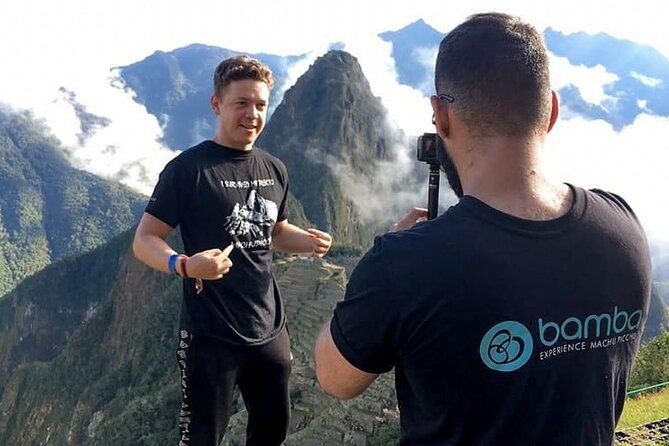
- A Lares start gives you a quieter opening: You begin near hot springs, agricultural land, llamas, alpacas, and mountain villages before joining the short Royal Inca Trail.
- The Ipsy Qocha pass reaches 4,400 meters: Day two is the toughest section, with a steep three-hour climb and cold, changeable weather.
- The tour uses a train and bus on day three: You hike the Royal Inca Trail from Km 104, visit Chachabamba and Wiñayhuayna, then approach Machu Picchu through the Sun Gate.
- A cook is part of the experience: Meals are repeatedly praised, especially the breakfasts, afternoon tea, and Peruvian dishes prepared by Jorge.
- Guides can make a major difference: Cesar, Percy, Francisco, Ruth, and Edwin are singled out for patience, care, cultural explanations, and steady leadership.
- The complete service carries up to 7 kilograms: That includes a thermal sleeping bag, foam mat, duffel bag, and porter support for personal gear.
What this four-day route really involves
This is not the classic four-day route that begins at Km 82. Instead, it combines two distinct experiences: two days through the Lares region, followed by a short section of the Royal Inca Trail from Km 104.
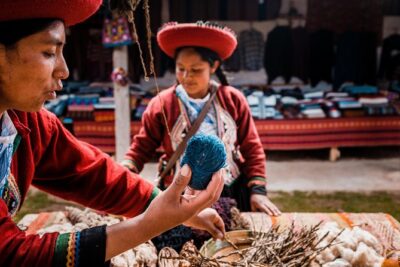
That mix is a strength. Lares brings high mountain scenery and contact with small communities, while the Royal Inca Trail supplies the dramatic archaeological finish. You get a broader taste of the Andes than you would on a route focused only on the final approach to Machu Picchu.
You also get a demanding trip. The full route includes about 1,950 meters of ascent and 2,250 meters of descent, with three passes mentioned in the preparation information. The altitude is not a minor detail. You should arrive in good physical condition and take the pre-departure briefing seriously.
The group size is capped at 15 people. That is small enough for a guide to keep an eye on the pace, though the actual group size can vary. One important warning comes from the tour’s own operating history: permit availability and low enrollment may affect the arrangement. If you are a solo trekker who specifically wants a group, ask for written confirmation of the group situation before departure.
More Hiking Tours in Cusco
- Classic Inca Trail Trek 4D/3N to Machu Picchu (Group Service)
★ 5.0 · 8,653 reviews - Machu Picchu: 4-Day Inca Trail Trek with Panoramic Train Ride
★ 5.0 · 4,568 reviews - Salkantay Classic Trek 5 Days from Cusco
★ 5.0 · 4,062 reviews
Day one: Lares hot springs to Huacawasi
Your day begins early, with pickup at about 6:00 a.m. The drive toward Lares takes roughly four hours, so this is a transport-heavy opening. A stop in Calca gives you a chance to visit the local market and buy breakfast or supplies.
That market stop is useful rather than decorative. Breakfast on day one is not included, and you will want to purchase water and snacks before the trail becomes more expensive. Prices for water, sports drinks, and snacks can double or triple along the route, so carrying some cash is sensible.
At Lares, you can visit the hot springs while the cooking team prepares lunch. The hot springs are optional, but they offer a pleasant way to loosen up before the hike. Do not mistake the first day for a gentle warm-up, though. After lunch, you walk gradually uphill for four to five hours toward Huacawasi, at about 3,850 meters.
The first camp is at the home of the horsemen supporting the trek. Your tent should be ready on arrival, and the evening includes popcorn, sweets, hot tea, and dinner. That small snack service matters at altitude. After a long uphill day, warm food and a hot drink are more welcome than any fancy camp feature.
The day is described as warm during the hike and cold at night. Pack layers you can remove as you climb and put back on quickly when you stop. A warm hat, gloves, thermals, and dry socks are not optional luxuries here.
Day two: the climb to 4,400 meters
Day two is the physical test. After breakfast, you climb steeply for about three hours to the Ipsy Qocha pass, at 4,400 meters, or 14,435 feet.
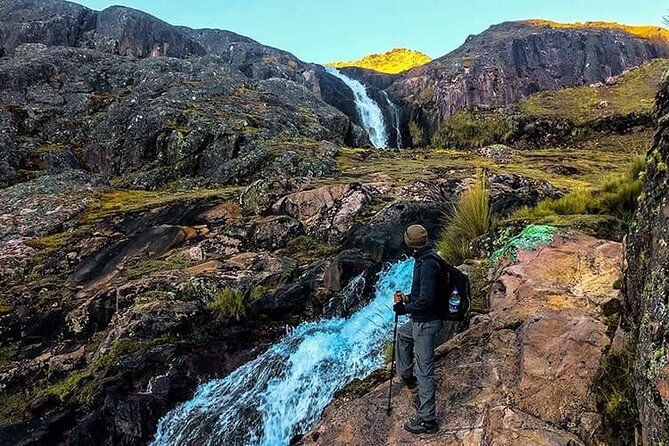
This is the point where preparation shows. You will see large mountain slopes, patchwork farmland, llamas, alpacas, and wide Andean views, but the scenery does not make the climb easy. Cold air, thin air, and a steep grade can slow even fit hikers.
Your guide’s pacing is important. Several highly praised guides, including Cesar and Percy, are described as patient and attentive, with a focus on keeping people safe and moving at a manageable speed. One useful quality noted repeatedly is the willingness to offer an alternative path when someone feels unwell. That does not remove the need for your own judgment, but it is a valuable part of guided high-altitude travel.
After the pass, you descend for about 30 minutes to Ipsy Qocha lagoon, where lunch is served. The contrast is welcome: the hardest climb is behind you, and the lagoon gives you a natural place to pause.
The route then drops for roughly two hours to Patacancha. From there, transport takes you to Ollantaytambo, where you spend the night in a room rather than a tent. The listed transport time is about 30 minutes, though mountain roads and group arrangements can affect the exact timing.
This night in Ollantaytambo is a practical break before Machu Picchu. You have completed the highest pass, but you should not assume the trip is over physically. The next morning begins early, and day three includes a mountain trail, stone steps, archaeological sites, and a long approach to Aguas Calientes.
Day three: Chachabamba, Wiñayhuayna, and the Sun Gate
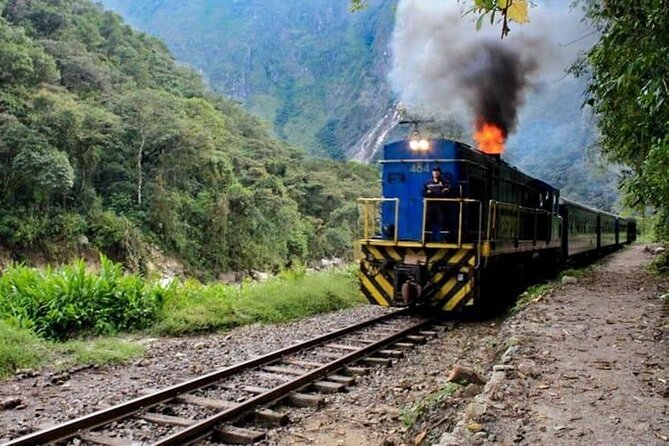
After breakfast at about 6:00 a.m., you take a tourist train to Km 104. This train ride is not just a transfer. It shifts the trip from the remote Lares route to the short Royal Inca Trail, the section that leads into Machu Picchu’s wider archaeological zone.
The trail starts at Chachabamba, at about 2,270 meters. Your guide explains the site’s former purpose before you continue. This is where a good guide adds real value. Stone remains are much easier to understand when you know what role a place played in relation to the road, water, worship, or movement through the mountains.
Next comes Wiñayhuayna, at about 2,650 meters. It is described as the most important archaeological site on the route apart from Machu Picchu, and it deserves your full attention. Do not rush through it simply because the famous destination is still ahead. Terraces, buildings, and steep mountain construction make this one of the most memorable parts of the approach.
The route continues to Inti Punku, the Sun Gate. From here, you get a first view toward Machu Picchu and may see the site as evening approaches. The timing is appealing because the view can feel calmer than the next morning, but there is a tradeoff. You have only a short time inside the sanctuary on this first day before taking a bus to Aguas Calientes.
The overnight stay is in Aguas Calientes. The information provided says solo people share a room with another person, while couples receive a private room. If room arrangements matter to you, confirm the details before you leave Cusco.
Other Inca Trail departures:
- Short Inca Trail to Machu Picchu 2D/1N
★ 5.0 · 3,007 reviews - 2-Day Inca Trail to Machu Picchu with Panoramic Train
★ 5.0 · 1,876 reviews - Inca Trail 4-Day 3-Night Trek to Machu Picchu with Expert Guides
★ 5.0 · 733 reviews - Cusco: 4-Day Inca Trail to Machu Picchu with Accommodation
★ 4.8 · 432 reviews
Day four: an early morning at Machu Picchu
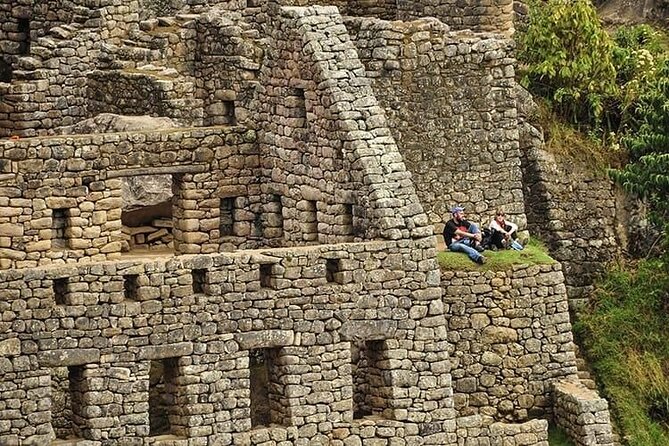
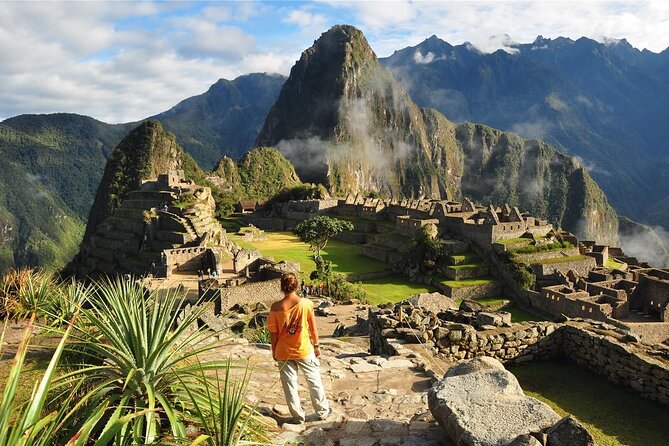
The final morning starts at about 5:30 a.m., when you take the bus from Aguas Calientes to Machu Picchu. You arrive near 6:00 a.m., aiming for the quieter first part of the day.
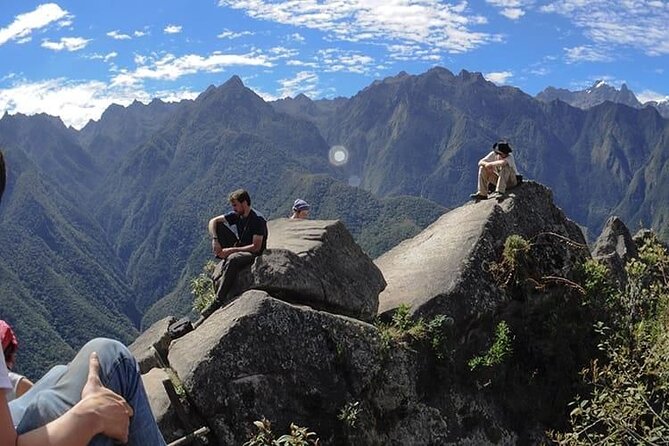
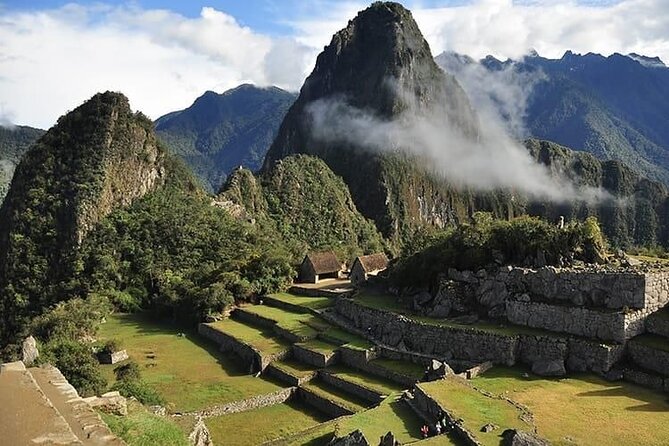
Your guide gives a detailed explanation of Machu Picchu, including Inca culture, history, and the purpose of the main buildings. After the guided visit, you have free time to explore independently. The itinerary also mentions Huayna Picchu as an optional climb for a broader view, but you should confirm access and ticket arrangements before relying on that addition.
The early start is worth the inconvenience. Machu Picchu is the payoff, but it is also a place where crowds can change the mood quickly. Arriving early gives you a better chance to appreciate the stonework and setting before the site becomes busier.
You spend about eight hours at the sanctuary according to the schedule. Afterward, a bus returns you to Aguas Calientes. The town’s hot springs are available for an additional 20 soles, offering a simple way to relax after the trek.
The return to Cusco leaves in the afternoon, using the arranged train and transport connection toward Ollantaytambo. Lunch and dinner on day four are not included, nor is bottled water, so budget for those costs.
Guides, cooks, and the human side of the trek
The strongest part of this trip may be the staff. Cesar is praised for careful pacing, leadership, and explanations of Inca culture. Percy is remembered for his pride in local traditions and for encouraging people through the difficult sections. Francisco is praised for detailed cultural knowledge, while Ruth is described as helpful and hospitable.
Edwin also receives strong praise for making a shorter Inca Trail experience feel special. That is worth noting because guide quality can matter more than the exact route on a physically tiring trip.
The cooking team is another major advantage. Jorge is repeatedly singled out for generous breakfasts, lunches, afternoon tea, dinners, and Peruvian dishes. The tour includes three breakfasts, three lunches, and three dinners, which covers the camping portion and the night before Machu Picchu, but not every meal connected with the trip.
The porters carry shared camping equipment. Under the complete service, a porter also carries up to 7 kilograms of your personal gear. That allowance includes the sleeping bag and mat, leaving about 4 kilograms for clothing and other belongings. Pack carefully. You still need a daypack with water, rain protection, sun protection, medication, and items you need while walking.
Basic or complete service: choose carefully
The reduced basic service includes only a basic foam sleeping mat. You carry your own backpack, sleeping bag, mattress, and personal items.
The complete service includes a thermal sleeping bag, foam mat, duffel bag, and porter support for up to 7 kilograms of personal equipment. At this altitude, that upgrade can make a real difference. Carrying a full camping load over the pass is harder than carrying a light daypack, and a proper sleeping bag is more useful than a bargain blanket on a cold night.
Check exactly which service you are purchasing. The $943 price has better value if it includes the complete support package. If it is the basic option, compare the cost of renting or buying the missing equipment in Cusco and consider the effect of carrying it yourself.
What to pack for comfort and safety
You need clothing for several climates in one trip. Days can be warm, while nights are cold. Rain is possible, and the Machu Picchu area may bring mosquitoes.
Bring or rent:
- Trekking boots and sandals
- Hiking poles
- Rain pants and a poncho
- Warm socks, thermals, a sweater, hat, and gloves
- Sun hat, sunscreen, and sunglasses
- Flashlight or headlamp
- Water bottle
- Waterproof bags for electronics
- Hand sanitizer
- Personal first-aid items
- Extra batteries and a memory card
Electricity is limited to nonexistent during the trek, so charge everything before leaving. Carry your original passport, visa if needed, insurance card, and personal medicines. If you booked with one passport and later replaced it, bring the old passport or a photocopy.
Your passport is especially important because the permits are tied to booking details. A permit problem is not something you want to discover at the trailhead.
Price, permits, and the risk of changes
The $943 per-person price includes valuable hard-to-arrange items: Inca Trail permits, Machu Picchu admission, train transport from Aguas Calientes toward Ollantaytambo, buses at the beginning and end, porters, a cook, meals, camping equipment support, emergency oxygen, a first-aid kit, and bilingual guiding.
That is a substantial package. You are paying not only for walking, but also for the permits and the logistics that connect remote trail sections with trains, buses, camps, and Machu Picchu.
The weak point is flexibility. The experience is non-refundable and cannot be changed after booking. Inca Trail permits are limited and non-transferable, and a shortage can result in a different arrangement. One past booking led to a Lares and two-day Inca Trail combination after permits for the original plan were unavailable. The traveler was disappointed by the change, the lack of a group, and the refusal of a partial refund.
Take that seriously. Before paying, ask exactly which route, Machu Picchu circuit, service level, room arrangement, and group format are confirmed. Get the answer in writing. A permit may be secured, but that does not mean every part of the original plan can later be altered.
The tour does not operate in February because of poor weather conditions. If bad weather cancels your departure, you are offered another date or a full refund. That is different from canceling for personal reasons, which is not refundable.
Who will enjoy this trek most?
I would recommend it to fit hikers who want a guided route with strong support and who value mountain villages, archaeological sites, and cultural explanation as much as the final view of Machu Picchu.
It suits you if you want:
- A four-day route with a mix of camping and a hotel night
- A cook and porters
- A small maximum group size
- Help with permits, trains, buses, and site admission
- A route that includes Lares rather than only the standard approach
- Early access to Machu Picchu
I would be cautious if you dislike steep climbs, cold camping, early mornings, or fixed schedules. It is also a poor match if you want complete control over dates and route details after booking.
Solo hikers should ask whether other people are confirmed in the group. Couples should confirm the private-room arrangement. Everyone should check whether the complete service is included, since the difference between carrying a light daypack and carrying camping equipment is substantial.
Should you book the Ultimate Guided Inca Trail Trek?
I would book this tour if the complete service is confirmed, the Lares and Royal Inca Trail combination appeals to you, and you are ready for serious high-altitude walking. The staff support, meals, permits, and carefully connected transport give the price solid value.
I would not book it casually or at the last minute. The fixed cancellation terms and permit restrictions demand careful checking before payment. Ask for the precise route and service level, and do not assume that a group departure is guaranteed.
For a well-prepared hiker, this can be a memorable way to reach Machu Picchu. The best moments are not limited to the citadel. They include the climb past llamas and farmland, the cold pass above Ipsy Qocha, a hot meal after a hard day, and the steady encouragement of a guide such as Cesar, Percy, Francisco, Ruth, or Edwin.
FAQ
How difficult is the four-day Inca Trail trek?
The trek requires a strong level of physical fitness. It includes about 1,950 meters of uphill walking and 2,250 meters of descent, with three passes and a high point of 4,400 meters at Ipsy Qocha.
What time does the tour begin?
Pickup begins at about 6:00 a.m. A mandatory briefing takes place at 6:00 p.m. one day before departure at the Cusco headquarters on Calle Matara 242, second floor.
What meals are included?
The package includes three breakfasts, three lunches, and three dinners. Day one breakfast, day four lunch and dinner, and bottled water are not included.
Does the tour provide camping equipment?
The complete service includes a thermal sleeping bag, foam sleeping mat, duffel bag, and porter support for up to 7 kilograms of personal gear. The basic service includes only a basic foam mat, and you carry your own sleeping bag, mat, and personal items.
Is Machu Picchu entrance included?
Yes. The package includes Machu Picchu entrance fees and a guided visit. The itinerary also mentions free time and the possibility of climbing Huayna Picchu, but you should confirm the arrangements for that climb.
Is transport included?
Yes. The package includes buses to and from the start and end points, the tourist train to Km 104, and the train from Aguas Calientes toward Ollantaytambo. A guide specifically for bus and train transfers is not included.
Can I cancel or change the booking?
No. The experience is non-refundable and cannot be changed for personal reasons. If poor weather causes the operator to cancel the departure, you are offered a different date or a full refund.
More Hiking Days from Cusco
- 4-Day Salkantay Trek with Sky Camp Stay
★ 5.0 · 3,346 reviews - Salkantay Trek 5D/4N with Glass Cabins, Domes and Hobbit House
★ 5.0 · 2,488 reviews - Rainbow Mountain Full Day Trek
★ 5.0 · 1,469 reviews - 5-Day Premium Salkantay Trek
★ 5.0 · 788 reviews
Other Ways to Reach Machu Picchu
- From Cusco: Full-Day Group Tour of Machu Picchu
★ 4.7 · 1,767 reviews - Machu Picchu Day Trip from Cusco
★ 4.5 · 1,644 reviews - 2-Day Tour: Sacred Valley and Machu Picchu by Train
★ 5.0 · 1,127 reviews - Machu Picchu: Full-Day Tour from Cusco with Optional Lunch
★ 4.6 · 927 reviews
Added recently around Cusco
- Super valley or vip valley★ 5.0 · 13 reviews
- the Incas’ Sacred Valley★ 5.0 · 27 reviews
- Sacred Valley of the Incas Day Trip from Cusco★ 5.0 · 6 reviews
- Maras + Moray & Textile Experience★ 5.0 · 14 reviews
- Small-Group Tour: Rainbow Mountains Hiking from Cusco★ 4.0 · 5 reviews
- Excursion to the Sacred Valley of the Incas from Cusco★ 5.0 · 8 reviews
- Tour EN Cuatrimoto POR la Montaña 7 Colors Hike 5 Minutes★ 4.5 · 32 reviews
- rainbow mountain★ 4.0 · 4 reviews
Machu Picchu Tours, compared.
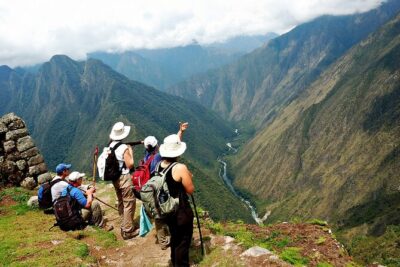
Classic Inca Trail Trek 4D/3N to Machu Picchu (Group Service)
Read our review →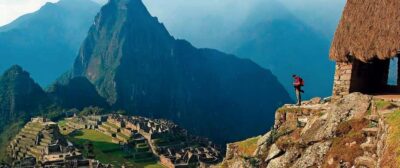
Machu Picchu: 4-Day Inca Trail Trek with Panoramic Train Ride
Read our review →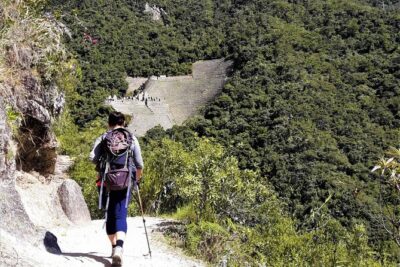
2-Day Inca Trail to Machu Picchu with Panoramic Train
Read our review →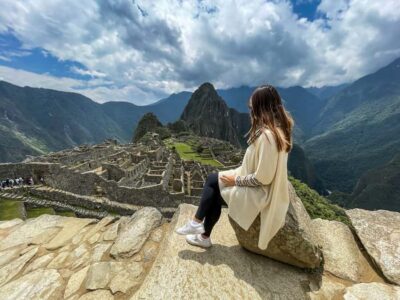
2-Day Tour: Sacred Valley and Machu Picchu by Train
Read our review →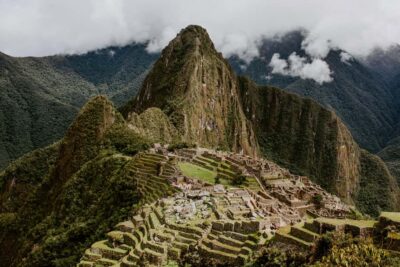
Machu Picchu: Full-Day Tour from Cusco with Optional Lunch
Read our review →Browse the lists this tour appears in