
Reviewed · MACHU PICCHU TOURS
4-Days Inca Trail Trek to Machu Picchu
The trail earns its famous reputation. This four-day route from Cusco combines high mountain passes, Inca ruins, jungle vegetation, camping, and an early arrival at Machu Picchu through the Sun Gate. I especially like the small group limit of 15 people and the strong guiding praised by many guests, particularly guides José and Jhimmy.
I also like that porters, a private cook, camping equipment, meals, transfers, and a bilingual guide are included in the $880 price. The main concern is the company’s handling of at least one complicated cancellation and payment dispute, so you should get every payment, tent, porter, and transport detail in writing before you commit.
In This Review
- Key points to know before booking
- What the $880 price really covers
- Day one: Piscacucho, Llactapata, and Huayllabamba
- Day two: the 4,200-meter climb to Warmiwañusca
- Day three: Runkurakay, Sayacmarca, and Wiñay Huayna
- Day four: Inti Punku and your first view of Machu Picchu
- Guides, porters, and the human side of the trek
- Fitness, weather, and what to pack
- Group size and family suitability
- Booking timing and practical checks
- Should you book this Inca Trail trek?
- FAQ
- How long is the Inca Trail trek?
- What time does the tour start?
- Where does the trek begin?
- How high is the highest point?
- What meals are included?
- Are tents and mattresses provided?
- Is a sleeping bag included?
- Is Huayna Picchu included?
- How large can the group be?
- What happens after Machu Picchu?
Key points to know before booking
- The second day is the physical test: You climb to Warmiwañusca at 4,200 meters, then descend into Pacaymayo Valley.
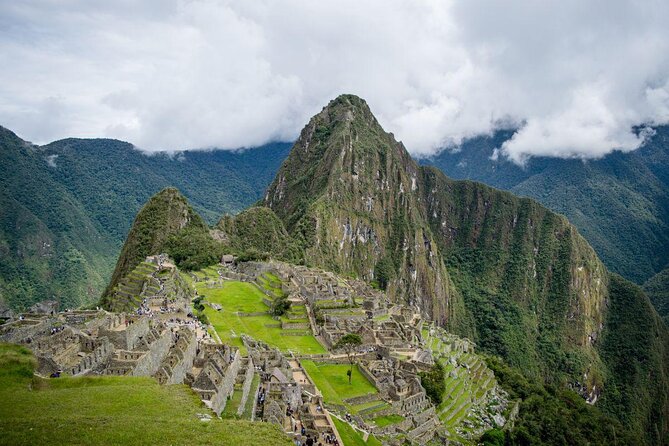
- You enter Machu Picchu through Inti Punku: The final approach offers a memorable first view of the citadel.
- José receives repeated praise: His patience, humor, cultural insight, and support helped beginners and slower groups.
- Food is a major strength: The private chef and assistants serve three breakfasts, lunches, and dinners, with vegetarian meals available.
- Camping conditions are basic: Two-person tents, mattresses, dining furniture, and porters are provided, but sleeping bags and personal items are not.
- Book far ahead: This route is commonly reserved about 25 days before departure, and permits are subject to availability.
What the $880 price really covers
At $880 per person, this is not a bare-bones hike. The price includes transport from Cusco to kilometer 82, the starting point of the trail, and the return transfer from Ollantaytambo to Cusco. It also includes porters for camping equipment, two-person tents with mattresses, a dining tent, tables and chairs, a private cook with assistants, meals, first aid equipment, and a bilingual professional guide.
That package matters. Carrying camping gear over a four-day mountain route would change the experience for most people. Here, you carry a light daypack while the porters handle the shared camping equipment. The dining tent and furniture also give the group a more organized place to eat than a simple meal on the ground.
Three breakfasts, three lunches, and three dinners are included. Vegetarian options are available, though you should state dietary needs during booking rather than waiting until departure. The food receives some of the warmest praise, with one chef, Brouwlio, singled out for excellent Peruvian cooking and even preparing a birthday cake during the trek.
You still need to budget for sleeping bags, personal care items, drinks or snacks not supplied by the company, tips, and your first breakfast, lunch, and dinner on the final day. Huayna Picchu is another extra, priced at $60 when booked at least one month ahead.
For the price, the service can be good value if the group stays small and the logistics work as promised. The important question is not simply what is included, but exactly what has been reserved for you. Ask for written confirmation of permits, train seats, tent arrangements, porter service, and the payment schedule.
More Hiking Tours in Cusco
- Classic Inca Trail Trek 4D/3N to Machu Picchu (Group Service)
★ 5.0 · 8,653 reviews - Machu Picchu: 4-Day Inca Trail Trek with Panoramic Train Ride
★ 5.0 · 4,568 reviews - Salkantay Classic Trek 5 Days from Cusco
★ 5.0 · 4,062 reviews
Day one: Piscacucho, Llactapata, and Huayllabamba
The day begins very early. The stated meeting time is 4:00 a.m., while the hotel pickup is described as around 5:00 a.m. That difference is worth confirming directly with Conde Travel, since a mountain departure is not the place for confusion.
From Cusco, you travel toward kilometer 82, where the trek begins. The first section covers about 10 kilometers in roughly three hours, with an ascent toward the archaeological site of Llactapata. The route also passes Piscacucho and Llaqtapata, giving you an early look at the stonework and settlement patterns that make this more than a scenic hike.
After lunch, you walk about 1 kilometer, or 30 minutes, toward Huayllabamba, an isolated Andean community. The first day is shorter and gentler than the next two, but high altitude can make even a moderate climb feel demanding. Take this opening day slowly. It is your chance to learn the trail pace, sort your daypack, and make sure your footwear is working well.
Camp is prepared in the afternoon, with dinner served around 7:00 p.m. You should expect an early night. The attraction here is not luxury, but the rhythm of walking, eating, and sleeping outdoors in the Andes. The drawback is the limited privacy and basic camp setup. Tents are shared by two people, and the operator does not include a toilet tent in the stated package.
Day two: the 4,200-meter climb to Warmiwañusca
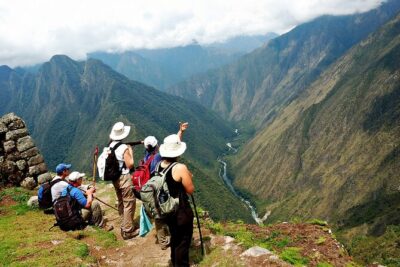
Day two is the hardest part of the trek for most people. After breakfast, you climb for about four hours over 10 kilometers to Warmiwañusca, also called Dead Woman’s Pass, at 4,200 meters.
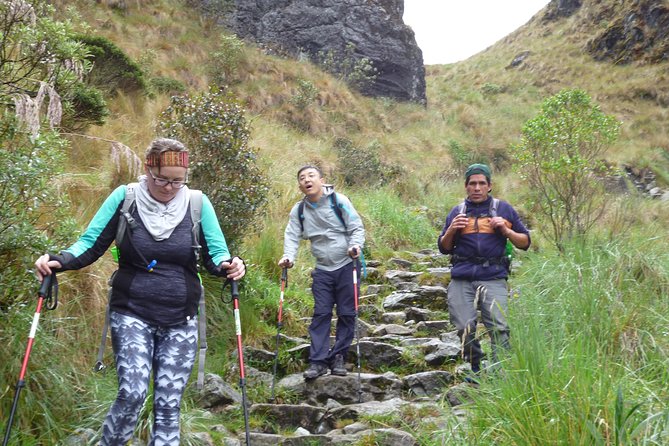
The physical challenge comes from both the ascent and the altitude. You do not need to be an expert hiker, but the stated requirement is moderate physical fitness, and you should take that seriously. The route includes steep paths and many stone steps. One guest counted roughly 2,000 stairs over the course of the trek, which gives you a useful sense of the work involved.
At the pass, the views reach across several ecosystems, from dry puna grasslands to high jungle vegetation. The reward is a sharp change in climate and scenery as you move through the mountains. This is the point where a light pack becomes especially valuable, so keep only water, rain protection, warm layers, sunscreen, and essential personal items with you.
After lunch, the route drops for about three hours and 9 kilometers into Pacaymayo Valley. The descent is not easy on tired legs. Wooden bridges, tunnels, rocky stairs, and repeated changes in elevation keep the walk active long after the pass is behind you.
The campsite near the river sits at about 3,350 meters. You eat dinner at camp and settle in for the night. The porters and cooking team make a real difference on this day. A hot meal and a dry place to sit are small comforts, but they matter after a long climb and descent.
Day three: Runkurakay, Sayacmarca, and Wiñay Huayna
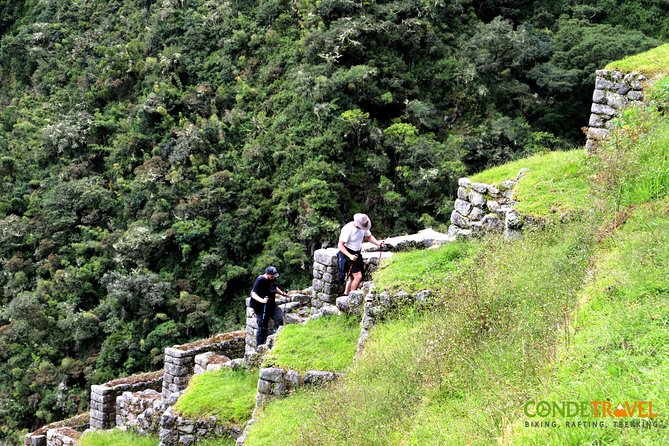
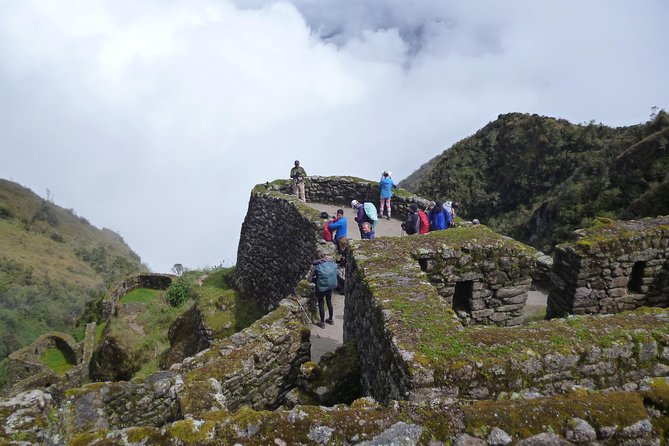
Day three trades the big climb for a sequence of ruins and mountain paths. You first descend for about 45 minutes while exploring Runkurakay and the Inca citadel of Sayacmarca. These sites are part of what makes the traditional Inca Trail special. You are not simply walking toward Machu Picchu. The route itself is lined with structures, stairways, terraces, and old approaches through the mountains.
You then continue toward Puya Patamarka for lunch. After eating, the trail takes about two hours to reach Wiñay Huayna, one of the most memorable archaeological sites on the route. The day allows more time for your guide to explain what you are seeing, so this is where a good guide can turn stones and terraces into a readable part of the journey.
José is repeatedly praised for his warm manner, patience, humor, and ability to explain Inca culture. He also helped slower hikers keep going without making them feel rushed. Jhimmy receives similar praise for bringing the civilization to life and keeping the group motivated through the long stair sections.
The camping arrangement on night three depends on availability. If you book at least six months ahead, the plan may allow you to camp at Wiñay Huayna. If that is not possible, you camp at Puyapatamarka instead. This is a major detail for anyone hoping to wake close to the final archaeological sites, and it is not guaranteed by a normal booking.
The company describes the third day as about six hours of walking. Even if the distance feels manageable compared with day two, fatigue builds here. Bring blister protection, dry socks, and a warm layer for the evening.
Other Inca Trail departures:
- Short Inca Trail to Machu Picchu 2D/1N
★ 5.0 · 3,007 reviews - 2-Day Inca Trail to Machu Picchu with Panoramic Train
★ 5.0 · 1,876 reviews - Inca Trail 4-Day 3-Night Trek to Machu Picchu with Expert Guides
★ 5.0 · 733 reviews - Cusco: 4-Day Inca Trail to Machu Picchu with Accommodation
★ 4.8 · 432 reviews
Day four: Inti Punku and your first view of Machu Picchu
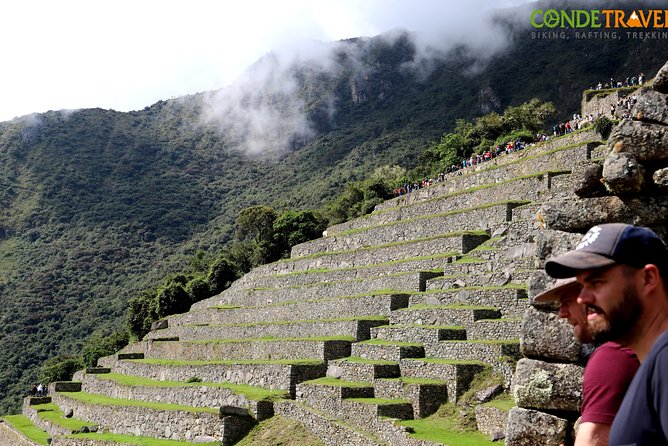
The final morning begins around 5:00 a.m. After breakfast, you hike for about an hour through high jungle toward Inti Punku, the Gate of the Sun.
This entrance gives the trek its dramatic finish. From Inti Punku, you get an elevated view toward Machu Picchu before descending into the archaeological complex. Arriving on foot helps you understand the citadel as part of a wider mountain route, rather than as an isolated stop reached only by bus or train.
Inside Machu Picchu, the guided visit lasts about two hours and covers the main sites. Afterward, you have free time to explore before making your way down to Aguas Calientes. The itinerary says you meet at the train station 30 minutes before departure to Ollantaytambo, where a private bus returns you to Cusco and the journey ends in the Plaza de Armas.
The final day is long, and the transport schedule leaves little room for delays. Your first breakfast, lunch, and dinner that day are not included, so plan for those costs. You should also confirm exactly how much free time you will have at Machu Picchu, since the train departure fixes the end of your visit.
Huayna Picchu is not included. If you want that additional climb, it must be reserved at least a month ahead and costs $60. Do not assume you can add it at the last minute.
Guides, porters, and the human side of the trek
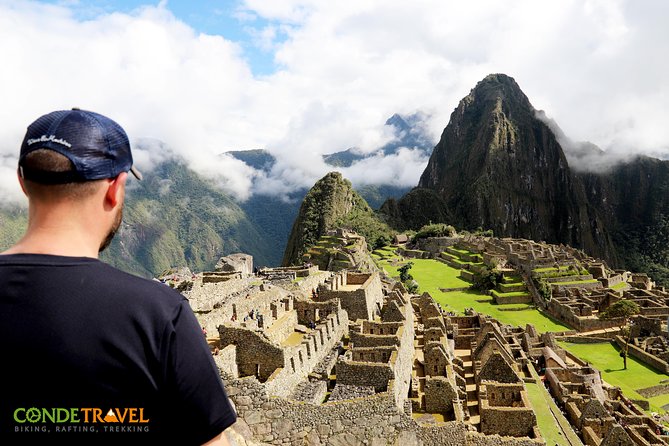
The guide can make or break a four-day route. Here, José is the name to request if he is available. He is praised for explaining the trail and local culture, supporting beginners, adjusting to a slower group, and keeping the mood light. He also helped with photographs and arranged a birthday surprise, details that show how personal a small trekking group can feel.
Jhimmy receives similar praise for his energy and encouragement. His support was especially appreciated during the long stair sections. These are not minor points. On a hard day, a guide who watches the group and explains the place well is worth far more than a rushed commentary at each ruin.
The porter team and chef also receive strong approval. The tour supplies porters for camping equipment rather than asking you to carry tents and food. You should still expect to carry your own daily essentials, and you should ask how much personal luggage the porter service will handle.
Tips for the guide and porters are not included. Carry some small-denomination Peruvian soles for this purpose and for minor purchases along the way.
One serious warning involves payment and canceled bookings. A family described being asked to pay the second half of a canceled companion’s price, then not receiving the extra tent and train seat they believed that payment covered. The company provided its own explanation based on its reservation rules, but the disagreement shows why you should clarify the policy before paying. The stated cancellation policy says the experience is non-refundable and cannot be changed for any reason.
Fitness, weather, and what to pack
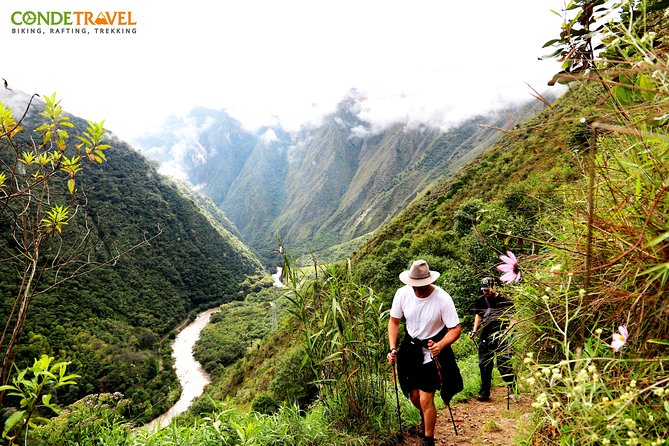
The tour is presented as suitable for all ages and skill levels, but the practical guidance asks for moderate physical fitness. Those two points need to be read together. A healthy beginner can manage the route with preparation, but the 4,200-meter pass, long stair sections, early mornings, and uneven trail should not be underestimated.
Pack light. The suggested list includes:
- A lightweight backpack
- Warm sweater and thick jacket
- Long and short pants
- Long-sleeved shirts
- Raincoat
- Walking shoes or tennis shoes
- Water bottle
- Sunblock with at least SPF 40
- Hat, sunglasses, and insect repellent
- Toilet paper and a lantern
- Camera with charger
- Binoculars, if you enjoy bird and mountain watching
- Some cash in small Peruvian soles
The weather can shift as the route moves from high grasslands into jungle vegetation. Keep rain protection and warm clothing where you can reach them, not buried under everything else. Your shoes should be comfortable and already broken in.
A first aid kit is supplied, but that does not replace personal medication or basic blister care. The tour does not include personal care items, so bring your own hygiene supplies.
Group size and family suitability
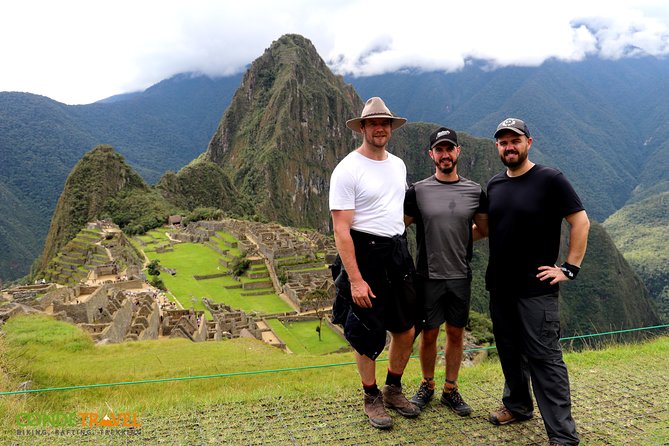
The maximum group size is 15, though several outings described groups of only a few couples. A smaller group lets you walk at a more comfortable pace and gives you more time with the guide. It also makes meals, camp organization, and the final Machu Picchu visit feel less crowded within your own party.
Families can like this trip, especially if older children or teenagers already handle long walks well. The phrase ideal for families should not be treated as a promise that every age will find the route easy. Parents need to judge altitude, stamina, sleep arrangements, and the lack of privacy at camp for each person.
The route can suit beginners who prepare properly. José’s patience with slower groups is encouraging, but you still need to arrive ready for sustained uphill and downhill walking.
Booking timing and practical checks
Confirmation is issued within 48 hours of booking, subject to availability. The average booking lead time is about 25 days, but that is not a safe planning rule for a permit-controlled route. The possibility of camping at Wiñay Huayna requires at least six months of advance booking, according to the itinerary.
Before paying, ask these questions in writing:
- What is the exact pickup time, 4:00 a.m. or 5:00 a.m.?
- Which permits and entrance tickets are included?
- How are canceled places handled?
- What luggage will porters carry?
- Is a sleeping bag available to rent?
- Where will the group camp on night three?
- What train time and seat arrangement are reserved?
- Is José or Jhimmy available as guide?
These checks take a few minutes and can prevent expensive misunderstandings.
Should you book this Inca Trail trek?
I would consider this trek if you want the classic four-day route, a small group, organized camping, strong food, and a guide who takes time with both the ruins and the people in the group. The arrival through Inti Punku, the mountain pass, and the string of archaeological sites give you a fuller experience than a quick Machu Picchu visit.
I would be more cautious if you need flexible cancellation, extra privacy, guaranteed camping at Wiñay Huayna, or completely clear arrangements for a changing party. The $880 price can be fair value, but only when the promised services match the payment.
Request the written details, prepare for the second day, and book well ahead. If Conde Travel confirms the arrangements clearly and you are comfortable with a firm, non-refundable booking, this can be a rewarding way to reach Machu Picchu on foot.
FAQ
How long is the Inca Trail trek?
The experience lasts approximately four days and includes three nights of camping before returning to Cusco.
What time does the tour start?
The meeting point information gives a 4:00 a.m. start time. The itinerary says hotel pickup is around 5:00 a.m., so confirm the exact pickup time with Conde Travel.
Where does the trek begin?
The group travels from Cusco to kilometer 82, also called the trail starting area near Piscacucho.
How high is the highest point?
The highest point is Warmiwañusca at 4,200 meters above sea level.
What meals are included?
Three breakfasts, three lunches, and three dinners are included. Vegetarian options are available.
Are tents and mattresses provided?
Yes. The package includes two-person tents and mattresses, along with a dining tent, chairs, and tables.
Is a sleeping bag included?
No. Sleeping bags are not included.
Is Huayna Picchu included?
No. Entrance to Huayna Picchu costs an additional $60 and must be booked at least one month ahead.
How large can the group be?
The maximum group size is 15 people.
What happens after Machu Picchu?
After the guided visit and free time, you walk down to Aguas Calientes, take the train to Ollantaytambo, and continue by private bus to Cusco, ending in the Plaza de Armas.
More Hiking Days from Cusco
- 4-Day Salkantay Trek with Sky Camp Stay
★ 5.0 · 3,346 reviews - Salkantay Trek 5D/4N with Glass Cabins, Domes and Hobbit House
★ 5.0 · 2,488 reviews - Rainbow Mountain Full Day Trek
★ 5.0 · 1,469 reviews - 5-Day Premium Salkantay Trek
★ 5.0 · 788 reviews
Other Ways to Reach Machu Picchu
- From Cusco: Full-Day Group Tour of Machu Picchu
★ 4.7 · 1,767 reviews - Machu Picchu Day Trip from Cusco
★ 4.5 · 1,644 reviews - 2-Day Tour: Sacred Valley and Machu Picchu by Train
★ 5.0 · 1,127 reviews - Machu Picchu: Full-Day Tour from Cusco with Optional Lunch
★ 4.6 · 927 reviews
Added recently around Cusco
- Super valley or vip valley★ 5.0 · 13 reviews
- the Incas’ Sacred Valley★ 5.0 · 27 reviews
- Sacred Valley of the Incas Day Trip from Cusco★ 5.0 · 6 reviews
- Small-Group Tour: Rainbow Mountains Hiking from Cusco★ 4.0 · 5 reviews
- Excursion to the Sacred Valley of the Incas from Cusco★ 5.0 · 8 reviews
- Maras + Moray & Textile Experience★ 5.0 · 14 reviews
- Tour EN Cuatrimoto POR la Montaña 7 Colors Hike 5 Minutes★ 4.5 · 32 reviews
- rainbow mountain★ 4.0 · 4 reviews
Machu Picchu Tours, compared.
Classic Inca Trail Trek 4D/3N to Machu Picchu (Group Service)
Read our review →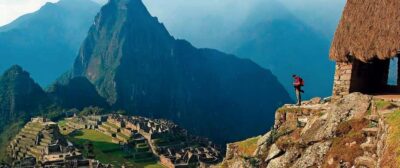
Machu Picchu: 4-Day Inca Trail Trek with Panoramic Train Ride
Read our review →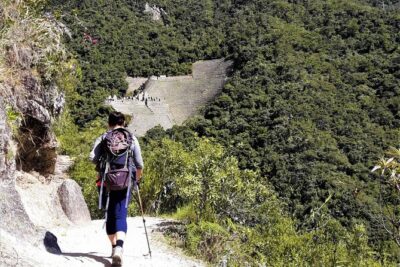
2-Day Inca Trail to Machu Picchu with Panoramic Train
Read our review →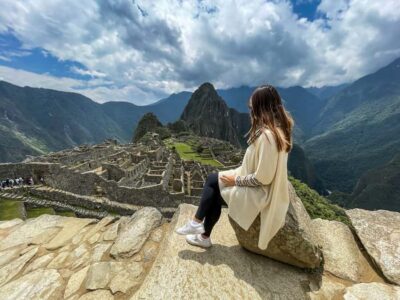
2-Day Tour: Sacred Valley and Machu Picchu by Train
Read our review →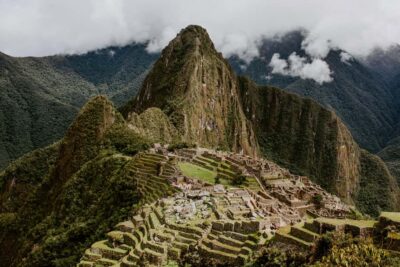
Machu Picchu: Full-Day Tour from Cusco with Optional Lunch
Read our review →Browse the lists this tour appears in