Reviewed · MACHU PICCHU TOURS
7- Days Cusco|| Sacred Valley || MachuPicchu || Rainbow Mountain || Humantay||
Start high, walk farther, see more. This seven-day Cusco program packs Peru’s biggest sights into one well-planned route, from Inca temples and Sacred Valley ruins to Machu Picchu and two demanding high-altitude hikes. I especially like the small maximum group of 15 and the fact that guides, hotels, meals, trains, entrance fees, and transfers are bundled together. I also like the personal help available on the harder walks, including horseback support at Humantay Lake and attentive altitude care.
The trade-off is the pace. You have early starts at 4 a.m. on several days, long drives, and little spare time between major outings. I would choose this trip for a fit, organized visitor who wants broad coverage, not for someone seeking slow mornings or long independent stays in each town.
In This Review
- Five things worth knowing before you book
- What this seven-day Cusco trip is really offering
- Day 1: easing into Cusco with temples and stonework
- Day 2: Pisaq, Ollantaytambo, and the train to Aguas Calientes
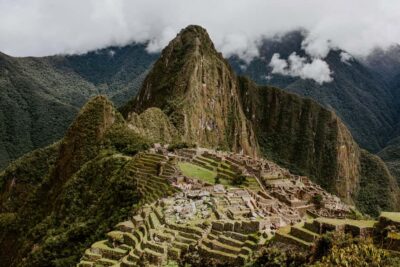
- Day 3: Machu Picchu with a long guided circuit
- Day 4: the hard climb to Humantay Lake
- Day 5: Vinicunca, buffet meals, and a short window at the summit
- Day 6: the Q’eswachaka bridge and four lagoons
- Meals, hotels, transport, and guide support
- Who should book this Cusco package?
- Should you book it?
- FAQ
- How long is the tour?
- What places are included?
- Is airport pickup included?
- Are meals included?
- How large is the group?
- Can I cancel for a full refund?
Five things worth knowing before you book
- Machu Picchu comes with a guided visit of about two and a half hours, followed by free time in Aguas Calientes.
- Humantay Lake and Rainbow Mountain are serious altitude days, with walks reaching roughly 4,250 meters and above.
- Q’eswachaka adds a rare cultural stop, where you cross an Inca suspension bridge made from woven ichu grass.
- The $759.29 price covers much of the expensive framework, including six hotel nights, six breakfasts, five lunches, trains, guides, transport, and admissions.
- Different guides lead different days, with Darwin, Edy Yepez, Yurdi Samuel, Herbert, Diego, and John praised for care, explanations, or encouragement.
- The plan is efficient but tiring, with a 4 a.m. pickup for Humantay Lake and another early start for Rainbow Mountain.
What this seven-day Cusco trip is really offering
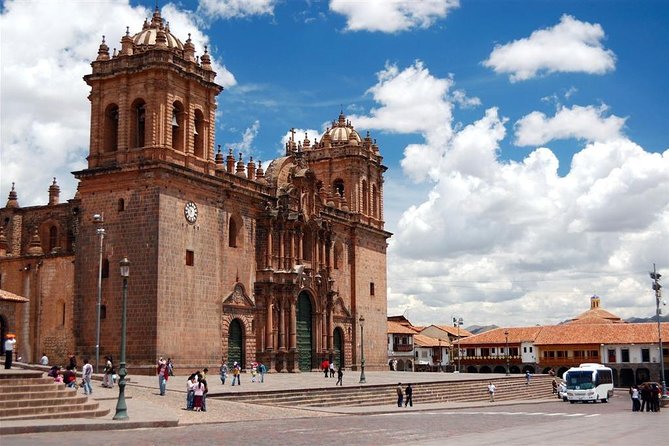
This is not one long tour with the same guide and vehicle every day. It is a connected package of day trips based around Cusco, with an overnight in Aguas Calientes before Machu Picchu.
That arrangement gives you a lot in a short time. You visit the main archaeological sites around Cusco, see the Sacred Valley, reach Machu Picchu by train, hike to Humantay Lake, walk to Vinicunca, and visit the Q’eswachaka bridge. The program also includes airport pickup at the start and transport back to the airport at the end.
I see the greatest value in the amount of planning handled for you. You do not need to arrange separate transport to Ollantaytambo, train tickets, Machu Picchu transfers, mountain transport, or hotel changes. For a first visit to Peru, that can remove a great deal of guesswork.
The price is $759.29 per person. Since it includes a three-star hotel, six breakfasts, five lunches, entrance fees, guides, an air-conditioned vehicle, train tickets, walking sticks, oxygen assistance, and airport transfers, it offers a useful package for the money. You still need to budget for meals not listed and any personal extras, but the major costs are covered.
Machu Picchu entry is subject to availability, so this is the detail I would confirm before paying. The tour is offered in English, and the maximum group size is 15. That is large enough to keep the price reasonable but small enough for guides to offer more direct help than on a big coach tour.
More Humantay Lake Tours in Sacred Valley
Day 1: easing into Cusco with temples and stonework
Your first day begins with airport pickup and a transfer to your hotel. The morning is free for rest and acclimatization, which is important in Cusco. Rather than rushing straight into a full day, you get a few hours to settle in before the 2 p.m. city tour.
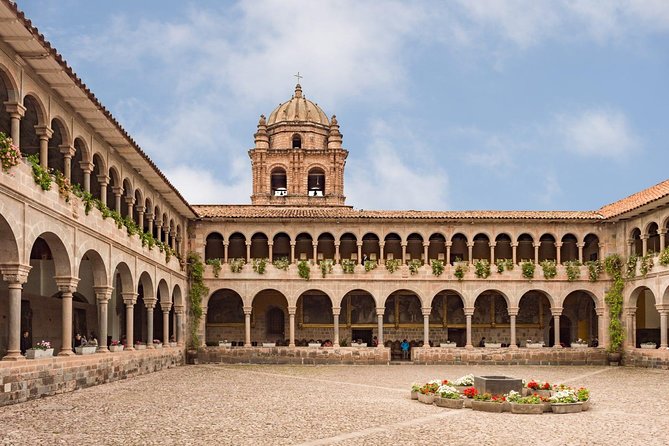
The first stop is Koricancha, the Temple of the Sun. You receive about 45 minutes of guided explanation before continuing by vehicle. Koricancha is a good first visit because it introduces the spiritual and political importance of Cusco before you move on to the larger sites outside the city.
After about 30 minutes in the vehicle, you reach Sacsayhuaman. Allow about an hour here. The immense fitted stones are the main attraction, but the site also gives you a sense of how the Inca shaped the hills around their capital. The name is explained as a place where the hawk is satiated, a small detail that helps connect the site to Andean beliefs.
Qenqo follows. This ritual center is built around a rocky outcrop, and the visit is more atmospheric than grand. You then continue to Puca Pucara, a red fortification, and Tambomachay, known as the Inca’s bath, where water played a ceremonial role.
The city tour lasts about five hours and returns to Cusco around 6 p.m. Darwin was singled out for clear English and Spanish explanations during this portion of the trip. I would treat the day as a gentle introduction, but remember that even a short Cusco outing involves altitude. Use the free morning wisely, drink water, and do not try to prove anything on the first afternoon.
Day 2: Pisaq, Ollantaytambo, and the train to Aguas Calientes
Pickup is scheduled for 8 a.m. You travel about an hour and a half to the Pisaq ruins, where the guided visit lasts roughly an hour.
Pisaq combines hillside ruins with broad views over the Sacred Valley. The site gives you a strong sense of how the Inca used terraces, slopes, and natural defenses together. The surrounding valley is not just pretty scenery. It was an important agricultural area, and the terraces show the practical side of Inca engineering.
After Pisaq, you follow the Vilcanota River toward Urubamba. Lunch is a buffet of typical Andean food, and it is one of five lunches included in the package. This is useful on a busy itinerary because you do not need to stop and search for a restaurant between scheduled visits.
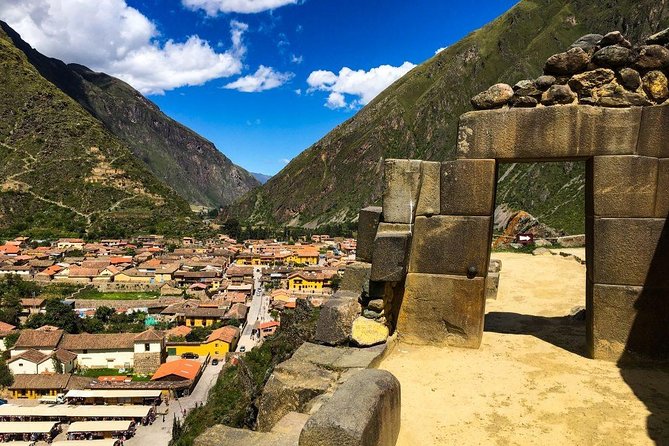
The afternoon continues to Ollantaytambo, about 30 minutes from Urubamba. The guided tour lasts about an hour and focuses on the Temple of the Sun, the Intihuatana, the Princess Baths, and the terraces. Ollantaytambo is one of the most rewarding stops because the town and ruins still relate closely to each other. You are not simply looking at isolated stones. You can see how the settlement, ceremonial areas, water channels, and terraces fit together.
After the tour, you go to the train station for the ride to Aguas Calientes, also called Machu Picchu Pueblo. You spend the night there. This overnight is a smart part of the plan because you do not have to travel back to Cusco after visiting Machu Picchu.
The day is listed at about six hours, though the train connection adds to the overall schedule. Keep your day bag compact and make sure you know what luggage arrangement is being used, since you are changing towns for one night.
Day 3: Machu Picchu with a long guided circuit
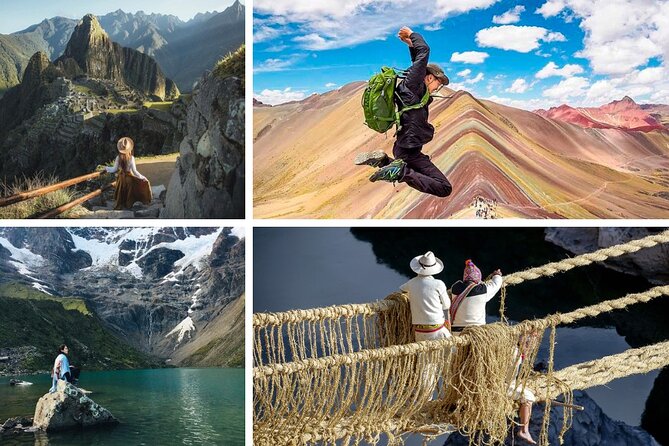
The Machu Picchu morning starts early. You take a bus that runs for about 30 minutes up to the citadel, where your guide meets you.
The guided visit lasts about two and a half hours. That is long enough to explain the major sections, construction methods, and purpose of the site without leaving you entirely on your own. After the tour, you have free time, giving you a chance to pause and look around at your own speed within the permitted route.
Edy Yepez was praised for making this visit lively and enjoyable. That matters here. Machu Picchu can feel overwhelming because there is so much to see, and a guide who keeps the explanation clear helps you notice details instead of simply taking photographs.
After returning to Aguas Calientes, you have lunch before going back to the train station. The train takes you to Ollantaytambo, where a Chullos Travel Peru representative waits with a sign showing your names. From there, a vehicle takes you back to your Cusco hotel.
This is a full transport day, not just a sightseeing visit. The listed tour time is about five hours, but the bus, lunch, train, and road transfer make it feel longer. The return to Cusco also means you should not plan an important evening activity.
Machu Picchu entry is subject to availability, so I would make that the first booking question you ask. A confirmed package without a confirmed entry time would leave too much uncertainty for the centerpiece of the trip.
More Machu Picchu Tours in Sacred Valley
- 2-Day Tour: Sacred Valley and Machu Picchu by Train
★ 5.0 · 1,127 reviews - Sacred Valley & Machu Picchu 2D1N
★ 5.0 · 617 reviews - 6 Days Exploring Cusco, Sacred Valley & Machu Picchu
★ 5.0 · 470 reviews - 2-Day Tour from Cusco: Sacred Valley and Machu Picchu by Train
★ 5.0 · 267 reviews
Day 4: the hard climb to Humantay Lake
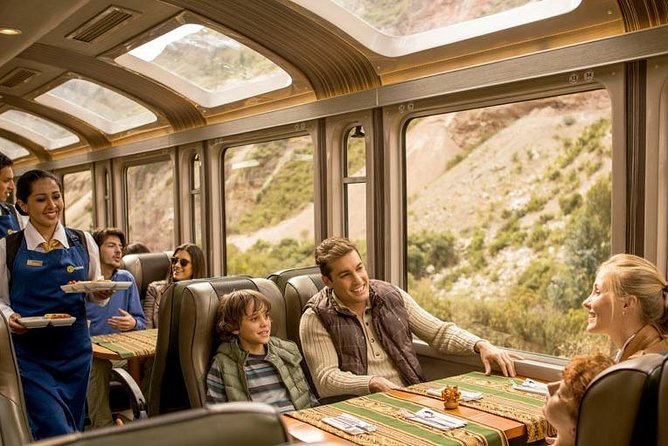
Pickup begins at 4 a.m. You drive to Mollepata for breakfast, then continue to Soraypampa, where the walk begins.
The hike to Humantay Lake takes about one and a half hours each way according to the schedule. The lagoon sits at approximately 4,250 meters above sea level. That altitude is the main challenge, more than the distance alone. A walk that seems manageable at home can feel very different here.
You pass local plants and wildlife on the way, then spend time at the lake before descending to Soraypampa. Lunch is served in Mollepata, followed by the drive back to Cusco, with an expected arrival around 6 p.m. The full day lasts about 10 hours.
This is where the included walking sticks and oxygen assistance have real practical value. Herbert was praised for paying close attention to altitude sickness and putting safety first. If you struggle on the ascent, horseback support may help. One person on the tour could not complete the walk on foot and found a horse useful and relaxing.
I would not treat this as a casual scenic outing. Wear sturdy trekking shoes, bring sun protection, and carry warm layers. The conditions can change quickly at high elevation, and the early start means you may be tired before the walk even begins.
Day 5: Vinicunca, buffet meals, and a short window at the summit
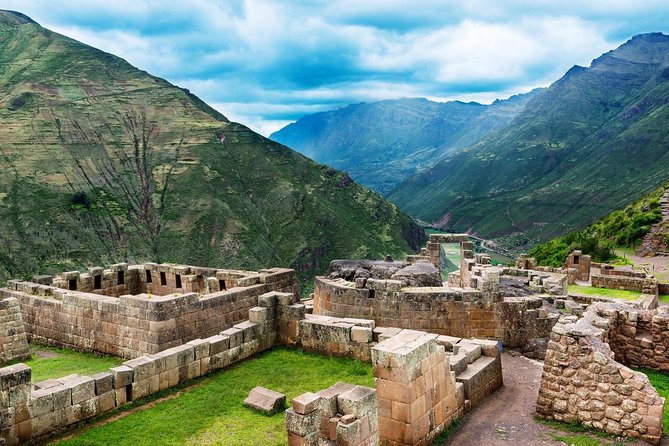
Rainbow Mountain begins with another 4 a.m. pickup. The route heads toward Cusipata, arriving around 6:30 a.m. for a 30-minute buffet breakfast.
You then continue to the Wasipata area. The vehicle reaches the roadhead at about 8 a.m., and the walk to the mountain takes roughly one and a half hours. At the top, the schedule allows about 40 minutes before the return walk, which takes around one hour and 15 minutes.
That timing gives you enough space for photographs and a short rest, but it is not a leisurely mountain day. You should expect the altitude to affect your pace. John was praised for helping someone reach the top, and coca tea was especially appreciated during the high-altitude outings.
After walking back to the vehicle, you return to Cusipata for a buffet lunch of about 30 to 40 minutes. The group then heads back to Cusco, arriving around 3:30 p.m.
Vinicunca is often sold as an easy viewpoint, but this schedule tells you what it really is: a high-altitude walk with an early start and limited time at the top. I would choose it for the color and the sense of achievement, while accepting that the road journey and thin air are part of the deal.
Day 6: the Q’eswachaka bridge and four lagoons
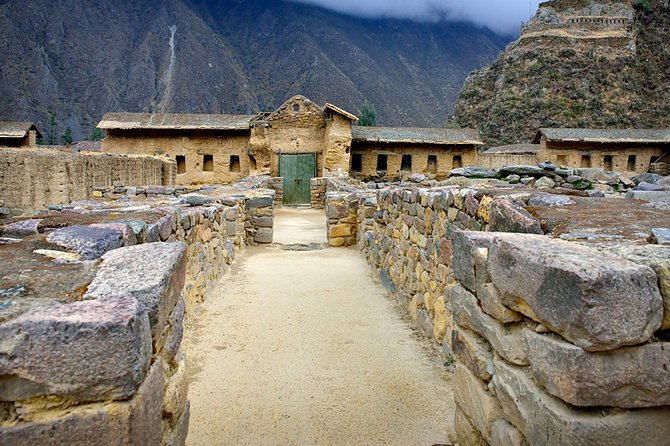
The final full touring day begins at 7 a.m. and heads south from Cusco. After almost two hours on the road, you visit four lagoons, then continue to the small Pabellones volcano near Yanaoca.
The main destination is Q’eswachaka, an Inca suspension bridge made from plant fiber called ichu. It crosses the Apurimac River in the district of Quehue. Unlike a stone ruin, this is a living tradition. Four nearby communities renew and maintain the bridge once a year, beginning with an offering to Pachamama.
You can cross the bridge from both sides. The wording about courage is not just decoration. A woven suspension bridge moves beneath your feet, so the crossing can feel more exciting than its simple construction suggests.
Diego was praised for helping with the volcano climb and making the Q’eswachaka day enjoyable. I like this stop because it adds something different to the usual Cusco circuit. You see community knowledge still being practiced, not only archaeological remains from the past.
The tour returns to Cusco at about 5 p.m. It is another 10-hour day, with a long drive and several stops. If you want only the classic highlights, this may feel like an optional extra. If you care about living Andean traditions, it may be one of the most memorable parts.
Meals, hotels, transport, and guide support
Six breakfasts and five lunches are included. Other meals are not, so plan to pay separately for dinners and any food not listed. The buffet meals are practical for a schedule with set departure times, though you should not expect the freedom to choose every meal independently.
The accommodation is listed as three-star hotels. Specific hotel names are not provided, so I would ask for those details if room style or location matters to you.
Transport includes airport transfers, an air-conditioned vehicle, and the train to and from the Machu Picchu area. The airport pickup and final airport transfer are especially helpful when you are arriving in a new city or leaving after several early mornings.
The guides change from day to day. That can be a strength because each person may bring a different specialty and energy. Darwin handled the Cusco city tour well in English and Spanish, Edy Yepez brought fun to Machu Picchu, Yurdi Samuel made the Sacred Valley outing safe and memorable, Herbert focused on altitude care, Diego supported the Q’eswachaka day, and John helped on Rainbow Mountain.
The strongest praise is directed at personal attention. That is important on the high walks, where a guide who notices fatigue can make a real difference.
Who should book this Cusco package?
I would recommend it to you if you want the major Cusco sights arranged in one purchase and you are comfortable with early starts. It suits people who value included transport, guided interpretation, and help with altitude days more than free time.
It is also a good fit if you want both famous places and a less common cultural stop. Machu Picchu and Rainbow Mountain draw the attention, while Q’eswachaka offers a closer look at a tradition that continues today.
I would hesitate if you need a slow itinerary. The plan includes two 4 a.m. starts, a 4 a.m. Humantay pickup, long road journeys, a one-night stay in Aguas Calientes, and several 10-hour days. The physical fitness requirement is moderate, but the altitude makes the hikes more demanding than the walking times suggest.
Pack trekking shoes, warm layers, sunscreen, and a daypack. Use the walking sticks, pace yourself, and accept help early if you feel unwell. The included oxygen assistance is reassuring, but it should not encourage you to ignore altitude symptoms.
Should you book it?
Book this tour if you want a high-value, tightly scheduled introduction to Cusco and the surrounding region. For $759.29, the combination of hotels, meals, trains, admissions, guides, vehicles, and airport transfers is strong, especially with a group capped at 15.
Before booking, confirm Machu Picchu entry availability and ask for the hotel details. If those points are clear and you are ready for demanding mornings, this package gives you an impressive sweep of Peru in one week. If you prefer slow travel, choose a longer stay and separate some of these outings.
FAQ
How long is the tour?
The experience lasts approximately seven days and includes six hotel nights.
What places are included?
The program includes Cusco, Koricancha, Sacsayhuaman, Qenqo, Puca Pucara, Tambomachay, Pisaq, Urubamba, Ollantaytambo, Aguas Calientes, Machu Picchu, Humantay Lake, Rainbow Mountain, the four lagoons, Pabellones volcano, and the Q’eswachaka Inca bridge.
Is airport pickup included?
Yes. Pickup from the airport to the hotel and transport from the hotel to the airport are included.
Are meals included?
Six breakfasts and five lunches are included. Meals not listed in the program are not included.
How large is the group?
The maximum group size is 15 people.
Can I cancel for a full refund?
Yes, you can receive a full refund if you cancel at least 24 hours before the experience start time. Cancellations or changes made within 24 hours are not accepted for a refund.
More Humantay Lake Day Trips
- Cusco: Humantay Lake Tour with Breakfast and Buffet Lunch
★ 4.9 · 2,976 reviews - Excursión to Humantay Lake Full Day from Cusco
★ 5.0 · 2,150 reviews - Private Excursion to Humantay Lake from Cusco and Coca Ceremony
★ 5.0 · 758 reviews - Humantay Lake Full Day Trek from Cusco with Lunch
★ 5.0 · 726 reviews
More Rainbow Mountain Tours in Sacred Valley
- Small-Group 3-day Cusco Tour to Sacred Valley, Machu Picchu & Rainbow Mountain
★ 5.0 · 38 reviews - 5-Day Tour: Machu Picchu, Sacred Valley and Mountain of Colors
★ 5.0 · 21 reviews - 5-Day Tour to Machupicchu, Sacred Valley and Rainbow Mountain
★ 5.0 · 19 reviews - Tour 7 days: Cusco Sacred Valley Maras Moray Mountain of Colors Humantay Lagoon
★ 5.0 · 17 reviews
Added recently around Cusco
- Guided tour of the mountain of colors in Cusco★ 5.0 · 11 reviews
- 2-Day Private Short Inca Trail to Machu Picchu★ 5.0 · 15 reviews
- City Tour Cusco – Group★ 5.0 · 4 reviews
- Tour Sacred Valley with Maras and Moray★ 5.0 · 15 reviews
- San Pedro Market Tour with Peruvian Cooking Class★ 5.0 · 31 reviews
- Walking Culinary Experience★ 5.0 · 41 reviews
- City Tour in Cusco★ 4.5 · 10 reviews
- One Day Tour to Humantay Lagoon★ 5.0 · 8 reviews
Machu Picchu Tours, compared.
Classic Inca Trail Trek 4D/3N to Machu Picchu (Group Service)
Read our review →
Machu Picchu: 4-Day Inca Trail Trek with Panoramic Train Ride
Read our review →
2-Day Inca Trail to Machu Picchu with Panoramic Train
Read our review →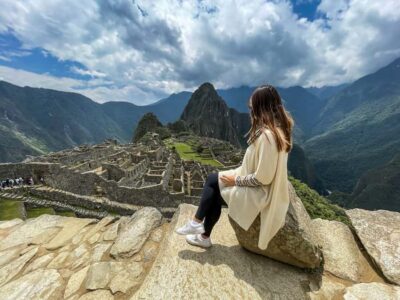
2-Day Tour: Sacred Valley and Machu Picchu by Train
Read our review →