
Reviewed · COLCA CANYON TOURS
Arequipa: Full Day Colca Canyon Tour Roundtrip from Arequipa
Condors make the long day worthwhile. This $19 trip packs the Colca Valley, Cruz del Cóndor, hot springs, Patapampa, and the Salinas and Aguada Blanca National Reserve into one demanding day from Arequipa. I especially like the chance to see the canyon’s Andean condors and the easy hotel pickup in central Arequipa.
I also like the mix of famous viewpoints and everyday valley life, from working agricultural terraces to the traditional village of Maca. The main drawback is the schedule: you leave very early, spend about six hours on the road, and reach altitudes that can be hard on your body.
In This Review
- Key points to know
- Why the Colca Canyon trip is such a long day
- Working terraces at Muyurina Viewpoint
- A wide valley view at Antahuilque
- One hour at Cruz del Cóndor
- Maca, the Colca Sour, and a traditional village
- Hot springs after the canyon
- Lunch and the real cost of a $19 tour
- Patapampa at 4,910 meters
- Llamas, alpacas, and vicuñas in the national reserve
- Transport, comfort, and the pace of the day
- What to pack for the canyon route
- Who should book this $19 excursion?
- Should you book it?
- FAQ
- How long does the Arequipa Colca Canyon tour last?
- Where does hotel pickup take place?
- Is breakfast included?
- Are the national park and hot springs included?
- Is lunch included?
- How high does the tour go?
- What languages are available?
Key points to know
- Cruz del Cóndor is the main event: You get about one hour at the canyon viewpoint, where Andean condors may glide overhead.
- The day reaches 4,910 meters: Patapampa is far higher than Arequipa, so cold weather and altitude symptoms are real concerns.
- The $19 price is only the starting cost: Add 70 soles for the national park, 15 soles for the hot springs, and money for lunch.
- Maca adds local character: You can see its colonial church and taste a Colca Sour, a regional cocktail.
- The route includes several worthwhile stops: Terraces, canyon views, volcanoes, camelids, and hot springs give the day more variety than a simple viewpoint trip.
- Expect a long coach day: Hotel pickup is limited to central Arequipa, and return is planned for about 5 pm.
Why the Colca Canyon trip is such a long day
The Colca Canyon is not a quick outing from Arequipa. The first drive takes roughly three hours before you reach the beginning of the Colca Valley, and the return to the city takes much of the afternoon.
That distance shapes the whole experience. You are not getting a slow, quiet exploration of the valley. You are getting a broad sampler of the region, with short stops at several important places and one longer stop at Cruz del Cóndor.
I think this works well if you have only one day available. It is less appealing if you have already spent several days in the valley or prefer time for walking, photography, and unhurried village visits.
The early pickup is another practical issue. You need to be waiting at your hotel reception, provided the hotel is in Arequipa’s historic center. If it is outside that area, you must go to the Plaza de Armas instead. Confirm this point before bed, since a missed pickup would be a poor way to start an already early morning.
Breakfast is served after about three hours of driving. It is included, which helps, but one meal should not be the reason you choose this trip. The breakfast has been described as acceptable rather than memorable, so you may want to carry water and a small snack.
Other Colca Canyon trips:
- 2 day 1 night trek / Colca Canyon
★ 5.0 · 1,069 reviews - From Arequipa: Colca Canyon Full-Day Guided Tour with Meals
★ 4.5 · 982 reviews - Colca Full Day Tour
★ 4.5 · 429 reviews
Working terraces at Muyurina Viewpoint
The first major viewpoint is Muyurina. Here, the attraction is not only the view but also the way the valley is still used.
The Colca Valley is marked by agricultural terraces cut into the slopes. At Muyurina, you can see these terraces continuing to serve local farming rather than sitting only as archaeological remains. That gives the scenery some context. You are looking at a living valley, not just a pretty backdrop for photographs.
Local people in traditional clothing may be present, along with llamas and alpacas grazing nearby. These encounters are part of the visual appeal, but remember that people in traditional dress are residents, not scenery. Ask before taking close photographs.
This stop also gives you a gentler start to the sightseeing. After sitting in the vehicle, you can stretch your legs, take in the mountain air, and begin adjusting to the altitude. Keep your pace slow. At this point, the day is still young, and the route climbs higher later.
A wide valley view at Antahuilque
Antahuilque offers a broader view of the Colca Valley. The stop is useful because it helps you understand the scale of the valley before the road reaches the canyon itself.
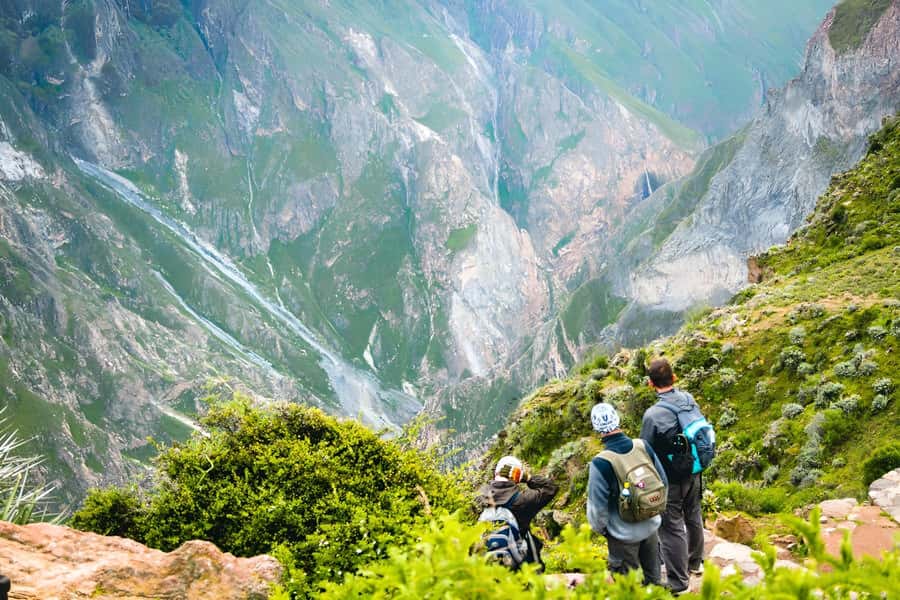
From here, you can see the valley spread out below and look toward the long tributary associated with the Amazon River system. The view is more expansive than the terrace-focused stop at Muyurina, so this is a good place for wide photographs.
The two viewpoints can feel similar if you are rushing from one bus stop to the next. Their value comes from the contrast: Muyurina shows cultivated slopes and local life, while Antahuilque gives you a larger sense of the valley’s shape.
The guide speaks English and Spanish. Clear English matters here because the stops are short and the setting is easy to admire without understanding the local geography. If the explanation is difficult to follow, ask the guide to repeat key points before the group moves on.
One hour at Cruz del Cóndor
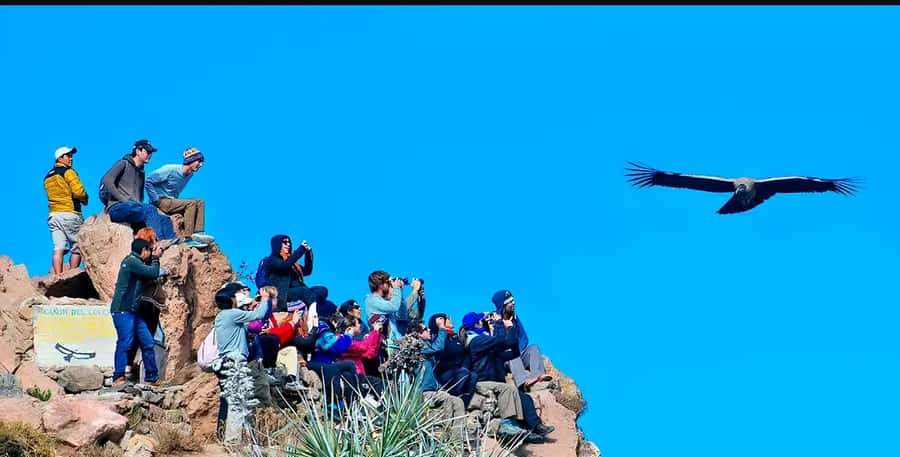
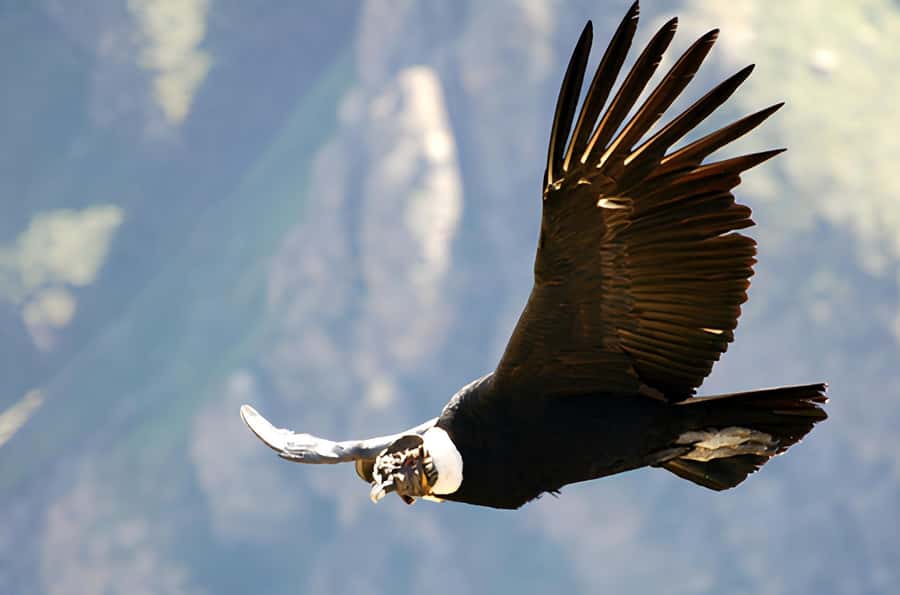
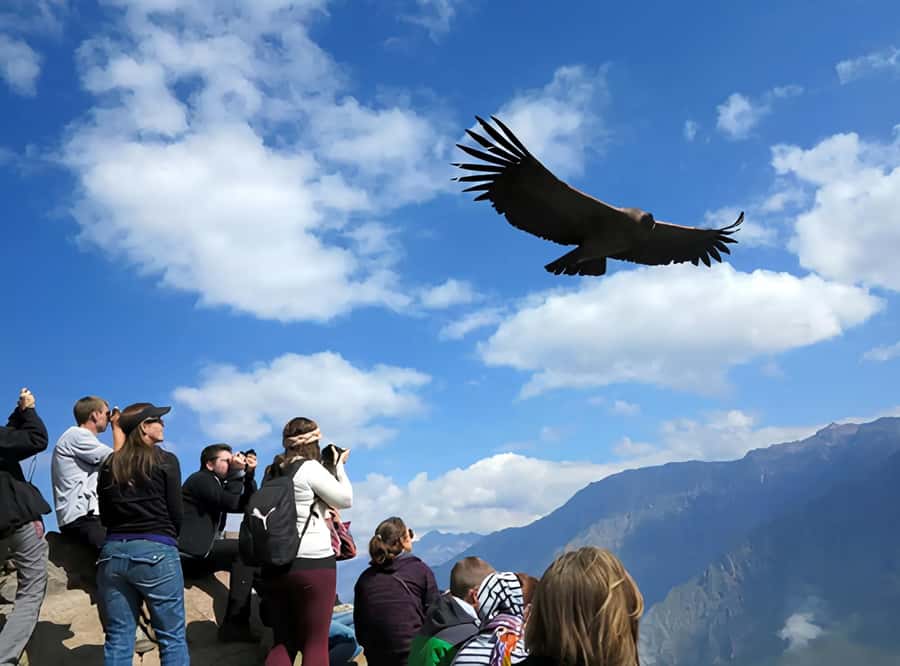
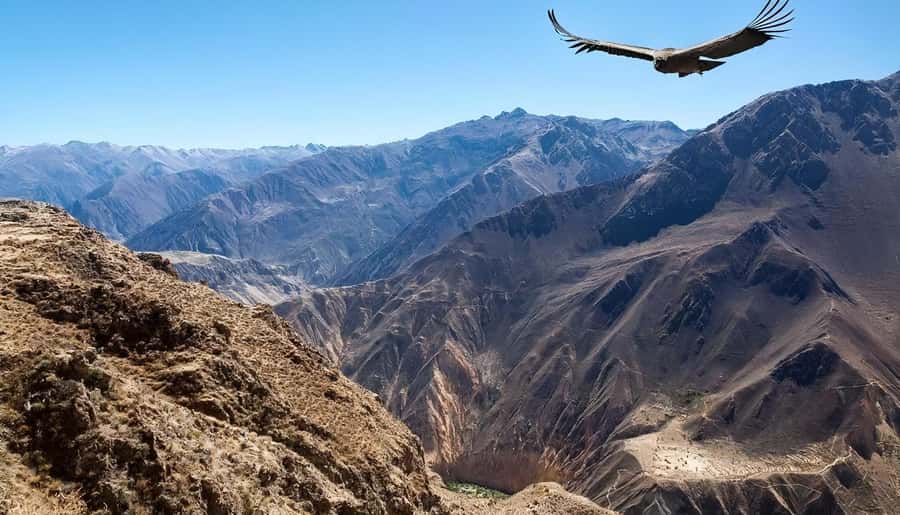
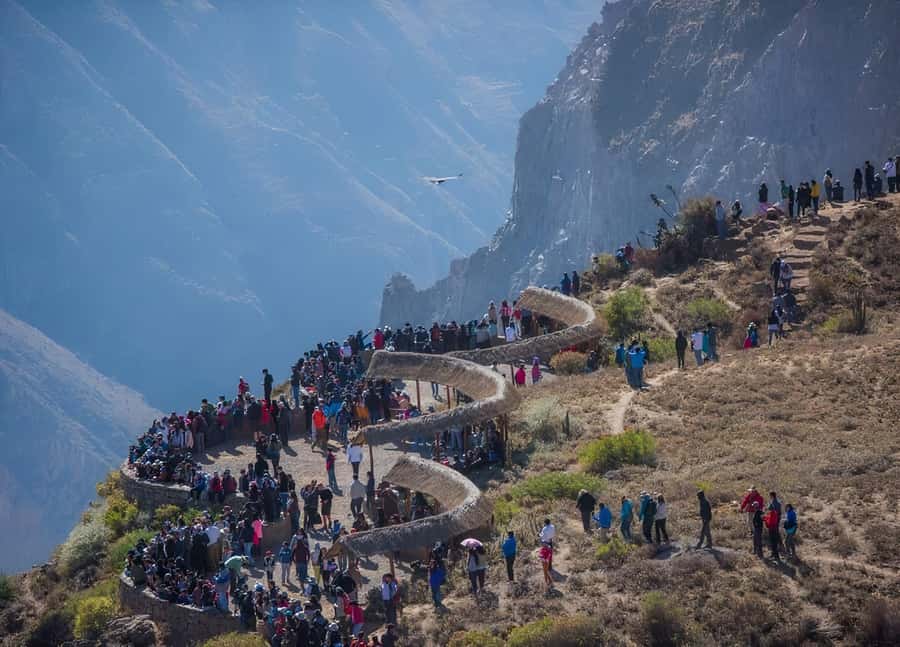
Cruz del Cóndor is the reason most people choose this excursion. The viewpoint sits in the Colca Canyon, where Andean condors use rising air currents to glide across the gorge.
You are scheduled to have about one hour here. That is a useful amount of time because condor sightings cannot be guaranteed. You may see several birds quickly, or you may spend much of the hour waiting. One group on this route saw no condors at all, a reminder that this is wildlife watching, not a staged performance.
Even without a sighting, the canyon is impressive. The depth and scale are difficult to grasp in a photograph, and the viewpoint lets you watch the gorge while keeping your eyes open for movement in the sky.
Bring your camera, but do not spend the whole hour staring at a screen. The condors can appear suddenly and glide without much warning. A zoom lens may help, though the trip does not promise close views.
The strongest praise for this excursion centers on the canyon scenery and the condors that do appear. I would make this stop your main expectation, but I would not book the trip if seeing a condor is your only acceptable outcome.
A few more Arequipa trips worth lining up side by side
- Tour to the Salinas Lagoon and National Reserve in Arequipa
★ 4.5 · 548 reviews - From Arequipa: Sillar Route Trek
★ 4.2 · 461 reviews - Rafting Arequipa – Chili River Canoeing – Cusipata Rafting Arequipa
★ 5.0 · 332 reviews - Arequipa: Chili River White Water Rafting with Hotel Pickup
★ 4.8 · 329 reviews
Maca, the Colca Sour, and a traditional village
On the return route, the bus stops in Maca. This is one of the more human-scale moments of the day.
Maca is known for its traditional character and colonial church. Compared with the large canyon viewpoints, the village offers a chance to see how the valley’s settlements fit into the mountain setting. The visit is brief, but it breaks up the long ride.
You can also taste a Colca Sour, a local cocktail. This is a fun regional detail, although you may prefer to be cautious with alcohol at high altitude, especially after an early start. Tasting it is optional in spirit, and you should not feel pressured to drink if you are feeling tired or unwell.
Maca is not a full village tour. Think of it as a short cultural stop with a church, local atmosphere, and a regional drink rather than a long, independent exploration.
Hot springs after the canyon
The next planned stop gives you about one hour at the hot springs. After a cold morning and several hours in a vehicle, warm water can feel very welcome.
Entrance costs 15 soles and is not included in the advertised price. Bring a swimsuit, towel, and a way to carry wet items if you want to use the pools. Those items are not listed as provided, so do not assume they will be available.
The hot springs are also the most debated part of the schedule. I can see the appeal, especially after the early pickup. At the same time, one hour here takes time away from the later volcano viewpoint and the valley scenery. If you care more about mountain photography than soaking, you may consider this stop less important.
Do not treat the hot springs as a cure for altitude problems. If you feel dizzy, short of breath, or unusually unwell, tell the guide and rest rather than trying to push through the schedule.
Lunch and the real cost of a $19 tour
At $19 per person, this excursion looks remarkably cheap. The price includes transportation, an English or Spanish speaking guide, breakfast, first aid equipment, and assistance during the day. It does not include the national park entrance, hot springs, or lunch.
The park fee is 70 soles, and the hot springs cost 15 soles. Those two charges alone change the calculation considerably. Add lunch, drinks, and perhaps the Colca Sour, and your final cost can be much higher than the advertised base price.
Lunch deserves special attention. The plan says lunch is not included, but the route may take you to a designated restaurant or buffet in or near Chivay. A meal has been described as costing about 45 soles, with concerns about limited quality and pressure to eat there. Ask the guide or operator before departure whether lunch is compulsory, how much it costs, and what alternatives exist.
You may be perfectly happy with the convenience of a group meal. If you have dietary needs, a small appetite, or want to control your budget, carry food and get clear answers first. The $19 fare is good value for the transport and number of sights, but it is not the full price of the day.
Patapampa at 4,910 meters
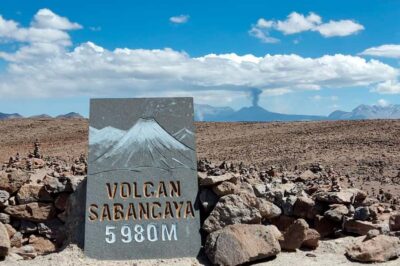
Patapampa, also called the Viewpoint of the Volcanoes, is the highest point on the route at 4,910 meters above sea level. This is one of the most dramatic stops, but it is also where the altitude deserves the most respect.
From the viewpoint, you can see snow-capped Andean peaks. The air may feel cold, and weather can change quickly at this elevation. Warm layers, sunscreen, water, and comfortable shoes are essential. Even if Arequipa feels mild when you leave, Patapampa can feel stark and exposed.
This stop is not about hiking. It is about stepping out, taking in the high mountain view, and getting back into the vehicle. Move slowly and avoid unnecessary exertion.
People with heart problems, respiratory issues, or a history of altitude sickness should not choose this trip casually. The excursion is also unsuitable for people with mobility impairments, despite the general accessibility information, because the route involves high-altitude stops and a demanding full-day schedule. If you have a medical concern, ask a qualified professional before booking.
Llamas, alpacas, and vicuñas in the national reserve
The last major stop is the Salinas and Aguada Blanca National Reserve. The reserve is home to South American camelids, including llamas, alpacas, and vicuñas.
This stop adds a different kind of scenery to the day. Instead of canyon walls or cultivated terraces, you get open high-altitude country and a chance to look for animals adapted to the Andes. Vicuñas are especially appealing to see because they are wild camelids rather than domestic livestock.
Keep your camera ready, but do not expect a wildlife guarantee here either. Animals may be close to the road or farther away, and the stop may be shaped by the group schedule and weather.
The reserve also helps connect the day’s sights. The condor belongs to the high Andes sky, while the camelids belong to the open mountain plains. Together, they give you a broader picture of the region than Cruz del Cóndor alone.
Transport, comfort, and the pace of the day
The tour uses approved tourist transport and includes first aid equipment. Those are reassuring basics for a remote, high-altitude route, though they do not make the ride short.
A full day by road can be tiring. You will stop often enough to break up the journey, but the itinerary still requires long periods sitting in the vehicle. Wear comfortable clothes, keep water within reach, and avoid planning a demanding evening activity in Arequipa.
The return is expected around 5 pm, but road conditions and the number of stops can affect the exact timing. The tour is offered in English and Spanish, and the guide is intended to provide personal assistance throughout the day.
The group size is not fixed in the information provided. One account described a group of about 20 people, so you should be prepared for a shared coach experience rather than a private outing. Larger groups can mean slower boarding and less flexibility at stops, but they also help keep the base price low.
Free cancellation up to 24 hours before departure and the option to reserve without paying immediately make this easier to fit into a changing Peru itinerary. Check the starting time and pickup point carefully before confirming.
What to pack for the canyon route
Bring comfortable shoes, warm clothing, sunscreen, water, and a camera. I would add a hat, sunglasses, tissues, and a small snack, since the day begins early and includes long driving stretches.
Layers work better than one heavy coat. You may feel cold at the first viewpoints, warmer near the hot springs, and cold again at Patapampa. Keep your warmest layer easy to reach rather than buried in luggage.
If you plan to use the hot springs, pack swimwear and a towel. Also carry enough cash for the 70 soles park fee, 15 soles hot springs entrance, lunch, and optional purchases in Maca.
Who should book this $19 excursion?
I would choose this tour if you have one free day in Arequipa, want to see the canyon without arranging transport yourself, and value a long list of sights over a slow pace. It offers a lot for the base cost, and the condor viewpoint is a strong reason to go.
I would hesitate if you dislike early mornings, long coach rides, or high altitudes. I would also look for another arrangement if you want a private guide, flexible meal choices, or extra time at the volcano viewpoint and Colca Valley.
The deciding question is simple: can you accept that a condor sighting is possible but not guaranteed? If yes, the canyon, valley terraces, Maca, high peaks, and camelids make this a worthwhile introduction to the Colca region.
Should you book it?
Book it if you want the biggest possible Colca Canyon overview for a low starting price and can handle a 4,910-meter summit and a very long day.
Skip it if altitude is a serious concern, if you need a relaxed schedule, or if you want full control over lunch and sightseeing time. Before paying, confirm the total extra costs and ask how the lunch stop works. Those two questions will tell you far more about the value than the $19 headline price.
FAQ
How long does the Arequipa Colca Canyon tour last?
The activity lasts one day, with pickup in Arequipa and an expected return around 5 pm.
Where does hotel pickup take place?
Pickup is available from hotels in the central historic area of Arequipa. If your hotel is outside that area, you must go to the Plaza de Armas.
Is breakfast included?
Yes. Breakfast is provided near the beginning of the excursion, after the drive toward the Colca Valley.
Are the national park and hot springs included?
No. The national park entrance costs 70 soles, and hot springs entrance costs 15 soles.
Is lunch included?
No. Lunch is not included in the tour price. A meal may be offered at a designated stop, so ask about the price and whether it is optional before departure.
How high does the tour go?
The route reaches Patapampa at 4,910 meters above sea level, also known as the Viewpoint of the Volcanoes.
What languages are available?
The tour has live guides in English and Spanish.
Added recently around Arequipa
- gazebos cannon of the coca★ 5.0 · 28 reviews
- Sillar Route★ 5.0 · 4 reviews
- Salinas Lagoon + Mini Volcano DE Lojen★ 5.0 · 9 reviews
- Full Day Tour To The Salt Lake Salinas in Arequipa★ 4.5 · 34 reviews
- 3-Day Colca Canyon trek with Professional Guide★ 5.0 · 40 reviews
- Trekking, Waterfalls and Thermal Baths★ 4.5 · 47 reviews
- Walking Tour Arequipa Including Santa Catalina Monastery★ 4.0 · 8 reviews
- Walking City tour including the Monastery of Santa Catalina★ 5.0 · 6 reviews
Colca Canyon Tours, compared.
2-Day Tour Colca Canyon in Arequipa with end in Puno
Read our review →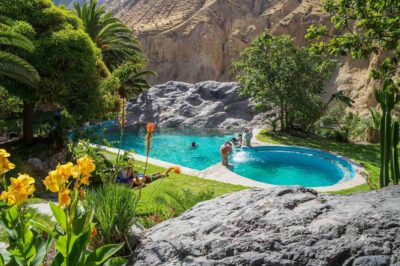
Browse the lists this tour appears in