
Reviewed · AREQUIPA TOURS
Arequipa: Half Day Sillar Route and Culebrillas Canyon + Yanahuara Viewpoint
Stone gives Arequipa its color. This four-hour tour combines Yanahuara Viewpoint with the Sillar Route, where you learn how pale volcanic stone became the material of much of the city’s grand architecture. I like the clear mix of city views and working stone culture, and I also like that Culebrillas adds a short walk through a water-cut canyon rather than keeping you beside the vehicle all day.
The main caution is guide audibility. One recent participant had trouble hearing the explanations, and that matters here because the quarry visit depends on what you learn about cutting, carving, and mega-carving. The first part can also feel a little long if you prefer walking and scenery to a detailed craft talk.
In This Review
- Key points to know before you go
- Why Arequipa’s Sillar Stone Matters
- Meeting at the Cathedral’s Main Door
- Yanahuara Viewpoint: A Short, Useful Opening Stop
- Añashuayco Quarry and the Work Behind the White City
- Culebrillas Canyon: The Tour’s Best Change of Pace
- Petroglyphs at the End of the Walk
- Is $25 a Good Price?
- Who Will Enjoy This Half-Day Route?
- Practical Advice for a Smoother Visit
- Should You Book the Sillar Route and Culebrillas Tour?
- FAQ
- How long does the tour last?
- Where does the tour begin?
- Where does the tour finish?
- Is transportation included?
- Is hotel pickup included?
- What languages does the guide speak?
- Are the quarry entrance fees included?
- How long is the walk at Culebrillas?
- Is the tour suitable for people with mobility impairments?
- What should I bring?
- Can I cancel the booking?
- Can I reserve now and pay later?
Key points to know before you go
- Yanahuara starts the tour with an easy photo stop and a quick look across Arequipa from one of its best-known viewpoints.
- Añashuayco Quarry explains the source of Arequipa’s pale stone, including extraction and the work of local stonemasons.
- Culebrillas offers a 20-minute walk through a water-eroded canyon, followed by a look at petroglyphs.
- The $25 price covers transport and a bilingual guide, but you should add S/. 10 for the two quarry admissions.
- The tour is not suitable for people with mobility impairments, since Culebrillas includes a walk through uneven canyon terrain.
- The tour has a 3.8 rating from four reviews, with especially positive comments about the scenery and petroglyphs, but some concern about guide volume and pacing.
Why Arequipa’s Sillar Stone Matters
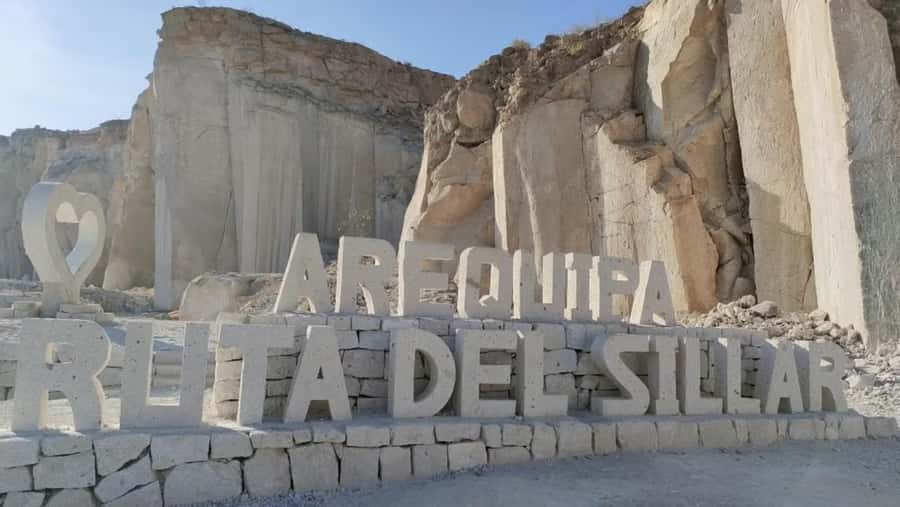
Arequipa is often called the White City, and sillar is a major reason why. This pale volcanic stone gives many central buildings their bright appearance, including much of the construction around the city’s main square.
The Sillar Route takes you beyond the polished center and into the place where the material comes from. That shift is useful. Instead of simply admiring carved facades, you see the quarry setting and learn how stone is taken from the ground before it becomes a doorway, wall, arch, or decorative panel.
I like this kind of outing because it connects architecture to labor. The white stone in the historic center is not just a pretty surface. It reflects quarrying, transport, cutting, and the skill of stonemasons. The guide explains extraction, carving, and mega-carving, giving you a better eye for the stonework you see later in Arequipa.
The experience is not designed as a long archaeological expedition. It is a compact introduction, with the quarry talk forming a large part of the first half. If you enjoy learning how buildings are made, that detail will be worthwhile. If you mainly want photographs and open-air walking, the explanations may feel slow.
A few more Arequipa trips worth lining up side by side
- 2 day 1 night trek / Colca Canyon
★ 5.0 · 1,069 reviews - From Arequipa: Colca Canyon Full-Day Guided Tour with Meals
★ 4.5 · 982 reviews - Tour to the Salinas Lagoon and National Reserve in Arequipa
★ 4.5 · 548 reviews
Meeting at the Cathedral’s Main Door
You begin at the main square, at the main door of Arequipa’s cathedral. This is a practical central meeting point, but you need to arrive there yourself because hotel pickup and transfer are not included.
Once everyone is in the vehicle, the group heads first toward Yanahuara. The advertised duration is four hours, so the schedule is fairly tight. Delays at the meeting point or a slow departure could reduce time later, making punctuality important.
Bring your passport or identification card. The tour information specifically asks for one, so do not leave it behind at your hotel. Food and drinks are also not included, and no meal stop is listed, so plan around the half-day timing rather than expecting refreshments along the way.
The vehicle is included in the $25 price, as is a bilingual guide in Spanish and English. The group size is not specified, so I would not assume a private or small-group setting. If hearing the guide clearly is important to you, sit close to the guide when possible and ask for explanations to be repeated if the vehicle or quarry is noisy.
Yanahuara Viewpoint: A Short, Useful Opening Stop
Yanahuara is the first major stop. The purpose is simple: take photographs and hear a guided explanation from the viewpoint.
This opening stop gives you a fast visual introduction to Arequipa. You see the city from outside the main square and get a sense of how the urban center fits into the surrounding setting. It also breaks up the drive before the quarry visit.
Do not expect a long walk here. The stop is described as a photo stop with a guided visit, not a full neighborhood tour. That is good news if you want to cover several sights in half a day, but it means you will need another visit if you want to explore Yanahuara at a slower pace.
I like the order. Starting with a viewpoint helps you place the city before learning about the stone that shaped its buildings. The stop is also useful for anyone visiting Arequipa for a short time and wanting a quick photograph without committing a full morning to the district.
Añashuayco Quarry and the Work Behind the White City
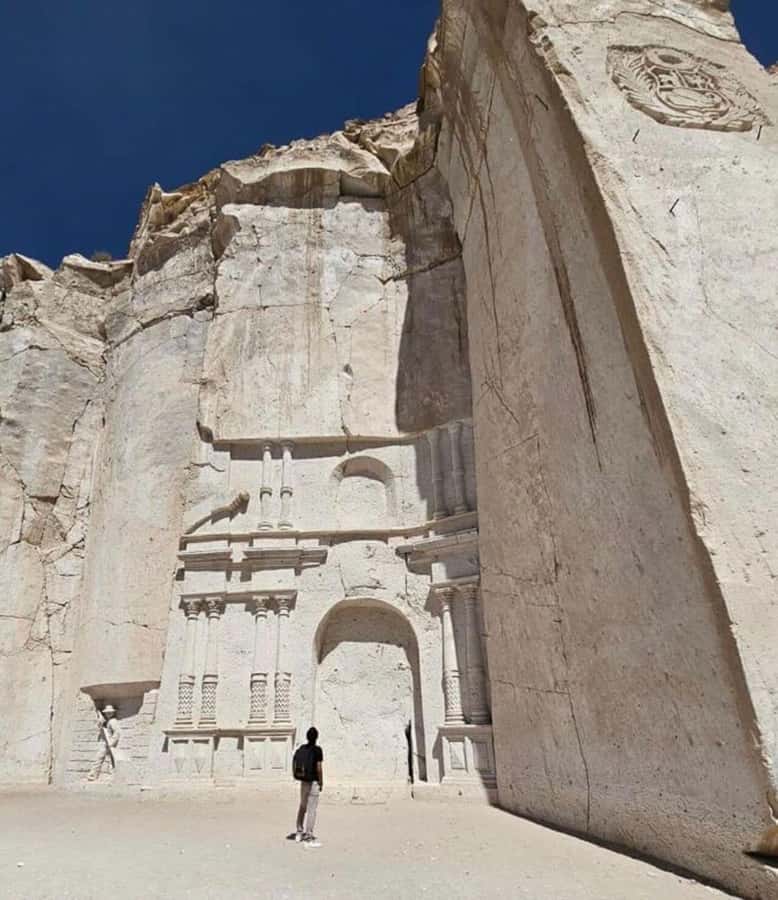
After Yanahuara, the vehicle leaves the city for the Añashuayco Quarry. This is the main educational stop and the part most likely to divide opinion.
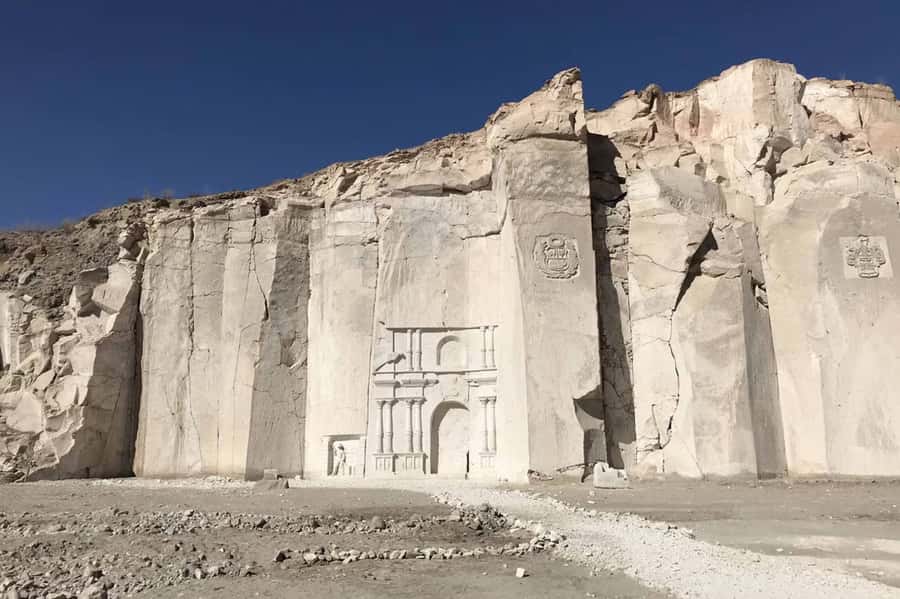
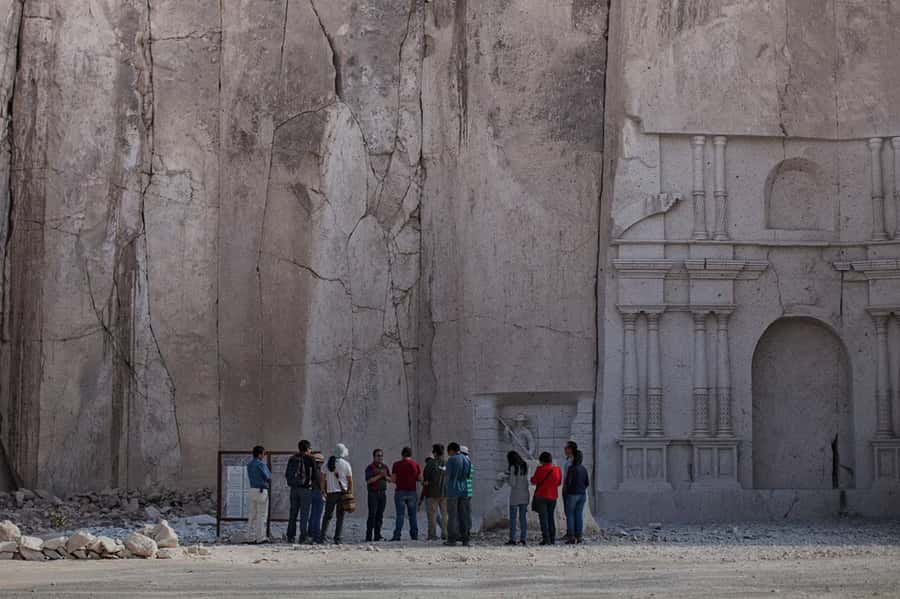
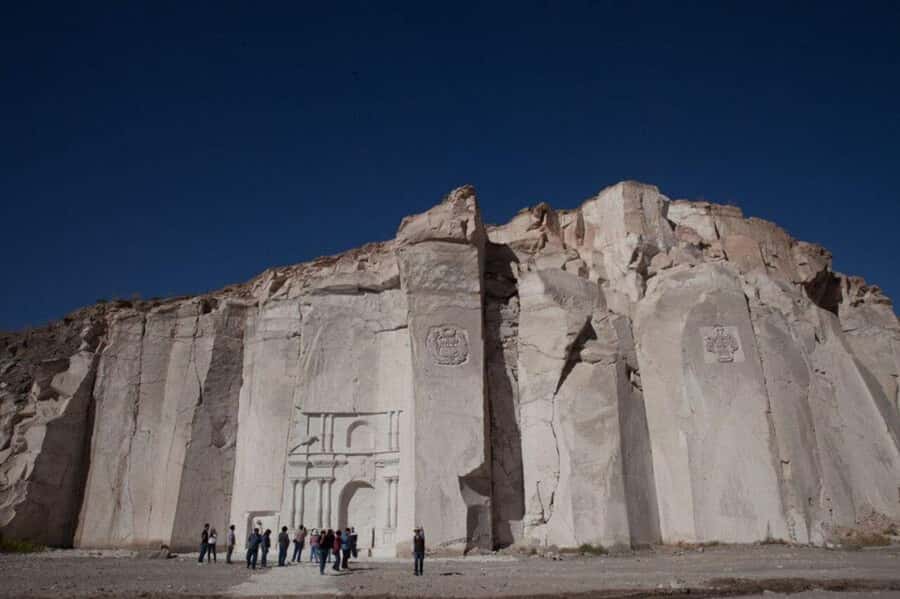
Your guide explains how sillar is extracted and how the stone has been used in construction around Arequipa’s main square. You also learn about the work of master stonemasons, including carving and mega-carving. Those terms point to more than basic stone removal. They describe the stages by which rough quarry material becomes shaped architectural work.
The quarry adds a physical sense of scale to the subject. In the city, sillar can look delicate and finely finished. At the quarry, you are reminded that every carved detail began as a large, heavy block. That contrast makes Arequipa’s buildings more interesting when you return to the center.
There is an admission fee of S/. 5 for the quarry, paid separately. That is a small extra cost, but you should include it when judging the total price. The tour itself costs $25 per person, so the actual outing requires the tour fee plus both site admissions.
The main drawback is pacing. A recent four-star assessment described the scenery as very good and appreciated the time allowed for activities, but also felt the first section lasted a bit too long. That is a fair warning. The quarry visit is not a quick photo stop. You may spend a substantial part of the tour listening and watching demonstrations or explanations.
A three-star assessment also pointed to difficulty hearing the guide. Since the quarry visit is built around interpretation, this is more serious than missing a minor comment at a viewpoint. If the guide is speaking while the group is spread out, move closer. The practical value of this stop depends on being able to follow the explanation.
Also leaving from Arequipa, and nothing like the above:
- From Arequipa: Sillar Route Trek
★ 4.2 · 461 reviews - Colca Full Day Tour
★ 4.5 · 429 reviews - Rafting Arequipa – Chili River Canoeing – Cusipata Rafting Arequipa
★ 5.0 · 332 reviews - Arequipa: Chili River White Water Rafting with Hotel Pickup
★ 4.8 · 329 reviews
Culebrillas Canyon: The Tour’s Best Change of Pace
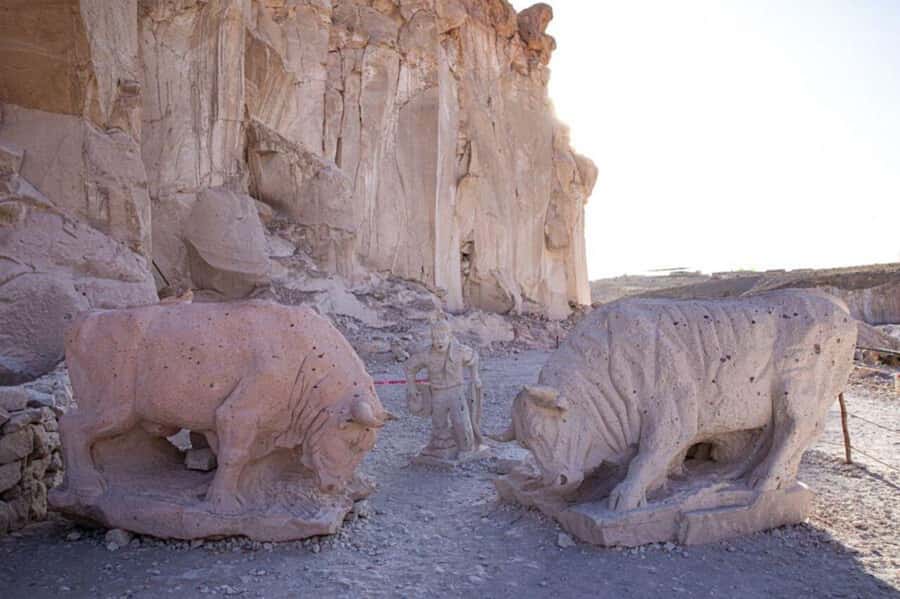
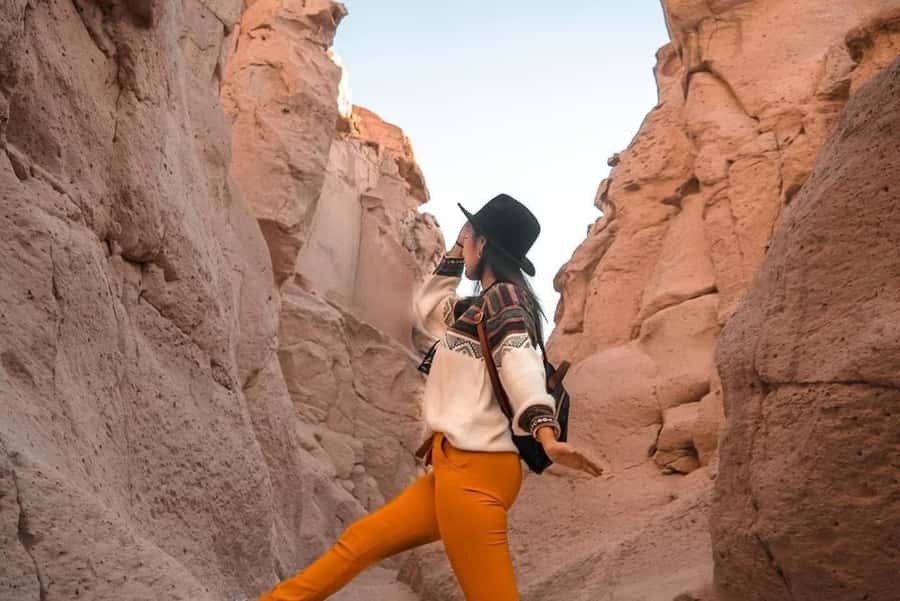
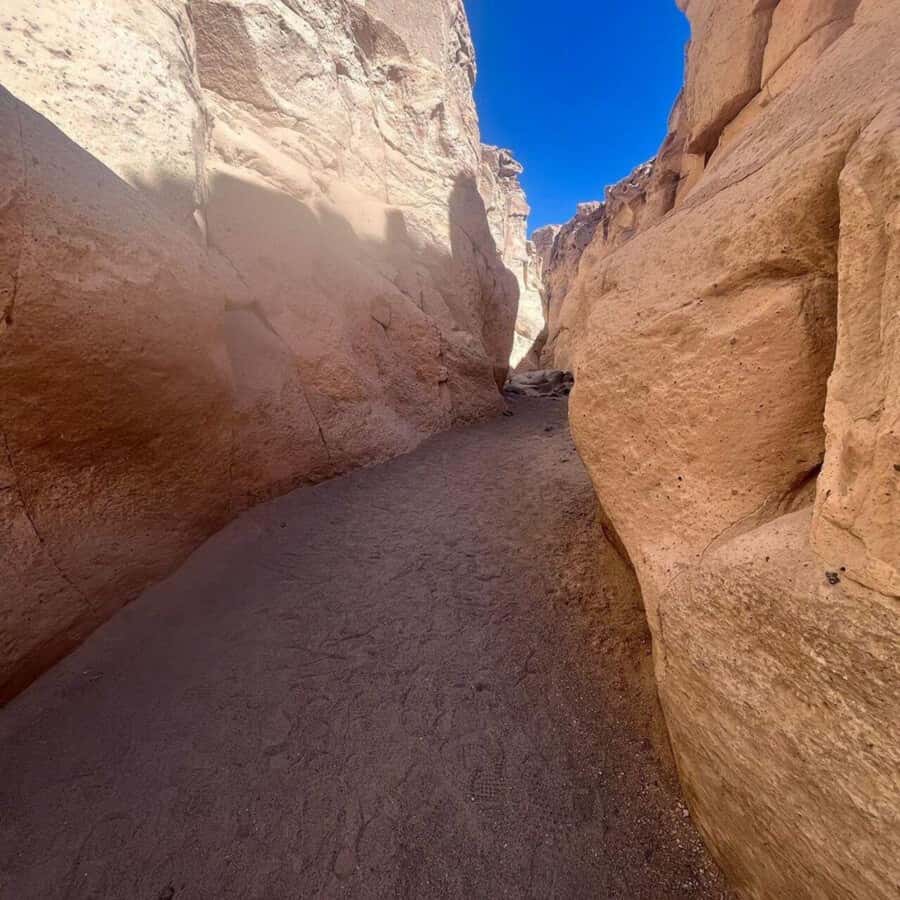
The tour continues to Quebrada de Culebrillas, a quarry area that is no longer being exploited. Here, you walk for about 20 minutes through a small canyon formed by water erosion.
This is the most active part of the outing. After the vehicle rides and quarry explanations, the short walk gives you a chance to move through the setting rather than simply view it from a designated stop. The canyon is modest in length, but its narrow rock walls and eroded form give the route a different feel from Añashuayco.
I like that Culebrillas is not presented only as another quarry. Because the area is no longer in use, the focus shifts toward the natural shape of the ravine and the traces left by earlier people. The walk is short enough to fit into a half-day schedule, yet it adds the outdoor element that the first section lacks.
Admission costs another S/. 5 and is not included. You should also expect uneven ground. The activity information says the tour is not suitable for people with mobility impairments, and the canyon walk explains why. The supplied details do not specify the exact surface or gradient, so anyone with walking concerns should ask the operator before booking.
Do not treat the 20 minutes as a demanding hike. It is a brief walk, but short does not always mean effortless. Canyon terrain can require careful footing, and the experience is better when you have comfortable shoes and enough time to look around instead of rushing.
Petroglyphs at the End of the Walk
Near the end of the Culebrillas visit, you see petroglyphs and have time to photograph them while the guide explains their importance.
This is the point that received the strongest praise in the available feedback. One participant said seeing the petroglyphs was the best part of the experience, even though difficulty hearing the guide reduced the overall enjoyment. That tells you something useful: the rock markings provide a memorable payoff, but the interpretation still matters.
The petroglyphs also give the tour a broader scope. It begins with modern quarry work and the stone used in colonial and later construction, then moves toward older marks on the rock. In a few hours, you get nature, stone production, architecture, and a small piece of cultural heritage.
Photography is encouraged at this stop, but the information does not specify how close you can get or how extensive the petroglyph site is. Keep your expectations measured. This is a short stop with explanations, not a full museum-style presentation or a long archaeological visit.
Is $25 a Good Price?
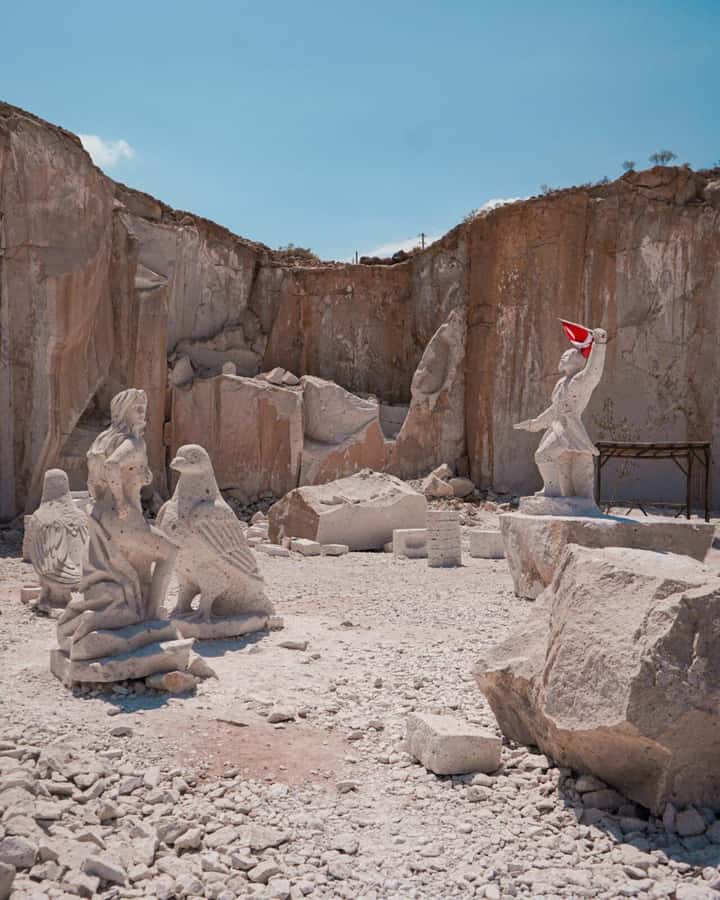
At $25 per person, this is a reasonable half-day outing if you want transport and a guide to connect several sights. The price includes tourist transportation and bilingual guiding, which removes the need to arrange separate transport to the quarry areas.
The extra fees are modest but easy to overlook. Add S/. 5 for Añashuayco and S/. 5 for Culebrillas. Food, drinks, hotel pickup, and any activity not specifically included are also outside the price.
The value is strongest for someone who wants context. You are not paying only to stand at a viewpoint or take a quarry photograph. You are paying for the route between places and for explanations about how sillar is extracted and shaped.
The value is weaker if you want a long, independent walk. Much of the experience uses a vehicle, and the Culebrillas walk lasts about 20 minutes. The first section may feel drawn out if you are not interested in stonework. A rating of 3.8 from four reviews suggests a generally positive but not flawless outing, with pacing and audibility worth considering.
Who Will Enjoy This Half-Day Route?
I would recommend it to first-time visitors who want to understand why Arequipa looks the way it does. The combination of Yanahuara, Añashuayco, and Culebrillas gives you more context than a simple city-center stroll.
It also suits anyone interested in building materials, traditional craft, or photography. The white quarry stone, carved surfaces, canyon walls, and petroglyphs provide several different subjects in one morning or afternoon.
The tour is a good fit for visitors with limited time. Four hours is long enough to reach sites outside the center but short enough to leave part of the day available for Arequipa’s plazas, churches, museums, or meals.
I would be cautious if you have mobility limitations or dislike uneven walks. The tour is specifically not suitable for people with mobility impairments. I would also think twice if you need every explanation to be delivered in a quiet, intimate setting. The hearing issue raised in the feedback means guide placement may affect your experience.
The advertised languages are Spanish and English. Some content may be presented in its original language, so confirm that the language arrangement suits you when booking.
Practical Advice for a Smoother Visit
Arrive at the cathedral’s main door with time to spare. The route begins once all passengers are in the vehicle, and a late arrival can affect a compact four-hour schedule.
Bring your passport or ID card, as required. Wear shoes suitable for a short canyon walk, and carry water since drinks are not included. The supplied information does not give a weather forecast, so basic sun protection may also be sensible for an outdoor quarry and viewpoint visit.
For the best chance of hearing, stay near the bilingual guide during the quarry and petroglyph explanations. This is especially important at Culebrillas, where the rock formations and petroglyphs are more meaningful when you understand what you are looking at.
Keep S/. 10 available for the two entrance fees. These are separate from the $25 tour cost. You do not need to plan around a meal during the four hours, since no food stop is included.
The tour offers free cancellation up to 24 hours before departure, and you can reserve while paying later. Those terms make it easier to hold a place while your Arequipa schedule is still changing.
Should You Book the Sillar Route and Culebrillas Tour?
Book this tour if you want an affordable, guided introduction to the stone behind Arequipa’s architecture, with a viewpoint and a short canyon walk added in. The petroglyphs are the strongest reason to choose this particular route, while the quarry explanations provide the most useful city context.
Skip it if your priority is a long nature hike, a private guide, or a slow visit at each stop. The first portion can feel extended, the group size is not specified, and clear communication may depend on staying close to the guide.
For most short-stay visitors, the $25 base price is fair once you add the two small entrance fees. I would book it with realistic expectations: this is a transport-based cultural outing with a brief walk, not a strenuous adventure. If you enjoy seeing how a place is made, and you want more than another central-city photograph, it earns a place in your Arequipa plans.
FAQ
How long does the tour last?
The tour lasts four hours.
Where does the tour begin?
It begins at the main square of Arequipa, at the main door of the cathedral.
Where does the tour finish?
The tour returns to the main square of Arequipa.
Is transportation included?
Yes. Tourist transportation is included in the tour price.
Is hotel pickup included?
No. Pickup and transfer to your hotel are not included.
What languages does the guide speak?
The live guide is available in Spanish and English. Some content may be shown in its original language.
Are the quarry entrance fees included?
No. Entry to the Añashuayco Quarry costs S/. 5, and entry to Culebrillas costs S/. 5.
How long is the walk at Culebrillas?
The walk through the small canyon takes about 20 minutes.
Is the tour suitable for people with mobility impairments?
No. The tour is listed as unsuitable for people with mobility impairments.
What should I bring?
Bring your passport or identification card. Food and drinks are not included, so plan accordingly.
Can I cancel the booking?
Yes. You can cancel up to 24 hours in advance for a full refund.
Can I reserve now and pay later?
Yes. The booking terms allow you to reserve your place and pay later.
Added recently around Arequipa
- gazebos cannon of the coca★ 5.0 · 28 reviews
- Sillar Route★ 5.0 · 4 reviews
- Salinas Lagoon + Mini Volcano DE Lojen★ 5.0 · 9 reviews
- Full Day Tour To The Salt Lake Salinas in Arequipa★ 4.5 · 34 reviews
- 3-Day Colca Canyon trek with Professional Guide★ 5.0 · 40 reviews
- Trekking, Waterfalls and Thermal Baths★ 4.5 · 47 reviews
- Walking Tour Arequipa Including Santa Catalina Monastery★ 4.0 · 8 reviews
- Walking City tour including the Monastery of Santa Catalina★ 5.0 · 6 reviews
Arequipa Tours, compared.

Tour to the Salinas Lagoon and National Reserve in Arequipa
Read our review →
Rafting Arequipa – Chili River Canoeing – Cusipata Rafting Arequipa
Read our review →
Chili River White Water Rafting with Hotel Pickup
Read our review →
Browse the lists this tour appears in