
Reviewed · AREQUIPA TOURS
Arequipa|| The Sillar Route+Culebrillas Canyon
Volcanic stone tells Arequipa’s story. This four-hour outing pairs the Sillar Route with a walk through Culebrillas Canyon, giving you two very different views of the region: one shaped by human hands, the other by water and time. I like the chance to see how pale volcanic ashlar stone is used in Arequipa’s buildings, and I also like the canyon’s ancient Wari petroglyphs, which add a touch of mystery to the short walk.
The price is reasonable at $35 per person, especially since hotel pickup and return transport to central Arequipa are included. The main caution is important: you may not actually see stonemasons working. One verified review found the quarry visit disappointing because no artisans were present and the explanation of the stonework was very limited.
In This Review
- Key points to know before you go
- Why Arequipa’s white stone matters
- The afternoon pickup and ride toward Uchumayo
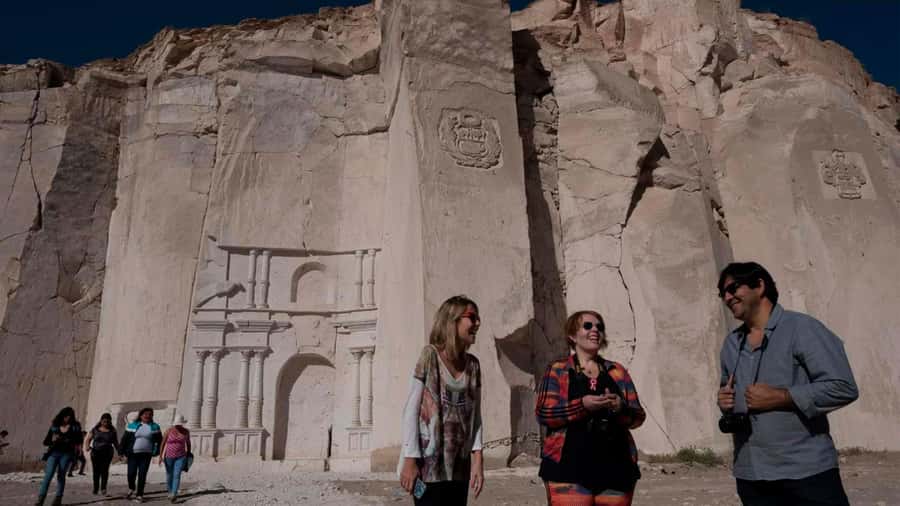
- At Añashuayco, the ashlar quarry stop
- The 30-minute walk to Culebrillas Canyon
- Finding the Wari petroglyphs
- What the $35 price really covers
- Guide language and the quality of the explanation
- Timing, meeting point, and what to plan
- Who will enjoy this outing most
- Should you book the Sillar Route and Culebrillas Canyon tour?
- FAQ
- How long does the Sillar Route and Culebrillas Canyon tour last?
- What is included in the $35 price?
- Are entrance fees included?
- Where is the meeting point?
- Is hotel pickup available?
- What languages does the guide speak?
- Can I cancel for a full refund?
Key points to know before you go
- Volcanic ashlar comes from Arequipa’s surrounding volcanoes, then gets shaped by hand for regional buildings.
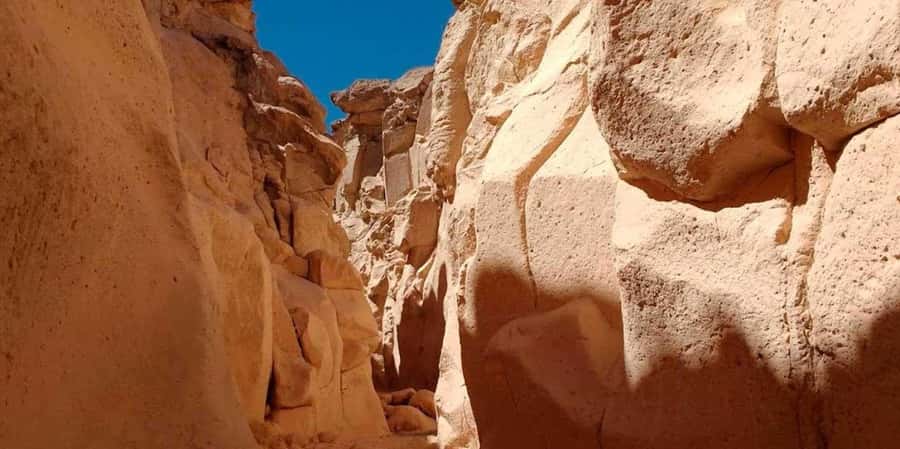
- Culebrillas Canyon has walls 15 to 20 meters high, with a walk between the narrow rock faces.
- Wari petroglyphs are more than a millennium old, though their meaning remains unknown.
- The tour lasts four hours, with transport by bus or minibus depending on group size.
- The listed price excludes S/15 in entrance fees, made up of S/10 for Añashuayco Quarries and S/5 for Culebrillas Quarries.
- You need English or Spanish guiding, and the meeting point is at Arequipa Cathedral between 1:45 and 1:55 PM.
Why Arequipa’s white stone matters
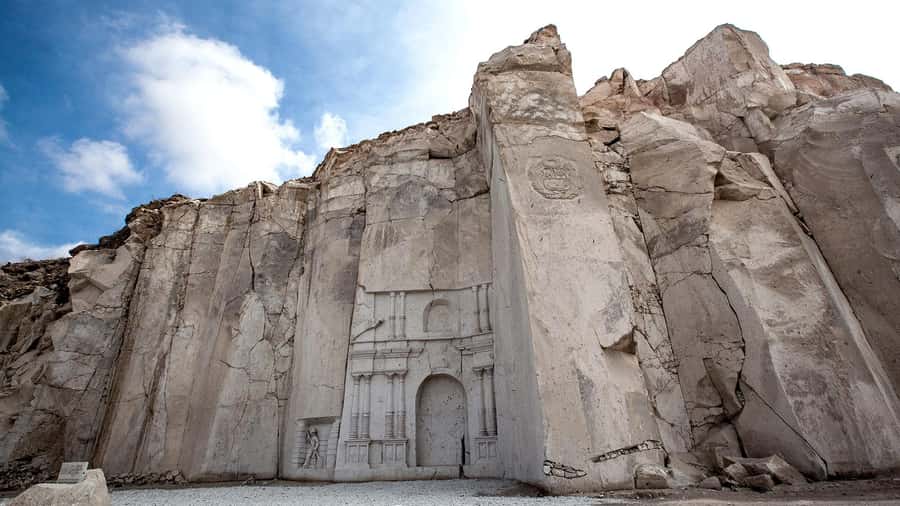
Arequipa is famous for its pale buildings, and the reason is not simply a taste for clean-looking architecture. The local ashlar, called sillar, comes from volcanic lava produced by the volcanoes around the region. Once cooled and cut, this light stone became a defining material for local construction.
At the quarries, you learn that sillar is not a material to rush. The stone requires careful manual work because careless handling can cause it to break. Stonemasons carve it into blocks used in the traditional buildings of Arequipa, connecting the city’s streets with the volcanic forces outside town.
That connection is the strongest idea behind the tour. You are not only looking at a quarry. You are seeing the source of a material that helped shape Arequipa’s appearance.
Still, keep your expectations measured. The tour description presents the quarries as a place to learn about the craft, but the available feedback points to a real weakness: the visit may not include working artisans. If watching the carving process is your main reason for booking, ask the operator before paying whether stonemasons will be present during your departure.
A few more Arequipa trips worth lining up side by side
- 2 day 1 night trek / Colca Canyon
★ 5.0 · 1,069 reviews - From Arequipa: Colca Canyon Full-Day Guided Tour with Meals
★ 4.5 · 982 reviews - Tour to the Salinas Lagoon and National Reserve in Arequipa
★ 4.5 · 548 reviews
The afternoon pickup and ride toward Uchumayo
The day begins with pickup at your hotel in Arequipa at a preferred time, according to the tour information. The route then follows Uchumayo road toward the ashlar quarries.
There is also a stated meeting point at the door of the Cathedral on the Main Square, with arrival required between 1:45 and 1:55 PM. Because the information mentions both hotel pickup and a central meeting point, I would confirm the exact pickup arrangement before the day of the tour. That small check can prevent an awkward wait in the wrong place.
Transport is by bus or minibus, based on the size of the group. The vehicle type matters less than the group size, since a small minibus usually means a more personal outing while a larger bus can make loading and timing slower. No group-size limit is provided, so ask if that affects your decision.
The tour returns you to the center of Arequipa after roughly four hours. The stated end point is near the Plaza de Armas, which is useful if you want to continue sightseeing or find dinner without arranging another ride.
At Añashuayco, the ashlar quarry stop
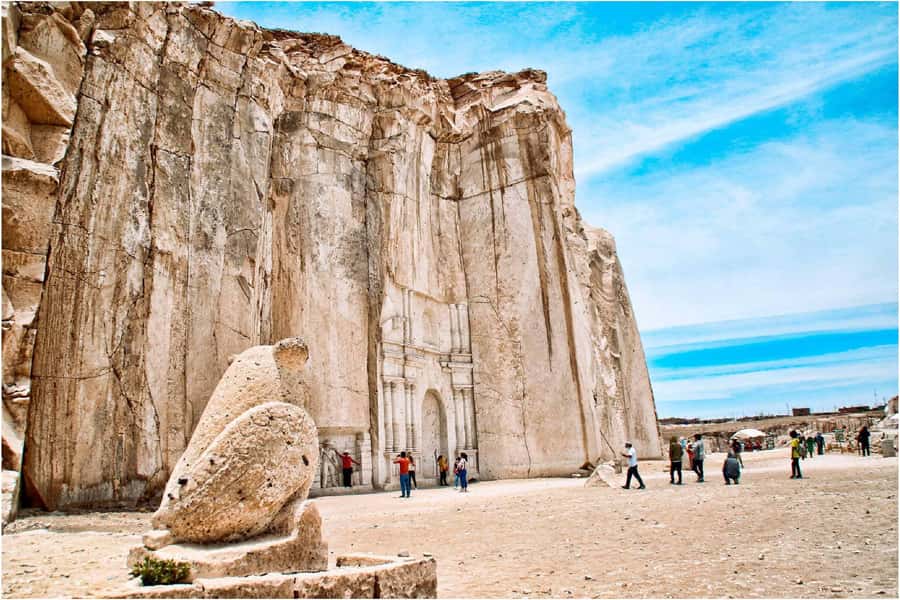
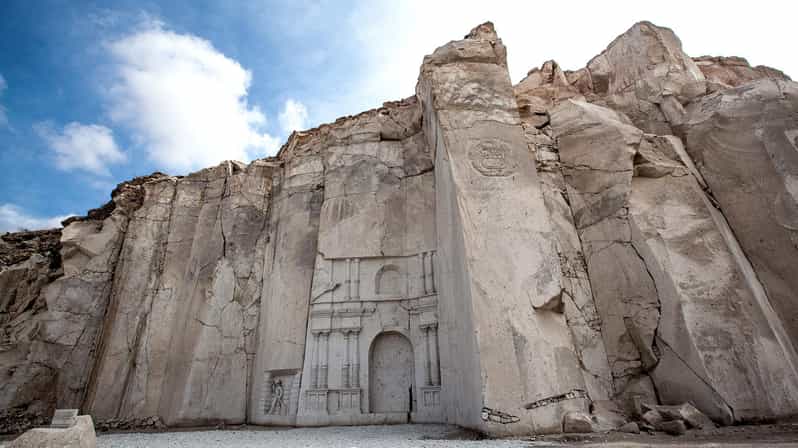
The first main stop is the Añashuayco Quarries. Here, the guide explains the work of the stonemasons and the origin of the sillar.
The most interesting part is the contrast between the stone’s rough beginning and its polished role in the city. A block that looks plain at the quarry can become part of a church, courtyard, or other regional construction after careful cutting. The work is manual and precise, not a quick industrial process.
The tour is best for you if you enjoy seeing how a local building material is made and used. It gives physical meaning to Arequipa’s pale architecture. After visiting the quarry, you can look at the city’s white stone buildings with a better sense of where the material began.
The weak point is the guide’s presentation. A verified three-star review reported that the quarry had no visible artisans and offered only sparse information about how the stone is worked and what makes the material special. That does not mean every departure will be identical, but it is a clear warning about the experience you may receive.
I would treat this stop as an introduction to the sillar industry rather than a guaranteed live craft demonstration. If the supplier confirms that artisans will be working on the day you visit, the stop becomes more valuable. If not, you will mainly see the quarry setting and hear an explanation of the stone.
The entrance fee here is S/10 per person, paid separately from the $35 tour price. Keep that extra cost in mind when comparing this outing with other Arequipa activities.
The 30-minute walk to Culebrillas Canyon
After the quarry visit, you walk for about 30 minutes to reach Culebrillas Canyon. This link between the two stops is worth noting because the tour is not entirely vehicle-based.
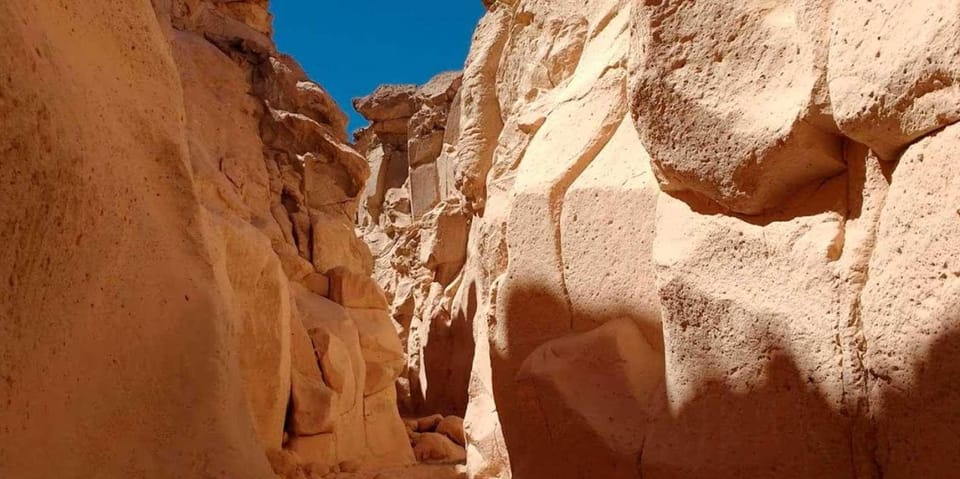
The walk leads to a gorge shaped by nature and the passage of water. Its walls rise between 15 and 20 meters, creating a more enclosed setting than the open quarry. You walk between the rock faces and have time to take photographs.
The canyon gives the afternoon a useful change of pace. The quarry is about human labor and volcanic material. Culebrillas is about erosion, narrow walls, and marks left by earlier people. The two places work well together because they show different ways the region has been shaped.
You should be comfortable with a 30-minute walk before booking. The available details do not give a difficulty rating, trail surface, or accessibility information, so I would not assume the route suits every mobility level. If you need specific walking assistance, ask the provider first.
The tour also includes entrance to the Culebrillas Quarries, but the fee is separate at S/5 per person. Along with the S/10 Añashuayco charge, the known extra entrance cost is S/15 per person.
Also leaving from Arequipa, and nothing like the above:
- From Arequipa: Sillar Route Trek
★ 4.2 · 461 reviews - Colca Full Day Tour
★ 4.5 · 429 reviews - Rafting Arequipa – Chili River Canoeing – Cusipata Rafting Arequipa
★ 5.0 · 332 reviews - Arequipa: Chili River White Water Rafting with Hotel Pickup
★ 4.8 · 329 reviews
Finding the Wari petroglyphs
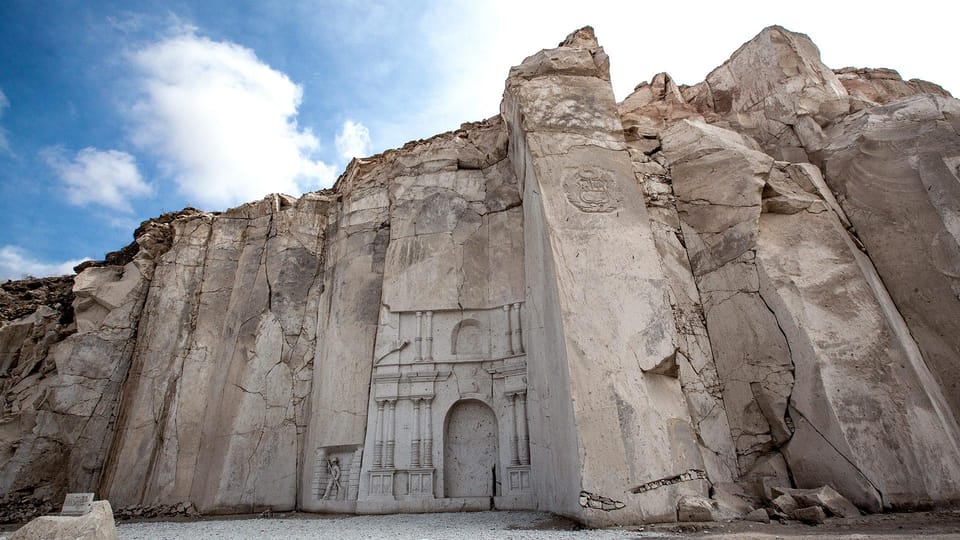
The canyon’s most unusual feature is its ancient rock art. You can see petroglyphs linked to the Wari culture, created more than a thousand years ago. These symbols were engraved into the rock, but their meaning remains unknown.
That uncertainty is part of the appeal. You are not looking at a fully explained display in a museum. You are seeing marks whose original purpose and message have not been settled. The guide can provide context in English or Spanish, but the supplied information does not promise a long archaeological lecture or a confirmed interpretation of each symbol.
Take your time here. The petroglyphs may be the most memorable part of the outing for anyone interested in archaeology, ancient cultures, or unusual details that are easy to miss. You will also want your camera ready, since the canyon walls and rock markings provide the main photo opportunities of the second half.
Because no exact petroglyph location or viewing distance is provided, do not expect every symbol to be immediately obvious. Stay close to the guide and listen for directions about where to look. The meaning is still an enigma, but the setting gives the marks their force.
What the $35 price really covers
At $35 per person, the tour offers a fairly simple half-day package. You get hotel pickup, transport, a live guide in English or Spanish, the quarry and canyon visits, and a return transfer to central Arequipa.
The price does not include food, travel insurance, or the two entrance fees. The extra S/15 is modest, but it should be added to your mental budget. Since the tour lasts four hours, food is not a major concern for the outing itself, though you may want to eat before pickup or plan a meal after returning near the Plaza de Armas.
The value depends on what you want from the quarry. If you want a convenient way to combine volcanic stone, a canyon walk, and Wari petroglyphs, the price is sensible. You avoid arranging separate transport and receive a bilingual guide.
If you mainly want to watch traditional stone carving in action, the value is less certain. The reported lack of artisans and limited explanation make that part dependent on the day’s conditions and the guide’s presentation. I would book for the combination of places, not for a guaranteed hands-on craft demonstration.
Guide language and the quality of the explanation
The tour is offered with a live guide who speaks English and Spanish. That makes it practical for visitors who do not speak Spanish, especially at the quarry where technical words about volcanic stone and carving can be hard to follow.
Good guiding matters here because the sites do not explain themselves. A quarry can look like a pile of pale rock unless someone explains its volcanic origin, the manual shaping process, and its connection to Arequipa’s buildings. The Wari petroglyphs also benefit from context, even when no one can give a final answer about their meaning.
The available rating is 3.7 from four reviews, a small sample that suggests a mixed rather than uniformly strong experience. The detailed criticism focused on the quarry explanation, not on the canyon or the transport. That distinction matters. You may find the canyon more satisfying than the first stop if your guide gives only a short account of the stonework.
A useful question before departure is simple: Will a stonemason be working at Añashuayco during this visit, and how much time will the guide spend explaining the carving process? The answer will help you decide if the tour matches your priorities.
Timing, meeting point, and what to plan
The official meeting point is the Cathedral Door on Arequipa’s Main Square. You should arrive between 1:45 and 1:55 PM. The narrow ten-minute arrival window means you should not cut it close.
At the same time, hotel pickup is included, so confirm whether your hotel is on the pickup route or whether you must go to the Cathedral. This is especially important because the tour information presents both options.
The full activity lasts four hours. Starting in the afternoon means you should plan your morning separately, perhaps for the Santa Catalina Monastery, the Plaza de Armas, or another central sight, though the tour itself does not include those places.
You return near the Plaza de Armas rather than necessarily to your hotel. That is convenient for a meal or evening walk, but you should not assume a hotel drop-off at the end. The included return transfer is to the center of Arequipa.
Cancellation is free up to 24 hours before departure, and you can reserve while paying later. Those terms are useful if your schedule in Arequipa is still moving, though they do not change the need to confirm pickup details.
Who will enjoy this outing most
I would recommend this tour to you if you want a short excursion outside the city that combines geology, local building traditions, and archaeology. It suits people who like seeing the source of a material rather than only admiring the finished buildings.
It also works for photographers. Culebrillas offers tall canyon walls, narrow passages, and ancient rock markings, while the quarry provides a different set of textures and shapes.
This may not be the best choice if you need a detailed workshop or guaranteed contact with craftsmen. The quarry visit can feel thin if no artisans are present and the guide gives little information. You should also ask about walking conditions if a 30-minute walk is a concern.
Families and casual sightseers may appreciate the four-hour length, but the available information does not provide a minimum age, accessibility details, or a trail difficulty rating. For those needs, get direct answers from Transporte Chullos Travel before booking.
Should you book the Sillar Route and Culebrillas Canyon tour?
Book it if you want an easy half-day combination of Arequipa’s volcanic stone quarries and a canyon with Wari petroglyphs. The transport, bilingual guide, central return point, and modest price make it practical, and Culebrillas gives the experience a memorable second half.
Approach the quarry with realistic expectations. Ask whether artisans will be working and whether the guide will explain the manual carving process in detail. If the answer is yes, this can be a strong value. If the answer is uncertain, book it for the canyon, petroglyphs, and broader view of Arequipa’s volcanic setting, not as a guaranteed working-stonemason visit.
FAQ
How long does the Sillar Route and Culebrillas Canyon tour last?
The tour lasts four hours.
What is included in the $35 price?
The price includes hotel pickup, transport by bus or minibus, a live English or Spanish-speaking guide, and return transfer to the center of Arequipa.
Are entrance fees included?
No. Entrance to the Añashuayco Quarries costs S/10 per person, and entrance to the Culebrillas Quarries costs S/5 per person.
Where is the meeting point?
The meeting point is at the Cathedral Door on the Main Square of Arequipa. You should arrive between 1:45 and 1:55 PM.
Is hotel pickup available?
Hotel pickup is included in the tour information. Since a central meeting point is also provided, confirm the exact pickup arrangement with the provider before departure.
What languages does the guide speak?
The live guide speaks English and Spanish.
Can I cancel for a full refund?
Yes. You can cancel up to 24 hours in advance for a full refund. You can also reserve now and pay later.
Added recently around Arequipa
- gazebos cannon of the coca★ 5.0 · 28 reviews
- Sillar Route★ 5.0 · 4 reviews
- Salinas Lagoon + Mini Volcano DE Lojen★ 5.0 · 9 reviews
- Full Day Tour To The Salt Lake Salinas in Arequipa★ 4.5 · 34 reviews
- 3-Day Colca Canyon trek with Professional Guide★ 5.0 · 40 reviews
- Trekking, Waterfalls and Thermal Baths★ 4.5 · 47 reviews
- Walking Tour Arequipa Including Santa Catalina Monastery★ 4.0 · 8 reviews
- Walking City tour including the Monastery of Santa Catalina★ 5.0 · 6 reviews
Arequipa Tours, compared.

Tour to the Salinas Lagoon and National Reserve in Arequipa
Read our review →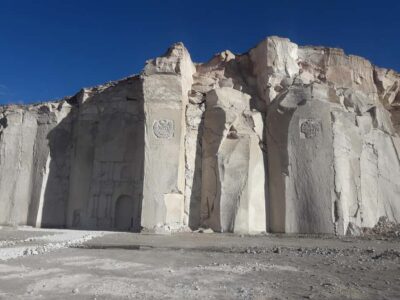
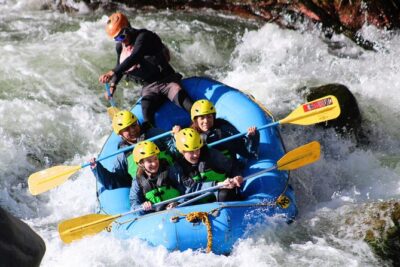
Rafting Arequipa – Chili River Canoeing – Cusipata Rafting Arequipa
Read our review →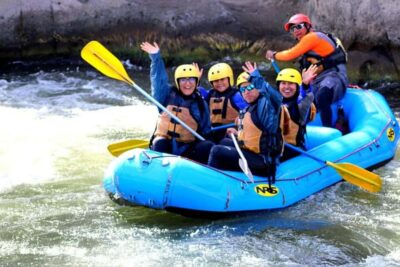
Chili River White Water Rafting with Hotel Pickup
Read our review →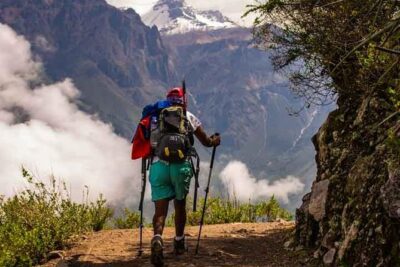
Browse the lists this tour appears in