
Reviewed · AREQUIPA TOURS
Arequipa | Tour of the Sillar Route + Culebrillas Canyon
Stone tells Arequipa’s story. This four-hour outing pairs the city’s famous white ashlar quarries with the narrow walls and ancient rock art of Culebrillas Canyon, giving you two very different sights outside the city. I like the chance to see traditional stone carving by hand, and I like that the tour reaches an archaeological site with petroglyphs rather than stopping at a photo viewpoint. The main concern is uneven tour communication, especially around pickup details.
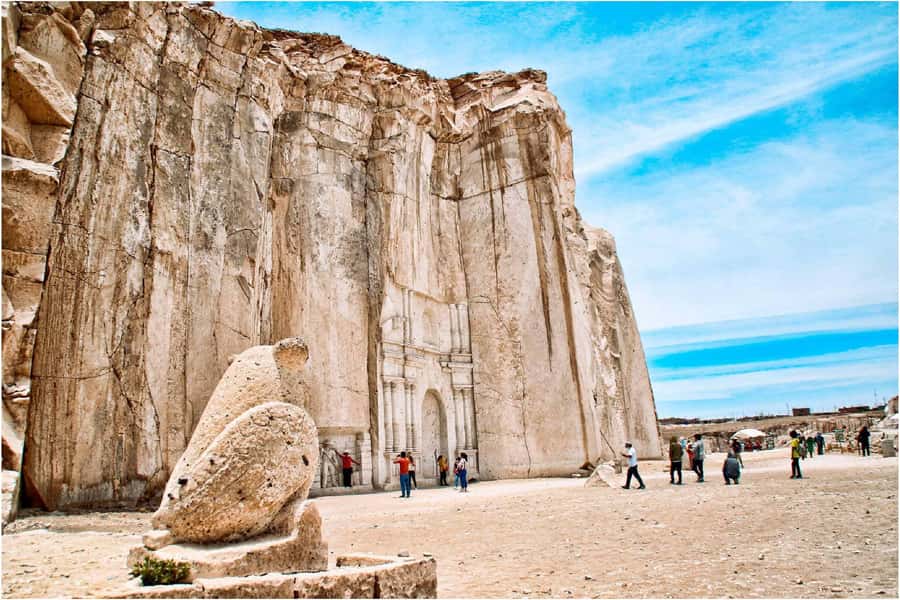
The quarry itself is more worksite than polished museum. You will see large cuts of volcanic stone, a few photo-friendly statues, and stonemasons shaping blocks with hand tools. Culebrillas is often the stronger stop for scenery and atmosphere, but the walking and rocky ground mean this is not a good fit if you have back trouble or use a wheelchair.
In This Review
- Key points to know before you book
- Why Arequipa’s white stone matters
- The 40-minute ride from Arequipa
- Walking through the Sillar Route quarry
- The half-hour route into Culebrillas Canyon
- Petroglyphs and a more rewarding sense of place
- What the $20 price really covers
- Timing, comfort, and who should take it
- Should you book the Sillar Route and Culebrillas Canyon?
- FAQ
- How long does the Sillar Route and Culebrillas Canyon tour last?
- Where does pickup take place?
- Where does the tour finish?
- How much does the tour cost?
- Are entrance fees included?
- What languages does the guide speak?
- How do you reach the Sillar Route?
- Is there walking at Culebrillas Canyon?
- Is the tour suitable for wheelchair users?
- Can people with back problems take this tour?
Key points to know before you book
- The ashlar comes from volcanic lava: Arequipa’s pale building stone was formed by volcanic activity from the peaks around the city.
- Hand tools matter: The stone can break if handled too aggressively, so the local craft depends on careful manual carving.
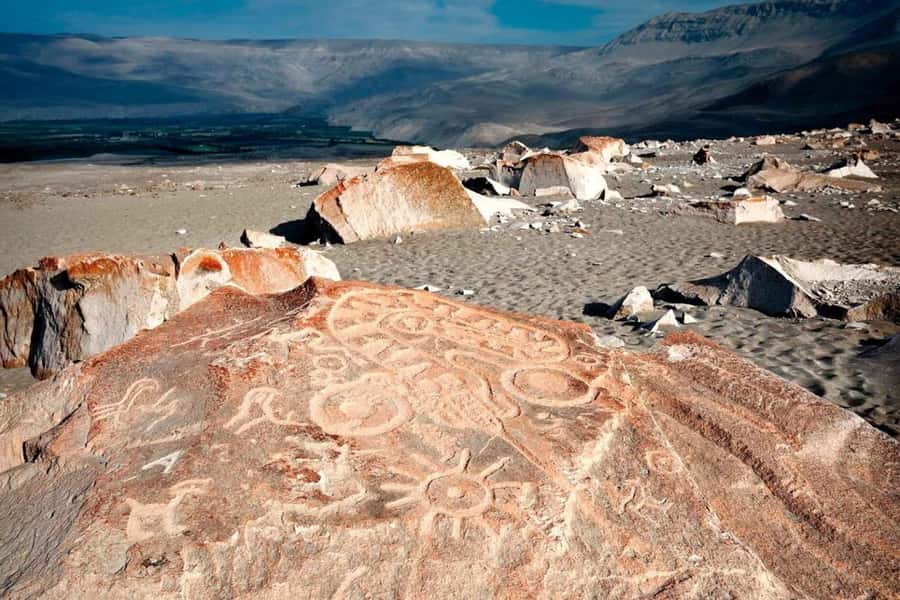
- Culebrillas adds the archaeology: The canyon contains millenary petroglyphs carved into its rock walls.
- The canyon walls reach 15 to 20 meters: You walk through a narrow ravine shaped by nature and water.
- The advertised price is low: At $20 per person, the tour includes transport, a guide, and hotel pickup, but the two entry fees are extra.
- Allow time for pickup uncertainty: Pickup is supposed to be available at hotels in Arequipa, yet communication problems have caused trouble for some bookings.
Why Arequipa’s white stone matters
Arequipa is famous for its pale buildings, churches, courtyards, and carved facades. Much of that visual character comes from sillar, also called ashlar, a light volcanic stone quarried in the region.
The stone began as lava from volcanoes surrounding Arequipa. Over time, volcanic material hardened into the blocks that local masons learned to cut and shape. The result is not simply a useful building material. It is one of the clearest links between Arequipa’s natural setting and its architecture.
The route gives you a look at that process at its source. You are not only seeing finished walls in the historic center. You are going out to the quarries and learning how the raw stone becomes a construction block.
That connection is the best reason to visit. If you only want dramatic views or a large archaeological complex, this may feel modest. If you want to understand why Arequipa looks the way it does, the quarry makes the city’s architecture easier to appreciate.
A few more Arequipa trips worth lining up side by side
- 2 day 1 night trek / Colca Canyon
★ 5.0 · 1,069 reviews - From Arequipa: Colca Canyon Full-Day Guided Tour with Meals
★ 4.5 · 982 reviews - Tour to the Salinas Lagoon and National Reserve in Arequipa
★ 4.5 · 548 reviews
The 40-minute ride from Arequipa
Pickup is offered from the Historical Centre of Arequipa, including the Plaza de Armas area. The activity information says hotel pickup is included, and you are asked to wait in the lobby from 10 minutes before the scheduled time.
The ride toward Uchumayo takes about 40 minutes by bus or minibus. That transfer is useful because it puts the quarry outside the city into context, but it also takes a meaningful part of a four-hour tour. With the return included, you have roughly three hours at the main sites, depending on traffic and the pace of the group.
The transport is practical rather than luxurious. For $20, that is a fair trade. You are paying for a short guided outing with transfers, not a private vehicle or a full-day excursion.
Pickup deserves extra care. The published details say pickup is included at any hotel in Arequipa, but at least one booking reported that the operator did not actually collect from every hotel and that the pickup point was unclear. Other complaints involved unanswered phone calls and late confirmation.
I would not wait until the morning of the tour to sort this out. Confirm the exact pickup location and time in advance, and keep the booking platform’s support contact handy. The low price is attractive, but reliable communication matters when you are standing in a hotel lobby with a bus supposedly on its way.
Walking through the Sillar Route quarry
The first major stop is the Ruta del Sillar, where a guide explains the work of the stonemasons. This trade has been practiced for generations, and the key lesson is that the stone must be worked with care.
The ashlar cannot simply be attacked with heavy machinery or rough blows. The description of the tour explains that the stone may break if handled incorrectly, so the masons carve it by hand. That detail changes how you view the quarry. What may first look like piles of pale rock becomes a place where patience and technique shape every usable block.
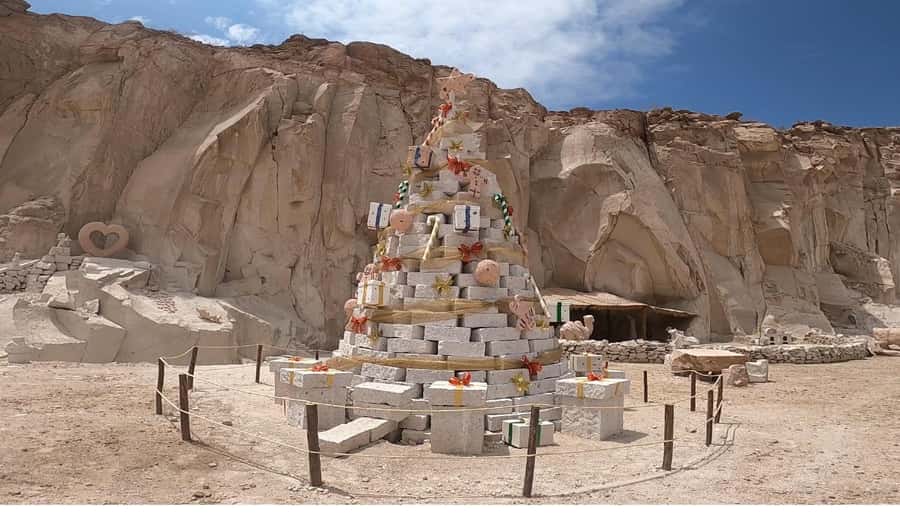
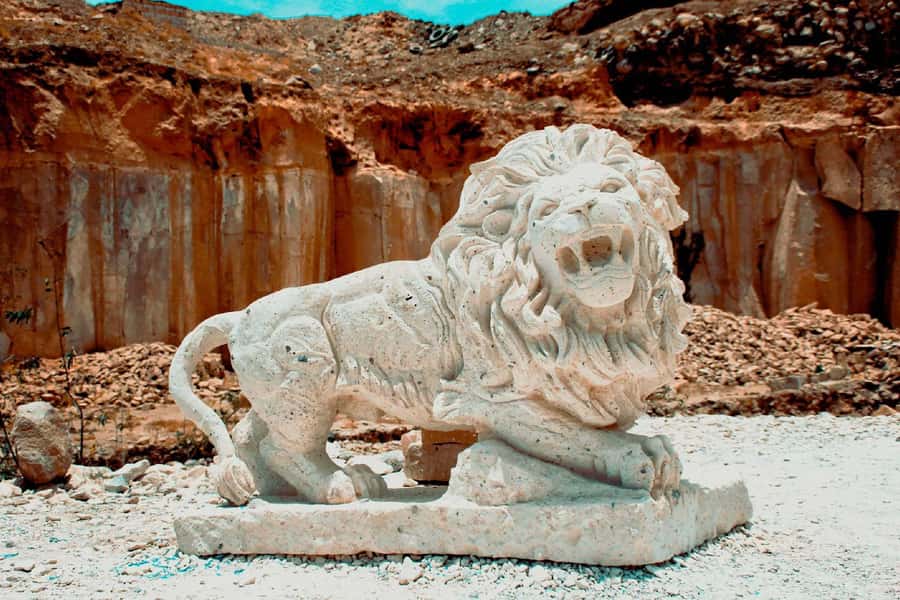
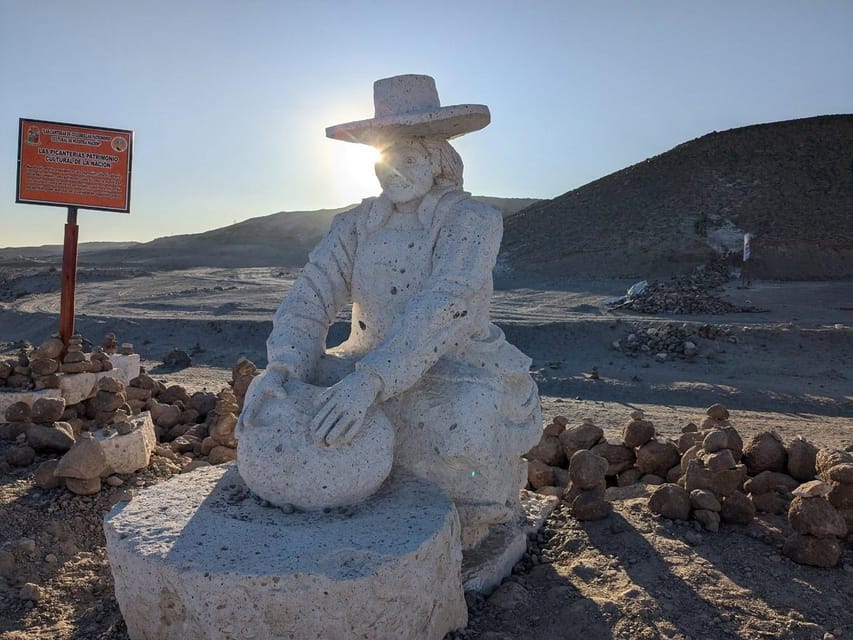
You should expect a working quarry, not a large interpretive center. One recent assessment described the road as mainly a big quarry with a few statues made for photographs, with little in the way of panels or demonstrations. That is a fair warning. The guide’s explanation carries much of the educational value.
For some people, the quarry will feel too plain. There are no promises of an extensive museum, formal exhibits, or a long presentation by individual artisans. If your interest is mainly in taking pictures beside carved figures, you can do that here, but the photo props are not the main cultural story.
I would focus on the stone itself and the method of carving. Look at the pale color, the cut surfaces, and the difference between rough material and finished blocks. Listen closely to the guide, since the live explanation fills in what the site does not provide on its own.
The quarry visit lasts about three hours within the main portion of the outing, though that time also includes the transition toward Culebrillas and free time. The exact balance may depend on the group and the guide. A friendly, enthusiastic guide can make the quarry much more engaging, and one highly positive booking specifically praised the guide’s warmth and energy.
The half-hour route into Culebrillas Canyon
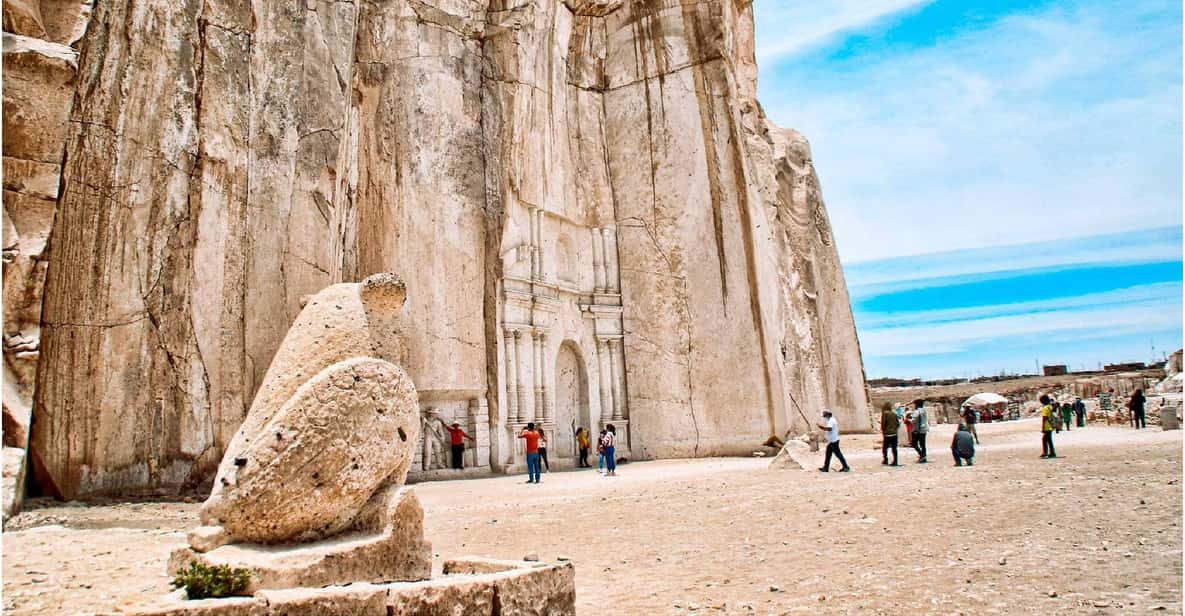
After the quarry, the tour continues to Culebrillas Canyon. The description says you walk for about 30 minutes to reach the canyon, while the schedule also lists a 30-minute bus or coach transfer. That difference is worth clarifying before you go, because it affects footwear, comfort, and how much walking you should expect.
The canyon was formed by natural forces and the passage of water. Its rocky walls rise about 15 to 20 meters, creating a narrow route between stone surfaces. The scale is more intimate than grand. You are moving through a ravine rather than looking at a huge open valley.
This is the part I would expect to be most rewarding for people who prefer natural settings to staged photo stops. The rock walls give the walk a sense of discovery, and the route provides clear picture opportunities. You should still watch your footing. The tour is not suitable for wheelchair users, and anyone with back problems may find the rough ground uncomfortable.
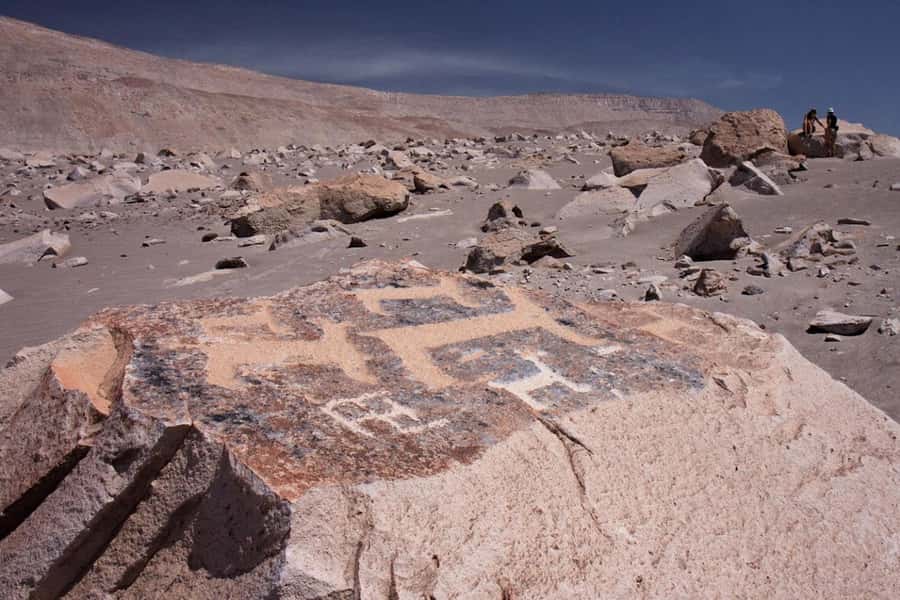
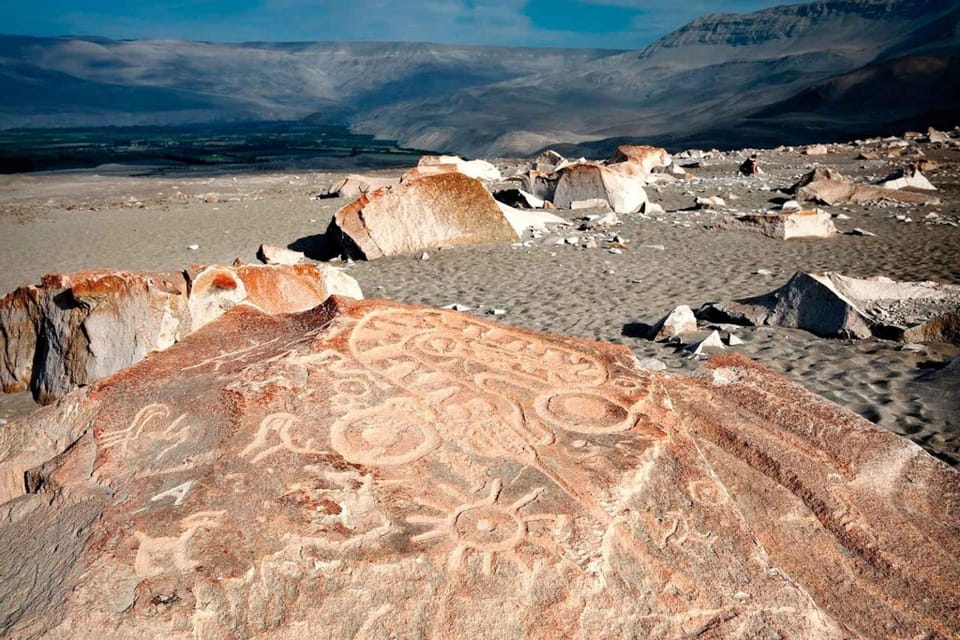
Culebrillas also supplies the historical layer that the quarry lacks. The walls contain petroglyphs, symbols cut into the rock many centuries ago. Their meaning remains uncertain, which gives the site a quiet mystery without requiring a dramatic explanation.
Look carefully at the stone rather than rushing through for one wide photograph. The carvings may not be obvious at first, and the guide’s help is important in pointing them out. Since there are no detailed interpretive panels promised at the quarry, it is especially useful to ask questions during the canyon visit.
Also leaving from Arequipa, and nothing like the above:
- From Arequipa: Sillar Route Trek
★ 4.2 · 461 reviews - Colca Full Day Tour
★ 4.5 · 429 reviews - Rafting Arequipa – Chili River Canoeing – Cusipata Rafting Arequipa
★ 5.0 · 332 reviews - Arequipa: Chili River White Water Rafting with Hotel Pickup
★ 4.8 · 329 reviews
Petroglyphs and a more rewarding sense of place
The rock art gives Culebrillas a stronger sense of age than the quarry. The sillar site shows an active craft tradition. The canyon shows marks left by people long ago, with their original purpose still uncertain.
That combination works well. In the morning, you see how people shape volcanic stone for buildings. Later, you see how earlier people marked natural stone surfaces. One stop is about a living trade, the other about an archaeological record.
Do not expect a major archaeological park with extensive ruins or a large collection of objects. The attraction is the setting and the carved symbols. The pleasure comes from noticing small details in the canyon walls, not from ticking off a long list of monuments.
Some feedback has suggested that Culebrillas alone may be the more interesting part of the outing. I can understand that view. The canyon offers rock walls, walking, and petroglyphs, while the quarry can feel like a plain industrial site with limited explanation beyond the guide’s talk.
Still, combining them makes sense if you have a half-day available. The two stops are close enough to fit together, and the quarry explains a material that defines central Arequipa. I would choose the combined tour if you want context. I would look for a canyon-only option if you already know that construction materials and craft demonstrations do not interest you.
What the $20 price really covers
At $20 per person, this is one of the easier Arequipa excursions to fit into a budget. The price includes transport by bus or minibus, a Spanish and English-speaking guide, pickup, and return to central Arequipa.
The two admission charges are extra:
- Ashlar stone quarry: 5 soles, listed as about $1.30
- Culebrillas Canyon: 5 soles, listed as about $1.30
That adds 10 soles per person, or roughly $2.60 based on the listed conversion. The total remains reasonable for a four-hour outing with transportation.
The value depends on your expectations. It is good value if you want a short orientation to sillar and a guided look at Culebrillas without arranging separate transport. It is weaker value if you expect a polished attraction with extensive displays, formal demonstrations, or highly reliable pre-tour communication.
The low cost also explains why the tour feels basic. You are getting a simple shared excursion, not a private specialist visit. That is fine for many people. Just know that the guide is doing much of the work, and the physical sites themselves are not heavily developed for tourism.
Timing, comfort, and who should take it
The outing lasts four hours and returns you to central Arequipa, ending near the Plaza de Armas. That makes it easy to pair with a later city activity, though you should leave some flexibility in case pickup or road conditions delay the schedule.
Wear shoes suited to uneven ground. The canyon section includes a walk through rocky terrain, and the tour is not suitable for wheelchair users or people with back problems. The supplied information does not give a temperature forecast or clothing list, so check the day’s conditions before leaving.
I would recommend this for:
- First-time visitors who want a short introduction to sillar
- People interested in traditional manual crafts
- Anyone who enjoys modest archaeological sites and rock art
- Budget-conscious visitors who want transport included
- Photographers looking for pale stone, canyon walls, and carved rock
I would be more cautious if you want a major archaeological attraction, a long hands-on demonstration, or a carefully managed premium tour. The quarry may feel under-explained, and communication before pickup has been a real weak point.
The guide can make a large difference. One especially positive booking praised a friendly and enthusiastic female guide and the beauty of the setting. That praise points to the tour’s best quality: with a good guide, a simple quarry and a quiet canyon become much more meaningful.
Should you book the Sillar Route and Culebrillas Canyon?
Book it if you want an inexpensive half-day outing that connects Arequipa’s volcanic stone, local masonry, canyon scenery, and ancient rock art. The price is fair, the route is varied, and Culebrillas adds substance beyond the usual photo stop.
I would book with two conditions. First, confirm the pickup point and timing before the day of departure. Second, keep your expectations realistic about the quarry. It is a working stone site with limited interpretation, not a major museum.
If the canyon and petroglyphs are your priority, ask how much time will be spent there. If the operator cannot give a clear answer, a canyon-focused trip may suit you better. If you are happy with a basic guided excursion and want to understand the white stone in Arequipa’s buildings, this $20 tour is a sensible choice.
FAQ
How long does the Sillar Route and Culebrillas Canyon tour last?
The tour lasts four hours, including transportation from Arequipa and the return to the city center.
Where does pickup take place?
Pickup is offered from hotels in Arequipa, with the Historical Centre and Plaza de Armas listed as pickup options. You should wait in the hotel lobby from 10 minutes before the scheduled time.
Where does the tour finish?
The excursion finishes near the Plaza Mayor, also known as the Plaza de Armas, in central Arequipa.
How much does the tour cost?
The listed price is $20 per person.
Are entrance fees included?
No. The ashlar stone quarry costs 5 soles per person, and Culebrillas Canyon costs another 5 soles per person.
What languages does the guide speak?
The tour provides a live guide in English and Spanish.
How do you reach the Sillar Route?
The transfer from Arequipa to the route takes about 40 minutes by bus or coach.
Is there walking at Culebrillas Canyon?
Yes. The tour description includes a walk of about 30 minutes to the canyon. The schedule also lists a 30-minute bus or coach transfer, so confirm the exact arrangement before departure.
Is the tour suitable for wheelchair users?
No. The activity is not suitable for wheelchair users.
Can people with back problems take this tour?
The activity is not recommended for people with back problems because of the walking and rocky canyon route.
Added recently around Arequipa
- gazebos cannon of the coca★ 5.0 · 28 reviews
- Sillar Route★ 5.0 · 4 reviews
- Salinas Lagoon + Mini Volcano DE Lojen★ 5.0 · 9 reviews
- Full Day Tour To The Salt Lake Salinas in Arequipa★ 4.5 · 34 reviews
- 3-Day Colca Canyon trek with Professional Guide★ 5.0 · 40 reviews
- Trekking, Waterfalls and Thermal Baths★ 4.5 · 47 reviews
- Walking Tour Arequipa Including Santa Catalina Monastery★ 4.0 · 8 reviews
- Walking City tour including the Monastery of Santa Catalina★ 5.0 · 6 reviews
Arequipa Tours, compared.

Tour to the Salinas Lagoon and National Reserve in Arequipa
Read our review →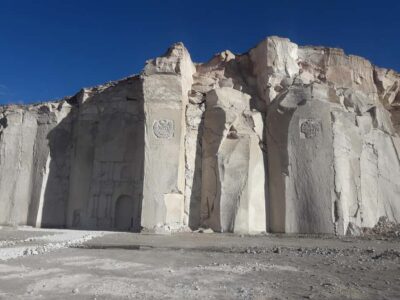

Rafting Arequipa – Chili River Canoeing – Cusipata Rafting Arequipa
Read our review →
Chili River White Water Rafting with Hotel Pickup
Read our review →
Browse the lists this tour appears in