
Reviewed · MUSEUMS
City Tour in Cusco & visit Museum South American Camelid Private.
Start with stones, end with alpacas. This six-hour private tour links Cusco’s main Inca sites with the Qorikancha temple and a South American camelid farm. I like the private transport and flexible pace, and I also like the way the guides add stories and cultural details beyond the usual dates. The main caution is that entrance fees are not included, and guide quality can vary, especially for English-speaking groups.
The tour costs $49.40 per person and is rated 4.9 out of 5, with 96 percent of customers recommending it. That is fair value for a private vehicle, a private guide, and a full circuit outside central Cusco, but you should confirm your pickup point and language needs before you go.
In This Review
- Six useful things to know before booking
- Why this private Cusco circuit works well
- Plaza de Armas: a quick start in the city center
- Qorikancha: where Inca and colonial Cusco meet
- Sacsayhuaman: the site that earns the extra drive
- Q’enqo: carved stone and uncertain purpose
- Manos de la Comunidad: alpacas, llamas, and Andean fiber
- Puka Pukara: a small fortress above the road
- Tambomachay: water still flowing through Inca stonework
- What the guide and driver add to the day
- Price, tickets, timing, and altitude
- Who should book this Cusco experience?
- Should you book it?
- FAQ
- Where does the tour take place?
- How long does the tour last?
- Is this a private tour?
- What sites are included?
- Is hotel pickup included?
- Are entrance tickets included?
- What can you see at the camelid farm?
- Can most people participate?
- What is the cancellation policy?
- How much does the tour cost?
Six useful things to know before booking
- This is mainly an archaeological tour outside Cusco: The route focuses on Qorikancha, Sacsayhuaman, Q’enqo, Puka Pukara, and Tambomachay, with only a short stop in the Plaza de Armas.
- The private format gives you control: Families and small groups can often adjust the timing, and one group was able to change the final stop to include more time in Cusco’s main square.
- The camelid visit is more than a photo stop: You can see alpacas, llamas, guanacos, and vicuñas, learn about their fiber, and watch local weaving.
- Sacsayhuaman is the visual high point: Its huge fitted stones and broad views make it the site most likely to stay with you.
- Entrance tickets cost extra: The tour price covers transport and guiding, not archaeological site admissions or Qorikancha entry.
- Ask for a clear English-speaking guide: Several guides received high praise, but two customers found their guide difficult to understand.
Why this private Cusco circuit works well
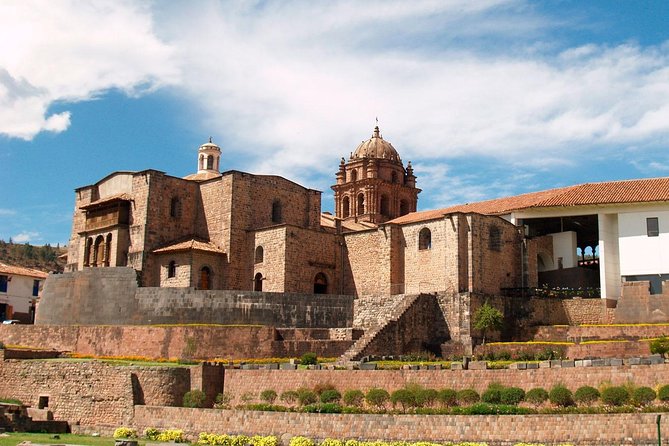
Cusco can feel like a puzzle at first. Colonial churches sit on Inca foundations, narrow streets rise and fall without warning, and the major ruins are spread across the hills above town. This tour gives you a practical first look without asking you to arrange taxis, tickets, and directions on your own.
The route is especially useful early in a Peru trip. You get the city center, a major Inca temple, four archaeological sites, and a quick introduction to Andean animals and textiles in about six hours. It is not a slow museum day. It is a broad orientation with plenty of outdoor walking and short stops.
I like the private setup for families, couples, and small groups with different energy levels. A private guide can spend longer at Sacsayhuaman if the stones grab you, or move along if altitude or weather begins to wear you down.
The tradeoff is depth. You visit many places, but the time at each site is limited. If you want a careful archaeological study of every wall and carving, you may find the schedule brisk. If you want to understand how the sites fit together, the pace makes sense.
More City Tours in Cusco
- Cusco: Half-Day City Tour with Sacsayhuaman and Q’enco
★ 4.6 · 1,129 reviews - City Tour Cusco Qoricancha Sacsayhuaman y Tambomachay
★ 4.7 · 617 reviews - Cusco City Tour Four Ruins in Half-Day
★ 5.0 · 530 reviews
Plaza de Armas: a quick start in the city center
The tour begins at Cusco’s Plaza de Armas, the city’s grand central square and the former heart of the Inca capital. You have about 15 minutes here, enough to get oriented and take in the colonial arcades, churches, and the square’s place in Cusco’s long story.
This is more of a starting point than a full walking tour. If you want time for the cathedral, side streets, markets, or nearby churches, say so when arranging the tour. One private group was able to add a main-square visit at the end, which shows why it is worth asking about small changes.
The short stop also helps you understand the tour’s focus. Despite the city-tour name, most of the day takes place at ruins above and beyond the central square.
Qorikancha: where Inca and colonial Cusco meet
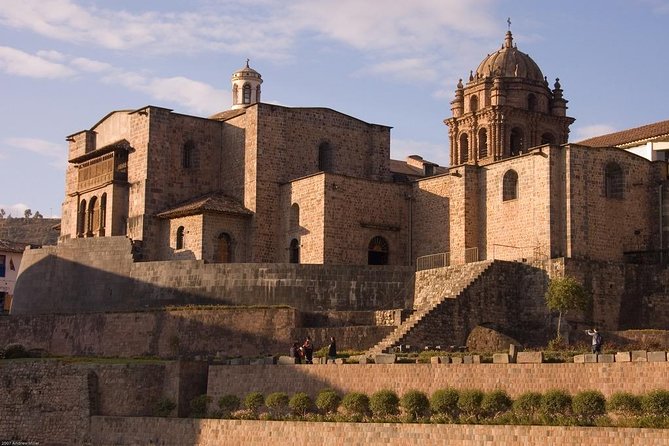
Qorikancha, also called the Temple of the Sun, is one of the most important stops because it shows the collision and combination of two building traditions. The Inca temple once held great religious importance, while the colonial structure built over it reveals how Spanish Cusco was placed directly on top of the Inca capital.
You have around 45 minutes here. That is enough time for a guide to explain the temple’s former importance, point out the careful Inca stonework, and help you read the building as both an archaeological site and a colonial one.
The famous golden past of Qorikancha is part of the story, but the surviving stonework is the real reason to pay attention. Look closely at the joints between stones. The precision is easy to miss if you simply walk through taking pictures.
Entry is not included, so budget separately for the ticket. The tour price is easier to judge once you add the entrance costs to your total.
Sacsayhuaman: the site that earns the extra drive
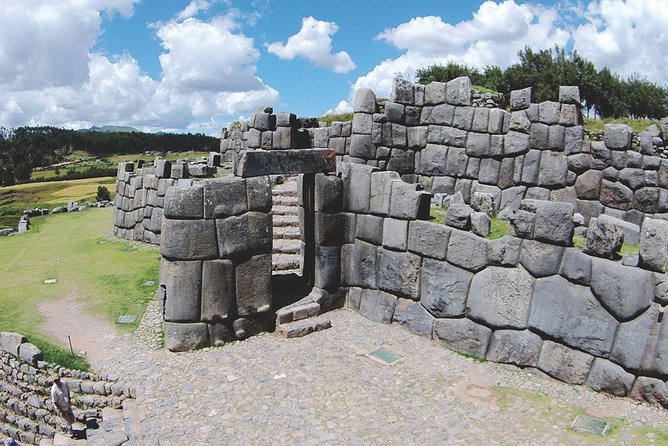
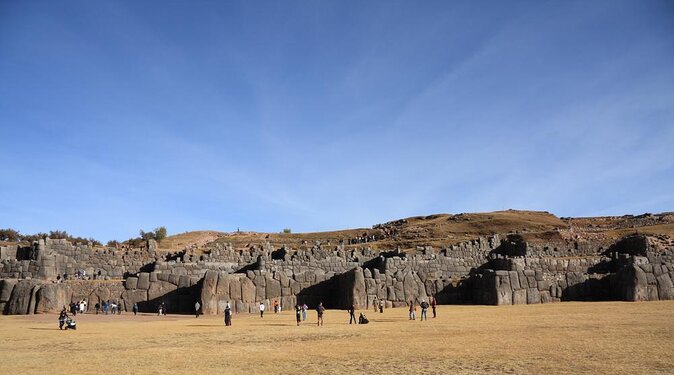
Sacsayhuaman is the star of this circuit. Its immense stone walls rise above Cusco, and the scale of the masonry gives you a better sense of Inca engineering than almost any quick stop in the city.
You have about 45 minutes here. The guide’s role matters a great deal. A good guide can explain the site’s strategic and military purpose, point out the shape and placement of the stones, and connect the ruins to Cusco below.
Several guides received strong praise for making these sites easier to understand. Americo, who is also described as an anthropologist, was especially appreciated for adding spiritual and cultural context. Other highly praised guides included Christian, Juan Vargas, Percy, Amadeo, Alvie, Rosa, and Johnathan Flores.
The site is outdoors, exposed, and above the city. You may find the altitude more noticeable here, particularly if you have just arrived in Cusco. One guide was praised for watching for altitude-related problems and offering useful advice, but you should still set your own pace and tell the guide if you feel unwell.
Sacsayhuaman is also where the private format has the clearest value. You can pause for photographs, ask about the masonry, and avoid being pushed along with a large group.
More museums worth an hour in Cusco:
- City Tour in Cusco & visit Museum South American Camelid
★ 4.5 · 80 reviews - Full-Day Tour to Sacred Valley: Ollantaytambo, Chinchero, Yucay Museum and Lunch
★ 4.5 · 11 reviews - Skip the Line: Larco Museum Admission Ticket
★ 5.0 · 659 reviews - Experience Lima: Gastronomic Evening at Larco Museum
★ 4.5 · 95 reviews
Q’enqo: carved stone and uncertain purpose
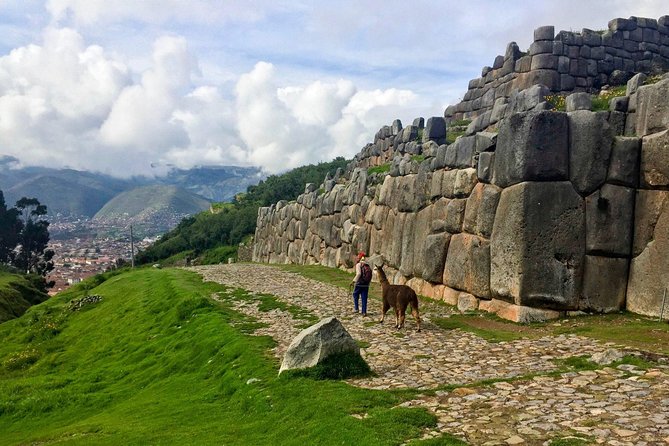
Q’enqo is smaller and more mysterious than Sacsayhuaman. Its carved rocks, channels, and tunnels are linked to ritual and ceremonial use, although the exact purpose of some features is not always certain.
The scheduled visit lasts about 30 minutes. That is enough to walk through the main area and hear an explanation, but not enough for a long archaeological discussion. The site rewards attention to detail rather than grand views. Watch for the carved surfaces and the way the space uses stone, shadow, and narrow passageways.
This is a good example of why a guide helps. Without context, Q’enqo can look like a collection of rocks. With a clear explanation, it becomes part of a larger picture of Inca ceremony, water, power, and sacred places around Cusco.
Manos de la Comunidad: alpacas, llamas, and Andean fiber
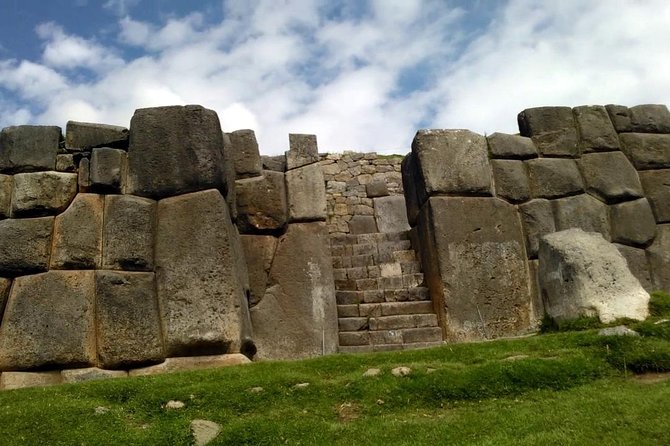
The camelid farm adds a different note to a day otherwise filled with stone. Here you learn about the ancient domestication of South American camelids and see two varieties of alpacas and llamas, along with their wild ancestors, guanacos and vicuñas.
You can observe the animals up close, take pictures, and, according to the experience details, feed them. Families often find this the most playful stop, while anyone interested in textiles gets a useful introduction to the animals behind Andean wool and fiber.
The visit also includes a look at local weaving. You can see how native weavers work and learn how animal hair becomes textile goods. There is a shop with finished products, so expect a chance to buy something. You do not have to purchase anything, but it is wise to treat the retail portion as part of the visit rather than a surprise.
The stop lasts about 30 minutes. That is enough for a friendly introduction, not a full working farm visit. The experience is best understood as a cultural and educational stop with live animals, weaving, and a shop.
I appreciate this addition because it keeps the tour from becoming a string of ruins. The animals connect ancient Andean life with living craft traditions. Still, if your main goal is archaeology, you may prefer more time at Sacsayhuaman or Qorikancha.
Puka Pukara: a small fortress above the road
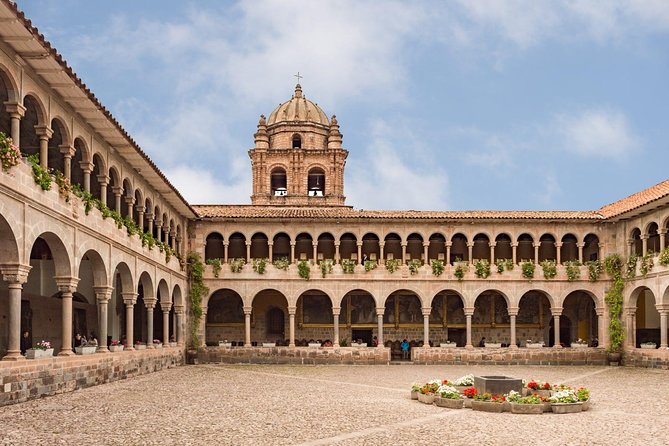
Puka Pukara is a compact, fortress-like site on a hill above Cusco. Its position and simple defensive character help explain how the Incas watched and controlled movement through the surrounding area.
The visit is planned for about 30 minutes. You get scenic views and a quick look at military life, but do not expect a site on the scale of Sacsayhuaman. Puka Pukara works best as part of the sequence. After seeing the massive walls of Sacsayhuaman, you can compare them with this smaller lookout and think about how different sites served different jobs.
The ticket is listed as free for this stop. That makes it an easy addition to the route, though other sites still require separate admission.
Tambomachay: water still flowing through Inca stonework
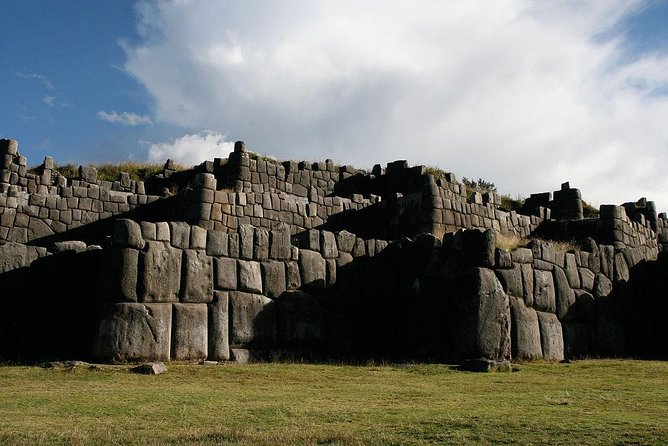
Tambomachay finishes the archaeological circuit with water. Its channels, fountains, and aqueducts show the Inca skill at directing and shaping water, and the fountains still flow today.
You have about 30 minutes here. The site is not huge, but the water gives it a calm, memorable quality after the size and military feel of the earlier ruins. Your guide can explain why water mattered in Inca ceremonial life and how the stone channels work.
This is another outdoor stop, so rain can affect the experience. One customer had to miss later sites after bad weather moved in. Since nearly every archaeological stop is outside, a wet day can change the tour more than you might expect.
What the guide and driver add to the day
The guide is the key variable. The strongest feedback describes guides who are warm, energetic, clear, and able to connect architecture with Inca culture. Americo was praised for his passion and broad perspective, while Christian was repeatedly appreciated for his history knowledge, pleasant manner, and attention to altitude concerns.
The private vehicle also matters. You are not trying to find separate taxis between hilltop sites, and round-trip transport is provided from your hotel or another agreed location. A professional and safe driver was praised, which is important on a route with several stops outside central Cusco.
There are two practical warnings. First, one customer found the English explanation hard to follow, while another said the guide’s accent and English were especially clear. If language is important to you, confirm that you need a fluent English-speaking guide rather than assuming every guide will be equally easy to understand.
Second, confirm the pickup point carefully. One airport pickup was changed at the last moment, and another customer was dropped far from San Pedro Market in an area they considered uncomfortable. The stated service includes hotel or chosen-location pickup, but I would still confirm the exact address and final drop-off before the day begins.
Price, tickets, timing, and altitude
At $49.40 per person, the price is attractive for a private six-hour outing, especially if you are sharing the vehicle with family or friends. You are paying for door-to-door transport and a dedicated guide, not just a seat on a bus.
The value depends on your group size and entrance fees. Since tickets are not included for most stops, add those costs before comparing this with other Cusco circuits. Puka Pukara is listed as free, but Qorikancha and the other archaeological sites are not included in the tour price.
The stated duration is approximately six hours. One customer found the tour a little shorter than expected but still had time to explore. That suggests you should think of six hours as an estimate, not a promise to the minute.
The route includes several hilltop sites and outdoor paths. Most people can take part, but Cusco’s altitude can affect your pace. A private tour gives you room to slow down, drink water, and ask for a short pause, but it does not remove the physical demands of the route.
Weather is another factor. Rain may interrupt the archaeological stops, and there are few indoor alternatives built into this particular route. Bring weather protection and comfortable walking shoes, based on the outdoor nature of the sites.
Who should book this Cusco experience?
I would choose this tour if you are visiting Cusco for the first time and want the major ruins explained in one outing. It also suits families, couples, and small groups that value a vehicle and do not want to coordinate transport themselves.
It is a good fit if you want both ancient sites and a glimpse of living Andean craft. The camelid stop gives children a clear, hands-on subject, while the weaving demonstration adds a local cultural angle.
I would be more cautious if you want a true walking tour of central Cusco. The Plaza de Armas stop is short, and the main focus is the ruins outside town. You should also think twice if your priority is a slow, scholarly visit at every site.
For English speakers, ask about guide assignment in advance. The experience can be excellent with a clear guide, but the difference between an easy-to-follow explanation and a difficult one is significant on a history-heavy tour.
Should you book it?
Yes, if you want an efficient private introduction to Cusco’s Inca sites, especially Sacsayhuaman, and you like the idea of adding alpacas, llamas, and weaving to the day. The strongest value comes from the private vehicle, guide flexibility, and the amount covered in six hours.
Book with realistic expectations. You will not get a full city walking tour, entrance fees are extra, weather can disrupt the outdoor route, and English clarity should be confirmed. If those points work for you, this is a well-priced way to get oriented, see the essential ruins above Cusco, and leave with more than a camera full of stone walls.
FAQ
Where does the tour take place?
The experience takes place in Cusco, Peru, and includes sites in and around the city.
How long does the tour last?
The tour lasts approximately six hours.
Is this a private tour?
Yes. Only your group participates, and the tour includes private transport and a private guide.
What sites are included?
The route includes Plaza de Armas, Qorikancha, Sacsayhuaman, Q’enqo, Manos de la Comunidad, Puka Pukara, and Tambomachay.
Is hotel pickup included?
Round-trip transport from your hotel or another chosen location is included. Confirm the exact pickup point when booking.
Are entrance tickets included?
No. Entrance fees are not included, although Puka Pukara is listed with free admission.
What can you see at the camelid farm?
You can see alpacas, llamas, guanacos, and vicuñas, learn about domestication and animal fiber, watch weaving, and take pictures.
Can most people participate?
The tour information states that most people can participate. Several stops are outdoors and involve walking at sites above Cusco.
What is the cancellation policy?
You can cancel at least 24 hours before the start time for a full refund. Cancellations or changes made within 24 hours are not accepted for a refund.
How much does the tour cost?
The listed price is $49.40 per person, not including entrance fees.
Added recently around Cusco
- Guided tour of the mountain of colors in Cusco★ 5.0 · 11 reviews
- 2-Day Private Short Inca Trail to Machu Picchu★ 5.0 · 15 reviews
- City Tour Cusco – Group★ 5.0 · 4 reviews
- Tour Sacred Valley with Maras and Moray★ 5.0 · 15 reviews
- San Pedro Market Tour with Peruvian Cooking Class★ 5.0 · 31 reviews
- Walking Culinary Experience★ 5.0 · 41 reviews
- City Tour in Cusco★ 4.5 · 10 reviews
- One Day Tour to Humantay Lagoon★ 5.0 · 8 reviews
Museums, compared.
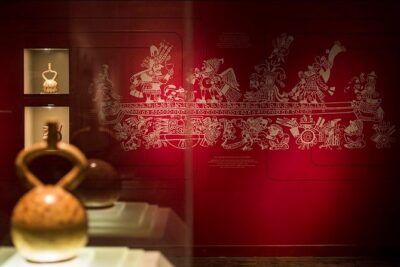
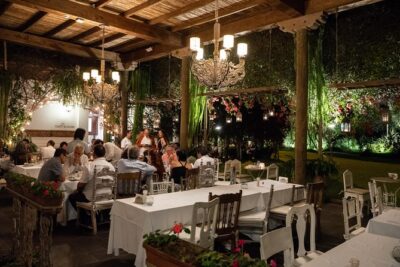
Experience Lima: Gastronomic Evening at Larco Museum
Read our review →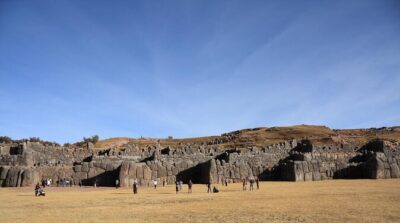
City Tour in Cusco & visit Museum South American Camelid
Read our review →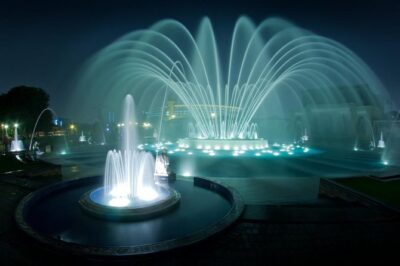
Larco Museum, Pisco Old Tavern and Magic Water Circuit Evening Tour
Read our review →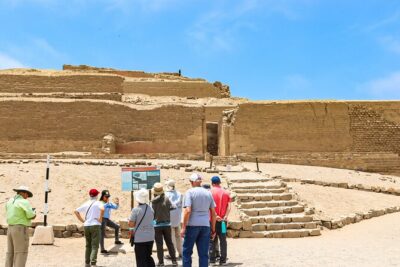
Pachacamac’s Inka Pyramids Tour including Museum Small-Group
Read our review →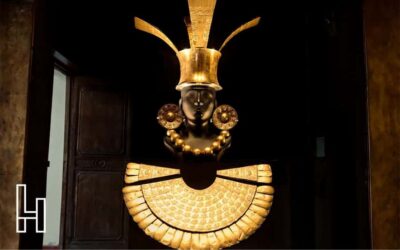
Pachacamac Inka Pyramids & The Larco Museum Tour
Read our review →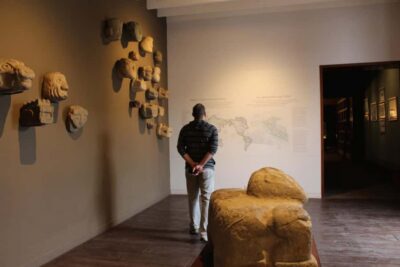
Huaca Ruins and Larco Museum at Night with Dinner
Read our review →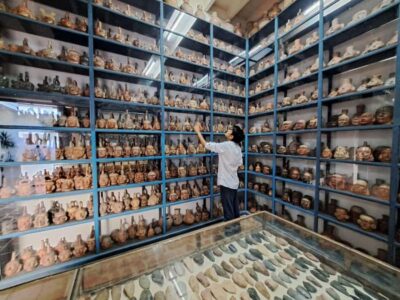
Browse the lists this tour appears in