
Reviewed · MUSEUMS
City Tour in Cusco & visit Museum South American Camelid
Cusco reveals its layers quickly. This half-day tour gives you a useful first look at the city’s Inca foundations, Spanish colonial center, and nearby archaeological sites, all for $11.70 per person. I like the strong mix of major sights and the choice of morning or afternoon departure. I also like that the route includes Sacsayhuaman, Q’enqo, Puka Pukara, and Tambomachay rather than stopping with only the central plaza.
The main caution is that this is primarily a vehicle-based sightseeing tour, not a long walking tour of Cusco. You may also find the bilingual guiding uneven. Guides such as Edwin, Regina, Luis, Lucho, and Pavel have earned warm praise for clear explanations, but one less successful experience involved weak English and too much attention to the Spanish-speaking group.
In This Review
- Key points before you book
- Why this is a useful first morning in Cusco
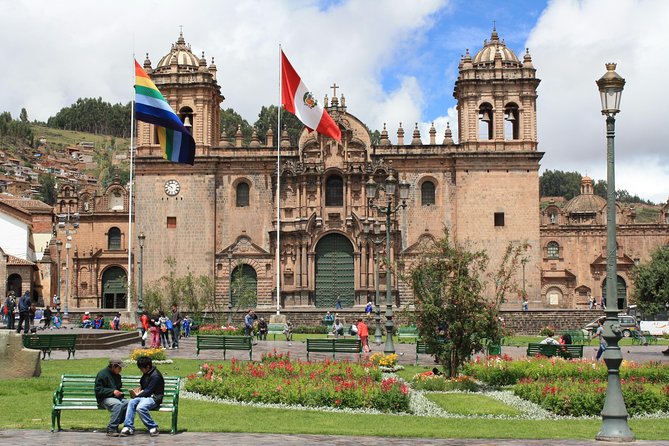
- Starting at the Plaza de Armas
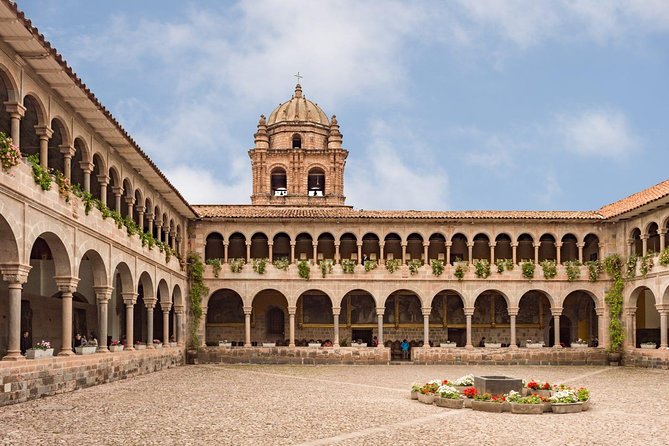
- Qorikancha and the Temple of the Sun
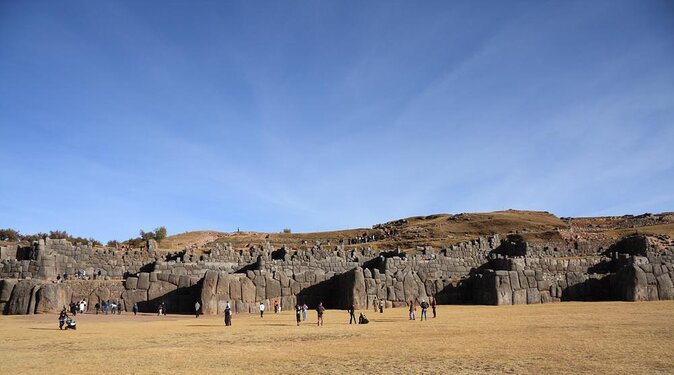
- Sacsayhuaman, the essential outer-city stop
- Q’enqo’s carved rock and enclosed spaces
- Puka Pukara, a short stop with wide views
- Tambomachay and its water temple
- The South American Camelid Museum question
- Guiding, language, and group size
- Transport and physical demands
- Is $11.70 good value?
- Who should book this Cusco circuit?
- FAQ
- How long does the Cusco city tour take?
- What sites are included?
- Is the South American Camelid Museum included?
- Are entrance fees included?
- Is transportation provided?
- What languages are offered?
- Where does the tour begin and end?
- Should you book it?
Key points before you book
- Four major archaeological sites outside central Cusco: Sacsayhuaman, Q’enqo, Puka Pukara, and Tambomachay are all part of the route.
- Qorikancha connects Inca and Spanish history: The former Temple of the Sun helps explain how Cusco changed after the Spanish arrival.
- The $11.70 price excludes admission: Plan on buying the partial ticket, listed in tour information as 70 soles for foreign visitors, or consider the 130-sol general ticket if you also plan to visit the Sacred Valley.
- A bilingual guide leads the group: English and Spanish are both used, with a maximum group size of 15.
- Allow four to five hours: A commonly described schedule runs from about 9 a.m. to 2 p.m., including transfers.
- Confirm the camelid museum stop: The experience title mentions the South American Camelid Museum, but the timed route does not identify it as a separate stop.
Why this is a useful first morning in Cusco
Cusco can feel like several cities placed on top of one another. In the Plaza de Armas, you see the Spanish colonial center. At Qorikancha, you begin to understand the Inca capital beneath it. Outside town, the stonework and water channels at the four archaeological sites show how much planning supported the city.
That makes this tour a good choice near the start of your stay. You get names, dates, places, and basic cultural context before tackling larger excursions. One guide even described the tour as useful preparation before Machu Picchu, and I agree with that logic. Machu Picchu makes more sense when you already know something about Inca construction, religion, and the role of Cusco.
You should not expect a leisurely stroll through every street or a private archaeological visit. The route covers a lot of ground by air-conditioned vehicle. That saves your legs, but it also means your time at each stop is measured. The schedule gives roughly 10 minutes at the Plaza de Armas, 45 minutes at Qorikancha, 45 minutes at Sacsayhuaman, and 30 minutes at each of Q’enqo, Puka Pukara, and Tambomachay.
More City Tours in Cusco
- Cusco: Half-Day City Tour with Sacsayhuaman and Q’enco
★ 4.6 · 1,129 reviews - City Tour Cusco Qoricancha Sacsayhuaman y Tambomachay
★ 4.7 · 617 reviews - Cusco City Tour Four Ruins in Half-Day
★ 5.0 · 530 reviews
Starting at the Plaza de Armas
The tour begins at the Plaza de Armas, at Del Medio 123. The opening explanation is brief, about 10 minutes, and takes place outside rather than as a full guided visit inside the surrounding buildings.
That short introduction is still useful. The square is the natural starting point for Cusco, and it gives your guide a chance to explain the city’s Inca and Spanish layers before the group moves on. You can expect a general orientation rather than a detailed architectural lecture.
If you are staying near the center, this meeting point is practical. Still, arrive with time to spare. One experience involved a changed departure time and difficulty finding everyone, so it is sensible to confirm the start time and keep your phone available on the morning of the tour.
Qorikancha and the Temple of the Sun
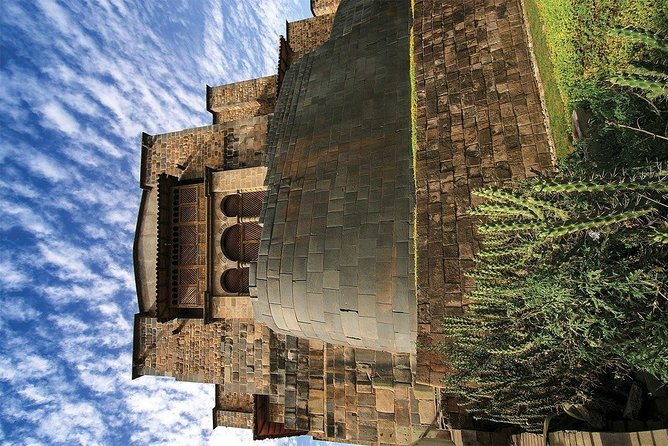
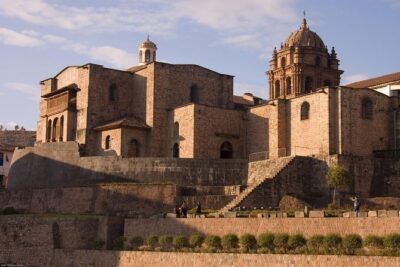
Qorikancha is the most important city-center stop on the route. The site was the Inca Temple of the Sun, and it now also includes a museum and archaeological remains. The visit lasts about 45 minutes, though admission is separate.
This is where the tour’s central idea becomes clear. Cusco was not simply replaced by a Spanish city. Spanish buildings were built over and around Inca foundations, creating the layered streetscape you see today. Qorikancha helps you read that change with your own eyes.
The guide’s role matters here. A strong bilingual guide can explain why the site mattered to the Inca and how Spanish rule altered its use. Regina received praise for explaining carefully in both Spanish and English, while Edwin was singled out for making Inca and pre-Inca culture understandable. If your guide is equally clear, this may be the most informative stop in the city portion.
The admission charge is not included. Keep that in mind when comparing the low tour price with the final cost. You pay for transport and guiding separately from entry fees.
Sacsayhuaman, the essential outer-city stop
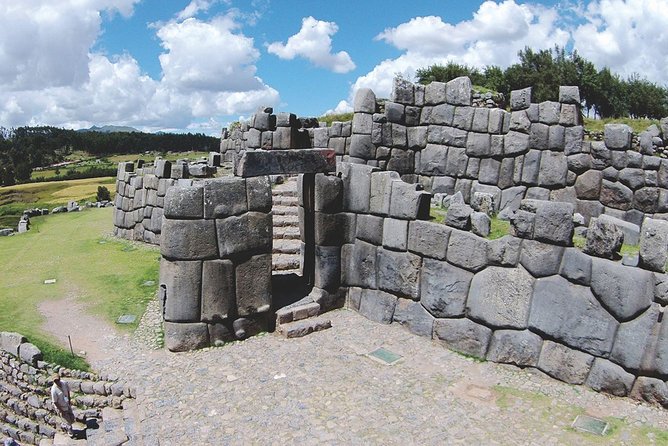
After the city center, the vehicle takes you to Sacsayhuaman, with about 45 minutes at the archaeological site. This is the largest and most important stop outside the center, and I would give it your full attention.
The massive stone walls are the reason. The carefully fitted blocks show the scale and skill of Inca construction far better than a quick photograph in the city can. You will also get a sense of the site’s position above Cusco, which helps explain its defensive and ceremonial importance.
The 45-minute visit is enough for an introduction, but not for a slow exploration of every corner. You will need to stay aware of the group’s meeting time. The route includes walking and climbing, and one couple found the activity manageable while acclimating to Cusco’s altitude. That does not mean you should rush your first day at high elevation. Walk at your own pace and tell the guide if you need a short pause.
Sacsayhuaman is included in the partial admission ticket described for the outer sites. The listed price is 70 soles for foreign visitors. If you are also planning a Sacred Valley excursion, the 130-sol general ticket may offer better value because it covers more locations. Ticket rules and prices can change, so confirm the current rate before you go.
More museums worth an hour in Cusco:
- City Tour in Cusco & visit Museum South American Camelid Private.
★ 5.0 · 147 reviews - Full-Day Tour to Sacred Valley: Ollantaytambo, Chinchero, Yucay Museum and Lunch
★ 4.5 · 11 reviews - Skip the Line: Larco Museum Admission Ticket
★ 5.0 · 659 reviews - Experience Lima: Gastronomic Evening at Larco Museum
★ 4.5 · 95 reviews
Q’enqo’s carved rock and enclosed spaces
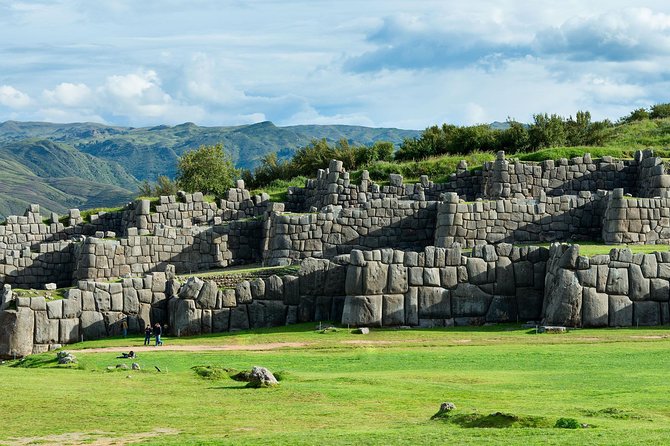
Q’enqo receives about 30 minutes. It is a smaller archaeological site than Sacsayhuaman, but the visit adds another piece to the picture of how the hills around Cusco were used.
You can expect carved stone, ceremonial features, and a more confined setting than at Sacsayhuaman. The value here comes from comparison. Sacsayhuaman shows huge defensive and monumental construction, while Q’enqo feels more focused on ritual space and carved natural rock.
Thirty minutes is a reasonable amount of time for a guided introduction. It is not enough for an unhurried archaeological study, so listen closely while the guide explains what you are seeing. This is also a place where a clear English explanation makes a real difference. The tour is bilingual, but the quality of the English delivery may depend on the individual guide assigned that day.
Puka Pukara, a short stop with wide views
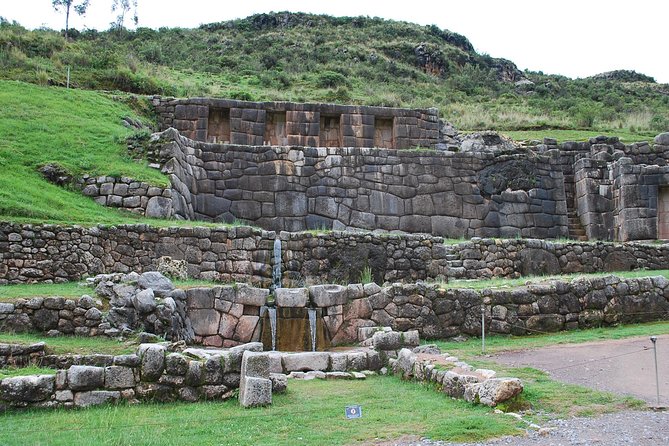
Puka Pukara is scheduled for about 30 minutes. Its name is often translated as Red Fortress, and the site is associated with the network of places that supported movement around Cusco.
The stop is brief, but it gives the route variety. You are no longer looking only at a temple or a giant wall. You are seeing how the Inca organized access, movement, and high ground around the capital. The open setting also gives you a chance to look outward rather than concentrate only on masonry.
Do not expect a long independent visit. This is a stop for the guide’s explanation and a quick look around before the bus continues. If you want detailed photographs or extended time at each ruin, a private tour or a longer archaeological visit may suit you better.
Tambomachay and its water temple
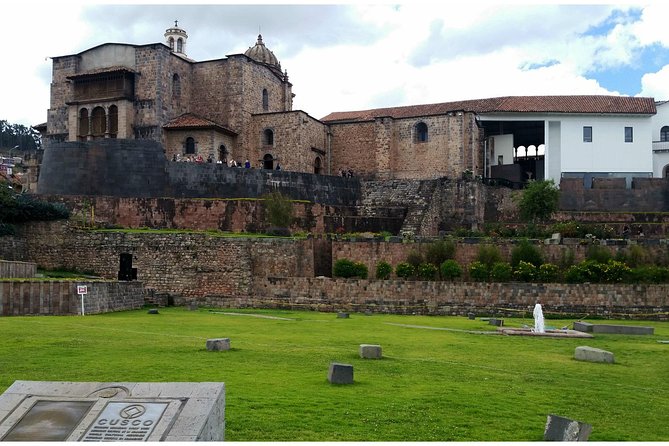
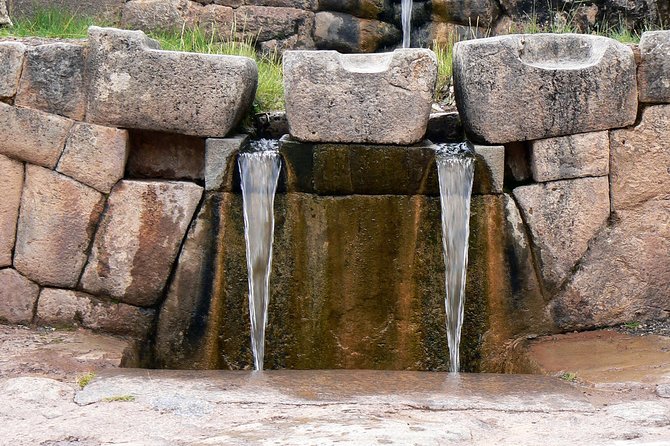
The final archaeological stop is Tambomachay, visited for about 30 minutes. It is described as a water temple, and its channels and fountains make it different from the other sites on the route.
This is a fitting end to the outer-city circuit. After seeing walls, ceremonial rock, and a hilltop site, you finish with Inca attention to water and natural springs. The site also reinforces an important point your guide should make: Inca sacred places were not all built in the same form. Water, rock, mountains, and sunlight could all carry religious meaning.
The stop is short, so your experience will depend on how much context the guide provides. Pavel was praised for keeping careful track of time at each archaeological site, a useful skill on a route with six stops. A guide who controls the clock well helps you see everything without leaving the last site feeling hurried.
The South American Camelid Museum question
The experience is described as including a visit to the South American Camelid Museum, but the detailed route supplied for the tour lists the Plaza de Armas, Qorikancha, Sacsayhuaman, Q’enqo, Puka Pukara, and Tambomachay. It does not give the camelid museum a separate time or admission detail.
That difference matters if the museum is one of your main reasons for booking. Contact Chullos Travel Peru before departure and ask if the museum is included on the date you choose, or if it is part of a different version of the route. Do not assume it is guaranteed simply because it appears in the experience name.
Guiding, language, and group size
The tour includes a professional bilingual guide using English and Spanish. The maximum group size is 15, which is small enough for questions without promising the personal attention of a private tour.
The best reports center on the guides. Luis, also called Lucho, was praised for his strong explanations of Inca culture. Edwin was described as especially effective, and Regina received credit for taking care to explain each site in both languages. Pavel was noted for punctual timing and useful explanations.
The less positive experiences point to a real risk. One guide struggled with English, making the information difficult to follow and giving more attention to the Spanish-speaking group. The tour operator’s stated format is bilingual English and Spanish, not Portuguese. If you need Portuguese, this is not the right language setup.
A bilingual tour can also take longer at each stop because explanations are repeated. That is normal, but it helps explain why the day lasts four to five hours even though the formal sightseeing times add up to less than the full duration.
Transport and physical demands
An air-conditioned vehicle is included. This is a major practical benefit because the route links central Cusco with four sites outside the city. You avoid arranging separate taxis and do not need to negotiate transport at every stop.
The tradeoff is that this is not really a walking tour. One participant described it accurately as a bus tour with one location visited on foot before moving to other sites. The name may suggest more time on Cusco’s streets than you actually get.
You will still walk and climb at the ruins. Most people can participate, according to the activity information, but altitude can make ordinary steps feel harder than expected. The tour may help you acclimatize because it offers activity without a full-day mountain excursion, yet you should keep water, move slowly, and avoid treating the half-day schedule as a race.
Is $11.70 good value?
At $11.70, the tour is inexpensive for a guided route covering central Cusco and four major archaeological sites. You also receive vehicle transport, a bilingual guide, and the convenience of one organized circuit.
The real price is higher once you add admissions. The outer archaeological sites require a separate ticket, described as 70 soles for the partial ticket. A 130-sol general ticket may be the smarter purchase if your plans include the Sacred Valley on another day. Meals are also excluded.
Even with those additions, the tour can be good value if you want an overview and do not want to arrange transport yourself. The value drops if you expect a museum visit that is not confirmed, a long walking tour, or detailed guiding in both languages at every stop.
The experience is recommended by 91 percent of customers and carries a 4.7 rating from 80 reviews. Those numbers fit the overall picture: very strong when the guide is prepared and clear, less satisfying when communication or timing breaks down.
Who should book this Cusco circuit?
I would choose this tour if you have only a short time in Cusco, want the main outer ruins in one half-day, or prefer organized transport. It also suits you if you are beginning to adjust to the altitude and want a manageable introduction before longer trips.
Families can benefit from the vehicle transfers and compact schedule, though children may find the repeated archaeological explanations tiring. Solo visitors and couples get an efficient overview, but independent history fans may want more time at Sacsayhuaman and Qorikancha.
I would hesitate if you require Portuguese, want a private guide, or dislike fixed departure times. I would also ask about the South American Camelid Museum before paying if that museum is essential to your plan.
Free cancellation is available when you cancel at least 24 hours before the start time. Changes or cancellations inside that window are not accepted for a refund.
FAQ
How long does the Cusco city tour take?
The experience lasts approximately four to five hours. A schedule described for the tour runs from about 9 a.m. to 2 p.m.
What sites are included?
The route includes an exterior explanation at the Plaza de Armas, Qorikancha, Sacsayhuaman, Q’enqo, Puka Pukara, and Tambomachay.
Is the South American Camelid Museum included?
The experience name mentions the museum, but the timed route does not list it as a separate stop. Confirm its inclusion with Chullos Travel Peru before booking.
Are entrance fees included?
No. Entrance fees are separate. The partial ticket for the outer archaeological sites is listed as 70 soles for foreign visitors, while a general ticket is listed as 130 soles.
Is transportation provided?
Yes. An air-conditioned vehicle is included, along with a professional bilingual guide.
What languages are offered?
The group tour is conducted in English and Spanish. Portuguese is not identified as an offered group-tour language.
Where does the tour begin and end?
It begins at Plaza de Armas de Cusco, Del Medio 123, Cusco 08000, Peru. It ends back at the same meeting point.
Should you book it?
Book this tour if you want a low-cost, efficient introduction to Cusco’s Inca and Spanish layers, with Sacsayhuaman and three additional outer sites included. The strongest reason to go is the combination of transport and guiding in a half-day route.
Before booking, confirm the departure time, current admission prices, and whether the South American Camelid Museum is actually part of your date’s program. If you can get a guide like Edwin, Regina, Luis, Lucho, or Pavel, the experience may become an excellent first chapter in your Peru trip. If you need Portuguese, extensive walking, or guaranteed private attention, choose another format.
Added recently around Cusco
- Guided tour of the mountain of colors in Cusco★ 5.0 · 11 reviews
- 2-Day Private Short Inca Trail to Machu Picchu★ 5.0 · 15 reviews
- City Tour Cusco – Group★ 5.0 · 4 reviews
- Tour Sacred Valley with Maras and Moray★ 5.0 · 15 reviews
- San Pedro Market Tour with Peruvian Cooking Class★ 5.0 · 31 reviews
- Walking Culinary Experience★ 5.0 · 41 reviews
- City Tour in Cusco★ 4.5 · 10 reviews
- One Day Tour to Humantay Lagoon★ 5.0 · 8 reviews
Museums, compared.
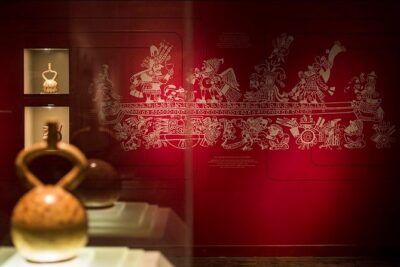
City Tour in Cusco & visit Museum South American Camelid Private.
Read our review →
Experience Lima: Gastronomic Evening at Larco Museum
Read our review →
Larco Museum, Pisco Old Tavern and Magic Water Circuit Evening Tour
Read our review →
Pachacamac’s Inka Pyramids Tour including Museum Small-Group
Read our review →
Pachacamac Inka Pyramids & The Larco Museum Tour
Read our review →
Huaca Ruins and Larco Museum at Night with Dinner
Read our review →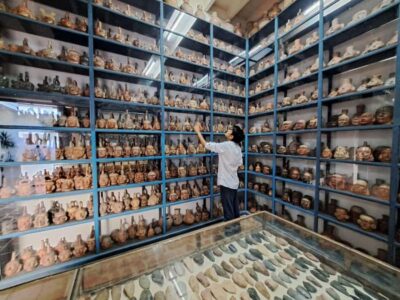
Browse the lists this tour appears in