
Reviewed · MACHU PICCHU TOURS
Classic Salkantay Humantay Lake Trek to Machu Picchu 5 Days
High peaks give way to jungle in five days. This Salkantay trek to Machu Picchu combines Humantay Lake, high Andean passes, cloud forest, coffee country, and a guided visit to the Inca citadel. I like the small maximum group of eight and the care built into the trip, including a guide carrying oxygen, a first-aid kit, and most of your heavy gear carried separately.
I also like the strong local character. Guide David works with indigenous staff and brings Quechua traditions, local plants, wildlife, and family producers into the journey. The main caution is physical: you will hike at high altitude, cover long distances on several days, and start the first morning around 4:00 a.m.
In This Review
- Key things to know before you book
- Why this five-day route is worth considering
- Day one: Cusco to Humantay Lake at 4,200 meters
- Day two: The 4,620-meter Salkantay Pass
- Day three: Cloud forest, farms, coffee, and hot springs
- Day four: Llactapata views and the railway to Aguas Calientes
- Day five: Machu Picchu and the return to Cusco
- What the guide and support team add
- What to pack and how to judge the difficulty
- Who should book this trek
- Should you book the Classic Salkantay trek?
- FAQ
- How long is the Salkantay Humantay Lake trek?
- What time does pickup begin?
- How high does the trek go?
- How physically difficult is the trek?
- What is the maximum group size?
- Is an English-speaking guide included?
- How much personal gear can be carried separately?
- Is the Machu Picchu bus ticket included?
- Can I cancel for a full refund?
Key things to know before you book
- Humantay Lake comes first: You reach the turquoise lake on day one, at about 4,200 meters, before tackling the 4,620-meter Salkantay Pass.
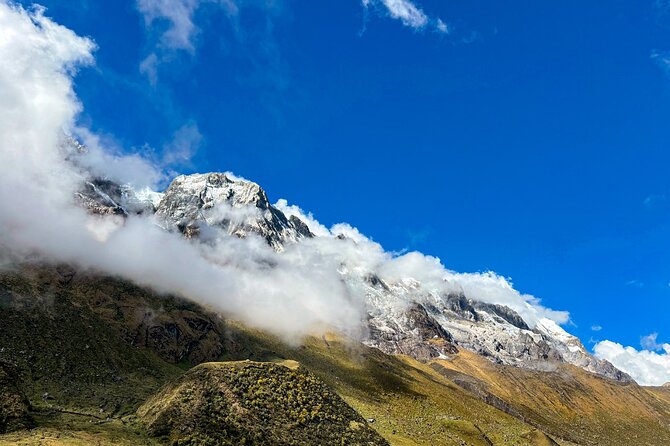
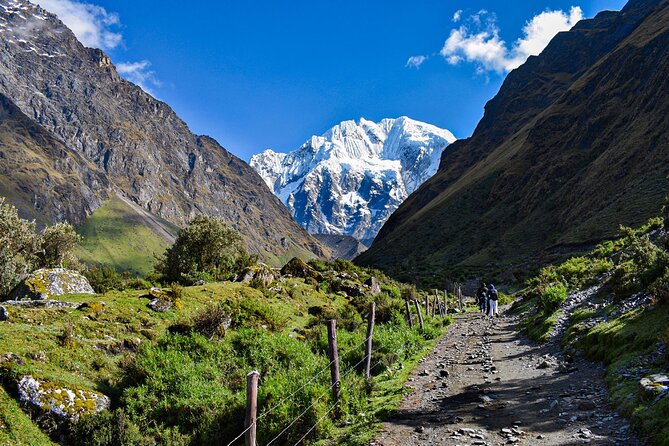
- The scenery keeps changing: Expect snowy peaks, llamas, alpine valleys, cloud forest, waterfalls, coffee plantations, tropical domes, and the railway walk to Aguas Calientes.
- A small group matters: The maximum is eight people, so the guide can better watch the pace and explain plants, animals, and local customs.
- Your pack stays light: A duffle bag holding up to four kilograms of personal gear is carried by horses, leaving you with a smaller daypack.
- Meals and basic care are built in: Four lunches, four dinners, five breakfasts, snacks, coca tea, a first-aid kit, and emergency oxygen are included.
- The final day is tightly timed: You visit Machu Picchu, return to Aguas Calientes, catch the train to Ollantaytambo, and continue by private vehicle to Cusco.
Why this five-day route is worth considering
At $595 per person, this is a serious amount of money, but the price covers much of the machinery that can make a trek tiring to arrange. You receive private transport during the route, a professional English-speaking guide, meals, a four-kilogram duffle allowance, the return train from Aguas Calientes to Ollantaytambo, one bus ticket up to Machu Picchu, and transport back to Cusco.
That package offers solid value if the inclusions match your booking confirmation. It is especially useful for anyone who does not want to arrange camps, meals, train tickets, and transfers separately. The small group also gives this trip a more personal feel than a large departure with dozens of hikers.
I would ask one important question before paying: Is the Machu Picchu entry ticket included in my exact reservation? The detailed inclusions list names the bus ticket but does not clearly list the sanctuary admission. The trip information says you need an entrance ticket, while David has arranged pre-purchased tickets for some people. Get that point in writing, along with the train time and hotel in Aguas Calientes.
The operation is family-run by David and his wife, and its stated purpose is to support indigenous workers and local families. David also directs part of his income toward helping stray dogs around Cusco. You can buy coffee and chocolate from local producers during the trip, adding a direct benefit for the communities along the route.
More Hiking Tours in Cusco
- Classic Inca Trail Trek 4D/3N to Machu Picchu (Group Service)
★ 5.0 · 8,653 reviews - Machu Picchu: 4-Day Inca Trail Trek with Panoramic Train Ride
★ 5.0 · 4,568 reviews - Salkantay Classic Trek 5 Days from Cusco
★ 5.0 · 4,062 reviews
Day one: Cusco to Humantay Lake at 4,200 meters
Your morning begins early. Pickup from your accommodation in Cusco is scheduled for about 4:00 a.m., with a staff member meeting you at reception and identifying the agency. The private van takes roughly two and a half hours to Mollepata.
Mollepata is your breakfast stop. You have time to eat before continuing for another hour toward Soraypampa. The drive itself matters because it moves you from Cusco’s urban setting into huge mountain country without making you hike every approach mile.
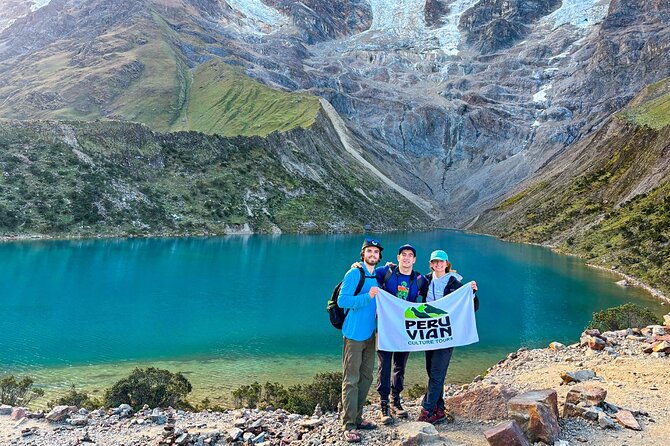
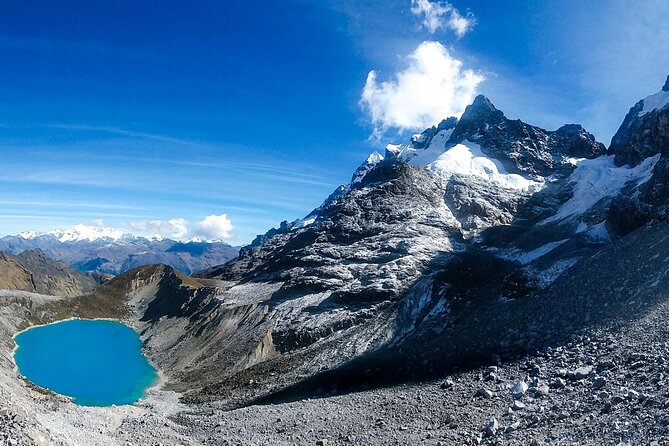
From Soraypampa, the first real climb begins. Reaching Humantay Lake takes about three hours, and the altitude makes this opening hike tougher than the distance alone suggests. The lake sits at approximately 4,200 meters, so a strong fitness level is not a minor suggestion here.
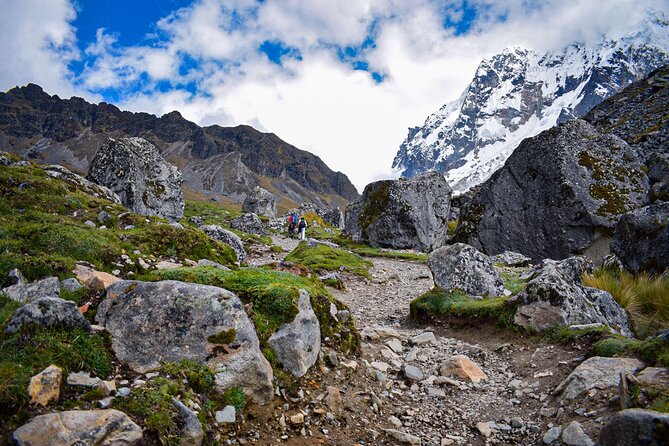
You will see Salkantay Mountain and Humantay Mountain from the trail, along with native plants and animals. Llamas are possible, and Andean condors may appear if conditions are kind. Your guide stays with the group and carries emergency oxygen, which offers useful backup but should not be treated as a cure for altitude problems.
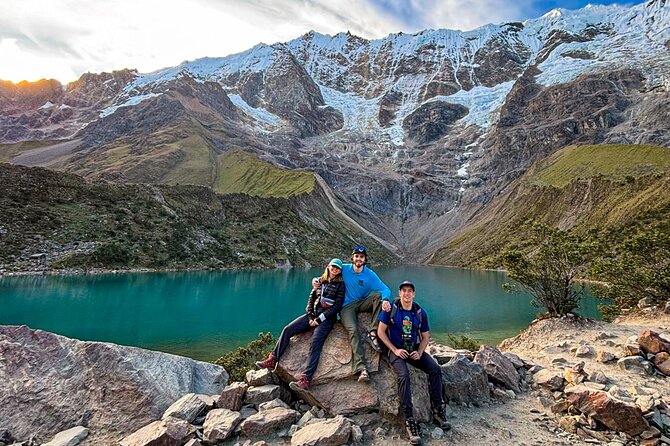
At the lake, you have time for photos and a guide-led explanation of the area. The descent to lunch is followed by an organic meal with views of the surrounding peaks. After lunch, the pace becomes gentler, with time to rest, drink tea, eat dinner, and sleep at Soraypampa.
This first day has a clear tradeoff. You get one of Peru’s most dramatic mountain lakes immediately, but you must handle a very early start and a high-altitude climb before your body has settled into the route.
Day two: The 4,620-meter Salkantay Pass
After breakfast at Soraypampa, you climb toward Abra Salkantay, the highest point of the trek at 4,620 meters. This is the day that tests your legs and lungs most directly.
The route offers views of the Andes and opportunities to see llamas, alpacas, and birds, including the Salkantay condor. Along the trail, you encounter apachetas, stone mounds used in the high mountains. The guide explains their meaning and leads a small offering ceremony using local plant leaves for Pacha Mama, or Mother Nature.
That cultural moment is one of the trip’s better features. It is brief and tied to the place you are walking through, rather than added as a staged performance. David also explains Quechua traditions, plants, animals, geography, and Inca history, so the walk has more going on than simply reaching the next camp.
After the pass, you descend for about three hours to Wayraqmachai for lunch. The surroundings begin to change as you move toward the edge of the Amazon region in Cusco. After eating, you continue for roughly four hours to Chaullay.
The day totals around ten hours of hiking and resting stops, based on the listed sections. That is a long day. The good news is that your larger personal gear is carried by horses, and the guide can adjust the pace for a small group. The less pleasant truth is that even a light daypack will not make the elevation gain and long descent disappear.
Chaullay provides Andean cabins, followed by tea and dinner. You may see hummingbirds, other birds, small mammals, and reptiles along the route. If you want the best chance to notice such details, stay near the guide rather than spreading far ahead or behind.
Day three: Cloud forest, farms, coffee, and hot springs
You leave Chaullay at about 6:00 a.m. after breakfast. The route moves into cloud forest, then toward La Playa and the tropical jungle. This is where the trek changes character most sharply.
Narrow trails pass waterfalls and fertile valleys. You may see orchids, medicinal plants, Peruvian hummingbirds, and local farms. At one family farm, you taste fresh granadilla, a small but memorable food stop that connects the hike with local agriculture.
Lunch is followed by a 35-minute organic coffee tour and tasting. Coffee is one of the most useful local experiences on the route because it shows how the tropical lower valleys support families whose daily work looks very different from life in the high Andes.
The day takes about eight hours and ends at a jungle campsite with tropical domes. An optional visit to nearby hot springs is available before tea and dinner. The exact amount of time for the springs is not specified, so ask your guide how it fits the evening schedule if this is important to you.
This is one of the most appealing nights for people who want variety. You are no longer sleeping in the cold high country, and the tropical setting feels far removed from the snow peaks of the first two days. Still, the long route and early departure continue the demanding rhythm of the trek.
More Humantay Lake day trips:
- Cusco: Humantay Lake Tour with Breakfast and Buffet Lunch
★ 4.9 · 2,976 reviews - Excursión to Humantay Lake Full Day from Cusco
★ 5.0 · 2,150 reviews - Private Excursion to Humantay Lake from Cusco and Coca Ceremony
★ 5.0 · 758 reviews - Humantay Lake Full Day Trek from Cusco with Lunch
★ 5.0 · 726 reviews
Day four: Llactapata views and the railway to Aguas Calientes
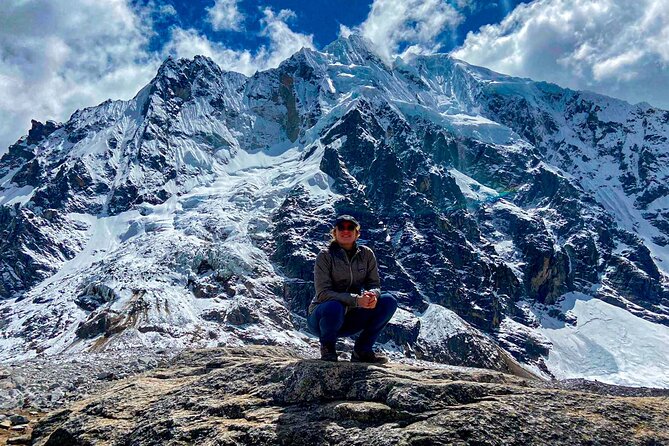
Day four starts with a 5:00 a.m. wake-up call, coca tea, and breakfast with tropical fruit. You then say goodbye to the chef and kitchen assistant before walking through coffee plantations and tropical forest.
The climb leads to Llactapata, an archaeological site with a wide view toward Machu Picchu, Huayna Picchu, Huchuy Machu Picchu, and the valleys between them. Seeing Machu Picchu from this angle before entering the sanctuary gives the final approach a sense of scale.
The route then descends for about two hours to the Hydroelectric station, where you eat lunch. From there, you walk for roughly three hours beside the railway tracks to Aguas Calientes. This flat section is easier on your lungs than the pass, but it can feel long after several days of hiking.
At Aguas Calientes, you settle into a hotel, eat dinner, and receive instructions for the next day. This overnight stop is practical. It allows you to visit Machu Picchu early without returning to a remote camp after the sanctuary.
The railway walk is also the day’s main consideration. It is not a dramatic mountain trail, and some hikers may find the steady flat walking less exciting than the earlier sections. It does, however, connect the remote trek with the train town in a simple, direct way.
Day five: Machu Picchu and the return to Cusco
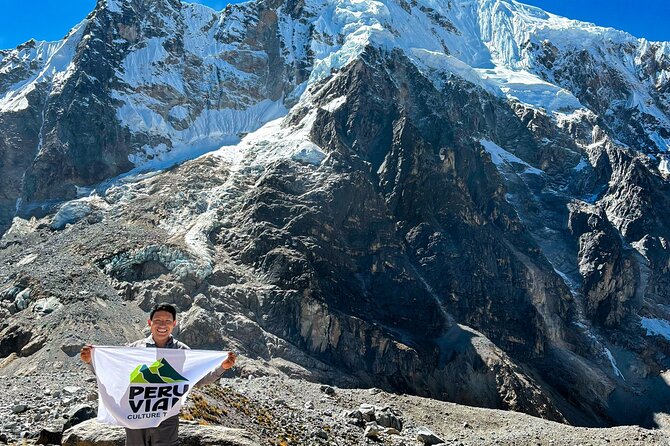
After breakfast at the hotel, you prepare for Machu Picchu. The sanctuary opens at 6:00 a.m. You can take the bus from Aguas Calientes or walk uphill for about an hour and a half.
The bus is the sensible choice if you want to save your legs for the citadel and keep the train schedule comfortable. The included transport is one way up, and the return bus is recommended so you can reach Aguas Calientes about two hours before the train.
You need your personal passport and Machu Picchu entry ticket at the control points. Inside, the guided visit lasts about three hours. The route covers Inca architecture and hydraulic engineering, along with major sites such as the Temple of the Sun, Royal Tomb, Intiwatana sundial, Temple of the Three Windows, central square, Sacred Rock, Craft Sector, and Temple of the Condor.
The guide also takes you to the classic photo locations and explains the role of the main structures. This is a useful ending after several days of walking because you arrive with a sense of the mountains, plants, farms, and traditions around the citadel, not just a quick visit from a train.
After the tour, return to Aguas Calientes for lunch and your train. The listed plan asks you to reach the station about 35 minutes before departure. The train goes to Ollantaytambo, where a representative meets you for a private two-hour transfer to your Cusco accommodation.
This final day is efficient but full. The Machu Picchu visit, bus connection, lunch, train, and road transfer all depend on timing. Keep your schedule clear and follow the guide’s instructions closely.
What the guide and support team add
The strongest part of this trip is the level of personal care. David speaks English, Spanish, and Quechua, and he brings practical knowledge of plants, birds, local history, and current Quechua traditions. That matters on a long trek because the guide can turn a passing orchid, apacheta, hummingbird, or farm into part of the story.
The support staff also carry much of the physical burden. Your four-kilogram duffle travels with the horses, while the kitchens prepare breakfast, lunch, dinner, tea, snacks, and morning coca drinks. Fresh, abundant food is a repeated strength of the operation, with local ingredients used in elaborate meals.
The care is especially reassuring for a solo woman or a first-time trekker. David carries first-aid supplies and oxygen, stays attentive to different walking speeds, and keeps the group together. That does not remove the need for fitness or sensible altitude preparation, but it does reduce the feeling that you are managing the route alone.
The camp arrangements are another plus. The camps use cabins, tents, and tropical domes depending on the location, and the sleeping setups are prepared for you. Comfort is relative on a five-day mountain trek, but this is not a bare-bones walk where you must carry and organize every item yourself.
What to pack and how to judge the difficulty
Bring a daypack for the items you need while walking. The separate duffle allowance is four kilograms, so pack carefully and keep the heaviest clothing and personal gear there.
You should also plan around the early starts: 4:00 a.m. from Cusco on day one, 6:00 a.m. from Chaullay on day three, and 5:00 a.m. from Lucmabamba on day four. A strong fitness level is required, and the Salkantay Pass reaches 4,620 meters.
The route is difficult because of the combination of altitude, long days, climbs, descents, and repeated early mornings. It is not ideal if you want a relaxed holiday with occasional walking. It suits you better if you already enjoy active trips and are prepared to move slowly when the altitude demands it.
Your guide provides coca tea, and oxygen is available for emergencies. These are useful safeguards, not substitutes for acclimatization, hydration, rest, and honest communication about how you feel.
Who should book this trek
I would choose this trip if you want far more than the shortest route to Machu Picchu. The changing scenery is its main reward: Humantay Lake, glacial peaks, high passes, cloud forest, jungle, coffee farms, hot springs, Llactapata, and the railway walk all appear within one itinerary.
It is also a good match for you if local culture matters. The family-run company employs indigenous teams, includes a Pacha Mama ceremony, points you toward local coffee and chocolate producers, and gives the guide room to explain Quechua customs and regional life.
I would think twice if you dislike early mornings, long hikes, basic mountain camps, or tightly timed transport. You should also confirm the Machu Picchu admission ticket, the return train details, and exactly which lodging is included before committing.
Should you book the Classic Salkantay trek?
Book it if you want a demanding but well-supported route with a small group, strong local connection, and a generous mix of mountain and jungle scenery. At $595, the included transport, meals, guide, duffle service, train, and bus ticket make the price appealing, especially when David’s personal attention is part of the experience.
Skip it if you are not ready for the altitude or cannot manage several long walking days. For fit hikers who want a more personal alternative to a large-group trek, this five-day route offers an unusually full journey from Cusco to Machu Picchu. The most important step is simple: confirm every ticket inclusion, then arrive prepared for the mountains.
FAQ
How long is the Salkantay Humantay Lake trek?
The experience lasts approximately five days, beginning with pickup in Cusco and ending with private transport back to Cusco after the train from Aguas Calientes to Ollantaytambo.
What time does pickup begin?
Pickup begins at approximately 4:00 a.m. from your accommodation in Cusco. A staff member meets you at reception and identifies the agency.
How high does the trek go?
Humantay Lake is at about 4,200 meters, and Abra Salkantay reaches approximately 4,620 meters, the highest point of the route.
How physically difficult is the trek?
A strong physical fitness level is required. The itinerary includes high-altitude climbs, long hiking days, steep descents, and early morning departures.
What is the maximum group size?
The group is limited to a maximum of eight people.
Is an English-speaking guide included?
Yes. The experience is offered in English and includes a professional tour guide. David also speaks Spanish and Quechua.
How much personal gear can be carried separately?
A duffle bag for up to four kilograms of personal gear is included, and the bag is carried by horses.
Is the Machu Picchu bus ticket included?
One way bus transport to Machu Picchu is included. The return bus is recommended, but the detailed inclusions do not clearly state that it is included.
Can I cancel for a full refund?
Yes, if you cancel at least 24 hours before the experience start time. Cancellations made less than 24 hours before the start are not refunded, and poor weather may result in a different date or a full refund.
Other Ways to Reach Machu Picchu
- Short Inca Trail to Machu Picchu 2D/1N
★ 5.0 · 3,007 reviews - 2-Day Inca Trail to Machu Picchu with Panoramic Train
★ 5.0 · 1,876 reviews - From Cusco: Full-Day Group Tour of Machu Picchu
★ 4.7 · 1,767 reviews - Machu Picchu Day Trip from Cusco
★ 4.5 · 1,644 reviews
Longer Treks from Cusco
- 4-Day Salkantay Trek with Sky Camp Stay
★ 5.0 · 3,346 reviews - Salkantay Trek 5D/4N with Glass Cabins, Domes and Hobbit House
★ 5.0 · 2,488 reviews - 5-Day Premium Salkantay Trek
★ 5.0 · 788 reviews - Lares Valley Trek with Hot Spring 4-Day, 3-Night
★ 5.0 · 656 reviews
Added recently around Cusco
- Guided tour of the mountain of colors in Cusco★ 5.0 · 11 reviews
- 2-Day Private Short Inca Trail to Machu Picchu★ 5.0 · 15 reviews
- City Tour Cusco – Group★ 5.0 · 4 reviews
- Tour Sacred Valley with Maras and Moray★ 5.0 · 15 reviews
- San Pedro Market Tour with Peruvian Cooking Class★ 5.0 · 31 reviews
- Walking Culinary Experience★ 5.0 · 41 reviews
- City Tour in Cusco★ 4.5 · 10 reviews
- One Day Tour to Humantay Lagoon★ 5.0 · 8 reviews
Machu Picchu Tours, compared.
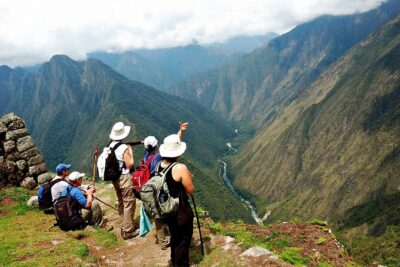
Classic Inca Trail Trek 4D/3N to Machu Picchu (Group Service)
Read our review →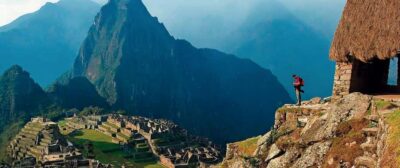
Machu Picchu: 4-Day Inca Trail Trek with Panoramic Train Ride
Read our review →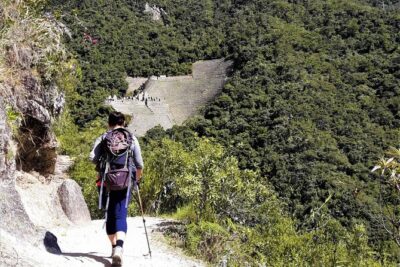
2-Day Inca Trail to Machu Picchu with Panoramic Train
Read our review →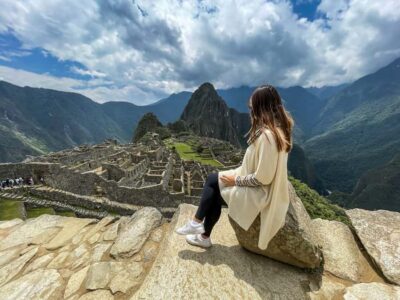
2-Day Tour: Sacred Valley and Machu Picchu by Train
Read our review →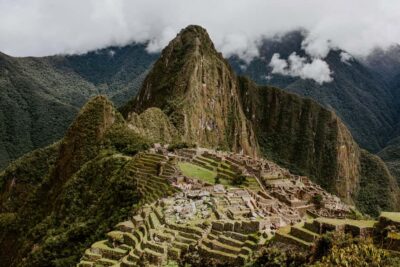
Machu Picchu: Full-Day Tour from Cusco with Optional Lunch
Read our review →Browse the lists this tour appears in