
Reviewed · ANDEAN TREKKING TOURS
Lares Valley Trek with Hot Spring 4-Day, 3-Night
This is Peru beyond the postcard. The four-day Lares Valley trek pairs quiet Quechua villages, high mountain scenery, llama traditions, and a guided visit to Machu Picchu. I especially like the small groups of up to 14 people and the chance to spend time with communities that still farm, herd animals, and use traditional methods.
I also like the care built into the trip. Guides such as Rodrigo, José Santos, Saul Guerra, Pillco, Sole, Alvin, and Humberto have been praised for their patience and local knowledge, while cooks such as Moises and Rambo prepare hearty meals in remote camps. The main caution is altitude: the trek reaches about 4,800 meters, so this is not a gentle stroll, despite the itinerary describing the fitness level as moderate in one place and strong in another.
In This Review
- Key things to know before booking
- What the $650 price really covers
- Day 1: From Cusco to the potato valleys and hot springs
- Day 2: Kiswarani Lake, Condor Pass, and Canchacancha
- Day 3: Traditional farms and the road to Aguas Calientes
- Day 4: Machu Picchu before the train home
- Guides, cooks, and the human side of the trek
- Fitness, altitude, weather, and family suitability
- Booking details and possible drawbacks
- Should you book the Lares Valley Trek?
- FAQ
- How long is the Lares Valley trek?
- What time does pickup begin?
- Is a briefing included?
- How difficult is the trek?
- What meals are included?
- Is camping equipment included?
- How much luggage can my personal porter carry?
- Is Machu Picchu included?
- Is Huayna Picchu included?
- How many people can join the trek?
Key things to know before booking
- The second day is the test: Expect a three to four-hour climb to Pachacute, or Condor Pass, followed by a long descent.
- You camp beside mountain lakes and villages: Two nights are spent in tents, with one hotel night in Aguas Calientes.
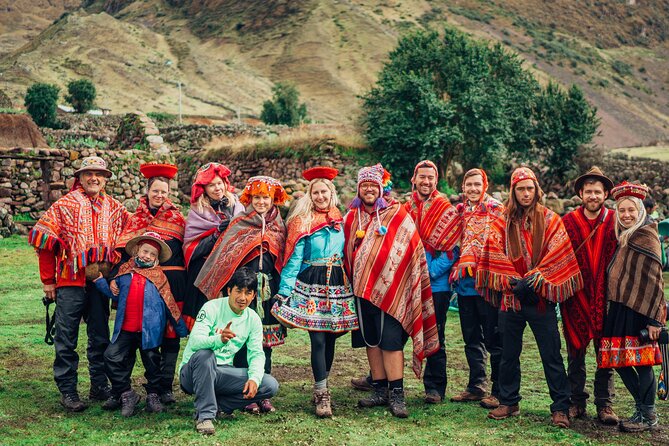
- Quechua culture is part of the route: You visit villages, farms, a local elementary school, and families living by traditional customs.
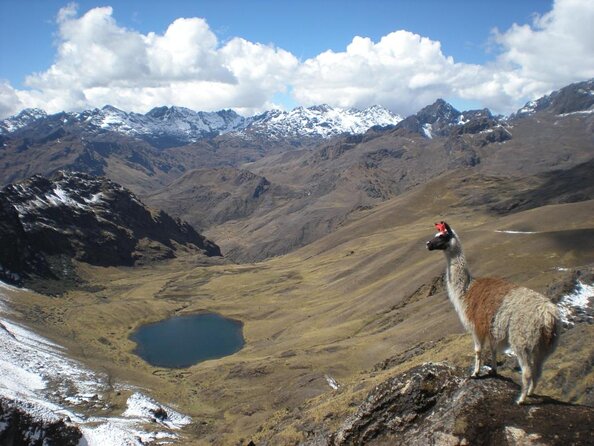
- Llamas are more than photo props: A llama ceremony explains their sacred role in Inca society and their place in local livelihoods today.
- Machu Picchu is included: You receive transport, entrance, and roughly two hours of guided touring at the citadel.
- The $650 price covers a lot: Transport, meals, camping support, porters, water, trains, entrance fees, and a hotel night are included.
What the $650 price really covers
At $650 per person, this is not the cheapest way to reach Machu Picchu. It is also not simply a four-day hike with a guide. The price bundles nearly every major part of the trip: pickup in Cusco, transport throughout the route, two nights of camping, one hotel night, meals, drinking water, entrance fees, the Expedition tourist-class train, and the guided visit to Machu Picchu.
You also receive a personal porter allowance of up to 7 kilograms. The company provides a duffle bag at the briefing, which is useful because you can leave some of your main luggage behind rather than carrying everything over the pass. Sleeping bags, trekking poles, and air mattresses are not included, but you can rent them.
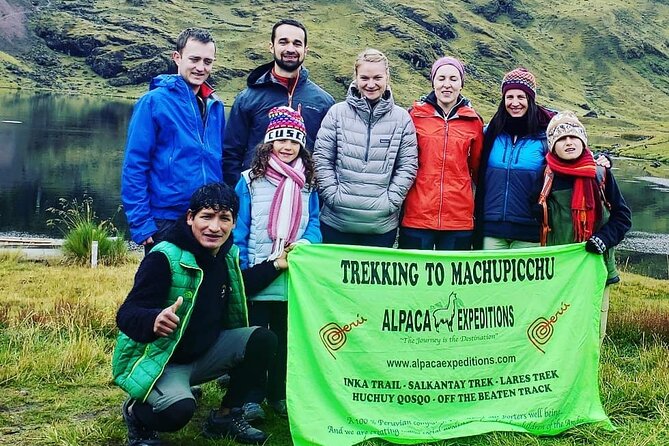
The value improves if you want a supported trek rather than a bare-bones route. A chef, porters, llameros, guides, and drivers handle much of the work. The money also supports an indigenous local company that says it provides jobs, training, education, healthcare, and reforestation projects in nearby communities.
You still need to budget for tips, travel insurance, and any hotel nights in Cusco before or after the trek. Huayna Picchu is another extra, priced at $75 and requiring advance booking. At this price, I would expect clear communication about what gear is included and how the porter allowance works at the pre-trek briefing.
More Hiking Tours in Cusco
- Classic Inca Trail Trek 4D/3N to Machu Picchu (Group Service)
★ 5.0 · 8,653 reviews - Machu Picchu: 4-Day Inca Trail Trek with Panoramic Train Ride
★ 5.0 · 4,568 reviews - Salkantay Classic Trek 5 Days from Cusco
★ 5.0 · 4,062 reviews
Day 1: From Cusco to the potato valleys and hot springs
Pickup begins around 5 a.m. in Cusco. You need to give the company your hotel address after booking, and the night before the trek includes a 6 p.m. briefing at the office. That meeting matters. Use it to confirm your pickup, hand over the gear that will go in the duffle, ask about the weather, and make sure you understand the next morning’s plan.
The route begins near Lares and moves into the Kiswarani area, known here as the potato valley. The first hiking section is a gradual two-hour climb to the village where lunch is served. Along the way, your guide points out local medicinal plants and explains the many varieties of organic potatoes grown in the area.
This is a good opening day because the cultural details arrive early. You are not simply walking through empty high country. You see farms, traditional crops, and people working with the conditions of mountain life. The guide’s interpretation makes the walk more meaningful, especially if you are interested in food, farming, or Quechua customs.
After lunch, the llameros hold a ceremony with llamas. The animals were sacred to the Incas and important to their economy, and owning one was once a sign of privilege. The ceremony also explains the modern pressures facing local llama breeding and the company’s effort to keep the animals working with the communities.
The campsite is beside a small lagoon. That setting sounds lovely, but remember that mountain nights can be cold and weather can shift fast. The camping team sets up the tents, and a communal dining tent is especially useful in rainy weather. Warm alpaca blankets and hot-water bottles have made a welcome difference on cold nights.
The day takes about six hours. The route is not necessarily difficult at every moment, but the early start and altitude begin to matter. Take the first day steadily. There is no prize for reaching camp ahead of everyone else.
Day 2: Kiswarani Lake, Condor Pass, and Canchacancha
Day two starts around 5 a.m. with a hot drink. You pack, eat breakfast, refill your bottles, organize snacks, and begin the hardest section of the trek.
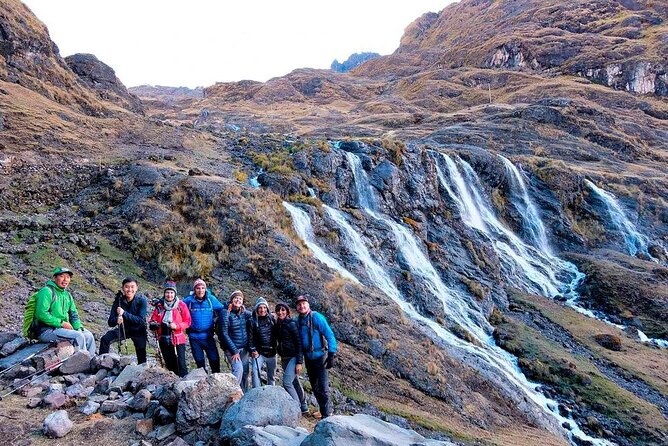
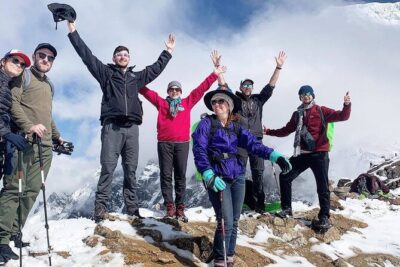
The first three or four hours climb toward Pachacute, also called Condor Pass. The views over the colorful lake and Kiswarani Valley are a major reward, and local residents may already be out with llamas and alpacas. This early-morning activity gives you a glimpse of daily life at high altitude before the route becomes more remote.
The climb is the point where honest preparation pays off. One family completing the route found that children managed it but needed frequent pauses to catch their breath. Hail and sudden weather at the summit are also possible. Sturdy hiking shoes, waterproof clothing, and patience are more useful than speed.
At about 4,800 meters, the pass is high enough for altitude sickness to be a real concern. The tour provides an oxygen tank, first-aid kit, and satellite phone, but those are safety tools, not a substitute for acclimatization. You should already be comfortable with high-altitude walking and discuss your plans with a medical professional if altitude has caused problems for you before.
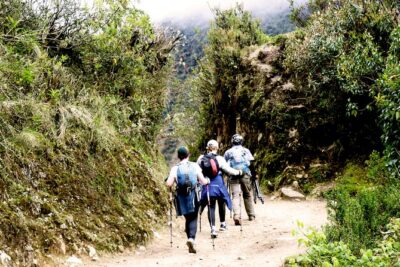
After the pass, expect about three hours of downhill walking to Canchacancha Village. Descending can feel easier on your lungs, but it can be tough on knees and ankles. Trekking poles are not included, so rent them if you like extra support.
Camping near Canchacancha gives the second night a more personal feel. You have time to learn about local culture and history, explore the village, and visit the elementary school. The chance to spend time with local families is one of the strongest reasons to choose this route over a faster, more famous trek.
You may also encounter some of the everyday details that make rural Peru memorable, including guinea pigs kept beneath beds in village homes. This is not staged theme-park culture. It is part of how households have used limited space and local resources for generations.
Day 3: Traditional farms and the road to Aguas Calientes
The third morning again begins with a hot drink, breakfast, and time to pack. You have another chance to explore Canchacancha and visit the school before starting the final hiking section.
The route descends for about four hours. Llamas and alpacas appear along the path, and farms grow potatoes, fava beans, and other traditional crops. You can learn how farming is done by hand with tools linked to older Inca methods.
This descent shows how quickly the climate changes in the Andes. As you leave the high mountains, the air becomes warmer and the crops change. That shift helps you understand the Sacred Valley as a meeting place between very different growing zones.
The walking time is listed as about five hours for the day. After the trail, you take the train to Aguas Calientes, where you spend the night in a hotel. The change from tents to a hotel room is welcome after two nights outside, though the town itself is mainly a practical base for Machu Picchu rather than a quiet village stop.
Food is a major strength of the camping service. Vegetarian meals have been singled out as especially good, with plenty of variety and local choices. That matters on a high-altitude trek, where a warm meal can change your whole evening. Moises and Rambo have both been praised for producing substantial food despite the remote camps.
Longer treks from Cusco:
- 4-Day Salkantay Trek with Sky Camp Stay
★ 5.0 · 3,346 reviews - Salkantay Trek 5D/4N with Glass Cabins, Domes and Hobbit House
★ 5.0 · 2,488 reviews - 5-Day Premium Salkantay Trek
★ 5.0 · 788 reviews - Ultimate Salkantay Trek to Machu Picchu 5 Days
★ 5.0 · 588 reviews
Day 4: Machu Picchu before the train home
After an early breakfast, you are taken to the bus station for the 25-minute ride up to Machu Picchu. The bus provides broad views of the cloud forest as it climbs toward the entrance.
Your guide leads a roughly two-hour tour through the citadel. That guided time is included, along with the entrance fee. A good guide helps you connect the stonework, terraces, ceremonial areas, and mountain setting, rather than leaving you to wander without context.
Clouds can affect your first view. Give yourself some patience if the site is covered when you arrive. One family had to wait about an hour and a half before the clouds shifted enough for a clear view, and the guide stayed helpful throughout the delay.
Huayna Picchu is optional and costs $75. You must reserve it in advance, and it comes after the main guided tour. If you want that extra climb, do not treat it as a last-minute decision.
After lunch, you return by train to Ollantaytambo. A driver then takes you back to Cusco and drops you at your hotel. Train delays can happen, and the long return transfer makes day four more tiring than the three-hour Machu Picchu schedule may suggest.
Guides, cooks, and the human side of the trek
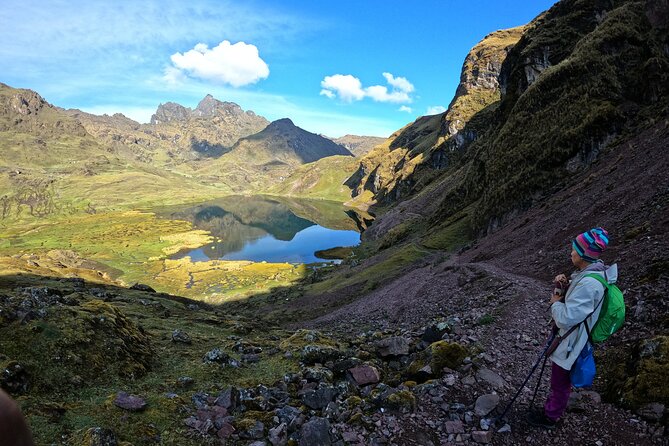
The strongest part of this trip is the staff. Rodrigo has been praised for his flute playing, local traditions, safety awareness, and patience at Machu Picchu. José Santos and Saul Guerra are noted for clear explanations of local culture and the route. Pillco has earned praise for careful safety support, while Alvin, Humberto, and Sole have also guided groups well.
Those names matter because the guide shapes how much you get from the experience. A guide who explains farming, llama traditions, coca-leaf ceremonies, and local history turns a scenic walk into a better understanding of the region.
The support crew also deserves attention. Porters set up camp and transport gear, while the chef works in conditions that would make most home kitchens give up. Thick alpaca blankets and hot-water bottles help with cold nights, and a communal tent gives you shelter during rain or hail.
The company’s local and indigenous ownership adds another layer of value. If you care about where your tourism money goes, the stated support for employment, training, education, healthcare, and reforestation is an important reason to consider this operator.
Fitness, altitude, weather, and family suitability
The route is a good match for people who want culture and scenery without the heavier foot traffic found on the classic Inca Trail. It can also work for a multi-generation family group, provided everyone understands that the second day is demanding.
I would describe the trek as physically challenging because of altitude, not because every section is steep. The pass reaches about 4,800 meters, and the second day includes a long climb followed by a long descent. You need strong fitness, steady footing, and the willingness to stop often.
Rain is possible, especially in the rainy season. March can bring wet weather but fewer people on the trail. Pack waterproof clothing, sturdy shoes, warm layers, and protection for your sleeping gear. The company’s equipment and camp service help, but no tent removes the need for proper clothing.
The tour requires at least two people to book and allows a maximum of 14. Small groups make it easier to ask questions, set a sensible pace, and receive personal attention. Service animals are allowed, and the experience is near public transportation, though much of the route itself is remote.
Booking details and possible drawbacks
The experience is non-refundable and cannot be changed for personal reasons, so check your dates carefully before paying. If poor weather cancels the trip, you are offered another date or a full refund. The same applies if the minimum group size is not met, with the option of a different date or experience.
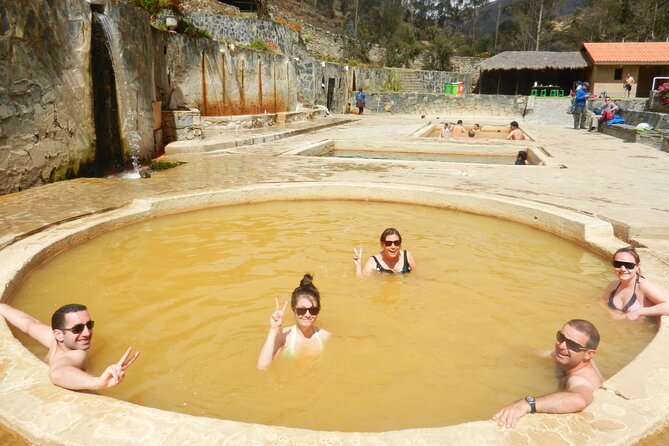
The itinerary also contains a few details worth confirming at the briefing. The title highlights hot springs, but the schedule gives most of its detail to the trek, camping, and llama ceremony. Ask exactly when the hot spring visit occurs and how much time is provided.
You should also confirm the train schedule, the hotel name in Aguas Calientes, rental costs for sleeping equipment, and the duffle bag limit. None of these points ruins the trip, but clear answers make a big difference when you are packing for high country.
Should you book the Lares Valley Trek?
Book this trek if you want Quechua village life, mountain walking, and Machu Picchu in one organized package. It is particularly good for families, small groups, and people who prefer a quieter route with strong cultural contact.
Choose something easier if you are not ready for a 4,800-meter pass, early starts, cold camping, or long descents. If you do book, acclimatize in Cusco, take the second day slowly, rent poles and a sleeping bag, and bring waterproof layers.
At $650, the trip is a solid value for the level of support included. The best reasons to choose it are not just the scenery or the famous ruins. They are the local guides, excellent camp food, llama traditions, village visits, and the chance to see a working Andean culture along the way.
FAQ
How long is the Lares Valley trek?
The experience lasts four days and three nights. You spend two nights camping, one night in a hotel in Aguas Calientes, and the final day visiting Machu Picchu.
What time does pickup begin?
Pickup begins at 5 a.m. in Cusco. You need to provide your hotel information after booking.
Is a briefing included?
Yes. A briefing takes place at the company office at 6 p.m. the evening before the trek.
How difficult is the trek?
The tour information refers to moderate and strong fitness levels. The second day includes a three to four-hour climb to Pachacute, or Condor Pass, and the summit reaches about 4,800 meters.
What meals are included?
Three dinners, three lunches, and four breakfasts are included. Drinking water is also provided during the trek.
Is camping equipment included?
Two nights of camping are included, but sleeping bags, trekking poles, and air mattresses are not. Those items are available to rent.
How much luggage can my personal porter carry?
A personal porter can carry up to 7 kilograms per person. The company provides a duffle bag during the briefing.
Is Machu Picchu included?
Yes. Transportation, the entrance fee, and a guided visit of about two hours are included.
Is Huayna Picchu included?
No. Huayna Picchu costs $75 and must be booked in advance.
How many people can join the trek?
A minimum of two people is required per booking. The group can have a maximum of 14 participants.
More Evening Experiences in Cusco
- Humantay Lake and Salkantay Pass Trek – 2 Days / 1 Night
★ 5.0 · 380 reviews - Short Inca Trail To Machu Picchu 2 Days and 1 Night
★ 5.0 · 321 reviews - Short Inca Trail to Machu Picchu – 2 Days / 1 Night
★ 5.0 · 140 reviews - Cusco by Night: Planetarium Cusco, Dinner, and Pisco Sour
★ 5.0 · 75 reviews
More Hiking Days from Cusco
- Rainbow Mountain Full Day Trek
★ 5.0 · 1,469 reviews - Rainbow Mountain Day Trip from Cusco: Vinicunca Hiking Tour
★ 4.5 · 737 reviews - Inca Trail 4-Day 3-Night Trek to Machu Picchu with Expert Guides
★ 5.0 · 733 reviews - Humantay Lake Full Day Trek from Cusco with Lunch
★ 5.0 · 726 reviews
Added recently around Cusco
- Guided tour of the mountain of colors in Cusco★ 5.0 · 11 reviews
- 2-Day Private Short Inca Trail to Machu Picchu★ 5.0 · 15 reviews
- City Tour Cusco – Group★ 5.0 · 4 reviews
- Tour Sacred Valley with Maras and Moray★ 5.0 · 15 reviews
- San Pedro Market Tour with Peruvian Cooking Class★ 5.0 · 31 reviews
- City Tour in Cusco★ 4.5 · 10 reviews
- Walking Culinary Experience★ 5.0 · 41 reviews
- One Day Tour to Humantay Lagoon★ 5.0 · 8 reviews
Andean Trekking Tours, compared.
Salkantay Trek 5D/4N with Glass Cabins, Domes and Hobbit House
Read our review →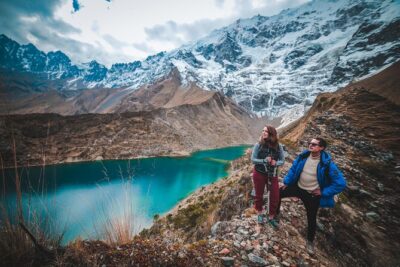
Ultimate Salkantay Trek to Machu Picchu 5 Days
Read our review →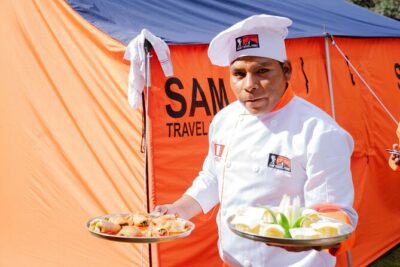
Lares Trek to Machu Picchu 4D/3N Including Hot Springs
Read our review →
4-Day Inca Jungle Trail to Machu Picchu Hiking and Biking Tour
Read our review →
4-Day Adventure Tour: Inca Jungle Trail to Machu Picchu
Read our review →Browse the lists this tour appears in