
Reviewed · COLCA CANYON TOURS
Colca Canyon: 2-Day Tour from Arequipa to Puno
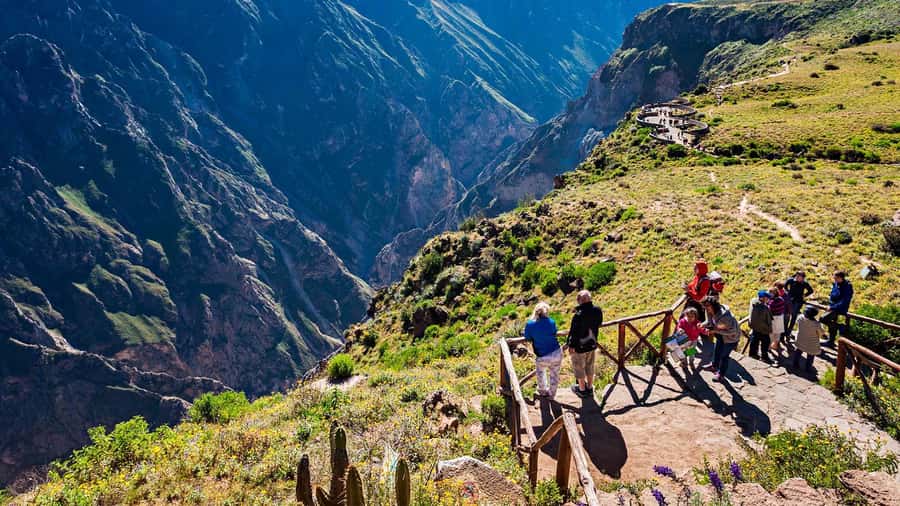
Condors, volcanoes, and a long Andean road await. This two-day trip links Arequipa with Puno through Colca Canyon, giving you a practical way to see some of southern Peru’s biggest natural sights without arranging several separate transfers. I especially like the excellent condor viewing at Cruz del Condor and the chance to spot vicuñas, alpacas, flamingos, and other wildlife at Pampa Cañahuas. I also like that you can bring your luggage and finish in Puno instead of returning to Arequipa.
The main drawback is the amount of time spent on the road, particularly on the second day. The route from Chivay to Puno can be rough, with one report describing a very bumpy ride. You also need to budget separately for accommodation, meals, entrance fees, and some pickup or drop-off charges.
In This Review
- Key points to know before booking
- Why this two-day route makes sense
- Day one: the high road from Arequipa to Chivay
- Pampa Cañahuas and the first wildlife sightings
- Chivay overnight: useful pause, extra cost
- Day two: Cruz del Condor and the canyon view
- Scenic stops before the road to Puno
- Arriving at Lake Titicaca and Puno
- What the $107 price really includes
- Altitude, luggage, and comfort advice
- Who should book this Colca Canyon trip?
- Should you book it?
- FAQ
- How long does the tour last?
- Does the tour return to Arequipa?
- Is hotel pickup included?
- Is overnight accommodation included?
- Are meals included?
- Are entrance tickets included?
- What languages does the guide speak?
- Can I bring luggage?
- What should I bring?
- How high does the route go?
Key points to know before booking
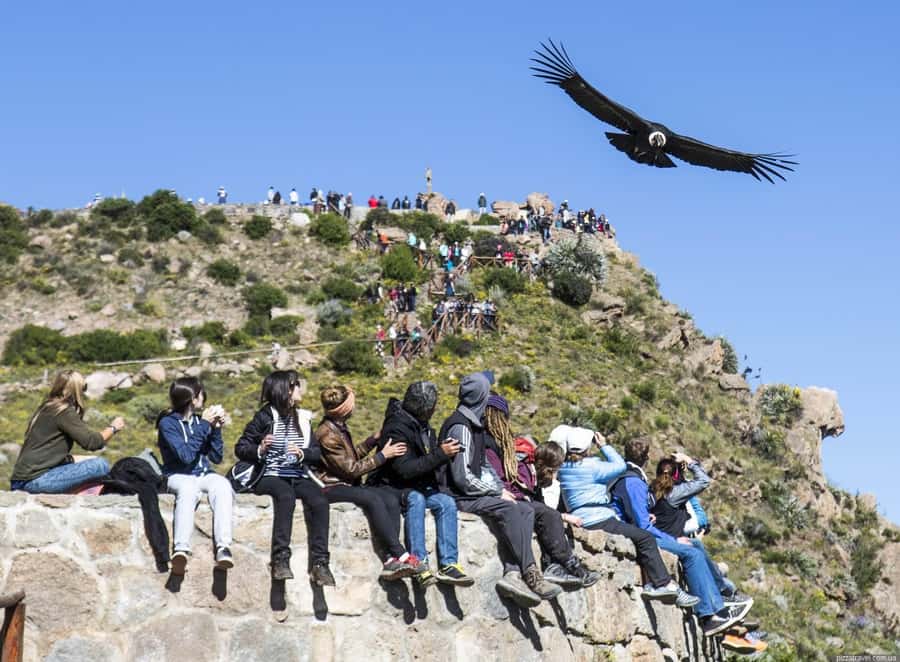
- Cruz del Condor is the star stop: You have a good chance of seeing Andean condors circling above a canyon said to reach around 1,200 meters deep.
- The first day reaches very high altitude: The road climbs to about 4,800 meters, so take the early hours slowly and follow your guide’s advice.
- Pampa Cañahuas adds wildlife to the drive: Look for vicuñas, llamas, alpacas, flamingos, ibis, and the Andean eagle.
- This is a useful one-way route: You begin in Arequipa and finish in Puno, with the option of carrying your bags along.
- The price is transport-focused: At $107 per person, the tour includes guides, drivers, excursions, and transfers, but not hotels, food, or admission fees.
- Guide quality matters here: Irene, Raul, and Peter have all been praised for clear explanations, good organization, and care with altitude problems.
Why this two-day route makes sense
Colca Canyon is often treated as a side trip from Arequipa. This outing gives you something more useful: a continuous route across the Andes to Puno. Instead of returning to your starting point, you spend the second day traveling toward Lake Titicaca.
That makes the tour a good fit if your Peru plans already include both Arequipa and Puno. You see the canyon, cross high mountain country, and arrive at the lake in one organized movement. The tradeoff is simple: you save planning time, but you give up some freedom and spend many hours in a vehicle.
The tour costs $107 per person. That is a fair price if you value a professional English or Spanish-speaking guide, a driver, arranged transport, and several scenic stops. It is less of a bargain if you expect a fully inclusive package. Your hotel, meals, drinks, and entrance tickets are extra, and the published price does not cover all pickup and drop-off locations.
You should also know that this is not a return trip to Arequipa. You can take your luggage with you, which is convenient for a wider Peru itinerary. Oversize luggage is not allowed, so pack with the transfer in mind.
Other Colca Canyon trips:
- 2 day 1 night trek / Colca Canyon
★ 5.0 · 1,069 reviews - From Arequipa: Colca Canyon Full-Day Guided Tour with Meals
★ 4.5 · 982 reviews - Colca Full Day Tour
★ 4.5 · 429 reviews
Day one: the high road from Arequipa to Chivay
The first morning begins with pickup from a city center hotel in Arequipa. From there, the drive to Chivay takes about four hours, though stops and road conditions shape the pace.
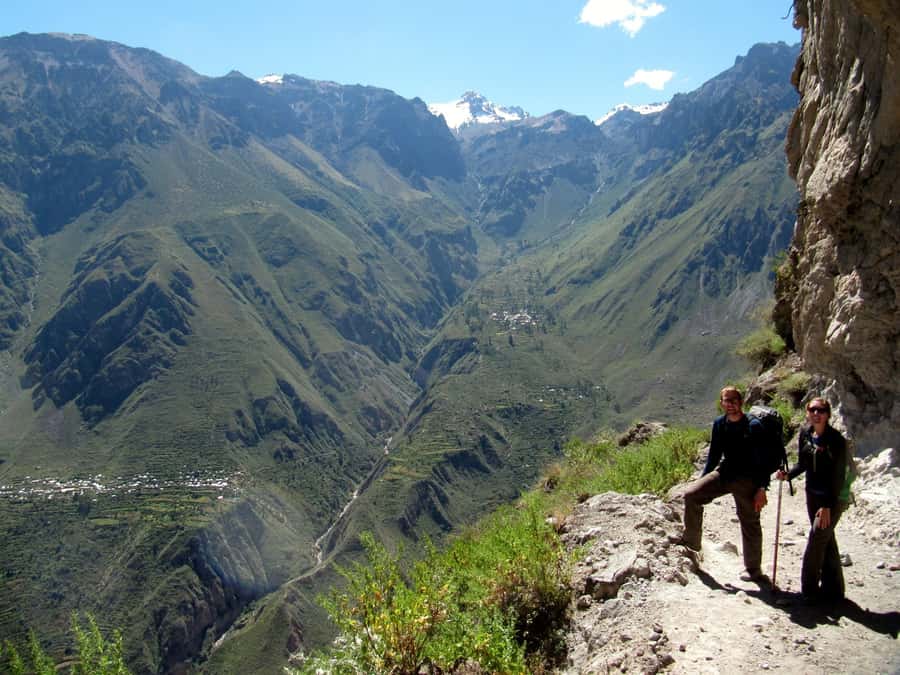
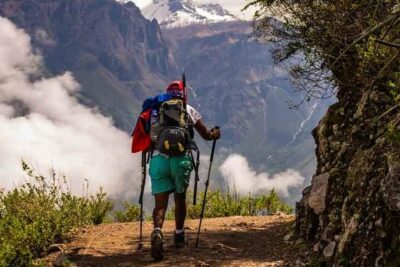
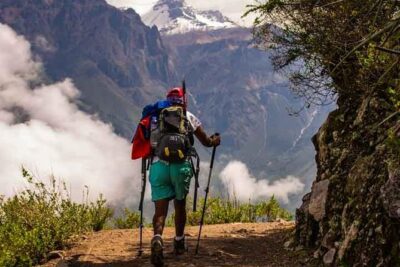
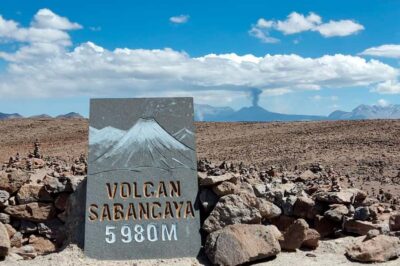
The route is the real attraction on day one. You move from the Arequipa area into broad Andean country, with volcanoes, lakes, glaciers, and open highland views. The named volcanoes include Ampato, Sabancaya, Huallca, and Misti. Each one adds scale to the journey, but the changing altitude is just as important as the scenery.
Your highest point on this first stretch is about 4,800 meters, or roughly 15,000 feet. That is very high. Even if you feel fine in Arequipa, the sudden climb can affect you. Bring water, wear layers, and avoid treating the first day like a race. The guide can help you adjust, and Peter was specifically praised for looking after someone who became unwell from the altitude.
The scenery can be hard to appreciate if you spend the whole drive watching the clock. This is a trip for looking out the window, stopping for photographs, and accepting that mountain roads set the timetable. The stops break up the journey and give you a better feel for the scale of the Andes than a direct transfer would.
Pampa Cañahuas and the first wildlife sightings
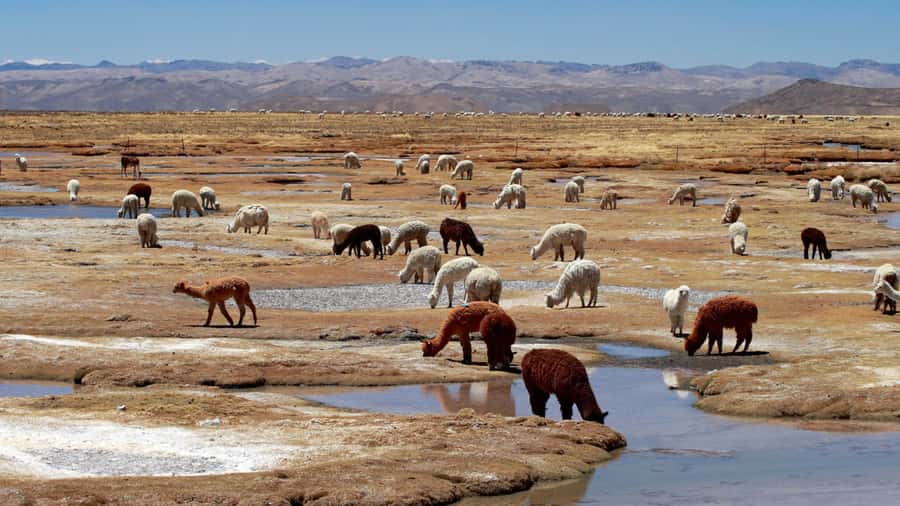
Pampa Cañahuas Reserve is one of the most rewarding stops on the way to Chivay. It gives you a chance to look for wild vicuñas, along with alpacas and llamas. You may also see flamingos, ibis, and the Andean eagle.
Vicuñas are especially interesting because they are wild relatives of alpacas and llamas. They are built for the cold, thin air of the high Andes and often appear as small, quick shapes across the open plain. Keep your camera ready, but do not expect every animal to pose beside the road.
The reserve also gives the trip a stronger sense of place. You are not simply crossing empty mountains. This is working and living country, with animals adapted to conditions that can be tough on people passing through for a few hours.
Several stops along the route may include chances to photograph the scenery or see llamas and alpacas more closely. One useful feature of the tour is that the guide keeps the group moving while still allowing time for pictures. The balance matters because there are many tempting viewpoints, but day one still has to reach Chivay.
Chivay overnight: useful pause, extra cost
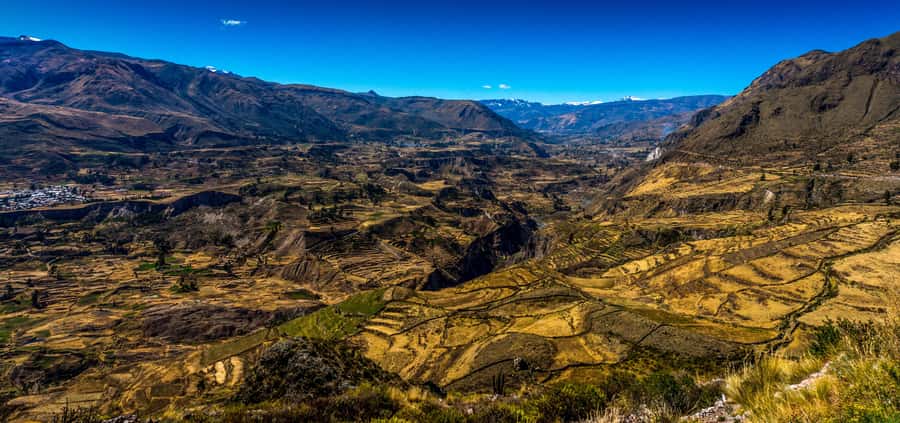
You spend the night in Chivay, but accommodation is not included. You need to arrange and pay for your own room. Booking in Chivay Town is the safest way to avoid extra pickup or drop-off charges, since the included city transfers are limited.
The afternoon is left for leisure. That gives you a needed break after the mountain drive. You can use it to rest, eat, organize your luggage, or take in more of Chivay at your own pace. The supplied details do not specify a fixed afternoon activity, so do not assume that a separate excursion, spa visit, or meal is part of the tour.
Lunch is also not included. An important practical point is that the group may be taken to a buffet restaurant during the itinerary. The buffet costs extra, and you may feel that joining the group is the easiest option even though you are not required to include it in the tour price. If you prefer choosing your own meal, ask about your options before ordering.
Chivay is not just a bed stop. It breaks the journey between Arequipa and Puno and lets you face the canyon early the next morning. Still, the separate hotel and food costs mean the real trip price will be higher than $107.
A few more Arequipa trips worth lining up side by side
- Tour to the Salinas Lagoon and National Reserve in Arequipa
★ 4.5 · 548 reviews - From Arequipa: Sillar Route Trek
★ 4.2 · 461 reviews - Rafting Arequipa – Chili River Canoeing – Cusipata Rafting Arequipa
★ 5.0 · 332 reviews - Arequipa: Chili River White Water Rafting with Hotel Pickup
★ 4.8 · 329 reviews
Day two: Cruz del Condor and the canyon view
The second morning starts very early. That early departure is worthwhile because Cruz del Condor is the main reason many people choose this route.
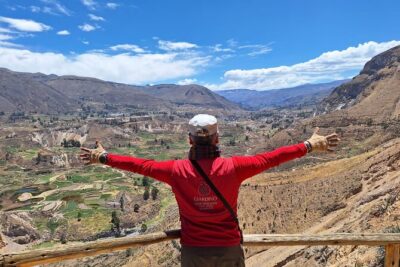
At the Mirador Cruz del Condor, you look into Colca Canyon from one of its best-known viewpoints. The canyon reaches around 1,200 meters deep in this area, creating a dramatic backdrop of cliffs and vast open air.
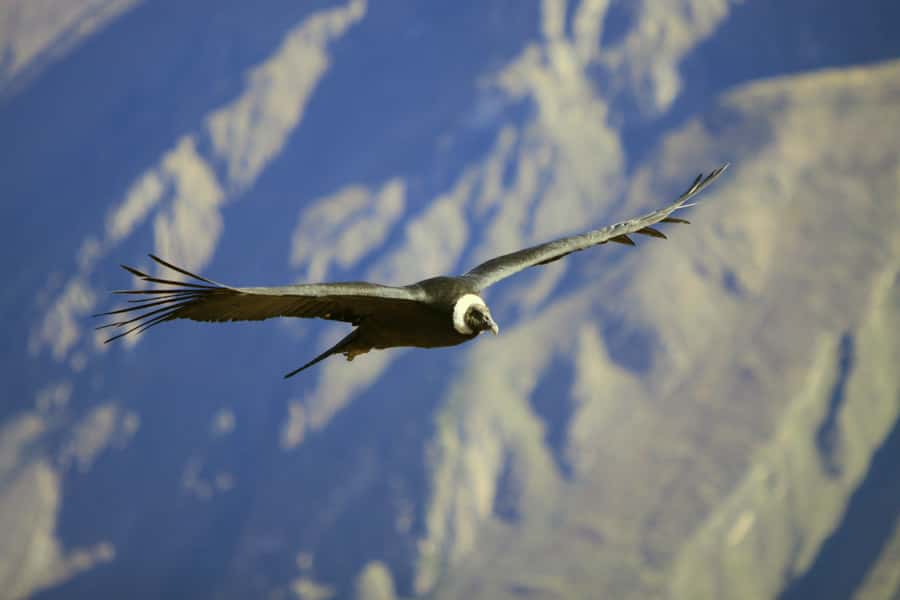
The Andean condor is the prize. These large birds can circle on rising air currents above the canyon, sometimes appearing close enough for a clear photograph, sometimes remaining distant. The conditions are never fully under your control, but the chance of seeing several condors is good according to the experience feedback. Guide Irene received particular praise for good condor viewing and clear explanations.
Bring sunglasses and a sun hat. The viewpoint is exposed, and the high-altitude sun can feel strong even when the air is cool. Comfortable shoes are sensible because you will want to move between viewing areas and stand for a while.
Cruz del Condor works best when you give yourself time to watch rather than simply take one photograph and leave. Look for the birds against the canyon walls, then lower the camera and watch how they use the air. The sight is impressive because the condor seems to float without effort over an enormous drop.
Scenic stops before the road to Puno
After the canyon visit, the route continues by tourist coach toward Puno. This is where the tour becomes a long cross-Andes transfer with sightseeing built in.
The road passes lakes and lagoons, trout farms, Andean flamingos, and broad highland views. You also reach another very high point, listed at about 4,850 meters. The supplied description gives the height as 12,000 feet, though 4,850 meters is closer to 15,900 feet. Either way, you should treat this as an extreme-altitude section and take the conditions seriously.
The stops help. You can get out, stretch your legs, take photographs, and see more than you would from a direct coach ride. The route has a strong visual rhythm: open plains, water, mountain peaks, small farms, and wildlife. It is not a quick transfer, but it is a memorable one if you enjoy seeing how the Andes change from one valley to the next.
The weak point is the road itself. A report from July 2025 described the Chivay to Puno section as being in poor condition, with the vehicle shaking for much of the journey. This is not a complaint about the guide or the scenery. It is a reminder to expect a physically tiring ride. If you suffer from motion sickness or dislike rough roads, this part deserves serious thought.
Guide Raul was praised for keeping the route and timing well organized, while Peter was praised for giving detailed explanations during the long bus rides. Those comments matter because a good guide can turn a long transfer into an informative journey rather than dead time.
Arriving at Lake Titicaca and Puno
The route ends in Puno, near Lake Titicaca, which the tour presents as the birthplace of the first Inca, Manco Capac. The lake is one of Peru’s major cultural and geographic landmarks, and arriving from the high Andes gives you a strong sense of its setting.
This tour does not provide a separate lake excursion or island visit. You see Lake Titicaca as part of the journey toward Puno. That distinction is important. If you want time on the water, a visit to the Uros Islands, or a longer cultural program around the lake, you will need to arrange that separately.
You should book accommodation in Puno if you plan to stay there after arrival. The tour includes transportation into Puno city, but additional charges may apply for locations outside the stated service area.
What the $107 price really includes
The $107 fare covers the basic structure that makes this route easy to manage:
- A professional driver
- An English or Spanish-speaking guide
- Excursions and sightseeing stops
- Transportation and transfers, with limits outside Chivay and Puno city
It does not cover:
- Overnight accommodation
- Food and drinks
- Entrance tickets and fees
- Certain pickup and drop-off services outside the covered areas
That arrangement is common for a transfer-based tour, but you need to plan the extras. The overnight hotel is not a small detail, since the trip cannot be completed without it. Food can also add up, particularly if the group stops at a buffet restaurant and you choose to eat there.
The value is strongest for people who want a guided route and do not want to coordinate separate buses, canyon visits, and luggage transfers. The price is less attractive if you already have a hotel, transport, and canyon guide arranged independently.
Altitude, luggage, and comfort advice
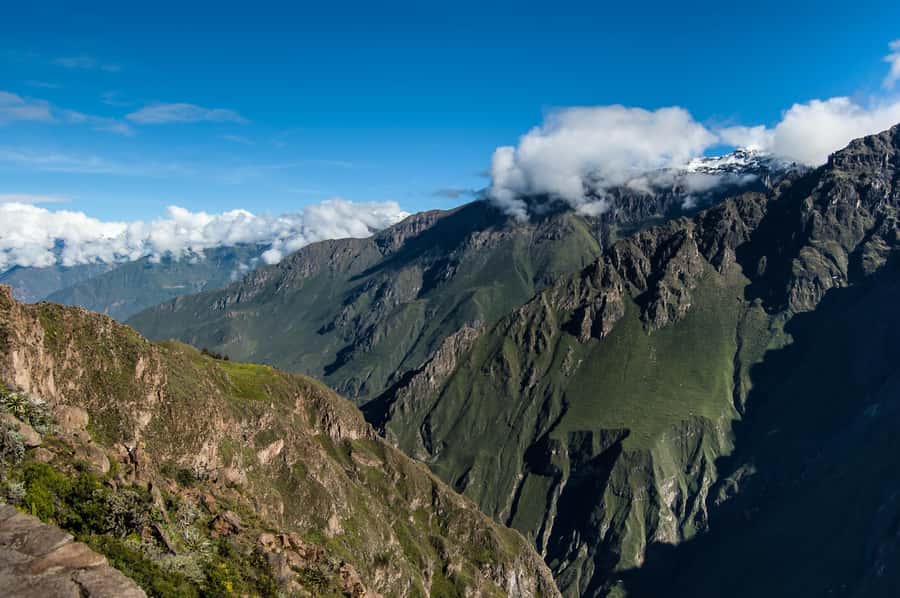
Altitude is the practical issue that deserves the most attention. The road reaches roughly 4,800 to 4,850 meters. You may feel fine, or you may feel short of breath, tired, dizzy, or unwell. The tour information does not promise medical support, so bring only what you normally use and take symptoms seriously.
Your guide may help with pacing and acclimatization. Peter received praise for assisting someone who became ill, which is encouraging, but you should still make sensible choices yourself. Rest during free time in Chivay, drink water, and do not plan an exhausting evening.
Pack light. Oversize luggage is not allowed, but normal bags can travel with you. That is a major advantage for anyone moving from Arequipa to Puno. Keep your passport or ID card, sunglasses, sun hat, and comfortable shoes easy to reach.
The coach is described as comfortable, but the road from Chivay to Puno can be rough. A seat near the front may help if motion bothers you, though the tour does not guarantee a particular seat. The main comfort strategy is to expect a long ride and use each stop to walk around.
Who should book this Colca Canyon trip?
I would choose this tour if you want to combine three things in one plan: Colca Canyon, the high Andes, and a one-way transfer to Puno. It suits people who prefer an organized schedule, enjoy scenery from a coach window, and value explanations from a guide.
It is also a good choice if you want wildlife without committing to a long trekking program. You can look for condors, vicuñas, flamingos, llamas, alpacas, and the Andean eagle while keeping your walking requirements modest.
I would hesitate if you want a slow canyon visit, private transport, flexible meal stops, or a smooth road all the way to Puno. The timetable is built around shared transport and fixed sightseeing points. The route is scenic, but it is not gentle.
The strongest praise has gone to the guides. Irene was praised for clear explanations and strong condor viewing. Raul was praised for organization, timing, and the route. Peter was praised for detailed commentary during long drives and for helping with altitude problems. Those strengths are especially valuable here because the road days are long and the terrain can be demanding.
Should you book it?
Book this trip if you need a practical bridge from Arequipa to Puno and want Colca Canyon included rather than treated as a separate detour. The condor viewpoint, Pampa Cañahuas wildlife, volcanoes, high lakes, and Lake Titicaca make the route worthwhile.
Before paying, make sure you are comfortable with the extra costs and the long second-day ride. Reserve your Chivay and Puno hotels, carry manageable luggage, and allow for meals and entrance fees. If those conditions suit you, this is a well-organized way to see a large section of southern Peru in only two days.
FAQ
How long does the tour last?
The tour lasts two days, beginning in Arequipa and ending in Puno.
Does the tour return to Arequipa?
No. The route goes from Arequipa to Chivay, then continues to Puno.
Is hotel pickup included?
Pickup is included from city center hotels in Arequipa. Additional charges may apply for locations outside the covered areas in Chivay or Puno.
Is overnight accommodation included?
No. You need to arrange and pay for your own accommodation in Chivay.
Are meals included?
No. Food and drinks are not included. The group may stop at buffet restaurants, but you pay separately for any meal.
Are entrance tickets included?
No. Entrance tickets and fees are not included in the tour price.
What languages does the guide speak?
The live guide service is available in English and Spanish.
Can I bring luggage?
Yes, you can bring your luggage during the trip, but oversize luggage is not allowed.
What should I bring?
Bring your passport or ID card, comfortable shoes, sunglasses, and a sun hat.
How high does the route go?
The route reaches approximately 4,800 meters on the first day and about 4,850 meters on the journey toward Puno.
Added recently around Arequipa
- gazebos cannon of the coca★ 5.0 · 28 reviews
- Sillar Route★ 5.0 · 4 reviews
- Salinas Lagoon + Mini Volcano DE Lojen★ 5.0 · 9 reviews
- Full Day Tour To The Salt Lake Salinas in Arequipa★ 4.5 · 34 reviews
- 3-Day Colca Canyon trek with Professional Guide★ 5.0 · 40 reviews
- Trekking, Waterfalls and Thermal Baths★ 4.5 · 47 reviews
- Walking Tour Arequipa Including Santa Catalina Monastery★ 4.0 · 8 reviews
- Walking City tour including the Monastery of Santa Catalina★ 5.0 · 6 reviews
Colca Canyon Tours, compared.
2-Day Tour Colca Canyon in Arequipa with end in Puno
Read our review →
Browse the lists this tour appears in