
Reviewed · COLCA CANYON TOURS
Colca Canyon Trekking – 3 Days
Three days takes you below the canyon rim. This small-group trek combines condor watching, village paths, simple canyon cabins, and a long climb back to Cabanaconde. I like that meals, entrance fees, transport, and two nights of lodging are included, so you can focus on walking instead of arranging every piece yourself. I also like the maximum group size of six, which should make the English-speaking guide more useful on a demanding trail.
The main caution is simple: this is a hard hike, not a scenic bus tour with a little walking. Loose gravel, fist-sized rocks, and the canyon’s elevation can make the route tiring even if you are fit. The final climb to Cabanaconde is especially important to respect.
In This Review
- Key points before you book
- Why this three-day Colca Canyon route works
- Day one: a 3:00 a.m. start and the first descent
- Day two: village paths and a pool in Sangalle
- Day three: the climb back to Cabanaconde
- The condors, villages, and hot springs make the route varied
- Meals, cabins, and transport: what the $265 covers
- How difficult is the trek?
- Who should book this Colca Canyon trek?
- Final booking advice
- FAQ
- How long does the Colca Canyon trek last?
- How large is the group?
- What meals are included?
- Where do you stay during the trek?
- Is the Colca entrance fee included?
- Is bottled water included?
Key points before you book
- The trek begins before sunrise: Pickup is scheduled between 3:00 and 3:30 in the morning from Arequipa.
- Cruz del Condor comes before the hike: You stop for about 30 minutes to watch for Andean condors above the canyon.
- The route goes down first, then up: Day one descends for roughly three hours, while day three climbs back to Cabanaconde in about the same time.
- Two nights are spent in the canyon: Cabins or lodge-style accommodation, breakfast, lunch, and dinner are included.
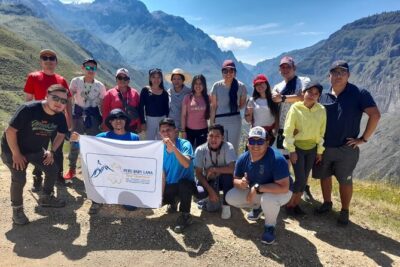
- A group of six keeps things personal: The English-speaking guide can give clearer instructions and help manage the walking pace.
- The return includes a hot spring stop: You also stop for photographs and lunch before reaching Arequipa around 5:00 in the afternoon.
Why this three-day Colca Canyon route works
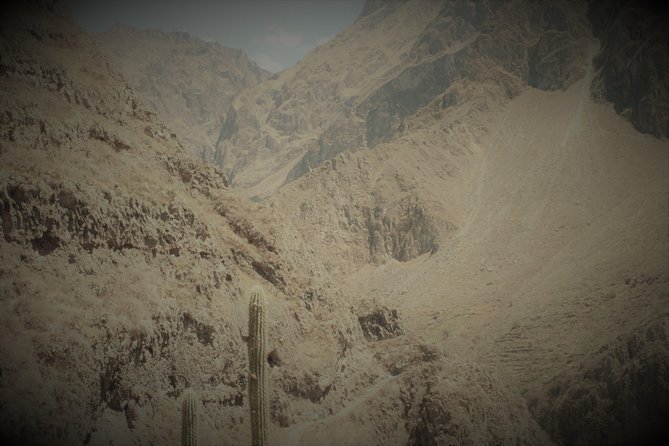
Colca Canyon is not just a viewpoint. The first look from the rim gives you scale, but walking down into the canyon changes your sense of place. You pass through small settlements, stay below the rim, and see how much effort is required to leave again.
That is the appeal of this tour. It gives you a short but real trek without requiring you to organize separate transport, food, lodging, entrance tickets, and a return route. At $265 per person, the price is reasonable for what is bundled in. You receive an air-conditioned vehicle, all listed meals, the Colca entrance ticket, the hot spring ticket, and two nights in the canyon.
You should still read the price carefully. Bottled water and drinks are not included, so you need money and a plan for hydration. The included meals reduce costs, but the walk itself is the part you are paying for. If you want only a quick Colca Canyon overlook, this is too much time and effort. If you want to feel the canyon under your feet, the package makes practical sense.
The group limit matters, too. A six-person maximum is small enough for questions, clearer communication, and less waiting on narrow or rough sections of trail. The English-speaking guide also removes a common worry on a route where you need to understand timing and trail instructions.
More Hiking Tours in Arequipa
- 2 day 1 night trek / Colca Canyon
★ 5.0 · 1,069 reviews - From Arequipa: Sillar Route Trek
★ 4.2 · 461 reviews - Colca Canyon Trek 3 Day 2 Night
★ 5.0 · 328 reviews
Day one: a 3:00 a.m. start and the first descent
Your pickup is scheduled between 3:00 and 3:30 a.m. That early departure is not glamorous, but it allows the route to fit in the condor lookout and the long descent on the same day. Bring what you need for the morning in an easy-to-reach place, since you will begin with several hours on the road.
The drive to Chivay takes about three hours. Breakfast is served there, giving you a chance to eat before continuing through the Colca Valley. This is an important rhythm for the day: an early transfer, a proper meal, then the first major sightseeing stop.
At Cruz del Condor, you have about 30 minutes to wait for the birds to appear. The stop is built around patience. You may see majestic condors riding the air above the canyon, but wildlife does not follow a timetable. Keep your eyes open and use the pause to take in the scale of the gorge rather than treating the stop as a guaranteed performance.
From the lookout, the vehicle continues for about 15 minutes to Cabanaconde. This is where the walking begins. The first trek descends into the canyon for roughly three hours, ending in the San Juan de Chuccho area.
The downhill direction sounds easy until you meet the trail surface. Loose gravel and fist-sized rocks make footing less secure, and descending can be hard on your knees and ankles. You should wear shoes with a solid grip and walk carefully rather than trying to keep up with a faster person in the group.
San Juan de Chuccho is your first overnight area. The accommodation is described as cabins in the canyon, with two nights included overall. Expect a practical place to rest rather than a polished resort. The value is being down inside the canyon, close to the route, without needing to return to Cabanaconde each evening.
Dinner is included on the first night. The food has been described as fresh and filling, which is exactly what you want after a long descent. Do not expect an elaborate dining experience. Think fuel, warmth, and a chance to recover.
Day two: village paths and a pool in Sangalle
After breakfast, you walk for about three hours through Cisñirgua and Malata. These villages give the second day a different character from the first. You are not simply following a line through dramatic rock. You are moving through inhabited parts of the canyon, where the route connects settlements and daily life.
The itinerary is shorter on paper than the first day, but that does not make it effortless. Your legs may still feel the previous descent, and the rough trail can keep your pace slow. The guide and small group should help the day feel more manageable, since there are fewer people to organize and less chance of being lost in a large walking procession.
The second night is in Sangalle. A swimming pool is available here, giving you a welcome way to cool off and rest. The pool is one of the more appealing comforts on the route, but it should not trick you into thinking the trek is easy. The biggest test comes the next morning.
Lunch and dinner are included on the second day, along with breakfast as part of the three-day meal plan. Since drinks are not included, carry enough water for the walking portions and budget separately for anything beyond the provided food.
The canyon cabins and pool also create a useful contrast. You are traveling simply, but you are not camping without support. That balance suits people who want an authentic walking route and can accept basic accommodation, while still appreciating a bed, cooked meals, and a place to cool down.
Day three: the climb back to Cabanaconde
The final day starts early with the climb to Cabanaconde. The uphill walk takes about three hours, though your actual pace will depend on fitness, rest stops, and how the group moves together.
This is the section you should prepare for most seriously. A hiker in strong condition still found the trail difficult because of the loose surface, large rocks, and elevation. That warning is useful. You do not need to be an elite athlete, but you should have a moderate level of physical fitness and be comfortable walking uphill for several hours.
Once you reach Cabanaconde, breakfast is served. The meal comes at a sensible time, after the hardest walking is finished, and gives you a chance to recover before the return journey.
The vehicle then takes you back toward Arequipa. The return is not a straight, silent ride. The bus stops for photographs, hot springs, and lunch, adding a few breaks after the morning climb. The hot spring entry ticket is included, which improves the overall value and gives your tired legs a more pleasant end to the trek.
Arrival in Arequipa is expected around 5:00 p.m. That makes this a full final day. You should avoid planning an important evening activity that depends on arriving at an exact minute, especially since road conditions and stop times can affect the schedule.
Other Colca Canyon trips:
- From Arequipa: Colca Canyon Full-Day Guided Tour with Meals
★ 4.5 · 982 reviews - Colca Full Day Tour
★ 4.5 · 429 reviews - 2-Day Tour Colca Canyon in Arequipa with end in Puno
★ 4.6 · 248 reviews - From Arequipa: 2-Day Colca Canyon Trekking Tour
★ 4.8 · 243 reviews
The condors, villages, and hot springs make the route varied
The tour’s best feature is its variety. In three days, you get a high viewpoint at Cruz del Condor, a steep trail into the canyon, village passages, a pool in Sangalle, and hot springs on the return.
Each part serves a different purpose. The condor stop gives you the famous Colca sight without asking you to trek first. The descent supplies the physical challenge and the close-up canyon setting. Cisñirgua and Malata make the route feel connected to local settlements rather than isolated from them. Sangalle provides the rest stop, while the hot springs help soften the journey home.
The tradeoff is that none of these stops can be treated as a long, leisurely visit. The condor viewing lasts about 30 minutes, and the return stops are part of a long transfer day. You are choosing a compact itinerary that covers a lot, not a slow walking holiday with hours at every stop.
Meals, cabins, and transport: what the $265 covers
For $265, the useful part of this package is the amount of planning removed from your hands. The tour includes:
- Air-conditioned transportation
- Breakfast on all three days
- Lunch on all three days
- Dinner on both nights
- Colca Canyon entrance ticket
- Hot spring entrance ticket
- Two nights in canyon cabins
That list covers the core expenses of the route. You do not need to arrange a separate vehicle to Cabanaconde, find a place to sleep inside the canyon, or buy the main entry tickets.
The included food is particularly helpful on a trek. Fresh and filling meals are more important here than a wide menu, since you need energy for the trail. Still, bring or purchase extra snacks if you normally eat between meals. The supplied information only confirms meals, not snacks, and bottled water and drinks are specifically excluded.
The air-conditioned vehicle is another practical advantage. The route begins with a long early transfer and ends with a trip back to Arequipa, so a comfortable vehicle matters. It also provides the flexibility to make the listed stops without requiring you to coordinate public transport connections.
The accommodation should be approached with the right expectations. The cabins are part of a canyon trek, not a luxury hotel stay. The appeal is location and convenience. You sleep near the route, eat nearby, and avoid losing time to long transfers back to the rim.
How difficult is the trek?
The tour asks for a moderate physical fitness level, but I would treat that as a minimum rather than a guarantee of comfort. The route includes around three hours of downhill walking on day one and around three hours uphill on day three, with another three-hour walking section on day two.
The trail surface is the real issue. Loose gravel and fist-sized rocks can make every step less secure. The elevation adds another challenge, and even an active hiker in good shape may struggle.
You should book this if you can handle sustained walking on uneven ground and accept a slow, effort-heavy route. You should think twice if you dislike steep descents, have difficulty with rough trails, or want plenty of spare time each day.
A good preparation plan is simple:
- Wear sturdy shoes with reliable grip.
- Bring water, since bottled water is not included.
- Pack light enough that your gear does not make the descents harder.
- Keep a warm layer for the early departure and changing conditions.
- Save energy for the return climb, even if day one feels manageable.
The guide can help with route direction and group coordination, but no guide can remove the physical work. The best approach is to walk steadily, take sensible rests, and avoid racing the trail.
Who should book this Colca Canyon trek?
I would recommend this tour to an active person who wants more than a viewpoint and prefers having the main arrangements handled. It suits someone who values a small group, an English-speaking guide, included meals, and a fixed return to Arequipa.
It is also a good fit if you have limited time in Peru but still want a genuine canyon walk. Three days gives you an overnight stay inside the canyon without requiring a longer expedition.
I would not choose it for a relaxed sightseeing holiday. The 3:00 a.m. pickup, rough trail, elevation, and final uphill climb require commitment. A person hoping to spend most of the time in a vehicle should choose a shorter Colca Valley outing instead.
The tour receives a 4.9 out of 5 rating from 23 ratings, with 96 percent of people recommending it. Those figures support the strongest parts of the plan: organization, guide support, food, and the chance to reach a remote part of the canyon. They do not change the basic warning that this is demanding walking.
Final booking advice
Book this three-day Colca Canyon trek if you want the canyon from the inside, not just from a lookout. The combination of a six-person maximum, English-speaking guide, included meals, canyon cabins, condor viewing, and hot springs gives you solid value at $265.
Before paying, be honest about your fitness and prepare for loose rock, elevation, and a tough final climb. The tour offers free cancellation up to 24 hours before the start time, but changes or cancellations inside that window are not refunded. Poor weather or failure to meet the minimum group size can lead to a different date, another experience, or a full refund.
My call: book it if the walking is the main reason you want to visit Colca Canyon. Skip it if you want an easy day of viewpoints and road travel.
FAQ
How long does the Colca Canyon trek last?
The experience lasts approximately three days. Pickup begins around 3:00 to 3:30 a.m. on the first day, and arrival back in Arequipa is expected around 5:00 p.m. on the third day.
How large is the group?
The tour has a maximum of six people.
What meals are included?
Breakfast and lunch are included on all three days. Dinner is included on both nights.
Where do you stay during the trek?
You stay in canyon cabins for two nights, with the first night in the San Juan de Chuccho area and the second in Sangalle.
Is the Colca entrance fee included?
Yes. The Colca Canyon entrance ticket is included, as is the ticket for the hot springs.
Is bottled water included?
No. Bottled water and drinks are not included, so you need to bring money for them or make your own arrangements.
More Hiking Days from Arequipa
- Colca Trekking 2days from Arequipa
★ 4.5 · 212 reviews - 2 Day 1 Night Trek / Colca Canyon
★ 4.5 · 92 reviews - 4 hours Tour: Route of Sillar with Trek in Culebrillas
★ 4.2 · 69 reviews - Trekking, Waterfalls and Thermal Baths
★ 4.5 · 47 reviews
Added recently around Arequipa
- gazebos cannon of the coca★ 5.0 · 28 reviews
- Sillar Route★ 5.0 · 4 reviews
- Salinas Lagoon + Mini Volcano DE Lojen★ 5.0 · 9 reviews
- Full Day Tour To The Salt Lake Salinas in Arequipa★ 4.5 · 34 reviews
- 3-Day Colca Canyon trek with Professional Guide★ 5.0 · 40 reviews
- Trekking, Waterfalls and Thermal Baths★ 4.5 · 47 reviews
- Walking Tour Arequipa Including Santa Catalina Monastery★ 4.0 · 8 reviews
- Walking City tour including the Monastery of Santa Catalina★ 5.0 · 6 reviews
Colca Canyon Tours, compared.
2-Day Tour Colca Canyon in Arequipa with end in Puno
Read our review →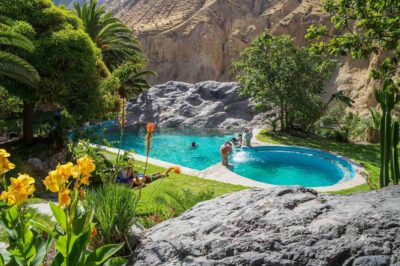
Browse the lists this tour appears in