
Reviewed · SACRED VALLEY TOURS
Complete Sacred Valley Tour Small group Pisac, Maras, Moray & Ollantaytambo
Sacred Valley, four major stops, one long day. This small-group tour links Pisac, Moray, Maras, and Ollantaytambo with an English or Spanish guide, private air-conditioned transport, and buffet lunch. I like the compact group size, capped at eight, and the way the route mixes major Inca sites with the working salt pools of Maras.
The guides receive especially strong praise, with Jaime, Jimy, and Juan singled out for clear explanations and real enthusiasm for Inca culture. The main drawback is the pace: you cover a great deal in about 12 hours, and lunch may not arrive until around 2 p.m. You should bring a snack and budget separately for entrance tickets.
In This Review
- Key points to know before booking
- Why this Sacred Valley route works so well
- Pisac ruins: terraces, stonework, and wide views
- Pisac Market: crafts and a short cultural stop
- Moray: circular terraces with a scientific puzzle
- Maras salt pools: a bright change of scenery
- Urubamba lunch: useful, included, and possibly late
- Ollantaytambo: the strongest final stop
- The guide can make or break the day
- Transport, group size, and the long-day tradeoff
- What to bring and how to prepare
- Who should book this Sacred Valley tour?
- Should you book it?
- FAQ
- How long does the Sacred Valley tour last?
- What places are visited?
- Is lunch included?
- Are entrance tickets included?
- How many people can join the tour?
- Is hotel pickup available?
- Does the tour finish in Ollantaytambo?
Key points to know before booking
- Four very different Sacred Valley sights: Pisac shows terraces and stonework, Moray reveals unusual circular agricultural terraces, Maras adds gleaming salt pools, and Ollantaytambo brings powerful Inca architecture.
- Small group, maximum eight people: This is a useful middle ground between a private tour and a large coach outing.
- Excellent guide service: Jaime, Jimy, and Juan are praised for strong English, clear explanations, patience, and enthusiasm.
- Extra entrance fees apply: Plan on 70 soles in cash for the Sacred Valley tourist ticket and 20 soles in cash for the Maras salt mines.
- Lunch comes late: The buffet in Urubamba is included, but the long route can push the meal to about 2 p.m.
- Useful for onward travel: Ollantaytambo is close to the train station, though you should confirm the final drop-off arrangement before booking.
Why this Sacred Valley route works so well
The Sacred Valley is not just a string of ruins. It was a major Inca settlement zone, helped by fertile valley plains that are unusual at high Andean elevation. The Incas shaped the mountain sides with terraces and irrigation channels, turning difficult ground into productive farmland.
That setting gives this tour its appeal. You are not looking at isolated monuments in a vacuum. You see how food production, religion, engineering, trade, and settlement fit together. A guide can point out the broad valley views and explain why this area mattered so much to the Inca state.
The tour lasts roughly 12 hours, so it is a full day rather than a relaxed outing. Still, the route is efficient. You visit four important places without needing to arrange separate transport, negotiate several fares, or work out the order yourself.
The group limit of eight matters here. At each archaeological site, a smaller group makes it easier to hear the guide and ask questions. It also keeps the vehicle experience more manageable than a standard bus tour. This is not a private tour, but it should feel more personal than a large group departure.
More Sacred Valley days out:
- From Cusco: Moray, Maras Salt Mines & Chinchero Weavers Tour
★ 4.8 · 1,925 reviews - 2-Day Tour: Sacred Valley and Machu Picchu by Train
★ 5.0 · 1,127 reviews - Cusco: Sacred Valley, Pisac, Ollantaytambo, Salt Mines Moray
★ 4.6 · 1,058 reviews
Pisac ruins: terraces, stonework, and wide views
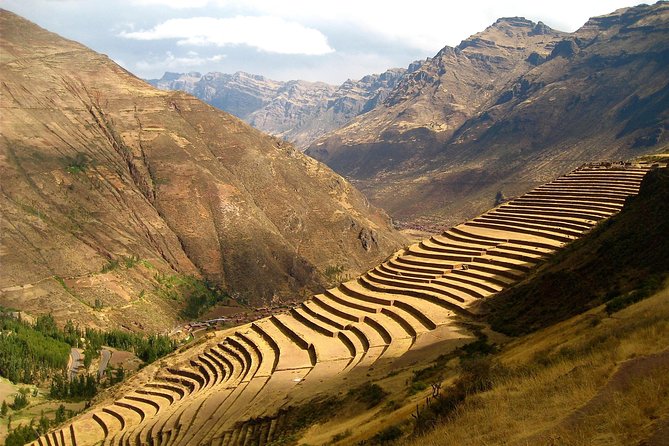
Pisac Archaeological Park is the first major stop, with about an hour allocated for the ruins. The site introduces you to several parts of Inca culture, including carefully fitted stonework and impressive agricultural terraces.
The terraces are more than pretty steps cut into the hills. They show how the Incas adapted steep mountain terrain for farming. From the ruins, the scale of the Sacred Valley becomes clear, and your guide can help connect the stone structures to the surrounding farmland.
One hour is enough for a guided introduction and photographs, but it is not a slow, exhaustive visit. If you like taking your time at archaeological sites, you may wish for longer. The tour has several more stops ahead, so the schedule has to keep moving.
An entrance fee is not included. The listed Sacred Valley tourist ticket costs 70 soles and must be paid in cash. Since the ticket requirement covers a large part of the archaeological portion of the day, carry the correct amount before departure.
Pisac Market: crafts and a short cultural stop
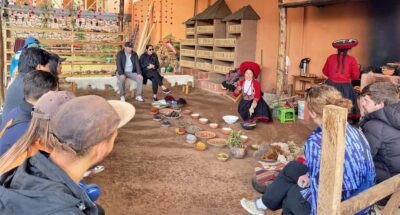
After the ruins, you spend about 45 minutes at Pisac Market. This is your chance to interact with local people and shop for crafts, rather than focus only on ancient stonework.
Forty-five minutes is a sensible amount of time for browsing, but it is not enough for a leisurely market visit. You will need to decide quickly if you want to look, bargain, or buy. The market stop may appeal to you if you want a chance to see handmade goods and support local sellers.
Some visitors are wary of market or cultural stops because organized tours can turn them into hard-selling sessions. Here, the stop was described as more interesting than expected, but the experience can still depend on the group and the day. Treat it as an optional shopping and people-watching break, not the main reason to book the tour.
One practical point deserves attention. A past booking included a complaint that the driver seemed impatient when the group asked to see the marketplace, even though it was part of the planned route. This appears to be an isolated service issue, but it is worth making sure the market stop is understood at the start of the day.
Moray: circular terraces with a scientific puzzle
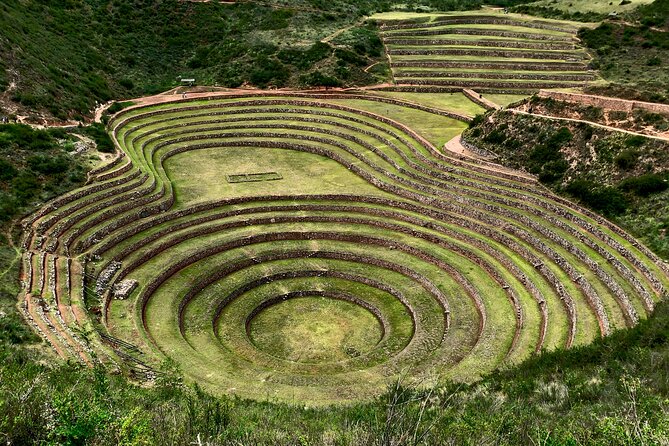
Moray receives about an hour and offers one of the most unusual sights on the route. Three amphitheater-like terrace systems are carved into deep, bowl-shaped depressions in the earth.
These terraces are often described as an Inca agricultural laboratory. The idea is that the different levels created varied growing conditions, allowing crops to be tested at different temperatures and elevations. The exact purpose remains a subject of discussion, so a good guide should explain the theory without presenting it as absolute fact.
Moray is visually different from Pisac and Ollantaytambo. Instead of high walls and dramatic mountainside terraces, you look down into enormous circular forms that seem almost too precise to be natural. The site rewards a guide who can explain the engineering and agricultural thinking behind it.
The schedule lists one hour, though one account describes spending closer to 15 to 30 minutes at Moray. That difference may reflect the group’s pace, traffic, or the time needed at other stops. If Moray is high on your list, tell the guide you would like enough time for a proper explanation and photographs.
Admission is not included, so keep your cash accessible.
A few more Cusco trips worth lining up side by side
- Classic Inca Trail Trek 4D/3N to Machu Picchu (Group Service)
★ 5.0 · 8,653 reviews - Cusco: Rainbow Mountain and Red Valley Day Trip with Meals
★ 4.9 · 4,893 reviews - Machu Picchu: 4-Day Inca Trail Trek with Panoramic Train Ride
★ 5.0 · 4,568 reviews - Salkantay Classic Trek 5 Days from Cusco
★ 5.0 · 4,062 reviews
Maras salt pools: a bright change of scenery
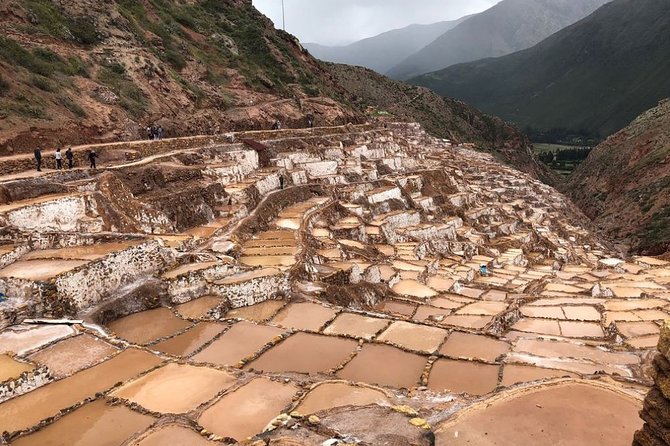
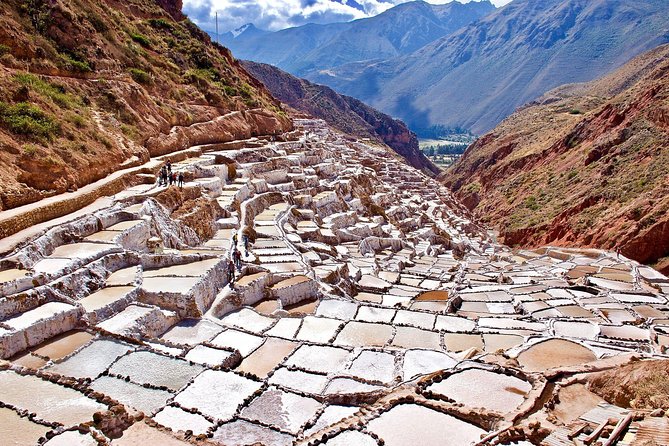
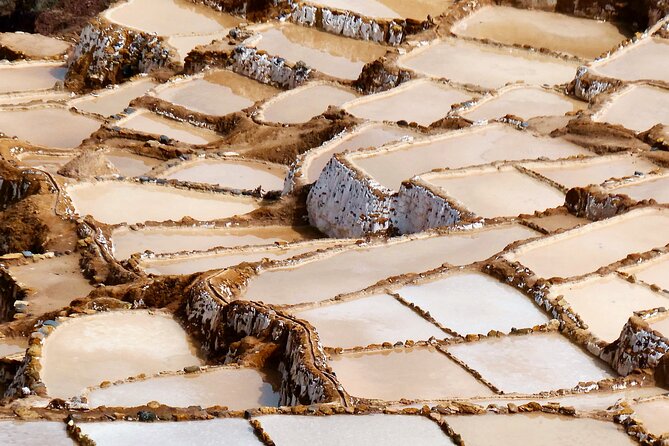
The Maras salt mines sit about two miles from Moray and add a completely different visual experience. More than 3,000 salt pools are cut into the mountainside, each filled by a small stream.
As the water evaporates, salt remains behind in pale, glistening patches. From above, the pools form a striking pattern against the Andes. This is one of the best places on the route for photographs, especially if you want something beyond standard Inca ruins.
The salt pools date to the colonial period and were once an important salt-producing center. That detail gives the stop a wider time frame. The day is not limited to the Inca era, and Maras shows how local production continued to shape the area after the Spanish conquest.
The visit is scheduled for about 45 minutes, though some accounts suggest the actual time at Maras and Moray can be shorter. The stop is enough for the main viewpoint and photos, but not for a long walk or detailed exploration.
The salt mine fee is 20 soles per person, payable in cash. The information also lists the fee twice under separate admission notes, so the practical takeaway is simple: budget 20 soles for Maras and do not assume it is covered by the main tourist ticket.
Urubamba lunch: useful, included, and possibly late
Lunch is included at a buffet in Urubamba. That is a real convenience on a long day, since you do not need to search for a restaurant while moving between sites.
The meal has received mixed impressions. Some descriptions call it excellent and praise the range and generous portions. Another account found the food average, with dishes left uncovered and not clearly labeled. The most sensible approach is to view lunch as functional rather than a special culinary stop.
Timing matters more than the menu. Lunch may not happen until around 2 p.m., because the route covers several sites and the meal is positioned after much of the sightseeing. Bring snacks from Cusco, particularly if you tend to eat early or find long gaps between meals uncomfortable.
A buffet also lets you choose how much to eat. That can help if altitude affects your appetite or if you prefer a light meal before continuing to Ollantaytambo. Just do not plan on lunch as your first food of the day.
Ollantaytambo: the strongest final stop
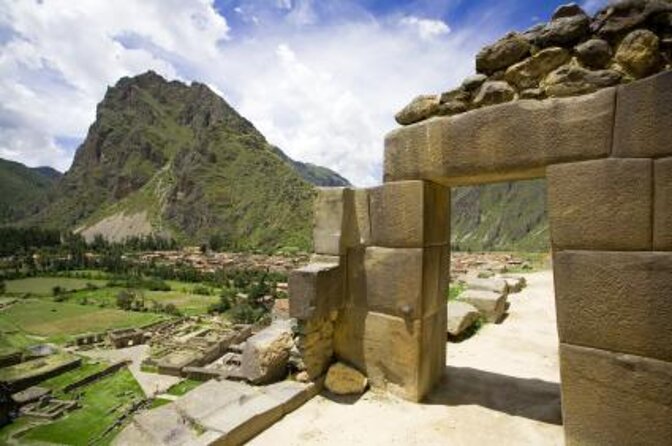
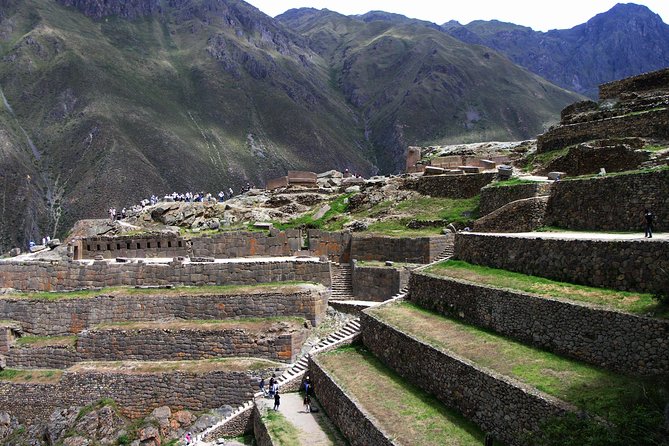
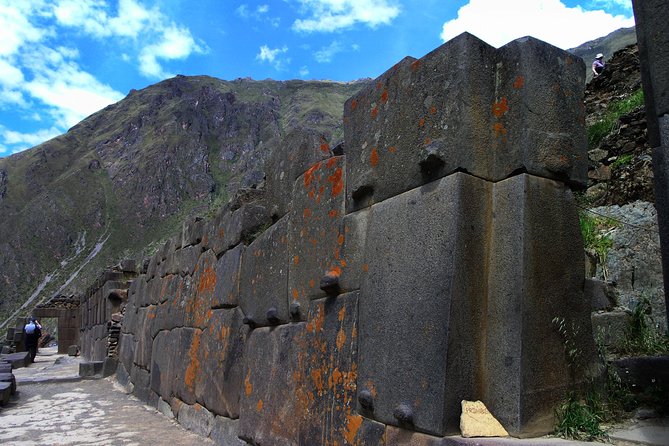
Ollantaytambo Archaeological Park is scheduled for about an hour and provides a fitting finish. The site highlights Inca architecture from the height of the empire, with massive stone construction and a dramatic rock formation associated with the Inca god Wiracocha.
The scale here is impressive. Ollantaytambo feels like more than a ceremonial site. Its walls, terraces, and mountain position show how the Incas built places that were practical, symbolic, and imposing at the same time.
An hour gives you a focused visit, but again, this is not a full archaeological study. You will see the central features and hear the main explanation, then continue. If you are fascinated by Inca masonry, you may wish the schedule allowed more time.
Ollantaytambo is also useful from a transport point of view. One account praised being dropped in the center of town, a five to ten minute walk from the train station, when continuing toward Aguas Calientes and Machu Picchu. However, the stated end point for the experience is the starting meeting point in Cusco, so do not assume an Ollantaytambo drop-off is automatic. Confirm this option directly before you book or before the day begins.
The guide can make or break the day
The most consistently praised part of this tour is the guiding. Jaime is described as excellent, Jimy as highly informed with strong English and interesting facts, and Juan as engaging across several languages.
Those names matter because this route needs explanation. Without a good guide, Pisac can become a quick photo stop, Moray can look like a strange hole in the ground, and Ollantaytambo can blur into another pile of stones. The best guides connect the sites to Inca discoveries, science, religion, and farming.
Jimy in particular is praised for passion and professionalism. The guide also encouraged breaks and showed awareness of the effects of high altitude. That is valuable because the day involves repeated walking, archaeological sites, and a great deal of time outside.
The service is not described as perfect in every case. One complaint focused on a driver who seemed impatient around the Pisac Market. The guide was still praised, but this is a reminder that the experience includes both guiding and transport. If you need an extra stop or more time for photos, ask politely and early.
Transport, group size, and the long-day tradeoff
Private air-conditioned transportation is included, with a group of two to eight people. That keeps the route more flexible than a large coach itinerary and provides shelter during the long transfers.
The exact pickup arrangement depends on the option selected. Hotel pickup in Cusco is available if chosen, while the listed meeting point is Plaza Regocijo, at F2M9+5X2, Cusco 08002. Check your selected option carefully rather than assuming hotel pickup is included.
The small group is a strong value point at this price. At $73.47 per person, you receive transport, a professional guide, and buffet lunch. You still pay entrance fees, but arranging a private vehicle and guide separately would likely require more planning and could cost more, especially for a solo visitor or couple.
The tradeoff is a tightly packed day. You will spend much of the day moving between sites, and each stop has a firm time limit. I would book this tour if your priority is seeing the main Sacred Valley highlights in one outing. I would not choose it if you want long walks, unhurried photography, or extended time at every ruin.
What to bring and how to prepare
Carry cash in Peruvian soles. You need 70 soles for the Sacred Valley tourist ticket and 20 soles for the Maras salt mine admission. The experience data also lists the salt fee as PEN20, so budget 90 soles in total for the stated admissions.
Bring snacks because lunch may be around 2 p.m. Water is also sensible for a long day of sightseeing, though no separate drink provision is listed.
Wear shoes suitable for walking around archaeological sites. The information does not specify trail conditions, so avoid assuming that every stop is flat or effortless. The route involves ruins, terraces, and mountain settings, and your guide may suggest breaks when needed.
The schedule is easier if you begin with realistic expectations. You are not getting four leisurely tours in one day. You are getting a carefully arranged survey of the Sacred Valley, with enough time at each place to see its main character.
Who should book this Sacred Valley tour?
I would recommend it to first-time visitors based in Cusco who want a broad introduction to the valley without organizing several separate excursions. It also suits people who value a guide’s explanation as much as the views.
The tour is especially practical if you plan to continue to Machu Picchu. An Ollantaytambo finish can save backtracking, but you must confirm that drop-off arrangement because the published end point is the Cusco meeting point.
Families, couples, and solo visitors can all fit the format, and most people can participate according to the supplied tour information. Anyone sensitive to high altitude should use the breaks, eat lightly if needed, and avoid treating the fast pace as a challenge to conquer.
At 98 percent recommended and a 4.8 rating from 45 reviews, the overall record is strong. The praise centers on the guides, organization, and range of sights. The cautions are clear too: bring cash, expect a late buffet lunch, and accept that some stops may feel brief.
Should you book it?
Book this tour if you want maximum Sacred Valley coverage in one day, a small group, air-conditioned transport, and a guide who can explain Inca engineering and beliefs in English or Spanish. The price is fair once you account for transport and lunch, though entrance fees add to the final cost.
Skip it if you want a slow archaeological experience or dislike fixed schedules. For most people with limited time in Cusco, the combination of Pisac, Moray, Maras, and Ollantaytambo makes this a strong, practical choice. Just pack a snack, carry soles, and confirm whether you can finish in Ollantaytambo.
FAQ
How long does the Sacred Valley tour last?
The tour lasts approximately 12 hours.
What places are visited?
The route includes Pisac Archaeological Park, Pisac Market, Moray, the Maras salt mines, and Ollantaytambo Archaeological Park.
Is lunch included?
Yes. A buffet lunch in Urubamba is included.
Are entrance tickets included?
No. The Sacred Valley tourist ticket is listed at 70 soles, payable in cash. The Maras salt mine admission is listed at 20 soles per person, also payable in cash.
How many people can join the tour?
The tour is limited to a maximum of eight people.
Is hotel pickup available?
Hotel pickup in Cusco is included if that option is selected. The listed meeting point is Plaza Regocijo in Cusco.
Does the tour finish in Ollantaytambo?
The stated end point is back at the meeting point in Cusco. An onward option ending in central Ollantaytambo is described, but you should confirm that arrangement before booking.
Added recently around Cusco
- Guided tour of the mountain of colors in Cusco★ 5.0 · 11 reviews
- 2-Day Private Short Inca Trail to Machu Picchu★ 5.0 · 15 reviews
- San Pedro Market Tour with Peruvian Cooking Class★ 5.0 · 31 reviews
- City Tour Cusco – Group★ 5.0 · 4 reviews
- Tour Sacred Valley with Maras and Moray★ 5.0 · 15 reviews
- Walking Culinary Experience★ 5.0 · 41 reviews
- City Tour in Cusco★ 4.5 · 10 reviews
- One Day Tour to Humantay Lagoon★ 5.0 · 8 reviews
Sacred Valley Tours, compared.
Sacred Valley & Maras Salt Mines Tour with Lunch
Read our review →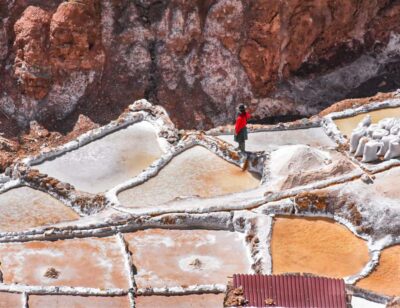
Moray, Maras Salt Mines & Chinchero Weavers Tour
Read our review →
2-Day Tour: Sacred Valley and Machu Picchu by Train
Read our review →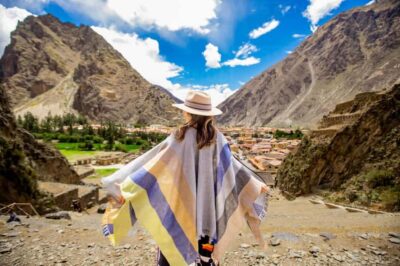
Sacred Valley, Pisac, Ollantaytambo, Salt Mines Moray
Read our review →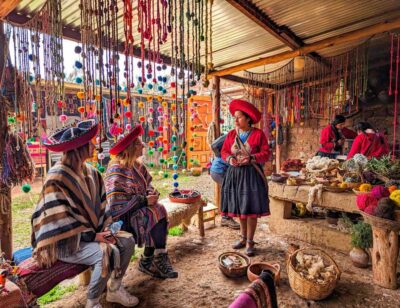
Chinchero,Moray & Salt Mines drop-off in Ollantaytambo
Read our review →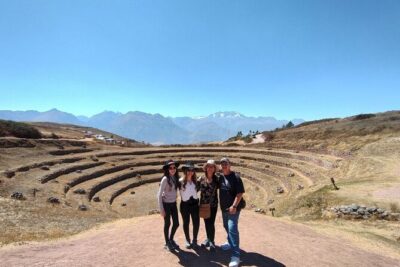
Sacred Valley and Maras Moray Tour with Full Day Buffet Lunch
Read our review →

Browse the lists this tour appears in