
Reviewed · SACRED VALLEY TOURS
Cusco: Full-Day Tour of The Sacred Valley With Lunch
The Sacred Valley rewards an early start. This $38 tour links Pisac, Urubamba, Ollantaytambo, and Chinchero in one long day, making it a practical choice if your Cusco schedule is tight. I especially like the small group of up to 13 people and the included buffet lunch, two details that make a full day on the road easier.
I also like that the route mixes major Inca sites with living towns, textile work, shopping, and river views. The main caution is time: some stops can feel rushed, while shopping visits may take longer than you expect. If you want slow archaeological exploration, this is not the ideal format.
In This Review
- The key points at a glance
- Why this Sacred Valley tour works for a short Cusco stay
- Pisac combines a market with serious Inca architecture
- Following the Vilcanota River toward Urubamba
- Urubamba provides a welcome lunch break
- Ollantaytambo explains the valley’s defensive side
- Chinchero adds textiles, colonial layers, and an Inca wall
- Lunch, transport, and group size: what the $38 covers
- The main drawback: a lot of ground in one day
- What to bring for changing Andean weather
- Who should book this tour?
- Should you book it?
- FAQ
- How long does the Sacred Valley tour last?
- What places does the tour visit?
- Is hotel pickup included?
- Where does the tour finish?
- Is lunch included?
- Are drinks included with lunch?
- Is the archaeological tourist ticket included?
- Is water provided?
- What languages are available for the guide?
- How large is the group?
The key points at a glance
- Four Sacred Valley stops in eight hours: You visit Pisac, Urubamba, Ollantaytambo, and Chinchero in one organized loop from Cusco.
- Small group transport: The group is limited to 13 people, with pickup from hotels and establishments in Cusco’s historic center.
- Lunch is included: A buffet meal in Urubamba includes vegetarian choices, while drinks cost extra.
- The archaeological ticket is separate: You must pay for the tourist ticket covering Pisac, Ollantaytambo, and Chinchero.
- Shopping takes real time: Artisan markets, textile displays, and metal or clothing shops are part of the day, so expect less time at some ruins.
- A useful tour for a short stay: The route gives you a broad introduction to Inca culture without arranging several separate day trips.
Why this Sacred Valley tour works for a short Cusco stay
The Sacred Valley is too large to understand from a single viewpoint. It stretches between high Andean towns, farmland, river corridors, markets, and major Inca sites. This tour gives you a quick but useful first look at several of those places in one day.
I would consider it most useful if you have only a few days in Cusco, or if you want an organized introduction before choosing which places deserve more time. The route covers a lot, but that convenience comes with a tradeoff. You will see several important places, yet you will not have hours at each one.
Transportation, a bilingual guide, hotel pickup, and buffet lunch are included in the $38 price. That is good value for a full eight-hour day, especially when you factor in the convenience of moving between distant towns. You still need to budget for the archaeological tourist ticket, drinks, and water.
The small-group limit matters. A group of 13 is easier to manage than a large coach party, and you have a better chance of hearing the English or Spanish explanation. Still, the tour follows a fixed schedule, so a small group does not turn it into a private visit.
More Sacred Valley days out:
- From Cusco: Moray, Maras Salt Mines & Chinchero Weavers Tour
★ 4.8 · 1,925 reviews - 2-Day Tour: Sacred Valley and Machu Picchu by Train
★ 5.0 · 1,127 reviews - Cusco: Sacred Valley, Pisac, Ollantaytambo, Salt Mines Moray
★ 4.6 · 1,058 reviews
Pisac combines a market with serious Inca architecture
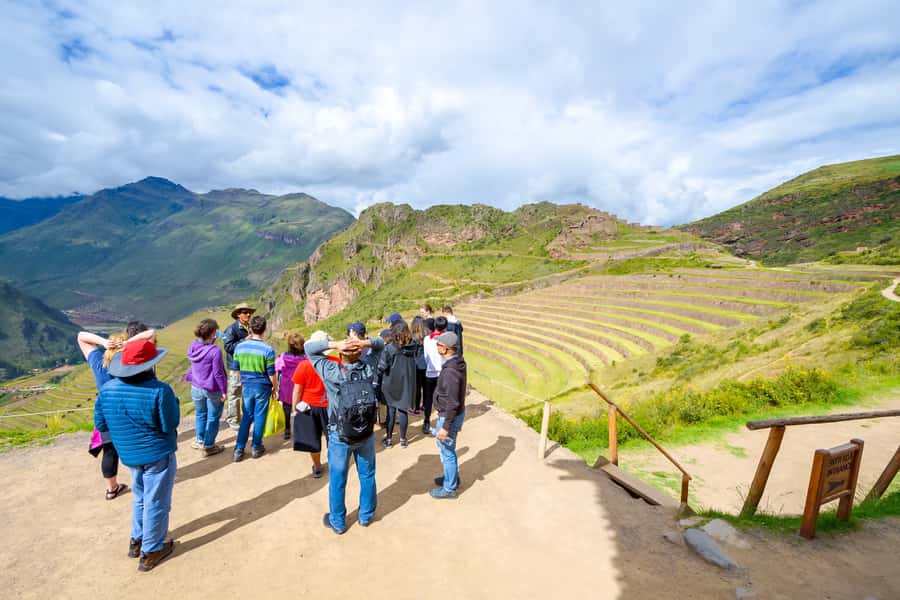
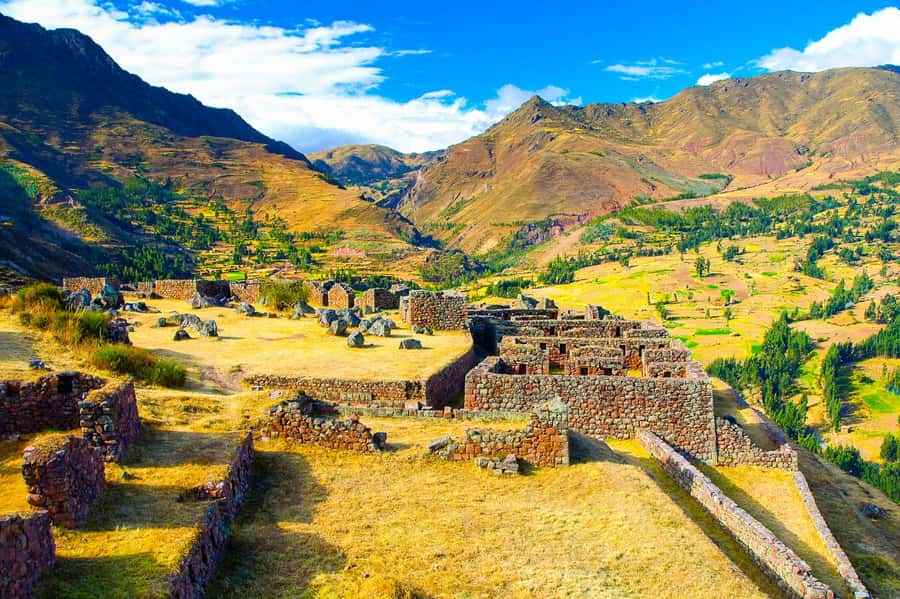
Pisac is the first major stop, and it gives you two different experiences. In town, you have time to look through the colorful artisan market and see local customs expressed through textiles, crafts, and everyday trade. This is the place to browse before the day gets busy with ruins and transport.
The market is useful for shopping, but keep your expectations sensible. You may find attractive handmade goods, clothing, and souvenirs, but the tour schedule does not allow for a leisurely market morning. If you enjoy bargaining and comparing goods, you may wish you had more time.
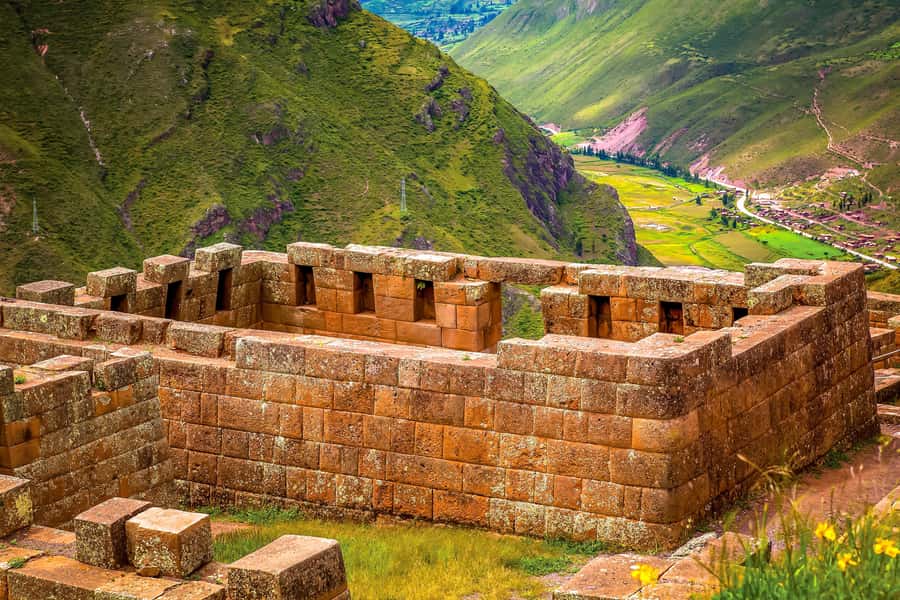
The archaeological park of Pisac is the more important part of the stop. Its position above the valley helps explain why the site mattered. The remains are tied to military, religious, agricultural, and administrative purposes, and the guide can connect the stonework to the wider Inca system.
I would pay close attention to the explanation of the architecture rather than treating Pisac as just a photo stop. The site helps you see how the Incas used mountains, terraces, walls, and carefully planned construction together. The setting is impressive, but the meaning behind the structures is what makes the stop worthwhile.
Time is the concern here. A short visit can leave you admiring the view without getting a proper sense of the site. One detailed account described less than half an hour at an early archaeological stop, followed by nearly an hour in a shop. That is a useful warning: ask your guide how much time is planned at Pisac and keep track of the schedule.
Following the Vilcanota River toward Urubamba
After Pisac, the route continues along the right bank of the Vilcanota River through the Sacred Valley. This section is less about one single attraction and more about seeing how the valley connects its towns and Inca sites.
The road gives you a changing view of the valley, with high slopes, cultivated land, and settlements along the river corridor. The provided details do not promise a dedicated photo stop here, so you should be ready to enjoy the view from the vehicle rather than expect a long walk or viewpoint break.
That is one reason a window seat can be useful. If you have a choice, sit where you can see outside, and keep your camera ready. The ride is part of the experience, but it also contributes to the feeling that the day moves quickly.
Urubamba provides a welcome lunch break
Urubamba is the lunch stop. You eat at a local restaurant with a buffet arrangement, so you can choose from the available dishes and return for more if you wish. Vegetarian options are available, which makes the meal more flexible for different diets.
The food has been described as good and, in one especially positive account, the lunch was a high point of the day. Drinks are not included, so carry cash or confirm the payment method before sitting down. Water is also not provided by the tour, and you are specifically advised to bring your own.
A buffet is a sensible choice on a tightly scheduled group tour. It is faster than ordering individual meals, and you can select something familiar if you are cautious about what you eat at altitude. The downside is that this is a practical group meal, not a carefully planned food experience.
Use lunch to reset. The second half includes Ollantaytambo, one of the day’s most important sites, followed by Chinchero. Comfortable shoes, sun protection, and a light waterproof layer will help you more than extra shopping space.
A few more Cusco trips worth lining up side by side
- Classic Inca Trail Trek 4D/3N to Machu Picchu (Group Service)
★ 5.0 · 8,653 reviews - Cusco: Rainbow Mountain and Red Valley Day Trip with Meals
★ 4.9 · 4,893 reviews - Machu Picchu: 4-Day Inca Trail Trek with Panoramic Train Ride
★ 5.0 · 4,568 reviews - Salkantay Classic Trek 5 Days from Cusco
★ 5.0 · 4,062 reviews
Ollantaytambo explains the valley’s defensive side
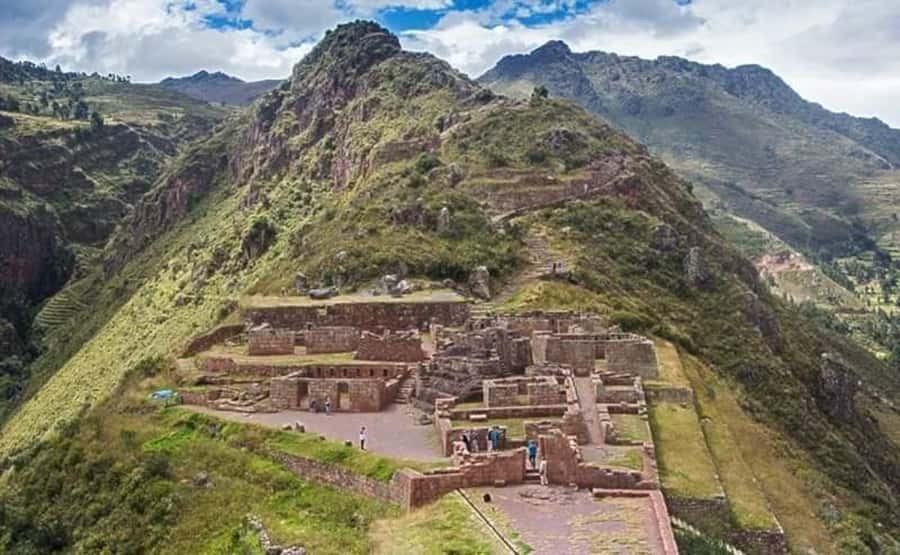
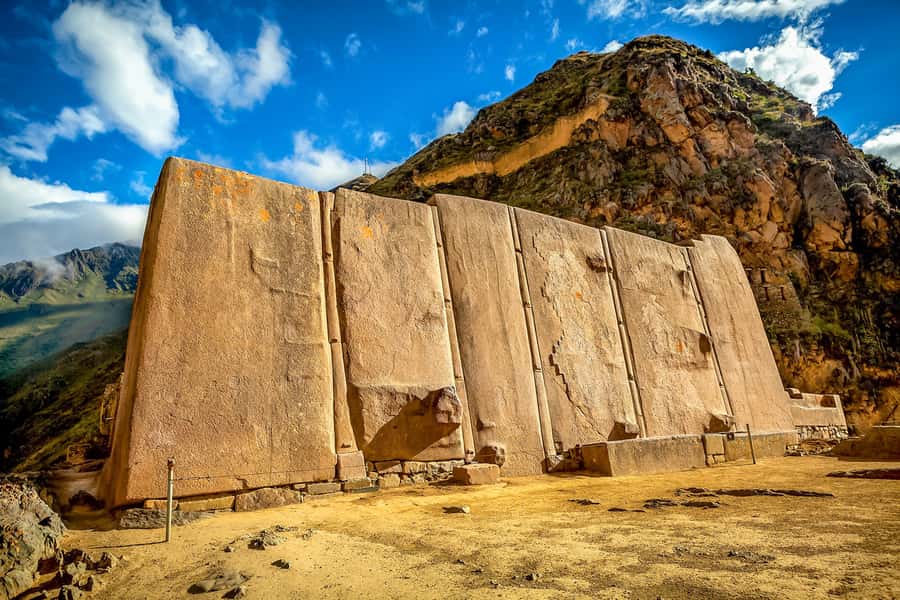
Ollantaytambo is the major archaeological stop on the route. The town and fortress were built to protect the entrance to the Sacred Valley, giving the place a clear military role. It also served religious and cultural purposes, so your guide’s explanation should help you see more than a steep set of stone terraces.
Walking through the town is part of the visit. The surviving streets help you picture how the settlement functioned during the Inca Empire, rather than viewing the ruins as isolated stones on a hillside. This is one of the tour’s strongest features because the modern town and the Inca plan are closely connected.
I would want a reasonable amount of time here. The site rewards looking carefully at the walls, terraces, and relationship between the town and fortress. If your guide has to hurry you through, you may understand the basic importance but miss some of the finer points.
This stop also makes the tour useful for anyone trying to place Inca sites in context. Pisac shows one side of the valley’s planning and power. Ollantaytambo adds defense, control of movement, religion, and urban design. Seeing both in one day is valuable, even if neither receives the attention it would get on a private visit.
Chinchero adds textiles, colonial layers, and an Inca wall
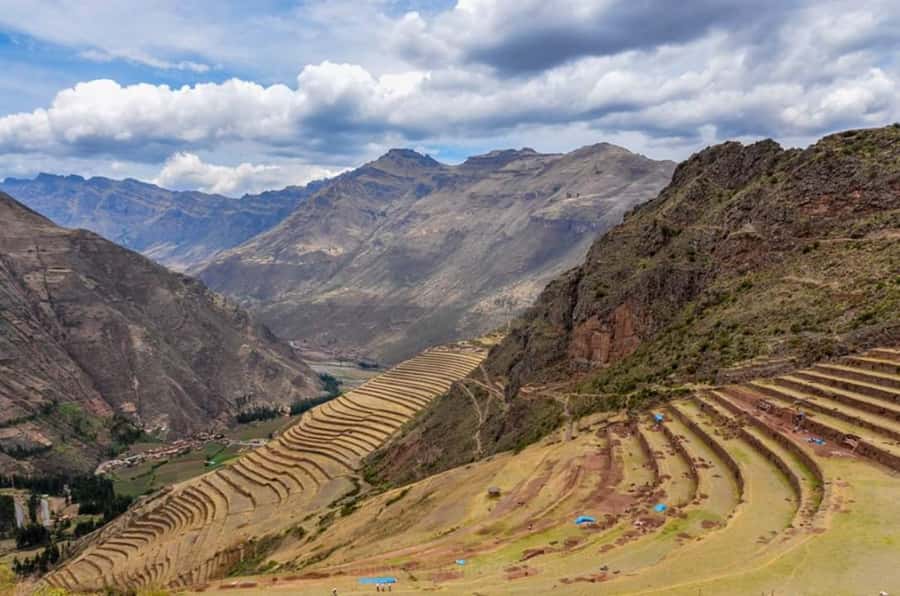
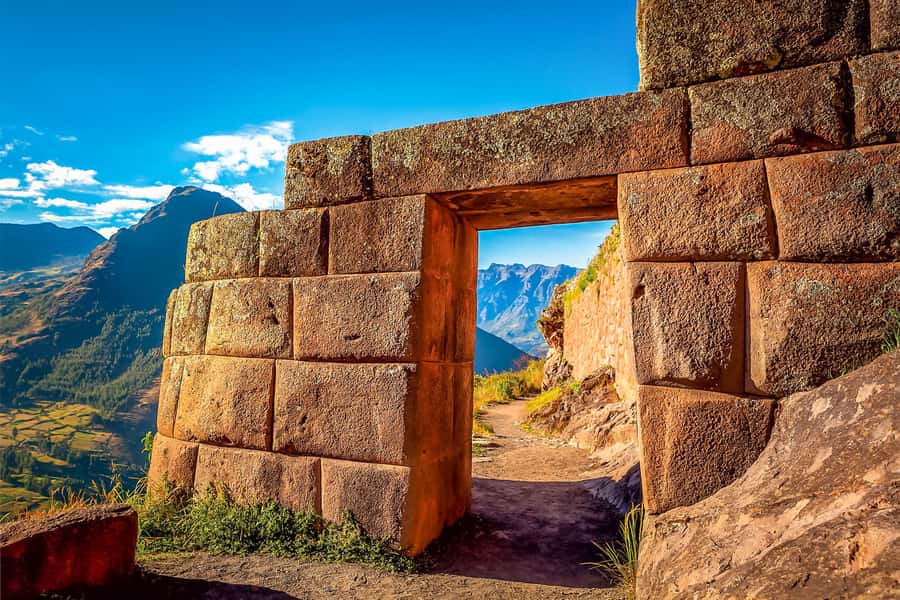
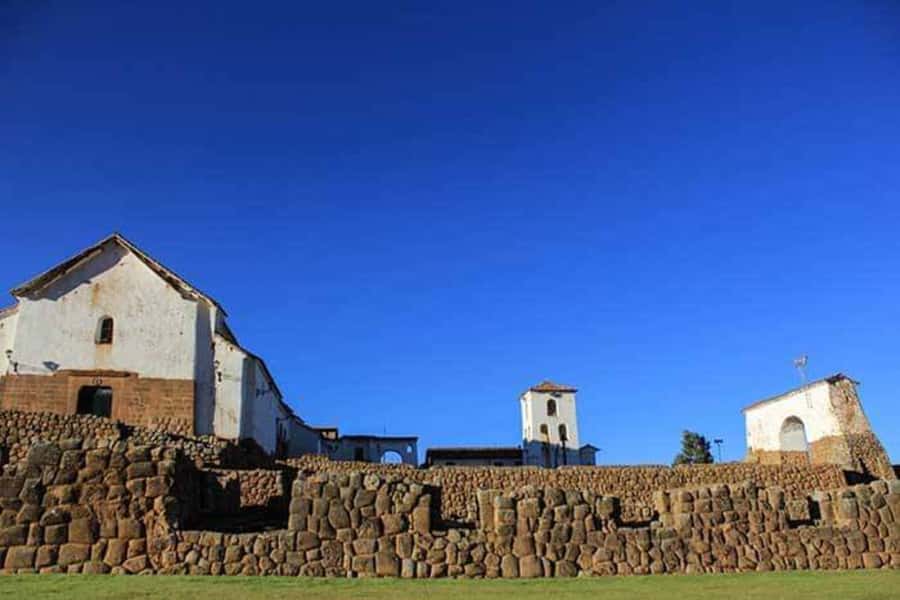
The return to Cusco goes through Chinchero, a town associated with the remains of the royal treasurer of Túpac Inca Yupanqui. The main square includes a well-preserved Inca wall, and the colonial temple was built on the foundations of an Inca structure.
That combination gives Chinchero a different feel from Pisac and Ollantaytambo. You can see how Spanish colonial construction occupied an earlier Inca setting, with the old wall and newer religious building sharing the same town center. It is a compact lesson in the layers of Peruvian history.
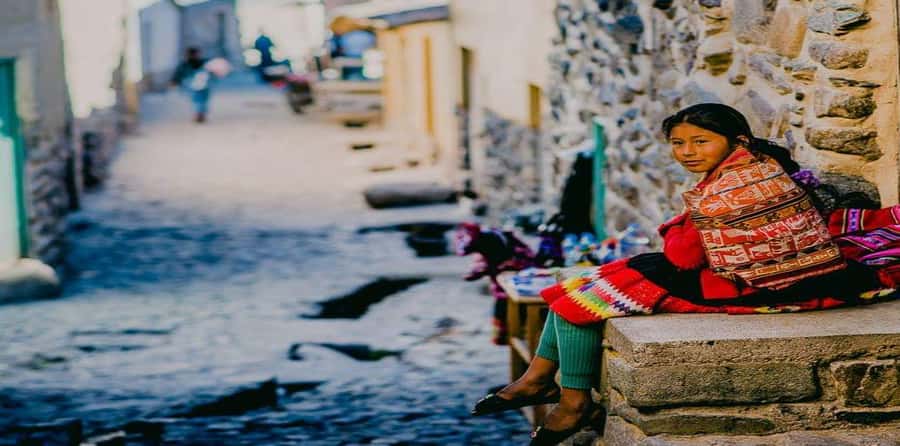
Chinchero is also where you can learn about textiles and have more time to shop. A demonstration or explanation of textile work can add real value when it shows how local materials, patterns, and methods connect with Andean culture. But shopping stops need watching.
Two people who otherwise enjoyed the transport and food felt that too much time went to shops selling silver, metal goods, and clothing, while the archaeological sites received too little. That criticism is important. Shopping can be pleasant, but it should not replace the sites you came to see.
If you are not interested in buying anything, tell the guide politely and use the time to look around the town, study the Inca wall, or ask questions about the temple. The schedule may not allow you to leave the group for long, but you can still make the stop useful.
Lunch, transport, and group size: what the $38 covers
At $38 per person, this is an economical way to cover a large area. The package includes tourist transportation, pickup in Cusco’s historic center, a bilingual English and Spanish guide, buffet lunch, and drop-off at San Francisco Square.
The drop-off point is close to Cusco’s main square, but it is not necessarily your hotel. That is fine if you want to continue exploring the center after the tour, though it is worth planning your evening around the ending point.
Pickup is available from hotels and establishments within the historic center. Drivers cannot wait more than five minutes after the scheduled pickup time, so be ready early. A missed pickup would be a poor start to a day with such a tight route.
The guide can make or break a fast itinerary. Maria Clara received especially warm praise for her guiding, while Marco Antonio was described as precise with timing, kind, and passionate. Those comments point to the qualities that matter most here: clear explanations, good time control, and the ability to keep a group moving without making the day feel cold or mechanical.
The tour operates in English and Spanish. When booking, confirm the language you want and pay attention during the first briefing about meeting points and return times.
The main drawback: a lot of ground in one day
The route is ambitious. You begin in Cusco, travel to Pisac, continue through the valley to Urubamba, visit Ollantaytambo, and return through Chinchero before finishing near Plaza San Francisco. Roads and stops take up a meaningful part of the eight hours.
That does not make the tour poor. It simply defines the experience. You are buying coverage and convenience, not a slow study of each site.
I would choose this format if I had limited time, wanted lunch and transport handled, or felt unsure about arranging the Sacred Valley independently. I would not choose it as my only Sacred Valley experience if I cared most about photography, archaeology, or long walks through the ruins.
The shopping issue is the clearest practical concern. Some people enjoy buying textiles and silver goods, and those stops support local commerce. Others see them as interruptions. If you fall into the second group, ask before departure how much time is planned for stores and whether the guide can protect the archaeological visits.
What to bring for changing Andean weather
The packing list is simple but important:
- Passport or another ID card
- Comfortable walking shoes
- Sunglasses
- Sun hat
- Sunscreen rated SPF 30 or higher
- Your own water
- Long pants
- Warm clothing
- A waterproof jacket or raincoat
The advice about layers is worth following. You may have strong sun, cool air, and rain during the same day. Comfortable shoes matter because the route includes archaeological ground and town streets, not just vehicle stops.
Large bags, oversize luggage, pets, smoking, alcohol, and drugs are not allowed. This is a day tour, not a luggage transfer, so bring only what you need for the outing.
Who should book this tour?
I would recommend it to first-time visitors who want a broad Sacred Valley introduction, people with limited time in Cusco, and anyone who prefers a guide and organized transport. The included lunch and small group keep the cost reasonable, and the four-stop route gives you a useful sense of how the valley fits together.
It also suits you if you want both culture and shopping. Pisac and Chinchero offer markets and textile-related experiences, while Ollantaytambo and Pisac provide the main archaeological focus.
I would be more cautious if you dislike group schedules, avoid shopping stops, or want to spend most of a day at one ruin. The tour’s overall score of 4.4 from 28 ratings reflects a generally positive experience, but the lower scores point to the same issue: time at the sites can feel too short.
Free cancellation is available up to 24 hours before the tour, and you can reserve now and pay later. Those policies are useful if your Cusco plans are still shifting, but they do not change the basic question: can you accept a fast pace?
Should you book it?
Book this tour if you want an affordable, well-organized overview and understand that the day will move quickly. The best parts are the range of places, the strong guides reported by name, the buffet lunch, and the small group size.
Skip it in favor of a slower private or multi-day plan if Ollantaytambo and Pisac are top priorities and you want serious time at each. For most short Cusco visits, though, this is a sensible first look at the Sacred Valley, provided you bring water, protect your time at the ruins, and treat the shopping stops as optional rather than the main event.
FAQ
How long does the Sacred Valley tour last?
The tour lasts eight hours.
What places does the tour visit?
The route includes Pisac, Urubamba, Ollantaytambo, and Chinchero.
Is hotel pickup included?
Yes. Pickup is included for hotels and establishments within Cusco’s historic center.
Where does the tour finish?
The tour ends at Plaza San Francisco, close to Cusco’s main square.
Is lunch included?
Yes. A buffet lunch at a local restaurant in Urubamba is included.
Are drinks included with lunch?
No. Drinks are charged separately.
Is the archaeological tourist ticket included?
No. The tourist ticket for Pisac, Ollantaytambo, and Chinchero is not included.
Is water provided?
No. You should bring your own water.
What languages are available for the guide?
The live guide is available in English and Spanish.
How large is the group?
The tour is limited to 13 participants.
Added recently around Cusco
- Guided tour of the mountain of colors in Cusco★ 5.0 · 11 reviews
- 2-Day Private Short Inca Trail to Machu Picchu★ 5.0 · 15 reviews
- City Tour Cusco – Group★ 5.0 · 4 reviews
- Tour Sacred Valley with Maras and Moray★ 5.0 · 15 reviews
- San Pedro Market Tour with Peruvian Cooking Class★ 5.0 · 31 reviews
- City Tour in Cusco★ 4.5 · 10 reviews
- Walking Culinary Experience★ 5.0 · 41 reviews
- One Day Tour to Humantay Lagoon★ 5.0 · 8 reviews
Sacred Valley Tours, compared.
Sacred Valley & Maras Salt Mines Tour with Lunch
Read our review →
Moray, Maras Salt Mines & Chinchero Weavers Tour
Read our review →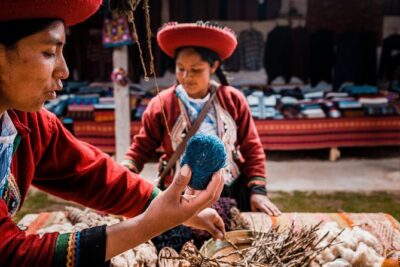
2-Day Tour: Sacred Valley and Machu Picchu by Train
Read our review →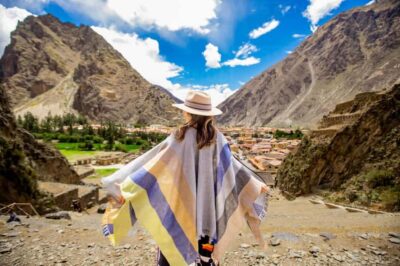
Sacred Valley, Pisac, Ollantaytambo, Salt Mines Moray
Read our review →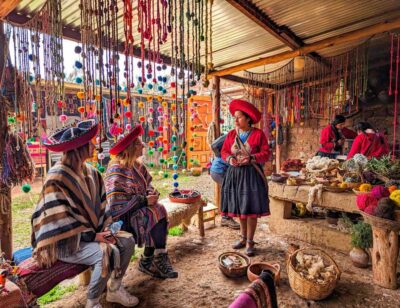
Chinchero,Moray & Salt Mines drop-off in Ollantaytambo
Read our review →
Sacred Valley and Maras Moray Tour with Full Day Buffet Lunch
Read our review →

Browse the lists this tour appears in