
Reviewed · CITY TOURS
Cusco: Half-Day City Tour
Cusco rewards a good first-day plan. This six-hour tour links the city’s main square with Inca temples, mountain ruins, carved altars, and fountains, giving you a useful introduction without forcing you to arrange several separate visits. I especially like the English and Spanish guide, who explains the clash between Inca beliefs and Catholic rule, and the mix of walking and bus travel. The $22 price is also appealing, though the required entrance fees add a noticeable extra cost.
I also like that you get guided time at Sacsayhuaman and then some freedom to look around on your own. The main drawback is pace: the Plaza de Armas and cathedral come early, and the schedule can feel rushed there. If you want long, quiet visits at each place, this tour will feel tight.
In This Review
- Key points to know before you book
- Why this six-hour route works in Cusco
- Plaza de Armas and the cathedral
- Walking the Inca streets to Qoricancha
- Sacsayhuaman and the scale of Inca stonework
- Qenqo’s altars and the smaller sacred sites
- Returning to Cusco’s main square
- Transport, timing, and what to carry
- Who will get the most from this tour?
- Should you book the Cusco city tour?
- FAQ
- How long does the Cusco city tour last?
- What languages are available?
- Is hotel pickup included?
- What places does the tour visit?
- Are entrance fees included in the price?
- What does the $22 price include?
- What should I bring?
- Is cancellation allowed?
- Can I reserve now and pay later?
Key points to know before you book
- The tour covers five major sights: Plaza de Armas, Qoricancha, Sacsayhuaman, Qenqo, and Tambomachay.
- Sacsayhuaman gets guided and independent time, a useful balance for a large site with plenty to see.
- The price is only the starting cost: cathedral, Qoricancha, and archaeological-site tickets are not included.
- You combine walking through Cusco with tourist transport, so you do not spend the whole day on foot.
- English and Spanish guiding is included, along with an audio guide in both languages.
- The meeting point is easy to identify: the monument to the Inca in Plaza de Armas.
Why this six-hour route works in Cusco
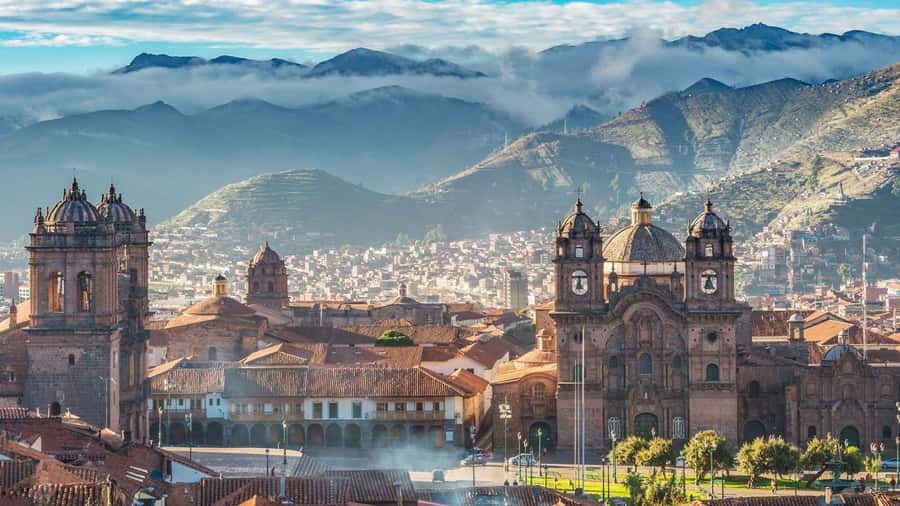
Cusco can be confusing on your first morning. The historic center is compact, but the major Inca sites outside town are spread across the hills. This tour gives you a clear sequence: begin in the heart of the city, walk through its old streets, then ride out to the larger ceremonial sites.
That order matters. You first see how modern Cusco uses the Spanish colonial center as its stage. Then Qoricancha introduces the Inca foundations beneath that colonial story. After that, the bus takes you to Sacsayhuaman and the nearby sites, where the scale of Inca engineering becomes easier to grasp.
I would treat this as an orientation tour rather than a slow archaeological study. You will see a lot in six hours, but you will not have unlimited time at every stop. One visitor specifically felt that adding an hour would reduce the rush at the first stop. That is useful advice if you prefer lingering over photographs, reading every sign, or sitting quietly in a church.
The guide is one of the strongest parts of the experience. The tour is offered in English and Spanish, and the guide explains the sites in both languages. One particularly helpful account describes a guide who answered questions about Cusco and the Inca in detail and even helped a late-arriving participant catch up with the group. That suggests a practical, attentive approach, although you should still arrive on time.
Other ways to see Peru itself:
- ECONOMIC PRIVATE TOUR IN THE CITY OF CUSCO – HALF DAY
★ 5.0 · 6 reviews - Lima Half-Day City Walking Tour (Small Groups)
★ 5.0 · 1,508 reviews - Cusco: Half-Day City Tour with Sacsayhuaman and Q’enco
★ 4.6 · 1,129 reviews
Plaza de Armas and the cathedral
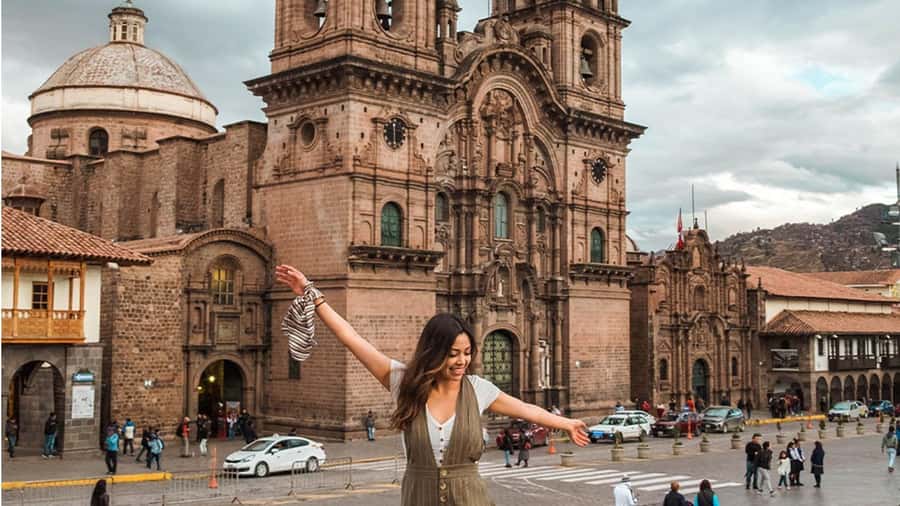
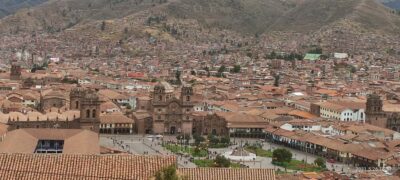
The tour begins at Cusco’s Plaza de Armas, either after hotel pickup if you selected that option or at the stated meeting point by the monument to the Inca. The square is the city’s natural starting place, with locals, tourists, colonial buildings, and the cathedral all competing for your attention.
The cathedral visit gives you a quick look at the Catholic side of Cusco’s history. The important point is not only the building itself, but the way Catholic institutions were placed at the center of a former Inca capital. Your guide sets up the cultural conflict that continues through the rest of the tour.
The cathedral entrance fee is 40 soles and is not part of the $22 tour price. Bring cash so you are ready for this and the other admission charges. The information provided does not specify the exact length of the cathedral visit, so expect a focused stop rather than a long, unhurried examination of every chapel.
This is the part most likely to feel rushed. The square is lively, and there is plenty to watch even before you enter the cathedral. If you want extra time for photographs or street food, save that for the end of the tour, when you return to the main square and continue independently.
Walking the Inca streets to Qoricancha
From the square, you continue on foot through Cusco’s old streets to Qoricancha, also written as Coricancha. The walk is important because it lets you see the Inca stonework in place, rather than treating the ruins as isolated museum pieces.
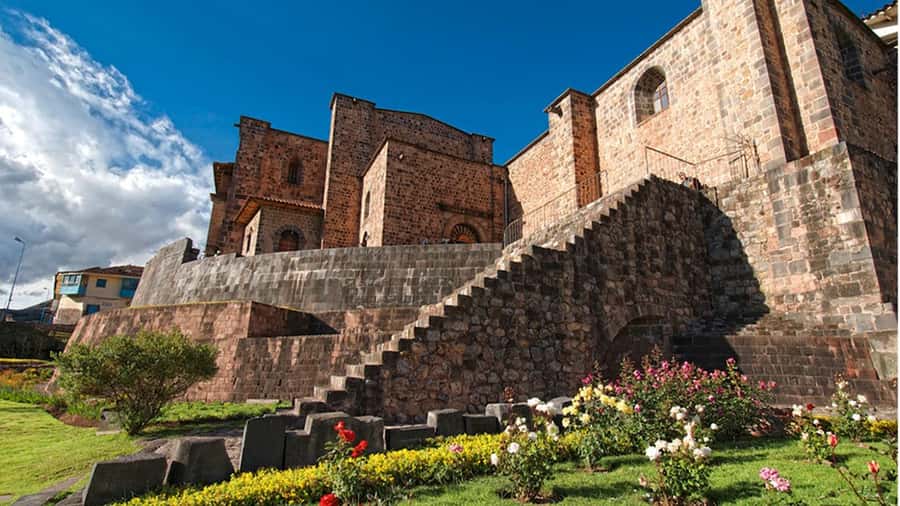
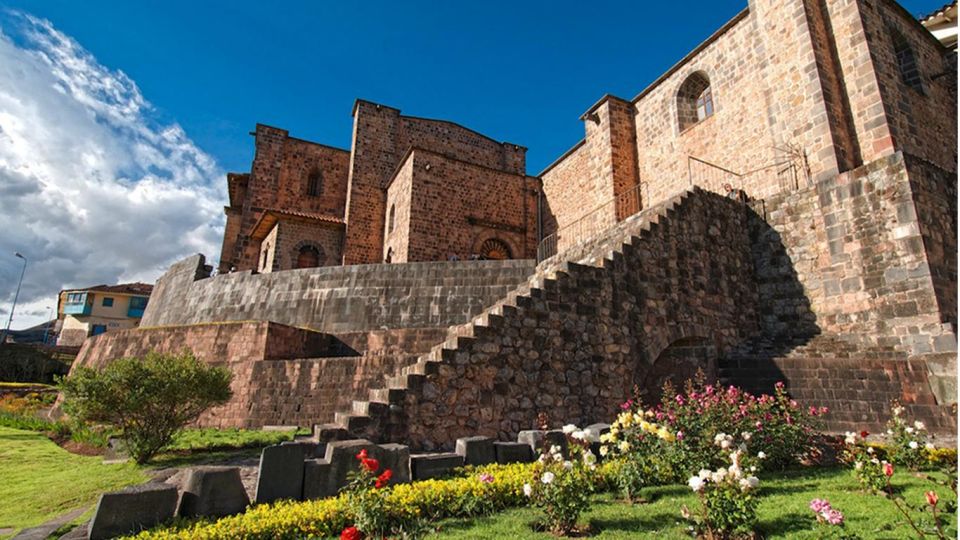
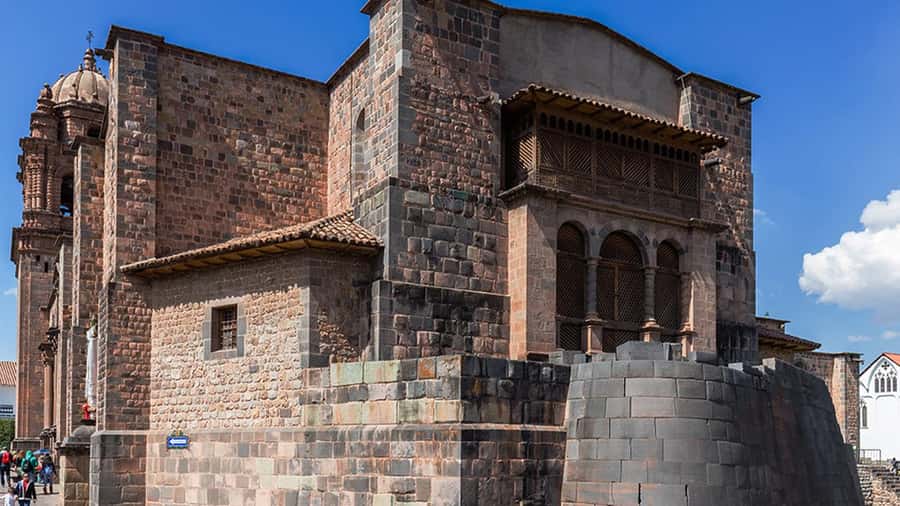
Qoricancha was the Temple of the Sun, one of the most important religious sites in the Inca world. Here, the guide explains the meeting and conflict between Inca religion and Catholicism. You also get to compare construction methods directly: carefully fitted Inca masonry beside later colonial building work.
That contrast is one of the best reasons to take this tour with a guide. Without context, you may notice impressive stone walls but miss why the joins, foundations, and changes in structure matter. The explanations help you read the city as a layered place rather than a collection of disconnected monuments.
The entrance fee to Qoricancha is 20 soles, paid separately. After the visit, the group walks along Avenida El Sol before boarding the bus. This change from narrow historic streets to a major city avenue gives you a quick sense of Cusco beyond the postcard center.
Sacsayhuaman and the scale of Inca stonework
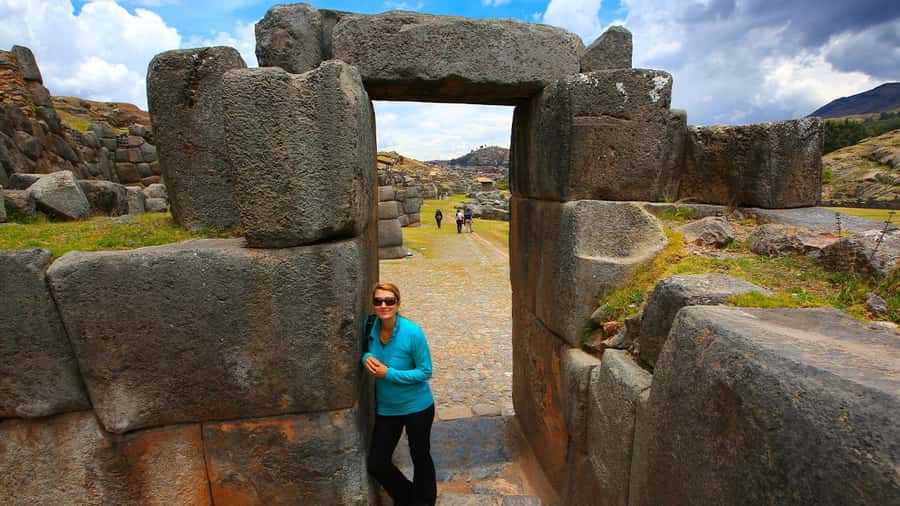
The bus ride out of the city takes you to Sacsayhuaman, the largest and most imposing site on this route. The site is known for huge fitted stones and broad ceremonial spaces. Even if you have already seen Inca walls in town, Sacsayhuaman changes your sense of scale.
The guided portion helps you understand what you are looking at, while the individual exploration time gives you room to move at your own pace. I value that arrangement. A fully guided visit can feel rigid, while a self-guided visit may leave you wondering which stones or spaces deserve attention.
Use your free time here for the details your guide may not have time to cover. Look closely at the stone joins, the shape of the walls, and the way the site occupies the high ground above Cusco. The supplied information does not promise a specific amount of independent time, so keep an eye on the group and listen for instructions about returning to the bus.
Sacsayhuaman is included under the tourist ticket for archaeological sites outside the city. That ticket costs 70 soles and is not included in the tour price. The same ticket covers the outside sites visited later, including Qenqo, Puka Pukara, and Tambomachay.
With the $22 tour price, the listed entry fees total 130 soles if you visit all the included paid sites. That makes the tour less of a $22 day than the headline price suggests. Still, you are paying for transport, a bilingual professional guide, and a planned route that would be harder to coordinate alone. The value is strongest if you want an efficient first look at Cusco’s major sights.
A few more Peru trips worth lining up side by side
- Lima’s Vibrant Heritage: Exploring the City’s Landmarks Half-day
★ 4.5 · 581 reviews - Cusco City Tour Four Ruins in Half-Day
★ 5.0 · 530 reviews - From Puno: Floating Islands of the Uros Half-Day Tour
★ 4.4 · 394 reviews - Lima: Pachacamac Ruins & Barranco Half-Day Guided Tour
★ 4.6 · 296 reviews
Qenqo’s altars and the smaller sacred sites
After Sacsayhuaman, the bus continues to Qenqo. This site has carved altars and a more enclosed, mysterious feel than the broad terraces at Sacsayhuaman. Your guide helps explain how the spaces were used and why they mattered in Inca religious life.
Qenqo is a good reminder that Inca sacred places were not all grand plazas and giant walls. Some are defined by carved rock, intimate chambers, and ritual features that require closer attention. If the group is moving quickly, stay near the guide for the explanation, then use any spare minutes to inspect the stone surfaces yourself.
The route also includes Puka Pukara, described as a small circular site, and Tambomachay, known as the Temple of Water. These stops are shorter in feel and give the tour variety after the massive stones of Sacsayhuaman.
At Tambomachay, the fountains are the main attraction. The water features show another side of Inca engineering, one connected to ceremony, movement, and the careful control of water. The stop is not simply a photo break. It rounds out the story by showing that the Inca built for religious purposes as well as for defense, roads, and government.
The itinerary does not provide exact visit lengths for Qenqo, Puka Pukara, or Tambomachay. You should expect a compact circuit rather than a full afternoon at each site. The 70-sol archaeological ticket covers these outside-city locations, but you should confirm the ticket process with the guide on the day.
Returning to Cusco’s main square
The tour ends back in Cusco’s main square. This is a useful finish because you are not left at an unfamiliar outlying site. You can stay in the Plaza de Armas, find food, shop, or continue exploring on your own.
The final hour is yours, not part of a structured guided visit. You might use it to sample street food, sit in the sun, bargain for souvenirs, or simply revisit a corner of the square that caught your eye at the beginning.
I like this ending because it leaves room for an unplanned moment. The morning or afternoon has given you the main historical framework, and now you can choose what deserves more of your attention. If the first stop felt rushed, the square is also the easiest place to slow down afterward.
Transport, timing, and what to carry
Tourist transportation is included, which makes a real difference once the route leaves central Cusco. You walk through the old center and along Avenida El Sol, then use the bus for the outlying archaeological sites. This is more comfortable than trying to arrange separate rides between Sacsayhuaman, Qenqo, Puka Pukara, and Tambomachay.
Hotel pickup is available only for those who selected that option when booking. Otherwise, meet at Plaza de Armas by the monument to the Inca. Confirm your starting time when you check availability, since the exact departure time is not fixed in the information provided.
Bring your passport or another form of identification, plus cash. You will need cash for the separate admission fees, and it is also useful for food or purchases after the tour. Comfortable walking shoes make sense because the route includes old streets and archaeological sites, though no special equipment is listed.
The tour lasts six hours. That is a long half-day, so plan your meals and other bookings around it. I would avoid scheduling a second major activity immediately afterward, especially if you want time to eat or continue exploring the center.
Who will get the most from this tour?
This experience suits you if it is your first time in Cusco and you want the main sites explained in one organized route. It is also a good fit if you have limited time and would rather pay for transport and guiding than work out the connections between several archaeological sites.
It works well for people who like a clear historical thread. You start with Catholic Cusco, see the Inca foundations at Qoricancha, then move out to the larger ceremonial and water sites. The bilingual guide and audio guide also make the tour practical for English and Spanish speakers.
You may want a different plan if you already know Cusco well or prefer slow photography and independent study. The guide can answer questions, but the schedule covers a lot of ground. The first part, especially the Plaza de Armas, may not leave enough time for a relaxed visit.
The tour also requires extra budgeting. At $22 per person, it is inexpensive for transport and a six-hour guided route, but the 40-sol cathedral fee, 20-sol Qoricancha fee, and 70-sol archaeological ticket are separate. Add those before comparing this tour with a more expensive package that includes admissions.
Should you book the Cusco city tour?
Book it if you want a well-organized introduction to Cusco’s central sights and nearby Inca sites, especially during a short stay. The guide, bilingual explanations, transport, and free time at Sacsayhuaman give you more than a simple bus ride past ruins.
Skip it if your priority is unhurried exploration. In that case, visit the cathedral and Qoricancha separately, then give Sacsayhuaman and the other sites more time on another day.
For most first-time visitors, I would consider this a good-value starting point, as long as you budget the 130 soles in listed admission fees and accept the brisk pace. Arrive at the meeting point early, carry cash and identification, and use the final return to Plaza de Armas to explore at your own speed.
FAQ
How long does the Cusco city tour last?
The tour lasts six hours.
What languages are available?
The live guide speaks English and Spanish. An audio guide is also included in English and Spanish.
Is hotel pickup included?
Hotel pickup is available for people who selected that option when booking. The stated meeting point is Plaza de Armas by the monument to the Inca.
What places does the tour visit?
The route includes Plaza de Armas and the cathedral, Qoricancha, Sacsayhuaman, Qenqo, Puka Pukara, and Tambomachay.
Are entrance fees included in the price?
No. The cathedral costs 40 soles, Qoricancha costs 20 soles, and the tourist ticket for the outside archaeological sites costs 70 soles.
What does the $22 price include?
The price includes tourist transportation and a professional bilingual guided tour.
What should I bring?
Bring your passport or another identification card, along with cash.
Is cancellation allowed?
You can cancel up to 24 hours in advance for a full refund.
Can I reserve now and pay later?
Yes. You can reserve a place and pay later, which keeps your plans flexible.
Added recently around Peru
- Ausangate 7 Lagoons Tour 1 day + Buffet Breakfast and Lunch★ 4.2 · 4 reviews
- Offer Price Tour Salinas Lagoon and National Reserve 8 hours★ 5.0 · 4 reviews
- 1-day excursion to Palcoyo Mountain + Breakfast and Lunch★ 4.0 · 5 reviews
- Cusco: Zipline in the Sacred Valley★ 5.0 · 4 reviews
- Arequipa: Full-Day Tour to Salinas Salt Lake★ 5.0 · 4 reviews
- Cusco: Ausangate Tour Seven Lagoons + meals★ 3.7 · 10 reviews
- Cusco: Sacred Valley VIP, Pisac, Ollantaytambo★ 5.0 · 7 reviews
- ECONOMIC PRIVATE TOUR IN THE CITY OF CUSCO – HALF DAY★ 5.0 · 6 reviews
City Tours, compared.
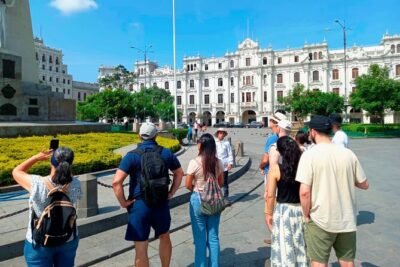
Lima Half-Day City Walking Tour (Small Groups)
Read our review →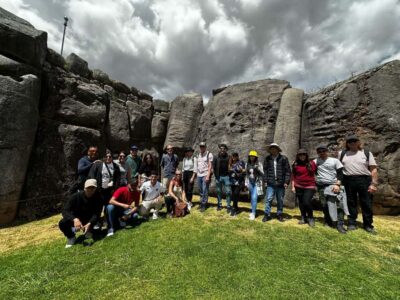
Half-Day City Tour with Sacsayhuaman and Q’enco
Read our review →
City Tour Panoramic Bus Departure From Larcomar
Read our review →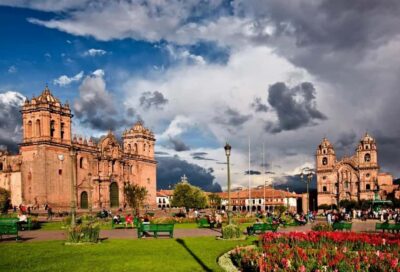
City Tour Cusco Qoricancha Sacsayhuaman y Tambomachay
Read our review →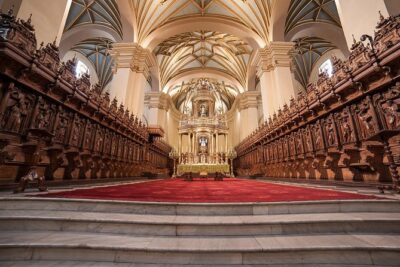
Lima’s Vibrant Heritage: Exploring the City’s Landmarks Half-day
Read our review →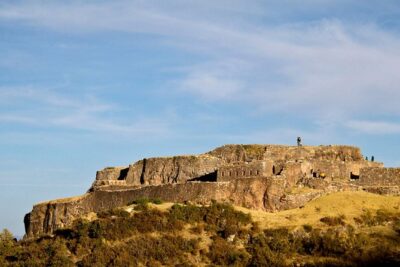
Sightseeing Tour of the City on an Open-Top Bus
Read our review →
Lima City, Central Market & Catacombs Tour (Pick-up & Drop Off)
Read our review →Browse the lists this tour appears in