
Reviewed · SACRED VALLEY TOURS
Cusco Tourist Ticket and Sacred Valley Site Pass
Ancient stones, one useful ticket. The Cusco Tourist Ticket gives you a practical way to visit major archaeological sites and museums across the Cusco region without buying each admission separately. I especially like the choice of three circuits, since you can pay for only the area you plan to see, and I like that the ticket can be delivered to your hotel or collected at Plaza de Armas. The main drawback is simple: choose the wrong circuit and you will not have access to every place on your wish list.
The one-day pass focuses on Sacsayhuaman and its nearby sites. The two-day pass covers the Sacred Valley highlights. The ten-day option combines all 16 listed sites and museums, making it the strongest choice if you are staying in Cusco for several days and want time to pace yourself.
In This Review
- Key points to know before buying
- Which Cusco Tourist Ticket circuit fits your trip?
- Circuit I: Sacsayhuaman, Qenqo, Tambomachay, and Puca Pucara
- Circuit II: four Sacred Valley sites over two days
- Circuit III: 16 sites across ten days
- What the $30 price really buys you
- Ticket delivery and the Plaza de Armas rule
- How to use the pass without rushing
- Who will get the most from this pass?
- Should you book the Cusco Tourist Ticket?
- FAQ
- How many circuits are available?
- What does Circuit I include?
- What does Circuit II include?
- What does Circuit III include?
- Is a tour included with the ticket?
- Where is the ticket delivered?
- How long is each ticket valid?
- Can I cancel for a refund?
Key points to know before buying
- Three circuits cover three different travel plans: Choose one day for Sacsayhuaman, two days for the Sacred Valley, or ten days for the full group of 16 attractions.
- Circuit I packs in four sites: Sacsayhuaman, Qenqo, Tambomachay, and Puca Pucara are all included within one day.
- Circuit II connects major Inca sites: Pisac, Ollantaytambo, Chinchero, and Moray are covered over two days.
- Circuit III adds Cusco museums and outlying ruins: It includes Tipon, Piquillacta, the Pachacutec Inca Monument, and five museums or cultural centers.
- Delivery depends on your accommodation: Hotels in Cusco’s historic center receive the ticket at the property. Places outside the center use Plaza de Armas as the delivery point.
- This is admission only: You receive entry to the listed places, not guiding, transport, meals, or a planned sightseeing tour.
Which Cusco Tourist Ticket circuit fits your trip?
The biggest decision is not the price. It is the circuit.
At $30 per person, the pass can be good value if you visit several included sites. But the three options are not interchangeable. Circuit I, Circuit II, and Circuit III use different tickets and validities, so you should make a short list before booking.
If your Cusco stay is brief and you mainly want the large stonework above the city, choose Circuit I. If your plan centers on the Sacred Valley, Circuit II is the direct choice. If you want museums, smaller archaeological sites, and the freedom to spread visits over several days, Circuit III gives you the broadest coverage.
I would not buy the ten-day option automatically. It offers the most sites, but it makes sense only if you expect to use enough of them. A shorter stay focused on one area may make a smaller circuit more sensible.
More Sacred Valley days out:
- From Cusco: Moray, Maras Salt Mines & Chinchero Weavers Tour
★ 4.8 · 1,925 reviews - 2-Day Tour: Sacred Valley and Machu Picchu by Train
★ 5.0 · 1,127 reviews - Cusco: Sacred Valley, Pisac, Ollantaytambo, Salt Mines Moray
★ 4.6 · 1,058 reviews
Circuit I: Sacsayhuaman, Qenqo, Tambomachay, and Puca Pucara
The one-day pass covers four places in and around Sacsayhuaman Archaeological Park. This is the easiest circuit to understand and the most compact option in terms of the attractions included.
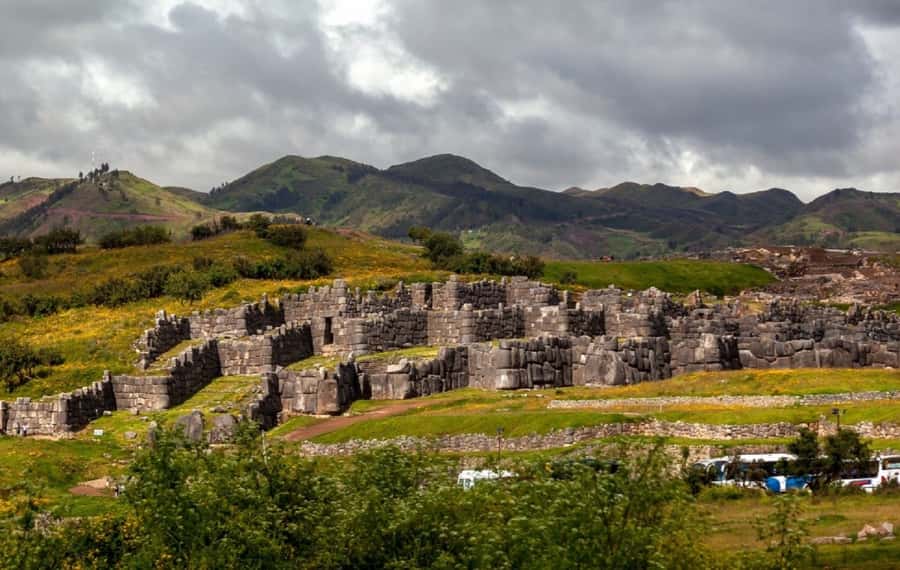
Sacsayhuaman is the headline stop. Its huge fitted stones make it the obvious reason to choose this pass. The site also gives you panoramic views toward Cusco, so bring your camera and allow time to look beyond the walls. The ticket provides entry, but not a guide, so you will need to arrange interpretation separately if you want detailed historical explanation.
Qenqo adds a different kind of stop to the day. It is part of the same archaeological group, which means you can pair it with Sacsayhuaman instead of treating the area as one single ruin. The value here is variety: four named sites give you more than one grand viewpoint and more than one style of Inca-era remains.
Tambomachay and Puca Pucara complete the circuit. Since all four sites are covered by one ticket valid for one day, planning matters. You should not assume that the pass remains valid for a second day if you run out of time. The one-day limit makes this circuit convenient for a focused visit, but less forgiving if your schedule changes.
This option suits you best if you want a concentrated archaeological day near Cusco. It is also a sensible pick for a short visit when the Sacred Valley is not part of your plan.
Circuit II: four Sacred Valley sites over two days
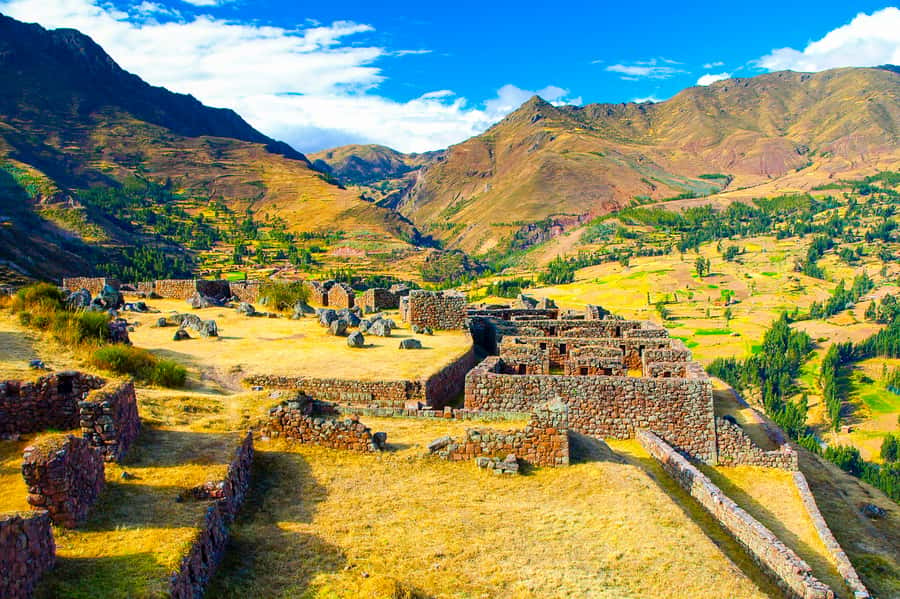
Circuit II covers Pisac, Ollantaytambo, Chinchero, and Moray, with validity for two days. For many people, this is the most appealing circuit because it brings together some of the region’s best-known archaeological sites without requiring the ten-day ticket.
Pisac is included as one of the four Sacred Valley stops. The pass gives you entry to the archaeological site, but not a tour or transportation between towns. That distinction matters. You will need to arrange your own way around the valley or book separate transport and guiding.
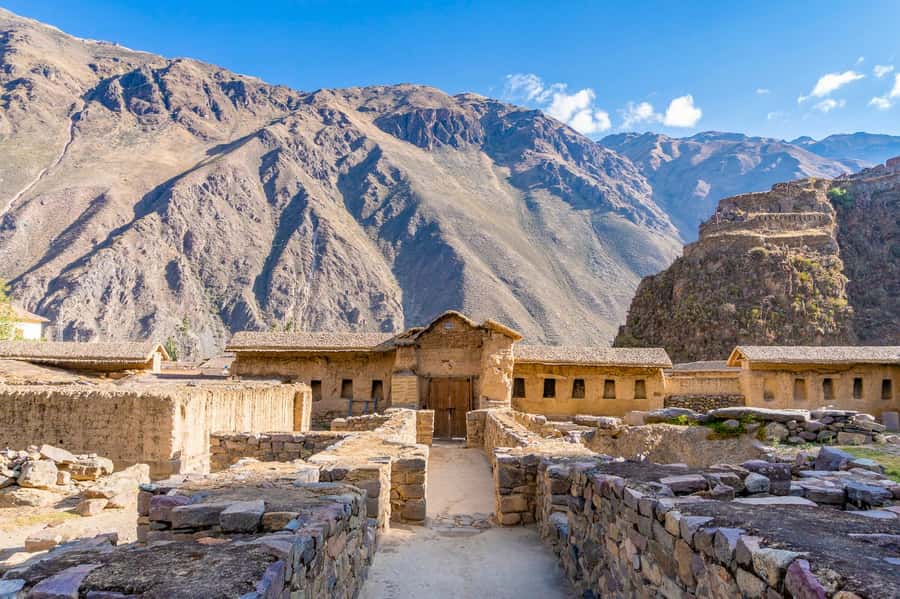
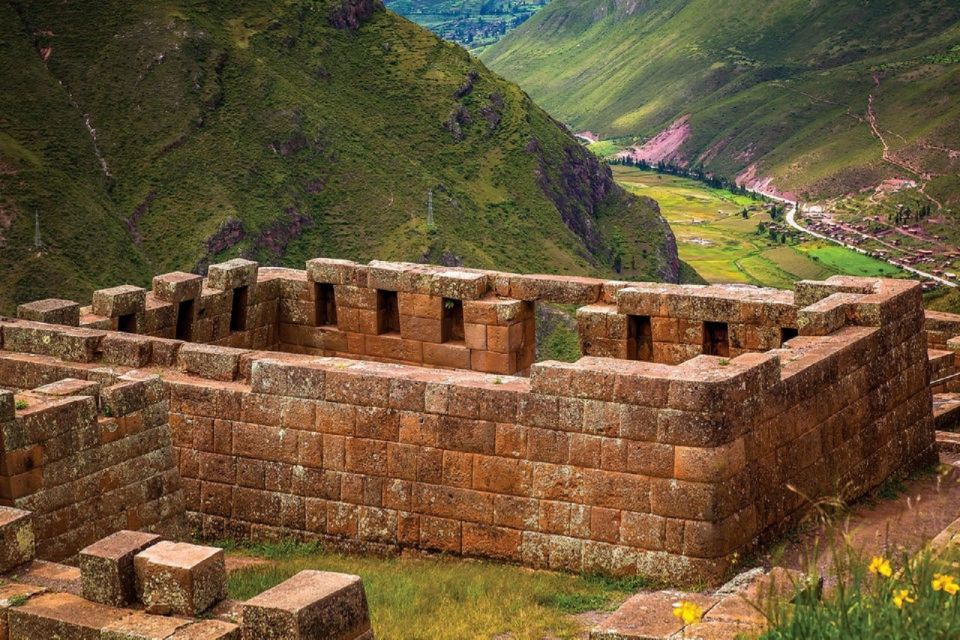
Ollantaytambo is especially appealing if you enjoy Inca architecture. The site is known for its substantial stone structures and historic layout, and it gives you a chance to see how the old settlement and ceremonial area fit together. Since the ticket is valid for two days, you can avoid squeezing every Sacred Valley stop into a single exhausting outing.
Chinchero offers another architectural perspective. It is included alongside Ollantaytambo, Pisac, and Moray, so you can compare the sites rather than judging the region from one famous ruin. The pass is useful here because it encourages a broader visit across the valley.
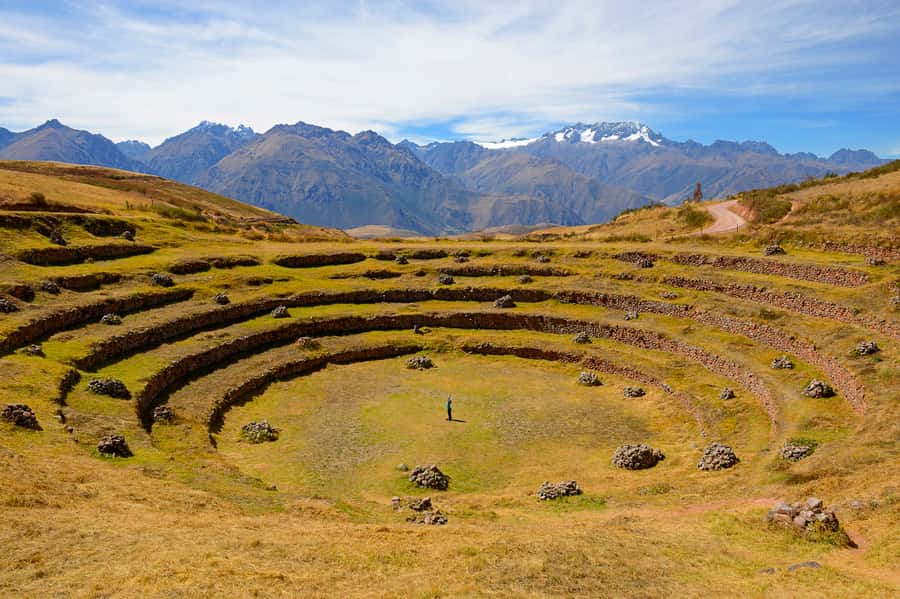
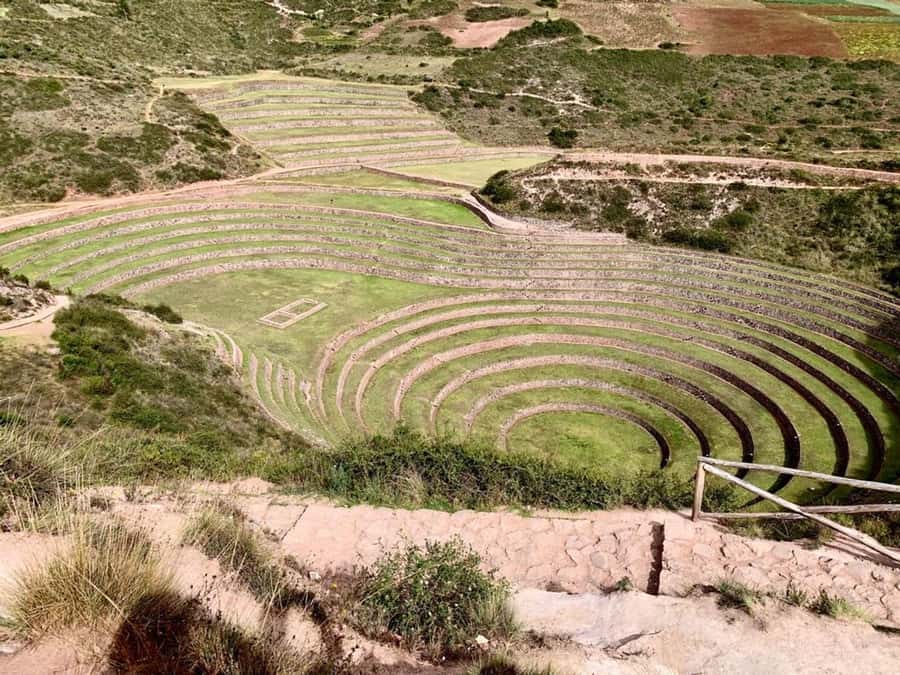
Moray is the most visually distinctive stop in this circuit. Its circular terraces are often described as an agricultural laboratory, and the shape makes it unlike the more conventional stone complexes elsewhere in the region. I would make room for Moray even if you have already seen several ruins. It changes the rhythm of the trip and gives you a different way to think about Inca engineering.
The two-day validity is the key benefit. You can divide the four sites instead of racing through them. Still, the pass does not solve every planning problem. No tour, transport, or meal is included, and the meeting point varies by the option booked. Consider Circuit II a site admission pass, not a ready-made Sacred Valley day tour.
Circuit III: 16 sites across ten days
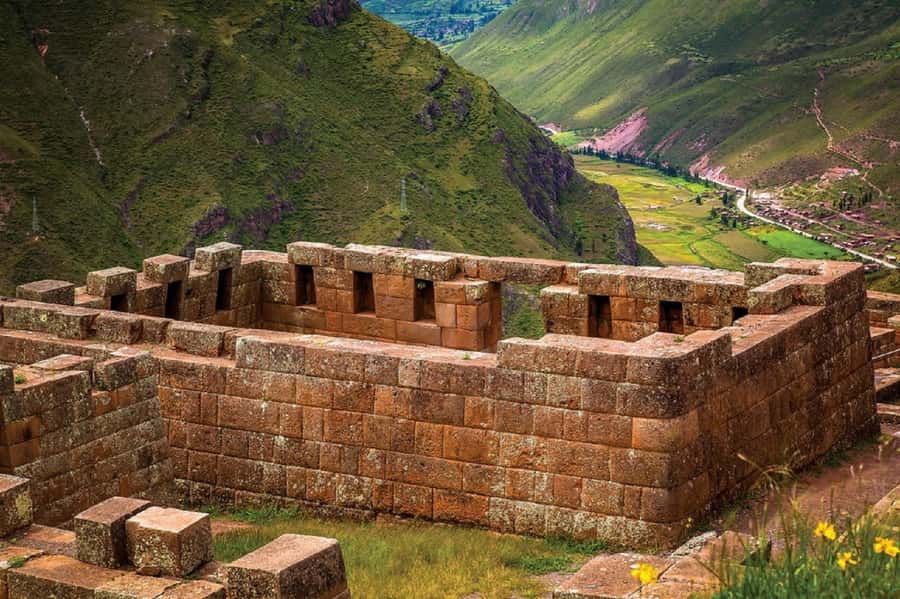
Circuit III is the broad pass. It is valid for ten days and includes the four Sacsayhuaman-area sites, the four Sacred Valley sites, four additional archaeological or public attractions, and four museums or cultural centers.
The archaeological sites added beyond the first two circuits are:
- Tipon
- Piquillacta
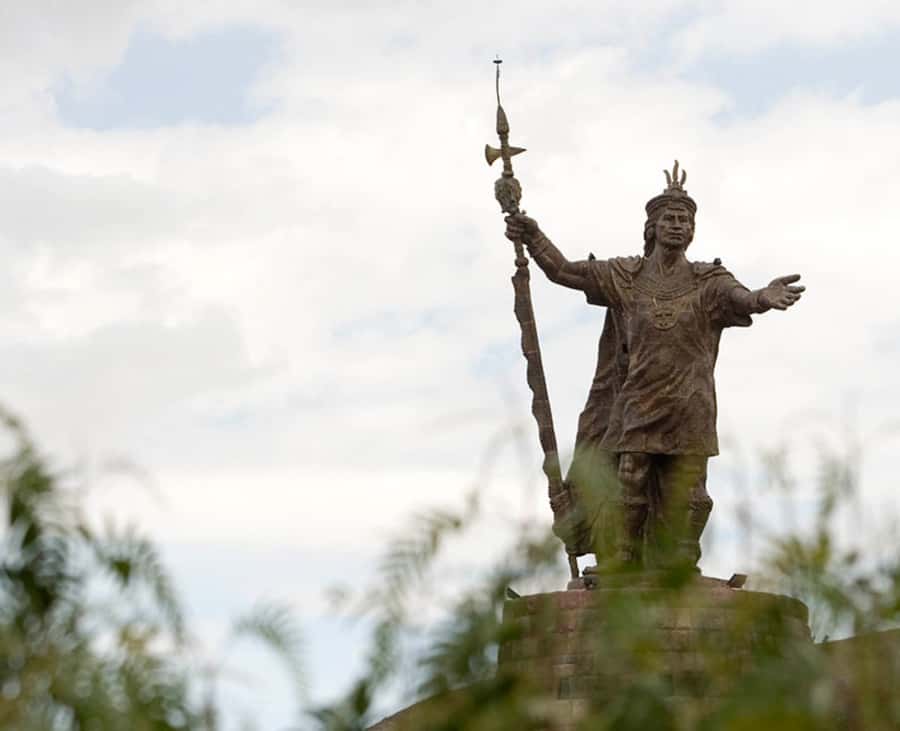
- Pachacutec Inca Monument
- Qosqo Native Art Center
Tipon and Piquillacta widen your reach beyond the most common Cusco and Sacred Valley route. They are useful additions if you want more than the standard major stops. The Pachacutec Inca Monument and Qosqo Native Art Center add a cultural layer to a ticket otherwise centered heavily on archaeological sites.
The museum and cultural entries include:
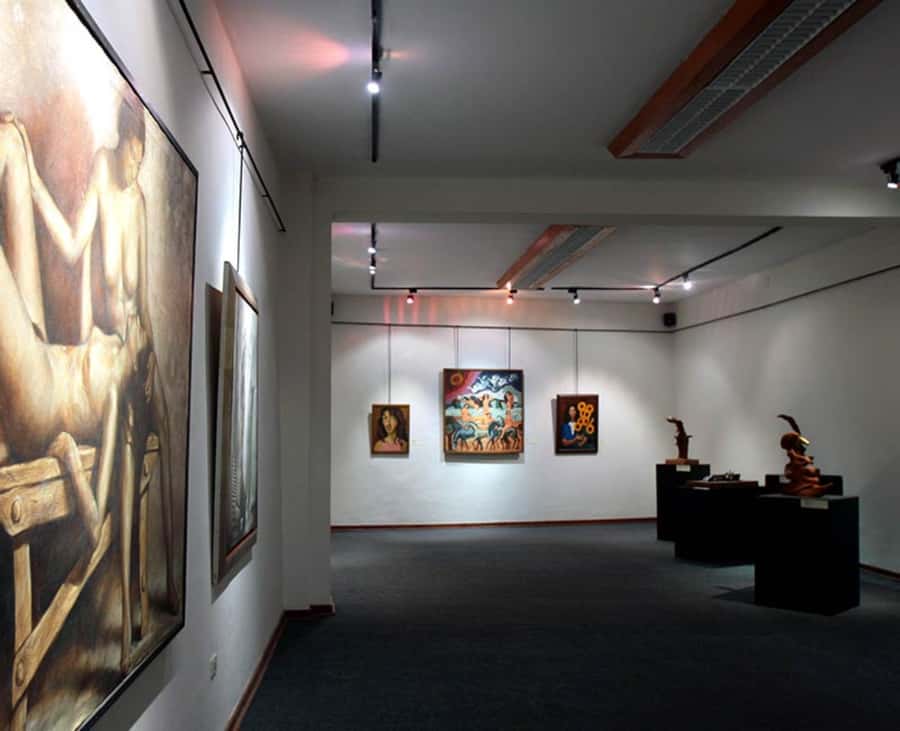
- Museum of Contemporary Art
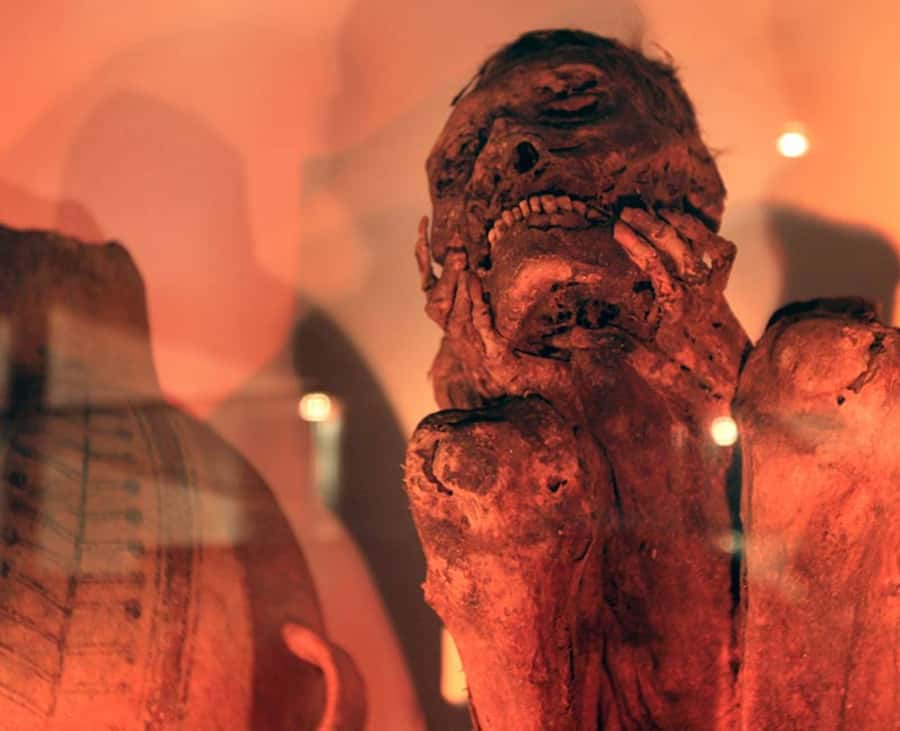
- Qorikancha Site Museum
- Regional Historical Museum
- Popular Art Museum
This mix is one of the strongest reasons to choose Circuit III. Cusco is not only a base for ruins. Its museums help you spend a quieter afternoon between site visits, and they give you indoor alternatives when you want a change from stone walls and open-air archaeological parks.
The ten-day validity also gives you breathing room. You can visit the Sacsayhuaman sites on one day, spend two days in the Sacred Valley, and fit museums or additional sites around the rest of your schedule. I like this flexibility for a longer Cusco stay, especially if you prefer shorter outings rather than one long checklist day.
There is one caution. The ten-day ticket is not a substitute for a detailed plan. Sixteen entries sound generous, but the sites are spread across different parts of the region. Without transport and tours included, you still need to decide how to reach each place and how much time to give it.
A few more Cusco trips worth lining up side by side
- Classic Inca Trail Trek 4D/3N to Machu Picchu (Group Service)
★ 5.0 · 8,653 reviews - Cusco: Rainbow Mountain and Red Valley Day Trip with Meals
★ 4.9 · 4,893 reviews - Machu Picchu: 4-Day Inca Trail Trek with Panoramic Train Ride
★ 5.0 · 4,568 reviews - Salkantay Classic Trek 5 Days from Cusco
★ 5.0 · 4,062 reviews
What the $30 price really buys you
The $30 price is easiest to judge by the number of included admissions you will actually use. If you visit several archaeological sites and museums, the pass can save you the hassle of arranging separate tickets and may offer good value. If you use only one or two entries, the benefit is smaller.
I see the strongest value in Circuit III for someone staying up to ten days and planning to visit both major ruins and museums. Circuit II can be the better buy for a focused Sacred Valley plan. Circuit I is best for a short, clear objective: the Sacsayhuaman group in one day.
The pass also saves time at the point of entry. Your ticket is arranged in advance, and delivery is included according to your accommodation location. That convenience matters after a long arrival day, when finding a ticket office is one more chore you do not need.
The price does not cover tours. It also does not include transportation, meals, or any other service beyond the admissions described. You are paying for access and convenience, not a guided experience.
Ticket delivery and the Plaza de Armas rule
Delivery is one of the more practical details here. If your accommodation is within Cusco’s historic center, the valid ticket is delivered to your hotel. Several bookings were praised for having the tickets waiting at the accommodation, with communication described as easy and fast.
If your hotel or establishment is outside the historic center, delivery takes place at Plaza de Armas instead. Check this carefully before you arrive. The difference is small on paper, but it can affect your first morning, especially if you expected to collect the ticket at your hotel.
The meeting point may vary depending on the option you book. Read the booking details closely and confirm where you will receive the ticket. The provider is Peru Andes Top, and the reported delivery experience makes this arrangement sound straightforward, provided your accommodation information is correct.
How to use the pass without rushing
The best way to use this ticket is to build your schedule around the validity period, not around the number of sites.
For Circuit I, plan a single archaeological day. The ticket covers Sacsayhuaman, Qenqo, Tambomachay, and Puca Pucara, so give yourself enough time to see all four before the one-day validity ends.
For Circuit II, use the two-day window to separate the Sacred Valley sites if your plans allow. Pisac, Ollantaytambo, Chinchero, and Moray are each worth more than a quick photograph. The pass gives you entry, but you remain responsible for arranging the route.
For Circuit III, mix outdoor sites with museums. A ten-day ticket is most useful when you avoid stacking every ruin into consecutive long days. You can also use the museums and cultural centers to create a slower day in Cusco.
Before booking, write down the specific places you want to visit. Then compare that list with the exact circuit. This is the best protection against buying a pass that covers the wrong side of the region.
Who will get the most from this pass?
I would recommend the ticket to independent visitors who already have a plan for getting around Cusco and the Sacred Valley. It is also a good fit if you dislike buying separate admissions at every stop.
Circuit I suits a short Cusco visit centered on Sacsayhuaman. Circuit II suits a Sacred Valley plan that includes Pisac, Ollantaytambo, Chinchero, and Moray. Circuit III suits you if you are staying longer and want museums, smaller sites, and the ability to spread visits across ten days.
I would be more cautious if you want a fully organized excursion. This product does not include tours, so you will not receive a guide explaining each site or transport carrying you from one attraction to the next.
Cancellation is flexible, with a full refund available when you cancel at least 24 hours in advance. You can also reserve now and pay later, which helps if your Cusco plans are still shifting.
Should you book the Cusco Tourist Ticket?
Book it if you can name several included places you plan to visit. The best match is Circuit II for a compact Sacred Valley plan, or Circuit III for a longer stay that includes museums and sites beyond the standard route.
Choose Circuit I if you want only the Sacsayhuaman Archaeological Park group and can complete all four entries in one day. Do not choose the ten-day pass simply because it sounds like the biggest bargain. Its value depends on your schedule, transport plans, and interest in the full list of 16 sites.
The hotel delivery arrangement is a useful touch, and the reported communication and arrival of tickets were strong points. Just confirm your delivery location, remember that tours are not included, and select the circuit with care. For an independent visit to Cusco’s major sites, this is a practical admission pass, not a complete sightseeing package.
FAQ
How many circuits are available?
There are three circuits: Circuit I for one day, Circuit II for two days, and Circuit III for ten days.
What does Circuit I include?
Circuit I includes Sacsayhuaman, Qenqo, Tambomachay, and Puca Pucara within the Sacsayhuaman Archaeological Park.
What does Circuit II include?
Circuit II includes the Sacred Valley archaeological sites of Pisac, Ollantaytambo, Chinchero, and Moray.
What does Circuit III include?
Circuit III includes 16 archaeological sites, museums, and cultural attractions across Sacsayhuaman, the Sacred Valley, and Cusco.
Is a tour included with the ticket?
No. The ticket includes admission only. Tours are not included.
Where is the ticket delivered?
For establishments within Cusco’s historic center, the ticket is delivered to the hotel. If the establishment is outside the historic center, delivery is made at Plaza de Armas.
How long is each ticket valid?
Circuit I is valid for one day, Circuit II is valid for two days, and Circuit III is valid for ten days.
Can I cancel for a refund?
Yes. You can cancel up to 24 hours in advance for a full refund.
Added recently around Cusco
- 2-Day Private Short Inca Trail to Machu Picchu★ 5.0 · 15 reviews
- Guided tour of the mountain of colors in Cusco★ 5.0 · 11 reviews
- City Tour Cusco – Group★ 5.0 · 4 reviews
- Tour Sacred Valley with Maras and Moray★ 5.0 · 15 reviews
- San Pedro Market Tour with Peruvian Cooking Class★ 5.0 · 31 reviews
- Walking Culinary Experience★ 5.0 · 41 reviews
- City Tour in Cusco★ 4.5 · 10 reviews
- One Day Tour to Humantay Lagoon★ 5.0 · 8 reviews
Sacred Valley Tours, compared.
Sacred Valley & Maras Salt Mines Tour with Lunch
Read our review →
Moray, Maras Salt Mines & Chinchero Weavers Tour
Read our review →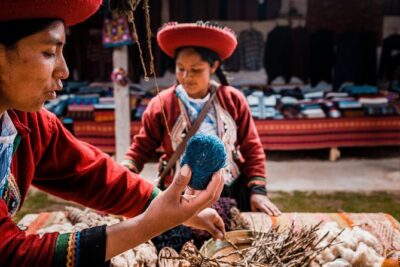
2-Day Tour: Sacred Valley and Machu Picchu by Train
Read our review →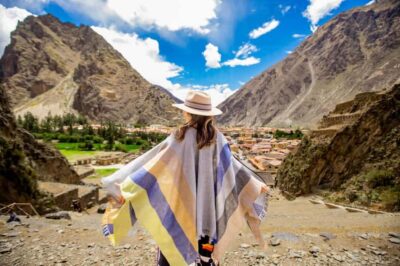
Sacred Valley, Pisac, Ollantaytambo, Salt Mines Moray
Read our review →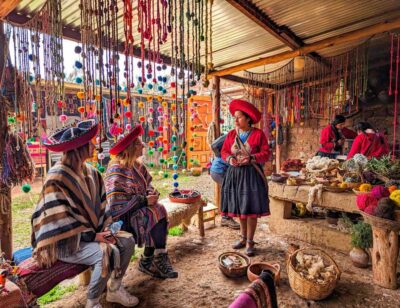
Chinchero,Moray & Salt Mines drop-off in Ollantaytambo
Read our review →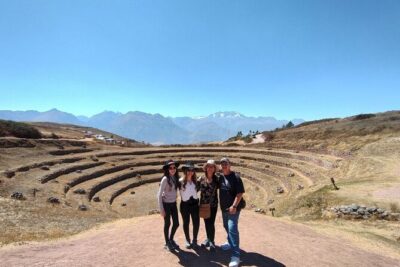
Sacred Valley and Maras Moray Tour with Full Day Buffet Lunch
Read our review →

Browse the lists this tour appears in