
Reviewed · LAKE TITICACA TOURS
Floating Islands of Los Uros: Guided Tour, Culture and Tradition.
The islands are made from reeds, not rock. This three-hour visit to the Uros floating islands offers a close look at family life on Lake Titicaca, with a local bilingual guide, a demonstration of how the islands are built, and time inside Uros homes. I especially like the direct connection with host families and the chance to hear Aymara spoken by local people. The $10 price is also hard to beat for hotel pickup, boat transport, guiding, and visits to two islands.
I also like that the tour shows two sides of Uros life. One island focuses on homes, customs, and traditional skills, while the second has cafes, shops, restaurants, and optional boat rides. The main consideration is that parts of the visit include crafts and optional paid activities, so bring a little extra money if you want the full experience.
In This Review
- Key Details Before You Go
- Why This Lake Titicaca Visit Feels Different
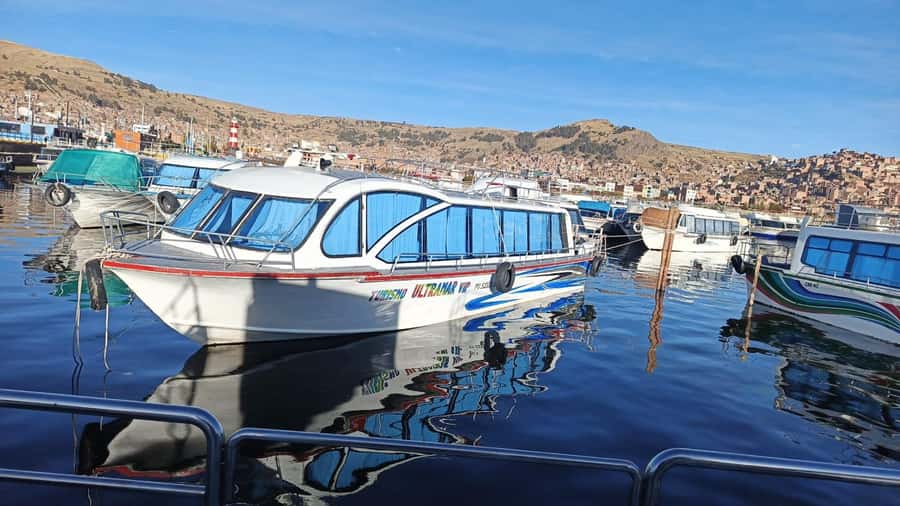
- Leaving Puno by Boat
- Meeting the Uros Community on the First Island
- Inside the Homes and Into Traditional Dress
- Crafts, Shopping, and Direct Local Support
- The Optional Totora Catamaran Ride
- The Second Island: Cafes, Trout, and a Different Pace
- The Optional Totora Museum
- What the Three-Hour Schedule Means
- Who Will Get the Most From This Tour
- Is the $10 Price Good Value?
- Should You Book the Floating Islands of Los Uros Tour?
- FAQ
- How long does the Floating Islands of Los Uros tour last?
- Where does the tour begin?
- Is boat transportation included?
- Are visits to two floating islands included?
- Is a guide included?
- Can I wear traditional Uros clothing?
- Is the totora catamaran ride included?
- Is the Totora Museum included?
- Is food included?
- What should I bring?
Key Details Before You Go
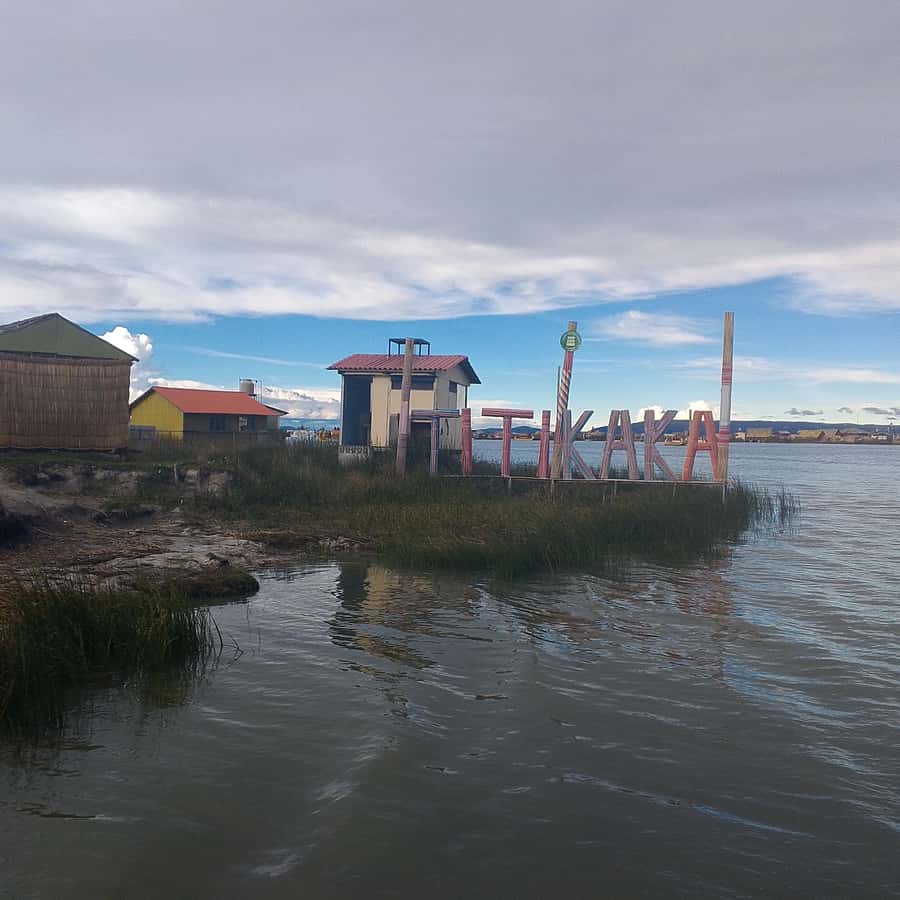
- The tour starts with a boat ride from Puno: You spend roughly 30 minutes traveling across Lake Titicaca while your guide explains the lake, its wildlife, legends, and the meaning of its name.
- Local Uros families lead the cultural visit: A community president or representative welcomes you in Aymara and explains how the islands are built.
- You can enter local homes: Families invite you inside and lend you traditional Uros clothing for photographs.
- Two islands offer two different moods: The first is centered on family life and tradition, while the second has cafes, restaurants, shops, and more tourist facilities.
- The totora boat ride costs extra: You can ride to the second island in a traditional reed boat, or remain on the main tourist boat at no additional cost.
- The experience is run by Uros families: Your payment includes a direct contribution to the host families and supports the continuation of their cultural traditions.
Why This Lake Titicaca Visit Feels Different
Many excursions to famous cultural sites give you a guide, a few photo stops, and a quick explanation before moving on. This visit goes closer to daily life. You hear Aymara, step into family homes, see a model of the island-building process, and learn how much work is required to keep a floating island in place.
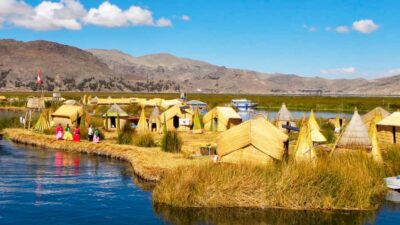
The Uros islands are built from totora, a reed that grows around Lake Titicaca. The tour explains this with a real model rather than only a speech. That small detail matters because the islands can look simple from a distance. Once you see the layers of reed and understand that the material needs regular care, the setting makes more sense.
I also appreciate the connection between the tour company and the community. Uros Mágico is made up of native Uros families who want to preserve their customs and pass them to younger generations. That does not make the visit free of tourism, but it gives the experience a more direct local link than a visit arranged entirely outside the community.
The price is another strong point. At $10 per person, you receive pickup from a central hotel or Puno’s main square, a tourist boat in both directions, a Spanish and English-speaking guide, admission to two floating islands, cultural explanations, access to homes, traditional clothing for photographs, and time at craft stalls. Optional costs remain, but the basic price covers the core visit.
More of Lake Titicaca by boat:
- From Puno: Uros, Amantaní & Taquile Islands 2-Day Tour
★ 4.5 · 452 reviews - Tour to Uros and Taquile Islands in a Fast Boat
★ 5.0 · 419 reviews - From Puno: Floating Islands of the Uros Half-Day Tour
★ 4.4 · 394 reviews
Leaving Puno by Boat
Pickup begins in Puno. You should wait at your hotel reception or at the agreed meeting point, with your booking ticket or a digital image of it ready. A guide or representative will ask for your name before you leave.
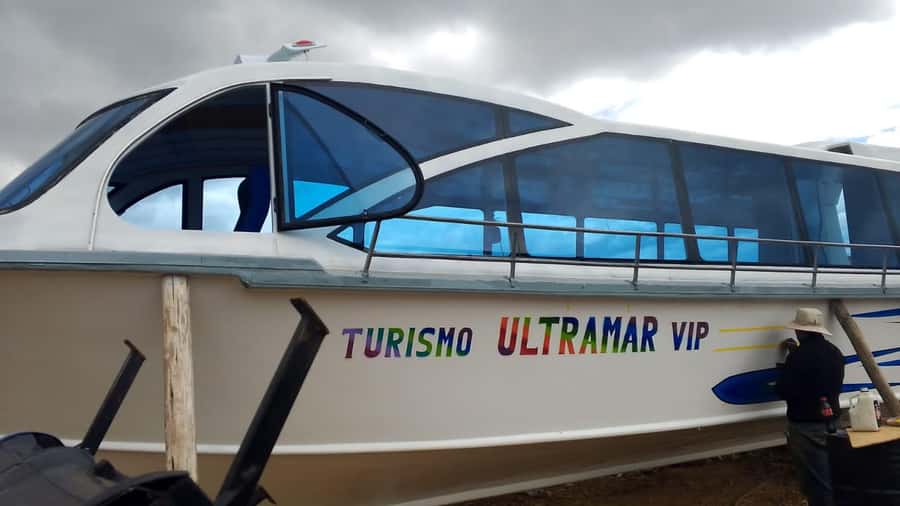
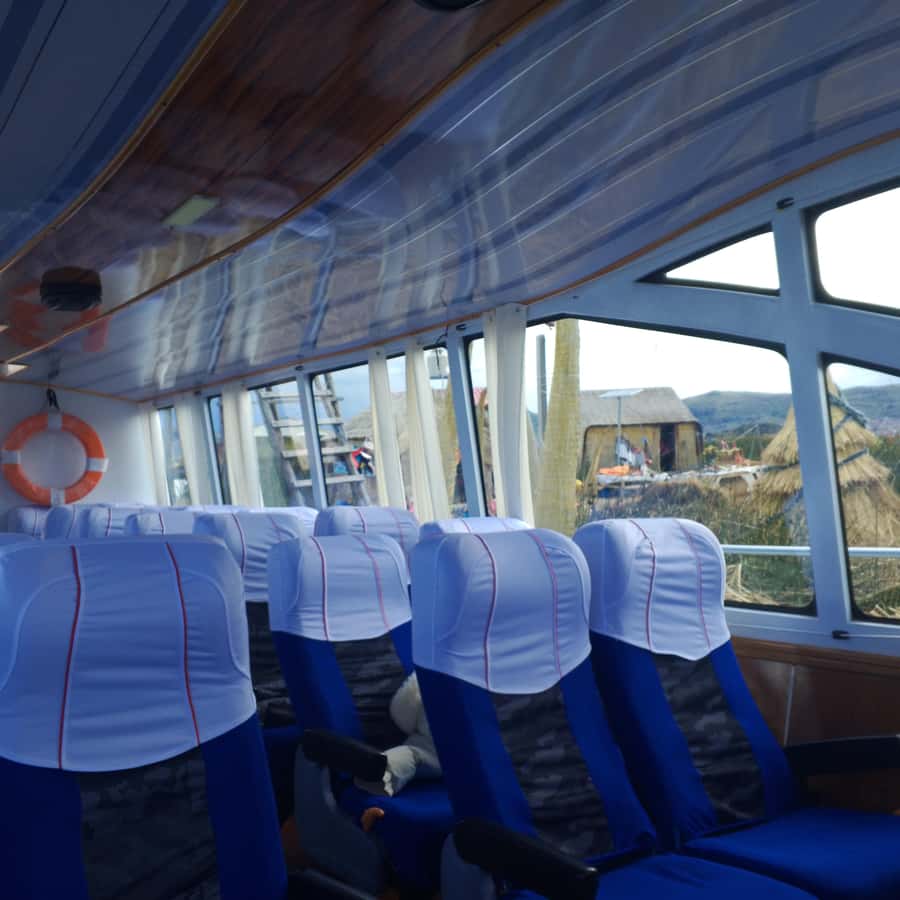
The boat journey takes about 30 minutes each way. This is not dead time. During the ride, your guide introduces Lake Titicaca, its species, local legends, and the meaning of the lake’s name. That introduction helps you arrive with some context instead of seeing the islands as a collection of unusual photo spots.
A bilingual guide leads the visit in Spanish and English. The guides praised most warmly in the supplied feedback were Freddy and Roly. Freddy was singled out for reliable pickup, clear explanations, and a considerate approach to current Uros concerns. Roly was described as friendly, funny, and full of energy. One French-speaking customer also noted that Freddy could speak French, although the listed tour languages are Spanish and English.
The information does not specify the group size. That means the experience may feel different depending on the departure. A smaller group should make it easier to listen inside a home and ask questions, while a larger group could make those moments feel more organized and brief.
Meeting the Uros Community on the First Island
Your first stop is the cultural heart of the visit. A local president or community representative greets you in Aymara. Hearing the language directly gives the welcome more meaning, especially since the guide then explains it in Spanish and English.
The central lesson is how the islands are made. Local people use a totora model to show the construction process, explaining each part in their own language. You learn not only that reeds form the surface, but also that this way of life depends on continued upkeep and care.
This is one of the strongest parts of the experience because it turns an unusual setting into a working community. The islands are not simply old objects preserved for display. Families live there, maintain the reed platforms, receive visitors, and continue traditions connected with the lake.
The visit also covers customs, the Uros way of life, and their ancestral language. The available information describes the people as descendants of ancient inhabitants of Lake Titicaca. Your guide helps place those traditions in the wider story of Puno without turning the stop into a long classroom lecture.
Inside the Homes and Into Traditional Dress
Families invite you into their homes during the first island visit. This is a short but personal part of the tour. You get to see the scale of the living spaces and speak with people connected to the community rather than only hearing a guide describe them from the outside.
You can also wear typical Uros clothing for photographs. The clothing loan is included, so you do not need to rent it separately. It makes for colorful pictures, but the best reason to take part is that it gives the visit a more social character. You are not only looking at a costume behind glass. You are being invited to try it with the help of a local family.
I would keep your expectations sensible. This is a brief cultural encounter within a three-hour excursion, not an overnight homestay or a long workshop. You should approach the home visit with courtesy, listen when people explain their customs, and ask before taking close-up photographs.
The photo opportunity is clearly part of the experience, and the setting is unusual enough to produce memorable images. Still, the human side matters more than the picture. The most worthwhile moments come from understanding how people live on a floating surface and why the community continues to care for this demanding environment.
A few more Puno trips worth lining up side by side
- From Cusco: Vinicunca Rainbow Mountain ATV Tour with Meals
★ 4.6 · 1,060 reviews - Uros and Taquile Islands on New and Comfortable SpeedBoat
★ 4.5 · 254 reviews - Lake Titicaca (Day Trip) Uros & Taquile Islands
★ 4.5 · 245 reviews - Lake Titicaca 2-Day Tour to Uros, Amantani and Taquile
★ 4.4 · 199 reviews
Crafts, Shopping, and Direct Local Support
After the cultural explanation and home visit, you have time to look at handmade crafts and souvenirs. The tour allows you to buy directly from local families, which gives your spending a clearer connection to the people hosting you.
You do not have to buy anything. The craft stop is included as free time, not as a required purchase. That makes the experience more comfortable for anyone who wants to browse without planning a shopping budget.
If you do want a souvenir, this is a good place to consider one. Your purchase supports the families directly, and the products provide a practical reminder of the island visit. Prices and specific items are not provided, so you should check the cost before buying and carry enough cash if needed.
The craft stop also shows the commercial side of the community. That is worth acknowledging. Uros life has a long cultural history, but tourism is now part of the island economy. Seeing both sides gives you a more honest visit than pretending the community exists outside modern travel.
The Optional Totora Catamaran Ride
At the end of the first island visit, you can take an optional ride on a totora catamaran. These traditional boats are made from the same reed that gives the islands their structure.
The ride carries you toward the second island. It is not included in the $10 price, and you can skip it without missing the rest of the route. If you prefer not to pay extra, you remain on the main tourist boat and continue that way.
I see the catamaran as a worthwhile add-on if you want a closer connection with the material and traditions introduced earlier. Riding in a reed boat makes the demonstration more physical. You are not only hearing about totora, you are sitting in a craft made from it.
At the same time, it is not essential. The core tour already includes the boat transfer, two islands, and the cultural visit. If you are keeping costs low, stay with the main boat and use the extra time for the island visit.
The listing also mentions kayaking as not included, but it does not describe a kayaking program as part of this particular route. Do not assume it is available unless the operator confirms it.
The Second Island: Cafes, Trout, and a Different Pace
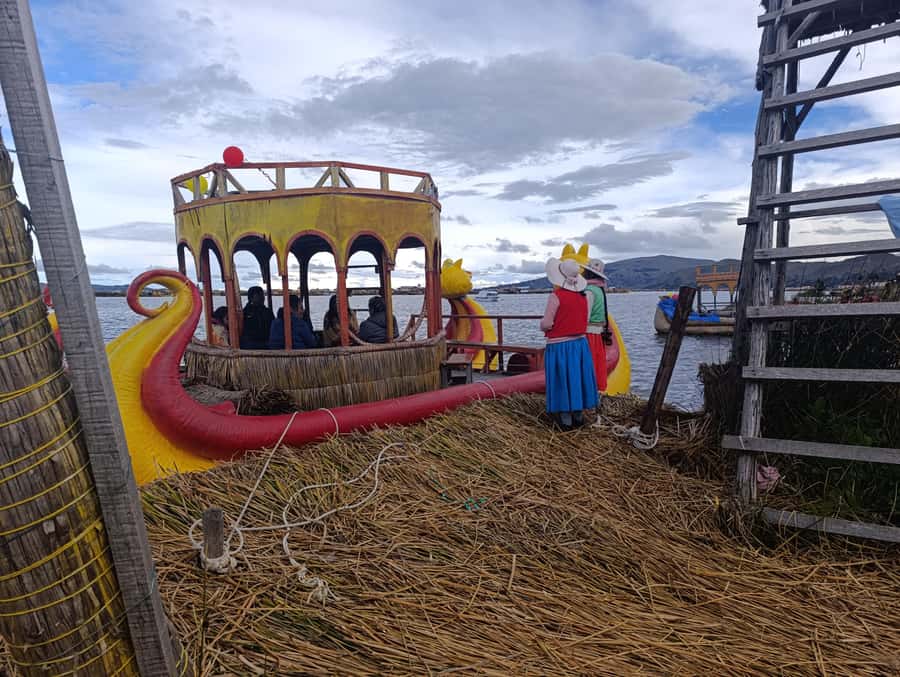
The second island has a more commercial feel. You find cafes, shops, and local restaurants, along with time for coffee, tea, beer, and regional food.
This is where the tour’s contrast becomes clear. The first island centers on homes, local explanations, and family traditions. The second gives you a place to sit, browse, and eat. Neither side tells the whole story by itself.
Food is not included. You can buy trout ceviche or fried trout at a local restaurant, both typical dishes associated with Lake Titicaca. The supplied information does not give prices or guarantee that every dish will be available at every departure, so ask before ordering.
The second island may appeal to you if you want a relaxed break after the first visit. If you prefer a quieter cultural experience, you may find the cafes and shops less interesting than the home visit and reed demonstration.
The schedule allows about 25 minutes for food, drinks, and free time. That is enough for a short stop, but not a long meal. Plan on choosing quickly if you want to eat and shop before the boat departs.
The Optional Totora Museum
You may be able to continue to a third island known as the Totora Museum. This is not included in the package price, so you should treat it as an extra stop rather than a guaranteed part of the $10 tour.
The museum was created by two community elders. It includes bird sculptures and a replica of the first Uros raft, giving you another way to understand the history of the floating village.
If you have a strong interest in Uros traditions, this may be the best optional addition. The raft replica links the present-day islands with earlier forms of life on the lake, while the bird sculptures show how totora can be used for more than construction and boats.
If your schedule is tight, the two-island visit already provides the main cultural content. Check the additional entrance fee and available time before deciding. The tour returns to Puno after the museum option, so adding it may make the outing feel more packed.
What the Three-Hour Schedule Means
The full experience lasts about three hours, including boat travel. The listed stops are short and purposeful:
- About 30 minutes by boat from Puno
- A brief introduction to Lake Titicaca
- A guided visit and explanation on the first island
- Time for homes, clothing, photographs, and crafts
- An optional totora boat ride to the second island
- About 25 minutes for food, drinks, and free time
- A short visit before the return boat
- About 30 minutes back to Puno
The schedule works well if you want to fit the islands into a busy Puno plan. It gives you a clear introduction without taking an entire day. The tradeoff is that you will not have long stretches for quiet observation or extended conversation with families.
The tour is not suitable for people with mobility impairments. You should wear comfortable clothing and bring sunscreen. The high-altitude sun around Lake Titicaca can feel strong, and you will spend time outdoors on the water and floating islands.
Bring your passport or identity card. A copy is accepted, including for children, according to the provided instructions. Smoking is not allowed in the vehicle or indoors, and alcohol and drugs, fireworks, explosives, strong fragrances, and alcoholic drinks in the vehicle are prohibited.
Who Will Get the Most From This Tour
I would recommend this experience to you if you want a short cultural outing from Puno, especially if you care about meeting local people rather than only viewing scenery. The Aymara greeting, home visit, traditional clothing, and island-building demonstration give the tour more substance than a simple boat ride.
It also suits budget-minded visitors. The $10 cost includes the main transport and cultural elements, while optional extras let you decide how much more to spend.
Families may enjoy the clothing, boats, and unusual setting, but adults should explain respectful behavior around homes and photographs. Anyone with limited mobility should choose another activity because the tour is specifically marked as unsuitable for people with mobility impairments.
This is less suitable for you if you dislike organized stops, shopping time, or optional charges. The tour openly includes crafts, food, and add-on experiences, so the visit has a tourism component alongside its cultural content.
Is the $10 Price Good Value?
Yes, for the included services. Hotel or central pickup, boat transport in both directions, a live bilingual guide, two floating islands, home access, traditional dress, and direct support for host families make the base price unusually low.
You should budget extra only for the choices you want. The totora catamaran ride, Totora Museum, restaurant food, drinks, crafts, souvenirs, and kayaking are not included.
The value also depends on your expectations. You are paying for an introduction to Uros life, not a private cultural exchange or a full-day exploration of Lake Titicaca. For three hours, the experience offers a useful balance of transport, explanation, local contact, and free time.
The rating of this experience is 5 out of 5 from seven verified bookings. The strongest praise focuses on the guides, especially Freddy’s reliable organization and sensitive explanations, Roly’s friendly energy, and the warm manner of the local hosts. That emphasis matters because a cultural visit depends heavily on how carefully the story is presented.
Should You Book the Floating Islands of Los Uros Tour?
Book it if you want an affordable, well-organized introduction to Uros culture from Puno. You will hear Aymara, learn how the islands are built, enter family homes, wear traditional clothing, visit two islands, and choose your own optional extras.
I would make this a good first Lake Titicaca activity, then decide on the catamaran ride or museum after you understand the basic route. Bring sunscreen, identification, comfortable clothes, and a small extra budget for food or crafts.
Skip it if you need step-free access, want a private and slow-paced visit, or dislike the commercial side of cultural tourism. For most visitors who accept that mix, the tour offers a memorable and fairly priced look at a community living on one of the world’s most unusual human-made environments.
FAQ
How long does the Floating Islands of Los Uros tour last?
The tour lasts about three hours, including the boat trip from Puno and the return journey.
Where does the tour begin?
Pickup is available from a central hotel in Puno or from the square. You should wait at the hotel reception if hotel pickup has been arranged.
Is boat transportation included?
Yes. Tourist boat transportation from Puno to the islands and back to Puno is included.
Are visits to two floating islands included?
Yes. The base tour includes visits to two Uros floating islands.
Is a guide included?
Yes. A live bilingual guide in Spanish and English is included.
Can I wear traditional Uros clothing?
Yes. Families lend typical Uros clothing for photographs during the home visit.
Is the totora catamaran ride included?
No. The totora catamaran ride is optional and costs extra. You can continue on the main tourist boat instead.
Is the Totora Museum included?
No. The Totora Museum is an optional stop and is not included in the package price.
Is food included?
No. Food and drinks are purchased separately. The second island has restaurants and cafes serving options such as trout ceviche and fried trout.
What should I bring?
Bring your passport or identity card, or a copy if accepted for your booking, along with sunscreen and comfortable clothing.
Added recently around Puno
- Sun island and Copacabana | From Puno or La Paz / Day Trip★ 4.1 · 5 reviews
- Aymara Route Mystical Cultural Tour★ 4.7 · 27 reviews
- Puno: Uros and Taquile Islands Full-Day Tour with Lunch★ 4.5 · 17 reviews
- Puno: History and Culture Walking Tour★ 4.1 · 13 reviews
- Puno: Lake Titicaca, Uros, and Taquile Full-Day Tour★ 4.5 · 4 reviews
- Puno: 3-hour trip to the floating Uros Islands★ 4.5 · 9 reviews
- Puno: Lake Titicaca Day Tour★ 4.5 · 17 reviews
- Puno: 2 Day Visit to Uros, Amantani and Taquile★ 4.5 · 13 reviews
Lake Titicaca Tours, compared.
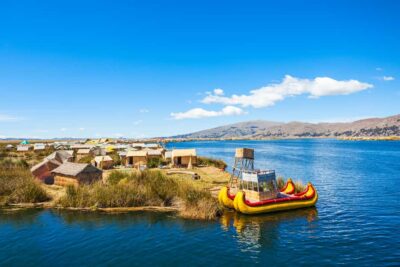
Tour to Uros and Taquile Islands in a Fast Boat
Read our review →

Uros and Taquile Islands on New and Comfortable SpeedBoat
Read our review →
Lake Titicaca (Day Trip) Uros & Taquile Islands
Read our review →
Lake Titicaca 2-Day Tour to Uros, Amantani and Taquile
Read our review →
Full-Day Tour of Lake Titicaca and Uros & Taquile
Read our review →Browse the lists this tour appears in