
Reviewed · LAKE TITICACA TOURS
Floating Islands of the Uros
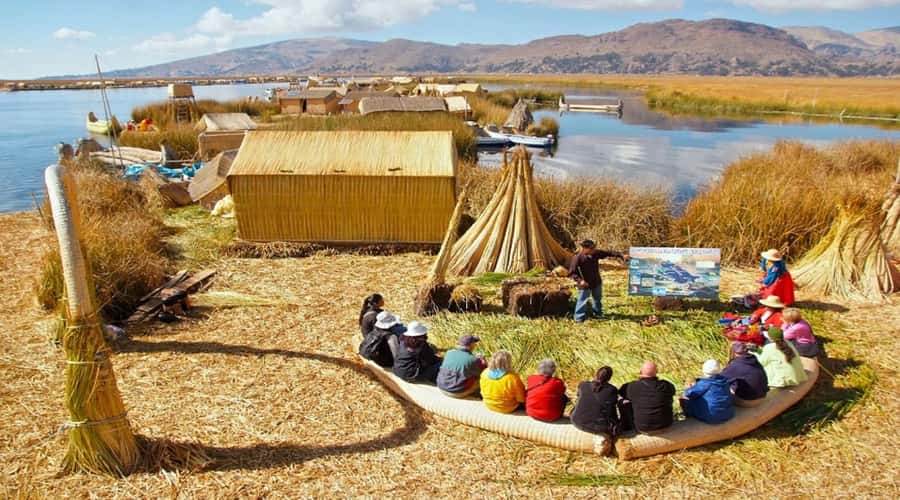
The lake hides a world made of reeds. This three-hour trip from Puno takes you onto the floating Uros Islands, where Aymara-speaking communities maintain homes, boats, crafts, and daily traditions on Lake Titicaca. I like the close look at totora reed life and the friendly local contact, especially when guides help you greet island residents in Aymara.
I also like the low price, about $7 per person, and the fact that hotel transfers, the entrance fee, boat seating, life jackets, and an English or Spanish guide are included. The main consideration is time: two hours at the islands can feel short, and the totora raft ride costs extra.
In This Review
- Key points to know before you go
- Why the Uros Islands are worth your morning
- Getting from Puno to the floating islands
- Arriving on totora-made ground
- Meeting the Uros community respectfully
- The totora raft ride and what it adds
- What the two-hour island visit feels like
- The best time to go
- Is $7 good value?
- How the guiding affects the experience
- Who should book this Puno tour?
- FAQ
- How long does the Floating Islands of the Uros tour last?
- How far are the Uros Islands from Puno?
- Is transportation from my hotel included?
- Is the totora raft ride included in the price?
- What languages does the guide speak?
- What should I bring?
- Should you book the Uros Islands tour?
Key points to know before you go

- Eight kilometers from Puno: The Uros Islands are close enough for a short half-day trip, making this easy to fit around other Puno plans.
- A living reed environment: You will learn how totora reeds support floating ground, homes, boats, and many parts of local life.
- Aymara traditions remain central: The community continues skills linked to fishing, bird hunting, egg collecting, embroidery, and reed-raft building.
- The raft ride is optional and extra: The regular boat is included, but the short totora raft trip is not part of the listed price.
- Guide quality matters: Guides such as Roly and Freddy have been especially praised for clear explanations, smooth language switching, and help with Aymara greetings.
- Strong value for a short visit: At $7, this is one of the more affordable ways to see a famous Lake Titicaca attraction from Puno.
Why the Uros Islands are worth your morning
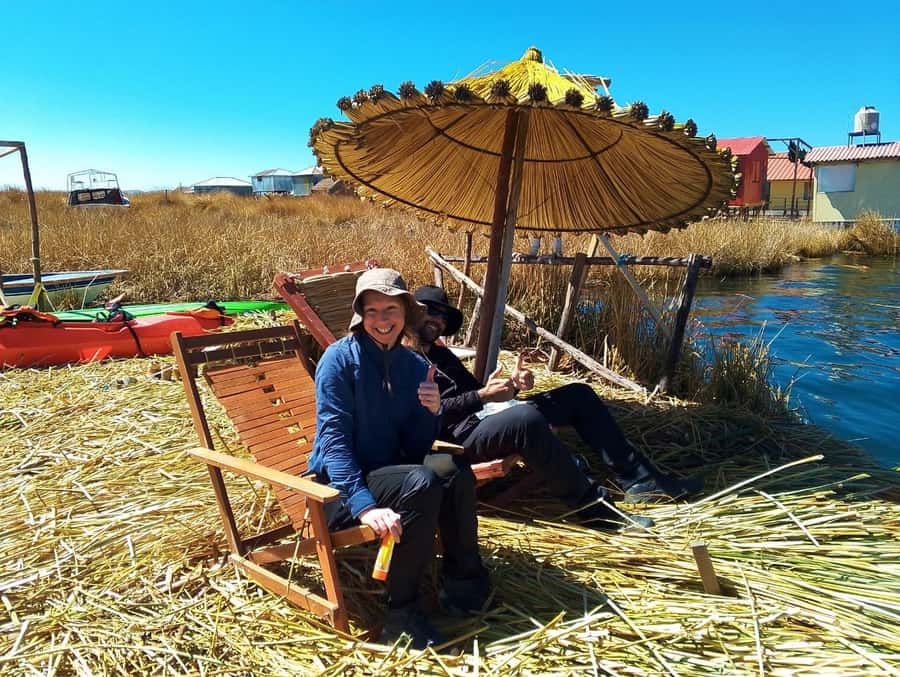
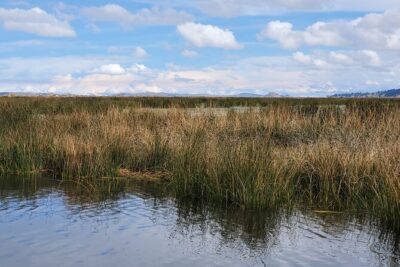
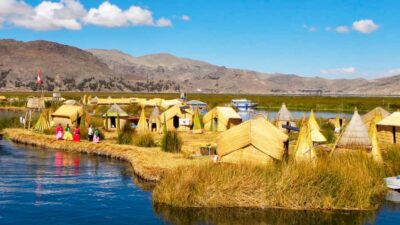
The Uros Islands are not ordinary islands. They are floating platforms built from layers of totora, a reed that grows around Lake Titicaca. The idea is simple to describe but striking to see: the ground beneath you is made from plant material, and the community continues to live in an environment shaped by reeds and water.
That setting gives the tour its real appeal. You are not simply looking across the lake at an old settlement. You are shown how the Uros use their surroundings, how the islands are maintained, and how their way of life is connected to the lake.
The visit also gives you a short introduction to an Aymara language community. You can hear about fishing, hunting birds, collecting eggs, building reed rafts, and making embroidered rugs. The best guides add useful context rather than rushing through a list of facts. Roly has been praised for explaining the area and teaching simple Aymara greetings, while Freddy has earned similar praise for his clear and friendly guiding.
The experience is modest in length and presentation. It is not a full day on Lake Titicaca, nor is it designed as a remote expedition. Instead, it gives you a compact look at one of the most recognizable cultural sites in the Puno area.
More of Lake Titicaca by boat:
- From Puno: Uros, Amantaní & Taquile Islands 2-Day Tour
★ 4.5 · 452 reviews - Tour to Uros and Taquile Islands in a Fast Boat
★ 5.0 · 419 reviews - From Puno: Floating Islands of the Uros Half-Day Tour
★ 4.4 · 394 reviews
Getting from Puno to the floating islands
Pickup is provided from hotels in downtown Puno. The first van transfer to the port takes about 10 minutes, so the morning begins easily if you are staying in the central part of the city.
From the port, you take a regular boat for about 30 minutes. Comfortable seats, life jackets, and a first aid kit are included. This is an important practical point, since the trip crosses open water and the lake environment can feel exposed even when the ride is calm.
The route then includes a short van transfer of about 15 minutes before you reach the Uros Floating Islands. The transport plan involves several stages, but the distances are not long. For a three-hour activity, this is a useful way to reach the islands without committing an entire day.
On the return, you take another 30-minute boat ride followed by a 10-minute van transfer to Puno. The schedule makes the tour suitable for a morning or afternoon plan, depending on availability. One person found sunset timing especially pleasant, so an afternoon departure may offer a different feel from the usual morning visit.
Arriving on totora-made ground

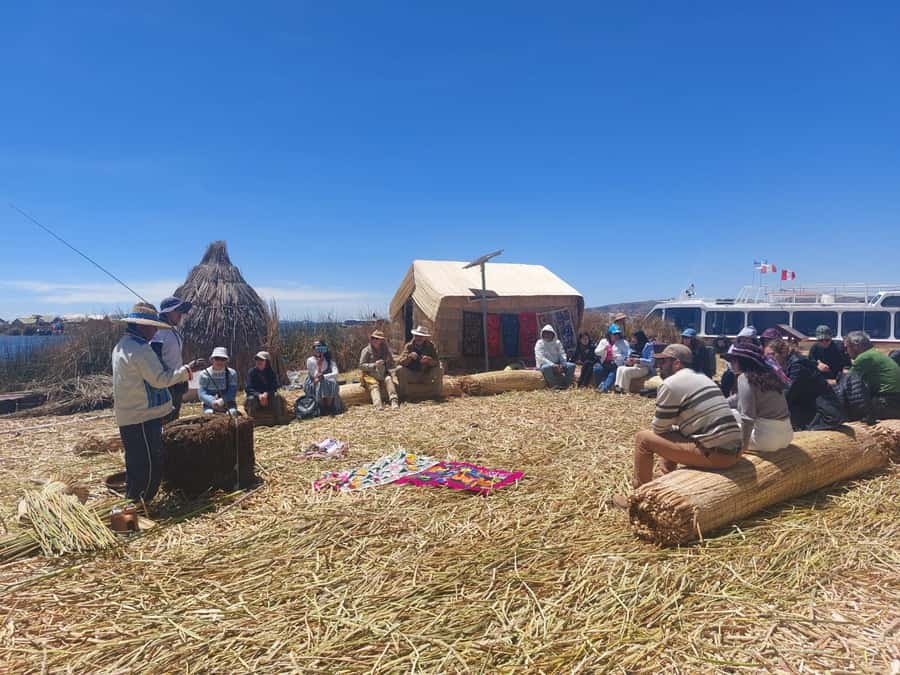
The first moments on the islands are the most memorable. Your guide introduces the community and explains how the floating platforms are made from totora reeds. You will have time to look closely at the surface underfoot, the reed structures, and the way the settlement is arranged over the water.
The Uros describe their connection with the reeds through practical daily life. Totora is used in the construction of islands and rafts, and it forms the setting for homes and community spaces. The tour gives you a chance to see the material rather than simply hear about it in a museum.
The island visit includes a guided tour, sightseeing, photo time, and free time. That mix works well for people who want explanation but also need a few quiet minutes to take in the scenery. Bring your camera, but do not let photography replace the chance to listen and speak with residents.
A meeting with an island leader named Olga was a special moment for one person on the tour. Encounters like this can make the visit feel more personal, though the exact people you meet will depend on the island and the day.
Meeting the Uros community respectfully
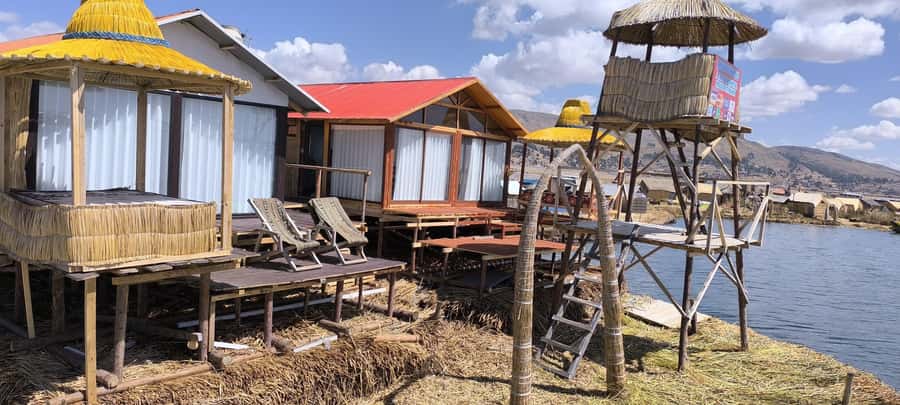
The Uros community is presented through its language, work, and traditions. The people speak Aymara, and the tour points out skills that remain part of community knowledge. Men are described as builders and drivers of totora reed rafts, while women are skilled in embroidery and rug making.
You may see examples of embroidered work and learn how the community has adapted its traditional skills to life on the lake. The setting is unusual, but it is important not to treat the islands as a stage set. These are communities with real homes, routines, and responsibilities.
A good guide helps you approach the visit with respect. Roly was singled out for helping people greet the islanders in Aymara, which is a small gesture but a useful one. Learning even a simple greeting can change the tone of the meeting from observation to conversation.
Be polite when taking photographs and listen carefully when residents explain their lives. The tour information specifically asks you to respect the Uros community and its environment. That matters here because the attraction is also a living place.
A few more Puno trips worth lining up side by side
- From Cusco: Vinicunca Rainbow Mountain ATV Tour with Meals
★ 4.6 · 1,060 reviews - Uros and Taquile Islands on New and Comfortable SpeedBoat
★ 4.5 · 254 reviews - Lake Titicaca (Day Trip) Uros & Taquile Islands
★ 4.5 · 245 reviews - Lake Titicaca 2-Day Tour to Uros, Amantani and Taquile
★ 4.4 · 199 reviews
The totora raft ride and what it adds
A short ride on a traditional totora reed raft is one of the tour’s headline activities, but it is not included in the $7 price. You need to pay extra if you choose to take it.
The regular boat gets you to the islands comfortably, but the reed raft offers a more direct connection with the Uros way of life. You can see the construction up close and understand why raft building remains such an important skill.
I would treat the raft as an optional addition rather than a reason to reject the tour. The island visit and guide are still the main experience, and the included boat handles the transport. If your budget is tight, you can enjoy the visit without adding the raft. If you want the fuller experience and are comfortable with the extra charge, the ride gives you another useful perspective.
The provided information does not state the additional price, so ask before boarding. That simple question avoids surprises and lets you decide with a clear idea of the total cost.
What the two-hour island visit feels like
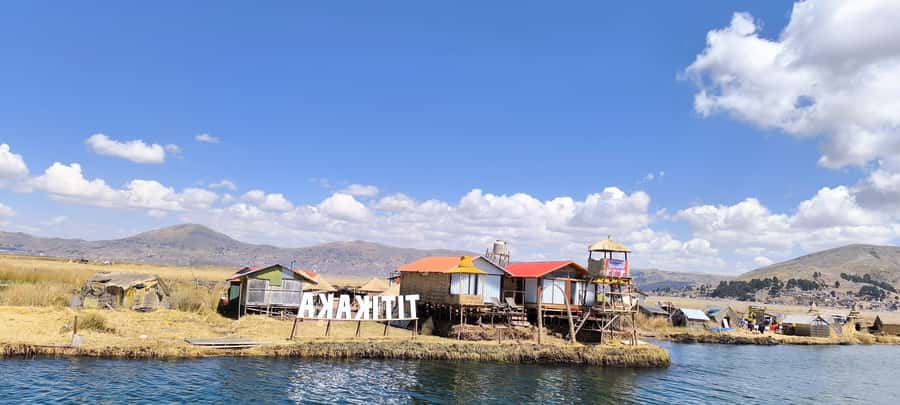
Two hours at the Uros Islands is enough for a guided introduction, photographs, time with residents, and some sightseeing. It is not enough for a slow study of every aspect of community life.
One person described the trip as fairly short, even while finding the Aymara living conditions interesting. That is the most important limitation to keep in mind. You will get a clear snapshot, not a long cultural exchange.
The short format is also the reason the tour works so well for many visitors to Puno. You can learn about the islands without giving up a full day. It suits a first visit, a tight schedule, or a stop before another activity.
The quality of the guide makes a big difference during those two hours. Freddy has been praised along with boat captains Christian and Brian, while Roly has received repeated approval for his history and present-day explanations. Another person hoped for more coverage of different parts of Uros life, so you should feel free to ask questions rather than relying only on the planned talk.
Useful questions include how the islands are maintained, how fishing fits into daily life, and which reed skills are still used regularly. Asking direct questions can make a short visit feel more complete.
The best time to go
The tour lasts three hours in total, and starting times vary. Morning visits are a practical choice because they fit neatly into a day in Puno. The lake is also the main event, so you should plan around light, wind, and your own comfort rather than expecting a long list of stops.
An afternoon or sunset departure can offer a different mood. One person found sunset timing particularly good, but this depends on the available departure time and the day of your visit.
The sun at Lake Titicaca can be strong, even when the air feels cool. Pack a hat, sunscreen, water, and comfortable clothing. Wear shoes suitable for walking, since you will spend time moving around the islands rather than remaining seated.
Smoking is not allowed. The tour is wheelchair accessible, though you may want to confirm the practical details of boarding and moving around the islands before departure if you have specific mobility needs.
Is $7 good value?
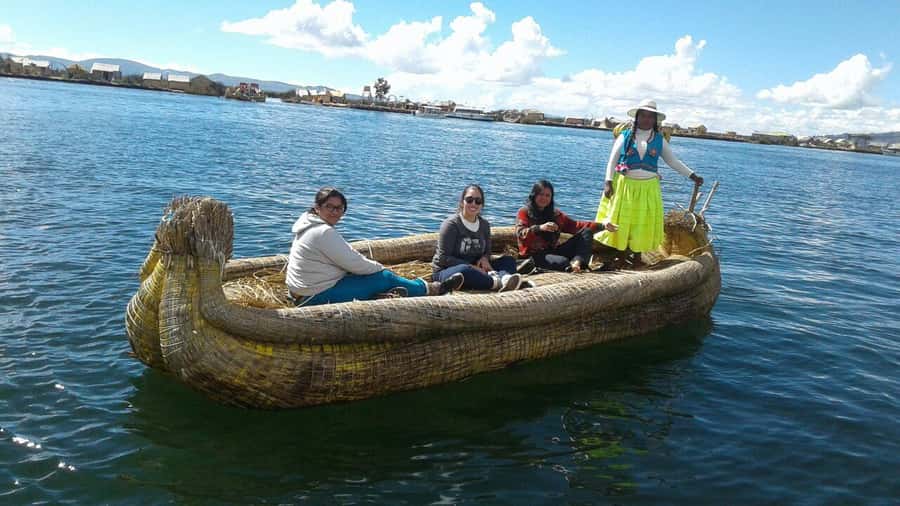
Yes, provided you understand what is included. The price covers hotel transfer from downtown Puno to the port and back, the entrance ticket, the regular boat, safety equipment, and an official English or Spanish guide.
The price does not cover meals, the totora raft ride, or anything else not specifically listed. Since the activity lasts three hours, you should not expect lunch or a full-day lake excursion.
For a short introduction to the Uros Islands, the price is excellent. You get transport, admission, and a guide without paying for a longer package than you need. The value is strongest for people who have limited time in Puno or want to see the islands before deciding if they need a longer Lake Titicaca outing.
The low base price also means you should keep a little extra in mind for the optional raft ride. I would not book the trip assuming that every activity shown in the description is included. The standard boat is part of the tour. The traditional raft is separate.
How the guiding affects the experience
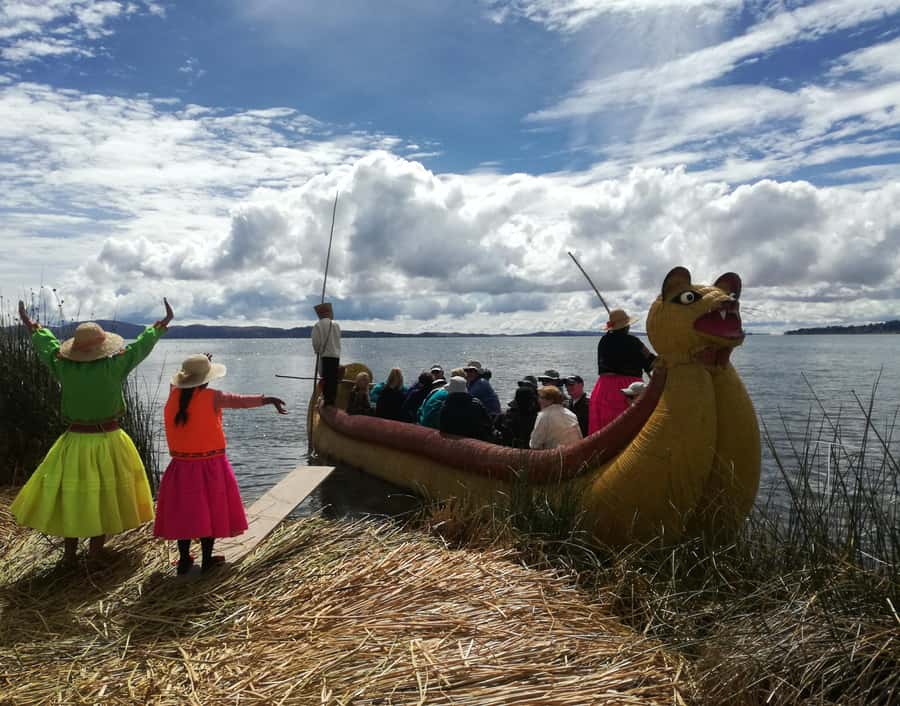
The strongest praise has gone to the guides and boat crews. Roly is noted for informative explanations, help with Aymara greetings, and an easy ability to switch between languages. Freddy is also praised for making the trip enjoyable, with Christian and Brian mentioned positively as captains.
That matters because the floating islands can be visually impressive but difficult to understand without context. A guide can explain why the reeds matter, how local skills fit together, and what you are seeing beyond the obvious photo opportunities.
The guide also sets the tone for interaction. The best approach is friendly without being intrusive. You will have a better visit if you listen, ask questions, and remember that the people you meet are not simply part of a display.
Service can also be helpful beyond the island visit. One person described receiving assistance with luggage when a husband became ill and could not join the tour. The office staff cared for the luggage while the other person went on the trip. That is a small detail, but it suggests useful flexibility when plans go wrong.
Who should book this Puno tour?
I would recommend it to you if you want a short, affordable introduction to Lake Titicaca and the Uros way of life. It is especially suitable for first-time visitors, people staying in central Puno, families who prefer a brief outing, and anyone with only half a day available.
It also suits you if cultural contact matters more than a long boat journey. The focus is the community, the reeds, the Aymara language, and the practical skills that make life on the floating islands possible.
You may want something longer if you prefer slow travel, extended conversation, or a more detailed look at many parts of island life. The two-hour stop can feel rushed, and one person specifically wished the guide had covered more aspects of the community.
You should also budget for the optional raft if that is important to you. The basic tour remains worthwhile without it, but the total price will be higher if you add activities or meals elsewhere.
FAQ
How long does the Floating Islands of the Uros tour last?
The experience lasts about three hours, including transfers between downtown Puno, the port, and the Uros Islands.
How far are the Uros Islands from Puno?
The islands are located about 8 kilometers from Puno.
Is transportation from my hotel included?
Transfer from a hotel in downtown Puno to the port and back is included. The route also includes the regular boat and a short van transfer.
Is the totora raft ride included in the price?
No. The short totora reed raft ride costs extra and is not included in the listed tour price.
What languages does the guide speak?
The tour provides an official live guide in English or Spanish.
What should I bring?
Bring a sun hat, sunscreen, water, a camera, comfortable clothes, and shoes suitable for walking. Smoking is not allowed.
Should you book the Uros Islands tour?
Book this tour if you want a low-cost, well-organized introduction to the famous floating islands without giving up a full day in Puno. The included transport, entrance ticket, regular boat, and guide make the $7 price very good value.
Go in with the right expectations. This is a compact cultural visit, not an extended stay with the Uros. The optional raft ride costs extra, and two hours on the islands may feel brief. Still, guides such as Roly and Freddy can add real value, and the chance to learn a few Aymara greetings makes the meeting more personal.
For a first look at life among the totora reeds, I would book it, especially if your time in Puno is limited.
Added recently around Puno
- Sun island and Copacabana | From Puno or La Paz / Day Trip★ 4.1 · 5 reviews
- Aymara Route Mystical Cultural Tour★ 4.7 · 27 reviews
- Puno: Uros and Taquile Islands Full-Day Tour with Lunch★ 4.5 · 17 reviews
- Puno: History and Culture Walking Tour★ 4.1 · 13 reviews
- Puno: Lake Titicaca, Uros, and Taquile Full-Day Tour★ 4.5 · 4 reviews
- Puno: 3-hour trip to the floating Uros Islands★ 4.5 · 9 reviews
- Puno: Lake Titicaca Day Tour★ 4.5 · 17 reviews
- Puno: 2 Day Visit to Uros, Amantani and Taquile★ 4.5 · 13 reviews
Lake Titicaca Tours, compared.
Tour to Uros and Taquile Islands in a Fast Boat
Read our review →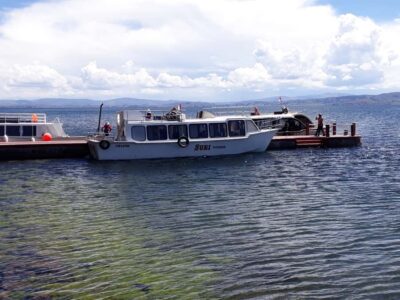

Uros and Taquile Islands on New and Comfortable SpeedBoat
Read our review →
Lake Titicaca (Day Trip) Uros & Taquile Islands
Read our review →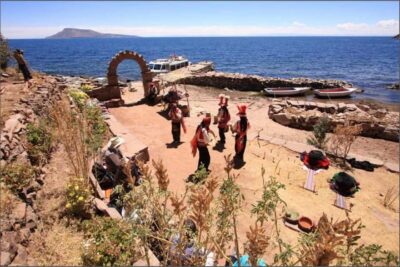
Lake Titicaca 2-Day Tour to Uros, Amantani and Taquile
Read our review →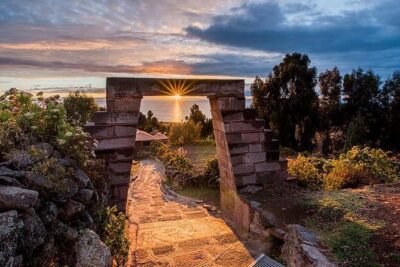
Full-Day Tour of Lake Titicaca and Uros & Taquile
Read our review →Browse the lists this tour appears in