
Reviewed · PERU
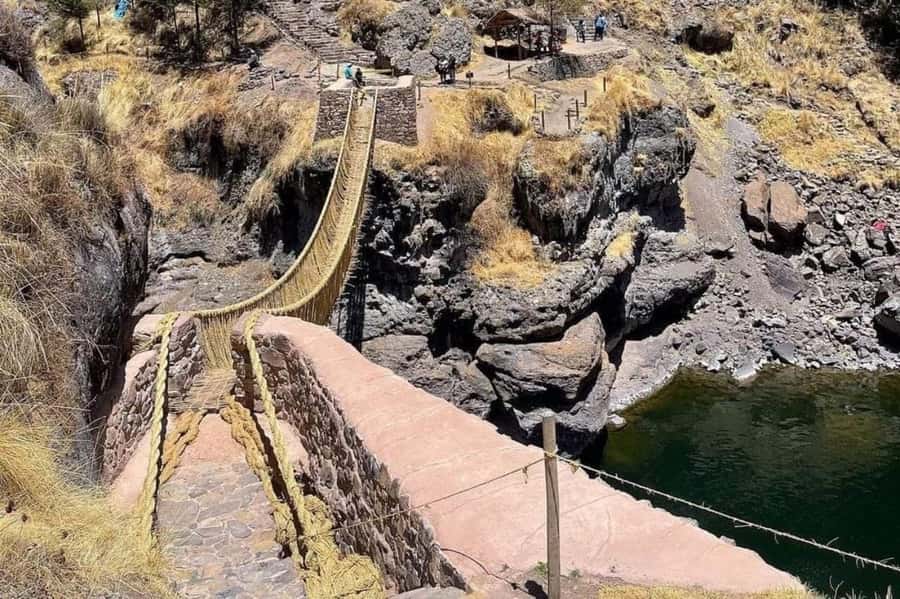
From Cusco: Inka Suspension Bridge Qeswachaca – Qeswachaka
The bridge is worth the long ride. This 12-hour trip from Cusco combines four Andean lakes with the remarkable Qeswachaka suspension bridge, rebuilt by local communities with ichu grass. I especially like the chance to see a living Inca tradition rather than a stone ruin, and the stop at Checacupe gives you a useful comparison between an old rope bridge and a colonial-era crossing. The main drawback is the amount of time spent on the road, with some extra stops feeling more like filler than essential sightseeing.
You leave very early, usually between 4:30 and 5:10 AM, and return near Plaza Kusipata around 5:00 PM. At $47 per person, including transport, a bilingual guide, breakfast, and lunch, the trip can be good value if the bridge is your priority. You should also budget S/20 for the Qeswachaka entrance and S/2 for the mini-volcano stop.
In This Review
- Key points to know before booking
- Why Qeswachaka Matters
- Leaving Cusco Before Sunrise
- The Four Lakes: Quiet Stops on a Big Travel Day
- The Pabellones Mini-Volcano Stop
- Walking Out to the Qeswachaka Bridge
- Comparing Qeswachaka With Checacupe
- Guide Quality and Language
- Is $47 a Fair Price?
- Timing, Comfort, and What to Bring
- Who Will Enjoy This Day Most?
- Should You Book Qeswachaka?
- FAQ
- How long is the Qeswachaka tour from Cusco?
- Where does hotel pickup take place?
- Where does the tour finish?
- What languages does the guide speak?
- Is breakfast included?
- Is lunch included?
- How much is the Qeswachaka entrance ticket?
- Is there another entrance fee during the trip?
- Is the tour suitable for wheelchair users?
- Can I cancel the booking?
Key points to know before booking
- Qeswachaka is a handwoven grass bridge: Local residents from four surrounding communities rebuild and maintain it each year using ichu, a native Andean grass.
- The day includes four lakes: Pomacanchi, Acopia, Asnaqocha, and Pampamarca or Tungasuca provide quiet photo stops, but they do not replace the main bridge visit.
- The bridge feels high and flexible: Crossing it is exciting, but it is not a solid stone walkway. Anyone uneasy with heights should think carefully before booking.
- Checacupe adds a valuable comparison: Its colonial Inca bridge helps you see how different construction methods served the same basic purpose.
- Expect a very long transport day: The early pickup and extended road sections are central to the experience, not a small part of it.
- English ability may vary: English and Spanish are offered, but English explanations may be limited depending on the guide.
Why Qeswachaka Matters
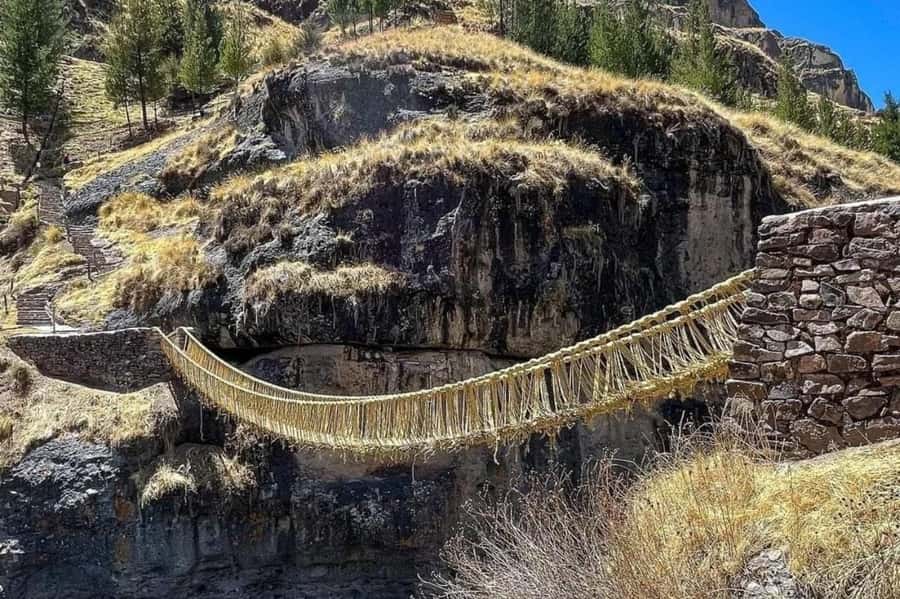
Qeswachaka is not simply an old bridge left behind for visitors. It is rebuilt and cared for each year by people from four nearby communities. The bridge is made by hand from ichu, the tough grass used across the Andes for ropes, roofs, and other practical work.
That annual renewal gives the visit its real value. You are seeing a tradition that still has a place in community life, not just an archaeological object behind a barrier. Your guide can explain the weaving technique, the bridge’s Inca connection, and the ideas behind its continued care.
The bridge crosses the Apurimac River in the district of Quehue. From the information available, the walking section takes about an hour, including the guided explanation and sightseeing. The walk to the bridge is described as short, but the crossing itself can feel high and wobbly. That movement is part of the fun for many people, though it can be unnerving if you dislike heights.
I would book this trip for the bridge, not for a checklist of minor attractions. The bridge is the reason to accept the early start and long drive.
Other ways to fill a day in Peru:
- From Cusco: Tour Ausangate & 7 Lakes Full Day
★ 4.1 · 16 reviews - Privated Shore Excursion From Salaverry Port – Trujillo Full Day
★ 4.5 · 15 reviews - Swimming with Sea Lions in Islas Palomino Lima
★ 4.5 · 14 reviews
Leaving Cusco Before Sunrise
Hotel pickup takes place between 4:30 and 5:10 AM. You are asked to wait in your hotel lobby 10 minutes before the scheduled time, but it is wise to be ready early. One pickup arrived about an hour ahead of the quoted time on one occasion, although the guide returned at the scheduled hour when the passenger was not ready.
The first part of the day is a long drive southwest from Cusco. The initial journey takes around two hours, and there are more substantial road sections later. You should think of this as a full-day road excursion with sightseeing stops, not a quick trip to a nearby attraction.
Breakfast is included, which matters after such an early departure. The food has received strong praise for its variety, and lunch is also described as a varied buffet. Still, the spacing between meals can be awkward. One account described almost nine hours between breakfast and lunch, so carry water and a small snack if you need regular food.
The transport arrangements are simple: hotel pickup, shared transportation, and a return near Plaza Kusipata, about a block from Cusco’s Plaza de Armas. That central finish is useful after a long day, especially if your accommodation is in the historic center.
The Four Lakes: Quiet Stops on a Big Travel Day
The route includes Pomacanchi, Acopia, Asnaqocha, and Pampamarca, also called Tungasuca in the tour details. These lakes provide open views and a calmer change of pace after leaving the city.
Pomacanchi is the named photo stop, with about 25 minutes allocated. You should expect a brief pause for pictures and a little time beside the water, not a long walk or a full lake visit. The other lakes are part of the scenic route and offer peaceful moments, but the exact timing at each one can vary.
These stops are best understood as visual breaks. They let you see a quieter side of the Cusco Region, away from the concentrated sights around Cusco and the Sacred Valley. If you enjoy taking photographs of water, mountains, and broad Andean scenery, you will appreciate them.
If you want a packed schedule of major sights, the lakes may feel thin. One useful way to judge the trip is this: the lakes add atmosphere and variety, but the bridge carries the day.
The Pabellones Mini-Volcano Stop
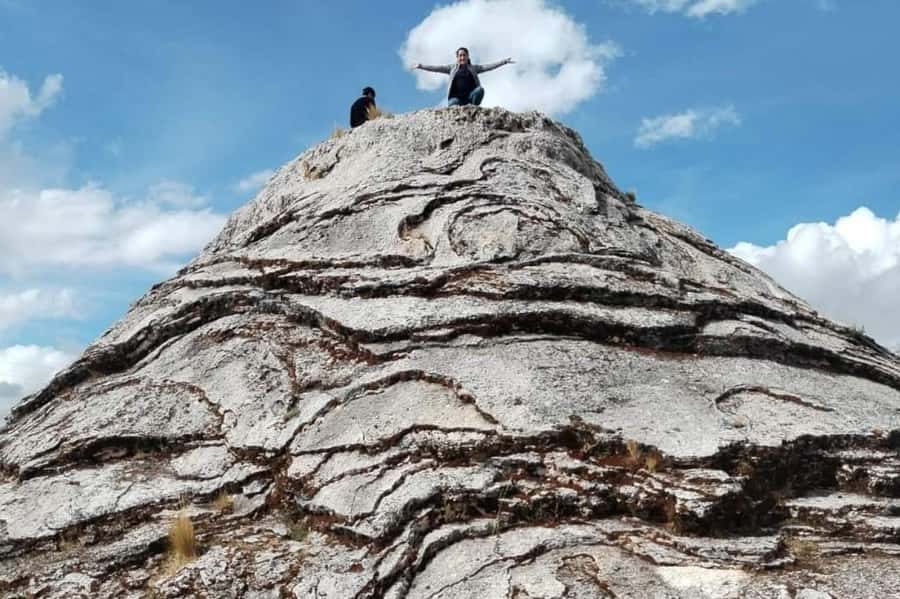
Near Yanaoca, the group stops at the small Pabellones Volcano. There is an additional entrance charge of S/2.
This is a minor stop, and the description gives it a modest role in the day. Some people find it interesting as a quick geological feature, but it is not likely to be the highlight. A previous experience found the mini-volcano had little appeal compared with the bridge.
You should also know that the route may offer an additional boat ride. The boat trip provides another angle on the bridge and can change your view of the river crossing, but it costs extra. The fee and exact arrangement should be confirmed locally before you agree to it. Do not treat it as an essential part of the tour.
Also leaving from Peru, and nothing like the above:
- Sandboarding in Salaverry Trujillo
★ 5.0 · 13 reviews - Shore Excursion From Salaverry Port
★ 3.5 · 11 reviews - Cusco: Ausangate Tour Seven Lagoons + meals
★ 3.7 · 10 reviews - Boiling River of the Amazon
★ 4.0 · 8 reviews
Walking Out to the Qeswachaka Bridge
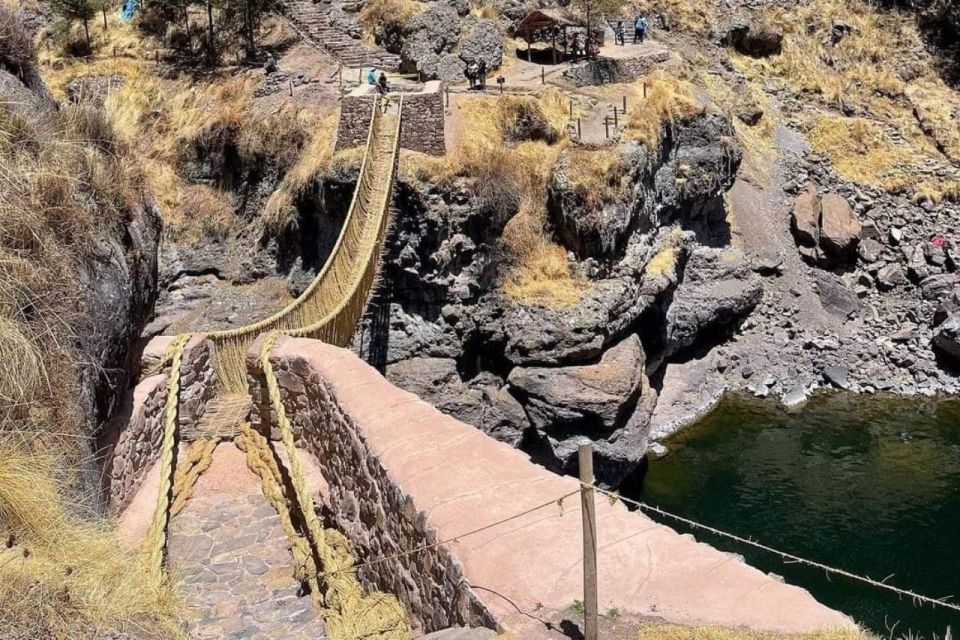
The main visit takes place in Quehue, at the Apurimac River. After the drive, you make a short walk toward the bridge, receive an explanation of its construction, and then have the chance to cross.
The bridge is woven from plant fibers called ichu. It is maintained each year by residents from four communities, which makes the engineering as social as it is physical. Your guide may discuss the building method, the Inca period, and why the tradition continues.
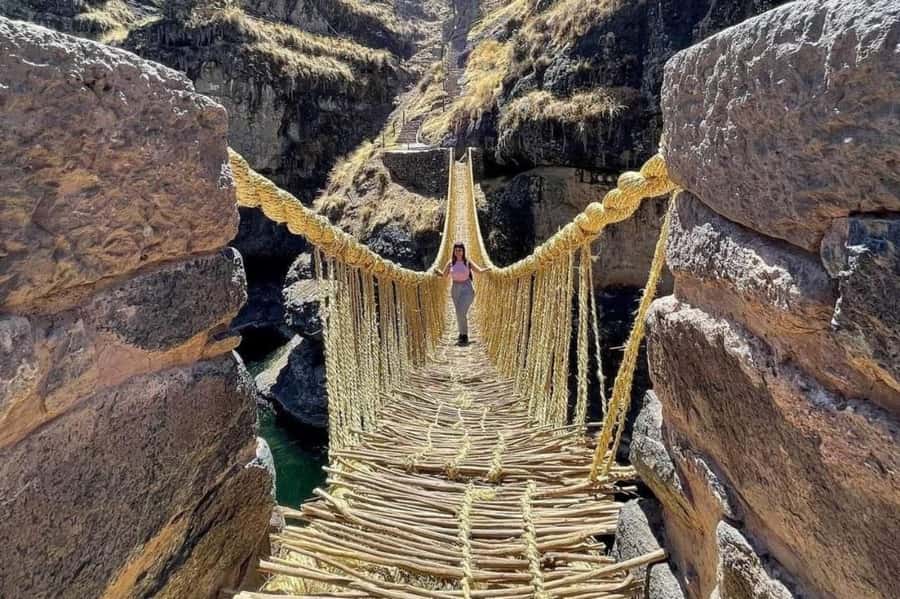
The crossing is the moment when this becomes more than a scenic stop. The bridge moves underfoot, and the height gives you a strong view of the river and surrounding country. One passenger described it as high and wiggly but well worth the effort. I would take that seriously. This is not a place to rush, and you should use the handrails or side ropes as directed by the guide.
If you are uncomfortable with heights, you can still enjoy the setting and the explanation, but the full value of the trip depends on your willingness to walk across. The experience is not suitable for wheelchair users, and the uneven approach and flexible bridge make it a poor match for anyone needing a fully accessible route.
Comparing Qeswachaka With Checacupe
On the return trip, the group stops at the Colonial Inca Bridge of Checacupe. This is a smart addition because it gives the day a point of comparison rather than treating Qeswachaka as an isolated curiosity.
At Checacupe, you can consider the difference between a handwoven grass bridge and a more permanent colonial-era structure. Both crossings reflect the importance of routes over rivers, but their materials, appearance, and construction methods are very different.
The comparison also helps you understand why Qeswachaka deserves attention. A stone or masonry bridge can look fixed and timeless. Qeswachaka depends on repeated labor and shared knowledge. Its continued existence is tied to the people who rebuild it, not only to the remains of the Inca past.
The stop is shorter and less thrilling than the rope bridge, but it adds context. I would keep it in the day, even if you are mainly interested in Qeswachaka.
Guide Quality and Language
The tour is offered in English and Spanish, with a live bilingual guide. The quality of the explanation can shape the day because the bridge’s construction and community role are more interesting when properly explained.
Roland received especially warm praise for explaining the bridge, the Inca techniques, Peru, the Andes, climate, lakes, plants, and animals. His approach was described as friendly and personal, with plenty of answers to questions. If you are assigned Roland, you can expect a guide who adds much more than directions and timings.
English fluency may not be consistent. An English-booked passenger found that the guide spoke only Spanish, while another described the English as rusty but still found the guide friendly and helpful. If precise English interpretation is essential to you, confirm the language before departure and keep your expectations flexible.
The food appears to be one of the safer strengths of the day. Breakfast and lunch are included, and the buffet has been described as varied and satisfying. That is useful on a long excursion, though the meal times may be widely separated.
Is $47 a Fair Price?
The $47 price covers hotel pickup, transportation, a bilingual guide, breakfast, lunch, and a first aid kit with oxygen. Those inclusions make the price reasonable for a 12-hour trip from Cusco, particularly if you value organized transport and do not want to arrange the remote route yourself.
The base price is not the full cost. Add S/20 for the suspension bridge and S/2 for the mini-volcano. Personal expenses are also separate, and the optional boat ride may involve another charge.
Value depends on your priorities. If you want a focused visit to Qeswachaka, the price may feel high because the day includes long drives and several secondary stops. If you want to see remote lakes, a distinctive Andean tradition, the Apurimac River, and Checacupe in one organized outing, the package is more appealing.
I would not choose this tour for maximum comfort or efficiency. I would choose it because independent transport to Qeswachaka can be difficult to arrange, and the bridge is a rare experience.
Timing, Comfort, and What to Bring
The 12-hour schedule is demanding. You leave before dawn and return around 5:00 PM, with long sections in the vehicle. The early pickup can also shift, so have your clothes and day bag ready before going to sleep.
The information does not promise regular bathroom breaks, and one account specifically found the lack of breaks frustrating. Use facilities before departure and at every suitable stop. Carry water, a snack, and anything you need for a full day away from your hotel.
You should also bring:
- Warm layers for the early morning and higher Andean stops
- Comfortable shoes for the walk to and across the bridge
- Small cash for the S/20 bridge ticket and S/2 volcano fee
- A camera or phone for the lakes, river, and bridge
- Patience for a day with considerable time on the road
The tour supplies a first aid kit and oxygen, but those items do not make the trip suitable for everyone. If you have concerns about altitude, long drives, or heights, ask the provider for current details before paying.
Who Will Enjoy This Day Most?
You are a good match for this excursion if you enjoy cultural traditions, unusual engineering, remote scenery, and long road trips. It suits people who want something beyond Cusco’s main monuments and are willing to trade comfort for access.
It is also a strong choice for photographers and anyone curious about how Andean communities preserve practical knowledge. The bridge, the lakes, and the comparison with Checacupe give you several different subjects in one day.
I would hesitate if you want a relaxed schedule, frequent breaks, or a polished sightseeing operation. The itinerary can feel loosely arranged, the minor stops may not justify their extra fees, and the language service may be uneven.
Free cancellation is available up to 24 hours before departure, and you can reserve now and pay later. Those options reduce the risk if your Cusco plans are still changing, but they do not change the basic nature of the excursion: this is a long, early, road-heavy day built around one remarkable bridge.
Should You Book Qeswachaka?
Book it if crossing a high, moving, handwoven bridge appeals to you. The annual community rebuilding tradition, the Apurimac setting, and the chance to compare Qeswachaka with Checacupe make this one of the more unusual day trips from Cusco.
Skip it if you want a short transfer, a tightly timed schedule, or a day filled only with major attractions. The lakes and Pabellones Volcano are supporting acts, and the journey can feel longer than the sightseeing.
My advice is simple: book for Qeswachaka, accept the long ride, carry snacks and cash, and confirm the English guide and any optional boat fee before departure. With those expectations, the $47 package offers a memorable look at a living Andean tradition rather than another standard ruin visit.
FAQ
How long is the Qeswachaka tour from Cusco?
The tour lasts about 12 hours. Pickup is scheduled between 4:30 and 5:10 AM, with a return near Plaza Kusipata around 5:00 PM.
Where does hotel pickup take place?
Pickup is available from your hotel in Cusco. You should wait in the hotel lobby 10 minutes before the scheduled pickup time.
Where does the tour finish?
The tour finishes at Plaza Kusipata, about one block from Cusco’s Plaza de Armas.
What languages does the guide speak?
The activity is offered with live guidance in English and Spanish. English ability may vary by guide, so confirm your preferred language before departure if it is important.
Is breakfast included?
Yes. Breakfast is included in the tour price.
Is lunch included?
Yes. Lunch is included, and it is served as a varied buffet according to the available tour information.
How much is the Qeswachaka entrance ticket?
The entrance ticket for the suspension bridge costs S/20 and is not included in the tour price.
Is there another entrance fee during the trip?
Yes. The mini-volcano stop has an additional fee of S/2.
Is the tour suitable for wheelchair users?
No. The activity is not suitable for wheelchair users.
Can I cancel the booking?
You can cancel up to 24 hours in advance for a full refund. The reserve-now, pay-later option lets you hold a place without paying immediately.
Added recently around Peru
- Ausangate 7 Lagoons Tour 1 day + Buffet Breakfast and Lunch★ 4.2 · 4 reviews
- Offer Price Tour Salinas Lagoon and National Reserve 8 hours★ 5.0 · 4 reviews
- 1-day excursion to Palcoyo Mountain + Breakfast and Lunch★ 4.0 · 5 reviews
- Cusco: Zipline in the Sacred Valley★ 5.0 · 4 reviews
- Cusco: Half-Day City Tour★ 5.0 · 5 reviews
- Arequipa: Full-Day Tour to Salinas Salt Lake★ 5.0 · 4 reviews
- Privated Shore Excursion From Salaverry Port – Trujillo Full Day★ 4.5 · 15 reviews
- Boiling River of the Amazon★ 4.0 · 8 reviews