
Reviewed · SACRED VALLEY TOURS
From Cusco: Maras and Moray Half-Day Tour
Three Andean stops fit neatly into one morning. This $28 half-day tour gives you Moray, the Maras Salt Flats, and Chinchero without taking over your whole Cusco schedule. I like the clear cultural mix: you see Inca farming, living salt production, and Quechua textile work in one outing. I also like the practical return to Cusco around 2:30 p.m., leaving your afternoon open.
The main drawback is the extra cost of entry tickets, which are not included. You should budget 70 soles for Moray and 20 soles for Maras, plus any personal purchases or meals. The Chinchero textile stop can also include time at tourist shops, so this tour suits you best if you enjoy cultural demonstrations and do not mind browsing.
In This Review
- Key points to know before booking
- Why this half-day route works well from Cusco
- Chinchero and the hands-on side of Andean culture
- Moray’s circular terraces and Inca agricultural skill
- Maras Salt Flats, still worked by hand
- Transport, guide quality, and the daily rhythm
- What the $28 price really covers
- Who will get the most from this tour
- Should you book the Maras and Moray tour?
- FAQ
- How long does the Maras and Moray tour last?
- What places does the tour visit?
- Is hotel pickup included?
- Are entrance tickets included in the price?
- Is a meal included?
- What languages does the guide speak?
- Can I cancel the booking?
Key points to know before booking
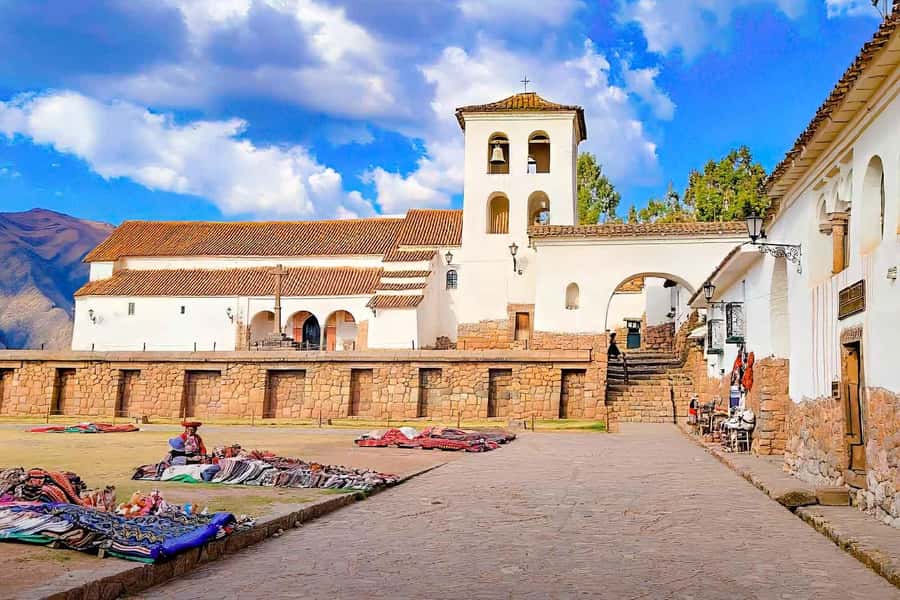
- Three different experiences in about five and a half hours: Chinchero, Moray, and Maras each offer something distinct.
- Moray costs 70 soles extra: This ticket is separate from the advertised tour price.
- Maras costs 20 soles extra: The salt pools are reached for a second additional fee.
- Hotel pickup starts around 8:00 to 8:40 a.m.: Pickup is listed for hotels in Cusco’s historic center.
- The guide speaks English and Spanish: This helps if you want explanations rather than a simple photo stop.
- The tour returns around 2:30 p.m.: You still have time for lunch, museums, or a relaxed afternoon in Cusco.
Why this half-day route works well from Cusco
Cusco gives you plenty to see, but its high-altitude setting and busy streets can make a full day of sightseeing tiring. This outing gives you a change of scenery without demanding a dawn departure or a full-day commitment. At 330 minutes, or about five and a half hours, it fits neatly into a morning and early afternoon.
I like the order of the stops. Chinchero introduces you to local culture before Moray and Maras shift the focus toward older Andean engineering and production. You are not simply moving from one viewpoint to another. The route gives you three different ways to understand the Sacred Valley area.
The advertised price is appealing at $28 per person, especially because transport and a bilingual guide are included. The value changes once you add the 90 soles in entrance fees. Even so, the tour can make financial sense if you want shared transport and guided explanations instead of arranging separate rides to three places.
The exact pickup time is approximate, between 8:00 and 8:40 a.m. You need to provide a WhatsApp number and your hotel address, and pickup applies to hotels in Cusco’s historic center. If you stay outside that area, confirm the meeting point before booking.
More Sacred Valley days out:
- From Cusco: Sacred Valley & Maras Salt Mines Tour with Lunch
★ 4.8 · 2,227 reviews - From Cusco: Moray, Maras Salt Mines & Chinchero Weavers Tour
★ 4.8 · 1,925 reviews - 2-Day Tour: Sacred Valley and Machu Picchu by Train
★ 5.0 · 1,127 reviews
Chinchero and the hands-on side of Andean culture
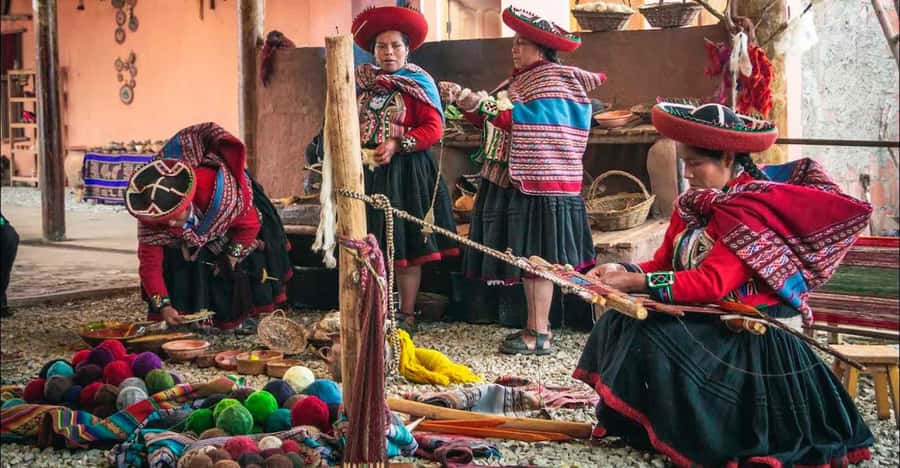
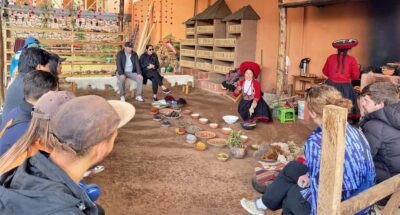
Chinchero is the first stop, and the focus is a traditional textile center. Here, you can learn how Andean weavers spin fiber, use natural dyes, and produce colorful handmade clothing. That sequence matters because it shows that a finished textile is not just a souvenir. It is the final step in a long process tied to local skills and community tradition.
I find this a useful opening because it gives you cultural context before the archaeological sites. You get a look at living craft practices rather than only stone structures from the past. The center is also a good place to appreciate the care behind the patterns and colors used in Quechua weaving.
You should allow for a commercial element here. Time at textile centers often includes a chance to see or buy handmade products, and this tour may include stops at tourist shops. A recent English-language review specifically noted several shop visits, while also saying the products were good and the time allowed at the main sites was sufficient.
That makes Chinchero a better fit for you if you like demonstrations, local crafts, and the chance to purchase textiles. If you prefer a strictly archaeological tour with no shopping component, this part may feel less appealing. The cultural value is real, but the stop is not only a museum-style visit.
Moray’s circular terraces and Inca agricultural skill
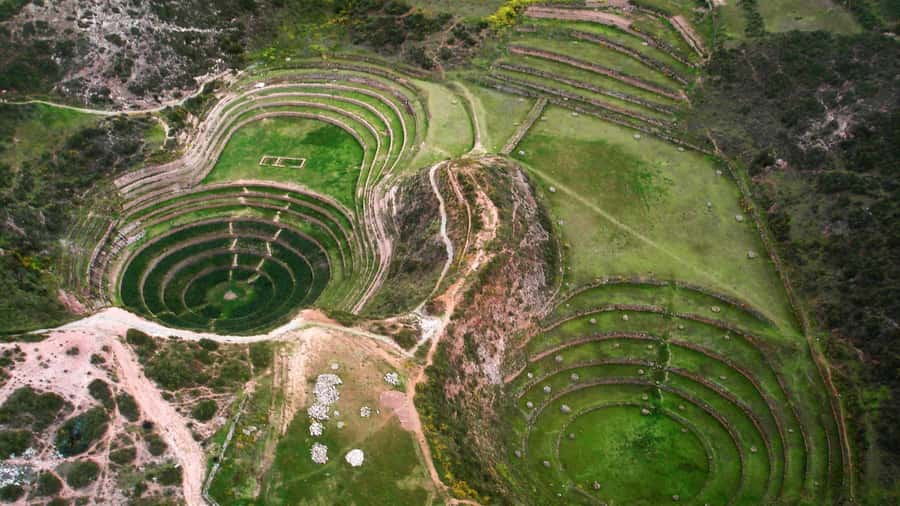
Moray is the most unusual archaeological stop on the route. Its huge circular terraces descend into broad bowl-shaped formations, creating one of the Sacred Valley’s most memorable sights. The design is often explained as an Inca agricultural testing ground, where different terrace levels offered different altitude and climate conditions.
That explanation gives the site more meaning than a quick photo stop. You can look at the curves and consider how the Incas used terrain to improve crop cultivation. The terraces show careful planning, not random decoration. They also give you a useful reminder that Inca achievement was practical as well as architectural.
The ticket costs 70 soles and is not part of the $28 tour price. That is a significant addition, so include it when comparing this trip with other Sacred Valley options. If Moray is your main reason for booking, the fee may feel worthwhile. If you only want a quick view from outside, check exactly what access the ticket provides before you pay.
The stop is also about perspective. From Moray, you get broad views across the surrounding countryside and a clear sense of how the terraces fit into the region. Bring a camera, but do not spend the entire visit looking through it. The shape of the terraces is best understood by taking a moment to simply watch how the levels fold toward the center.
The schedule gives you free time at the sites rather than forcing every minute into a scripted explanation. That is helpful at Moray, where you may want time to take photos, study the terraces, and listen to the guide without feeling rushed.
Maras Salt Flats, still worked by hand
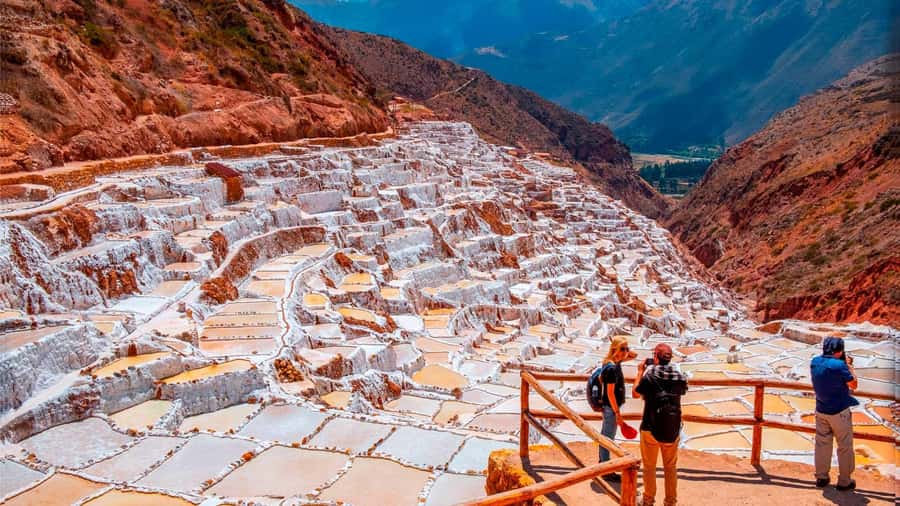
The Maras Salt Flats are made up of thousands of small salt pools spread across a mountainside. From a distance, the pools form a striking patchwork of white and earthy tones. Their appearance can change with water flow, salt buildup, and light, so this is one stop where the view itself does much of the work.
The salt pans have been used since pre-Inca times, and salt extraction continues today. You can learn how mineral-rich water is directed into the small pools, where it evaporates and leaves salt behind. The ongoing work gives the site a stronger connection to daily life than an abandoned archaeological ruin.
Entry costs 20 soles, again paid separately. The additional fee is modest compared with Moray, but both charges matter when working out your final budget. I would carry enough local currency for tickets and small purchases, since the tour information does not say that card payment is available.
The views are a major reason to include Maras. The pools sit above the surrounding valley, and the setting makes a strong contrast with Moray’s enclosed terraces. At the same time, you should remember that this is a working production site, not only a scenic viewpoint. Listen to the explanation of the extraction process and look for the human labor behind the neat rows of pools.
A recent French-language review found the time at the sites sufficient for a full look and photos. That is useful advice for you: the tour seems designed to provide a proper visit at each main stop, though the exact pace can vary with pickup and road conditions.
A few more Sacred Valley trips worth lining up side by side
- From Cusco: Moray, Maras Salt Mines & Chinchero Weavers Half-Day
★ 5.0 · 126 reviews - Half-Day Cycling Tour of Maras and Moray from Cusco
★ 5.0 · 14 reviews - From Cusco: Maras Salt Mines and Moray Half-Day Tour
★ 5.0 · 9 reviews - From Cusco: Moray, Maras, and Salt Mines Half-Day Tour
★ 4.7 · 7 reviews
Transport, guide quality, and the daily rhythm
The package includes tourist transport and a bilingual guide in English and Spanish. That combination is important because the three stops are spread across the Cusco Region, and the guide connects them into one story. Without explanations, Moray could look like a large set of terraces and Maras like a scenic collection of pools. With context, you can see why each place matters.
The guide is also expected to explain the textile techniques at Chinchero, the agricultural purpose of Moray, and the traditional salt process at Maras. A Portuguese-language review praised the guide’s care and detailed explanations. Another review in English described the guide as enthusiastic and easy to understand.
The main logistics are simple. Pickup takes place at your hotel in the historic center, with departure time given as approximately 8:00 to 8:40 a.m. You should keep your morning flexible during that window rather than planning a precise breakfast reservation. Send the required WhatsApp number and hotel address when you reserve so the pickup details are clear.
The tour returns to Cusco at about 2:30 p.m. This timing is one of its best features. You can have a late lunch, rest, visit another city attraction, or use the afternoon to prepare for a longer Sacred Valley or Machu Picchu schedule.
No group size is provided, so I would not book this expecting a private outing. The transport is shared, and the exact amount of time at each stop may depend on the group. The schedule does, however, include free time for walking around and taking photographs.
What the $28 price really covers
At first glance, $28 is a low price for a guided outing from Cusco. It covers hotel pickup in the historic center, transport, and a bilingual guide. Those are the parts that can be awkward or expensive to arrange separately, especially when three destinations are involved.
Your actual cost is higher because tickets are excluded:
- Moray: 70 soles
- Maras: 20 soles
- Meals: not included
- Travel insurance: not included
- Personal expenses: not included
The total remains reasonable if you value convenience and a structured morning. You are paying for transport between dispersed sites, a guide who explains the cultural background, and a return to Cusco before the evening. The package is less attractive if you already have a car, private driver, or another Sacred Valley tour that includes these entrances.
Food is not included, so eat before pickup or bring something with you. The tour information does not specify a meal stop, and the return time suggests that lunch will probably be after you get back to Cusco.
Free cancellation is available up to 24 hours before departure for a full refund, and you can reserve now and pay later. Those terms are useful if your Cusco plans may change, but you should still check the final booking conditions and pickup details before confirming.
Who will get the most from this tour
I would recommend this outing if you want a short introduction to several Sacred Valley attractions without giving up an entire day. It works particularly well for first-time visitors who want a guide to explain what they are seeing.
You will probably enjoy it if you like:
- Archaeology with a clear practical purpose
- Living Andean craft traditions
- Scenic mountain views and unusual photo stops
- Shared transport and a set morning schedule
- Returning to Cusco in time for afternoon plans
The tour may not suit you if you want long, quiet visits at each location. It may also disappoint you if you dislike textile demonstrations or shop stops. Since the group size is not stated, you should also avoid assuming a private or highly flexible experience.
The extra ticket fees are the biggest point to weigh. Moray and Maras are the core attractions, so most people booking this route will want to enter both. Add 90 soles to the advertised price before deciding if the value works for your budget.
Should you book the Maras and Moray tour?
I would book it if you have one free morning in Cusco and want a balanced mix of archaeology, scenery, and local culture. The strong 4.9 rating from 17 bookings fits the main strengths here: reliable hotel pickup, clear English guidance, enthusiastic explanations, enough time for photos, and striking views.
The best reason to choose this tour is its efficient mix. Chinchero shows living textile traditions, Moray explains Inca farming methods, and Maras shows an old salt industry that still operates. Few half-day outings offer three such different subjects.
I would skip it only if you want a private experience, dislike shopping-oriented cultural stops, or prefer to spend a full day in the Sacred Valley at a slower pace. For most visitors working with limited time, the route offers solid value, provided you remember the separate 70 soles and 20 soles entrance fees.
FAQ
How long does the Maras and Moray tour last?
The tour lasts 330 minutes, which is about five and a half hours. Pickup begins approximately between 8:00 and 8:40 a.m., and the return to Cusco is planned for around 2:30 p.m.
What places does the tour visit?
The route includes a traditional textile center in Chinchero, the circular terraces at Moray, and the Maras Salt Flats.
Is hotel pickup included?
Yes. Hotel pickup is included for hotels in Cusco’s historic center. You need to provide your hotel address and a WhatsApp number.
Are entrance tickets included in the price?
No. Moray costs 70 soles and Maras costs 20 soles. These fees are separate from the $28 tour price.
Is a meal included?
No. Meals are not included. The tour returns to Cusco around 2:30 p.m., so you can arrange lunch separately.
What languages does the guide speak?
The live guide speaks Spanish and English.
Can I cancel the booking?
You can cancel up to 24 hours in advance for a full refund. The activity also offers a reserve-now, pay-later option.
Added recently around Sacred Valley
- Tour Sacred Valley with Maras and Moray★ 5.0 · 15 reviews
- Full day excursion in the Sacred Valley, Pisac, Ollantaytambo from Cusco City★ 4.5 · 12 reviews
- Full day tour of Sacsayhuaman,Q’enQo, Puka Pukara, and Sacred Valley Tour★ 5.0 · 10 reviews
- Full Day Sacred Valley of the Incas Private Tour★ 5.0 · 10 reviews
- Full Day in the Sacred Valley – The Pantry of Cusco★ 5.0 · 14 reviews
- Full Day Urubamba River Rafting Adventure★ 3.5 · 6 reviews
- Full-Day Tour in the Sacred Valley with Lunch★ 4.5 · 15 reviews
- Full Day Tour Sacred Valley of the Incas (Private)★ 5.0 · 7 reviews
Sacred Valley Tours, compared.
Sacred Valley & Maras Salt Mines Tour with Lunch
Read our review →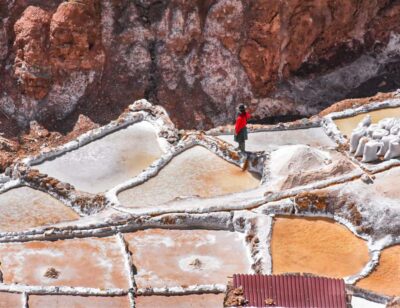
Moray, Maras Salt Mines & Chinchero Weavers Tour
Read our review →
2-Day Tour: Sacred Valley and Machu Picchu by Train
Read our review →
Sacred Valley, Pisac, Ollantaytambo, Salt Mines Moray
Read our review →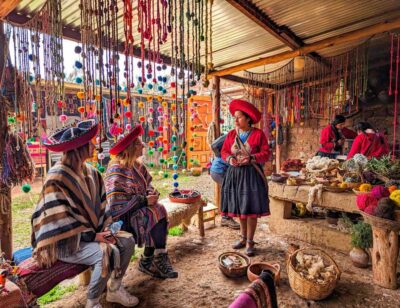
Chinchero,Moray & Salt Mines drop-off in Ollantaytambo
Read our review →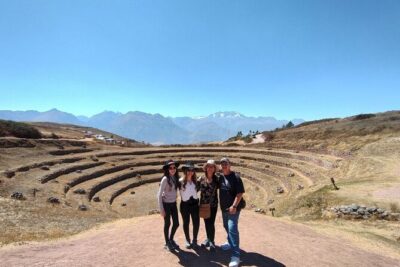
Sacred Valley and Maras Moray Tour with Full Day Buffet Lunch
Read our review →

Browse the lists this tour appears in