Reviewed · SACRED VALLEY TOURS
From Cusco: Sacred Valley Highlights – Moray, Maras & Chinchero
Ancient farms meet salt pools here. This six-hour outing from Cusco links Moray’s giant terraces with the working salt ponds of Maras, plus a stop in Chinchero. I like the strong mix of Inca engineering and living Andean work, and I like that round-trip transport is included for only $18 per person. The main catch is that entrance fees and lunch cost extra, and pickup details need careful checking.
You leave Cusco around 8:35 a.m. and return at about 2:30 p.m. That makes this a useful half-day trip, not quite the full-day adventure the description suggests. Bring warm layers, sun protection, water, and small cash in soles, since the roads climb high and the two admission fees are separate.
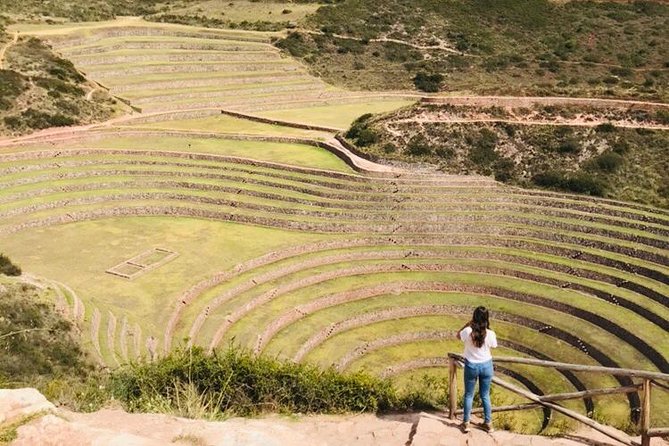
- Moray’s circular terraces show how the Incas shaped a natural depression into an agricultural experiment.
- Maras salt pools are still fed by salty spring water and worked by hand during the dry season.
- Cusco hotel pickup saves you from arranging transport to the Sacred Valley on your own.
- The $18 price is low, but you must add PEN 90 for the stated Moray and Maras admission fees.
- A group of up to 20 people keeps the price down, though the pace may feel brisk.
- English service and a professional guide are included, along with an air-conditioned vehicle.
In This Review
- Why Moray and Maras Make a Good Pair
- Moray’s Terraces and the Inca Approach to Farming
- Maras Salt Pools: A Working Andean Industry
- Maras Town and the Colonial Layer
- Chinchero Adds Another Sacred Valley Stop
- Is $18 a Good Deal?
- Timing, Pickup, and the Risk of a Rushed Morning
- What to Pack for 3,300 Meters
- Who Will Like This Tour Most?
- Should You Book the Moray and Maras Trip?
- FAQ
- How long does the tour last?
- What places does the tour visit?
- Is hotel pickup included?
- Are entrance fees included?
- Is lunch included?
- What language is the tour offered in?
- How many people can join the tour?
- What should I wear?
Why Moray and Maras Make a Good Pair
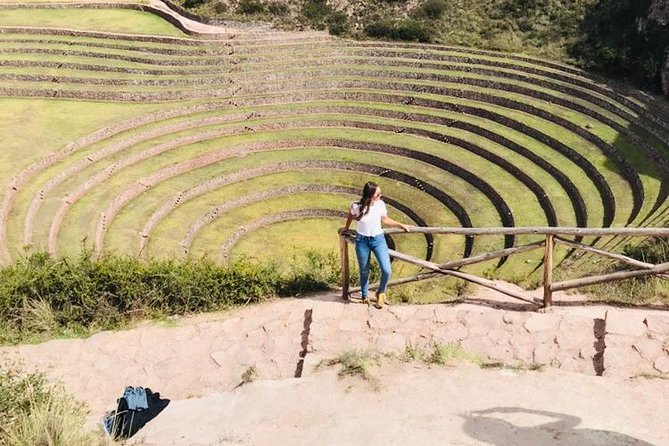
This tour works because the two main stops show very different kinds of Andean ingenuity. At Moray, you see agriculture built into the earth. At Maras, you see salt collected from spring water through thousands of small evaporation ponds.
The contrast gives the outing more purpose than a simple photo stop. You are not just looking at ruins. You are seeing how people adapted to altitude, water, soil, and steep mountain terrain.
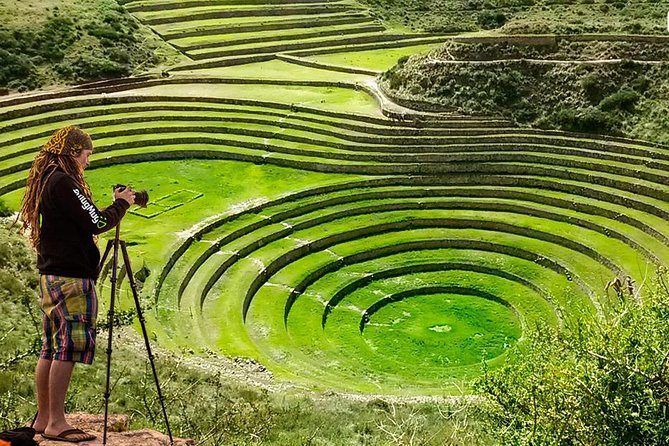
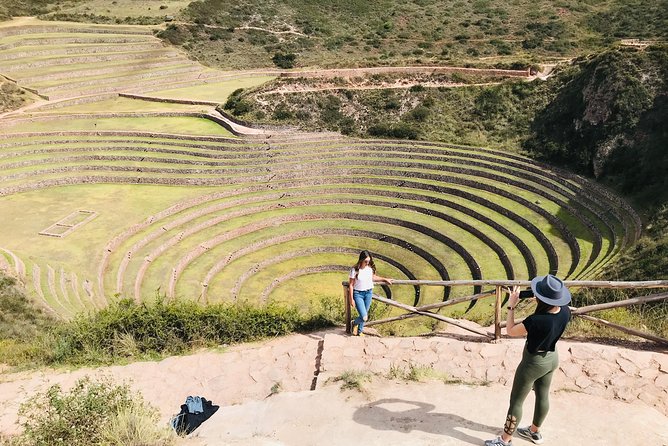
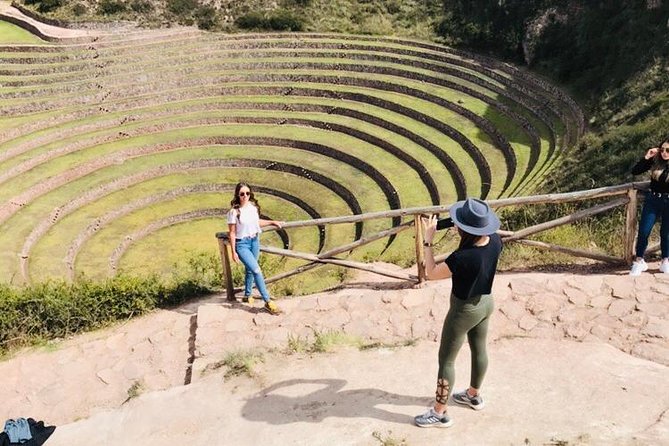
Moray sits about 7 kilometers southwest of Maras. The site consists of huge circular depressions lined with agricultural terraces. Channels carried water through the terraces, and the different levels created changing growing conditions.
The exact use of Moray is often presented as an agricultural testing center, and the tour explains it in those terms. The site is especially useful for understanding how the Inca world developed crops in difficult conditions. The description connects this farming tradition with the many varieties of potatoes, maize, and other plants still associated with the Andes.
I would give Moray your full attention. The circles are striking from above, but the important detail is below the postcard view: stone platforms, irrigation channels, and the way each ring fits into the natural hollow. Wear shoes with a decent grip because the ground can be uneven.
Moray’s Terraces and the Inca Approach to Farming
The morning begins with pickup at about 8:35 a.m. The stated meeting point is Plaza Regocijo, with the pickup details also indicating hotel pickup. That mixed information is worth taking seriously. Confirm your exact pickup place and time before departure, and do not assume that the central meeting point and hotel service mean the same thing.
The tour uses an air-conditioned vehicle and carries no more than 20 people. For a low-cost excursion, that is a reasonable arrangement. You get shared transport instead of paying for a private car, while the group remains small enough for a guide to speak to everyone.
At Moray, expect an archaeological visit rather than a long hike. The attraction is compact in terms of the main viewing area, but the altitude and uneven surfaces can make even short walks feel more tiring. The supplied advice asks you to drink plenty of water and carry personal medication.
The terraces are the intellectual center of the trip. Maras is more immediately colorful, but Moray explains the bigger question: how did Andean farmers grow food in a demanding climate? The answer is not a single clever trick. It was careful control of water, soil, elevation, and planting space.
The guide is meant to explain those details. One account described a guide named JZ as acceptable but said the tour felt rushed. That is a useful warning for anyone who wants a slow archaeological visit. Shared day trips run on a schedule, so listen carefully at the start and keep track of the agreed return time.
More Sacred Valley days out:
- From Cusco: Moray, Maras Salt Mines & Chinchero Weavers Tour
★ 4.8 · 1,925 reviews - 2-Day Tour: Sacred Valley and Machu Picchu by Train
★ 5.0 · 1,127 reviews - Cusco: Sacred Valley, Pisac, Ollantaytambo, Salt Mines Moray
★ 4.6 · 1,058 reviews
Maras Salt Pools: A Working Andean Industry
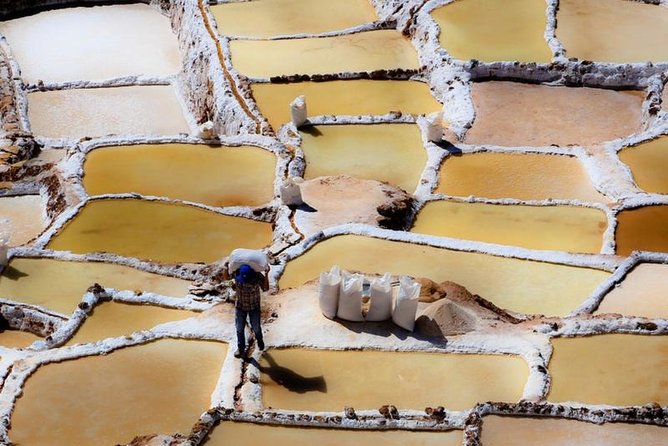
The salt mines, or Salineras, are northwest of Maras. They contain about 3,000 small pools, each averaging roughly 5 square meters. The pools are fed by salty water from a natural spring higher up the site.
During the dry season, workers add or direct the salt water into the pools about every three days. As the water evaporates, salt hardens on the surface. It is then broken up, gathered, and prepared for sale in regional markets.
This is the stop that feels most connected to present-day life. The site is not only an old Inca attraction. It remains a place where a traditional method continues to produce a useful product.
The salt is now iodized, according to the tour information, so it is not considered harmful for consumption. You may also find salt products sold near the attraction, although the supplied details do not promise a shopping stop or a particular amount of free time.
The pools are visually impressive because the small white rectangles spread across the hillside in tight rows. Take care with your footing and protect your camera from dust, splashes, or sudden rain. Sunglasses and a hat are practical here, not just accessories for photographs.
Admission to Maras is not included. The stated fee is PEN 20 per person. Moray costs PEN 70 per person, bringing the listed entrance total to PEN 90. At the tour price of $18, that changes the real cost considerably, though the combined price remains reasonable for transport and a guide from Cusco.
Maras Town and the Colonial Layer
The town of Maras sits west of Cusco at about 3,300 meters above sea level. From the area, you can see parts of the Urubamba mountain range, including the peaks of Veronica at 5,682 meters and Chicon at 5,530 meters.
The town also carries a colonial religious story. Its church contains canvases associated with the Cusco School, a major painting tradition from the colonial period. The description presents Maras as a place where Cusco nobles settled after losing their palaces in the imperial capital.
How much time you get in the town is not specified. That matters. Maras may be treated as a quick pass-through or a short cultural stop, while the salt pools and Moray receive the main attention. If the church is important to you, ask the guide early in the morning how the visit will be handled.
This is one reason I would not book the tour expecting a slow, detailed study of every site. The route covers several attractions in around six hours. You get a broad sample of the area, but not unlimited time at each place.
Chinchero Adds Another Sacred Valley Stop
Chinchero is named in the tour title, but the supplied schedule gives no separate description or exact stop length for it. That means you should treat Chinchero as an included highlight whose precise presentation may depend on the day’s timing.
The title suggests that the route includes the town or archaeological area. Still, Moray and Maras receive the detailed descriptions, while Chinchero does not. If seeing Chinchero is your main goal, confirm the planned stop before booking.
This is not a reason to reject the tour. It is simply a matter of matching your expectations to the schedule. The strongest confirmed attractions are Moray and the Maras salt pools. Chinchero appears to broaden the route, but the available information does not explain whether you will visit its church, archaeological remains, market, or another specific point.
A few more Cusco trips worth lining up side by side
- Classic Inca Trail Trek 4D/3N to Machu Picchu (Group Service)
★ 5.0 · 8,653 reviews - Cusco: Rainbow Mountain and Red Valley Day Trip with Meals
★ 4.9 · 4,893 reviews - Machu Picchu: 4-Day Inca Trail Trek with Panoramic Train Ride
★ 5.0 · 4,568 reviews - Salkantay Classic Trek 5 Days from Cusco
★ 5.0 · 4,062 reviews
Is $18 a Good Deal?
At $18 per person, this is a budget-friendly way to reach several sites outside Cusco. The air-conditioned vehicle, professional guide, hotel pickup, and return transport add real value. Hiring separate transport to Moray and Maras would require more planning and could cost much more, especially for one or two people.
The headline price does not cover everything. Add:
- Moray admission: PEN 70 per person
- Maras admission: PEN 20 per person
- Lunch
- Personal snacks and drinks
You should carry change in soles, dollars, or euros. The information specifically recommends having small cash, and that is sensible for entrance fees and minor purchases.
There is no lunch included, and the return to Cusco is planned for about 2:30 p.m. Bring a snack if you tend to get hungry early. The timing may allow you to eat after returning to the city, but you should not count on a full meal during the excursion.
The value is best for someone who wants transport and a guided overview at a low base price. It is less appealing if you prefer private pacing, long photography sessions, or a clear all-inclusive fare.
Timing, Pickup, and the Risk of a Rushed Morning
Pickup is scheduled for 8:35 a.m., with the tour ending back at the meeting point around 2:30 p.m. The total duration is described as about six to seven hours, so allow some flexibility.
The pickup information contains both hotel pickup and Plaza Regocijo as the starting point. One customer had serious trouble after the meeting location changed several times and different phone numbers were used. The provider responded that the designated point was KFC at Plaza de Armas and that the group waited until 8:45 a.m. before leaving.
The practical lesson is simple: confirm the exact pickup location in writing, keep your phone available, and arrive early. In a shared vehicle, the driver cannot wait indefinitely for one person. If you use a taxi or rideshare to reach the meeting point, last-minute changes can also add cost.
The short schedule creates another concern. A guide named JZ was described as fine but too quick, with the impression that the group was being moved along to finish early. I would not assume this will happen every time, but it shows why you should ask questions as you go. If a stop matters to you, say so politely and use the available time well.
What to Pack for 3,300 Meters
Cusco and the Sacred Valley can bring sharp changes in sun, temperature, and rain. The recommended packing list is practical:
- Light walking shoes or sneakers
- Long pants and a long-sleeved shirt
- Warm clothing
- A waterproof raincoat during the rainy season
- Water and a snack
- Sunscreen, sunglasses, and a hat
- A small backpack
- Personal medicines
- A camera, with spare storage or batteries if needed
- Plastic bags for wet items
The advice to bring both light and warm clothing is important. You may start in cool morning air, face strong sun at the sites, and encounter rain later. Do not pack as if this were a warm lowland outing.
At high altitude, water and a measured pace help. Most people can participate, but the tour information does not promise a special low-altitude route or accessibility service. If you have a health concern, contact the provider before booking.
Who Will Like This Tour Most?
I would choose this trip if you have limited time in Cusco and want to see two of the area’s most distinctive attractions without arranging transport yourself. It suits budget-minded visitors, first-time visitors to the Sacred Valley, and anyone interested in farming, engineering, and traditional production.
It also works well for people who prefer a guided explanation to wandering around archaeological sites alone. The professional guide can connect the terraces, irrigation, salt production, and mountain setting into one story.
I would look elsewhere if you want a private vehicle, a leisurely schedule, or a carefully defined Chinchero visit. The group can reach up to 20 people, and the low price depends on keeping the route efficient.
The tour is offered in English. Confirmation is received at booking, and free cancellation is available up to 24 hours before the start time. Changes or cancellations inside that 24-hour window are not accepted for a refund.
Should You Book the Moray and Maras Trip?
Book it if your priority is good coverage at a low starting price. Moray and Maras complement each other beautifully, and included hotel transport removes much of the hassle of reaching them from Cusco.
Before paying, confirm three things: your exact pickup point, the Chinchero schedule, and the extra admission costs. Arrive early, carry PEN 90 for the stated site fees, and bring your own food and water.
I would call this a practical overview tour rather than a slow cultural excursion. If you accept the shared transport and brisk timing, it offers a useful, inexpensive look at Inca agriculture and a living salt-making tradition.
FAQ
How long does the tour last?
The tour lasts approximately six hours, although the duration is also given as six to seven hours. Departure is scheduled for about 8:35 a.m., with a return to Cusco around 2:30 p.m.
What places does the tour visit?
The tour is described as visiting Moray, Maras, the Maras salt mines, and Chinchero. The detailed information focuses most closely on Moray, Maras town, and the salt mines.
Is hotel pickup included?
Yes. Hotel pickup is offered, and the activity also lists Plaza Regocijo as the starting meeting point. Confirm your exact pickup instructions before departure.
Are entrance fees included?
No. The stated admission fee for Moray is PEN 70 per person, and the stated fee for the Maras salt mines is PEN 20 per person.
Is lunch included?
No. Lunch is not included. You should bring a snack and enough water for the outing.
What language is the tour offered in?
The tour is offered in English and includes a professional guide.
How many people can join the tour?
The maximum group size is 20 people.
What should I wear?
Wear light walking shoes or sneakers, long pants, and a long-sleeved shirt. Bring warm clothing, a waterproof raincoat during the rainy season, sunscreen, sunglasses, and a hat.
Added recently around Cusco
- the Incas’ Sacred Valley★ 5.0 · 27 reviews
- Sacred Valley of the Incas Day Trip from Cusco★ 5.0 · 6 reviews
- Super valley or vip valley★ 5.0 · 13 reviews
- Small-Group Tour: Rainbow Mountains Hiking from Cusco★ 4.0 · 5 reviews
- Excursion to the Sacred Valley of the Incas from Cusco★ 5.0 · 8 reviews
- Maras + Moray & Textile Experience★ 5.0 · 14 reviews
- Tour EN Cuatrimoto POR la Montaña 7 Colors Hike 5 Minutes★ 4.5 · 32 reviews
- rainbow mountain★ 4.0 · 4 reviews
Sacred Valley Tours, compared.
Sacred Valley & Maras Salt Mines Tour with Lunch
Read our review →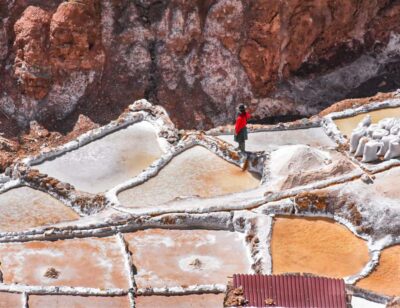
Moray, Maras Salt Mines & Chinchero Weavers Tour
Read our review →
2-Day Tour: Sacred Valley and Machu Picchu by Train
Read our review →
Sacred Valley, Pisac, Ollantaytambo, Salt Mines Moray
Read our review →
Chinchero,Moray & Salt Mines drop-off in Ollantaytambo
Read our review →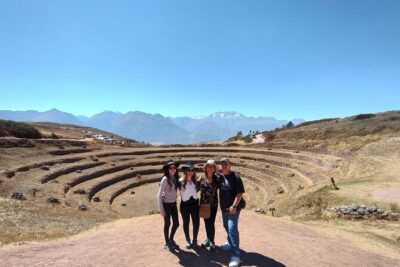
Sacred Valley and Maras Moray Tour with Full Day Buffet Lunch
Read our review →